train your senses

IMG_9523

Christians are the “real” realists.  The Son of God by his Incarnation has demonstrated that the world is filled with symbols of God.  These symbols that God has planted in the world testify not only to His existence, but also to the goodness of His Creation.  By the example of His own life, Christ teaches us that through our senses we may commence our spiritual journey, and that He will receive us into Paradise in the full integrity of our humanity, body and soul united in communion with Him.

Vigen Guroian

the Fragrance of God


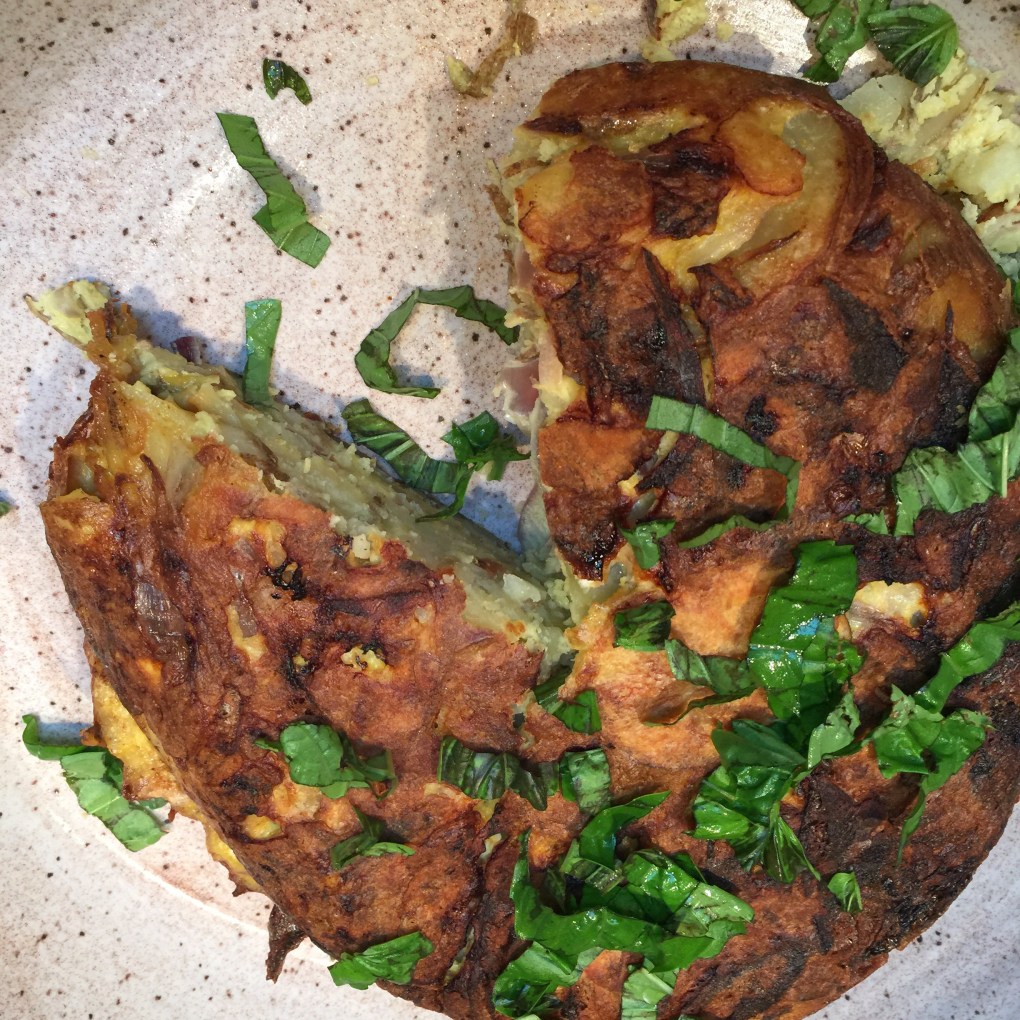
potato galette

IMG_3821

He became man and lived in this world. He ate and drank, and this means that the world of which he partook, the very food of our world became His body, His life. But His life was totally, absolutely eucharistic—all of it was transformed into communion with God and all of it ascended into heaven. And now He shares this glorified life with us. “What I have done alone—I give it now to you: take, eat.…”

~

Alexander Schmemann

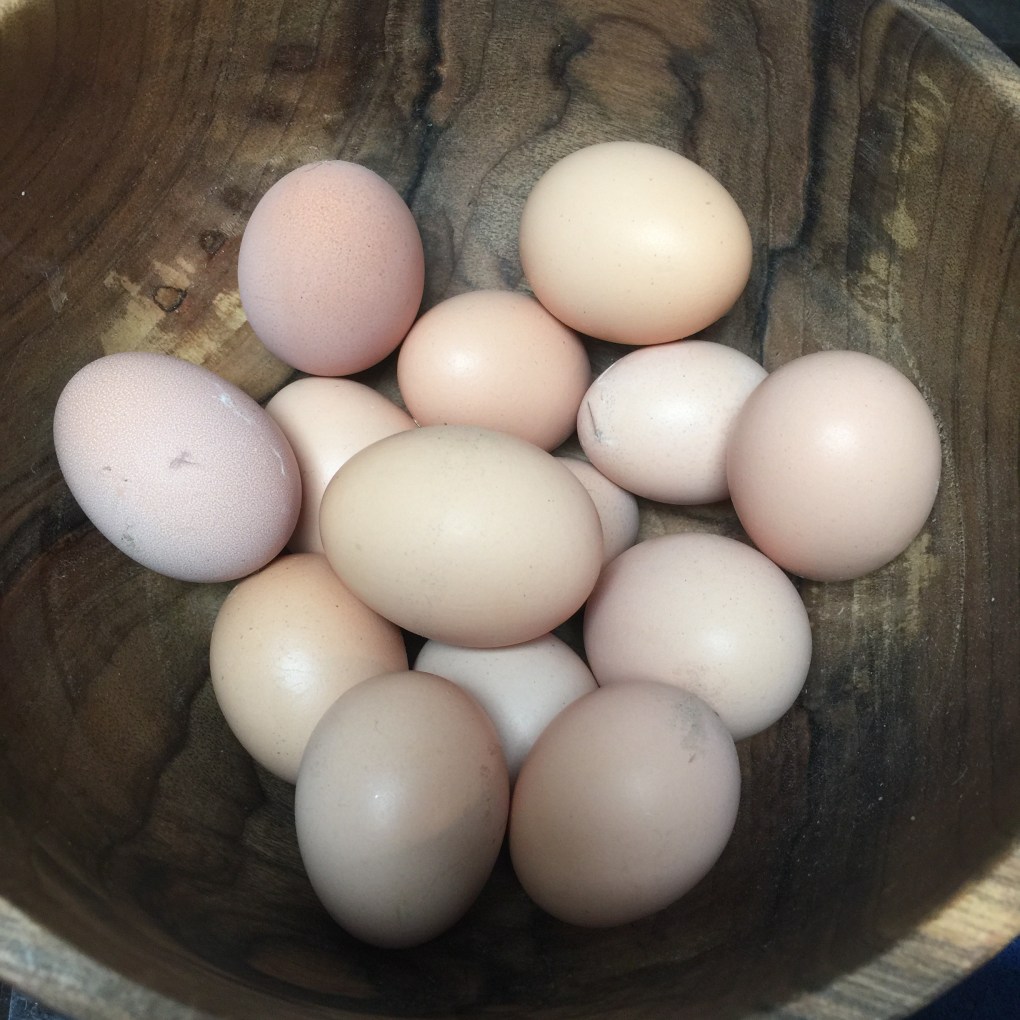
If one intends to raise chickens, it’s a great thing to love eggs!  This spring our family acquired eight hens and as of now, we harvest six eggs a day, on average.  That’s 42 eggs a week.  So we are now gladly sourcing recipes with eggs!

This potato gallette is a really easy weeknight meal.  It’s savory with a hint of herbs from the garden.  Our egg yolks are so absolutely vibrantly orange (like the old fashioned red orange crayola color) it’s abundantly clear they are packed with choline, folate, vitamin A, vitamin E, tons of beta-carotene and plenty of omega-3 fats from the flax we feed them and the free range forage they enjoy.  If your interested in how the life and diet of a hen reflect in the nutrient content of her eggs, check out these results from Mother Earth News.

IMG_3811

Now onto the potato galette!  I strongly recommend using a well seasoned cast iron pan if you have one.  I find them non-stick far better than others, and the heat is so nice and even that it really crisps up the galette.


Before we begin, a note on the potatoes.  If you are using fresh potatoes, that have not hint of green on them (like right under the peel) then do not peel the potatoes… lots of good nutrition there.  If however, your potatoes where not stored well and they have that green you can either peel the parts with the green or peel the entire potato.  My grandmother, who grew up in Germany during a time of root cellars, world wars and no refrigeration always told me that the green on the potatoes is poisonous.   You can read more about it here in this short article in the New York times.  Storing potatoes properly is very important.  They will begin to sprout depending on light and temperature.  GrowAGoodLife has a great article on potato storage.

Ingredients:

  • Olive oil – enough to coat the potatoes and cover the bottom of the cast iron pan
  • 1-2 pounds potatoes, new or yukon gold
  • 2 teaspoons celtic sea salt or other natural salt
  • 1-1/2 cups onions : I prefer vidalia or some other sweet onion, but your basic yellow onion is just absolutely fine
  • 1 tablespoon fresh oregano, thyme or basil or some combination of fresh herbs
  • 5 medium cloves of garlic, peeled and minced
  • 6 large pastured eggs or 8 small pastured eggs (we have all sizes here!)
  • fresh ground black pepper

Preparation

Using a mandolin, slice potatoes about 1/8 of an inch.  Place in a very large bowl, sprinkle with salt, pepper and about three tablespoons of olive oil.  This coats them so they will not stick on pan.

Drizzle olive oil to cover the bottom of  a large cast iron skillet over medium heat.  Place potatoes in pan and cook them in batches.  You should not hear a searing sizzle, we are just par-cooking them.  They should not be turning color, and should not be soft so that they break when you remove them.  After each batch place potatoes in another large bowl.

While these are cooking, you want to crack your eggs and beat them in a small bowl.  Add herbs and a little more salt.

Once all potatoes are done, add the onions and garlic to the pan.  Saute till softened and fragrant, but not browned.  Rinse the skillet.  Add egg mixture to potatoes and toss well to coat.

Coat bottom of skillet with oil again and place over medium high heat.  Add in potato mixture.  Do NOT stir or move the mixture.

Let it cook for about ten to fifteen minutes.  The sides will start to pull away from the pan.  Again we are not going for a high heat because we want them to cook evenly and thoroughly – as well as get a nice brown on the potatoes.

Okay, now for the fancy flip.

After about ten minutes you can start to tease the side of the galette away from the pan, if it is not starting to do so.    At this point you will want to get a plate so you can flip the galette.  The plate needs to be bigger than your pan.

Take the skillet off of the burner. Carefully, place the plate a top of the skillet.  With your hand on top of the plate turn the skillet upside down so that the potato galette falls out of the skillet and onto the plate.  Now you can slide the galette back into the skillet to brown on the other side.

Let this cook another five to ten minutes until browned.   Remove from skillet and place on serving dish.  Garnish with more fresh herbs if desired.

Serve and enjoy.  This makes a great leftover meal as the flavors continue to melt together as time goes on!

IMG_3820


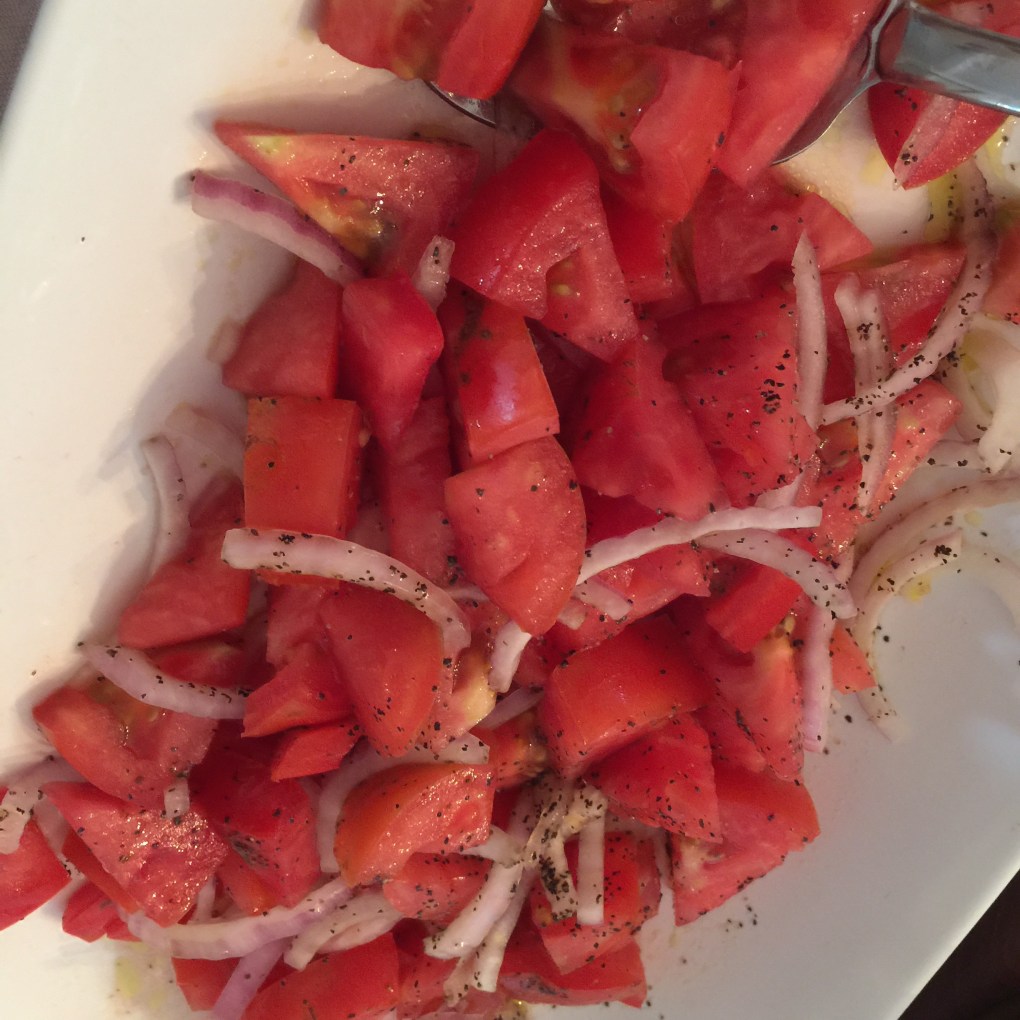
simplest tomato salad

image


Our first and most important spiritual task is to claim God’s unconditional love for ourselves. To remember who we truly are in the memory of God. Whether we feel it or not, whether we comprehend it or not, we can have spiritual knowledge in the heart— a deep assurance that passes understanding— that we are God’s beloved.

Henri Nouwen

It’s the ripe, plump tomatoes which blanket the farmer’s markets and neighbors gardens that make this simplest tomato salad so delectable.  No need to fancy it up – the salt really brings out the savory sweet juicy flavors of the tomatoes.   It’s a family favorite during the summer.

Ingredients

  • 5-6 ripe in season tomatoes
  • 3 tablespoons olive oil
  • 1/3 cup finely chopped red onion
  • salt and pepper to taste

Mix all ingredients and serve.  Dinner can be that simple…


garden beet salad


IMG_3591

Do not say “this happened by chance, while this came to be of itself.”  In all that exists there is nothing disorderly, nothing, indefinite, nothing without purpose, nothing by chance…. How many hairs are on your head?  God will not forget one of them.  Do you see how nothing, even the smallest thing, escapes the gaze of God? ~Saint Basil the Great


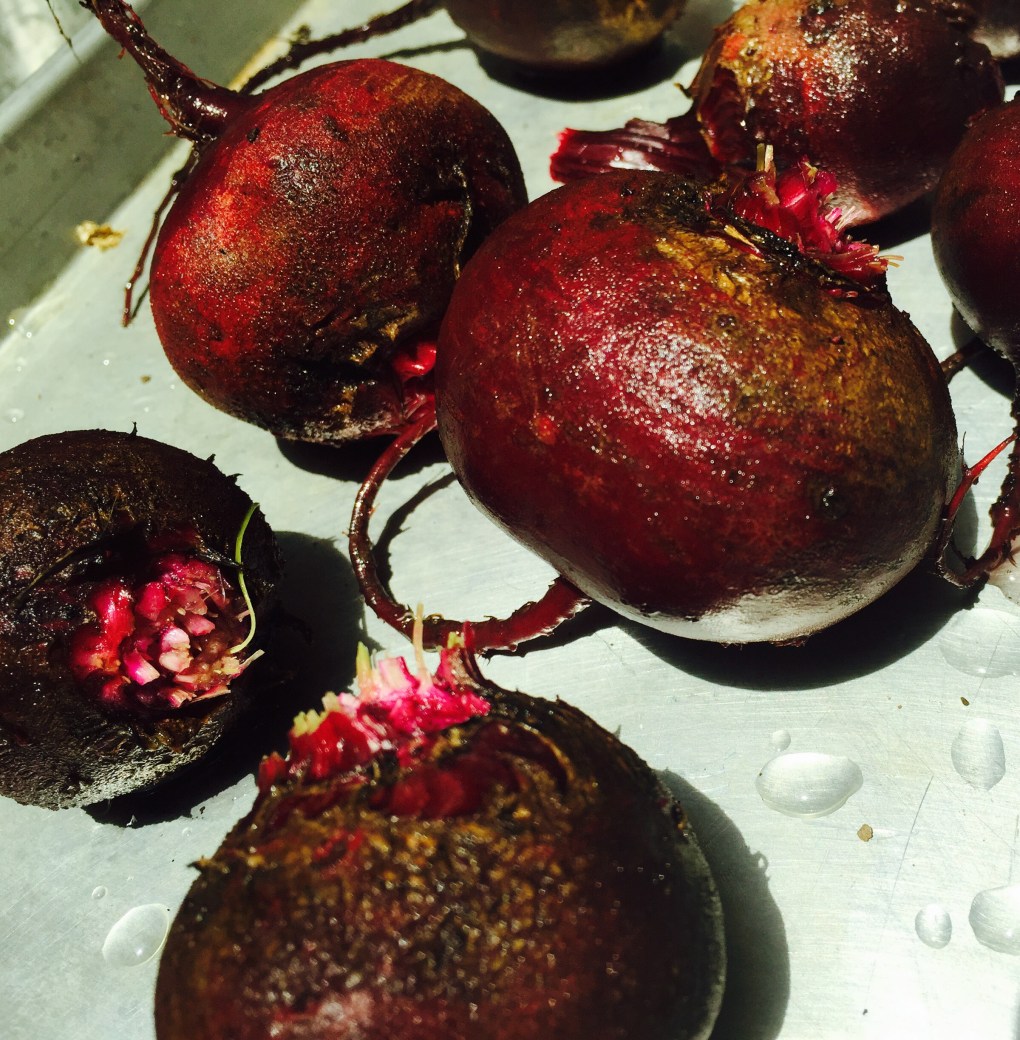
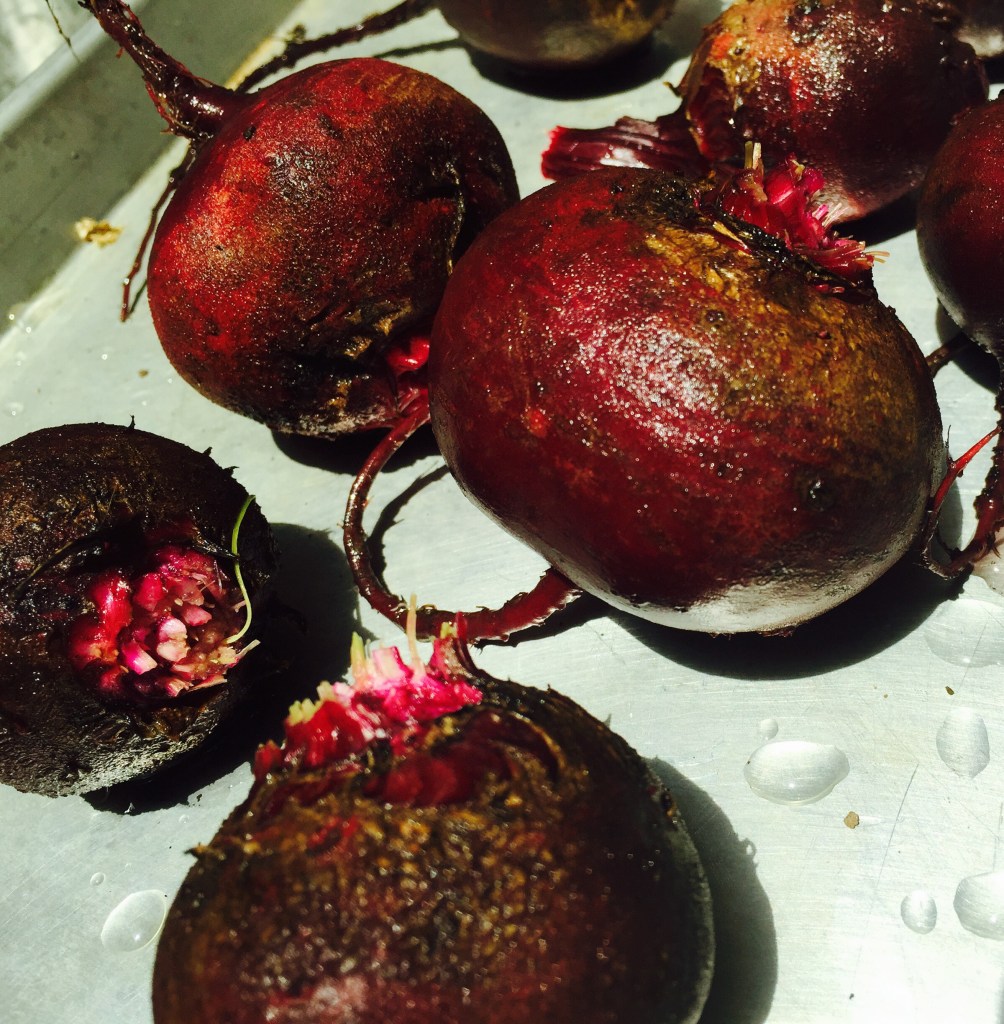
During the summer, we crave salads.  They are a nice cool addition to any meal, or can be served as a meal on their own.  You simply can not “beet” the simplicity of a garden beet salad.  These particular beets are gems straight from our garden, but any from the store or farmer’s market will do.  We planted these in early spring.

I actually hadn’t planned to harvest them, but I accidentally pulled one out while weeding…  it looked so good, that we harvested the rest from that bed!  Beets have a sweet earthy flavor, and are a mineral rich nutritional powerhouse.  They have more iron than spinach, and are an excellent source of calcium, magnesium, copper, and phosphorous.  They’re also packed with  choline, folic acid, iodine, manganese, organic sodium, potassium, fiber and carbohydrates (in the form of natural easily digestible sugars).   Quite simply, they are superfood.

One great benefit of the beet is that is alkalizing to the body and that’s great news in a nation with a standard diet that is acid forming.  Beets are a stimulator of liver health.  They also have many cardiovascular benefits.  They can be helpful in reducing cholesterol and their rich potassium content benefits blood pressure.  Fermented drinks like beet kvass have been known throughout history as a blood tonic.  And the list goes on.  Some studies have also shown that beets are preventative for skin, lung and colon cancer, they support the structure of our capillaries, and can also aid in the slowing or prevention of macular degeneration.

Beets, they do a body good!


Garden Beet Salad

Ingredients:

  • 9 beets, washed but not peeled
  • 4 tablespoons goat cheese in small chunks to drop into salad
  • 3 tablespoons pinenuts, slightly toasted
  • 1/4 cup  finely chopped red onion, green onion tops or chives
  • 3 tablespoons olive oil
  • 1 tablespoon rice wine vinegar
  • sea salt and pepper to taste

Preheat oven to 350F and place beets on a cookie sheet.  Top loosely with foil and place oven for about an hour.  They should be tender.

Remove from oven and let cool.  Once cool, using the edge of a knife or a vegetable peeler, peel of the outer skin of the beet.  Your hands will get very red!

Next, cut the beets into bite sized pieces.  Place all ingredients into your favorite salad bowl and toss lightly to incorporate.

Delicious!


Additional Resources

http://www.whfoods.com/genpage.php?tname=foodspice&dbid=49


kale – wonderful kale!

kale varieties


Move over Popeye… kale is precisely what this nutritionist means when she says, “Eat your greens with reckless abandon.”  It is wise to include kale as one of your crucifeorus vegetables of choice on a daily basis.

To start with, kale is a remarkable and ancient superfood, that has gotten somewhat of a trendy reputation in recent years.  Maybe you have even noticed kale chips at Trader Joe’s or Whole Foods.  A delicious snack, only made better if you venture to make your own.

What you might not know is that kale has nourished people, well, forever really.  Kale is an offspring of wild cabbage. Ancient Greeks and Romans are known to have grown kale.  Even  ancient Egyptians recognized kale as a nutritional superfood – considering that they lined the tombs of pharaohs with elaborate gold and silver carvings of woven kale garlands.

Scientists know that kale has been under cultivation for more than 6,000 years, as there are remants of fossilized kale found in ancient containers from the Shensi Province of China dating back to 4,000 BC.

Roaming Celts evidently brought  kale from Asia to Europe as long ago as 600 BC, and because of it’s easy cultivation, resilience and cold-tolerance, kale proliferated and sustained nourishment for people throughout the European continent.  It’s easy germination and fast growth is one of the reasons early European settlers brought this nutrient rich leafy green with them to North America.

All of our farmer’s markets bring in an abundance of kale.  If you are a gardener, then you know the simplicity of growing kale.  In fact it may be one of the easiest vegetables to grow organically.  Whether you are a seasoned gardener or new to the possibilities, growing your own kale is a cinch.  It’s delicious straight from the garden, and grows well in warm and cold climates.  In fact, a little freezing weather only tends to sweeten the kale leaves!

Check out these great resources on growing your own kale – from GentleWorldHarvest To Table, and Mother Earth News.

Still not sure whether kale is for you?  Try the young tender shoots in a salad.  They are sweet, nutrient dense and delicious.

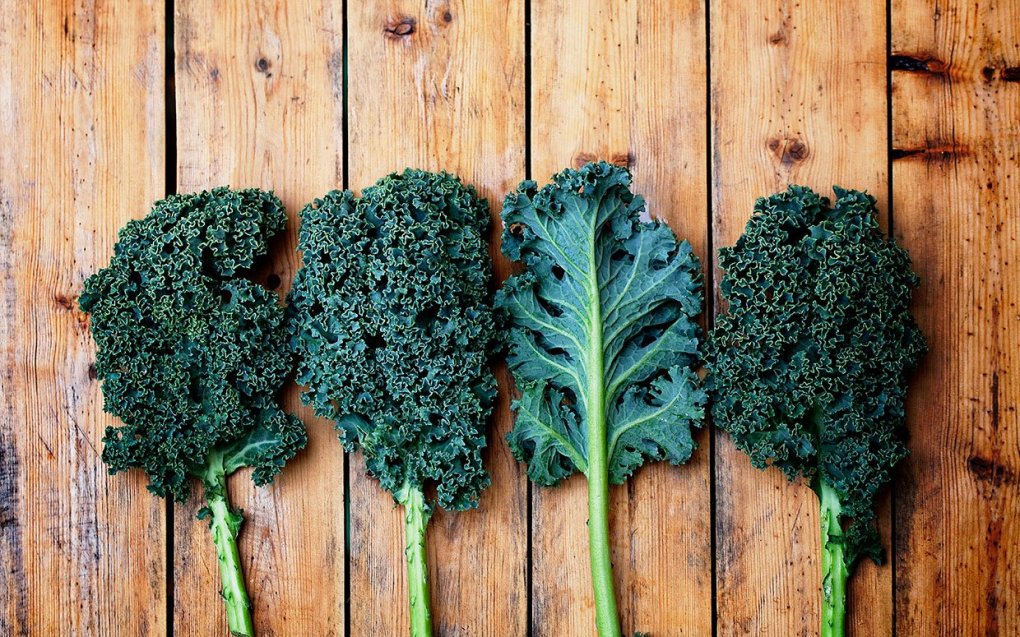
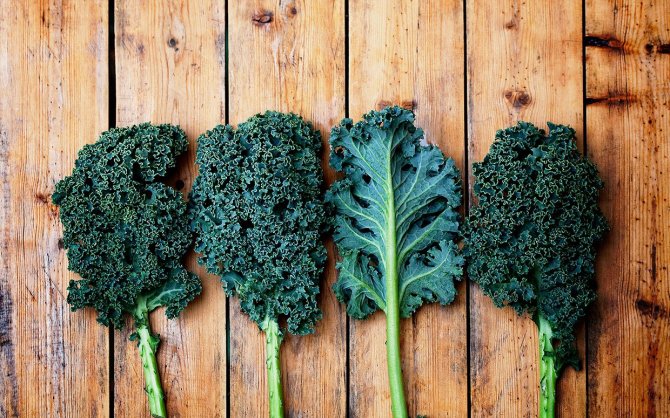
There are many varieties of kale from Lacinato, Dino Kale, Red Russian Kale, Tuscan Kale and many more.

Kale has stood the test of time, and deserves a spot on your plate and in your garden.  Build a habit of eating more green vegetables, the greener the better!

[box]

Health Benefits of Kale


  • Aids in Detoxification : Cruciferous vegetables like kale contain large amounts of health promoting sulfur compounds, such as sulforaphane and isothiocyanate and these increase your liver’s ability to produce enzymes that neutralize toxic compounds and substances.
  • Rich in Phytonutrient Antioxidants : Phytonutrients are biologically active plant substances that are vital to health.  Kale is the most concentrated source of lutein and zeaxanthin,  which are carotenoids that protect the lens of the eye.  They act like sunglasses and protect the eyes from ultraviolet damage and are protective against cataracts.  Studies have shown that people who eat foods, like kale, rich in lutein have a 50% lower risk of developing new cataracts.
  • Can Reduce Natural Cognitive Aging : Green vegetables like kale, spinach and collards can help your thinking!  In experiments, older rats given a diet high in such greens improved learning and motor skill capacity.
  • Repair Damaged DNA : Cruciferous Vegetables such as kale and cabbages contain many vitamins and a chemical called “indole-3-carbinol” which repairs damaged DNA.  One of the reasons is that phytochemicals activate glutathione, and glutathione is critical to cell survival and repair. Glutathione is a potent detoxifier and our mitochondria (which are what provide us energy) depend on glutathione for their well being.
  • Protection Against Cancer : Brassica vegetables offer protection against cancer.  The organosulfur phytonutrient compounds in kale, including glucosinolates and methylcysteine sulfoxides activate detoxification enzymes in the liver which may help neutralize carcinogenic substances.  This helps clear them from the body more quickly.
  • Kale is Anti-Inflammatory One cup of kale has 10% of omega-3’s, which are anti-inflammatory, reducing swelling, arthritis pain and anti-inflammatory issues.
  • Concentrated Source of Many Nutrients : At only 36 calories per serving.  Kale contains an entire spectrum of health promoting minerals, vitamins and nutrients,
  • Rich in manganese and copper – which are free radical scavengers
  • Good source of dietary fiber, vitamin E, vitamin B6 folic acid, and potassium.
  • Contains calcium and magnesium – vital for strong bones,  as well as phosphorus, iron, vitamin B1, vitamin B2 and niacin.
  • Kale is rich in vitamin A which coupled with beta-carotein is supportive of optimal vision and eye health.
  • High in Vitamin C : Vitamin C is a water soluble antioxidant which is extremely protective against free-radicals and oxidation (including to DNA and cholesterol).  Vitamin C also helps maintain a strong immune system.

[/box]


What is the best way to eat kale?  Any way you like, but here is a great recipe for steamed kale…

[box]

Steamed Kale

  • 1 pound fresh kale, washed
  • 4 tablespoons extra-virgin olive oil
  • 2 tablespoons lemon juice
  • 1-2 cloves garlic, minced
  • sea salt and fresh ground pepper to taste.


Separate kale leaves from stems and slice the leaves into 1 inch pieces.  Don’t throw away the stems, cut them into 1/2 inch pieces.  Let sit for 5 minutes.  According the the World’s Healthiest Foods, cutting the kale and letting it rest five minutes breaks down the cell walls and enhances the activates enzymes that slowly convert the plant enzymes to a more active form.

Add two to three inches of water to bottom of steamer.  Bring to boil.  Stems kale for five minutes max – to preserve phytonutrients..

Place steamed kale in bowl and add lemon, garlic and olive oil.  Toss.  Salt and pepper to taste.

[/box]


More Kale Recipes

Smitten Kitchen has a potato scallion and kale cake that is fantastic.  Poach an egg and have it for breakfast!  Kale is also versatile in many salads such as roasted cauliflower and kale salad or kale salad with avocado and almonds.  Trying it in a soup is an easy way to slip any vegetable in your diet.

Truly, though, one of our favorite ways to enjoy this vegetable are homemade kale chips.  My kids love it, and I think yours will too!


[box]

Homemade Kale Chips

1 pound fresh kale, washed and leaves removed from the stem (save the stems for smoothies)  Cut or tear leaves into dorito sized pieces.

3 tablespoons nutritional yeast

1 tablespoon olive oil

pinch of salt

Massage kale leaves and olive oil.  Add salt and nutritional yeast.  Toss again until leaves are fully coated.  Place leaves in a layer on one or two cookie sheets.  Place cookie sheets into a 150 degree oven.  Use convection if you have it.  Let bake until they are dried out.

If you have a dehydrator, you may also use that.

Enjoy!!

[/box]


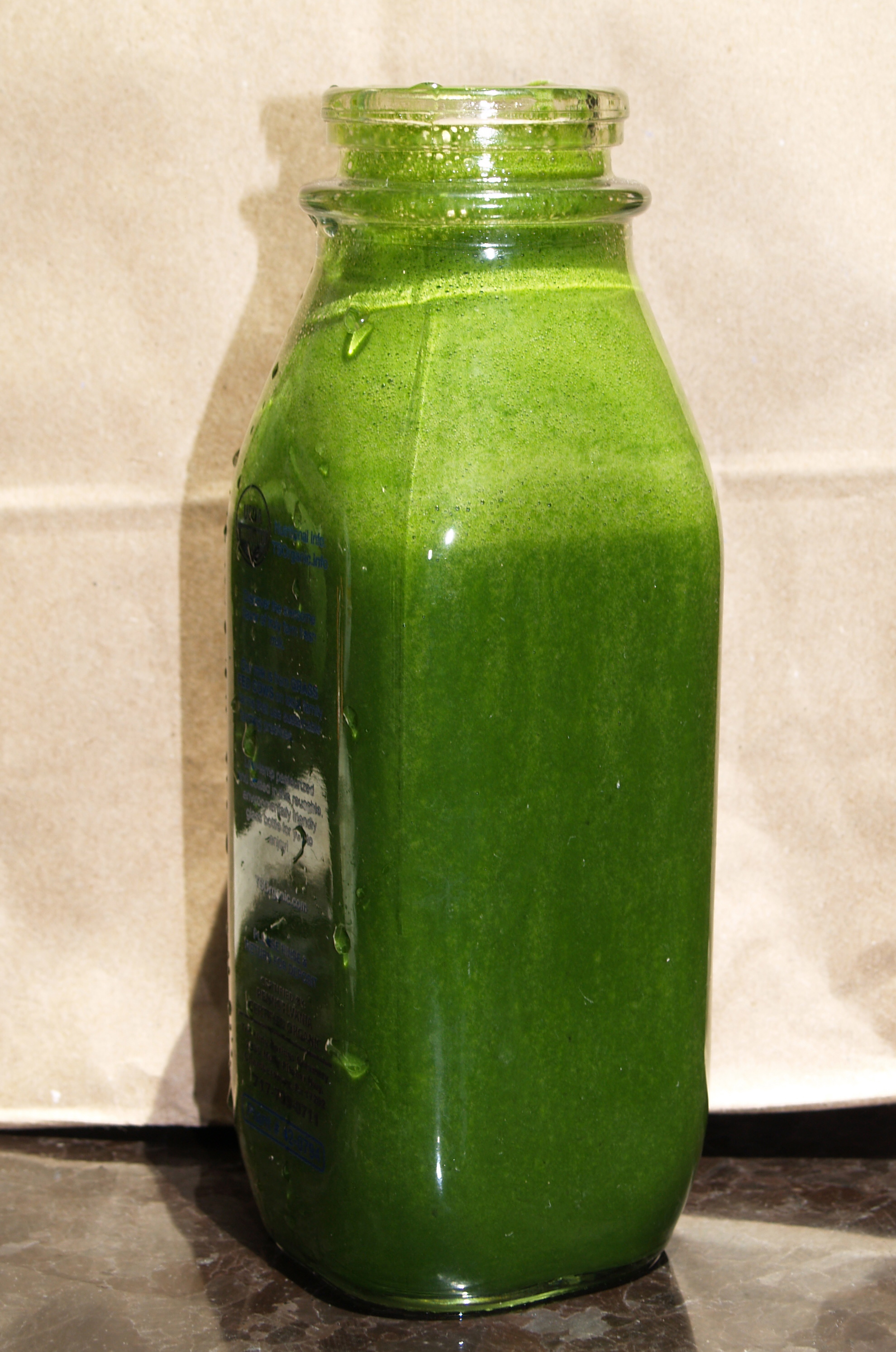
The possibilities for eating kale are endless.  Think your kids won’t like them?  Chop small and add it to meatloaf!  Throw it in a smoothie with a green apple, four ice cubes, a teaspoon of lemon juice, banana and a tablespoon of coconut oil.


But still, I have to say, the most tried, tested a true way I know to get my kids excited about veggies is for them to help plant and grow it – on a windowsill, back porch in pots or in the garden proper.

Whatever you do, make room on your plate for this awesome vegetable.
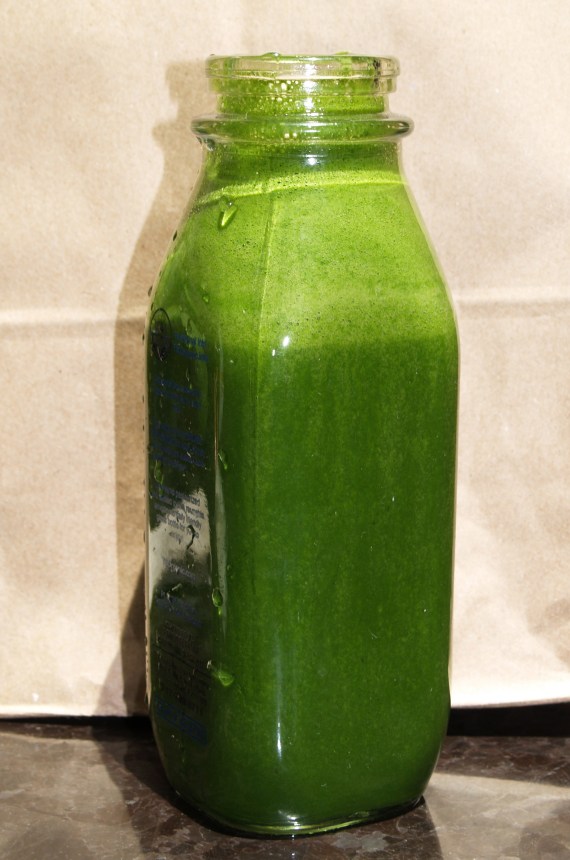
 

kale smoothie

Additional Resources:

Hanna, Sharon (2012). The Book of Kale: The Easy-to-Grow Superfood, 80+ Recipes (Kindle Location 257). Harbour Publishing

Mateljan, G. (2006). In The world’s healthiest foods: Essential guide for the healthiest way of eating. Seattle, Wash.: George Mateljan Foundation.

Kornblatt, S. (2012). Eating For Brilliance. Well Being Journal, 21(2), 7-14.


bay laurel

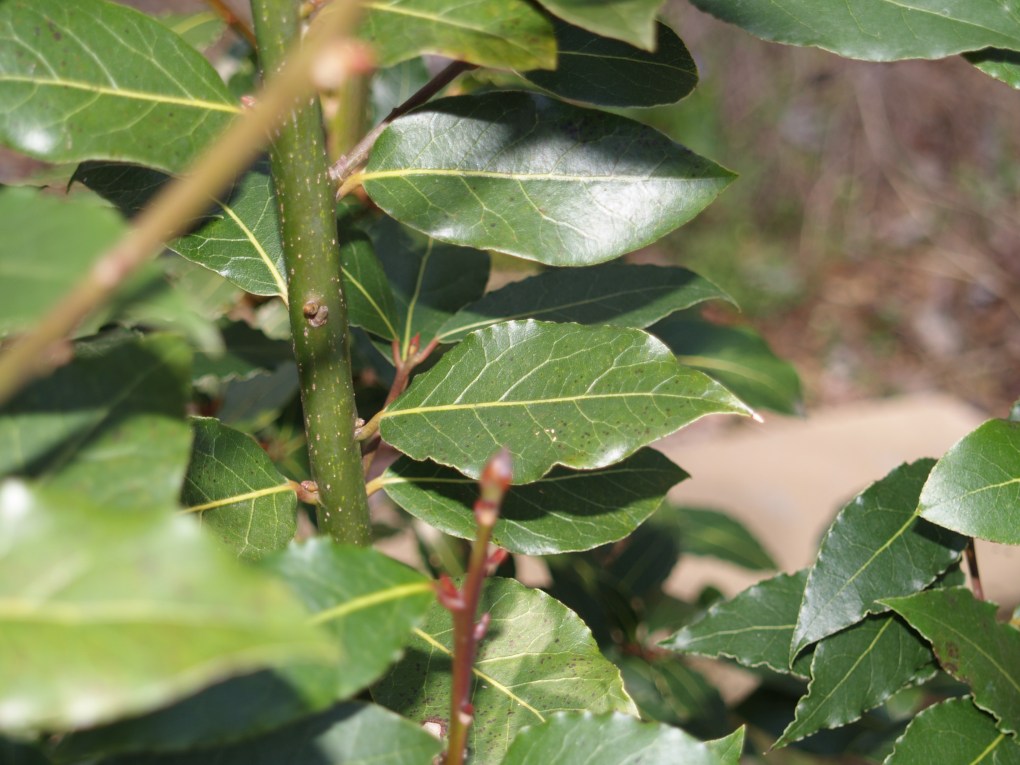
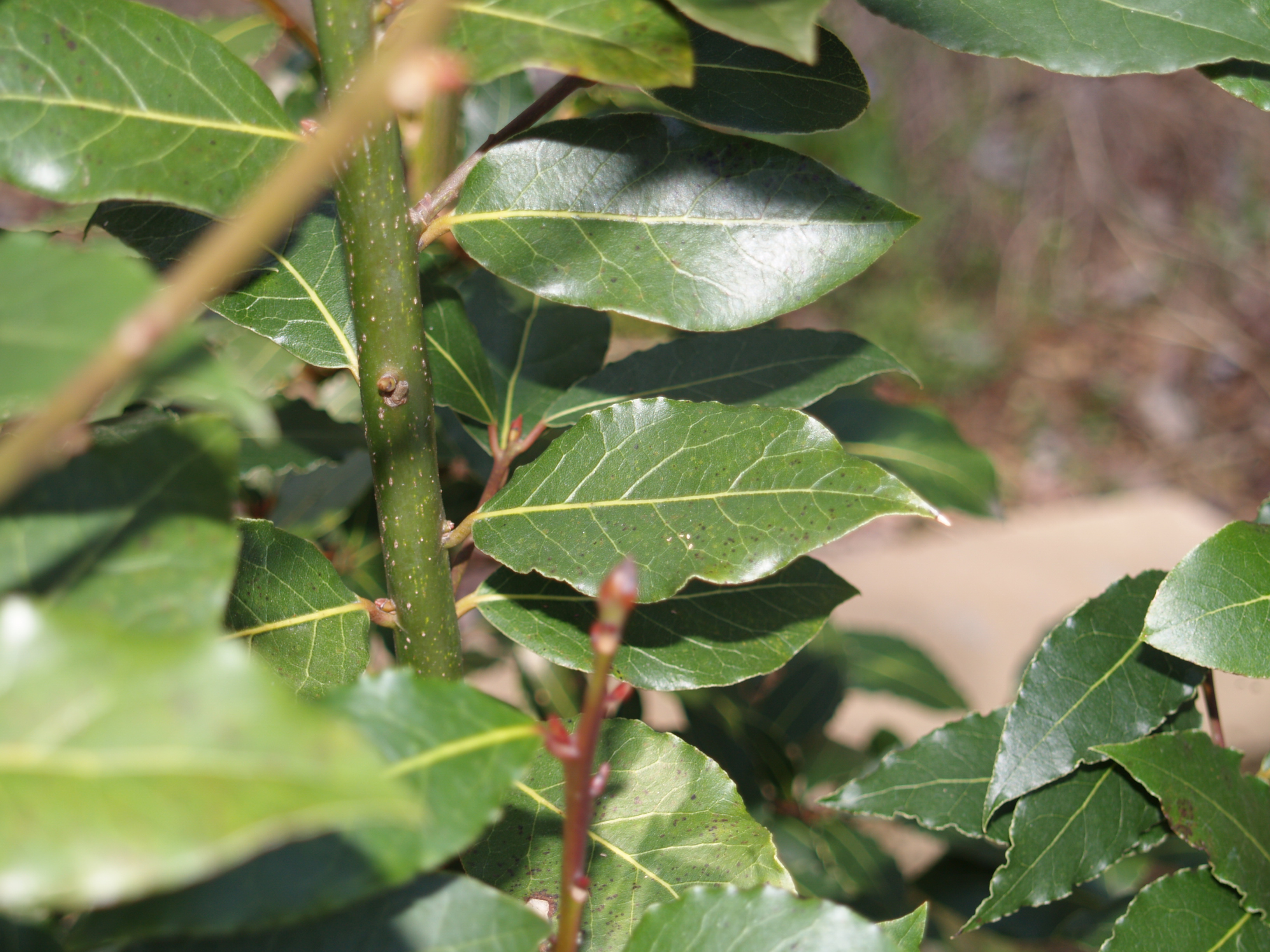
bay laurel 2014

In Biblical times, the bay laurel was symbolic of wealth.  It is a lovely tree , native to the Mediterranean, with soft branches and grows to about 10 -20  feet in height.

What is most notable about the bay leaf is the sweet aroma of the leaves – it has a mellow sweetness that smells a little bit like Christmas.  Ancient Greeks and Romans adorned their Olympic victors and heroic soldiers in wreathes fashioned and twined out of bay branches.  King David was so taken with the bay laurel that he used the aromatic bay wood for paneling his personal rooms.

Nowadays, the bay laurel is used mostly to season mediterranean dishes – from meats, fishes and poultry to vegetables, broths and soups, and stews.

We have a bay laurel tree in our herb garden, that was bought over a decade ago at the farmer’s market.  At the time, I didn’t know that you could grow your own bay tree, but my good friend bought one, and I followed her lead.  The young trees do not do well in cold weather, so it grew in our home by a sunny window for about 7 years before planting it outside.    Then last winter, we had such cold weather for our area – in the twenties for many many weeks.  The branches and leaves all got the equivalent of frost bite and dried up and died.  So in the spring we pruned our beautiful tree down to the stubs and hoped for the best.  Guess what, it grew right back!  The picture above is from the beginning of summer.


The bay leaves can be used in tea or as a culinary herb, but the bay has some other surprising properties.

[box]

Herbalists have known that bay laurel poultice or wash may help increase the healing of wounds.  Science has finally gotten around to confirm it.  A 2006 study in the “BMC Complementary and Alternative Medicine” journal found that rats treated with 200 mg of bay leaf extract per kilogram of body weight experienced accelerated wound closure and healing within 10 days.”

The essential oil from the bay laurel is bactericidal and fungicidal.  A 2011 study in the journal “Natural Product Research” discovered why — bay leaf extract was found to have antimicrobial activity against some of the most common pathogens, including Staphylococcus aureus, Streptococcus pyogenes, Aspergillus fumigatus and Candida albicans.

The oil from the bay laurel has been used for soap making and veterinary medicine.

The bay leaf is a primary ingredient in “gripe water” which is a natural remedy for colicky babies!  So it is no surprise that in Lebanon, bay leaves are extracted to relieve flatulence and act as a stomach tonic.

Also in Lebanon, bay leaves are steeped in brandy and let to sit in the sun for several days.  The residue, after distillation is used for arthritis and sprains.

[/box]

You don’t need to grow your own bay tree to enjoy this aromatic herb, but if you’d like to and are in Virginia – Monticello – home to President Thomas Jefferson sells them for a reasonable price, and you can tour the mansion while you are there too!   Another great place for anything plantable and edible is Edible Landscaping.  They also sell bay laurel.

If you’d prefer to buy it harvested, then my best recommendation for it is Penzey’s.  Their spices are super fresh and also very affordable.  I first heard about them in Cook’s Illustrated magazine.  My good friend, the one who originally encouraged me to buy that little bay tree, and I -when we were very young stay at home mom’s – used to buy our spices in bulk from Penzey’s and split them.

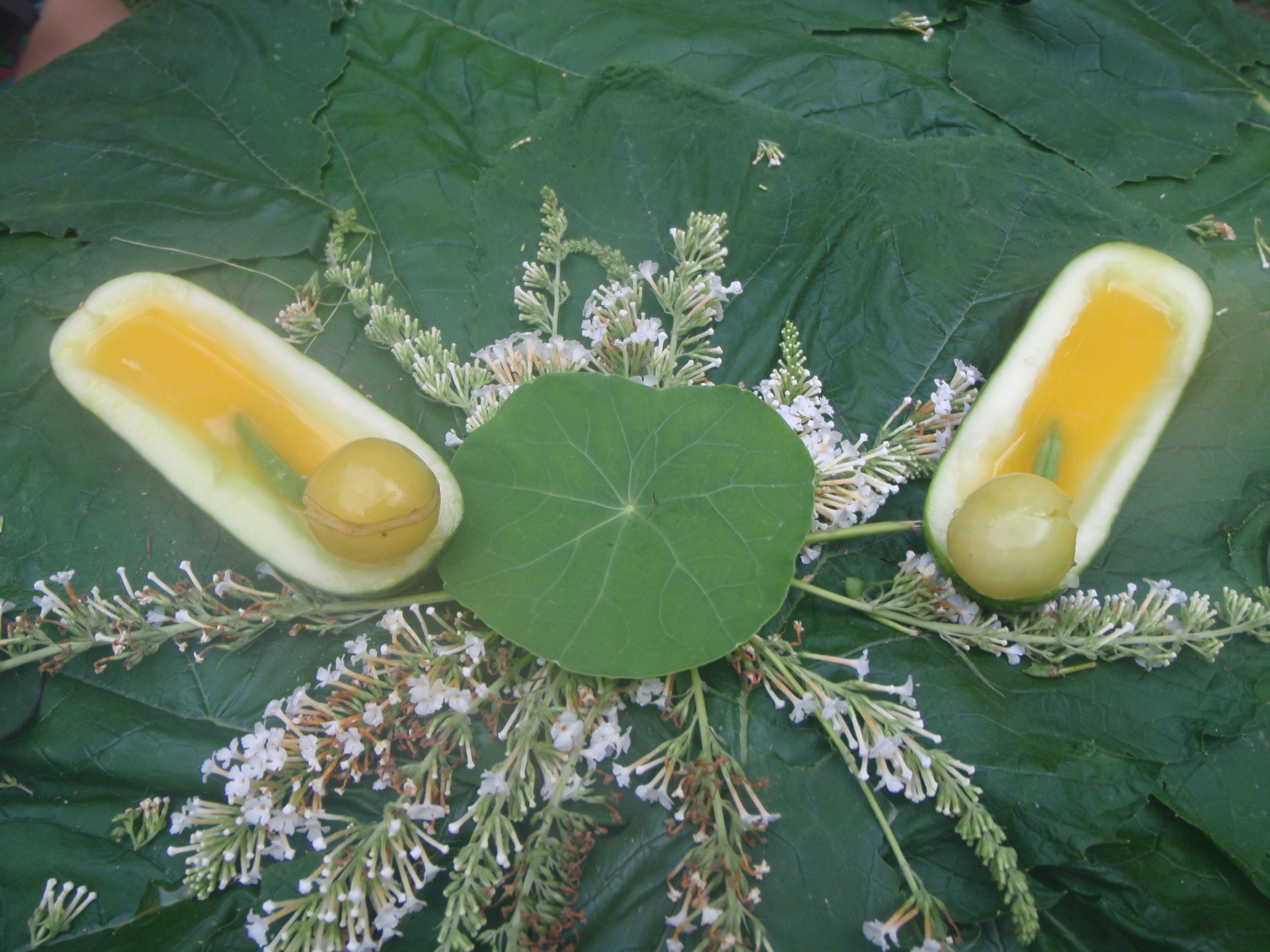
You can use fresh or dried bay laurel for tea.  My daughter, when she was younger loved to play in the garden.  She would make her own tea with bay leaves, lavender and thyme – sometimes it was VERY strong….but still delicious.  She also would take the most ordinary fruits and vegetables and make them into a piece of art.   Like this squash and orange juice platter of sorts that she came up with, served atop of a gigantic squash leaf and enjoyed by her and her sisters and friends.

garden art

This is a modification of my daughter’s playful tea.

[box]

Citrus and Cinnamon Bay Leaf Tea

Ingredients

  • 1 cinnamon stick
  • 4 bay leaves
  • juice of lemon to taste
  • 3 cups very hot water

Place all ingredients in a tea pot and allow to steep for five minutes or longer.  The longer it steeps the stronger the flavors.

Enjoy as is or add some raw honey for a little sweetener.

[/box]

Resources:

http://www.livestrong.com/article/480381-what-are-the-health-benefits-of-bay-leaves/

James A Duke, Ph.D. Herbs of the Bible: 2000 Years of Plant Medicine


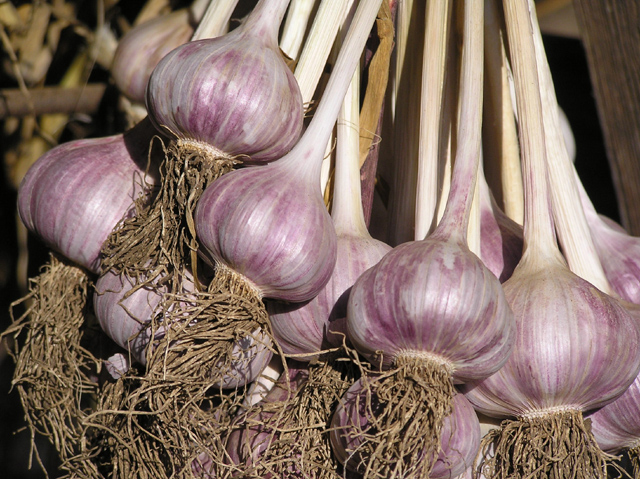
garlic

Awesome Garlic


“Shallots are for babies; Onions are for men; garlic is for heroes.”

unknown

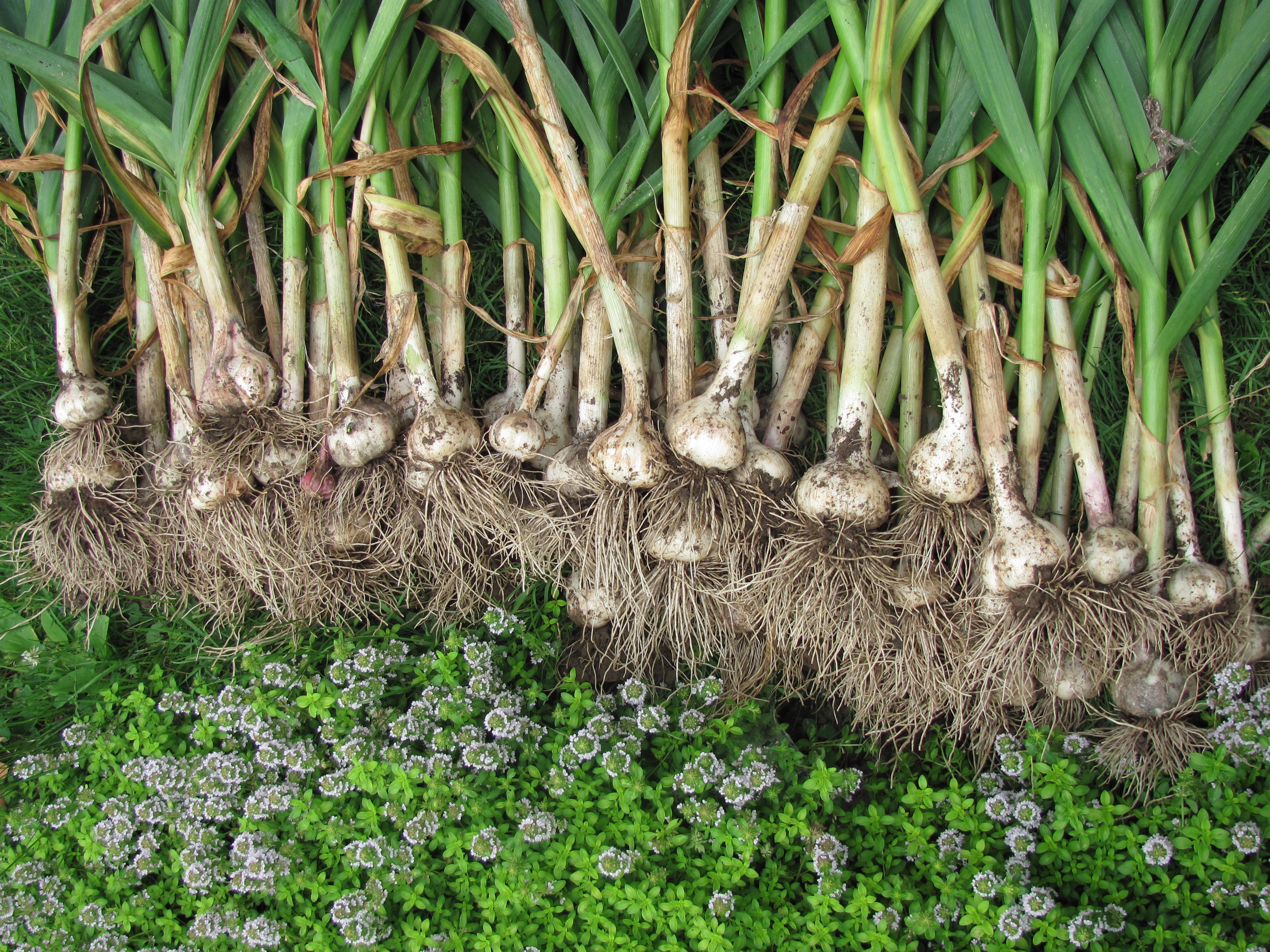
Garlic.  When we think of it, pungent and smelly come to mind.  So it might surprise you to know that garlic is a member of the lily family and is a perennial plant that is cultivated world-wide.

Garlic has earned it’s modern reputation mostly as a staple in Mediterranean cuisine, but it’s medicinal and therapeutic qualities have been known since  the most ancient times.  Even pre-dating written history, garlic has been used to treat a wide variety of illness and conditions.  In fact, the earliest documents describing the medicinal qualities of garlic are 5,000 year old Sanskrit writings.

Hippocrates, Aristotle and Pliny cite numerous therapeutic applications for garlic.  It’s health benefits were known throughout all of the ancient civilizations including the Greeks, Romans, Egyptians, Babylonians and Chinese.

It would seem truly, that God, in His abundant wisdom really created garlic to be both our food and our medicine, because even the Israelites grumbled at not having cucumbers, leeks or garlic during their 40 year sojourn  from Egypt to the Promised Land.

But, one of my favorite stories of garlic, is that in 1721 in Marseilles, France a terrible plague broke out.  Four condemned criminals were recruited to bury the dead (which in and of itself was a death sentence).  And so it was amazing that hese four men were immune to the plague.  Immune!  The reason – they had a secret concoction made of macerated garlic and wine.

This drink became known as “vineigre des quatre voleurs” or “four thieves vinegar” and it is still available in France today!  Not going to be in France any time soon?  You can make your own .  There are several recipes online, but make sure to use one that actually lists garlic as an ingredient…  some omit it.  Impressive, is that even WebMD has a recipe for it.

purple garlic


In our garden, garlic is a pleasure to grow – mostly because it needs little work.  We usually plant in the fall, and it’s a great winter crop.   The bugs don’t like it and the weeds don’t hinder it.

If you garden, then you already know that you can grow garlic at a fraction of what it costs at the farmer’s market or store.  It’s antimicrobial – that is antibiotic, anti fungal and antiviral.  These qualities make it a nutritional virtue and worthy of every meal.   But it is also immune enhancing, anti-cancer promoting, a protective factor against heart disease and also anti-inflammatory.


Below is a summary of the nourishing benefits of garlic.

[box]

  • Garlic has potent medicinal properties.  Most of garlics health benefits come from the sulfur compounds that are formed when a clove of garlic is chopped.  This compound is called allicin has powerful biological effects.

  • If you suffer from frequent colds, seriously consider adding garlic to your diet, or taking a supplement.  Garlic helps you fight the common cold, in part by boosting the immune system.  A daily garlic supplement can reduce the number of colds by more than 50%.

  • Even if you should come down with a cold, garlic can reduce the length of it by 70%.  In clinical studies, it reduced the duration of participants colds from 5 days to 1.5 days!

  • Garlic can improve cholesterol levels.  This is good news, because there is much talk these days about the long term dangers of statin use.

  • Garlic is very antioxidant.  Antioxidants support the bodies protective mechanisms against oxidative damage.

  • Garlic aids the bodies detoxification processes.  God created you with a built in detoxification ability, but those organs which include the liver, kidneys, skin and lymph need support of adequate minerals and nutrients to function properly.  At high doses the sulfur compounds in garlic (which support the liver pathways for heavy metal detox) have shown to protect the organs from heavy metals.

    • “Employees at a car battery plant, where there was excessive exposure to lead, found that garlic supplementation reduced the lead levels in the blood by 19%.  It also reduced the signs of clinical toxicity.”  Well Being Journal

  • Garlic has broad spectrum activity against many bacteria, viruses, worms, and fungi.  Garlics antibacterial properties have been shown effective against even bacteria that are resistant to one or more antibiotics.[/box]

garlic

If you think you might like to grown your own garlic, I love Southern Exposure Seed Exchange varieties and Baker’s Creek Heirloom Seeds.  They are tried and tested favorites.  You can also grow your own, by simply taking any garlic cloves that have begun to show green sprouts on your counter.  Bury them in a pot or in your garden.  They will grow.

It’s good to have a planting guide for your region.  If you live in the mid-Atlantic,Southern Exposure Planting Guide is the planting guide that we use.  Baker’s Creek also has a planting guide.  Finally, the National Gardening Association also has some good information on planting for your area.

Garlic is really pungent when eaten raw but if you cook it, it’s delicious enough to eat it on it’s own.  If you think the Four Thieves Vinegar is a little too dicey, this is a great recipe highlighting the subtle flavors of baked garlic.

[box]

Roasted Garlic Recipe

Ingredients:

  • 2 heads garlic
  • baguette slices
  • olive oil
  • diced fresh tomatoes

Preheat the oven to 375 degrees F.

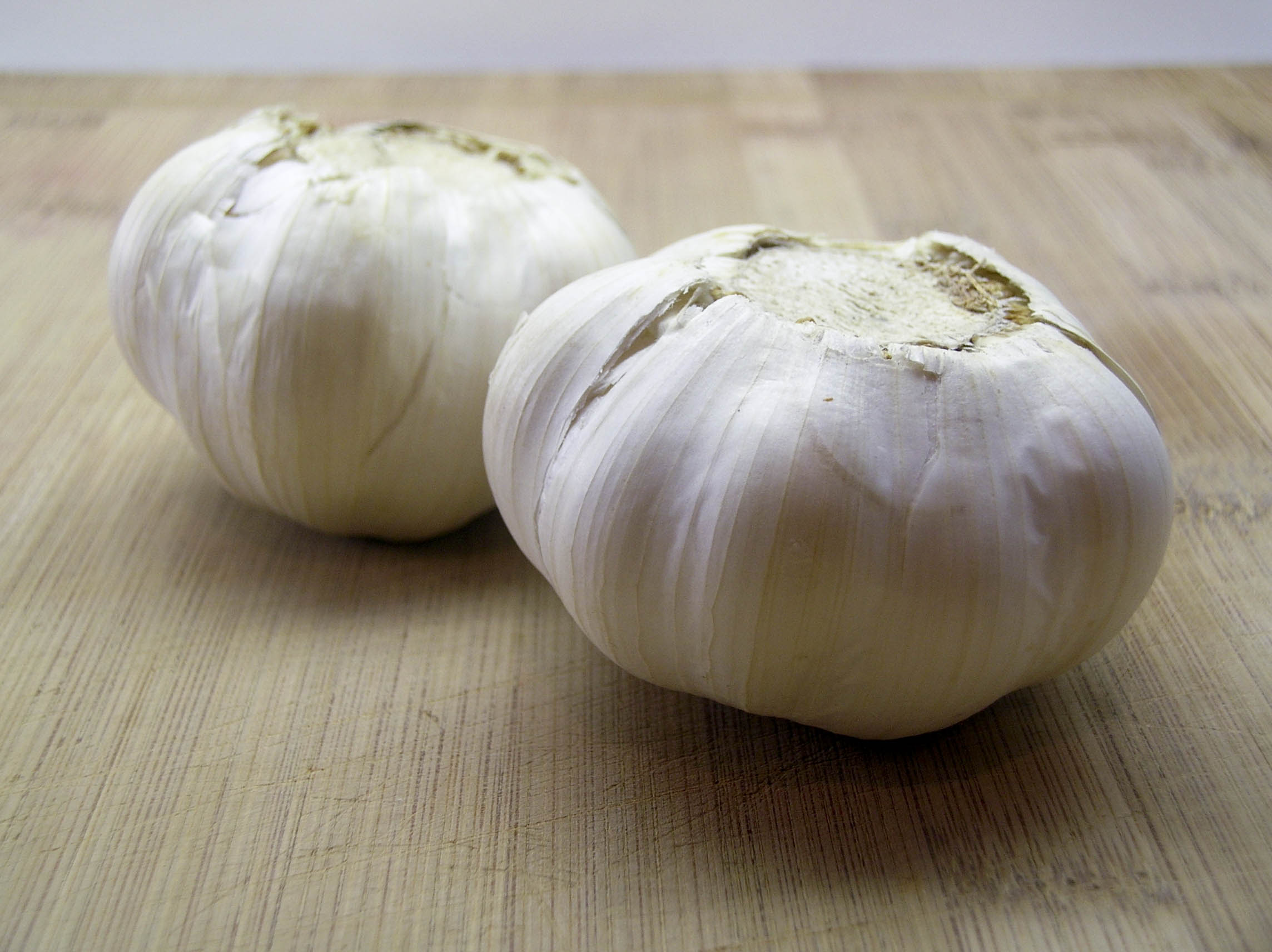
Slice off the top each head of garlic to expose some of the cloves inside. Place the heads on a piece of foil. Drizzle with olive oil and wrap in the foil. Roast until cloves are lightly browned and tender, about 30 minutes.

Enjoy it plain, or smear a clove atop a toasted baguette slice, drizzled with olive oil and sliced tomato.

[/box]

Resources:

Murray, M., & Pizzorno, J. (1998). Encyclopedia of natural medicine

The Powerful Health Benefits of Garlic.  Well Being Journal. Vol 24, No 1, January/ February 2015


calendula

calendulaCalendula is a bright sunny yellow daisy like flower native to northern mediterranean countries.  It is also known as “pot marigold” and has been used for centuries to heal wounds and skin irritations.   Although it is one of the marigold family, only the medicinal variety known as calendula officinalis should ever be used in salves and teas.

It’s vibrant colors brighten both the garden and the medicine chest.  It is a super easy to grow annual and often self seeds, returning every season to lighten up any garden.  This year we grew it from seeds that we sowed directly into the pots on our back porch (that’s a picture of them, up there) .  The bees loved all the flowers!

Best known for healing the skin, calendula is used for soothing minor irritation, burns, bruises and wounds.  “Calendula has anti-inflammatory, antimicrobial, astringent, antifungal, antiviral, and immunostimulant properties making it useful for disinfecting and treating minor wounds, conjunctivitis, cuts, scrapes, chapped or chafed  skin, bruises, burns, athlete’s foot, acne, yeast infections, bee stings, diaper rashes, and other minor irritations and infections of the skin.”

The beautiful yellow calendula flowerhead is commonly made into salves and used for healing cuts, scrapes, burns, sunburns, diaper rash, sores, ulcers and chapped lips.  It helps calm inflamed tissues and aids in the healing of cuts and abrasion.  Calendula is among the most soothing herbs and is used in many salves and creams.

Herbalists also recommend using calendula flowers in tea infusions  for the healing of digestive ulcers, soothing the gallbladder and easing sore lymph glands.  You can also brew a strong batch of calendula petals into a tea and use it as a compress on minor burns.

pollinating the calendula

pollinating the calendula

If you are growing your own, harvest on a sunny morning when the flowerheads are just beginning to open.  There are several methods for drying the flowers.  You can place them in a dehydrator if you have one; spread them out on a cookie sheet and leave in the sun (but check the forecast for rain!) ; or spread them on a cookie sheet and place in 125 F oven until they dry out.


[box] Calming Calendula Tea

  • 1 part dried chamomile
  • 2 parts mint or spearmint
  • 1 part dried calendula flowers

Place 1 teaspoon of herbs per cup in a tea ball or bag, and cover with boiling water. Steep for 15 minutes to let the flavors infuse the water. Remove tea ball or bag. It’s wonderful as is, but a little raw honey and lemon is a nice touch too![/box]


[box] Calendula Infused Oil

1-1/4 cups carrier oil such as Olive Oil, Sweet Almond Oil. or Jojoba Oil

1 cup dried calendula flowers

Place all contents into a large mason jar and store in a cool dry place for 2-3 weeks. Strain with a cheesecloth to remove all of the flower particles. Pour the oil into dark bottles. Label with date and contents.[/box]


Calendula Tea

Additional Resources:

http://umm.edu/health/medical/altmed/herb/calendula

Mother Earth News : A Guide to Healing Herbs, Winter 2014


contain yourselves

“Odd as I am sure it will appear to some, I can think of no better form of personal involvement in the cure of the environment than that of gardening. A person who is growing a garden, if he is growing it organically, is improving a piece of the world.”  Wendell Barry – The Art of the Commonplace: The Agrarian Essays


Even if you have only a tiny patio or balcony, growing your own food is a possibility.  No matter how little space you have, with a packet of seeds, a few pots or other container of your choice, you can turn a blank space into an edible landscape.  Whether you grow an assortment of kitchen herbs or potted potatoes, carrots and beans it’s easy and can transform an urban space into a haven and retreat.

A few weekends ago, we picked up some cedar planters at our local plant store DePaul’s Urban Farm and then the kids got to work staining them and planting some carrots.

This slideshow requires JavaScript.

Soon we will have an awesome harvest of carrots.

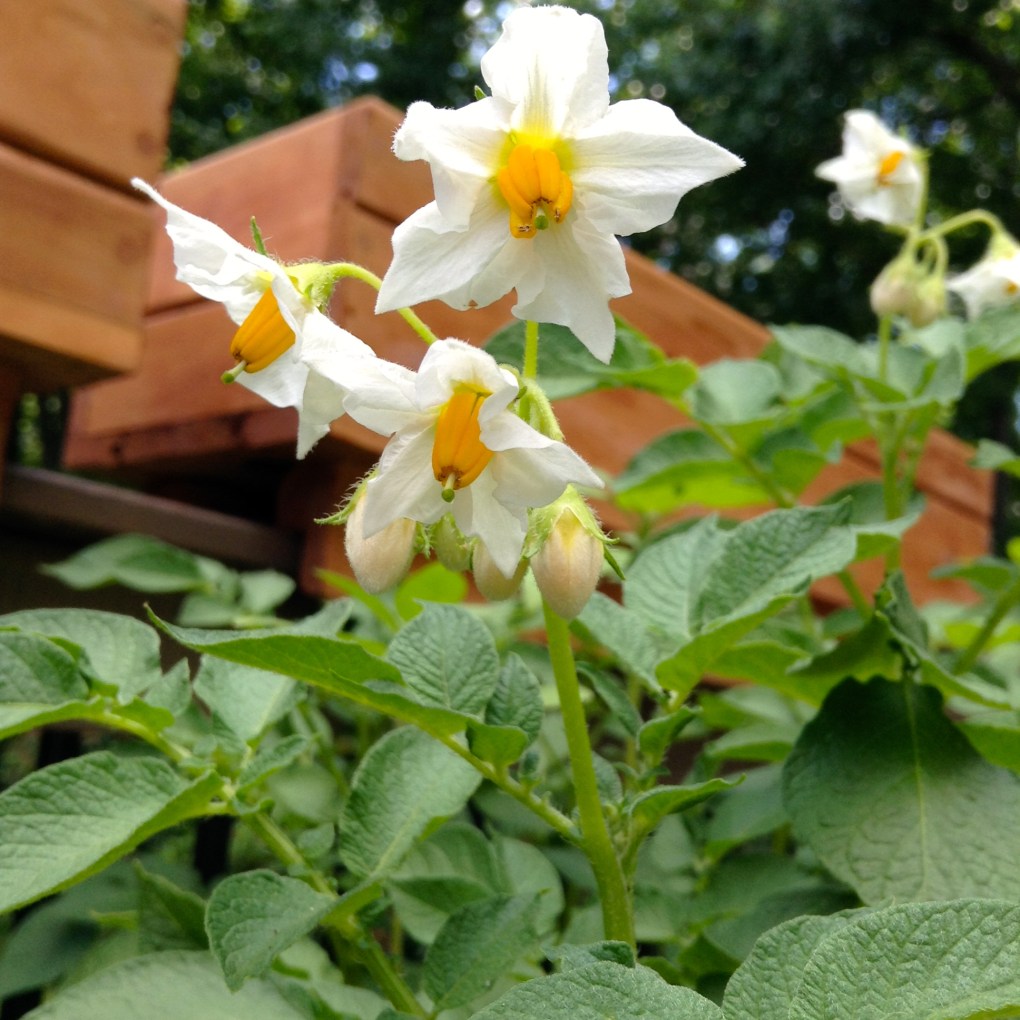
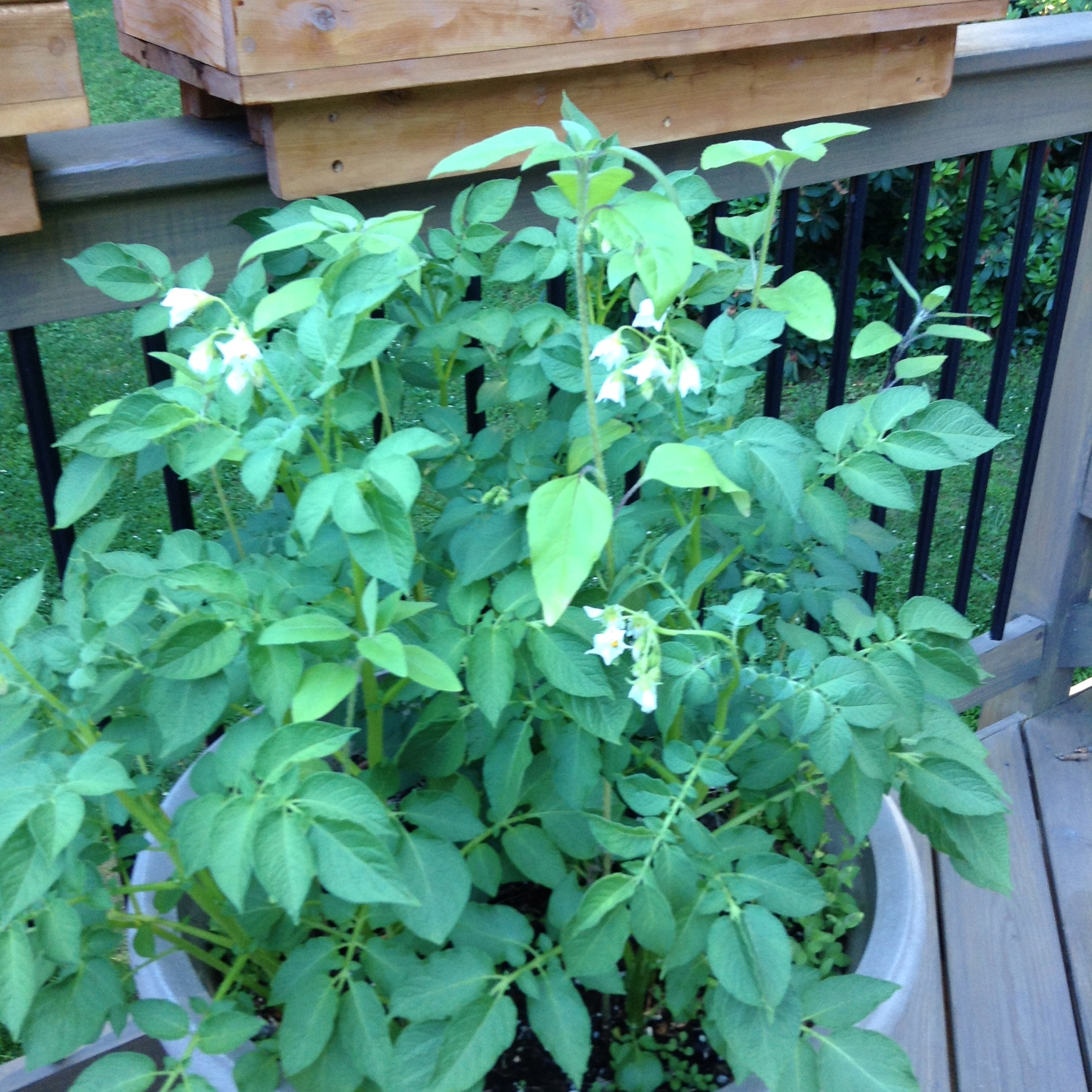
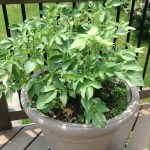
Also too we have potted potatoes – so much easier to harvest because they are confined to one space than planting in a larger garden.  For something a little different we added sunflowers into the mix – for a little flowery effect.  They will bloom soon!

Whatever you chose, the main thing is to have fun with your planting and make a space which is visually and edibly pleasing.

At the end of the day, nothing compares to your own fresh grown food.  Just as wonderful is that you really don’t need a lot of expertise or skill to grow them – especially beans, tomatoes, peas and any salad vegetable.

IMG_0286

The past ten years have seen a rapid increase and high demand for real local sustainable food.  Not a new idea, just one misplaced for about a century!… previously all food was local, mostly because there was not the ability to transport it, or the chemical fertilizers to mass-produce it.

Family gardeners restore and heal their little part of the world starting with their own space and being.  Working the dirt, it is inevitable that knowledge, experience and success from those lessons unearthed in the garden tills into other areas of our lives ~ gratitude and thanksgiving for the harvest, family and friends!

“In almost every garden, the land is made better and so is the gardener”. ~Robert Rodale


grow.harvest.enjoy

In farming, as in gardening, I happen to believe that if you treat the land with love and respect, then it will repay you in kind.  – Prince Charles

The life of a garden is in perpetual motion.  It’s a dynamic place, hustling and bustling with the growing harvest and buzzing with life.  It’s a place were nature thrives and in so doing nourishes hungry family and friends.

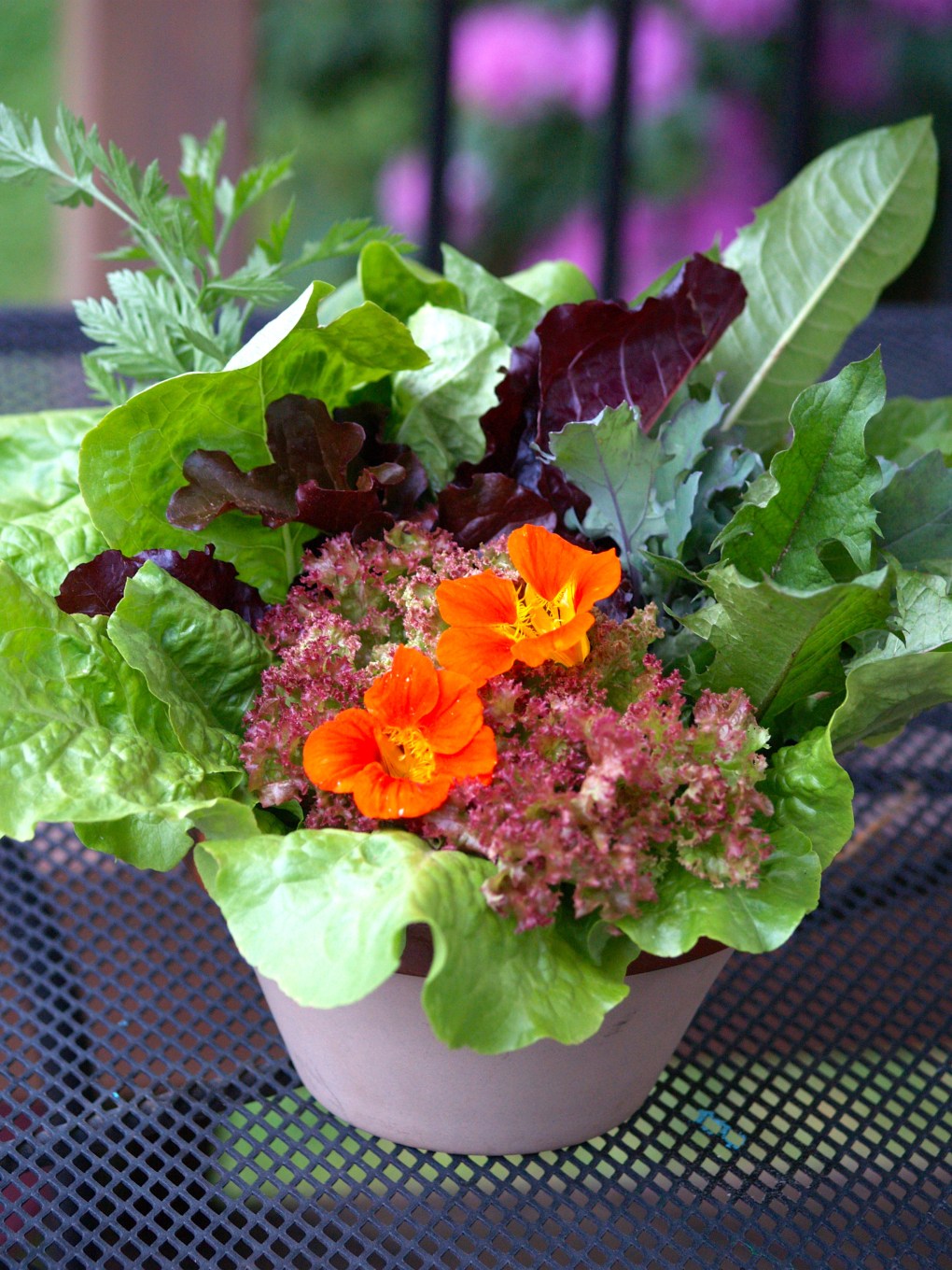
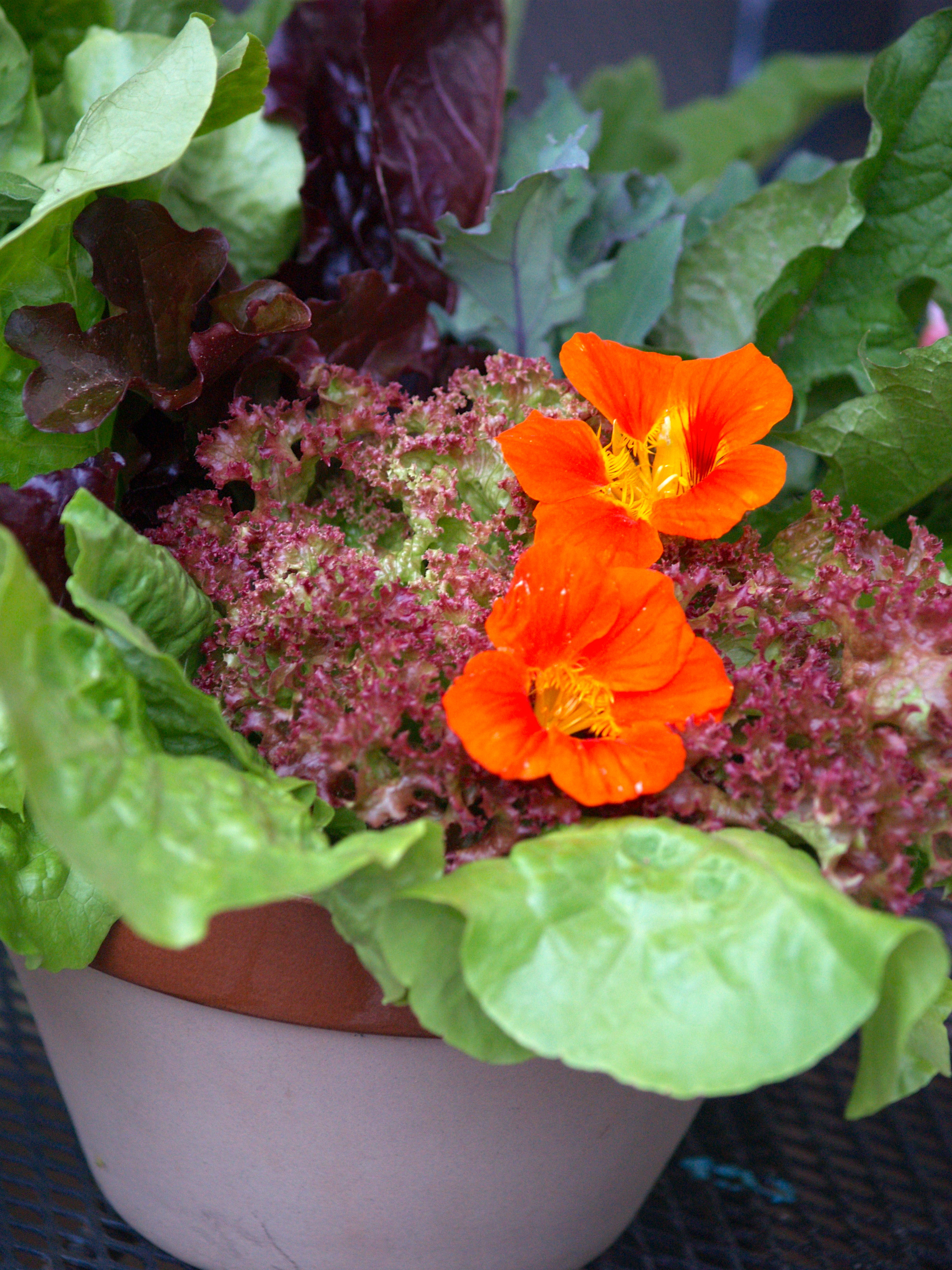
This beautiful bouquet is not a gift from my husband, but our dinner salad!  Full of an assortment of fresh salads from the garden as well as carrot tops, baby kale, dandelions, cilantro and peppery nasturtiums we snipped it just before dinner and it is a crispy delicious addition to our meal.

Growing your own organic vegetables is practical in many ways – from reducing use of fossil fuels and exposure to toxic chemicals to increasing the vitamin content of your meals  – although as modern consumers “organic” seems a relatively new concept, this is how our great grandparents gardened.  They didn’t “certify” it or have any special name for it.  Caring and nurturing the land was just a way of life – and in return the earth gave sustenance for their nourishment.  Our forefathers had a greater understanding of healthy soil and plants than do we.

In my own family, it was my German grandmother who gave me a love of gardening.  She tended her little plot of backyard garden with a vibrant happiness and care – even to the point of setting aside water in the morning and waiting a few hours to hydrate the plants so that it would warm to the air temperature.   I am not sure of whether that made any difference to the plants, but I can say that hers were some of the best beans and tomatoes I’ve ever had and she always had a very high yield.  But the point is that small farmers tend the planet better than big business.  Small farmer’s and family gardeners work in harmony with the seasons and Mother Nature rather than fight her and that makes all the difference.

If you are not sure about growing your own food, but are thinking to give it a try – remember that it’s not necessary to have a green thumb.  Seeds want to grow.  Even if you make mistakes, you’ll learn from them and that is a great blessing!   The best part is that your little victory garden will give you the chance to reacquaint yourself with all you thought you knew, from radishes to carrots to kale.  Cultivating the land gardeners cultivate patience – the joy of waiting to taste  a strawberry or sugar snap pea and also forgiveness for the imperfections those natural and organic sometimes yield – while not always perfectly shaped they are always delicious!  In so doing a gardener also learns a little something about life and community.


Dinner Bouquet