


“If you accept patiently what comes, you will always pray with joy.”
~
~

Kyriacos C. Markides
Inner River: A Pilgrimage to the Heart of Christian Spirituality
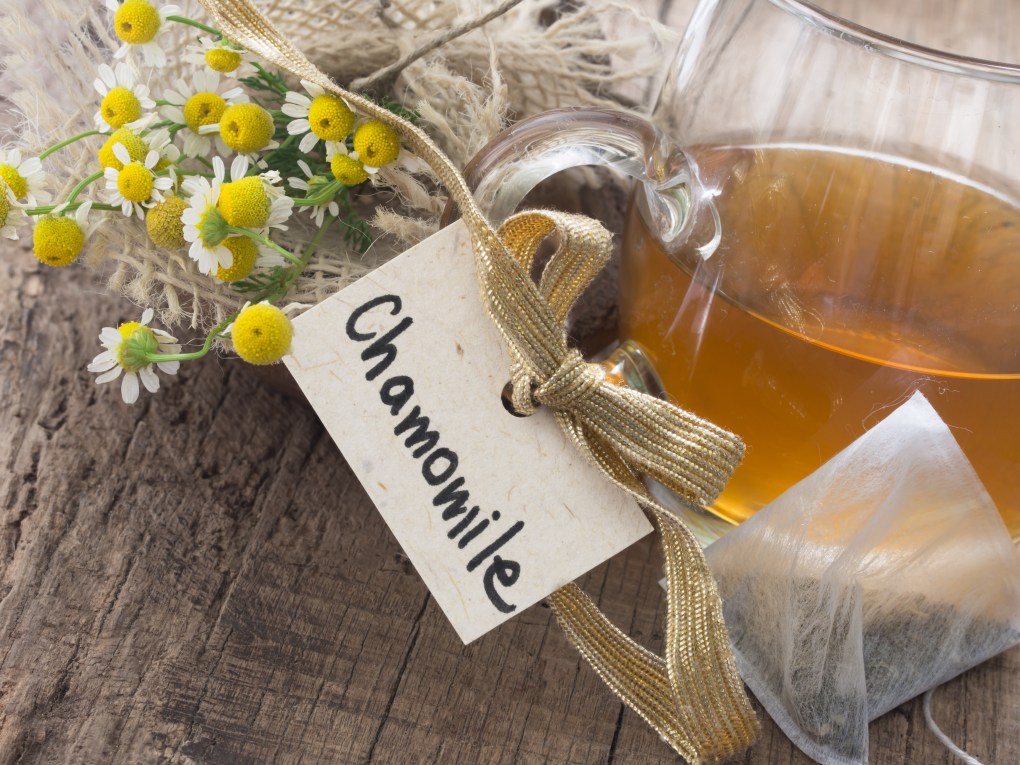
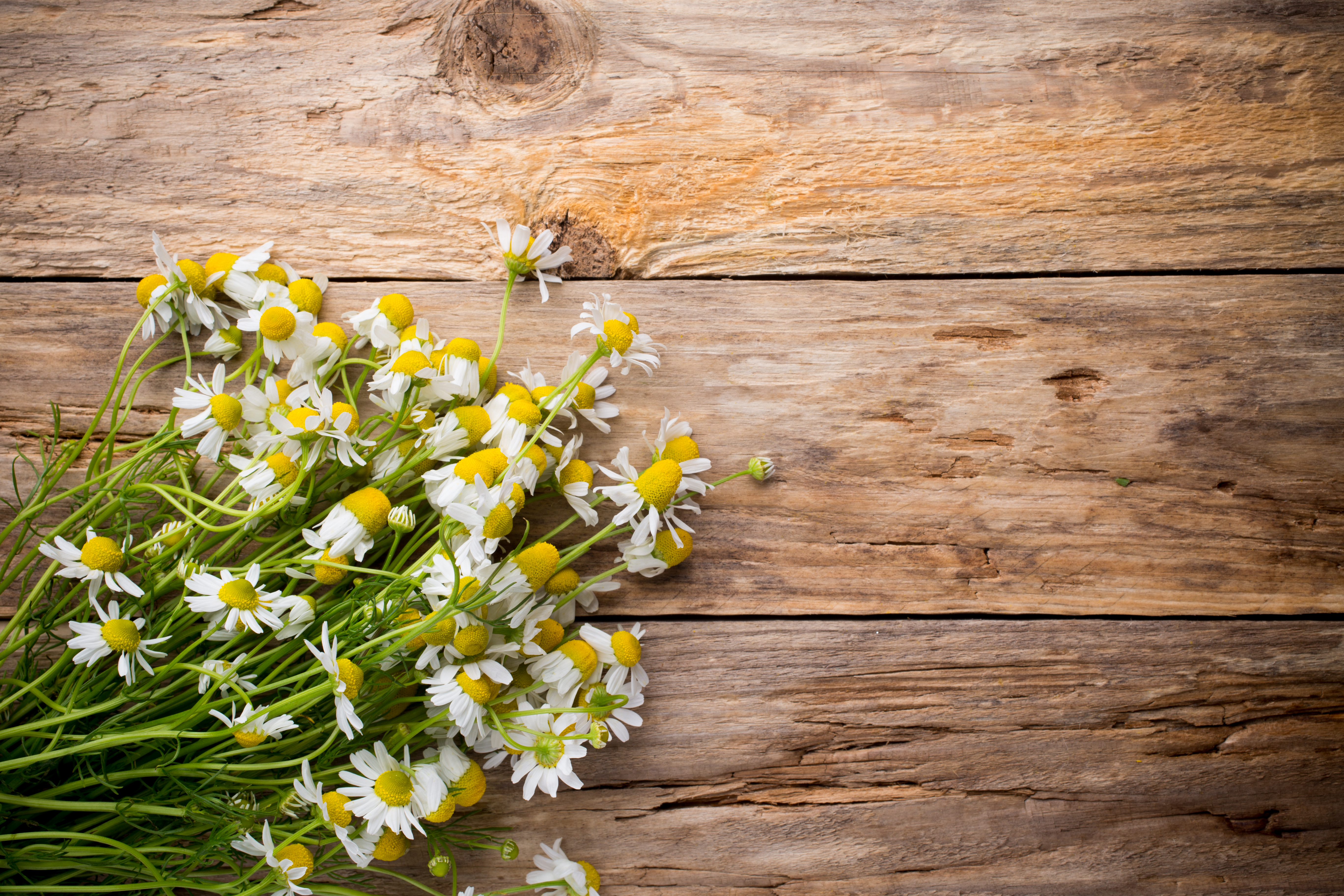
Chamomile is probably one of the most researched and nourishing herbs. You may remember that Beatrix Potter gave her rambunctious son Peter one tablespoon before she sent him straight off to bed, after his escapades in farmer McGregor’s garden. Chamomile is a simple down to earth herb with wide acclaim, in fact, most of us reach for a nice cup of chamomile tea to cozy up or relax.
There are two varieties of this pretty little flower, German chamomile and Roman chamomile. It’s a charming daisy like flower with soothing and calming benefits. The German variety is the most studied, and is better tasting than the Roman variety, which tends toward the bitter side of things. The Roman variety is also less calming and is more often used for cosmetic purposes.
There is no chamomile in our current garden but we have had it in previous backyard gardens, grown from seed – and that is something magnificent because chamomile seeds are so tiny, among the tiniest we’ve planted. And it inspires such a sense of wonder that something so positively small can grow to be so prolific and wonderful in the garden!
[box]
[/box]
If you grow your own, it is best to harvest the flowers early in the day when temperatures are still cool. During the blooming cycle harvest every week. Dry the flowers immediately as they degrade quickly.
There are so many easy applications for chamomile. Most of these recipes are from the book How to Benefit from Everyday Herbs – A Beginner’s Guide to Homemade Natural Herbal Remedies for Common Ailments & Good Health.
[box]
Ingredients
Preparation
Blend all ingredients and cover with boiling water. Let steep for 20 minutes. Enjoy this tea warm or iced.
[/box]
[box]
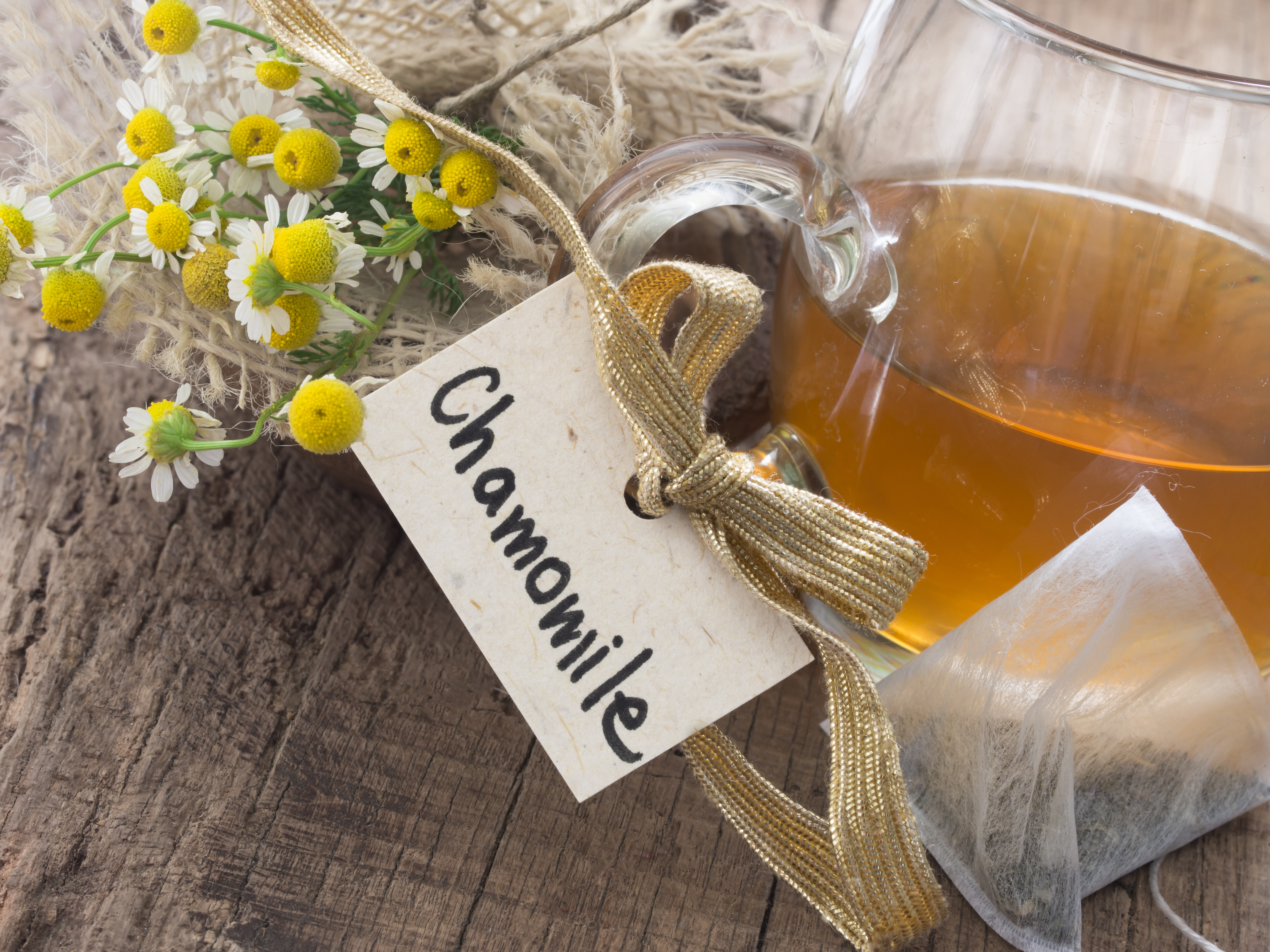
Check the label before you buy any herbal shampoo. Chances are good that the amount of nourishing herbs is minimal. It’s incredibly simple to make your own herbal shampoo that has enough herbal power to improve the condition of your hair. Plus, if you double or triple the recipes, then you won’t find you have to make it so often. The following recipe makes a shampoo that soothes your scalp and brings out your natural highlights.
Ingredients
1 cup distilled water
1 oz. dried chamomile flowers
3 oz. liquid castile soap
1/ 8 tsp. sesame seed oil (non-toasted) or olive oil
1/ 4 tsp. tea tree oil
Now for the fun part…. Instructions
Combine the water and chamomile in a saucepan. Cover. Simmer for 20 minutes. Strain the chamomile from the tea. Compost the used chamomile. Pour the remaining ingredients into the tea. Stir gently. Pour into a recycled or purchased shampoo bottle. Gently shake the ingredients in the bottle before applying to wet hair when shampooing. This is a low-suds, easy-to-rinse formula. If you want to use it for children, substitute a no-tears baby shampoo for the castile soap.
[/box]
More ideas for your chamomile:
Where to buy chamomile: Baker Creek Heirloom Seed Co
Tips on growing chamomile: Smart Gardener (they have a really fun garden planning app too!)
Homemade Chamomile Hand and Body Lotion from My Green Family
I love this recipe… Homemade Chamomile Lotion
Homemade Tincture of Chamomile
Resources:
Mann, C. and E.J. Staba. In Herbs, Spices, and Medicinal Plants: Recent Advances in Botany, Horticulture, and Pharmacology, edited by L.E. Craker and J.E. Simon, 1:235-280, Phoenix, Arizona, Oryx Press, 1986.
Der Marderosian, A. and L. Liberti. Natural Product Medicine: A Scientific Guide to Foods, Drugs, Cosmetics. Philadelphia, George F. Stickley Co, 1988.
Bratianu, Patricia; Schwontkowski, Dr. Donna (2014-04-18). How to Benefit from Everyday Herbs – A Beginner’s Guide to Homemade Natural Herbal Remedies for Common Ailments & Good Health

Living Without Hypocrisy: Spiritual Counsels of the Holy Elders of Optina

Inner River: A Pilgrimage to the Heart of Christian Spirituality

Inner River: A Pilgrimage to the Heart of Christian Spirituality


Saint Issac of Syria

adapted from : Meditations for Great Lent
Vassilios Papavassiliou
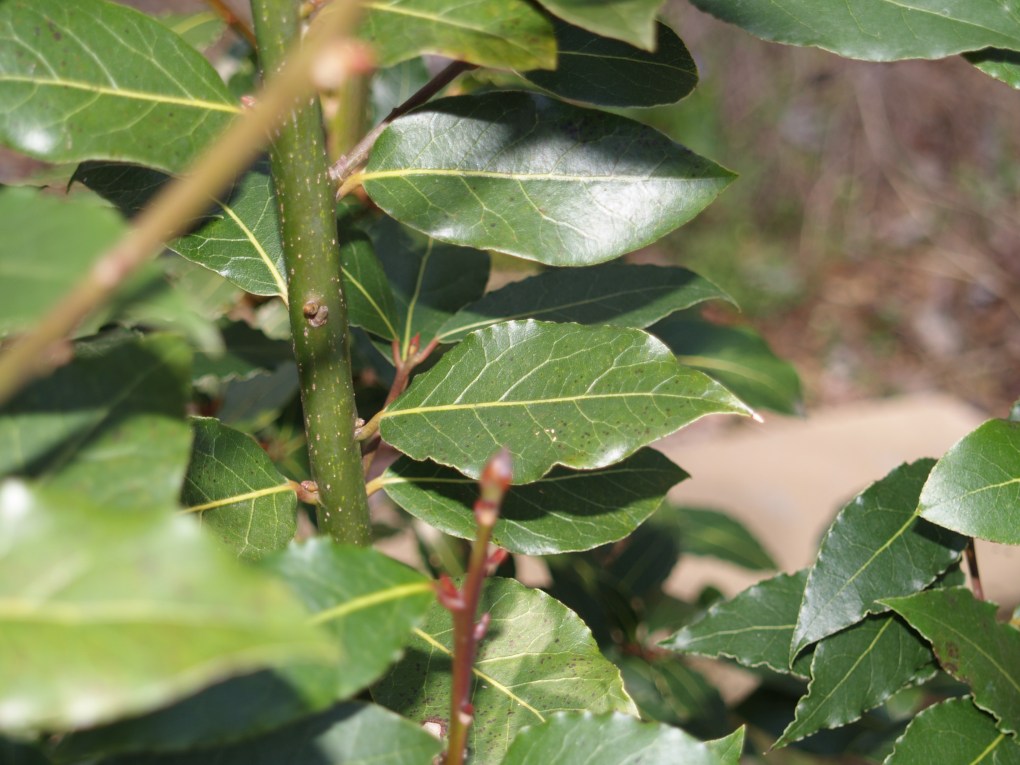
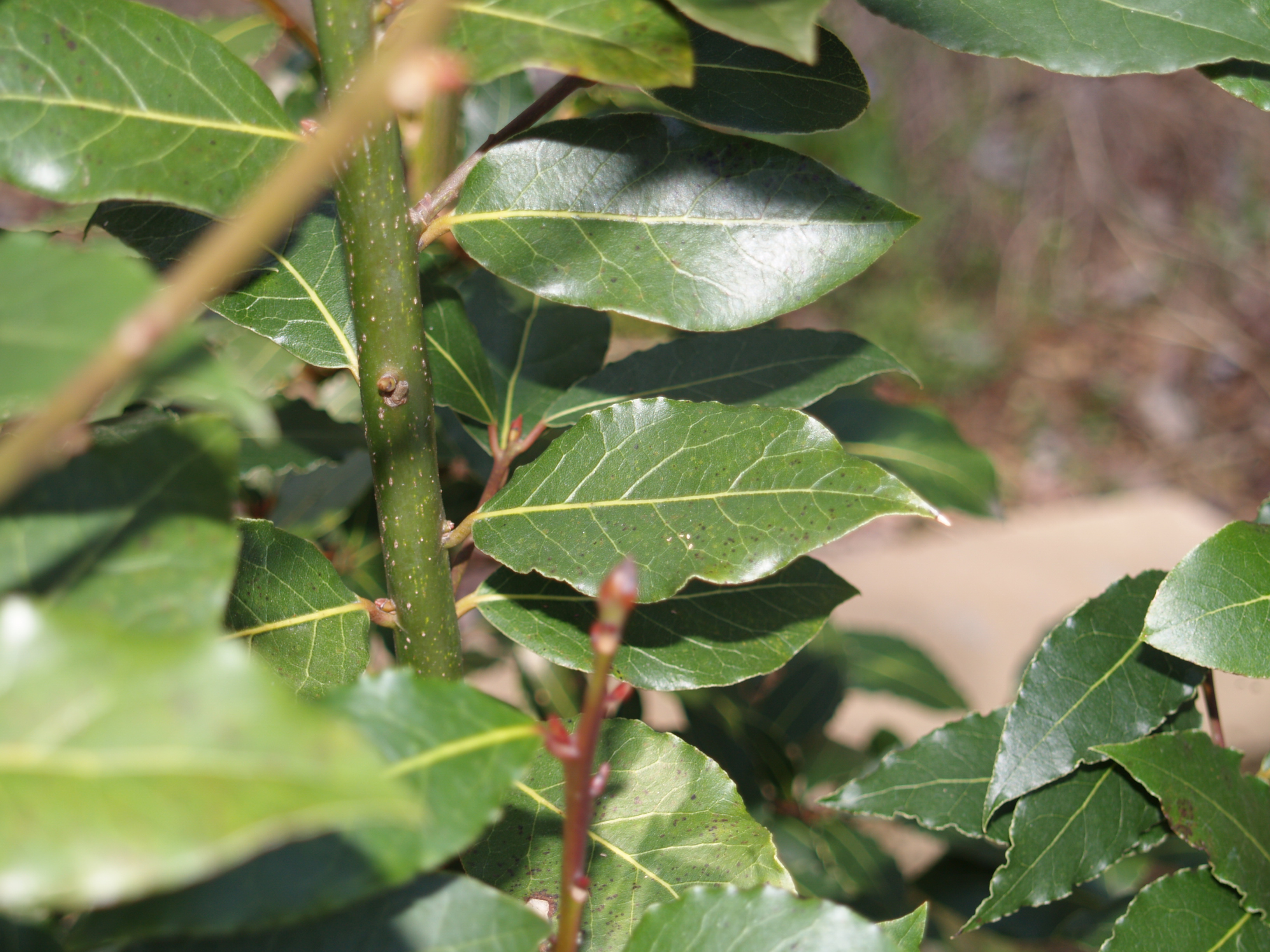
In Biblical times, the bay laurel was symbolic of wealth. It is a lovely tree , native to the Mediterranean, with soft branches and grows to about 10 -20 feet in height.
What is most notable about the bay leaf is the sweet aroma of the leaves – it has a mellow sweetness that smells a little bit like Christmas. Ancient Greeks and Romans adorned their Olympic victors and heroic soldiers in wreathes fashioned and twined out of bay branches. King David was so taken with the bay laurel that he used the aromatic bay wood for paneling his personal rooms.
Nowadays, the bay laurel is used mostly to season mediterranean dishes – from meats, fishes and poultry to vegetables, broths and soups, and stews.
We have a bay laurel tree in our herb garden, that was bought over a decade ago at the farmer’s market. At the time, I didn’t know that you could grow your own bay tree, but my good friend bought one, and I followed her lead. The young trees do not do well in cold weather, so it grew in our home by a sunny window for about 7 years before planting it outside. Then last winter, we had such cold weather for our area – in the twenties for many many weeks. The branches and leaves all got the equivalent of frost bite and dried up and died. So in the spring we pruned our beautiful tree down to the stubs and hoped for the best. Guess what, it grew right back! The picture above is from the beginning of summer.
[box]
Herbalists have known that bay laurel poultice or wash may help increase the healing of wounds. Science has finally gotten around to confirm it. A 2006 study in the “BMC Complementary and Alternative Medicine” journal found that rats treated with 200 mg of bay leaf extract per kilogram of body weight experienced accelerated wound closure and healing within 10 days.”
The essential oil from the bay laurel is bactericidal and fungicidal. A 2011 study in the journal “Natural Product Research” discovered why — bay leaf extract was found to have antimicrobial activity against some of the most common pathogens, including Staphylococcus aureus, Streptococcus pyogenes, Aspergillus fumigatus and Candida albicans.
The oil from the bay laurel has been used for soap making and veterinary medicine.
The bay leaf is a primary ingredient in “gripe water” which is a natural remedy for colicky babies! So it is no surprise that in Lebanon, bay leaves are extracted to relieve flatulence and act as a stomach tonic.
Also in Lebanon, bay leaves are steeped in brandy and let to sit in the sun for several days. The residue, after distillation is used for arthritis and sprains.
[/box]
You don’t need to grow your own bay tree to enjoy this aromatic herb, but if you’d like to and are in Virginia – Monticello – home to President Thomas Jefferson sells them for a reasonable price, and you can tour the mansion while you are there too! Another great place for anything plantable and edible is Edible Landscaping. They also sell bay laurel.
If you’d prefer to buy it harvested, then my best recommendation for it is Penzey’s. Their spices are super fresh and also very affordable. I first heard about them in Cook’s Illustrated magazine. My good friend, the one who originally encouraged me to buy that little bay tree, and I -when we were very young stay at home mom’s – used to buy our spices in bulk from Penzey’s and split them.
You can use fresh or dried bay laurel for tea. My daughter, when she was younger loved to play in the garden. She would make her own tea with bay leaves, lavender and thyme – sometimes it was VERY strong….but still delicious. She also would take the most ordinary fruits and vegetables and make them into a piece of art. Like this squash and orange juice platter of sorts that she came up with, served atop of a gigantic squash leaf and enjoyed by her and her sisters and friends.
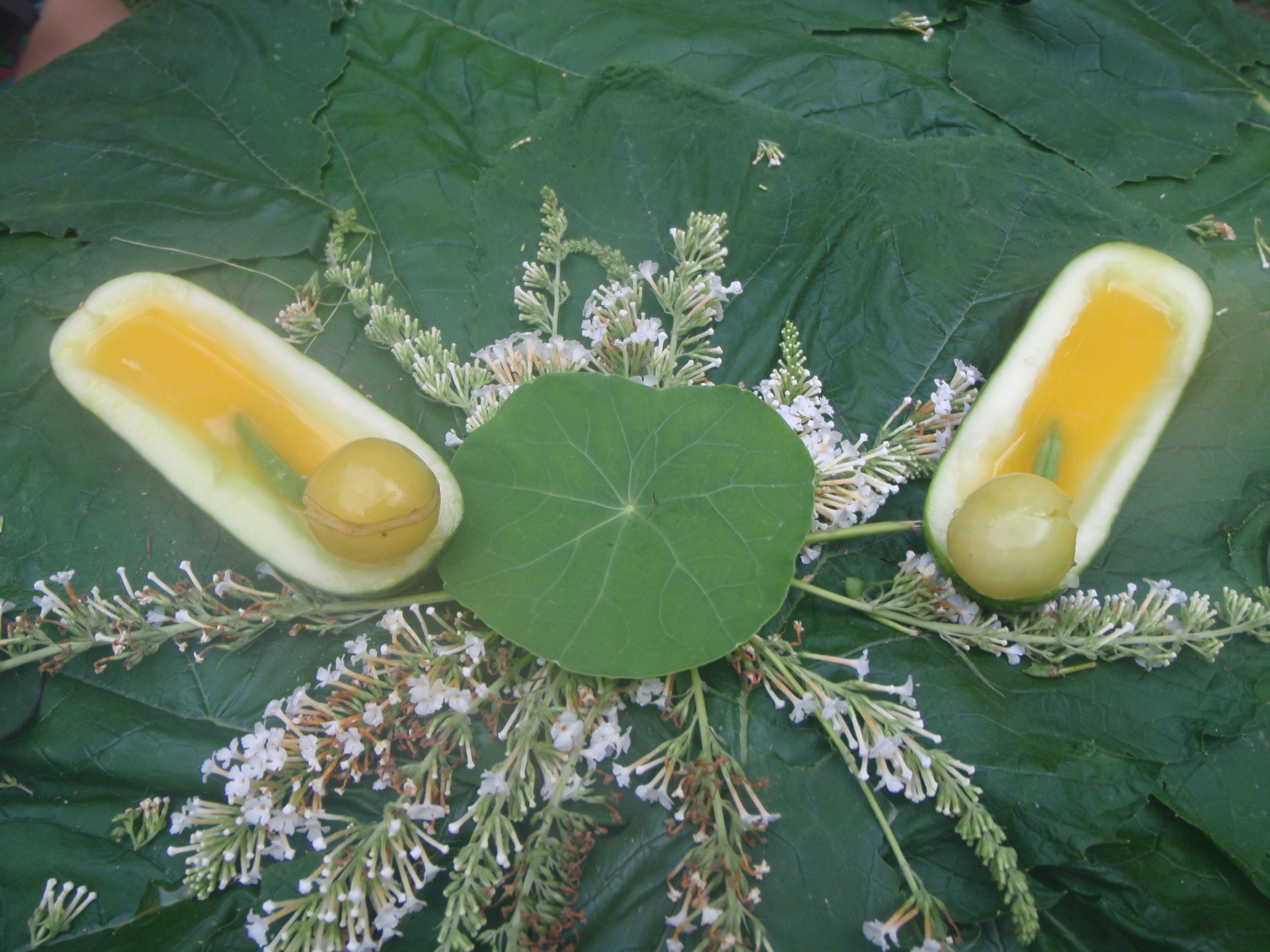
This is a modification of my daughter’s playful tea.
[box]
Ingredients
Place all ingredients in a tea pot and allow to steep for five minutes or longer. The longer it steeps the stronger the flavors.
Enjoy as is or add some raw honey for a little sweetener.
[/box]
Resources:
http://www.livestrong.com/article/480381-what-are-the-health-benefits-of-bay-leaves/
James A Duke, Ph.D. Herbs of the Bible: 2000 Years of Plant Medicine


“One word of a humble and [spiritually] experienced man that is painfully born from the depths of his heart has greater worth than a bunch of clever sayings of an external man’s that come out quickly from his educated mouth. His words don’t speak truth to the souls of men, for they are fleshy words and not the fire of the flames of Pentecost.”
Saint Paisios
 gladsomelife.com