bright thursday

bright thursday

“This is the day of Resurrection; Let us be radiant in the festival! Let us embrace one another; Let us call brothers, even those who hate us, And forgive all things in the resurrection. And therefore let us proclaim: Christ is risen from the dead, By death He has trampled upon death, and to those in the tombs He is bestowing Life!”

Paschal Hymn

Let God Arise

This hymn is chanted on Pascha but also during Bright Week, and it is a remembrance of the beginning of the Fast – when we celebrated Forgiveness Vespers – calling to remembrance the essence of the Fast – to love God above all and love our neighbor as ourselves.

Basking in the jubilation of the Resurrection, the faithful greet one another with “Christ is Risen!” before even saying hello.

Truly this is the most joyous time of our year!


lenten spring asparagus

lemony olivey asparagus

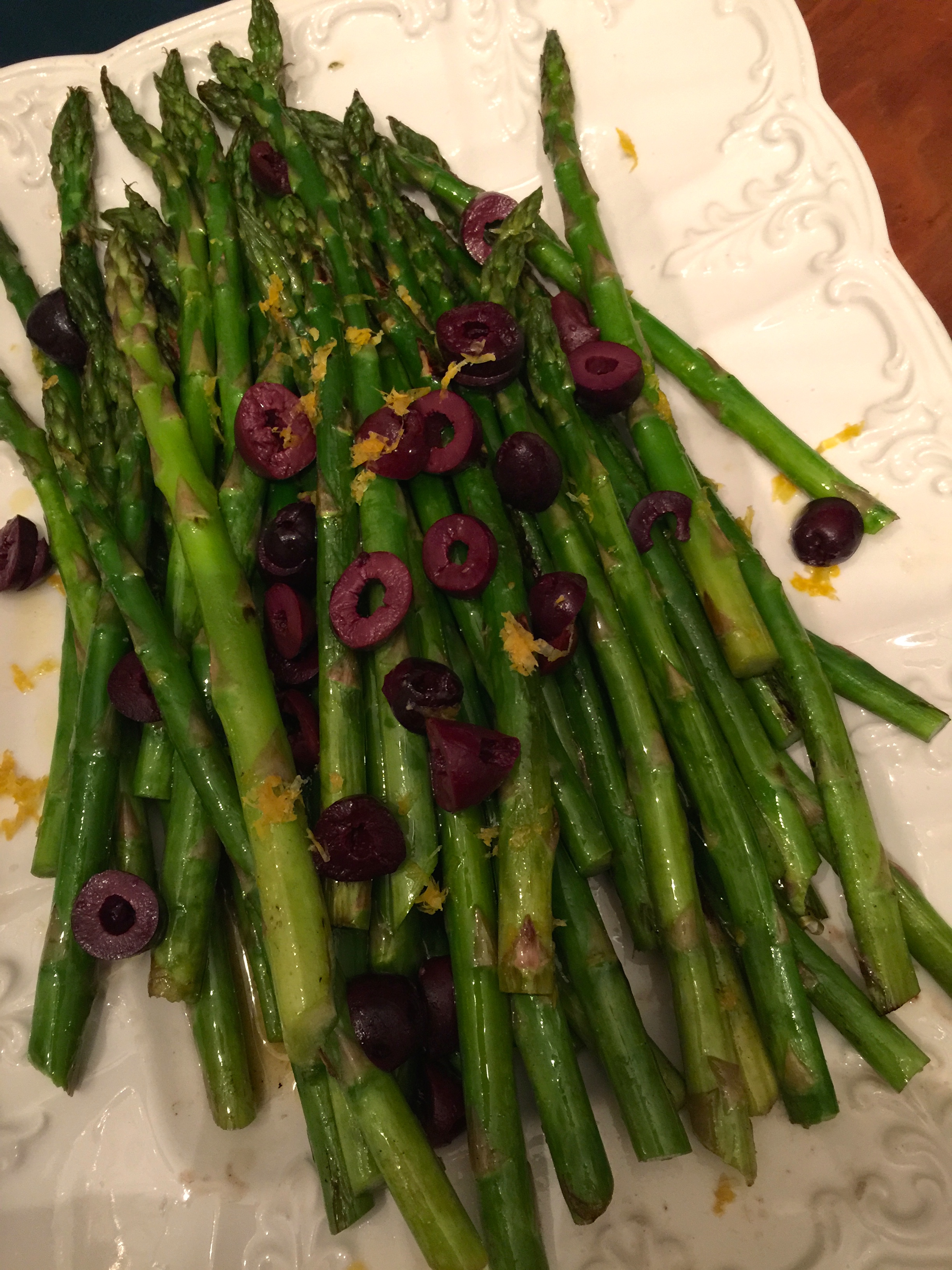
This super yummy Lenten Spring Asparagus pairs well as a side dish with any lenten meal.  If you want, you can substitute it as your salad, because it can be served warm or cold.

A crunchy veggie dish like this is also great for those nights when you have everything tapas style…. little bowls of lots of leftovers or dips and sauces and breads.

[box]

Lenten Spring Asparagus

Ingredients

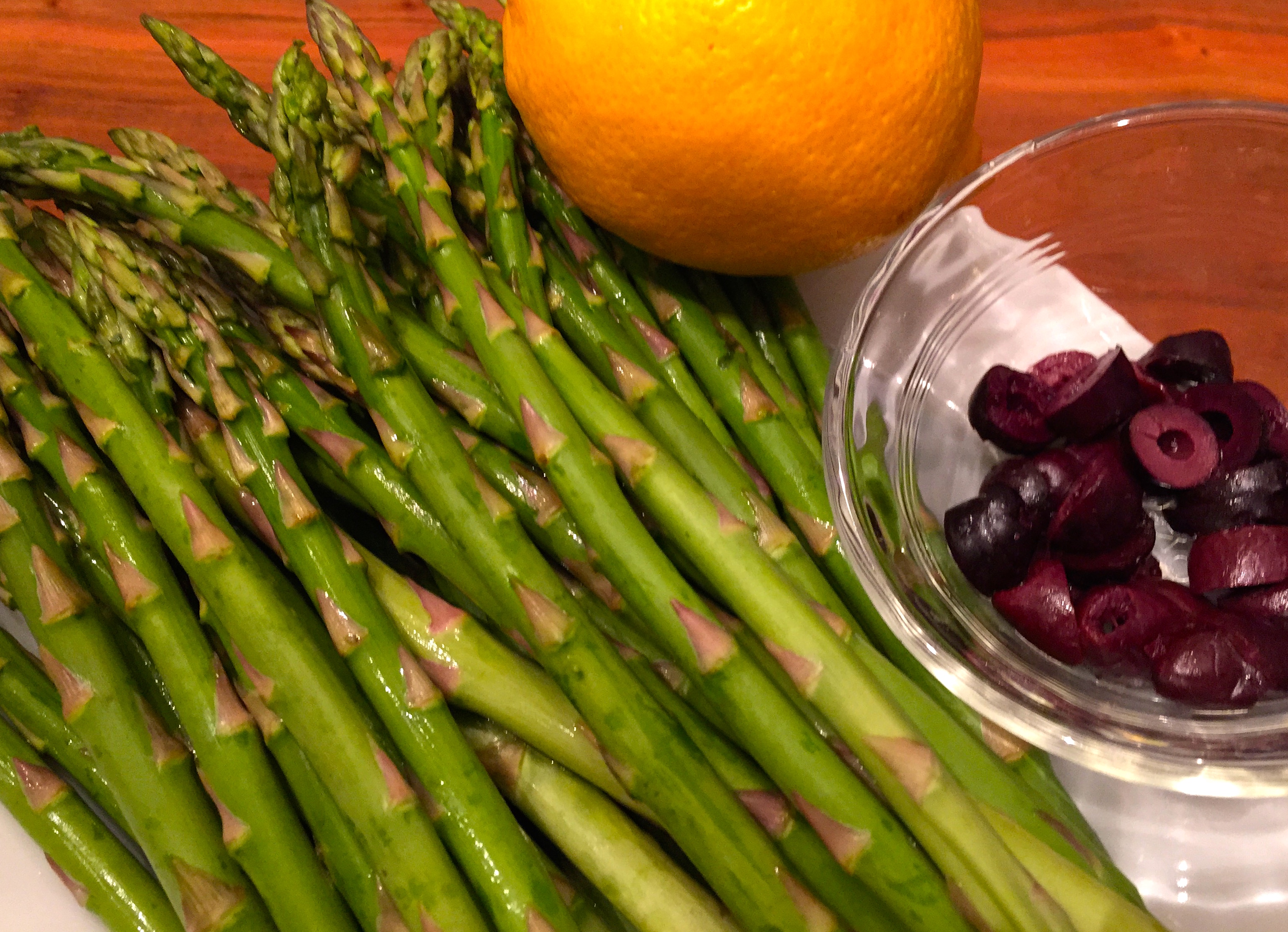
1 pound fresh asparagus

1 teaspoon lemon zest (organic lemon – wash it before you zest)

6 kalamata olives pitted and sliced (you can use any variety)

If you are not fasting, drizzle with extra virgin cold or expeller pressed olive oil

Wash your asparagus and cut the bottom inch and a half off.  Leave the stalks long.  Heat a large non-stick skillet and place asparagus in it.  You should hear a sizzling sound.  Let it cook for about five minutes.  You can move it around, but I like to leave it in one place so the part of the asparagus on the pan gets a little caramelized.  It should have a bright green color when you take it off, and also still have a crispiness to it.  (Cooking note:  Some people like to boil their asparagus, but I prefer not too simply because vitamins and minerals will leach into the water – you get less nutrition that way.)

Place on serving dish.  Salt and pepper to taste.  Sprinkle zest and olives on top of the asparagus.

[/box]

Enjoy.

kalamata lemon and asparagus

Whole foods…. they are good for you!  Asparagus is an anti-oxidant and anti-inflammatory food.  It is full of vitamins, minerals and fiber.  “Fermented olives” have probiotics and healthy bacteria and health protective nutrients.    The real surprise though is the lemon peel.  Lemon peel is a source of lemonene, which is a phytochemical found to prevent and even treat cancer in animals.  Lemonene is supportive of our livers (which are amazing) and a strong inducer of liver detoxification enzymes that neutralize carcinogens.  Lenten or not, this is a very healthy side dish.


lenten chili with guacamole

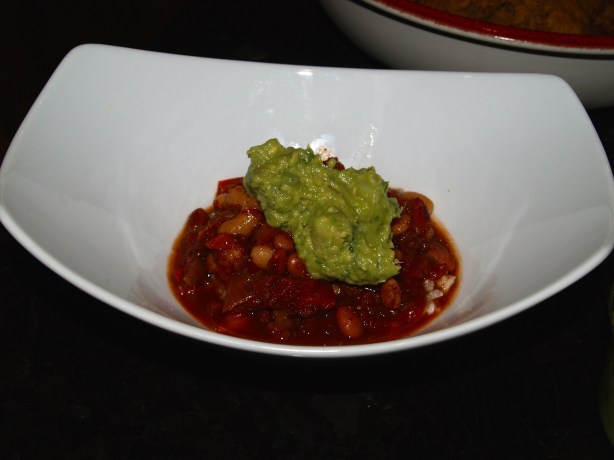
lenten chili

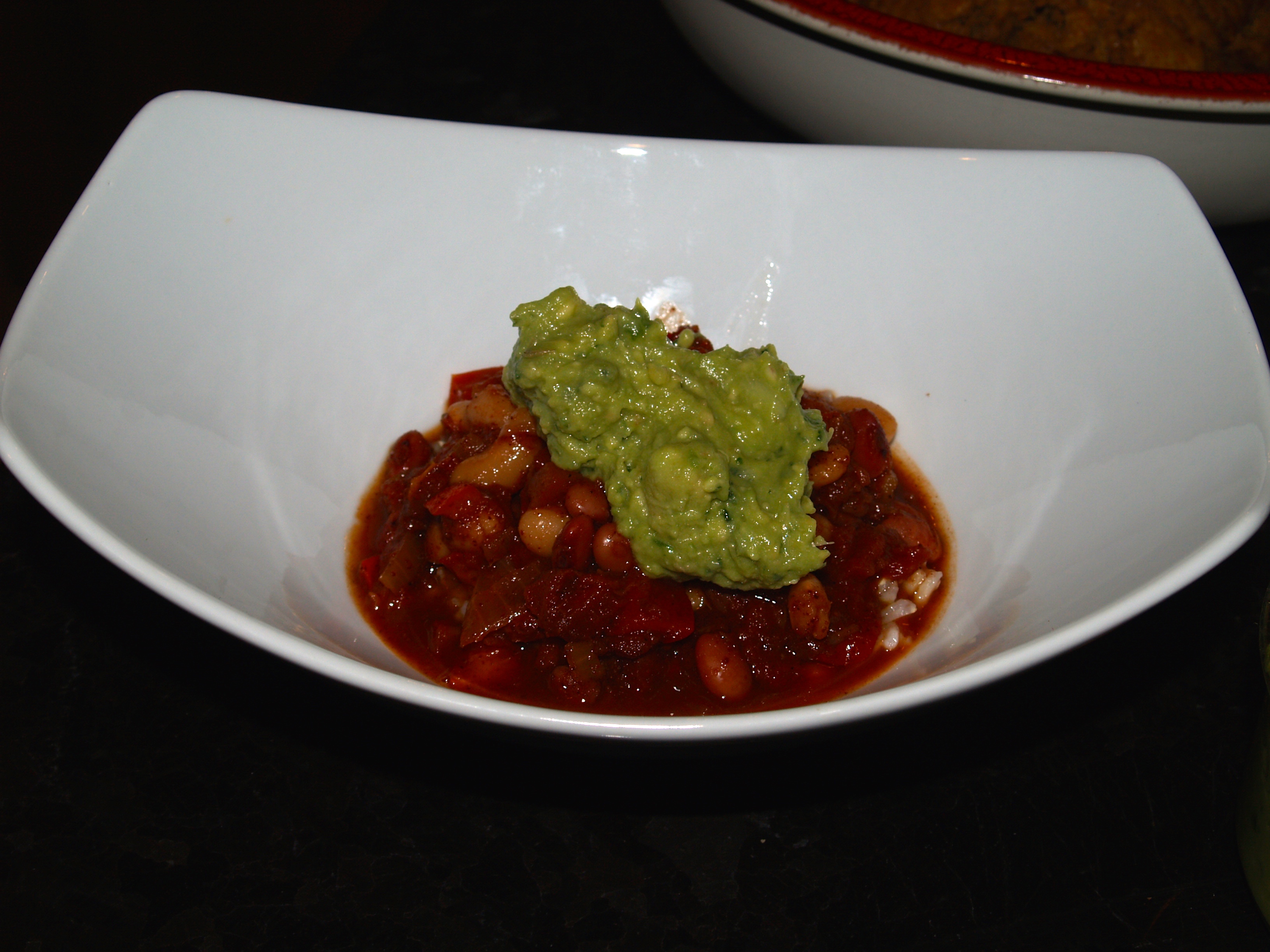
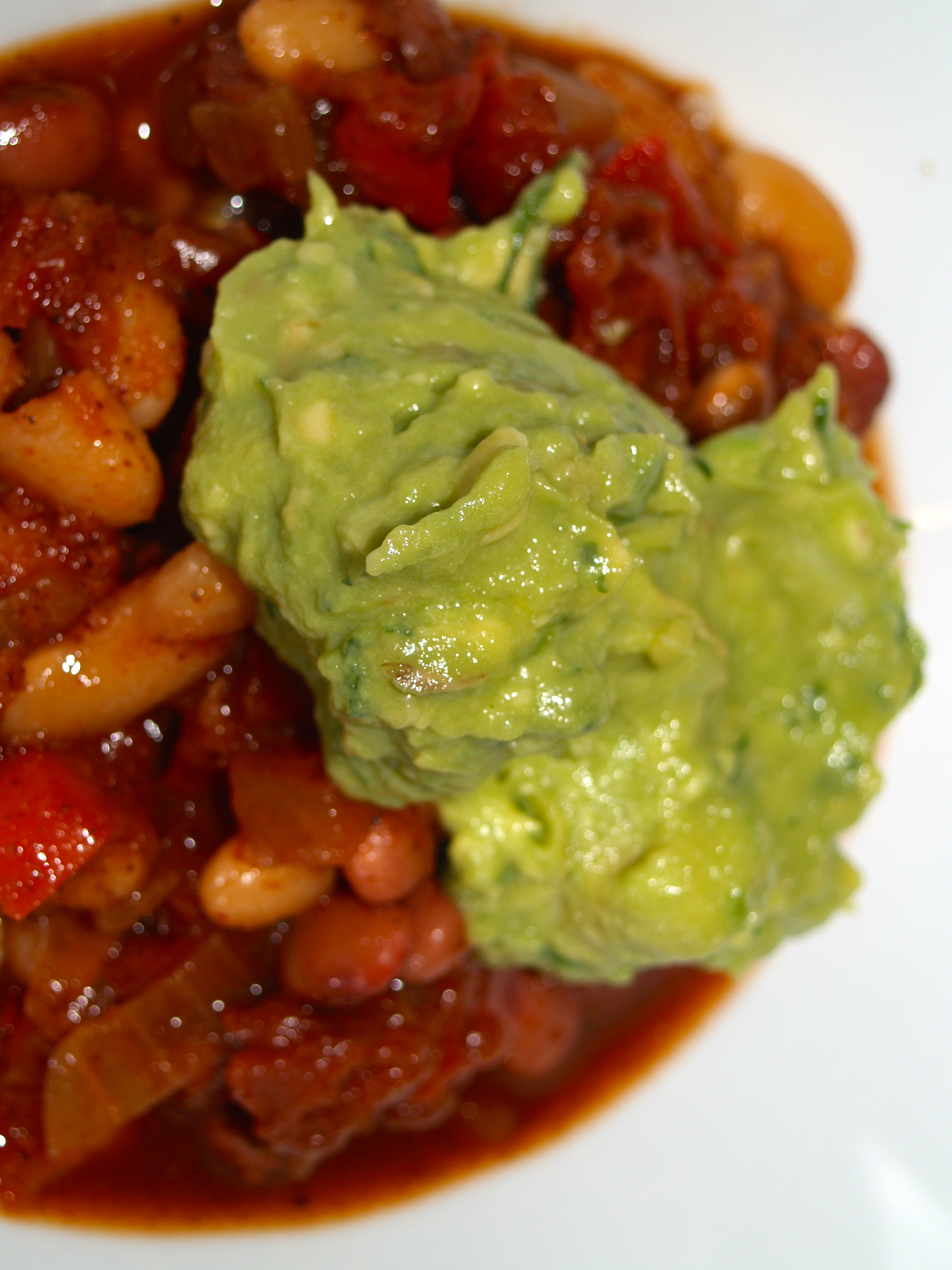
 This lenten vegetarian chili with guacamole is an easy weeknight favorite and if you end up with leftovers – it tastes even better the day after!

Chili can spark great debates about how it should be eaten.  Whether you like yours on it’s own or with rice, is up to you.  During Lent, we always serve our chili over brown rice.  The reason is a little nutrition combined with traditional know how that amounts to a complete protein on your plate.

There are twenty different amino acids that can form a protein, nine of these amino acids, our body can’t produce on its own.  In order to be considered “complete,” a protein must contain all nine of these essential amino acids in roughly equal amounts. For this reason, these nine amino acids are considered  essential amino acids —we need them in food form because our body can not synthesize these from other available amino acids.   Since proteins are the building blocks of the body this becomes a consideration during long periods of fasting.

The majority of plants and grains do not contain complete proteins; however, meat, dairy, seafood and eggs do.  During long meatless and dairy-less periods it is possible to obtain the necessary protein for our diets through the combining of certain foods.  Traditional and ethnic fasting recipes tend to combine legumes and grains in some fashion.

While it is not necessary to consume complete proteins at every meal, over the course of a day or days it makes a difference.  The following food combinations yield a complete complement of amino acids.

  1. Grains (rice, corn, wheat, barley, etc.) and  legumes (peas, beans, lentils)
  2. Seeds (Sesame or sunflower) and legumes
  3. Hummus and pita
  4. lentils and rice

These are good examples of combining foods such  that all 9 of the essential amino acids are present.

Aside from proper combining of foods, the following are good plant sources of complete protein to include in your diet.

[one_half]

Quinoa

Buckwheat

Soy (tempeh, sprouted tofu and miso)

Hempseed

[/one_half]

Chia

Soy

Rice and Beans

Now, for the chili.

[box]

lenten chili with guacamole

Ingredients

2 cups of any combination of the following beans : red kidney beans, white kidney beans, black beans, pinto beans

1 onion red or yellow, diced

2 carrots diced.

5 cloves minced garlic

1/4 – 1/2 cup chili powder (we use Penzey’s regular).  Use your judgement here, different chili strengths for different palates.

Salt and pepper to taste

2 chopped red peppers

1 carrot, chopped small

2- 14 oz cans diced organic tomatoes

3 cups water

[/box]

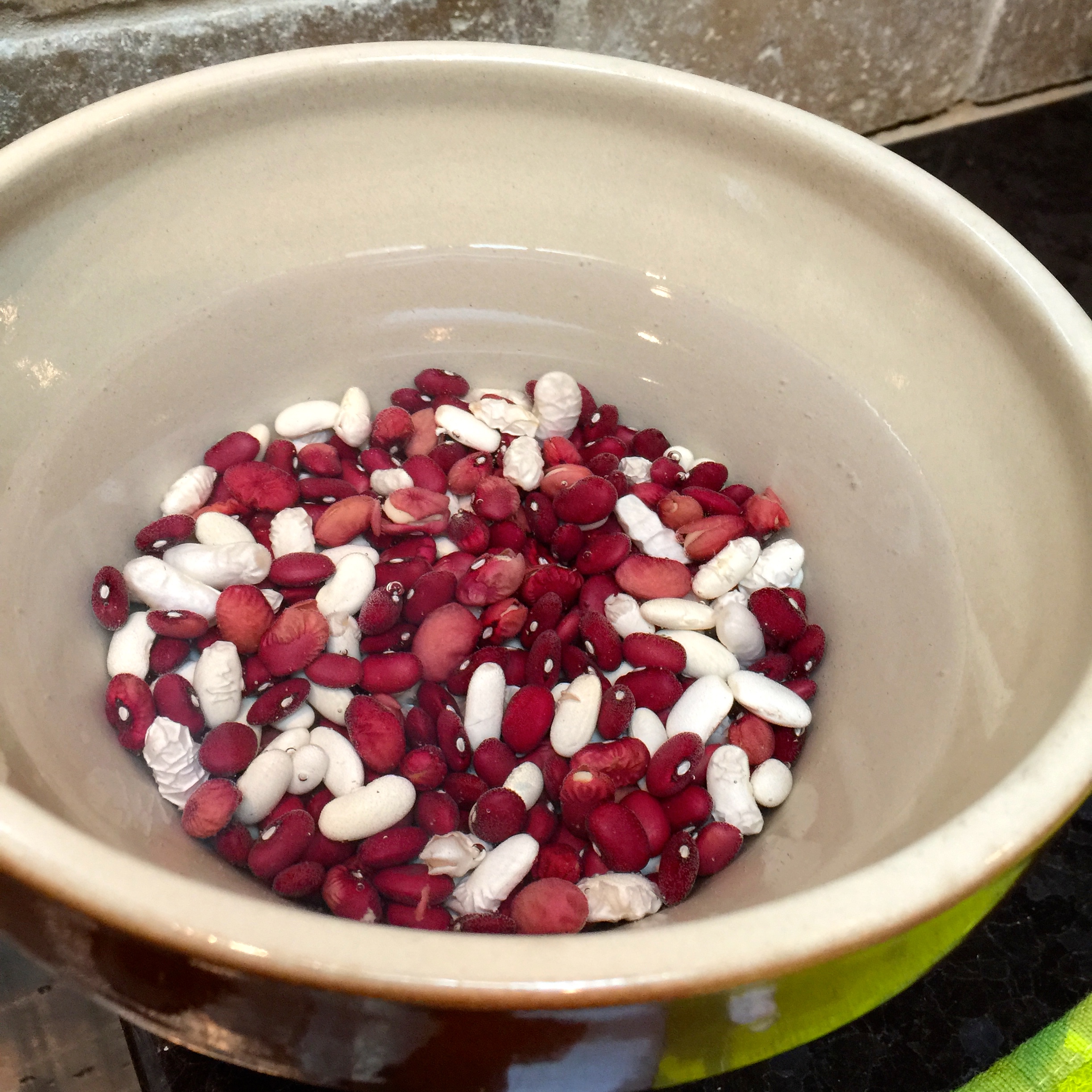
The night before, place beans in a bowl and fill to cover with water.  Leave until you are ready to make chili.
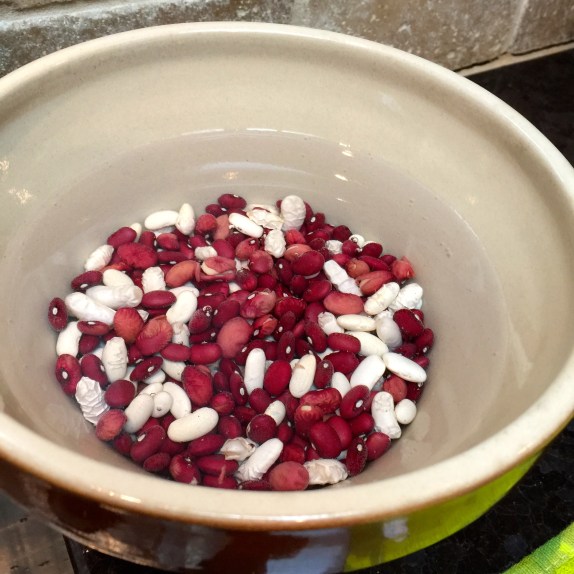
chili beans

To make the chili, rinse beans and place in large pot with water to cover.  Turn the heat to high to bring to boil and reduce to medium.  Skim any foam that accumulates.  Cook for an hour.  When the beans are done drain.  You may reserve some of the cooking liquid.

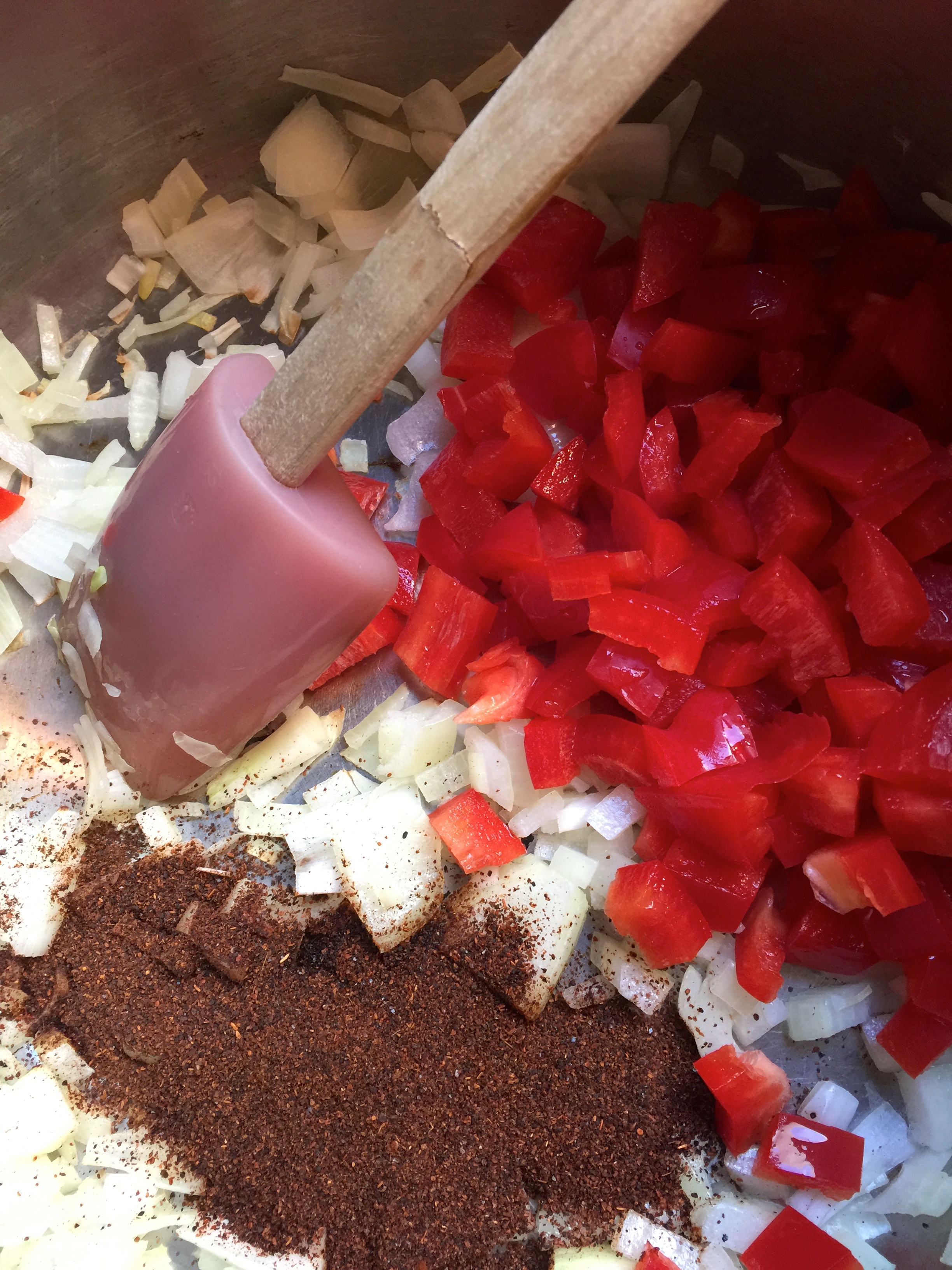
When the beans are almost done (they will begin to soften), saute the onion, red pepper, carrots and chili powder with 3 tablespoons olive oil in a large pot.  Saute for three minutes, until the chili powder becomes fragrant.

Add remaining ingredients.
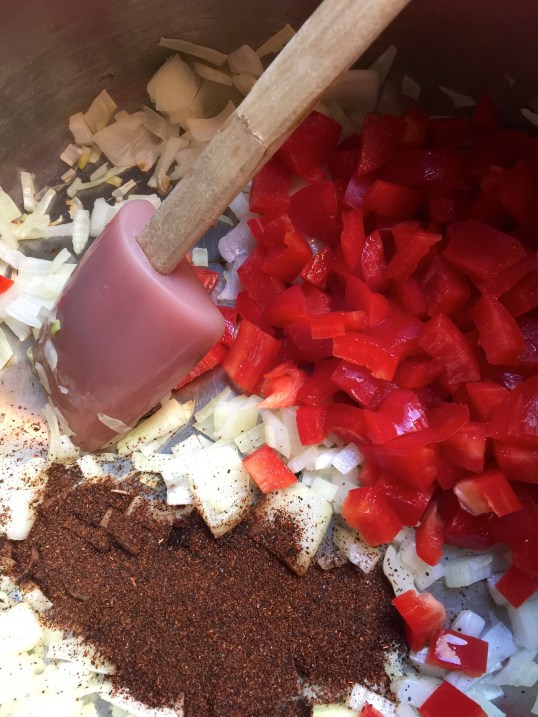
saute

Cook over  low simmer, with loose lid on the pot,  for approximately 45 minutes.  Check on the consistency, you may cook longer if you like a thicker chili.

Serve over brown rice topped with a hearty scoop of guacamole (2 avocados, 1/2  clove garlic, bunch cilantro chopped, 2 tablespoons red onion chopped, juice of one lime – mash it all together).

yummy.
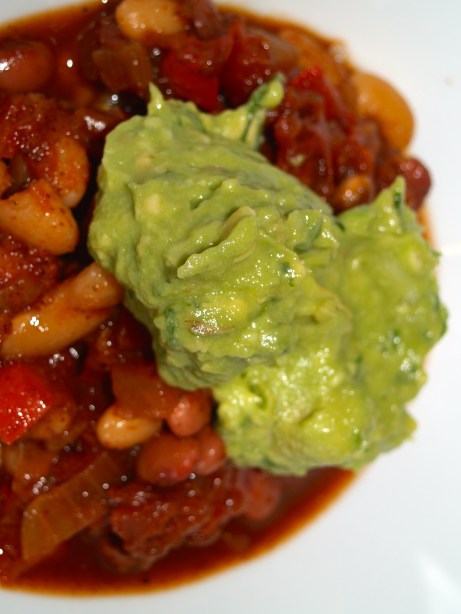
 

OLYMPUS DIGITAL CAMERA


i heart organic strawberries

“For a long time now we have understood ourselves as traveling toward some sort of industrial paradise, some new Eden conceived and constructed entirely by human ingenuity. And we have thought ourselves free to use and abuse nature in any way that might further this enterprise.  Now we face overwhelming evidence that we are not smart enough to recover Eden by assault, and that nature does not tolerate or excuse our abuses.”

Wendell Berry ~ Bringing It to the Table: On Farming and Food


For about a year of college I lived in Germany, which was my first exposure to farmer’s markets, a way of life at least where my family there lives.  That was some twenty years ago – probably about the very time farmer’s markets were gaining new traction in the U.S.  At the time, I’d never seen eggs so fresh they were still adorned with feathers, or vegetables still smelling of the earth.
One thing about fresh food is that it’s always near death ~ counter-intuitively that makes it alive, and allows it to nourish us with all the vibrancy of it’s vitamins, minerals, enzymes and phyto-nutrients (a word apparently so new that my spell check keeps trying to change it).
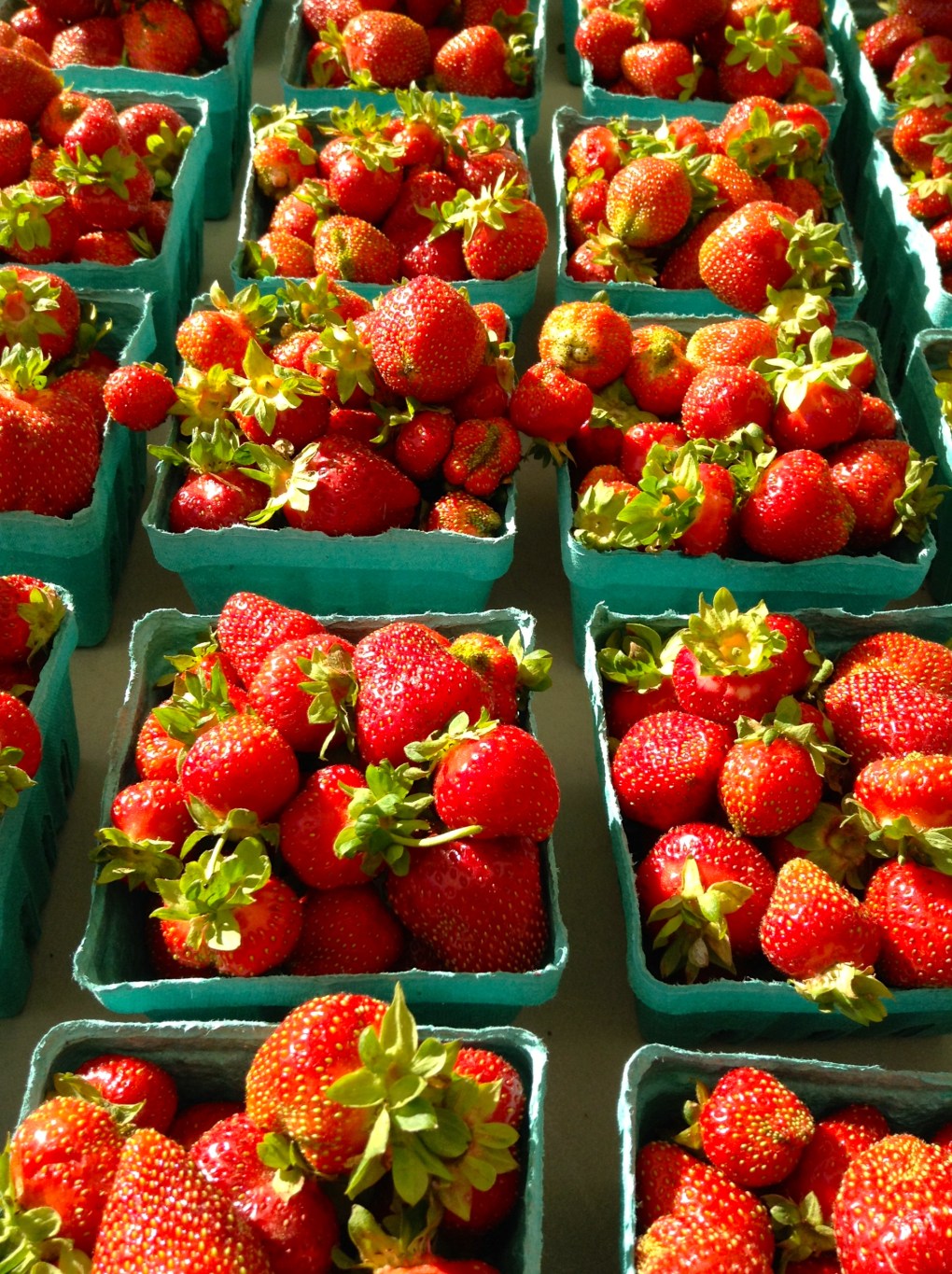
With that in mind, any one attempting to stay as local to their food sources as possible knows the importance of preserving the harvest.  Fresh food is not immortal!  At the moment we are at the waning edge of strawberry season here in Virginia.  In fact, we missed getting any at the past two markets due to our late arrival, so this morning we got there early!
Making that effort to find the best food for my family is really important.  These are not delicacies or haute cuisine at all, but no-frill foods that are raised in harmony with the land, in such a way as to be nourishing rather than depleting.
If we don’t eat the strawberries we bought this morning in about four days, they will rot.  So, extending the harvest has become a habit allowing us to enjoy the delights of spring even into the upcoming winter.  There are many ways to preserve what’s currently in season from canning, to lacto-fermentation and even simply freezing.
As a rule we try to stick with organic whenever possible, but particularly with strawberries which are a fruit known as one of the dirty dozen.  That’s because they are covered with some of the most toxic agricultural chemicals available.   Many of these chemicals are carcinogenic and known endocrine disruptors – that means they mess with your hormones.   Nice!   Even after washing, 67% of fruits and vegetables sprayed with these chemicals still contain them.  Hmmmm.
Over time, many of these toxins bioaccumulate in our fat cells.  Our bodies really do not know what to do with these, and that can have negative effect on our physical health.
The blessing of the farmer’s market is being part of a community.  People get to know one another and look forward to chatting, sharing and learning. You know your farmer’s name, and feel confident in his word.  None of our local strawberry growers sprays, which is a testament to their dedication and nurture of the land.  It’s all connected…in providing well nourished soil to the plants, the plants then become strong and less susceptible to disease and pests, which means these farmer’s don’t need all of the toxic pesticides and fungicides in the first place.
Buying organic can seem more expensive – perhaps in the short run it might slightly be – mostly because we buy en masse.  That said, at the farm stand I can pretty much guarantee you will get a discount  – most of the time without even asking – if you buy in bulk.

This slideshow requires JavaScript.

Whether you freeze them, make them into jams, pile them atop of shortcake or eat them right out of the flat, they are a seasonal delight that brings a smile to everyone’s face!

contain yourselves

“Odd as I am sure it will appear to some, I can think of no better form of personal involvement in the cure of the environment than that of gardening. A person who is growing a garden, if he is growing it organically, is improving a piece of the world.”  Wendell Barry – The Art of the Commonplace: The Agrarian Essays


Even if you have only a tiny patio or balcony, growing your own food is a possibility.  No matter how little space you have, with a packet of seeds, a few pots or other container of your choice, you can turn a blank space into an edible landscape.  Whether you grow an assortment of kitchen herbs or potted potatoes, carrots and beans it’s easy and can transform an urban space into a haven and retreat.

A few weekends ago, we picked up some cedar planters at our local plant store DePaul’s Urban Farm and then the kids got to work staining them and planting some carrots.

This slideshow requires JavaScript.

Soon we will have an awesome harvest of carrots.

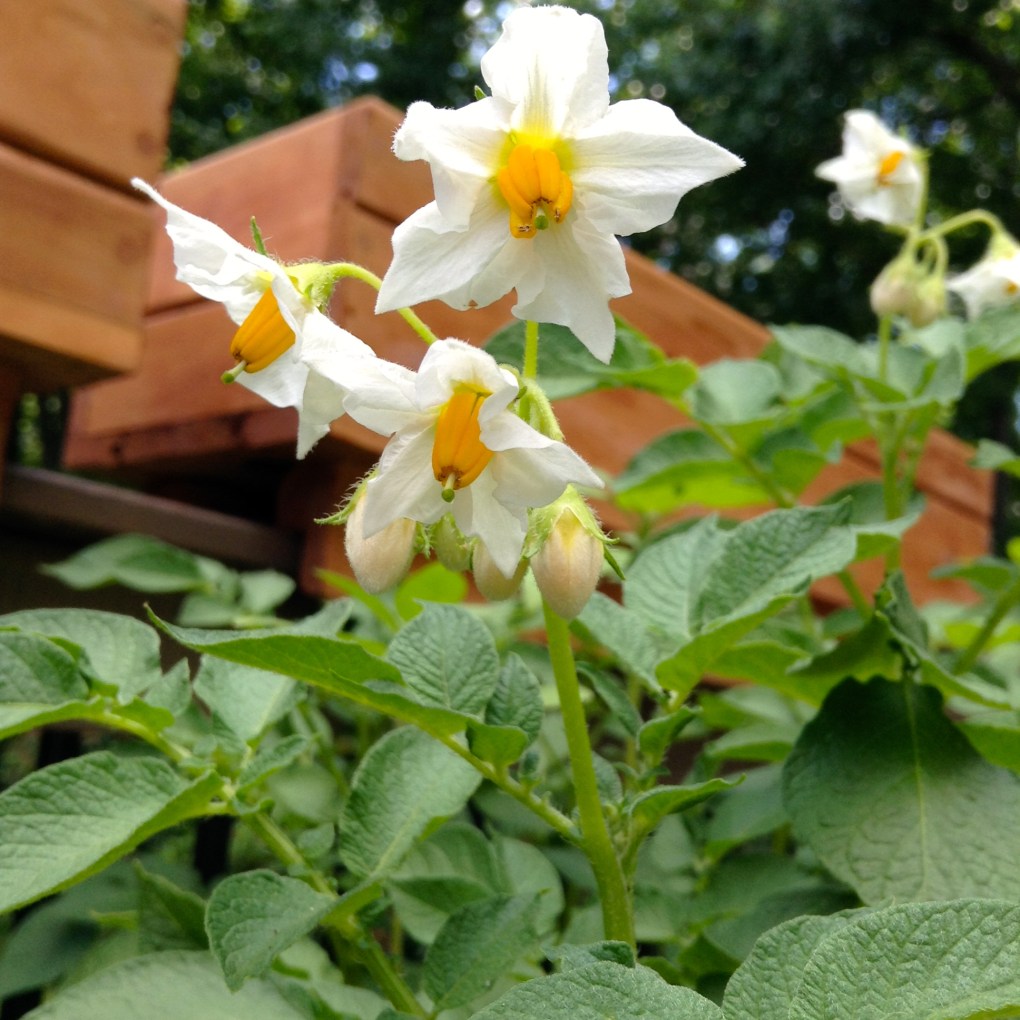
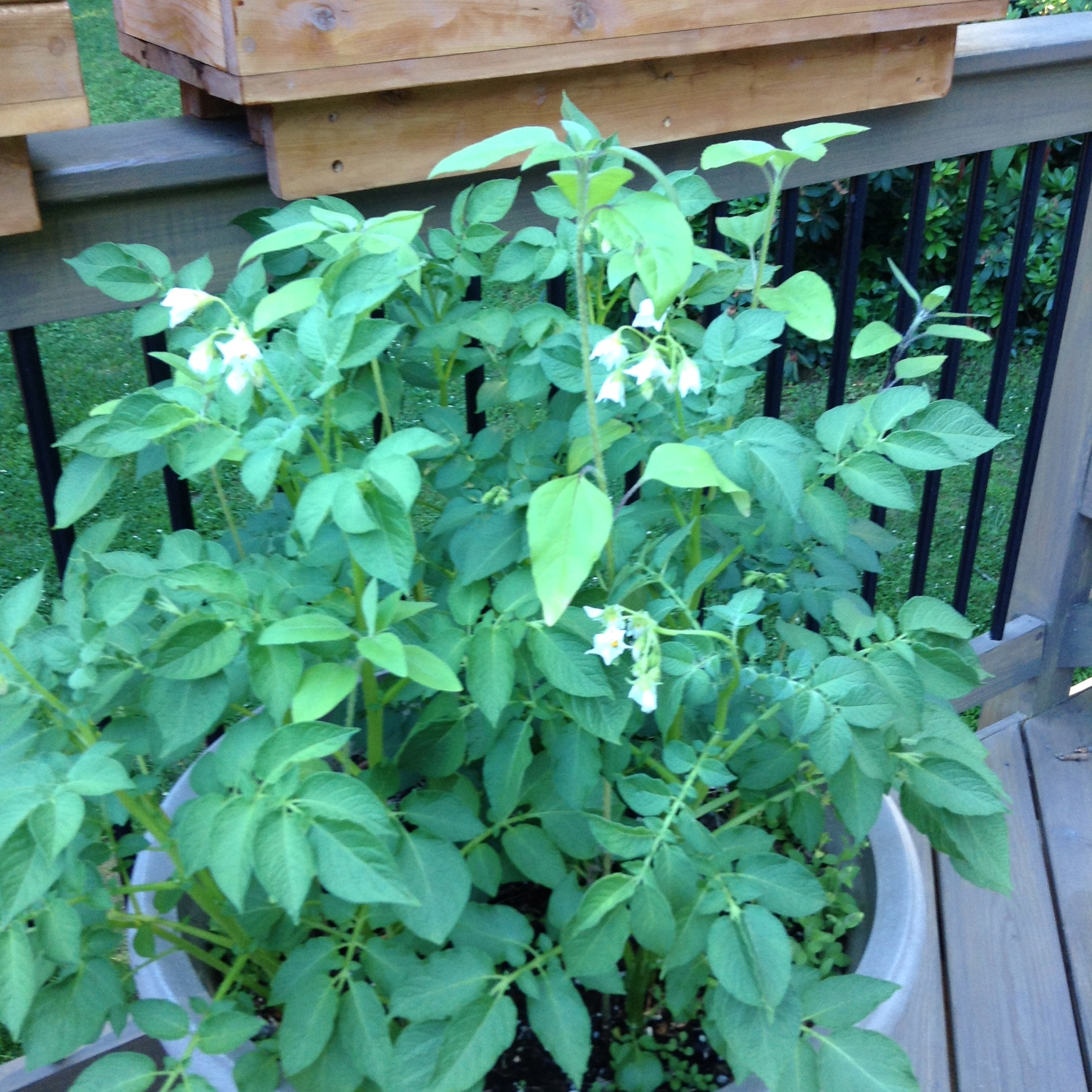
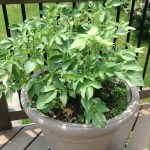
Also too we have potted potatoes – so much easier to harvest because they are confined to one space than planting in a larger garden.  For something a little different we added sunflowers into the mix – for a little flowery effect.  They will bloom soon!

Whatever you chose, the main thing is to have fun with your planting and make a space which is visually and edibly pleasing.

At the end of the day, nothing compares to your own fresh grown food.  Just as wonderful is that you really don’t need a lot of expertise or skill to grow them – especially beans, tomatoes, peas and any salad vegetable.

IMG_0286

The past ten years have seen a rapid increase and high demand for real local sustainable food.  Not a new idea, just one misplaced for about a century!… previously all food was local, mostly because there was not the ability to transport it, or the chemical fertilizers to mass-produce it.

Family gardeners restore and heal their little part of the world starting with their own space and being.  Working the dirt, it is inevitable that knowledge, experience and success from those lessons unearthed in the garden tills into other areas of our lives ~ gratitude and thanksgiving for the harvest, family and friends!

“In almost every garden, the land is made better and so is the gardener”. ~Robert Rodale


grow.harvest.enjoy

In farming, as in gardening, I happen to believe that if you treat the land with love and respect, then it will repay you in kind.  – Prince Charles

The life of a garden is in perpetual motion.  It’s a dynamic place, hustling and bustling with the growing harvest and buzzing with life.  It’s a place were nature thrives and in so doing nourishes hungry family and friends.

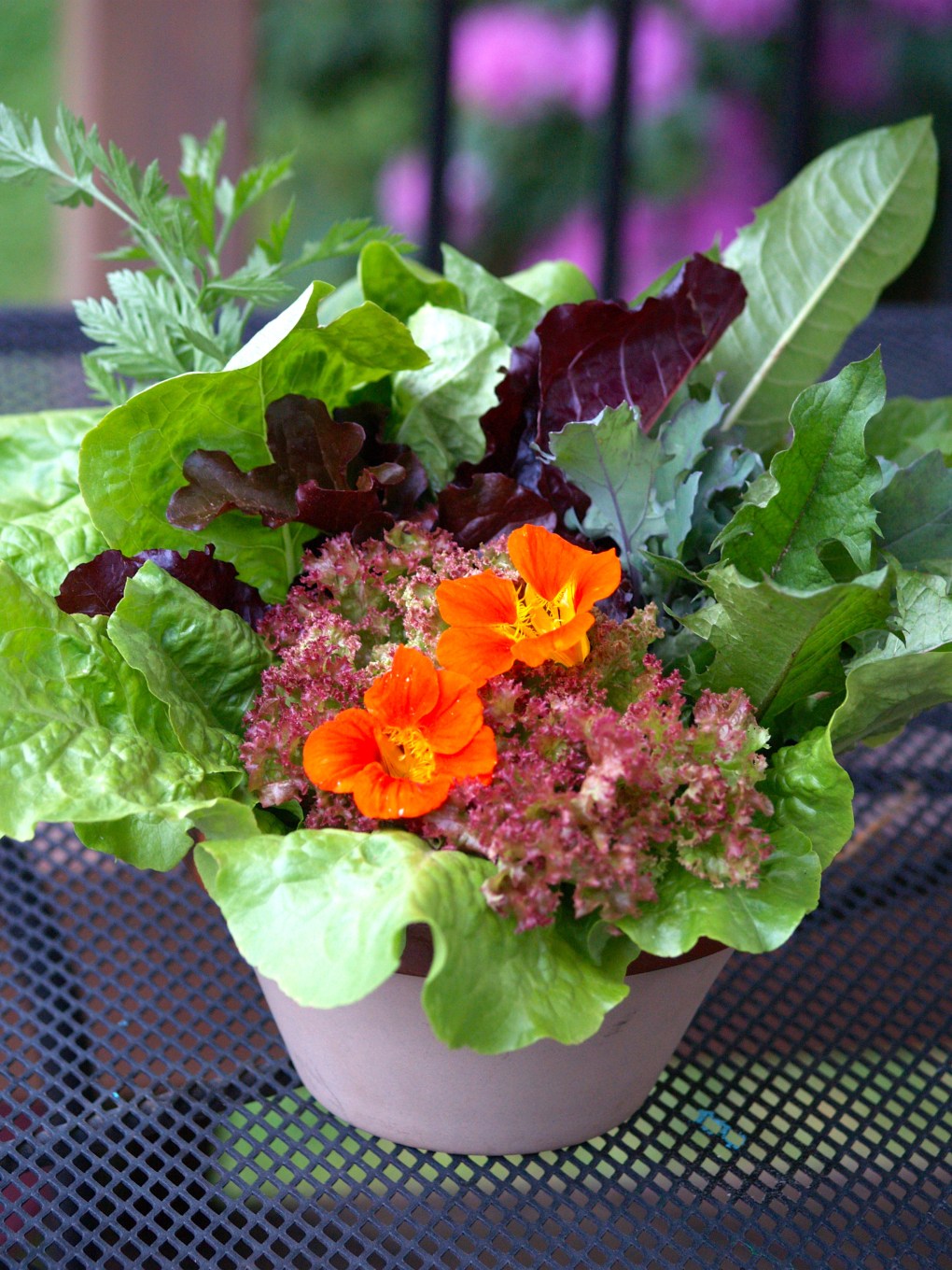
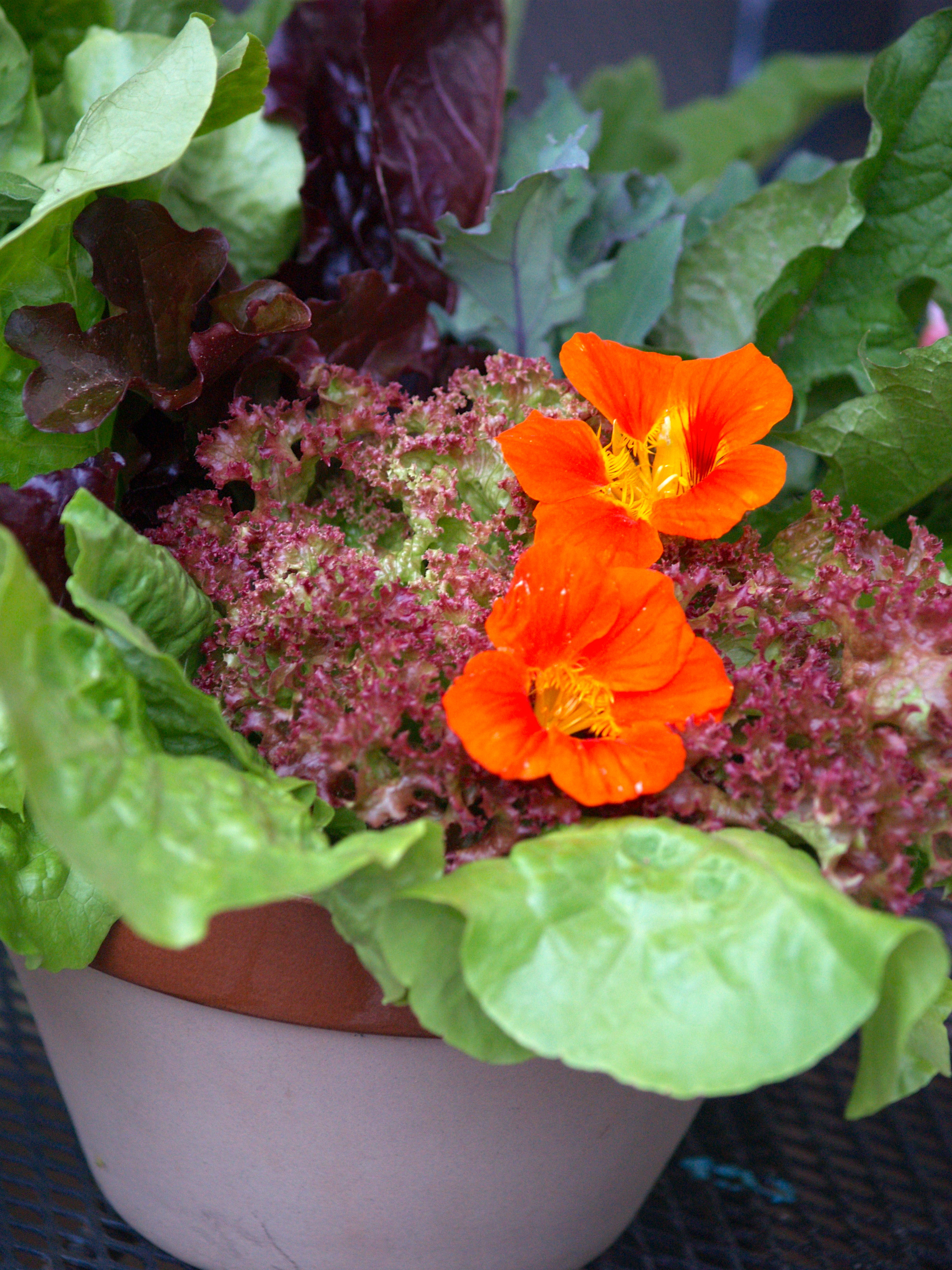
This beautiful bouquet is not a gift from my husband, but our dinner salad!  Full of an assortment of fresh salads from the garden as well as carrot tops, baby kale, dandelions, cilantro and peppery nasturtiums we snipped it just before dinner and it is a crispy delicious addition to our meal.

Growing your own organic vegetables is practical in many ways – from reducing use of fossil fuels and exposure to toxic chemicals to increasing the vitamin content of your meals  – although as modern consumers “organic” seems a relatively new concept, this is how our great grandparents gardened.  They didn’t “certify” it or have any special name for it.  Caring and nurturing the land was just a way of life – and in return the earth gave sustenance for their nourishment.  Our forefathers had a greater understanding of healthy soil and plants than do we.

In my own family, it was my German grandmother who gave me a love of gardening.  She tended her little plot of backyard garden with a vibrant happiness and care – even to the point of setting aside water in the morning and waiting a few hours to hydrate the plants so that it would warm to the air temperature.   I am not sure of whether that made any difference to the plants, but I can say that hers were some of the best beans and tomatoes I’ve ever had and she always had a very high yield.  But the point is that small farmers tend the planet better than big business.  Small farmer’s and family gardeners work in harmony with the seasons and Mother Nature rather than fight her and that makes all the difference.

If you are not sure about growing your own food, but are thinking to give it a try – remember that it’s not necessary to have a green thumb.  Seeds want to grow.  Even if you make mistakes, you’ll learn from them and that is a great blessing!   The best part is that your little victory garden will give you the chance to reacquaint yourself with all you thought you knew, from radishes to carrots to kale.  Cultivating the land gardeners cultivate patience – the joy of waiting to taste  a strawberry or sugar snap pea and also forgiveness for the imperfections those natural and organic sometimes yield – while not always perfectly shaped they are always delicious!  In so doing a gardener also learns a little something about life and community.


Dinner Bouquet


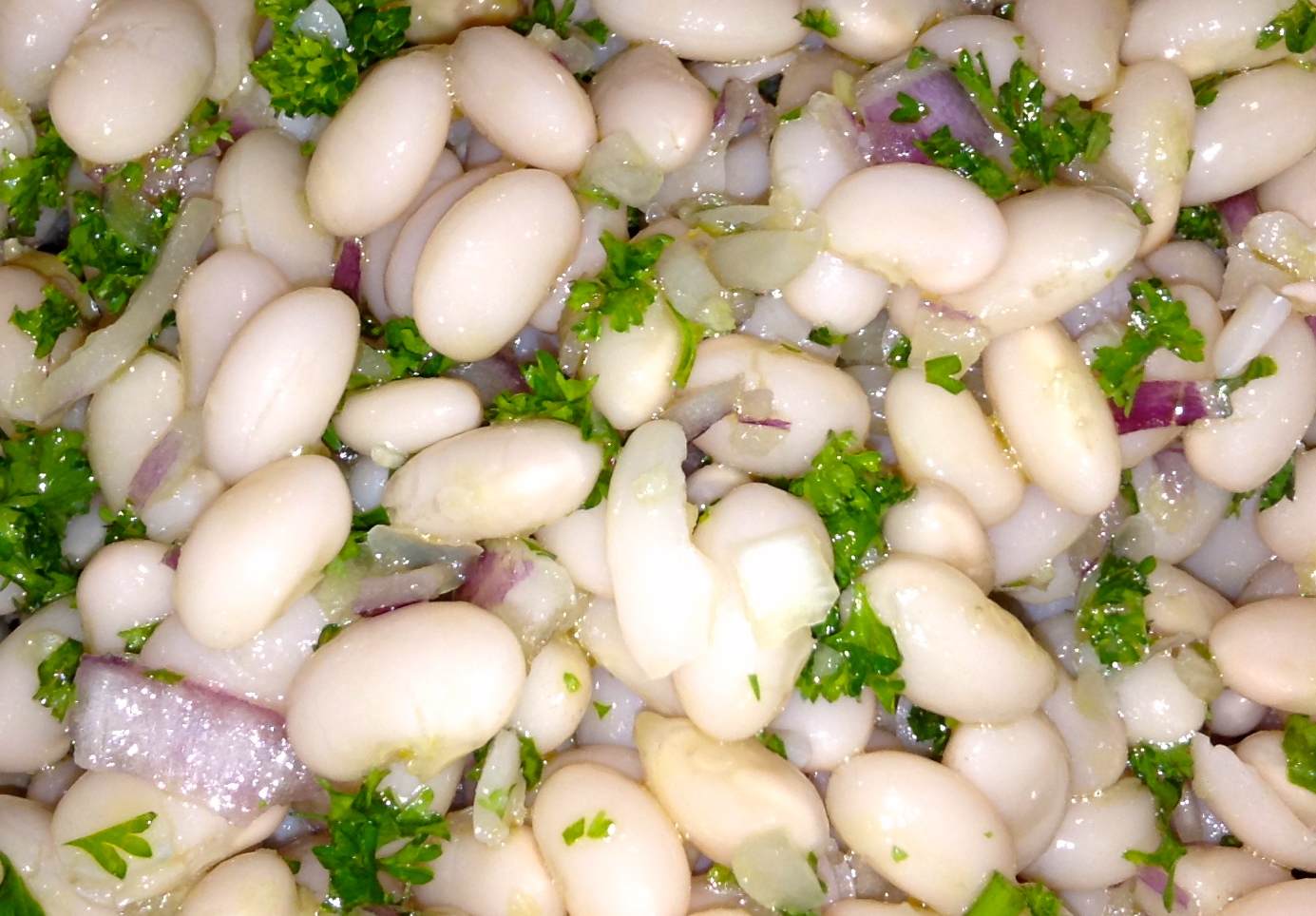
Lenten Greek Bean Salad – Fassolia Salata

IMG_0313

“But unless humility, simplicity, and goodness adorn our lives, and are associated with prayer, the mere formality of prayer will avail us nothing. And this I say, not of prayer only, but of every other outward exercise or labor undertaken with a notion of virtue.” —Saint Macarius


Lenten menus tend to feature beans…. lots and lots of beans.

We have two favorite local Greek restaurants, The Plaka and Nostos.  For any locals, this dish is inspired by our local Greek Restaurant in Tyson’s…. Nostos which has a wonderful menu with some very traditional dishes, way beyond gyros and souvlaki.   The recipe below is modified from the one found in Foods of the Greek Islands, by Aglaia Kremezi, which is more of a salad with a dijon mayonnaise base than this version.

In every recipe in which you use dried beans, take the time to soak them- either in plain water or even better, with a tablespoon of apple cider vinegar added to the the beans and water.  That this is similar to the traditional methods your grandmother or great-grandmother might have done.  They knew a thing or two about cooking and those traditions, well…they lend to maximum digestibility and nutrition.

Traditional peoples whose cuisines were based on legumes prepared them with great care.  Beans are soaked for long periods before they are cooked – some varieties in acidic water and some in neutral or slightly alkaline water.  The soaking water is poured off, the beans are rinsed.  As the beans cook, all foam that rises to the top of the water is skimmed off.  Such care and preparation in cooking ensures that the beans will be thoroughly digestible and all the nutrients they provide well assimilated, because such careful preparation neutralizes phytic acid and enzyme inhibitors and breaks down complex-sugars. (Nourishing Traditions)

How did they know this without nutrition fact panels?  One reason might be that at that time their food supply had not become so laden with toxic and artificial chemical ingredients and sugars – so our ancestors actually knew how foods made them feel on a more subtle level than do we.  They had a cleaner more pure food supply, so their bodies – not having the daily nutritional noise and non or even anti-nutrition -coursing through them -knew when something didn’t sit right.  We, on the other hand, are fairly used to not feeling nourished, so it just goes unnoticed.

Soaking also allows the beans to be more agreeable in other ways (if you get my drift!) because it helps break down some of the more complex sugars which are gas causing.

Especially for those larger kidney, northern whites, chickpeas and black eyed peas, a good soak is in order.  Soaking your beans does the beans and yourself a favor.  First of all, dried beans are a fraction of the price of those canned, so in big families this is a budgetary boon.  Further – the soaking neutralizes phytates and enzyme inhibitors that bind the nutrition of the bean, such that we can not absorb it… in some cases, large amounts of phytates can bind to the minerals in the rest of our meal and making them unavailable.

One other note- canned beans do not offer the same benefits as soaking.  Canned beans are high in sodium are canned under very high pressures.  This does not neutralize phytates and the danger is that such processing denatures proteins and other nutrients at the same time.  We do use canned beans in a pinch, but sparingly.


Ingredients:

2 cups dried white beans (great northern work well), soaked over night and drained

1/2 cup finely diced shallots, red onion or spring onions

1/3 cup chopped flat leaf parsely

1 garlic clove minced

3-4 tablespoons lemon juice

salt and pepper to taste

optional: 1/4 cup olive oil


Preparation:

Place beans in large pot with cold water covering them by 2-3 inches.  Bring to a boil, reduce heat to low and simmer for about one hour or until tender.

Combine the beans and remaining ingredients in a large bowl.  Stir well and let sit for the flavors to combine (about 1 hour).


Serve as a side dish to your favorite meal.


matzoh ball ~ soup for the soul

IMG_0081

“Real humility is light and buoyant, not weighted down by insecurity, self loathing or an obsession with being known and admired. Humility spends the time and energy freed up by not agonizing over one’s self reveling in the grace of everyday blessings big and small. Humility genuinely rejoices with those who rejoice and weeps with those who weep. Humility retains forever its childlike sense of hope and wonder.” ~ Molly Sabourin

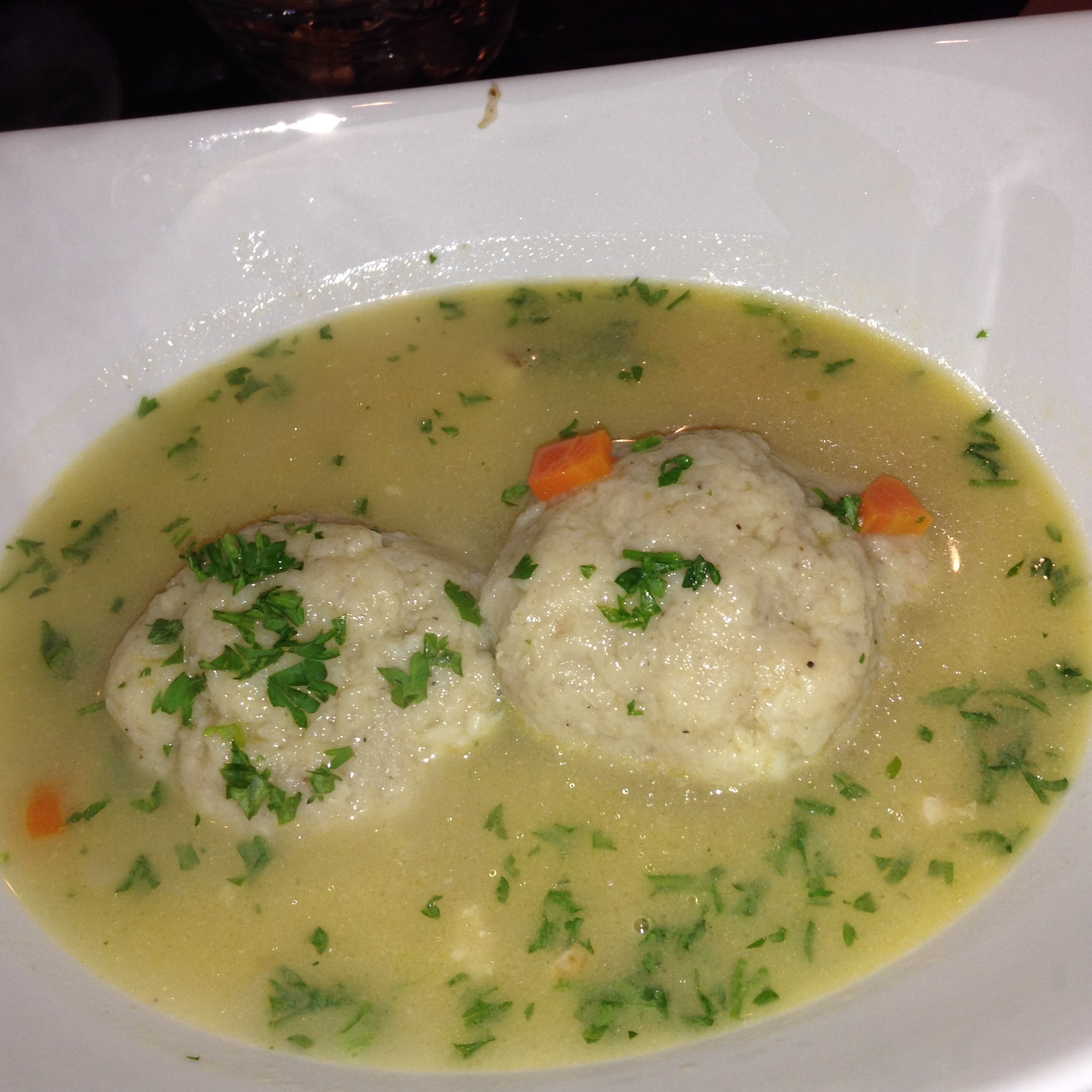
Matzoh ball soup is comfort food at its finest and a great use for your homemade chicken stock!

Food sustains physical life and yet is greater than the nourishment it brings to the table.  Food gathers people  and traditional foods – passed from generation to generation tell a story.  These generational foods – shrouded in history, symbolism and ritual tell the story of peoples and their journeys of life and in that category Matzoh Ball Soup definitely tops the charts.

The Matzoh is probably one of the best known Biblical foods and one that has humbly stood the test of time.  It is a food which tells the story of the exodus of a chosen people and the guiding Hand that frees them from bondage in Egypt.

Matza is unleavened bread –  and one of the three biblical culinary components of the Jewish Passover Seder – it is also called the bread of affliction.  For Jewish families, Matzo is the only type of bread eaten throughout the Passover festival.  The generational story of the matzo is one of slavery and freedom.   The last shared act that every Israelite performed before being freed from slavery in Egypt, as well as the very first act that the entire nation shared as free people at their first stop, was eating matzo. (Encyclopedia of Jewish Food).

The first time my family ever tried matzoh ball soup was last year, visiting grandparents in Florida.  We went their favorite Deli, TooJays  in Orlando.  Such a simple dish, utilizing the most basic and unassertive ingredients – chicken broth, seasonal vegetables, eggs, schmalz (saved chicken fat – from your stock) salt and pepper.  This is quintessential comfort food!

Traditionally, matzo balls are served in a broth only served with carrots – but you can make it your own with whatever favorite vegetables you love!  This recipe doubles and triples nicely!  It also freezes well if you make a big batch.  We portion it into servings for two or four and freeze.  That way it is on hand, ready to thaw, heat and nourish on those busy school nights laden with activities and little time!

Matzoh Ball Soup – it brings nourishing comfort to the body and as the old saying goes – the soul too!


ingredients:

3 eggs

9 cups chicken stock

1/4 cup grated onion

1/2 cup melted chicken fat (Note: Jewish families would not substitute butter as that is prohibited during the Passover.  We used butter (preferably pasture raised).

1/2 teaspoon salt

1/2 teaspoon freshly grated black pepper

1 cup matzo meal (you can make your own by placing Matzo crackers and pulse in food processor or blender.  The other option is to buy it ready to use)

4- 5 diced carrots, sauteed

2 talblespoons chopped parsely  and/or chives (optional)


preparation

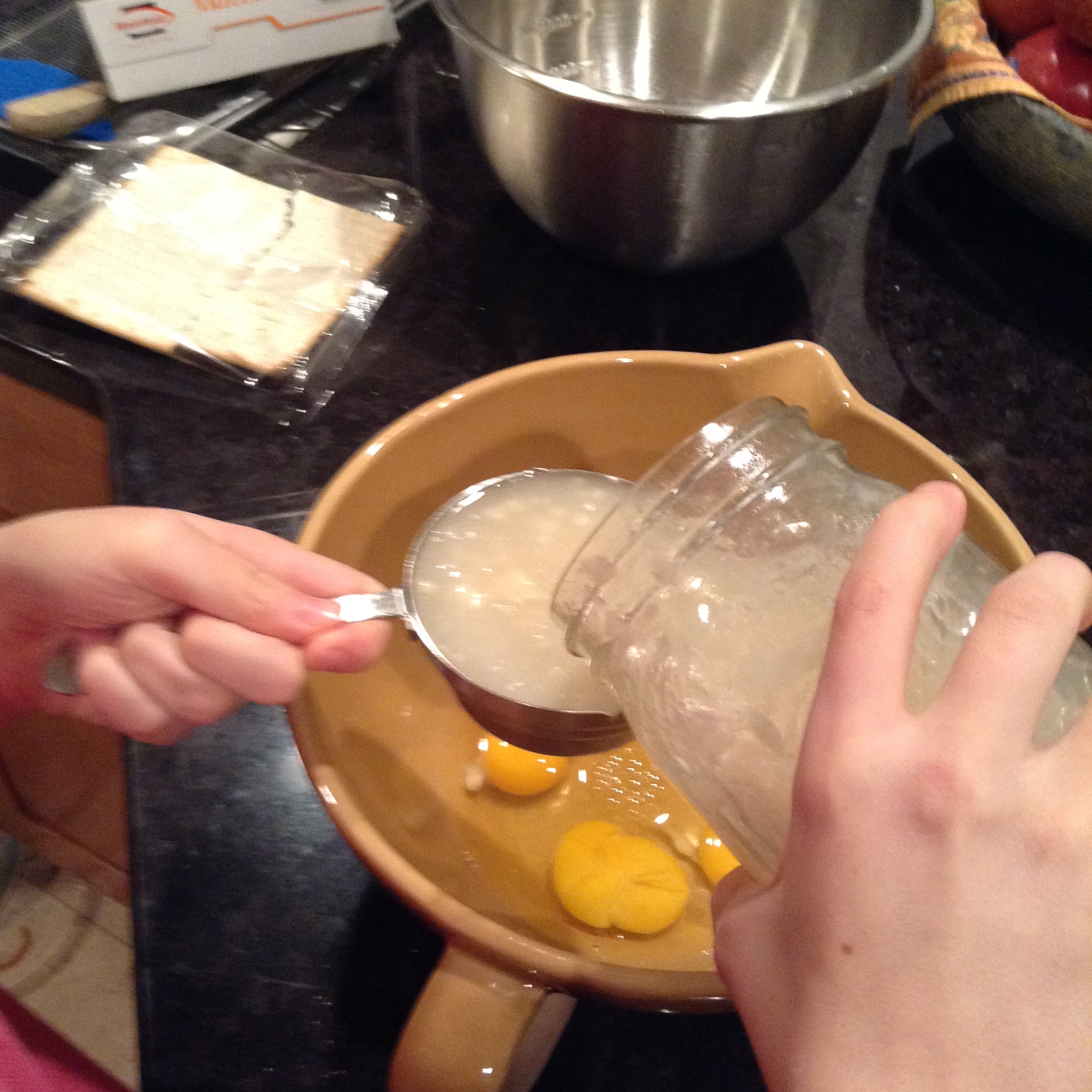
Beat the eggs together and 1/2 cup of stock.

IMG_0067

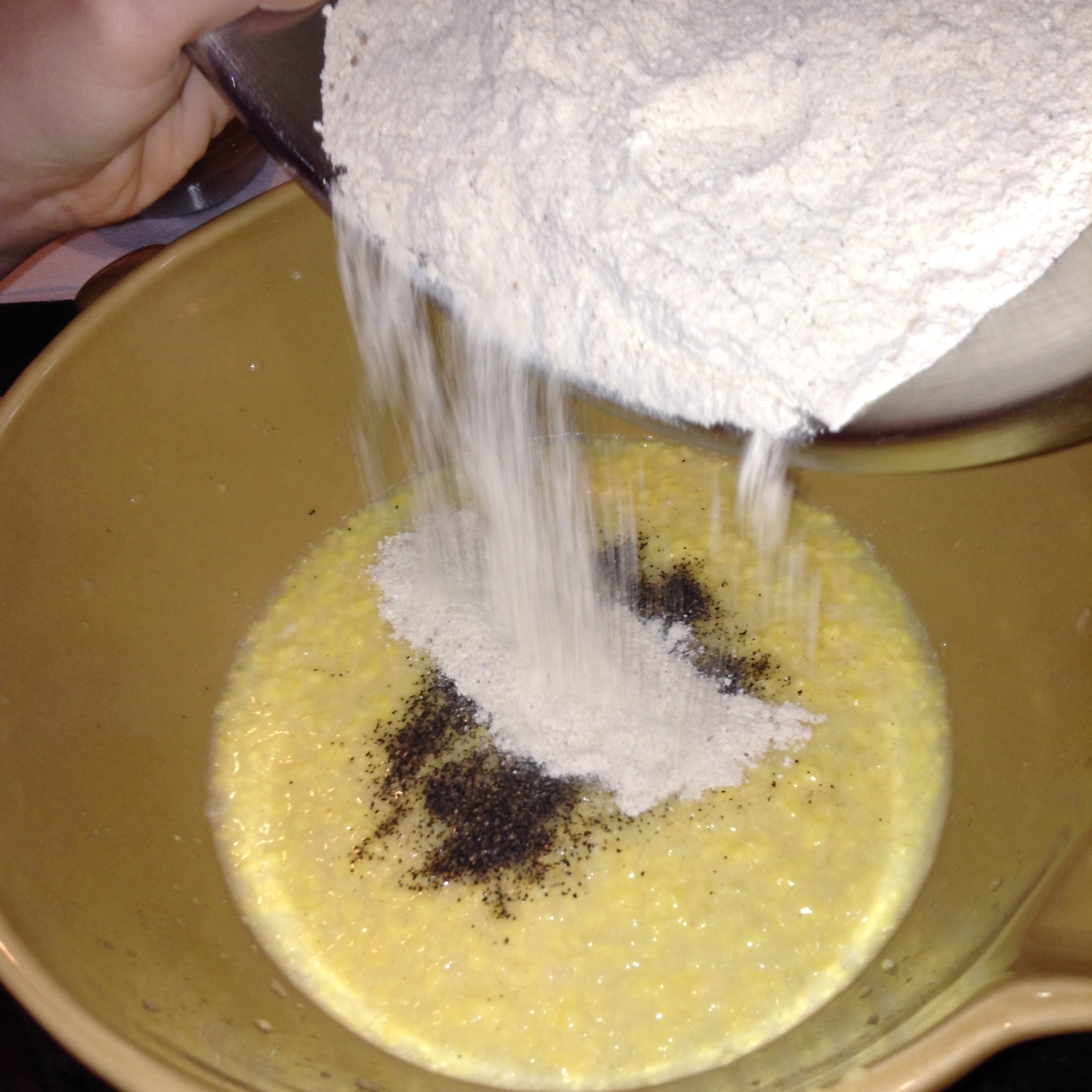
Stir in the grated onion, salt, pepper and fat.

Add the matzo meal.  The dough will be moist.  Cover the mixture and refrigerate for one hour or overnight.


IMG_0073

Shape into matzo balls – about 1 inch in diameter.

Now, you can either heat a pot of salted water or heat your chicken stock (which is a personal preference.)  Drop matzo balls into boiling broth.  The matzo balls will expand and absorb a lot of liquid.  Turn the heat ti medium and let the balls cook for about 30 minutes to set.


IMG_0081

Serve one to two matzo balls with broth and sprinkle with chopped parsley and or chives.


winter ferments – gingered beet and carrot slaw

The dinner table in a monastery is always set with care for both daily fare and feast days. Food is arranged to show the full beauty of God’s harvest in vegetables, grains, dairy products, and fruit.

Victor-Antoine d’Avila-Latourrette

Oh…!  The rich earthy flavor of this slaw just get better over time.  If you are a fan of beets, this does not disappoint – not one bit!  Fermenting is a low-cost, efficient and easy process that preserves foods – some indefinitely!  We still have the remnants of a corn jalapeño salsa ~ from two years ago ~ that is still viable, delicious and enjoyed!

Ferments have a self sufficient versatility – but at the same time, pair well with a variety of dishes.  Fermenting your own vegetables is an artisanal delight that is flavorful, healthy and when made with your local harvest good for the planet too!


Gingered Beet and Carrot Slaw

When fermenting –  use the best quality ingredients available to you.  Remember, local, simple and seasonal freshness make all the difference in and to the world!

ingredients:

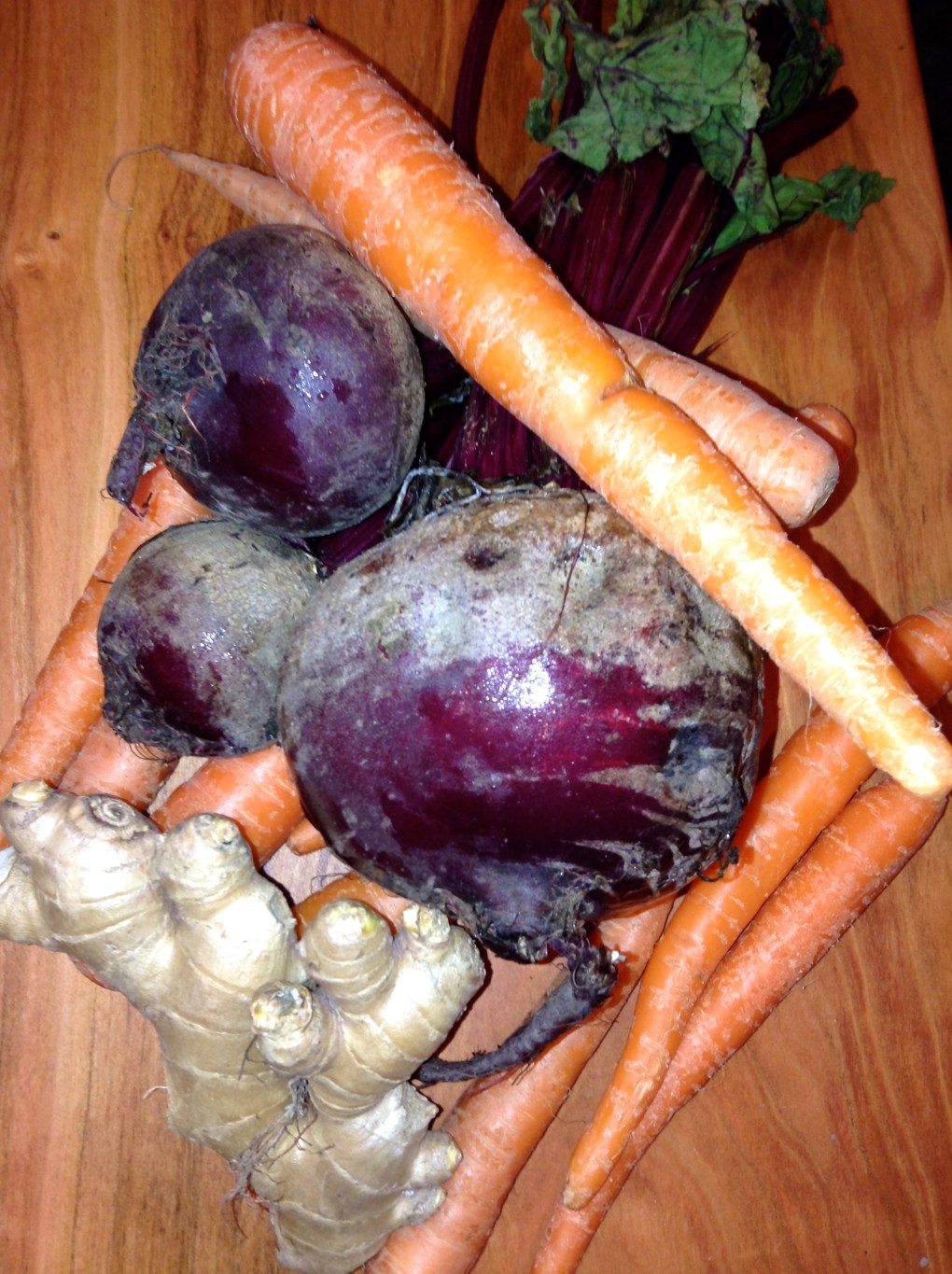
300 grams fresh shredded carrots

500-600 grams fresh shredded beets

100 -200  grams onions (optional)

1/2 – 1 teaspoon shredded fresh ginger

2 teaspoons salt

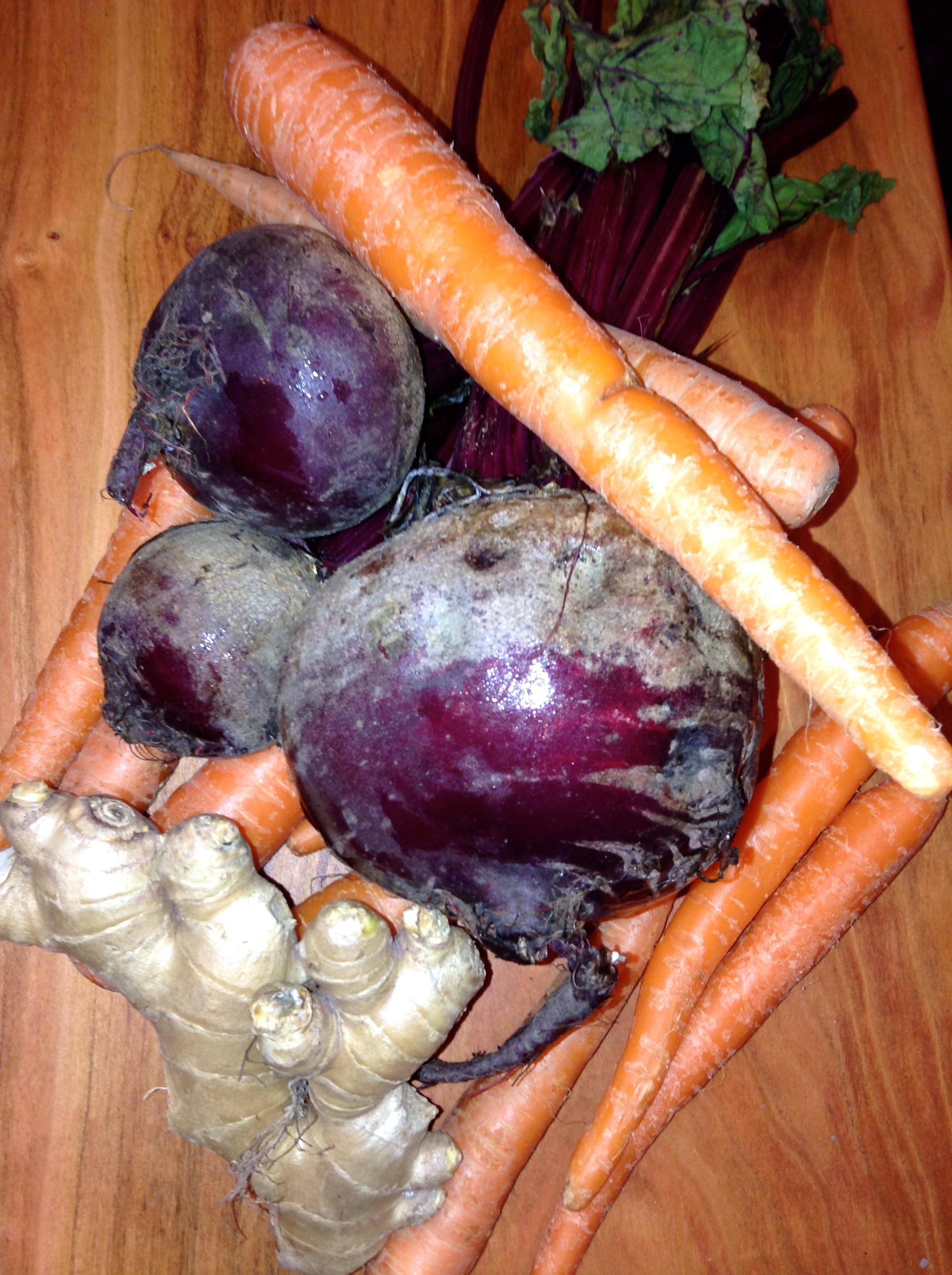
fermenting ingredients

preparation:

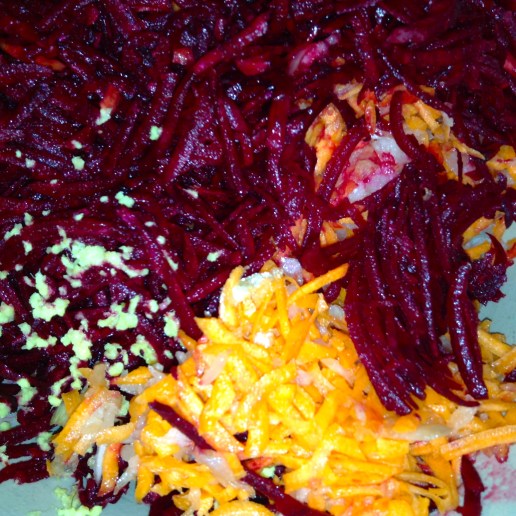
Wash hands.  Place all ingredients in large clean bowl.  Mix and massage the mixture with hands, squeezing to extract the natural juices.  Some recipes call for a brine to be added to the slaw, but my experience (and preference) is that my local fresh ingredients produce enough liquid when the salt is added to cover the vegetables.  This is the same principle used for sauerkraut.

IMG_0238

Mix for about 10 minutes (this is a great work out!).  Place in a clean mason jar and leave out of direct sunlight.

After about 5 days taste and continue to do this every day until the taste you desire is achieved.


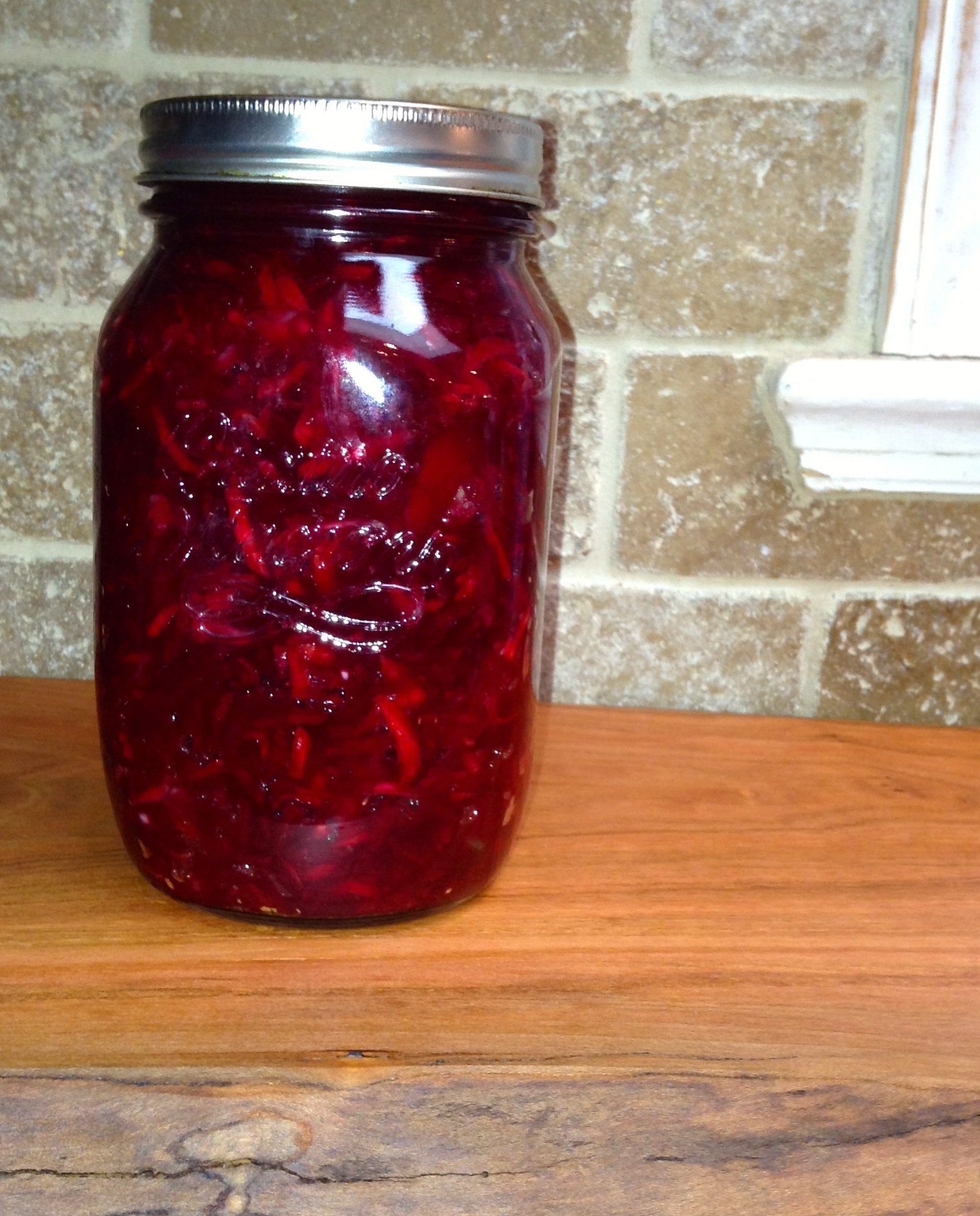
 Fermented Beet Carrot and Ginger Slaw


On the Ferment – the amazing health benefits of fermented foods

“Monastic cookery, as it has been practiced through the centuries, is cherished for its emphasis on simplicity, wholesome frugality, basic good taste, and the seasonal rhythms of the ingredients used.

Monastic kitchens always strive for a healthy and balanced diet, fully aware from past experience that the monk and the nun must be properly nourished to serve God well.

The human body is the temple of God, and its dietary needs must be respected.”  Victor-Antoine d’Avila-Latourrette

Ferments, in all their glory and wonder, are an amazingly simple way to boost the nourishment of vegetables, boost immune function and honor our body’s dietary needs.  They are a staple in the pantry stocked for ease of meals and vibrant health.  It seems strange to us that people from earlier generations knew how to extend the edible life of their vegetables without the use of freezers or pasteurization.  But, throughout the ages, people around the world, without any awareness of the scientific principles involved, utilized and prized fermented foods.

One of the benefits of fermentation are the formation of probiotics.  These are friendly tiny little micro-organisms that promote digestive wellness.  These healthy communities of beneficial microflora and bacteria in our gut have an intensely positive impact on our overall health.

Most people these days are aware that 80% of our immune system resides in the gut BUT did you know that the vast majority of the DNA in you does not even belong to you!  It’s a pretty amazing fact that

You have ten times more bacteria in your gut than you have cells in your body.  And those bacteria comprise 99 percent of the DNA in your body.  If only 1 percent of our DNA is human, and 99 percent is alien, you have to ask the question, who hosts whom??  These bacteria are called your microbiota…  The microbiota function much like an organ, and they act as a major part of the immune system.  They protect us from microbial and parasitic diseases… and contribute to our rate of aging.  (Lipski, 2012)

In that light, it’s clear that we were designed to live in symbiotic harmony with these bacteria.  Yet, modern advances – while wonderful in many respects – have led to an age where antibiotics, stress, over consumption of refined processed foods, alcohol, and over the counter prescriptions easily disrupt the delicate balance of of our digestive biome.  As a result, we are the first generation needing to consider how to refortify our diets with these helpful organisms!

There is still so much to be known about this remarkable ecosystem within us – but, thus far, we have learned a lot!  Did you know that:

  • Probiotics maintain the integrity of the intestinal tract. Each different probiotic has specific effects on the human digestive system and is able to compete with disease causing bacteria. Thriving microflora in your gut actually fights for your very health and survival!! Think about that for a minute!

  • Certain probiotics secrete large amounts of acetic, formic and lactic acid, which makes the intestinal environment inhospitable to invading microbes and helps prevent or lessen the severity of food poisoning.

  • Probiotics manufacture vitamins B1, B2, B3, B5, B6, B12 and K

  • Probiotics aid in the digestion of lactose and dairy products and digest proteins.

  • Probiotics increase the absorption of minerals.

  • Probiotics reduce intestinal inflammation.

  • Probiotics balance intestinal pH.

  • Probiotics improve or prevent irritable bowel syndrome.

  • Probiotics prevent and treat diarrhea from antibiotics and traveling.

  • Probiotics manufacture essential fatty acids and short chain fatty acids. These fatty acids actually feed the cells of the colon and optimize the colon’s pH for improved or optimal colon health!

  • Probiotics prevent and control vaginal yeast infection, thrush and bladder infection.

The list above is just a partial highlight of the amazing things that go on inside you when you eat simply and well!  It’s clear that intestinal microbes play a vital and front line role in our immune defenses.  Because they only reproduce in our digestive system for a few weeks before being eliminated – probiotic rich foods are a staple of a well balanced diet.


Properly prepared ferments add probiotics in the trillions per spoonful, with an efficacy far superior (and cost effective) to probiotics in tablet form.


When selecting your foods, keep in mind, variety is the spice of life.  If the only fermented food you eat is yogurt, you are missing out on all of the anti-inflammatory benefits of foods like sauerkraut, kimchee, kefir, brined pickles & olives, and various slaws.

Each different ferment provides a variety of bacteria and the different vegetables all bring their unique health properties to the table.


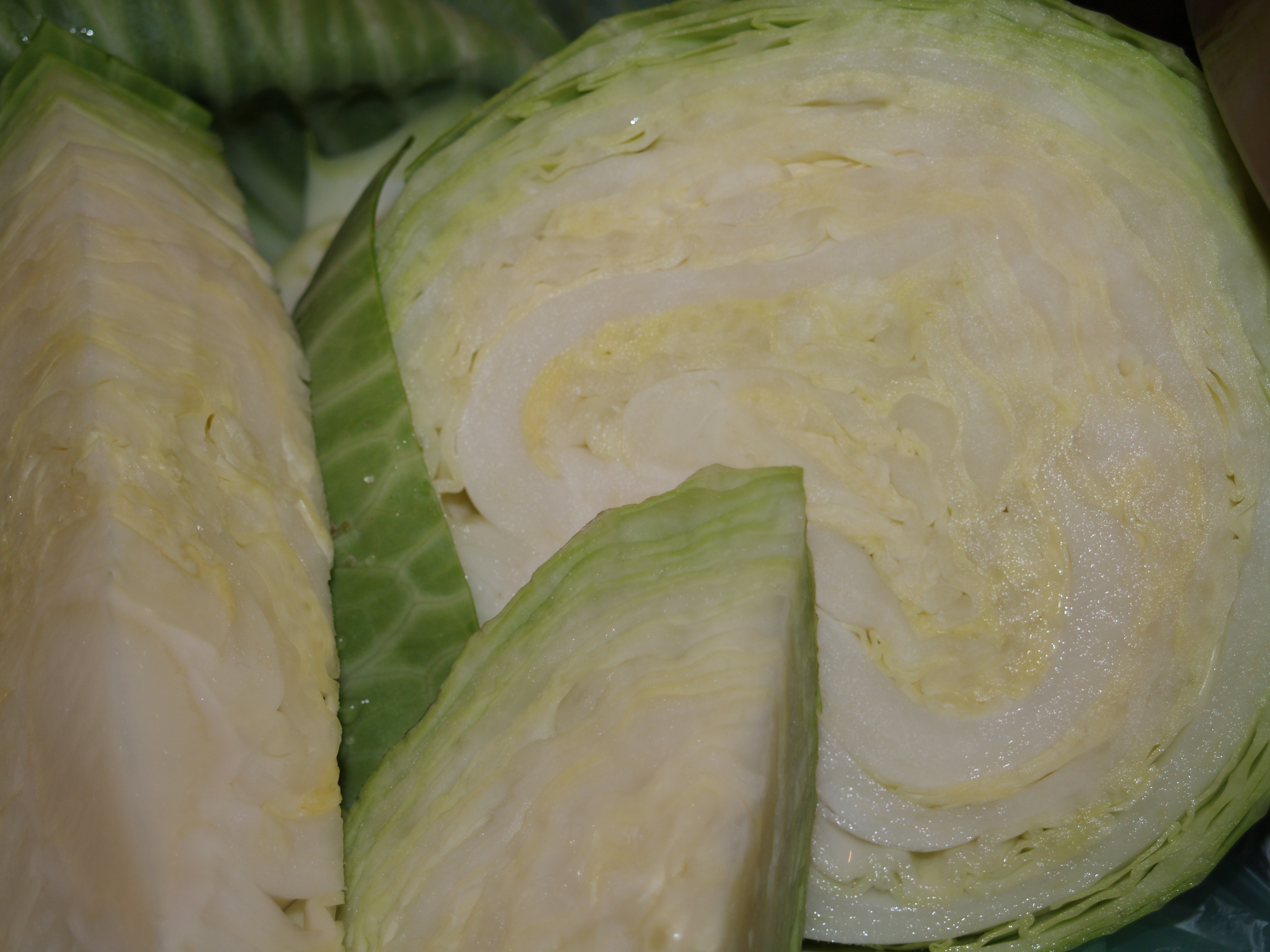
Local Seasonal Cabbage

ready for duty!


New to ferments?  Wondering how to introduce them to your family?


Okay, I totally understand that!  If you have infants and toddlers, you are in the best situation.  Little ones tend to accept new flavors readily.  We started later on the journey, with some pretty opinionated tastebuds and peer pressures.  So what was helpful was to keep in mind that a little goes a long way.  It’s really not necessary to eat a lot.  Just a tablespoon as part of each meal yields wonderful health benefits!  Build up from there if you wish.

Taste buds vary among our kids and some enjoy ferments more than others.  Our oldest loves the sauerkraut and salsa.  She usually takes more than a spoonful at each meal.  The youngest isn’t the biggest fan and she gravitates toward gingered carrots, beets and pickles.  Any vegetable can be fermented – even green beens and asparagus.

A great friend of mine from Bulgaria, actually remembers her parents and grandparents fermenting all their summer vegetables because, during communism, there was not a year round supply to be found in stores during the winter.

I was in awe!


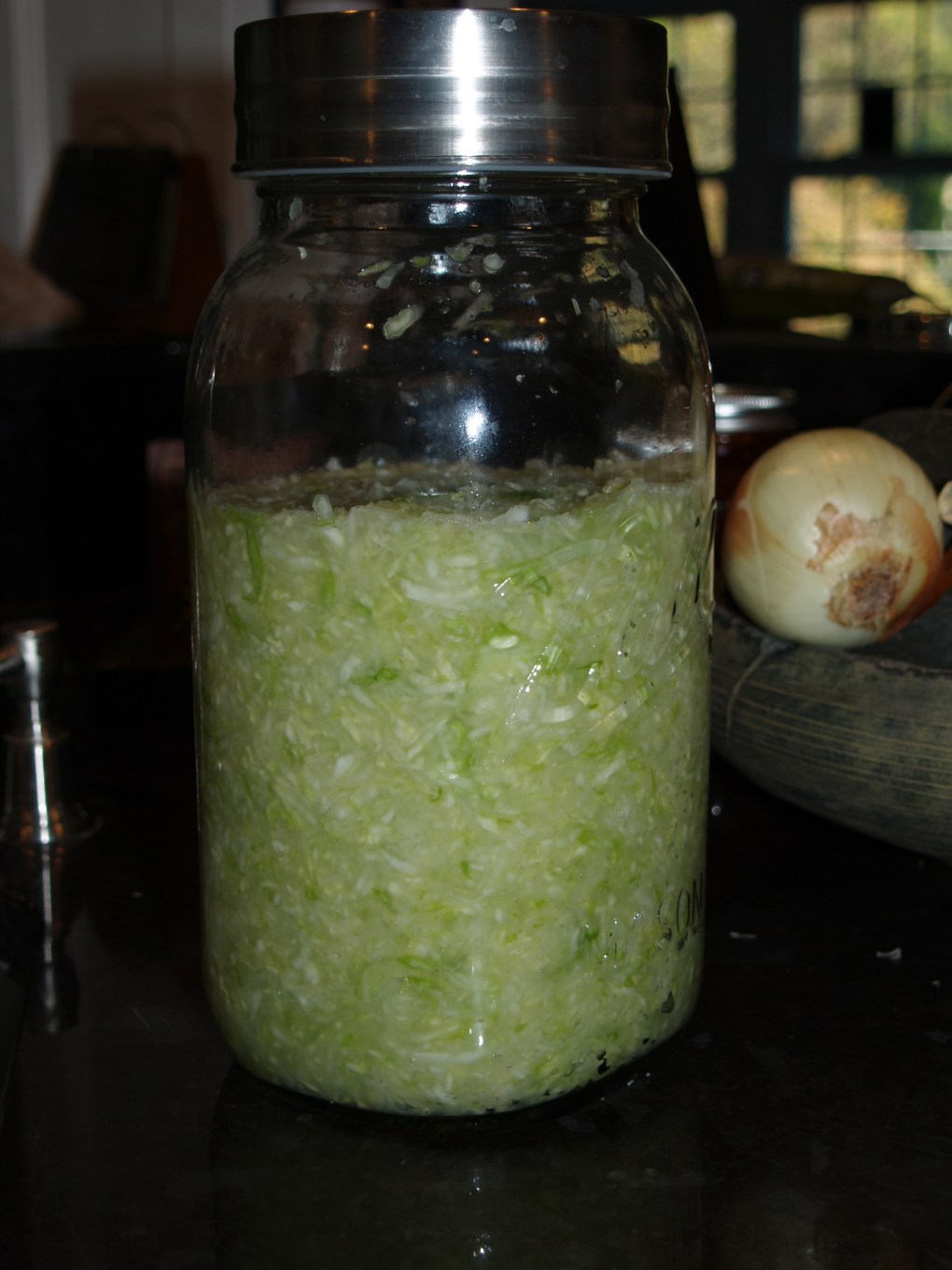
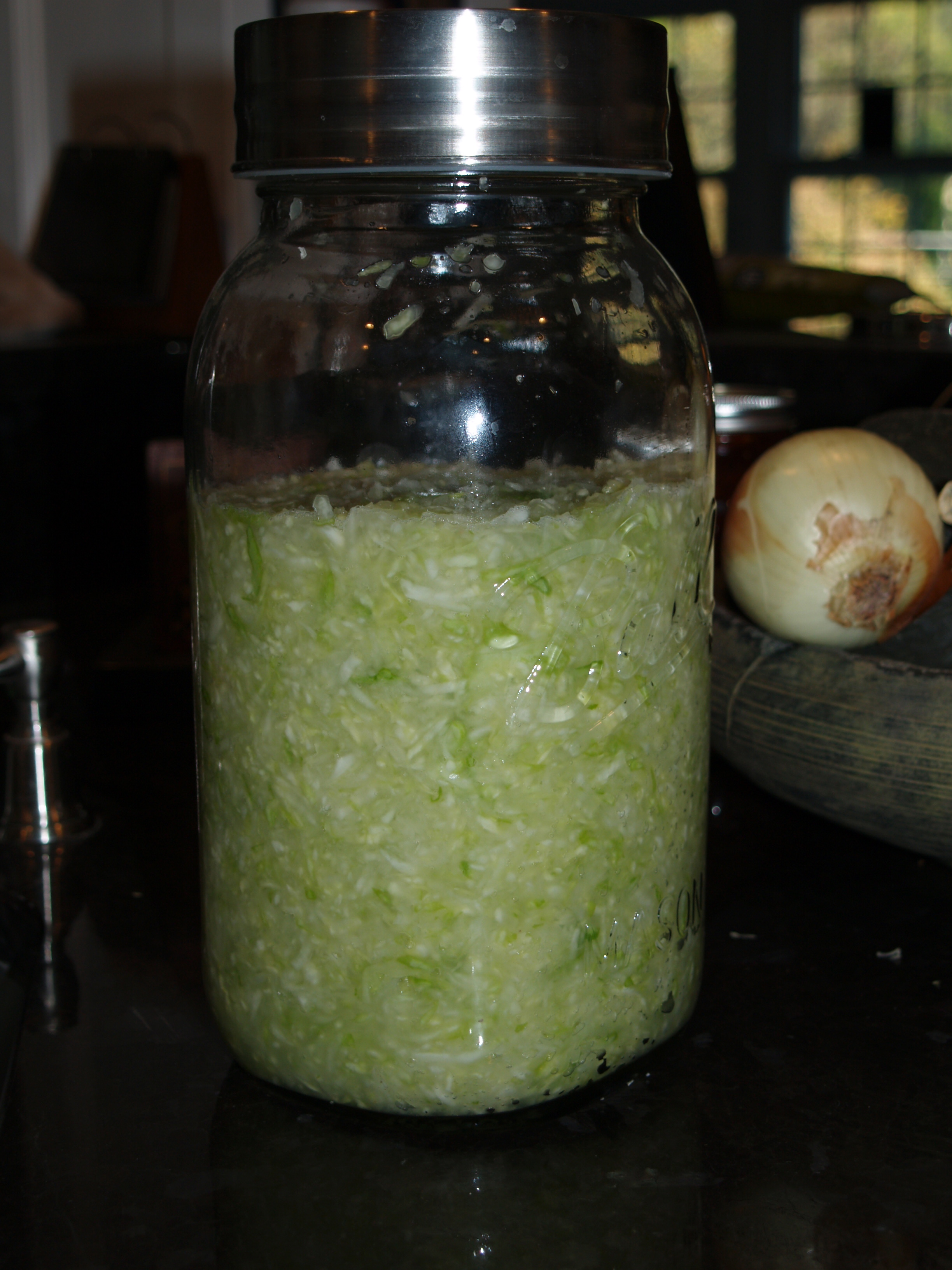
Sauerkraut on the Ferment

Sauerkraut on the Ferment!


Ferments have a self sufficient versatility – but at the same time, pair well with a variety of dishes.  Fermenting your own vegetables is an artisanal delight that is flavorful, healthy and when made with your local harvest good for the planet too!