
With Your counsel You guide me, And with glory You take hold of me.
For what is there in heaven for me but You, And what do I desire on earth besides You?
With Your counsel You guide me, And with glory You take hold of me.
For what is there in heaven for me but You, And what do I desire on earth besides You?
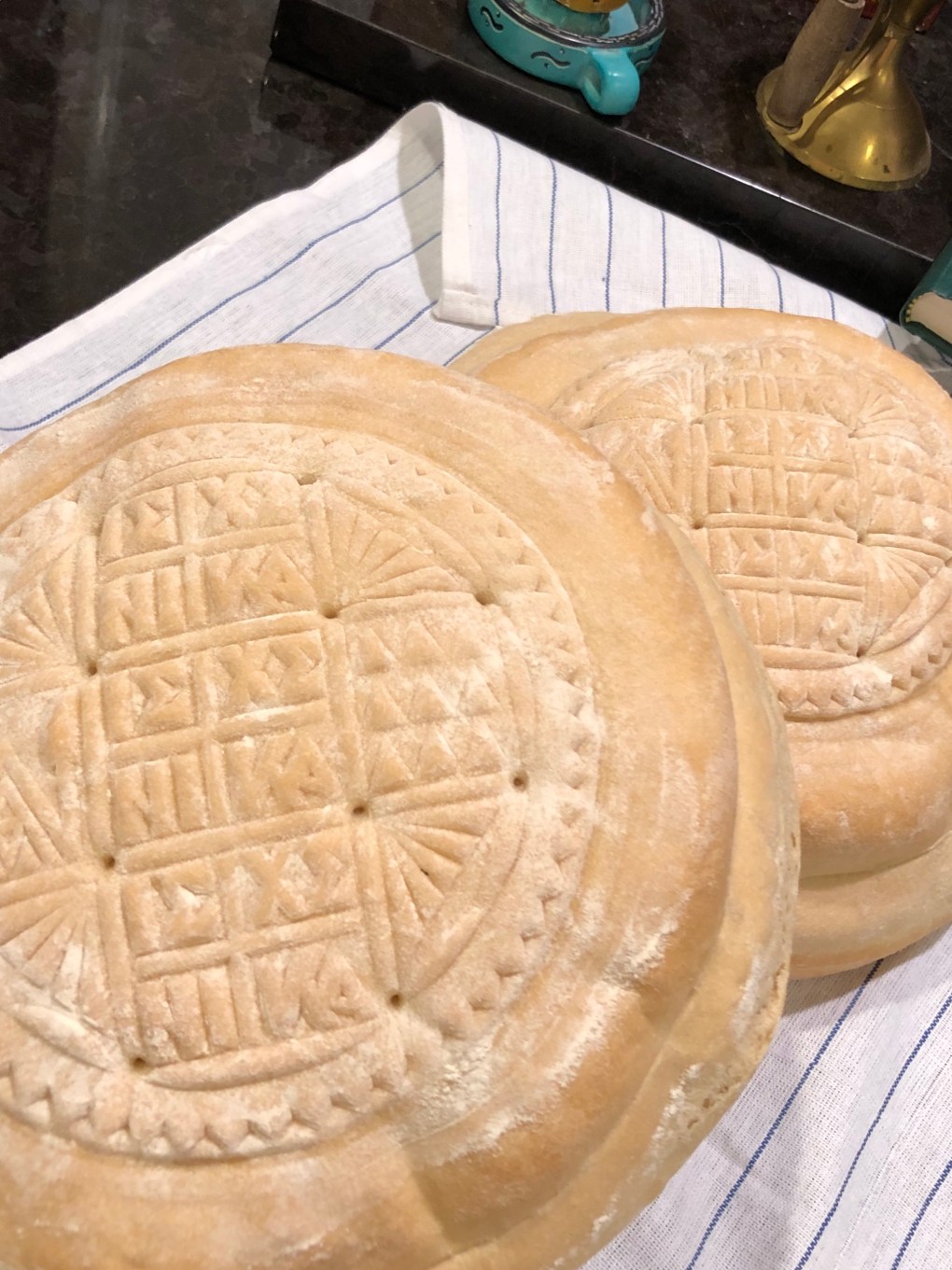

If we have a blackened pot and we scrub it over and over again until it shines, it gives us a sense of satisfaction. However when the pot is blacked and we leave it unattended, the copper tarnishes. Afterwards, we have to use a special cleaner of some sort to successfully clean it. This is how the souls is when we neglect it and don’t try to make it shine.

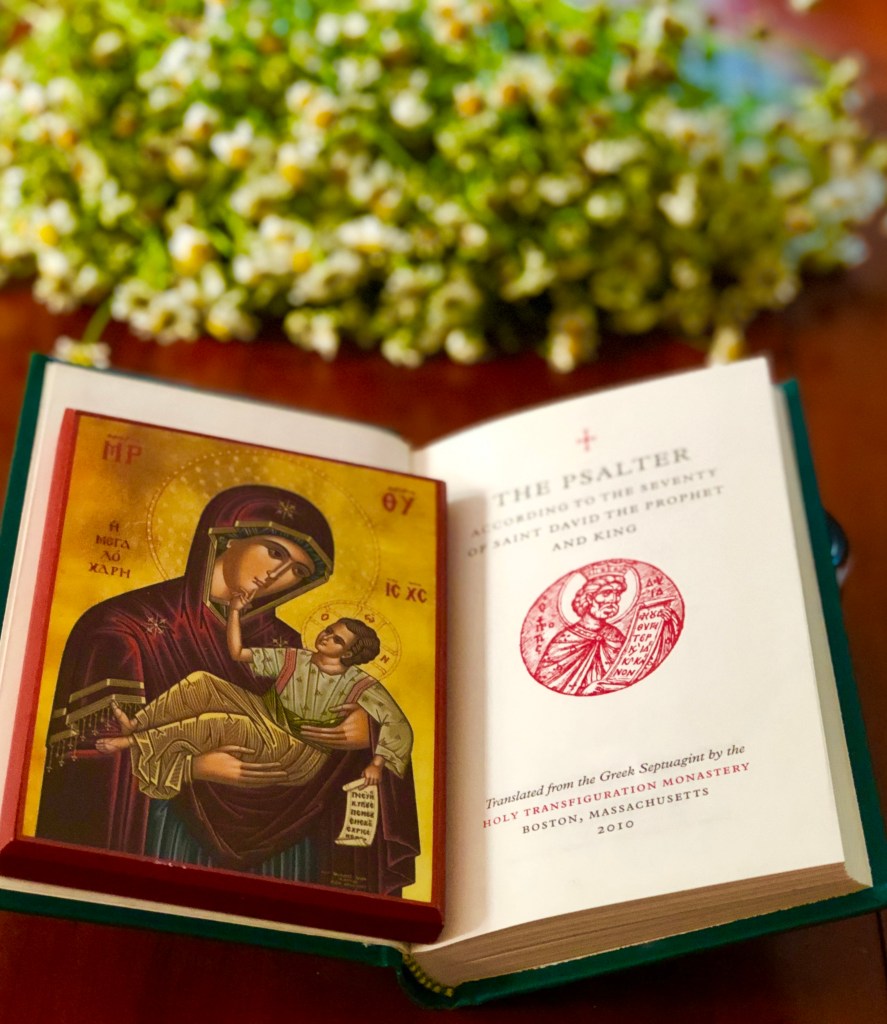
When through continuous prayer the words of the Psalms are brought down into the heart, then the heart like good soil begins to produce by itself various flowers: roses, the vision of incorporeal realities; lilies, the luminosity of corporeal realities; and violets, the many judgments of God, hard to understand.
Ilias the Presbyter
the philokalia
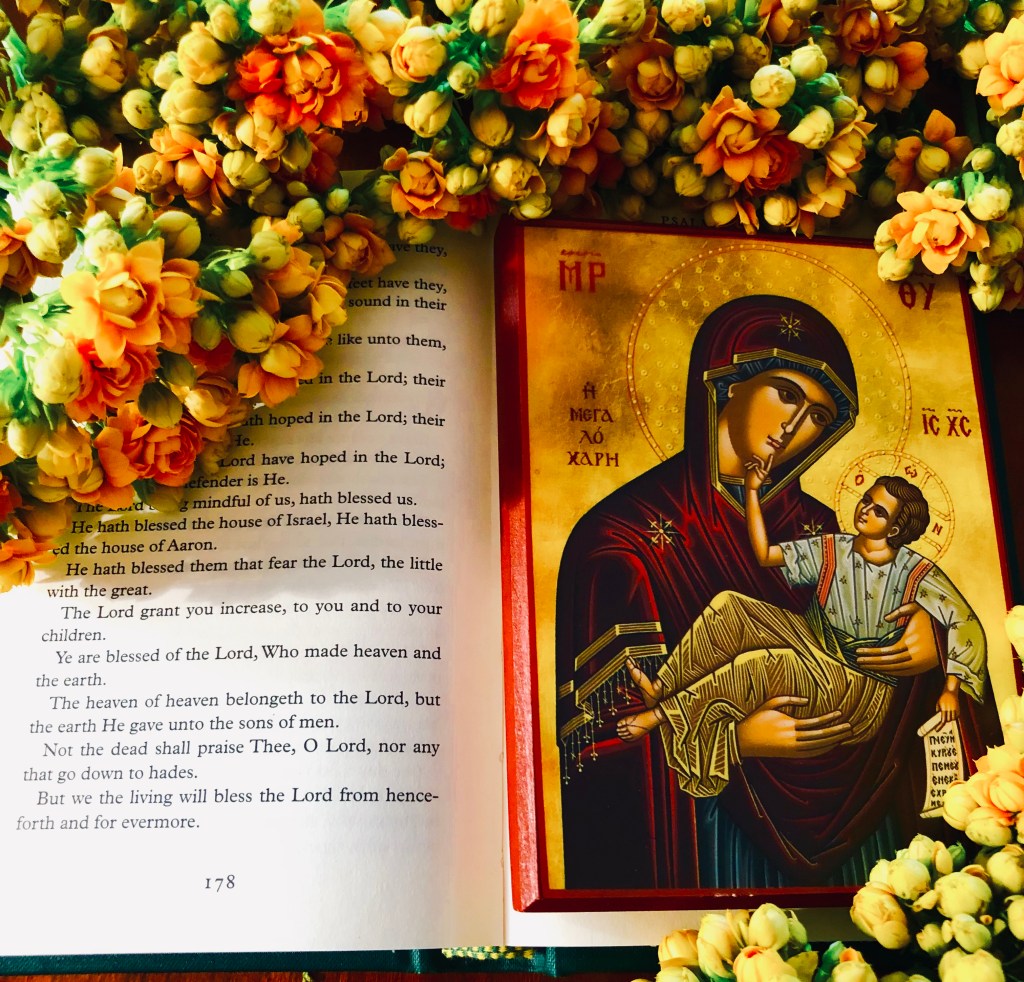
I have said to you many times, devote yourselves to the study of Holy Scripture, the psalms and the writings of the Fathers and study them with Divine Eros. Look up every word in the dictionary and read clearly and correctly and with attention to the meaning and every last detail and punctuation. Find out how many times a word, such as for example, simplicity, occurs in the Holy Scripture. The light of Christ will flood your soul.
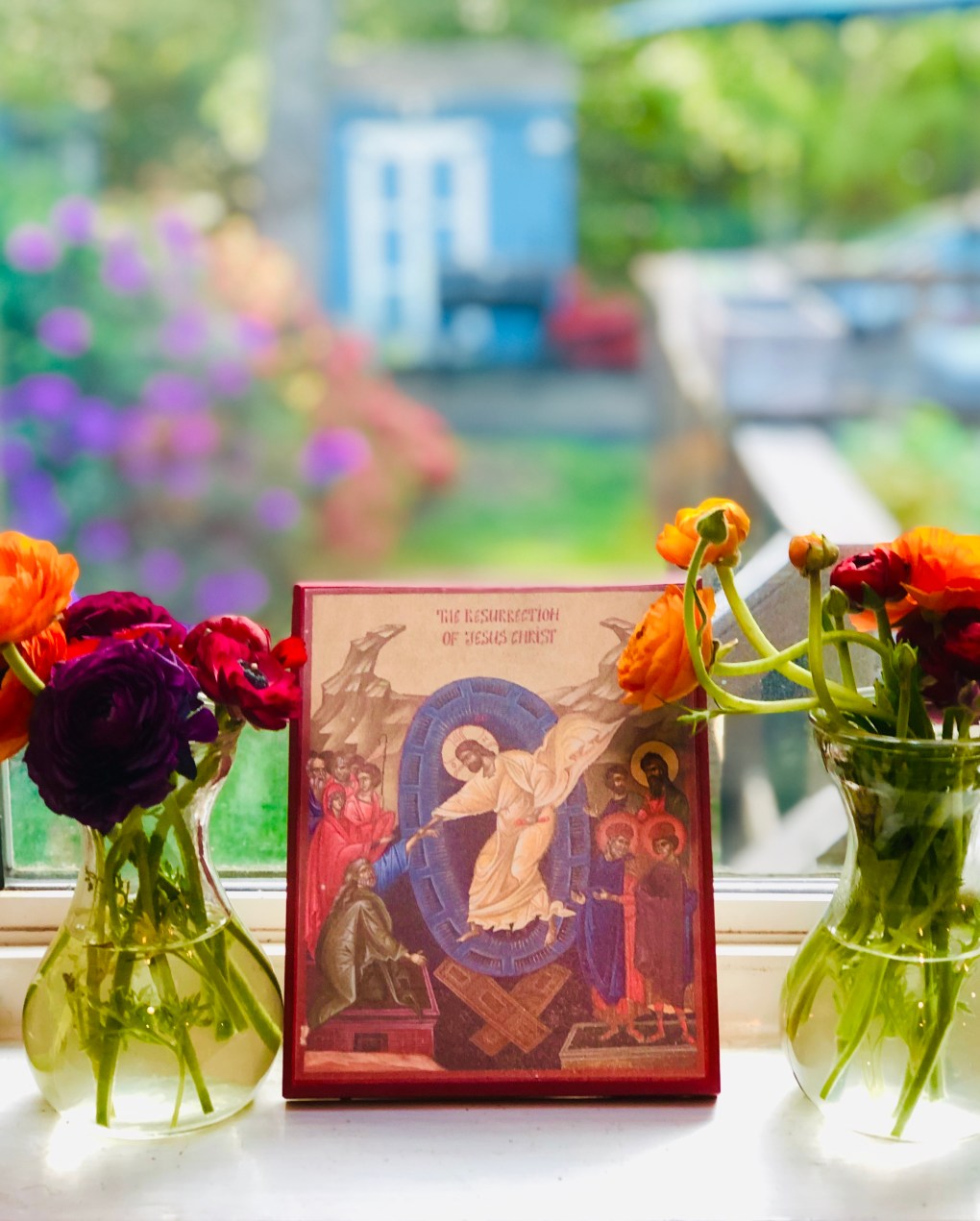

But the centre of gravity I wanted to place on the “University of the Church” By that I mean the hymns, canons, midnight offices, mid-hour offices, the Psalter, Paraklitiki, Mention, Theotokarion, Tridion, Pentacostarion — all the service books of the Church. I wanted us, if possible, to read everything that is prescribed in the Book of Liturgical Order, the so-called Typicon. I thought of reading the sections from the Psalter before mid-day so we wont read them during the night, and make the sisters tired.
Devotion to and occupation with the hymns and readings is a great thing in my view — a very great thing — because in that way, a person is sanctified without realizing it. He acquires love and humility, and everything as he hears the words of the saints in the various liturgical books. We need to dwell on this. This needs to be our daily occupation and delight in the Church.
Wounded by Love: The Life and Wisdom of Saint Porphyrios
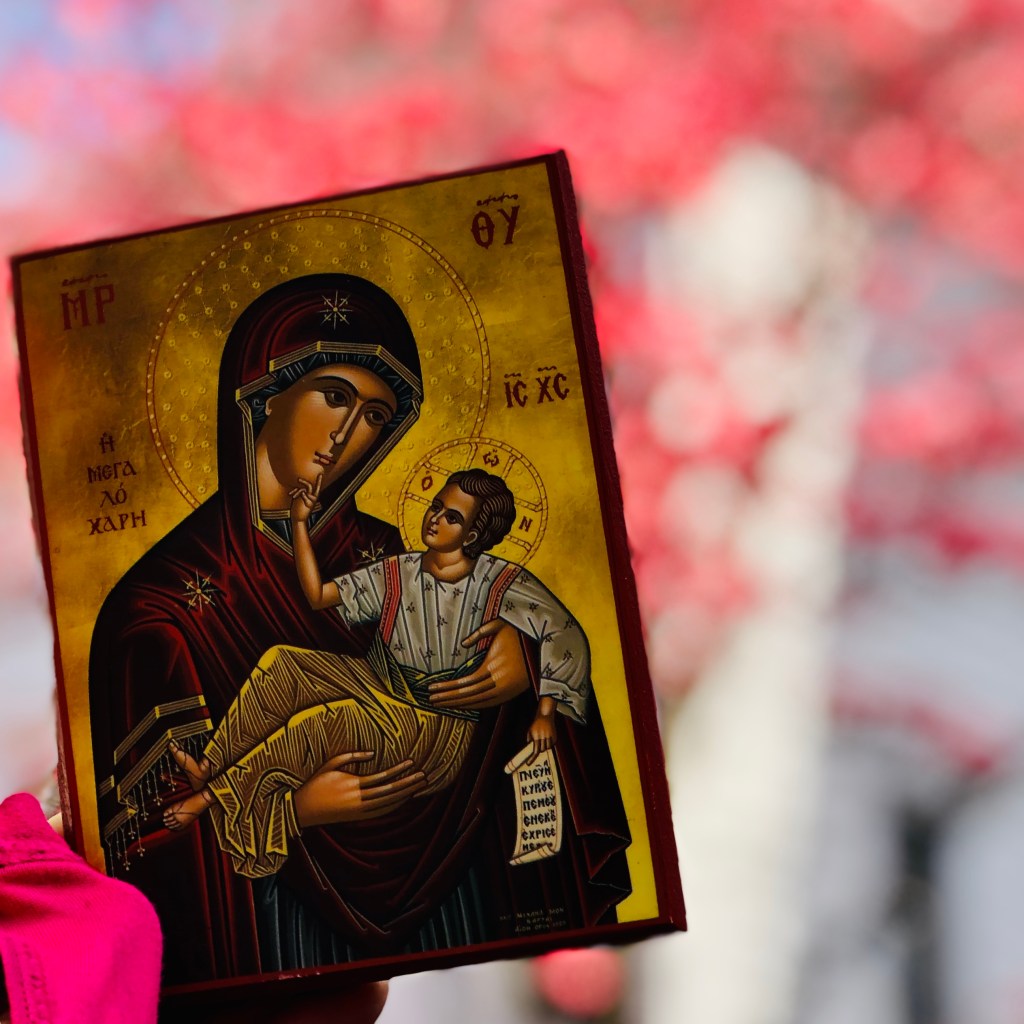
One example of God stooping down to our level is given to us in the Psalms. Do you remember the wonderful image of Christ stooping down in order to drink from a running stream? He shall drink of the brook in the way, it says, therefore shall He lift up His head. (Psalm 109.7). What does this mean? That “although you forget me, I, the heavenly God, stoop down just as you do. I share in your life, so that you can share in Mine. I move and act like you do to show you that I’ve become like you, so that you can become like Me.
Do you grow weary on your journey? So do I. (John 4.6) Do you thirst? (John 4.7, 19, 28) So do I. Do you stoop down to drink water? I do the same. I humble Myself. I empty Myself. (Phil 2.7). I drink and refresh Myself. What more can I do? What do you do that I don’t?
And since I am so close to you stooping down alongside of you, can’t you catch hold of Me?



The Psalms are the most beautiful songs of poetry that this world possesses. They are the link between the Old and the New Testament, they unify the promise and fulfillment…. when chanted or sung, the Psalms tie the words of wisdom and feelings directly to our hearts.
The Psalms reflect timelessly the universal hopes and fears, love and hate, joys and sorrows of the human heart, and varying moods of human spirit: awestruck and wonder at Gods mighty acts, marvels of creation,groping complexity, the apparent prosperity of selfish scoundrels – from calm trust and deep certainty to cries of hope and desperation.
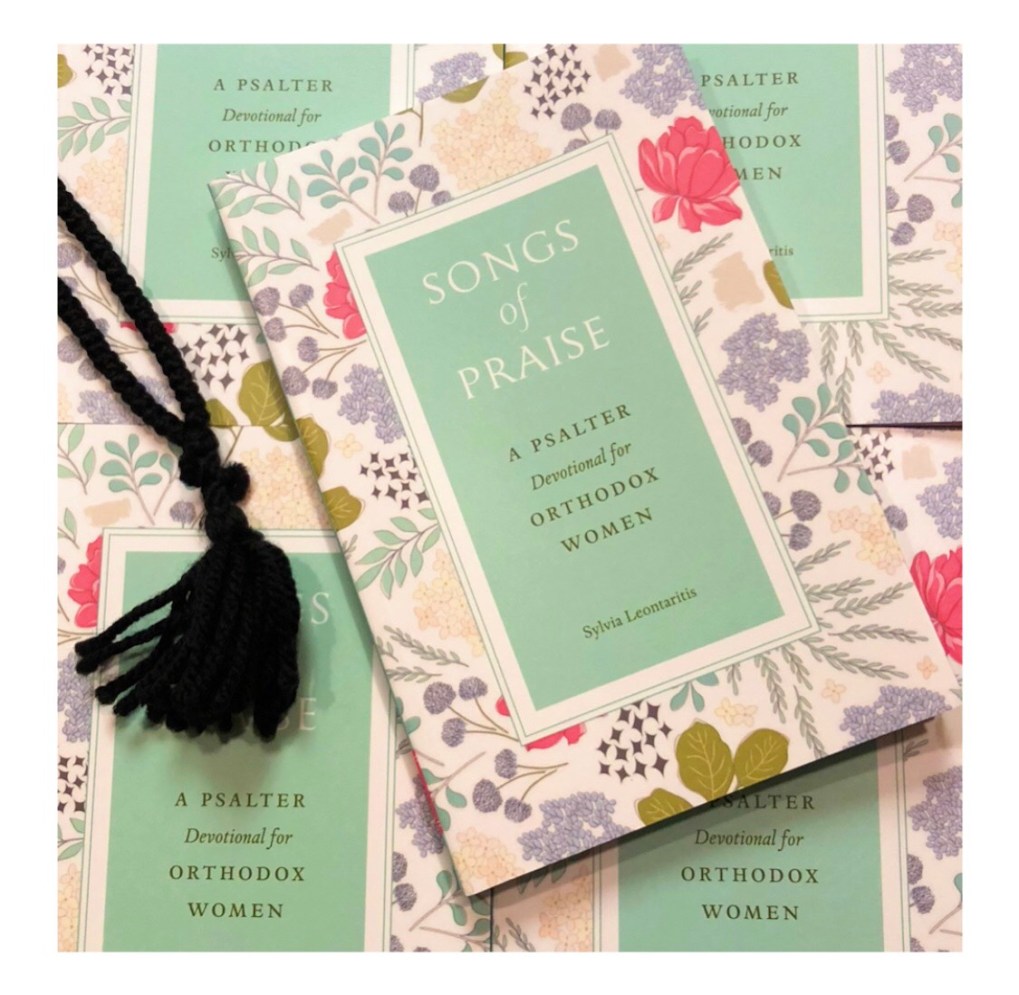
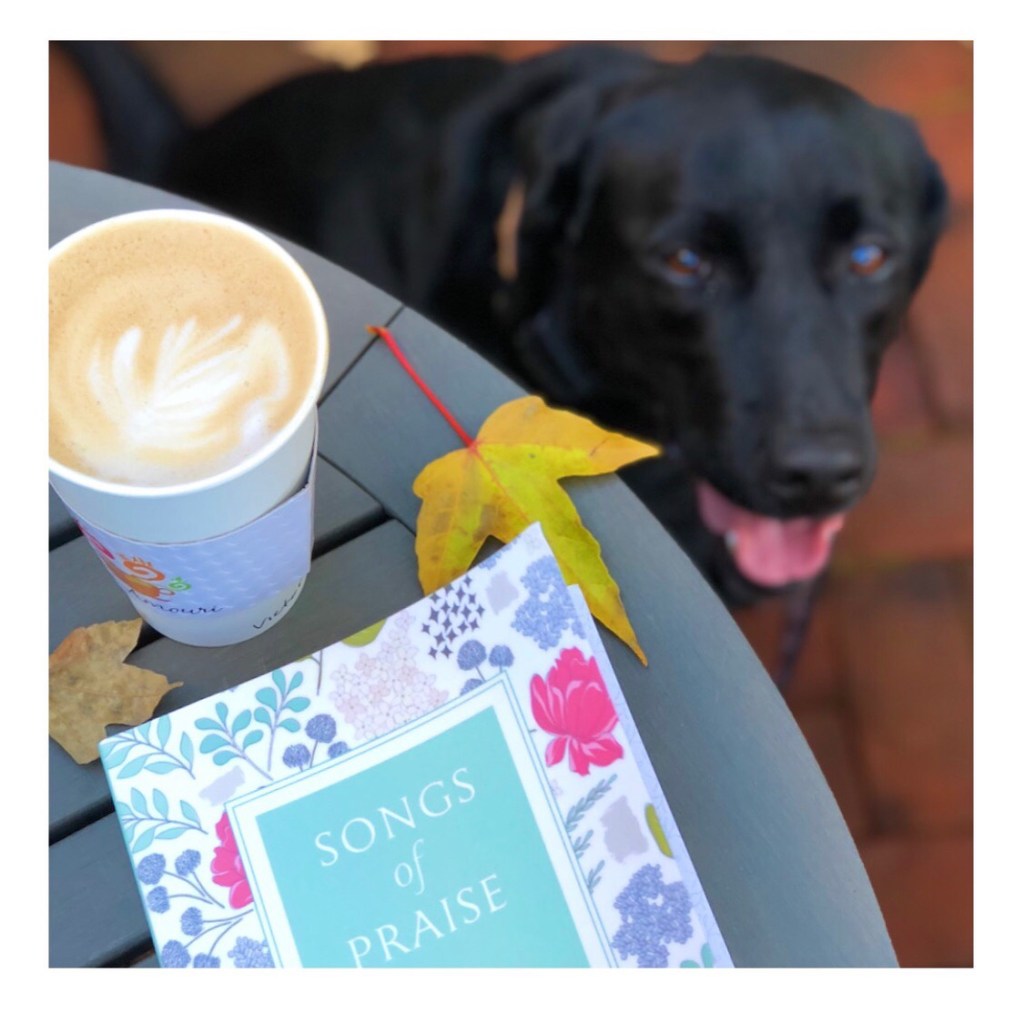
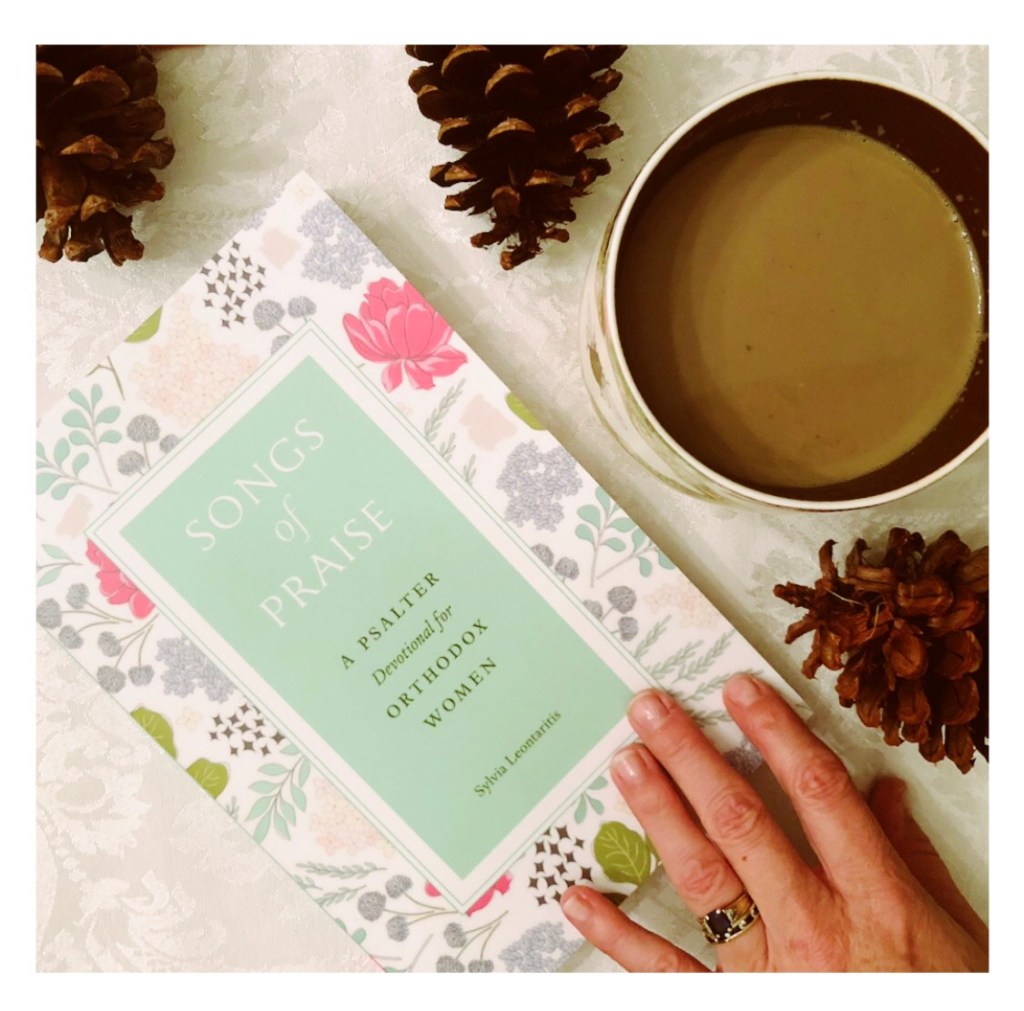
Just got back from visiting my dad in Florida for Thanksgiving and I am SO GLAD that my copy of Songs of Praise was waiting for me in my mailbox when we returned!!! Songs of Praise is a devotional, perhaps one of the first devotionals written with Orthodox Christians in mind. Its author is Sylvia Leonaritis, who also writes the popular blog Orthodox Mom. For many years now she has organized an online Psalter Prayer group made up of Orthodox women the world round.
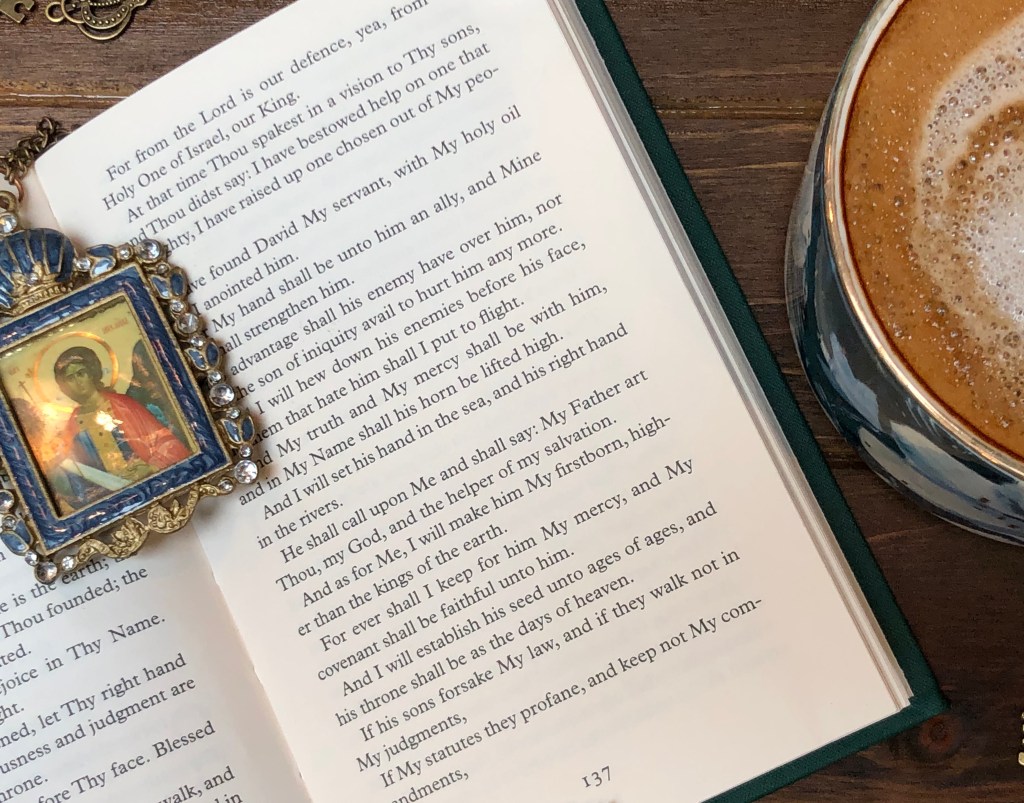
Over the years, praying the psalms has been a great source of joy and comfort to me, so I was really really glad to hear about this book. For Orthodox Christians the psalter is our ancient song of Praise and hymn of prayer. The Psalter is the ancient hymnal of Israel and of the Church. It is a deeply integral part of our faith and worship. So as soon as we opened the mail, the dog and my youngest daughter and I took a walk into town to the local coffee shop and I sat outside to pour over the pages of Songs of Praise.
I really love that – between each Kathisma – Sylvia offers words of encouragement rooted in faith and stemming from her own personal journey and walk with Christ. Her own struggles, her own joys, her love of God and her Faith walk. Such reflections are a reminder that the psalms are not just lofty words but rather speak to the heart of every Christian and also that the psalms encompass every human emotion from thanksgiving, brokenness, repentance, tears, Praise, sorrow, joy, grief, fear, anger, seeking refuge, love, blessing, seeking God and ultimately offering ourselves to Him and cultivating that needful relationship in prayer.
In other words – real life, real struggle, real joy.
Sylvia’s reflections remind the reader that Christ Himself is present in the psalms and that He meets us wherever we are in our walk of Faith and that our journeys of Faith are not about being perfect people but about being a people who through Christ – in our Orthodox Faith – are being perfected.
There is ample space in the book for journaling and devotion. This is a lovely practice that we see so often from our Protestant friends – but in fact – I would put forth that journalling is really an Orthodox practice. Monastics keep spiritual journals and I am a firm believer that Orthodox monastic practices are a benchmark and guidepost for us all. Not only that, the Psalter itself is an outpouring of the heart of Saint David – the man who is called “a man after God’s own heart” The Psalms are actually his devotions.
The journalling pages are a great place to write your intentions, to cast your cares, give thanks, draw a picture, list those whom you hold up in prayer, copy a psalm verse you want to commit to memory, or to journal a word or phrase that has special meaning during this season of your individual journey in Faith.
Sylvia has been journalling for many years, and mentions that it is a great source of joy for her to go through the previous years pages of her journals and see how God has woven goodness in her life, how prayers have been answered or even unanswered and how that has all been needful and worked together for good in her life.
One of my favorite reflections in the book is Letters to the Theotokos because it is so sweet – a lovely reflection on our devotion to Panagia and her role in our salvation and example as a mother, the veil of her protection and intercession for us all.
If you’ve never prayed the psalms know this – the reading of the psalms is a beautiful encouragement to everyone – to pray the psalms and have them pray in you. It will uplift your life. This devotional is a great resource – encouraging women (and men) to bring the psalter into the rhythm of everyday life and the Liturgical cycle.
I can not encourage you enough to get this book. It is available at the Ancient Faith Store

+
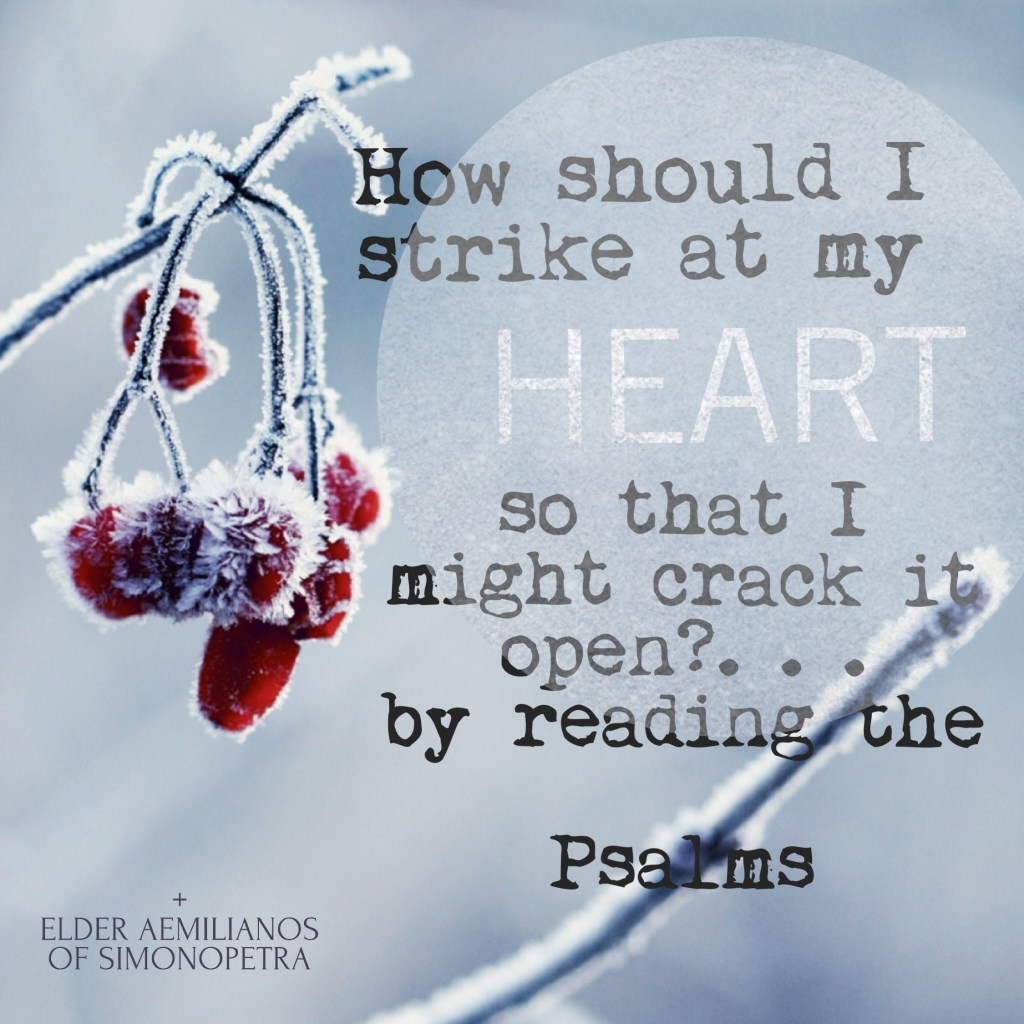
When you want to cut down a tree you strike at it once, twice… a thousand times. This is how we should strike at our hardened hearts, at the frozen surface of our souls. If we do this, then with God’s help, we will come to understand something of God’s glory. How is it that I strike at my heart, so that I might crack it open? One way is by reading and reflecting on the Psalms.
+
Elder Aemilianos of Simonopetra
+
The Orthodox Church has entered into the period of the Lenten Triodion. This is the time our Mother the Church sets aside to lead the faithful on our annual approach to Great Lent. It is a beautiful time of the year. The time leading up to Lent is one of great encouragement, when an abundance of Grace is poured out and the faithful are exhorted, through the enriching hymns and readings of the season, to humility and repentance.
A lot of people hear the term Great Lent and they immediately think only food and “diet”. “Oh, Great Lent, so what are you giving up,” is often asked. A priest at our parish likes to remind us that we don’t subtract during Great Lent – we add! We don’t focus on what we can’t have, but on all that we integrate. After all, we don’t stop eating, we just change of what we partake – on many levels.
In other words, we joyfully enter the Fast, with our glasses and plates half full – rather than half empty.
The Greek word for diet, is “diaita“, meaning “way of living” or “regular daily work“. So while, it’s easy to focus on food alone, the Lenten diet is a “way of living” and because we are called to “repentance” it is also our “regular daily work“.
So, where we might otherwise spend our time frivolously, we strive to add the many Lenten services into our routines. That usually means shifting around some things on the calendar. And if you are a parent, don’t worry about the kids missing an activity here or there. You will never ever look back later in life and regret that you took your kids to Church. And you know what, neither will your kids. Mother’s who love their kids set the bar high, and that is what the Church does for us. It’s not that we can necessarily reach it, but we can each in our own effort make a start. A bar set too low usually only becomes a stumbling block.
Great Lent is not so much about restricting ourselves but rather the fullness of sobriety. For our physical food, we opt out of clogging, anabolic and heavy foods in exchange for those that are cleansing, lighter and catabolic. And it is not just our physical nourishment, but our spiritual nourishment too. We forego the noisiness and aimless clutter of worldly entertainment, video games and such, to make room for focus and the redemptive time of peacefulness of devotion to spiritual nourishment. That is a challenge – especially if the majority of your friends are not Orthodox, but each does the best they can.
Psalter Prayer groups form in many Churches, and Orthodox Christians try to find a little more quiet time for prayer, along with spiritual reading, greater almsgiving and focusing on our relationships and of course the spiritual mending of Confession.
All of these additions to our “way of living” are meant to remind us of our first love – the Greatest Commandment – and to open to us the doors of repentance, thereby bringing us to a place of contrition, a softening of hardened hearts, leading us to repentance and Christ’s Resurrection – the Feast of Pascha.
+ + +
If you would like to assemble a Psalter Prayer Group, now is the time. You don’t need to have twenty women, but it is very nice, because when there are twenty the Psalter will be prayed in it’s entirety daily. Don’t be discouraged if there are fewer, our group has had plenty of years when we were fewer in number – two or three gathered in His name is just fine.
Here is a link from an earlier post about Psalter Prayer that has an explanation for setting one up.
 gladsomelife.com