
a peaceful fast {repost}

O Word supreme in love, who with the Father and the Spirit hast created all things visible and invisible in Thy wisdom past speech, grant that we may spend the season of the joyful Fast in profound peace.

Matins: Tuesday in Cheesefare Week

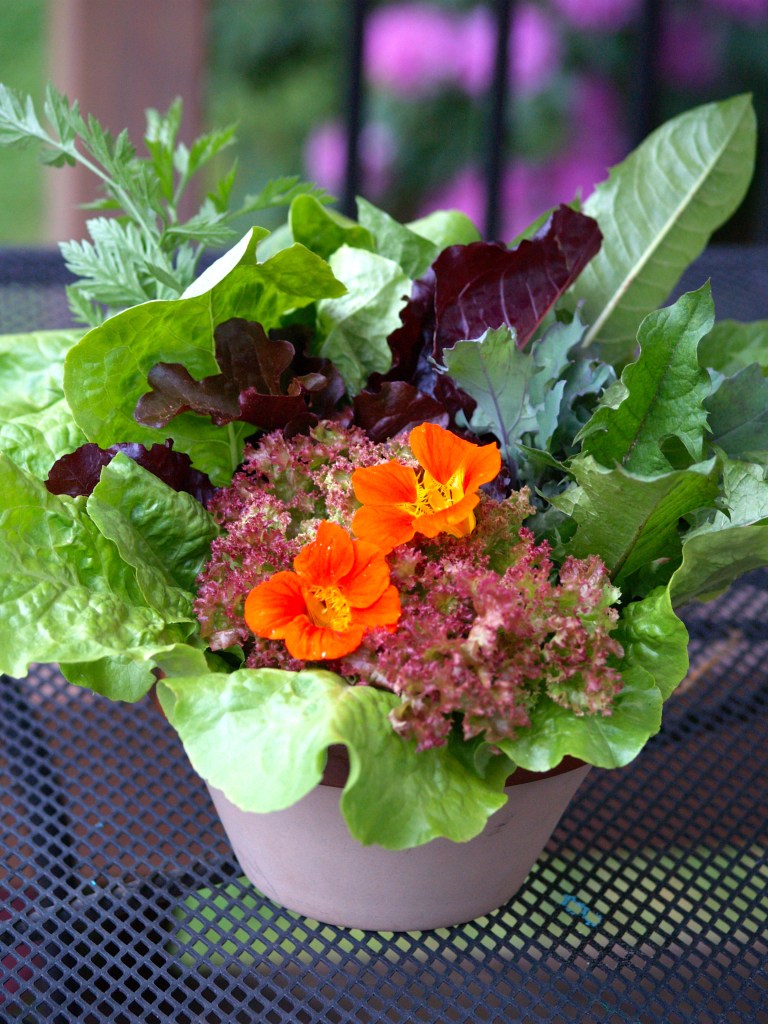
This past week of Meatfare and this present week of Cheesefare offers Orthodox Christians a wonderful occasion to clean our pantries of leftover meat, dairy and eggs as we ease into the strictness of the Fast – when, through the effort of Lent, we also clean the pantry of our hearts.  During the forty day fast we forgo heavy and clogging meals, seeking instead our nourishment from lighter and more cleansing plant-based sustenance.  All of this fasting fare is, of course, fortified with the Lenten services and soul-restorative calories found as the faithful graze within the beautiful spiritual pastures Lent.

Throughout these past weeks, our Mother the Church, has shepherded, taught and nudged the faithful closer and closer to the bounds of the Great Lent.  It is through these weeks of preparation that the aspiration of this Great Fast has been made clear once again – that it is not the rigidity of dietary restrictions (to which we are certainly called to adhere), but rather the grace of an inner change of heart.

Genuine fasting has as an essential  ingredient the relationships of family and community.  Isn’t it pleasant when brothers dwell in unity… we are not saved alone.   A wise retired priest told me once that being in family and community can be likened to a satchel of sharp jagged rocks.  Through the jostling of life we rub each other, sometimes the wrong way, with our sharp edges.  Friction happens – but through time and forgiveness, those rocky edges become smooth and mellowed.  Forgiveness Vespers seeks to erode those jagged edges of relationship.

And so it is, that this Sunday, the Orthodox Christian Lenten journey is ushered in with love and forgiveness.

How appropriate that the first flavor of this awesome labor of fasting is found in a feast… the blessed taste of forgiveness – that given and received – during the Vespers of Forgiveness this very weekend.   These past weeks of the humility of the Publican, the faithful perseverance of the woman at the well, the coming to his senses of the Prodigal – a return to the Father – these intend to soften hearts.

Great Lent is a walk of  joy, an annual journey of the faithful body of Christ.

Does it really come as any great surprise that the faithful rejoice in this Fast with gladness?  For truly, to savor even a crumb off of Lenten tables laden with fasting, reminds us that we are blessed, we are blessed, we are so very richly blessed!
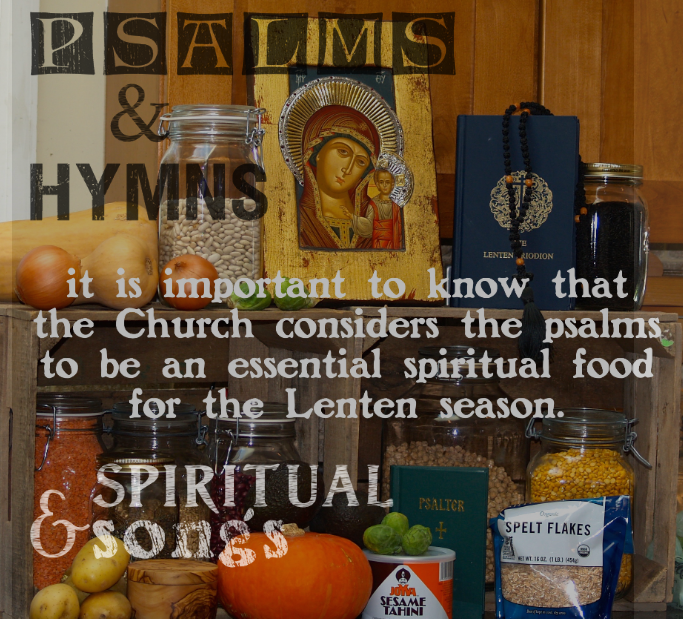
lenten pantry

you are what you eat

In the Bible the food that man eats, the world of which he must partake in order to live, is given to him by God, and it is given as communion with God.  The world as man’s food is not something “material” and limited to material functions, thus different from, and opposed to, the specifically “spiritual” functions by which man is related to God.  All that exists is God’s gift to man, and it all exists to make God known to man, to make man’s life communion with God.

It is divine love made food, made life for man.

God blesses everything He creates, and, in biblical language, this means that He makes all creation the sign and means of His presence and wisdom, love and revelation:

“O taste and see that the Lord is good.”

Father Alexander Schmemann


this fasting

A clear rule handed down by the Fathers is this: stop eating while still hungry and do not continue until you are satisfied.

Saint John Cassian, Philokalia, Vol. 1 Faber & Faber, 1986, p.74

This fasting is in regard to food. Living in an age in which man much too easily lives for the sake of exterior effects, we can be fooled into thinking that fasting from food should be sufficient for spiritual growth. But in the holy Gospel, our Lord Jesus Christ says, “For from within, out of the heart of man, come….all these evil things,… and they defile a man.” (Mark 7:21-23) Here the Savior teaches us that most important is the purification from within of our heart and soul. Fasting of soul is the defeat of egotism, the renunciation sins and the abstention from passions. It is a a humble realization within ourselves emulating the example of Saint John the Baptist, the greatest man born frogwoman and the greatest faster. He says, He [Christ] must increase, but I must decrease” (John 3:30) In order to receive Christ in our hearts… we must work to destroy all that separates us from Him. We have the means close at hand to accomplish this”

  • repentance and sincere Confession, which are the hyssop which makes our souls whiter than snow (Psalm 50:7)
  • love of God and fellow creatures who are made in the image of God” this is the great commandment of God, making us like Him Who is true Love
  • charity, which covers a multitude of sins and changes the vanity of this world into eternal glory
  • spiritual hymns and pure prayer, which is the center from which all good deeds draw their power and strength
  • and above all, participation at Holy Liturgy and receiving of Holy Communion

When we join these efforts to bodily fasting, then our fast truly becomes a knitting together of ascetically effort in both body and soul. All these things we must accomplish with joy of heart as the Lord teaches us when He says: “but when you fast, anent your head and wash your face that your fasting may not be seen by men but by your Father who is in secret and your Father who sees in secret will reward you.” (Matthew 6:17-18)

“Life Transfigured”

A Journal of Orthodox Nuns, Volume 50 #3


participate in grace

IMG_5890+

It is in the Liturgical assembly, through prayer and the Sacraments, that we experience and share in God’s love and holiness.  God ceaselessly empties Himself, for no other reason than to fill us with Himself.

+

Elder Aemilianos of Simonopetra

Psalms and the Life of Faith


our brother is our life

IMG_5850

+

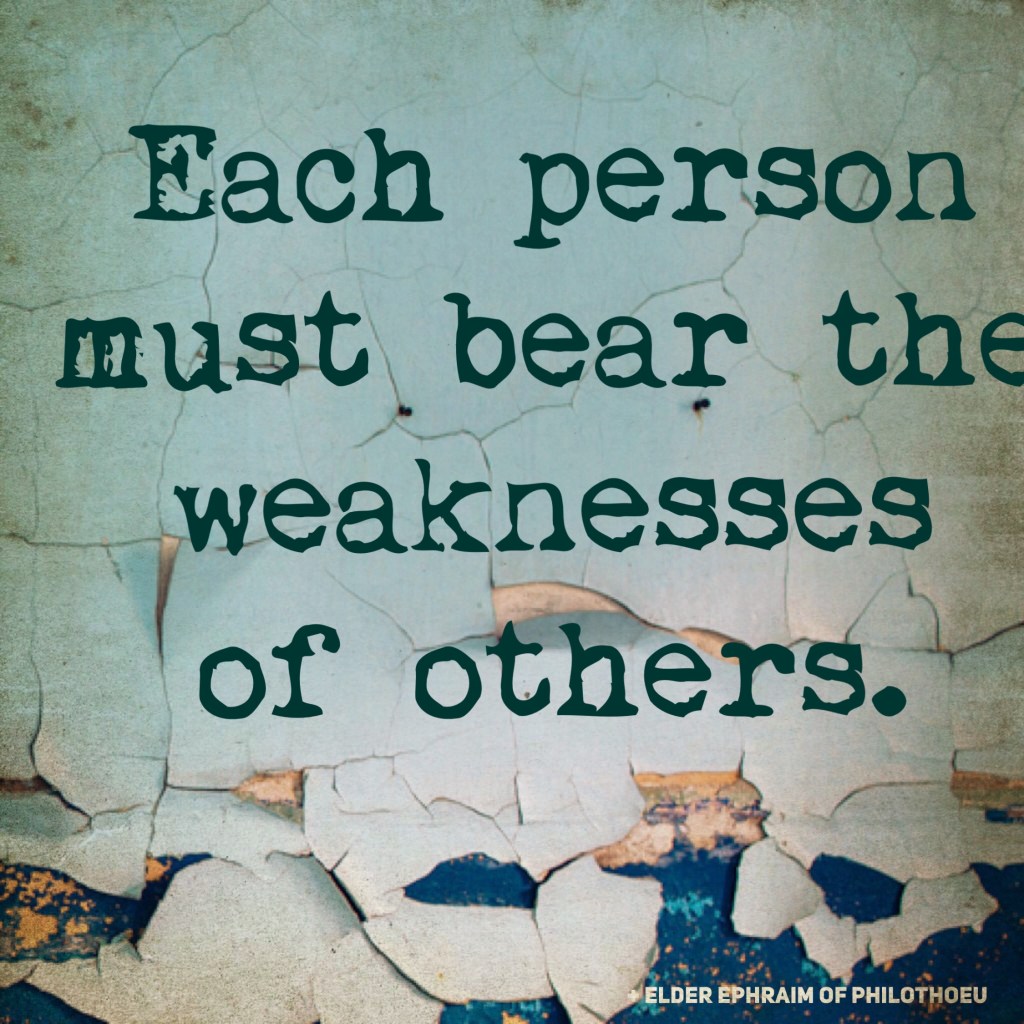
Each person must bear the weaknesses of others.

Who is perfect?

Who can boast that he has kept his heart undefiled?

Hence we are all sick, and whoever condemns his brother does not perceive that he, himself, is sick, because a sick person does not condemn another sick person.

+

Elder Ephraim of Philothoeu


we should love one another

IMG_5884

+

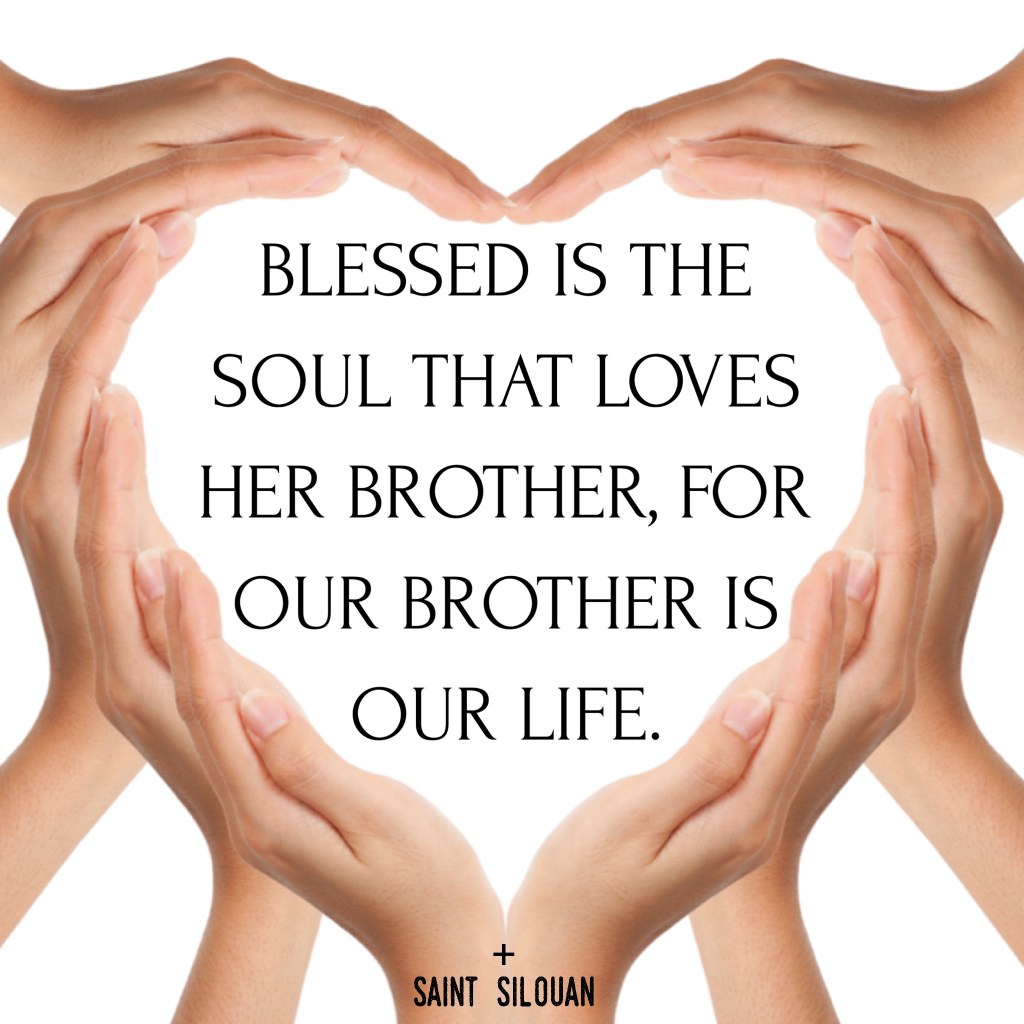
The man who knows the delight of the love of God – when the soul warmed by Grace, loves both God and her brother- knows in part that ‘the kingdom of God is within us.’  Blessed is the soul that loves her brother, for our brother is our life.

+

Saint Silouan

Wisdom from Mount Athos

on Love


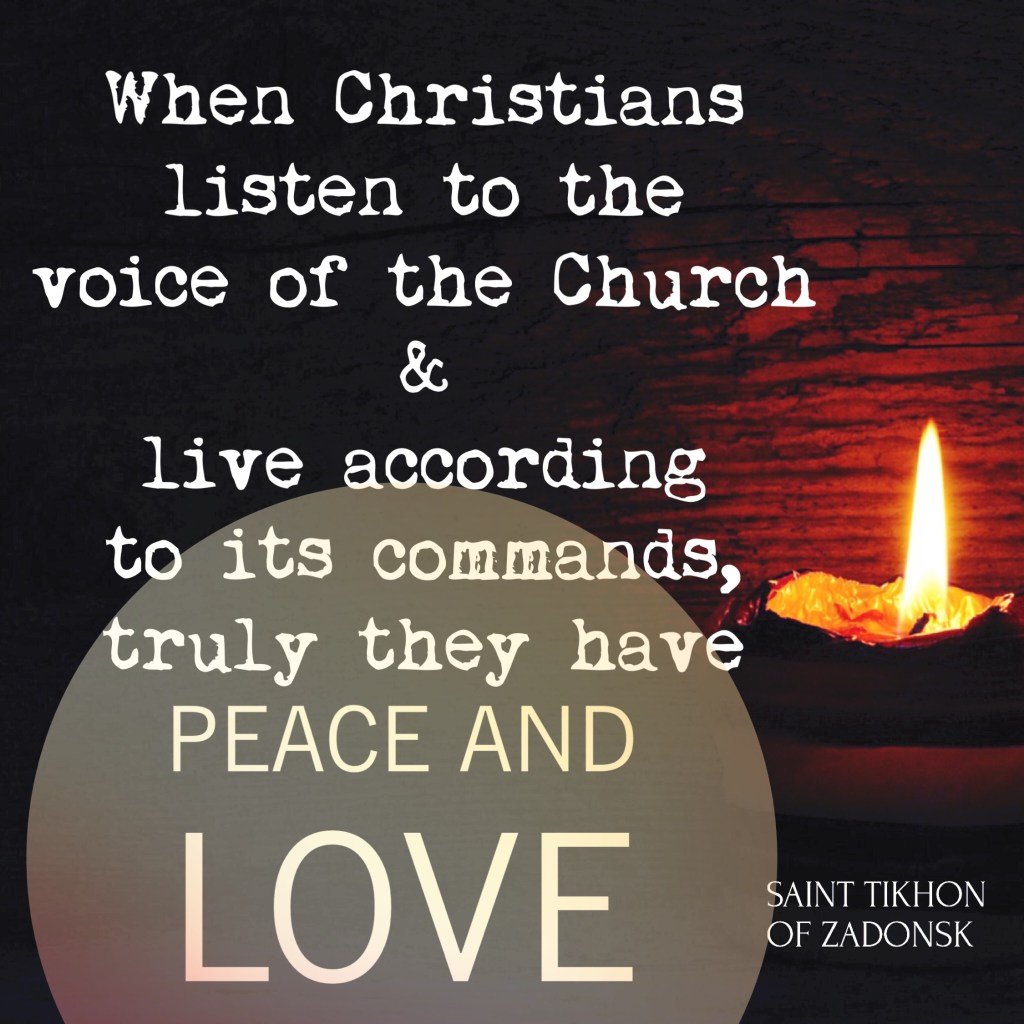
the way of the cross

IMG_5870

If He endured offenses and abuses, and terrible sufferings and the Life-giving Cross while being innocent, then even more so we must endure suffering, which we rightly deserve through our sin, without complaint

+

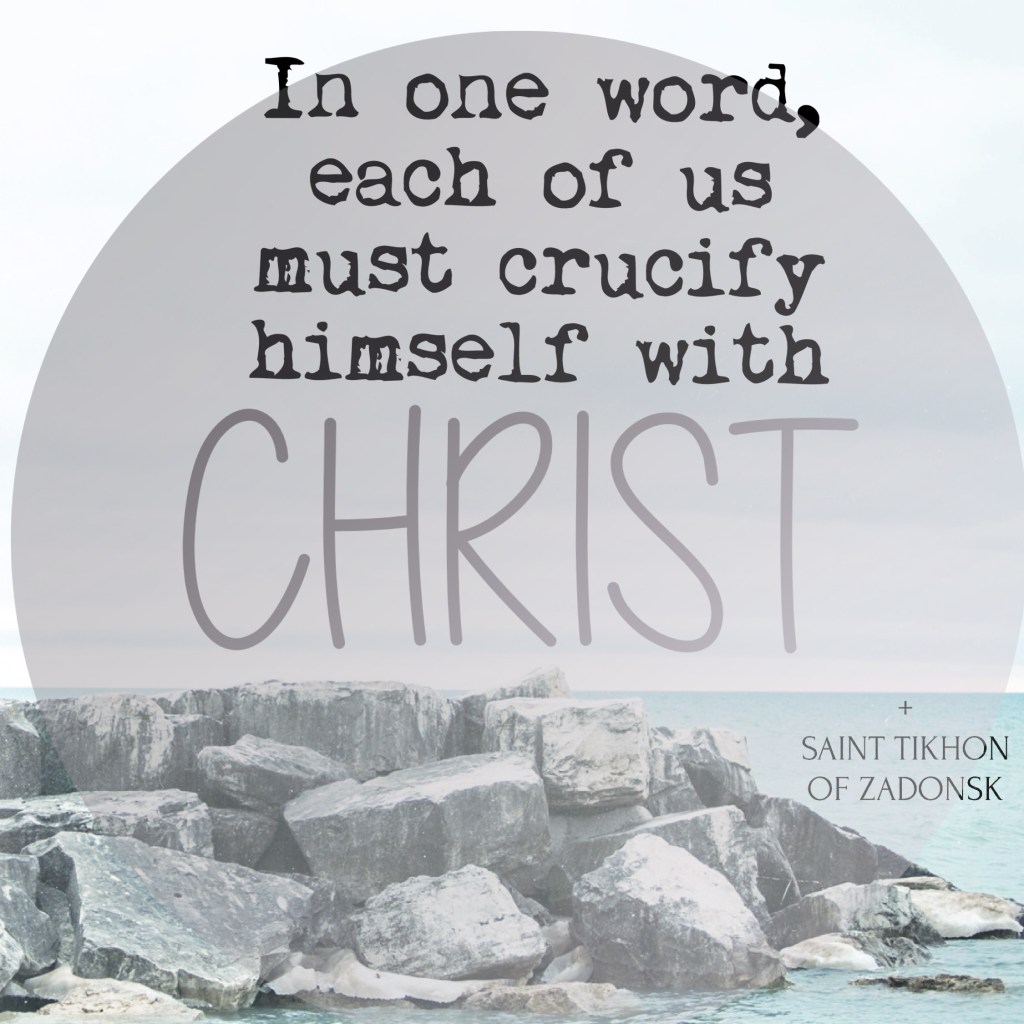
In one word, each of us must crucify himself with Christ.

+

Saint Tikhon of  Zadonsk

from the book:

Saint Tikhon of Moscow : Instructions and Teachings

for the American Orthodox Faithful (1898-1907)