
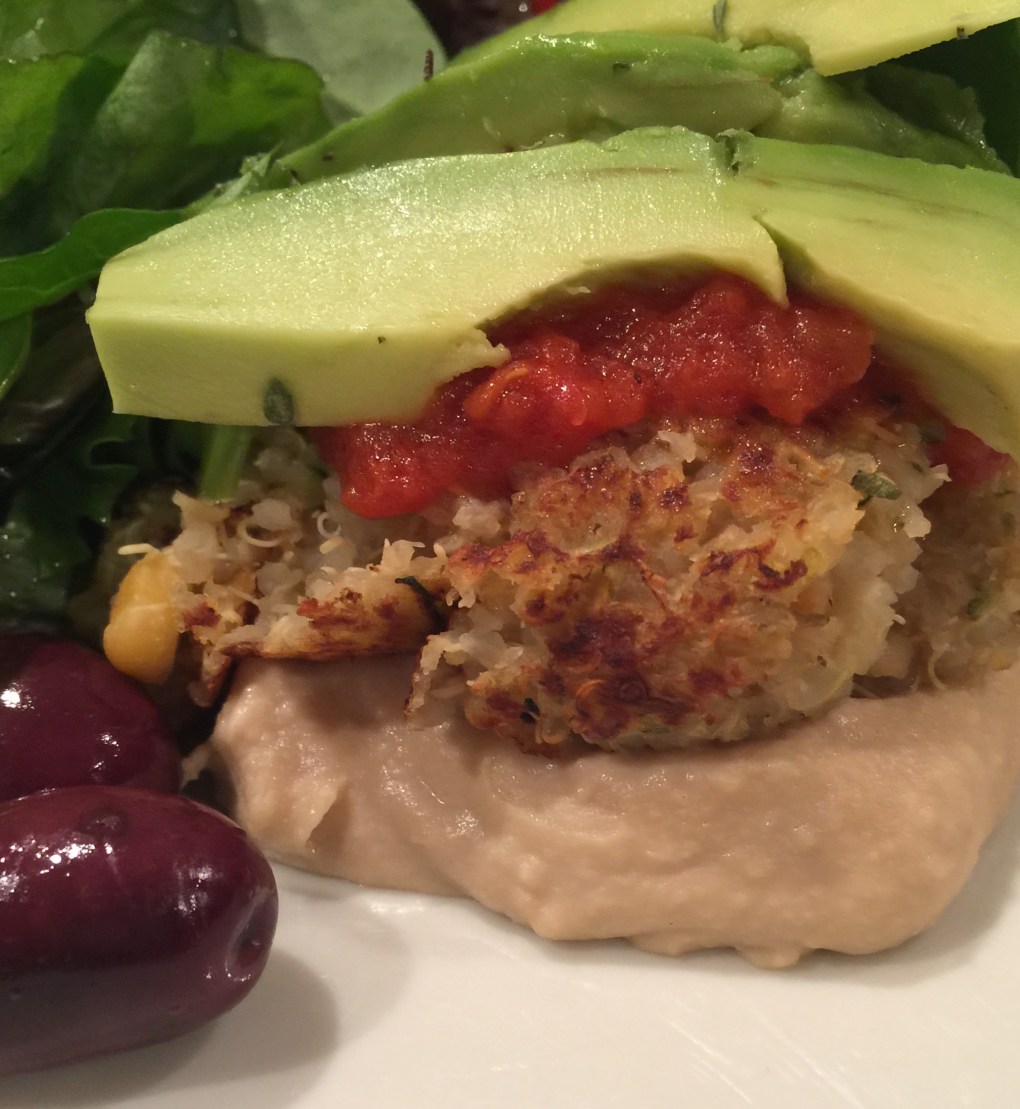
lenten quinoa cakes

lenten zucchini quinoa cake

seek Him with your whole heart (Jer 29:13)

+

The Lord seeks a heart filled to overflowing with love for God and our neighbour; this is the throne on which He loves to sit and on which He appears in the fullness of His heavenly glory.  ‘Son, give Me thy heart,’ He says, ‘and all the rest I Myself will add to thee (Prov. 23:26; Matt. 6:33),’ for in the human heart the Kingdom of God can be contained.  The Lord commanded His disciples:  Seek first the Kingdom of God and His righteousness, and all these things shall be added to you; for your heavenly Father knows that you need all these things (Mat. 6:32,33).

Saint Seraphim of Sarov

Lenten Quinoa Cakes with Zucchini and Hummus

This recipe is adapted from a family favorite at Le Pain Quotidien cafe.   The quinoa is a good source of protein during the fasting periods of the Liturgical year.   Combined with whole wheat bread and hummus and you have all the amino acids, which means it is also a complete protein, and that is important to your health.

These cakes are kind like a burger served over hummus and topped with fresh avocado

Ingredients

  • 2 tablespoons olive oil
  • 1 fresh raw zucchini grated (can be any color – we used green)
  • 1 small white onion, minced
  • 1 cup chickpeas, cooked and mashed coarsely (we use a potato masher)
  • 2 cups cooked quinoa (rinse your quinoa before cooking – quinoa can actually be bitter and rinsing it has the effect to remove that bitter quality)
  • 1 tablespoon each resh oregano and thyme
  • 1 tablespoon lemon juice
  • 3 tablespoons nutritional yeast
  • 1/2 cup marinara sauce for garnish (we use Victoria brand from Costco)
  • fresh avocado for garnish
  • fresh hummus

Preparation

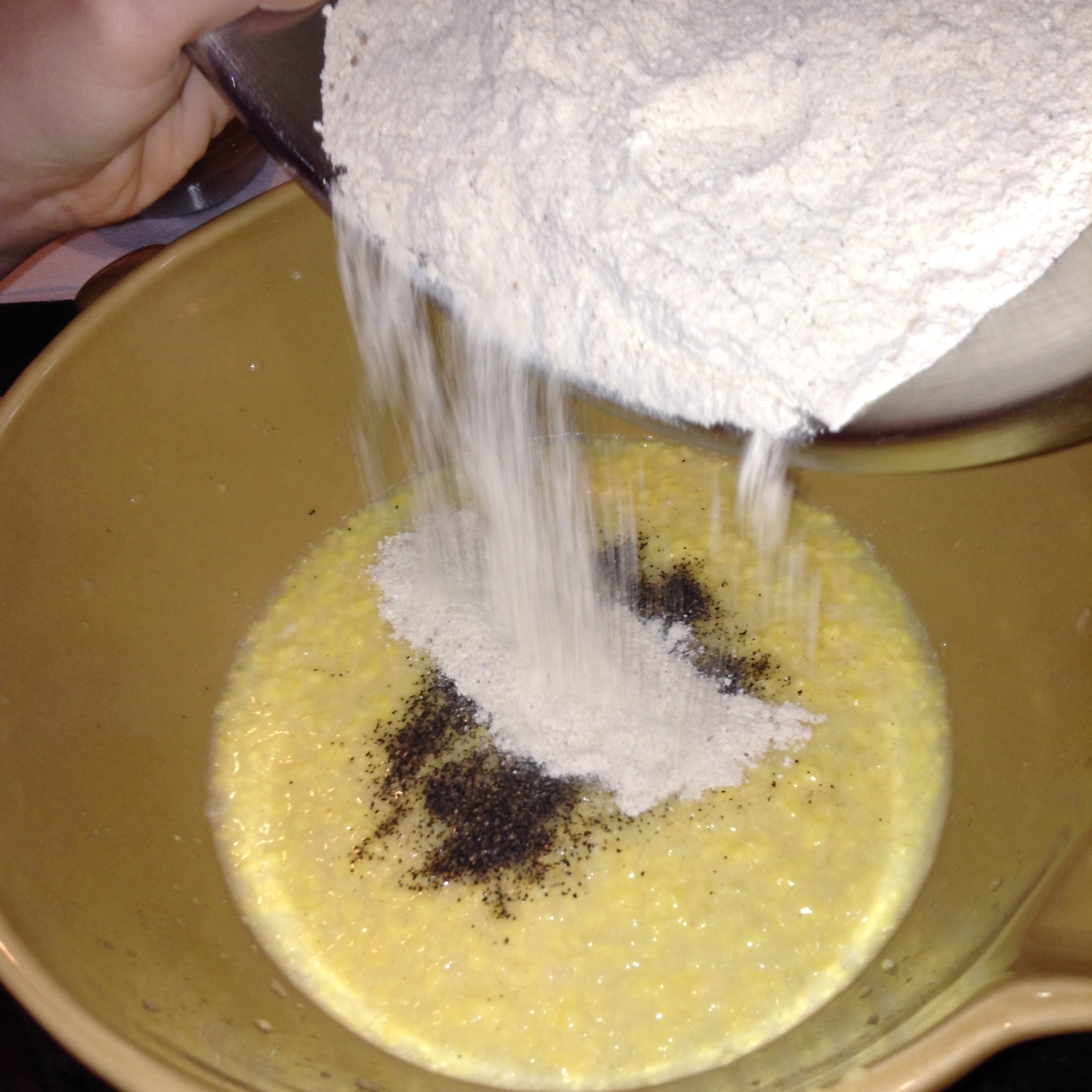
Preheat oven to 350 F.  Mix all ingredients except hummus, marinara sauce, olive oil, and avocado in a bowl and mix to incorporate well.

Press the quinoa mixture into a loaf pan   Really press it together because you want it to adhere to itself, since we will slice it and sautee it in a pan to finish it off.

Place in oven and cook for 45 minutes.  It should be fragrant when it is done.

Once it is cooked you can either place in the refrigerator to use the next day or carefully slice pieces of the quinoa loaf and place on a heated seasoned cast iron skillet with olive oil.  Cook on both sides until brown.

Serve over hummus and top with a few spoons of marinara sauce and avocado.

Goes great with a fresh green salad!

Enjoy and may your fasting be blessed.
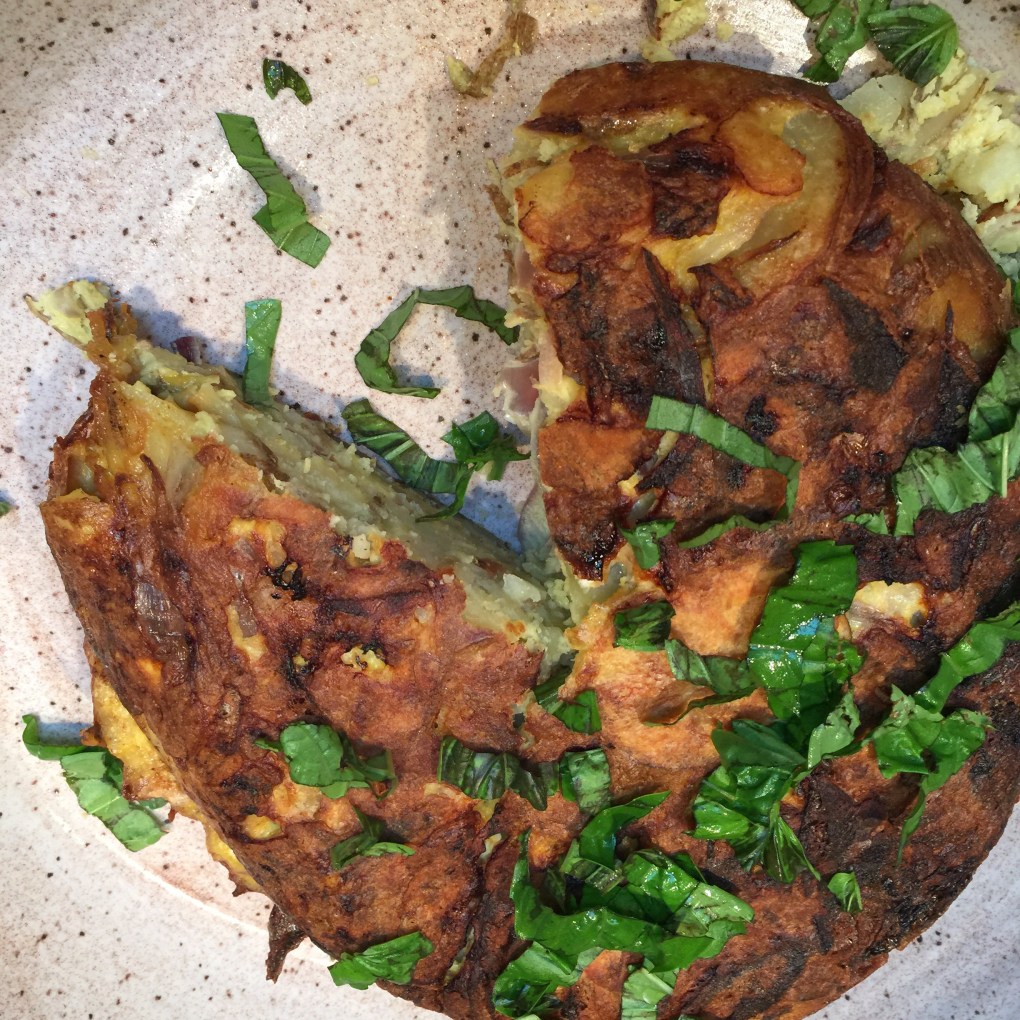

potato galette

IMG_3821

He became man and lived in this world. He ate and drank, and this means that the world of which he partook, the very food of our world became His body, His life. But His life was totally, absolutely eucharistic—all of it was transformed into communion with God and all of it ascended into heaven. And now He shares this glorified life with us. “What I have done alone—I give it now to you: take, eat.…”

~

Alexander Schmemann

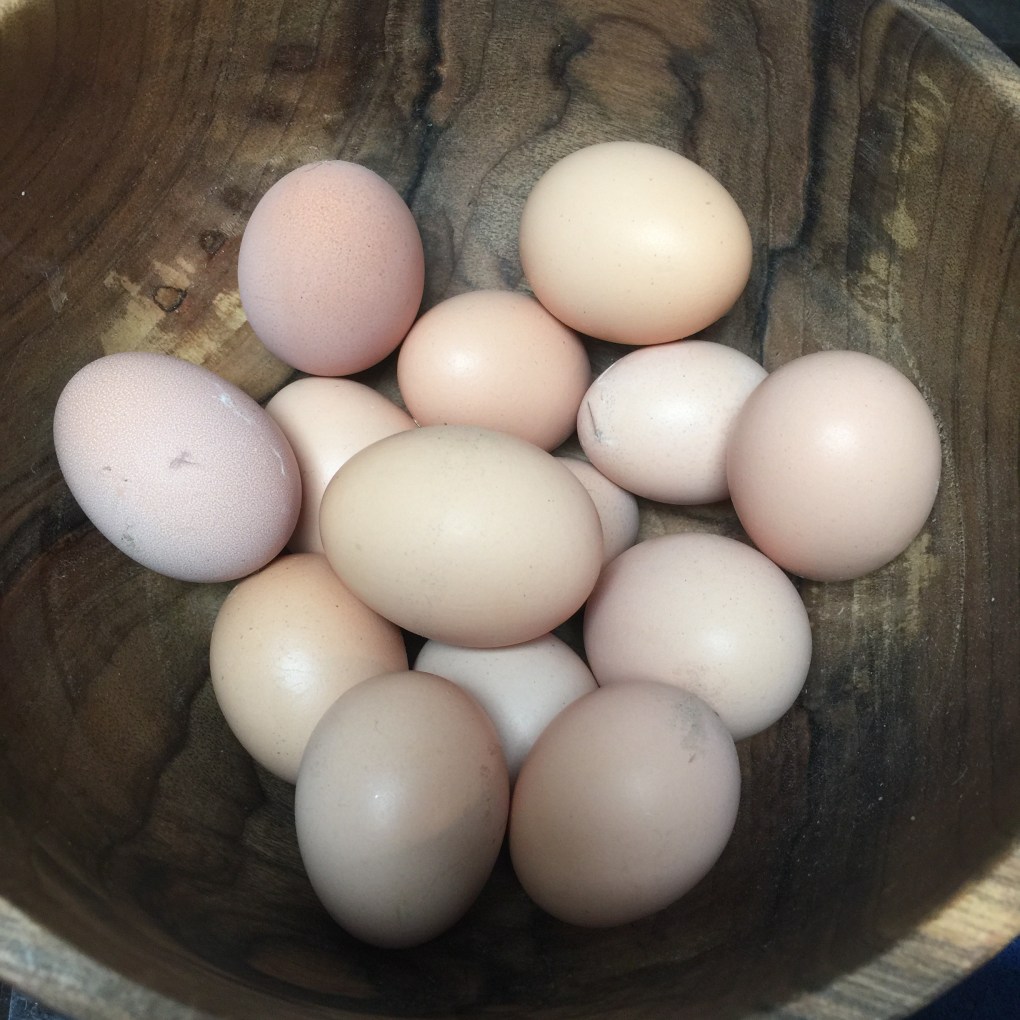
If one intends to raise chickens, it’s a great thing to love eggs!  This spring our family acquired eight hens and as of now, we harvest six eggs a day, on average.  That’s 42 eggs a week.  So we are now gladly sourcing recipes with eggs!

This potato gallette is a really easy weeknight meal.  It’s savory with a hint of herbs from the garden.  Our egg yolks are so absolutely vibrantly orange (like the old fashioned red orange crayola color) it’s abundantly clear they are packed with choline, folate, vitamin A, vitamin E, tons of beta-carotene and plenty of omega-3 fats from the flax we feed them and the free range forage they enjoy.  If your interested in how the life and diet of a hen reflect in the nutrient content of her eggs, check out these results from Mother Earth News.

IMG_3811

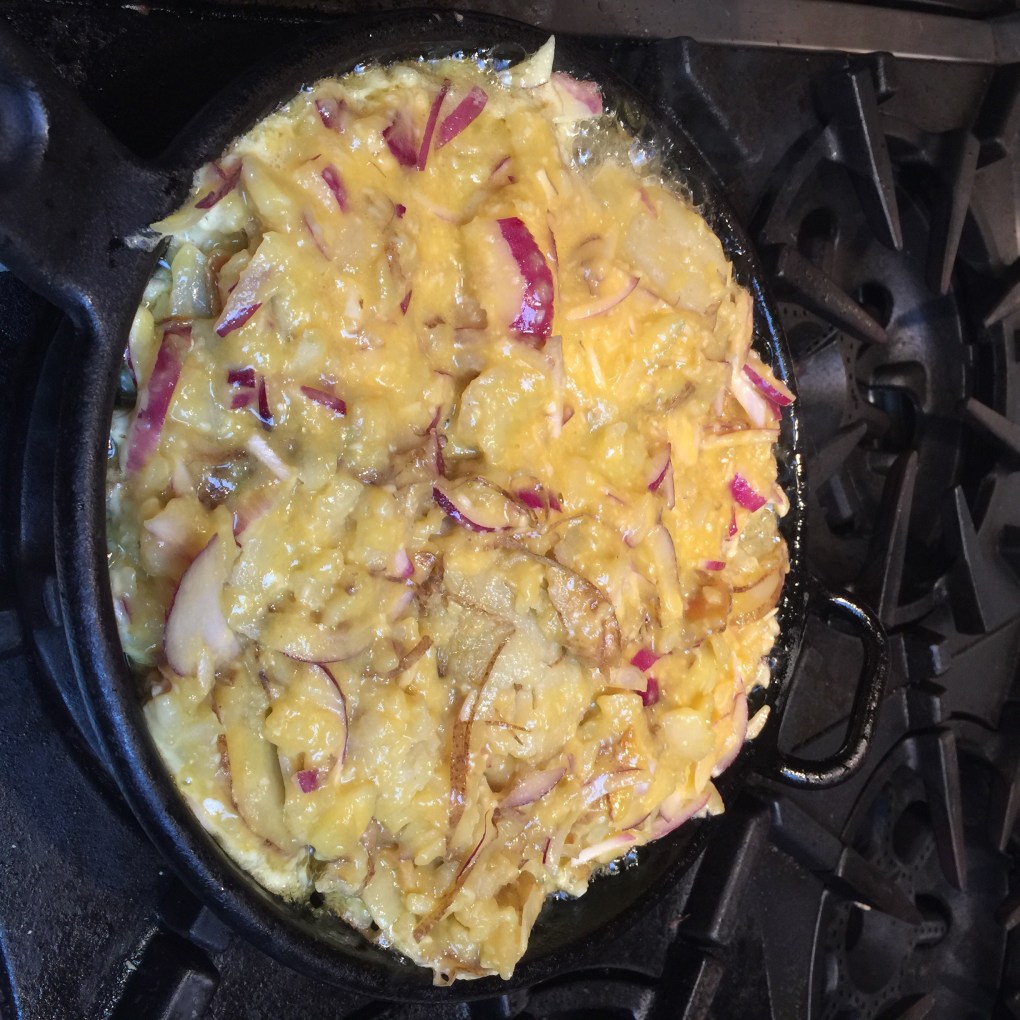
Now onto the potato galette!  I strongly recommend using a well seasoned cast iron pan if you have one.  I find them non-stick far better than others, and the heat is so nice and even that it really crisps up the galette.


Before we begin, a note on the potatoes.  If you are using fresh potatoes, that have not hint of green on them (like right under the peel) then do not peel the potatoes… lots of good nutrition there.  If however, your potatoes where not stored well and they have that green you can either peel the parts with the green or peel the entire potato.  My grandmother, who grew up in Germany during a time of root cellars, world wars and no refrigeration always told me that the green on the potatoes is poisonous.   You can read more about it here in this short article in the New York times.  Storing potatoes properly is very important.  They will begin to sprout depending on light and temperature.  GrowAGoodLife has a great article on potato storage.

Ingredients:

  • Olive oil – enough to coat the potatoes and cover the bottom of the cast iron pan
  • 1-2 pounds potatoes, new or yukon gold
  • 2 teaspoons celtic sea salt or other natural salt
  • 1-1/2 cups onions : I prefer vidalia or some other sweet onion, but your basic yellow onion is just absolutely fine
  • 1 tablespoon fresh oregano, thyme or basil or some combination of fresh herbs
  • 5 medium cloves of garlic, peeled and minced
  • 6 large pastured eggs or 8 small pastured eggs (we have all sizes here!)
  • fresh ground black pepper

Preparation

Using a mandolin, slice potatoes about 1/8 of an inch.  Place in a very large bowl, sprinkle with salt, pepper and about three tablespoons of olive oil.  This coats them so they will not stick on pan.

Drizzle olive oil to cover the bottom of  a large cast iron skillet over medium heat.  Place potatoes in pan and cook them in batches.  You should not hear a searing sizzle, we are just par-cooking them.  They should not be turning color, and should not be soft so that they break when you remove them.  After each batch place potatoes in another large bowl.

While these are cooking, you want to crack your eggs and beat them in a small bowl.  Add herbs and a little more salt.

Once all potatoes are done, add the onions and garlic to the pan.  Saute till softened and fragrant, but not browned.  Rinse the skillet.  Add egg mixture to potatoes and toss well to coat.

Coat bottom of skillet with oil again and place over medium high heat.  Add in potato mixture.  Do NOT stir or move the mixture.

Let it cook for about ten to fifteen minutes.  The sides will start to pull away from the pan.  Again we are not going for a high heat because we want them to cook evenly and thoroughly – as well as get a nice brown on the potatoes.

Okay, now for the fancy flip.

After about ten minutes you can start to tease the side of the galette away from the pan, if it is not starting to do so.    At this point you will want to get a plate so you can flip the galette.  The plate needs to be bigger than your pan.

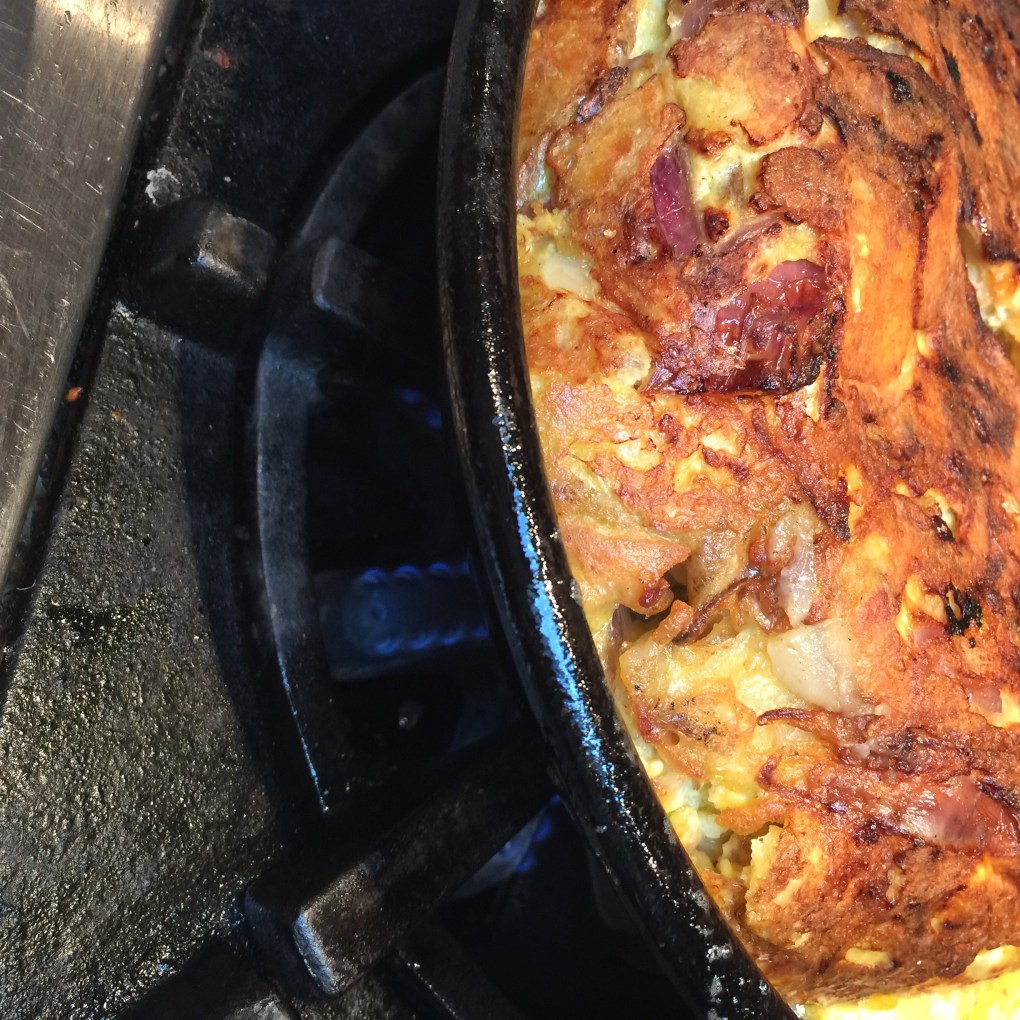
Take the skillet off of the burner. Carefully, place the plate a top of the skillet.  With your hand on top of the plate turn the skillet upside down so that the potato galette falls out of the skillet and onto the plate.  Now you can slide the galette back into the skillet to brown on the other side.

Let this cook another five to ten minutes until browned.   Remove from skillet and place on serving dish.  Garnish with more fresh herbs if desired.

Serve and enjoy.  This makes a great leftover meal as the flavors continue to melt together as time goes on!

IMG_3820


i heart organic strawberries

“For a long time now we have understood ourselves as traveling toward some sort of industrial paradise, some new Eden conceived and constructed entirely by human ingenuity. And we have thought ourselves free to use and abuse nature in any way that might further this enterprise.  Now we face overwhelming evidence that we are not smart enough to recover Eden by assault, and that nature does not tolerate or excuse our abuses.”

Wendell Berry ~ Bringing It to the Table: On Farming and Food


For about a year of college I lived in Germany, which was my first exposure to farmer’s markets, a way of life at least where my family there lives.  That was some twenty years ago – probably about the very time farmer’s markets were gaining new traction in the U.S.  At the time, I’d never seen eggs so fresh they were still adorned with feathers, or vegetables still smelling of the earth.
One thing about fresh food is that it’s always near death ~ counter-intuitively that makes it alive, and allows it to nourish us with all the vibrancy of it’s vitamins, minerals, enzymes and phyto-nutrients (a word apparently so new that my spell check keeps trying to change it).
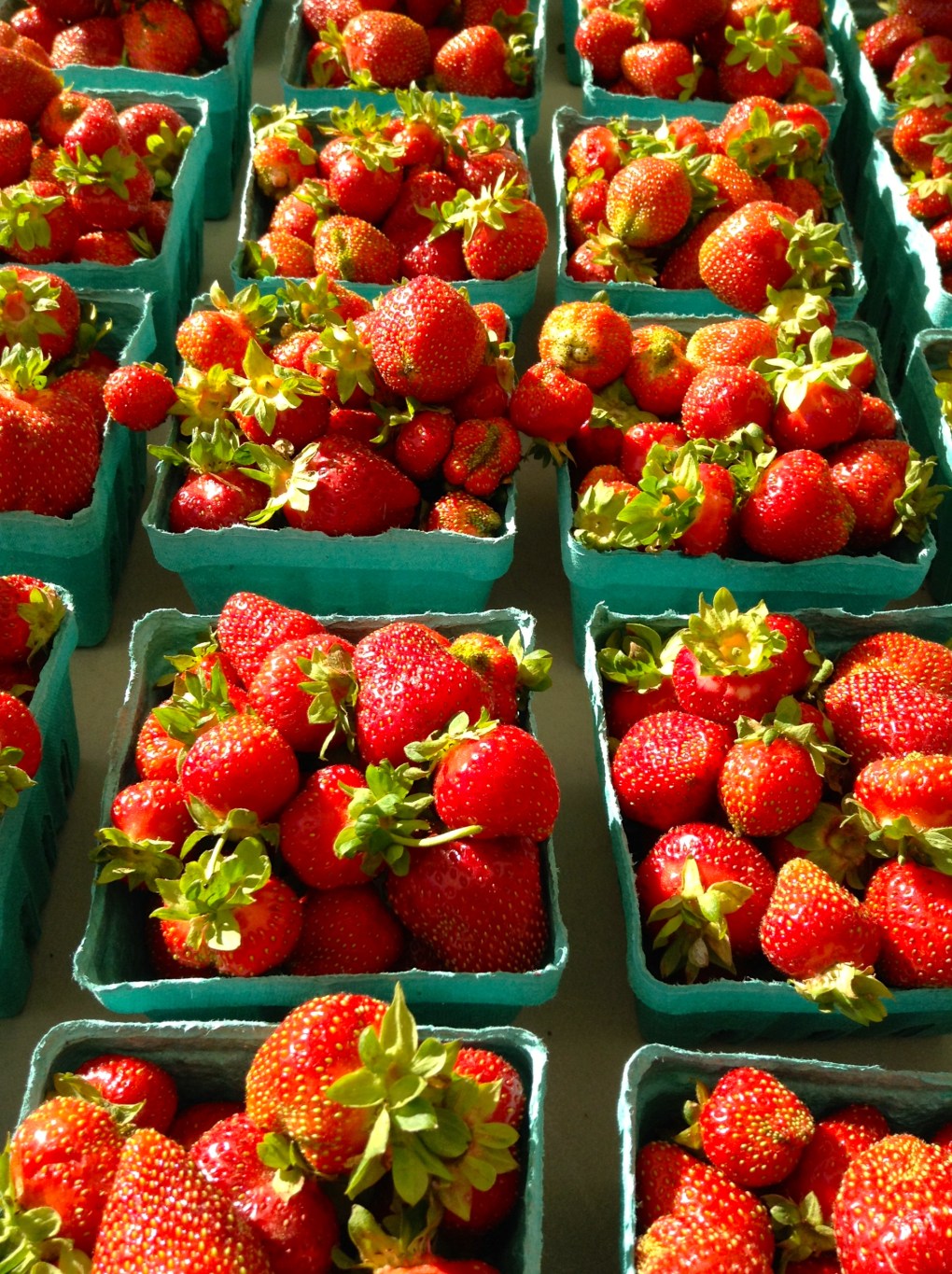
With that in mind, any one attempting to stay as local to their food sources as possible knows the importance of preserving the harvest.  Fresh food is not immortal!  At the moment we are at the waning edge of strawberry season here in Virginia.  In fact, we missed getting any at the past two markets due to our late arrival, so this morning we got there early!
Making that effort to find the best food for my family is really important.  These are not delicacies or haute cuisine at all, but no-frill foods that are raised in harmony with the land, in such a way as to be nourishing rather than depleting.
If we don’t eat the strawberries we bought this morning in about four days, they will rot.  So, extending the harvest has become a habit allowing us to enjoy the delights of spring even into the upcoming winter.  There are many ways to preserve what’s currently in season from canning, to lacto-fermentation and even simply freezing.
As a rule we try to stick with organic whenever possible, but particularly with strawberries which are a fruit known as one of the dirty dozen.  That’s because they are covered with some of the most toxic agricultural chemicals available.   Many of these chemicals are carcinogenic and known endocrine disruptors – that means they mess with your hormones.   Nice!   Even after washing, 67% of fruits and vegetables sprayed with these chemicals still contain them.  Hmmmm.
Over time, many of these toxins bioaccumulate in our fat cells.  Our bodies really do not know what to do with these, and that can have negative effect on our physical health.
The blessing of the farmer’s market is being part of a community.  People get to know one another and look forward to chatting, sharing and learning. You know your farmer’s name, and feel confident in his word.  None of our local strawberry growers sprays, which is a testament to their dedication and nurture of the land.  It’s all connected…in providing well nourished soil to the plants, the plants then become strong and less susceptible to disease and pests, which means these farmer’s don’t need all of the toxic pesticides and fungicides in the first place.
Buying organic can seem more expensive – perhaps in the short run it might slightly be – mostly because we buy en masse.  That said, at the farm stand I can pretty much guarantee you will get a discount  – most of the time without even asking – if you buy in bulk.

This slideshow requires JavaScript.

Whether you freeze them, make them into jams, pile them atop of shortcake or eat them right out of the flat, they are a seasonal delight that brings a smile to everyone’s face!

contain yourselves

“Odd as I am sure it will appear to some, I can think of no better form of personal involvement in the cure of the environment than that of gardening. A person who is growing a garden, if he is growing it organically, is improving a piece of the world.”  Wendell Barry – The Art of the Commonplace: The Agrarian Essays


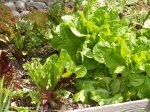
Even if you have only a tiny patio or balcony, growing your own food is a possibility.  No matter how little space you have, with a packet of seeds, a few pots or other container of your choice, you can turn a blank space into an edible landscape.  Whether you grow an assortment of kitchen herbs or potted potatoes, carrots and beans it’s easy and can transform an urban space into a haven and retreat.

A few weekends ago, we picked up some cedar planters at our local plant store DePaul’s Urban Farm and then the kids got to work staining them and planting some carrots.

This slideshow requires JavaScript.

Soon we will have an awesome harvest of carrots.

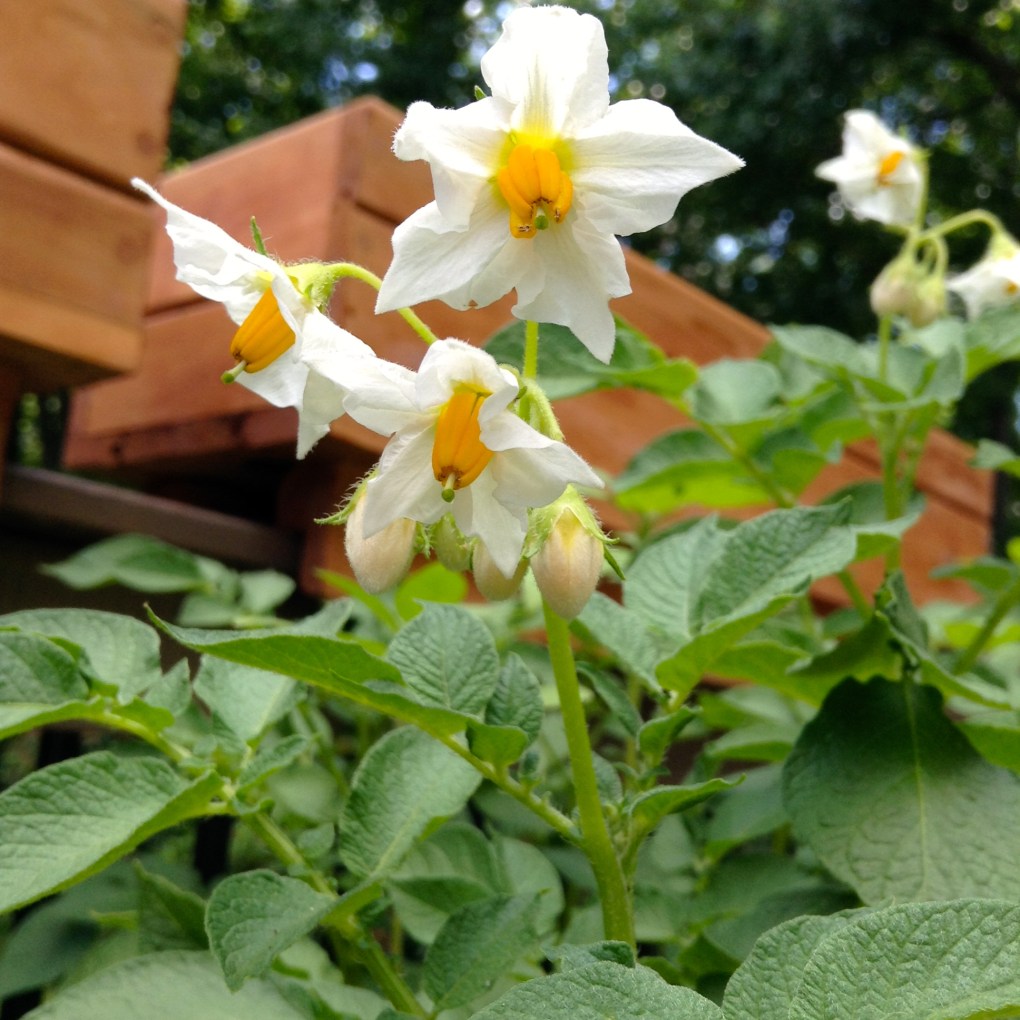
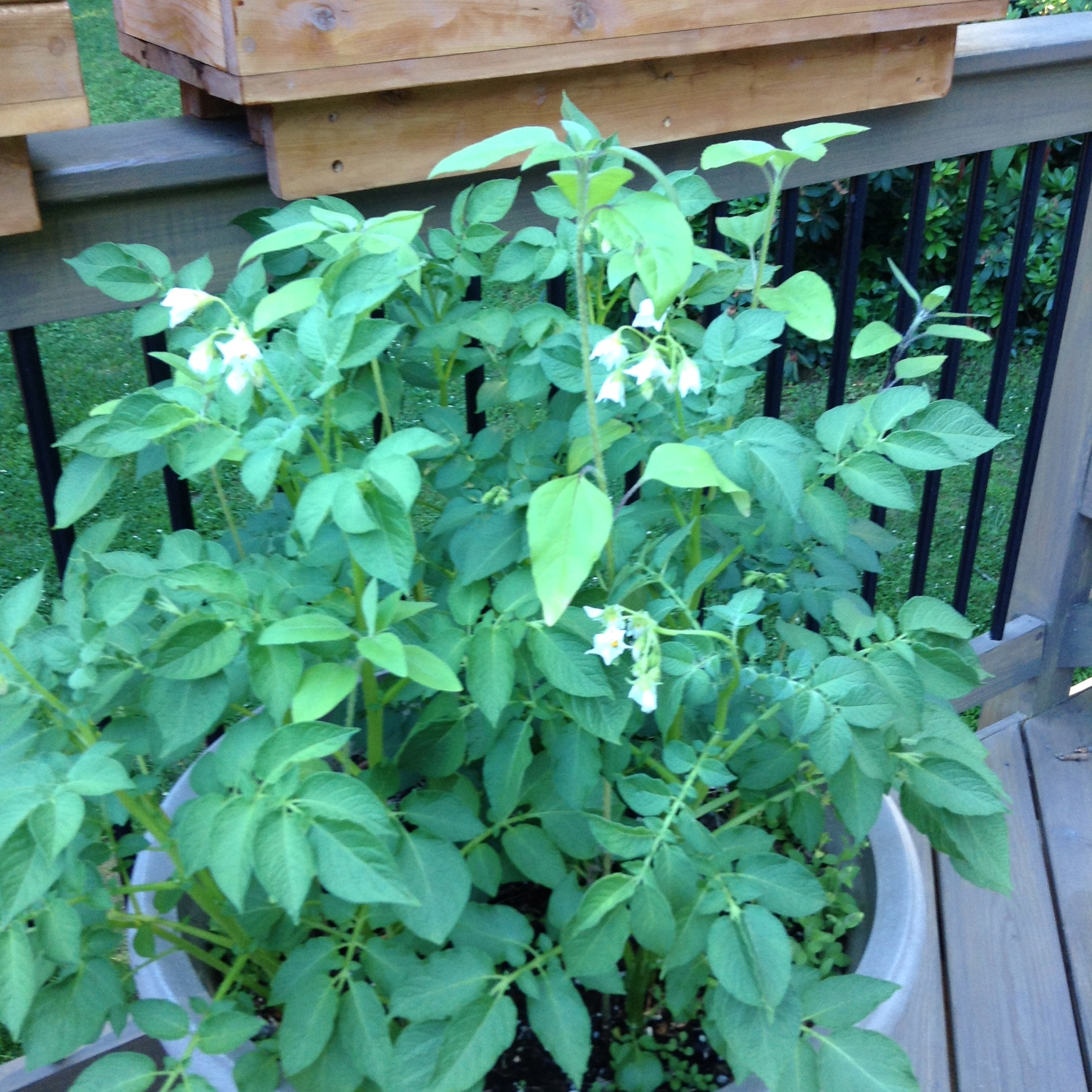
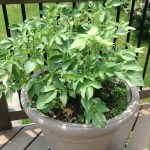
Also too we have potted potatoes – so much easier to harvest because they are confined to one space than planting in a larger garden.  For something a little different we added sunflowers into the mix – for a little flowery effect.  They will bloom soon!

Whatever you chose, the main thing is to have fun with your planting and make a space which is visually and edibly pleasing.

At the end of the day, nothing compares to your own fresh grown food.  Just as wonderful is that you really don’t need a lot of expertise or skill to grow them – especially beans, tomatoes, peas and any salad vegetable.

IMG_0286

The past ten years have seen a rapid increase and high demand for real local sustainable food.  Not a new idea, just one misplaced for about a century!… previously all food was local, mostly because there was not the ability to transport it, or the chemical fertilizers to mass-produce it.

Family gardeners restore and heal their little part of the world starting with their own space and being.  Working the dirt, it is inevitable that knowledge, experience and success from those lessons unearthed in the garden tills into other areas of our lives ~ gratitude and thanksgiving for the harvest, family and friends!

“In almost every garden, the land is made better and so is the gardener”. ~Robert Rodale


grow.harvest.enjoy

In farming, as in gardening, I happen to believe that if you treat the land with love and respect, then it will repay you in kind.  – Prince Charles

The life of a garden is in perpetual motion.  It’s a dynamic place, hustling and bustling with the growing harvest and buzzing with life.  It’s a place were nature thrives and in so doing nourishes hungry family and friends.

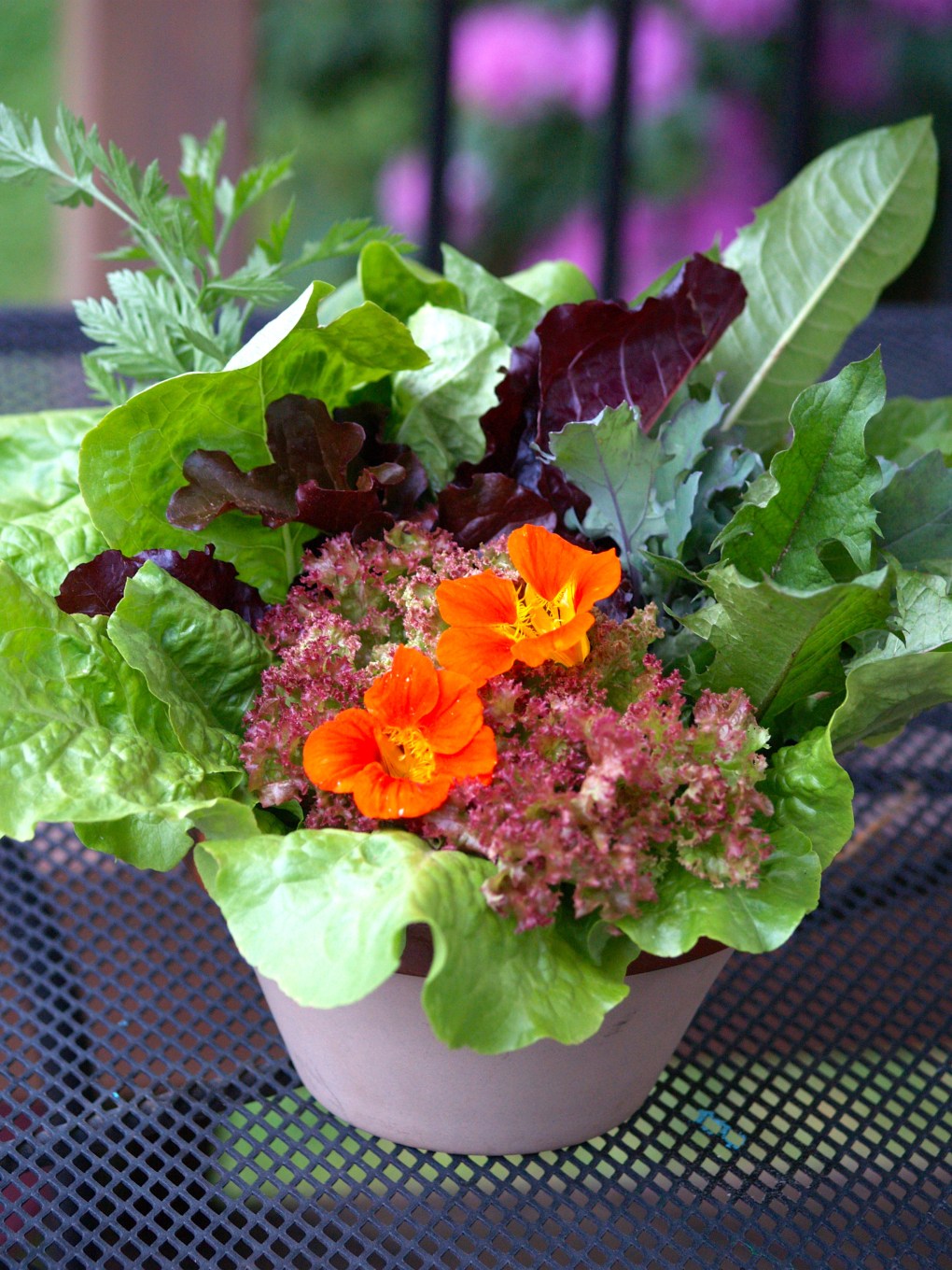
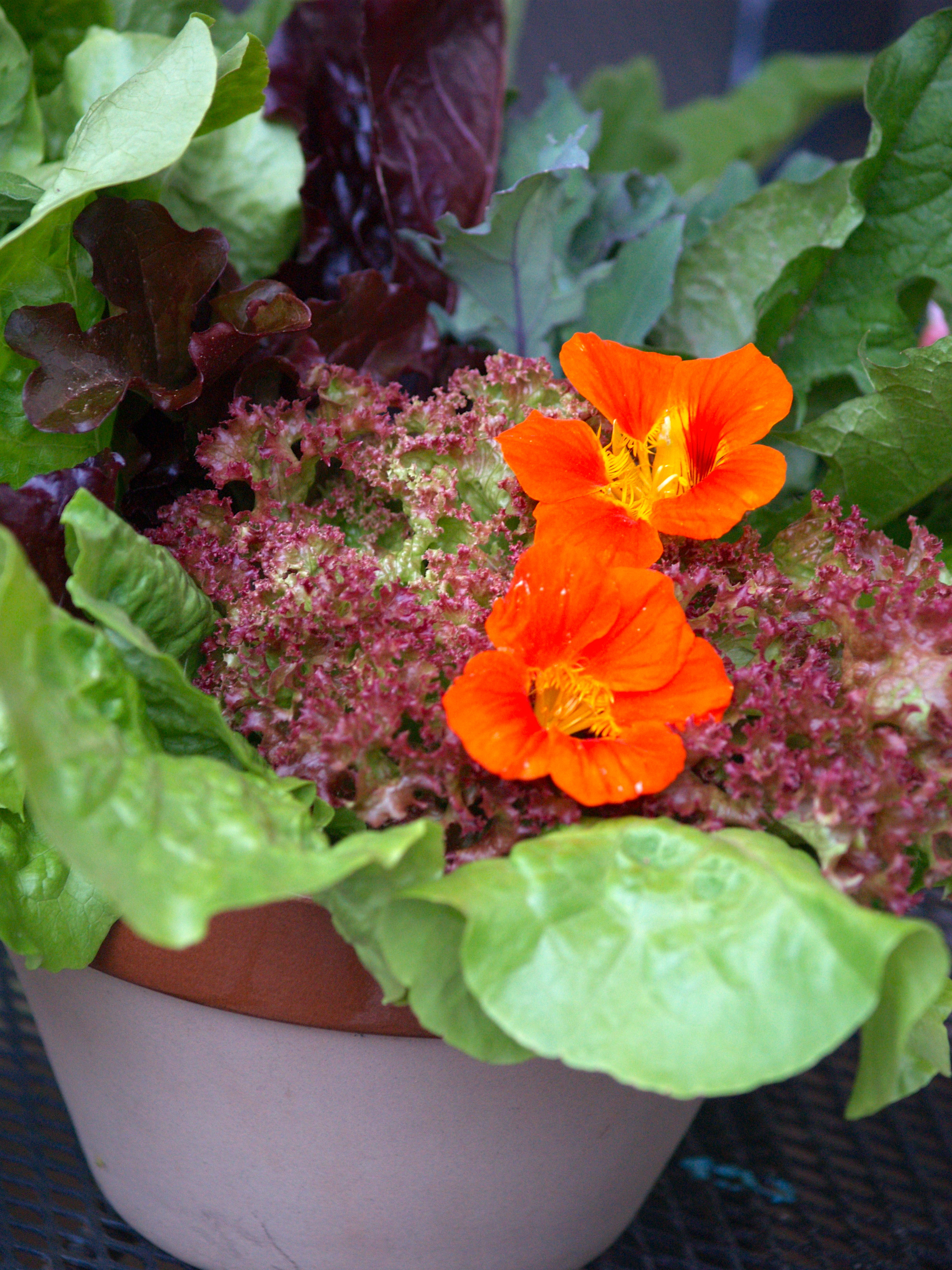
This beautiful bouquet is not a gift from my husband, but our dinner salad!  Full of an assortment of fresh salads from the garden as well as carrot tops, baby kale, dandelions, cilantro and peppery nasturtiums we snipped it just before dinner and it is a crispy delicious addition to our meal.

Growing your own organic vegetables is practical in many ways – from reducing use of fossil fuels and exposure to toxic chemicals to increasing the vitamin content of your meals  – although as modern consumers “organic” seems a relatively new concept, this is how our great grandparents gardened.  They didn’t “certify” it or have any special name for it.  Caring and nurturing the land was just a way of life – and in return the earth gave sustenance for their nourishment.  Our forefathers had a greater understanding of healthy soil and plants than do we.

In my own family, it was my German grandmother who gave me a love of gardening.  She tended her little plot of backyard garden with a vibrant happiness and care – even to the point of setting aside water in the morning and waiting a few hours to hydrate the plants so that it would warm to the air temperature.   I am not sure of whether that made any difference to the plants, but I can say that hers were some of the best beans and tomatoes I’ve ever had and she always had a very high yield.  But the point is that small farmers tend the planet better than big business.  Small farmer’s and family gardeners work in harmony with the seasons and Mother Nature rather than fight her and that makes all the difference.

If you are not sure about growing your own food, but are thinking to give it a try – remember that it’s not necessary to have a green thumb.  Seeds want to grow.  Even if you make mistakes, you’ll learn from them and that is a great blessing!   The best part is that your little victory garden will give you the chance to reacquaint yourself with all you thought you knew, from radishes to carrots to kale.  Cultivating the land gardeners cultivate patience – the joy of waiting to taste  a strawberry or sugar snap pea and also forgiveness for the imperfections those natural and organic sometimes yield – while not always perfectly shaped they are always delicious!  In so doing a gardener also learns a little something about life and community.


Dinner Bouquet


matzoh ball ~ soup for the soul

IMG_0081

“Real humility is light and buoyant, not weighted down by insecurity, self loathing or an obsession with being known and admired. Humility spends the time and energy freed up by not agonizing over one’s self reveling in the grace of everyday blessings big and small. Humility genuinely rejoices with those who rejoice and weeps with those who weep. Humility retains forever its childlike sense of hope and wonder.” ~ Molly Sabourin

Matzoh ball soup is comfort food at its finest and a great use for your homemade chicken stock!

Food sustains physical life and yet is greater than the nourishment it brings to the table.  Food gathers people  and traditional foods – passed from generation to generation tell a story.  These generational foods – shrouded in history, symbolism and ritual tell the story of peoples and their journeys of life and in that category Matzoh Ball Soup definitely tops the charts.

The Matzoh is probably one of the best known Biblical foods and one that has humbly stood the test of time.  It is a food which tells the story of the exodus of a chosen people and the guiding Hand that frees them from bondage in Egypt.

Matza is unleavened bread –  and one of the three biblical culinary components of the Jewish Passover Seder – it is also called the bread of affliction.  For Jewish families, Matzo is the only type of bread eaten throughout the Passover festival.  The generational story of the matzo is one of slavery and freedom.   The last shared act that every Israelite performed before being freed from slavery in Egypt, as well as the very first act that the entire nation shared as free people at their first stop, was eating matzo. (Encyclopedia of Jewish Food).

The first time my family ever tried matzoh ball soup was last year, visiting grandparents in Florida.  We went their favorite Deli, TooJays  in Orlando.  Such a simple dish, utilizing the most basic and unassertive ingredients – chicken broth, seasonal vegetables, eggs, schmalz (saved chicken fat – from your stock) salt and pepper.  This is quintessential comfort food!

Traditionally, matzo balls are served in a broth only served with carrots – but you can make it your own with whatever favorite vegetables you love!  This recipe doubles and triples nicely!  It also freezes well if you make a big batch.  We portion it into servings for two or four and freeze.  That way it is on hand, ready to thaw, heat and nourish on those busy school nights laden with activities and little time!

Matzoh Ball Soup – it brings nourishing comfort to the body and as the old saying goes – the soul too!


ingredients:

3 eggs

9 cups chicken stock

1/4 cup grated onion

1/2 cup melted chicken fat (Note: Jewish families would not substitute butter as that is prohibited during the Passover.  We used butter (preferably pasture raised).

1/2 teaspoon salt

1/2 teaspoon freshly grated black pepper

1 cup matzo meal (you can make your own by placing Matzo crackers and pulse in food processor or blender.  The other option is to buy it ready to use)

4- 5 diced carrots, sauteed

2 talblespoons chopped parsely  and/or chives (optional)


preparation

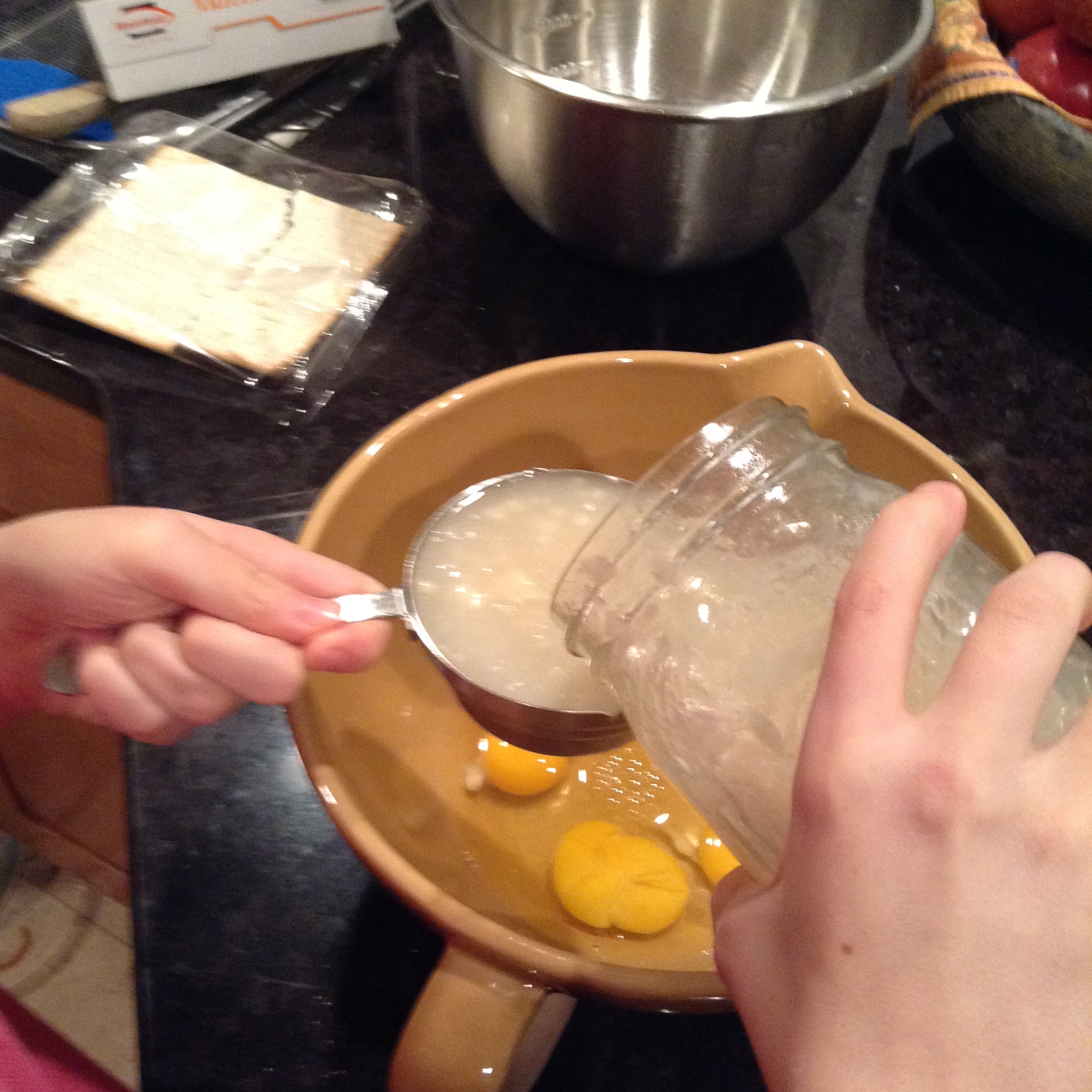
Beat the eggs together and 1/2 cup of stock.

IMG_0067

Stir in the grated onion, salt, pepper and fat.

Add the matzo meal.  The dough will be moist.  Cover the mixture and refrigerate for one hour or overnight.


IMG_0073

Shape into matzo balls – about 1 inch in diameter.

Now, you can either heat a pot of salted water or heat your chicken stock (which is a personal preference.)  Drop matzo balls into boiling broth.  The matzo balls will expand and absorb a lot of liquid.  Turn the heat ti medium and let the balls cook for about 30 minutes to set.


IMG_0081

Serve one to two matzo balls with broth and sprinkle with chopped parsley and or chives.


simply beef broth

“When you sit down to eat a meal it should be a time for pleasure and warmth, family and friends.  Food should be enjoyed.  Even more importantly, it should also be nourishment that meets your bodies needs… in these times the food supply is plentiful but it lacks the bodies needs.”  Tom Valentine-Search for Health

In days of old, families went to the butcher for meat on the bone, rather than prepackaged cellophane wrapped individual filets.  Our prudent forefathers then made use of every part of the animal by preparing stock or broth from the bony portions.  This beef broth is simple to make, and like chicken, fish and vegetable broth it is very very nourishing.

The “rest” of the animal is commonly known as offal (not awful!).  Most of the meat we eat is only a small portion of the animal, pieces like steaks and chops and tenderloin.  Offal are pieces like the neck, shank and tail and bones and used to be the pieces we enjoyed and relished but now no longer appreciate.  What were once the choice cuts such as the tenderloin and New York strip were expensive and actually special; but thanks to industrial farming these once pricey portions are now very cheap, and so we have forgotten about the rest of the animal.

In the sense of pastoral eating, using the other parts of the animal is a way of honoring that animals sacrifice for our table.

A note on sourcing your ingredients:  A butcher or local farmer that is a great place to start when sourcing your meat, mainly because they can answer your questions about what it was fed and how it was raised.  How an animal is raised, fed, slaughtered and aged are important factors to consider when purchasing your meat ~ and these factors are not easily determined when looking at a final product.  A cow is a ruminant animal that is going to be healthier when raised on the grasses for which it’s ruminant digestive system was created.  There is ample evidence that corn and grain weakens the health of an animal as well as increasing the amount of fat and changing it’s composition to contain a much higher ratio of omega-6 to omega-3 fatty acids.

The addition of the vinegar in the recipe below increases the mineral content of the final stock.


Simply Beef Broth

Ingredients:

  • 1 large onion, rinsed and unpeeled, cut into wedges
  • 3 carrots, sliced
  • 3 stalks celery sliced
  • 1 leek, washed and cut – both white and green parts
  • 4 pounds mixed beef bones and odd bits
  • 4 or more quarts cold water
  • 1-2 tomatoes halved
  • 1 medium head garlic, rinsed and cut in half
  • 3 sprigs thyme, rosemary or combination
  • 1 fresh bay leaf (you may use dried)
  • 1/2 teaspoon black peppercorns
  • 1/4 cup apple cider vinegar

Preparation:

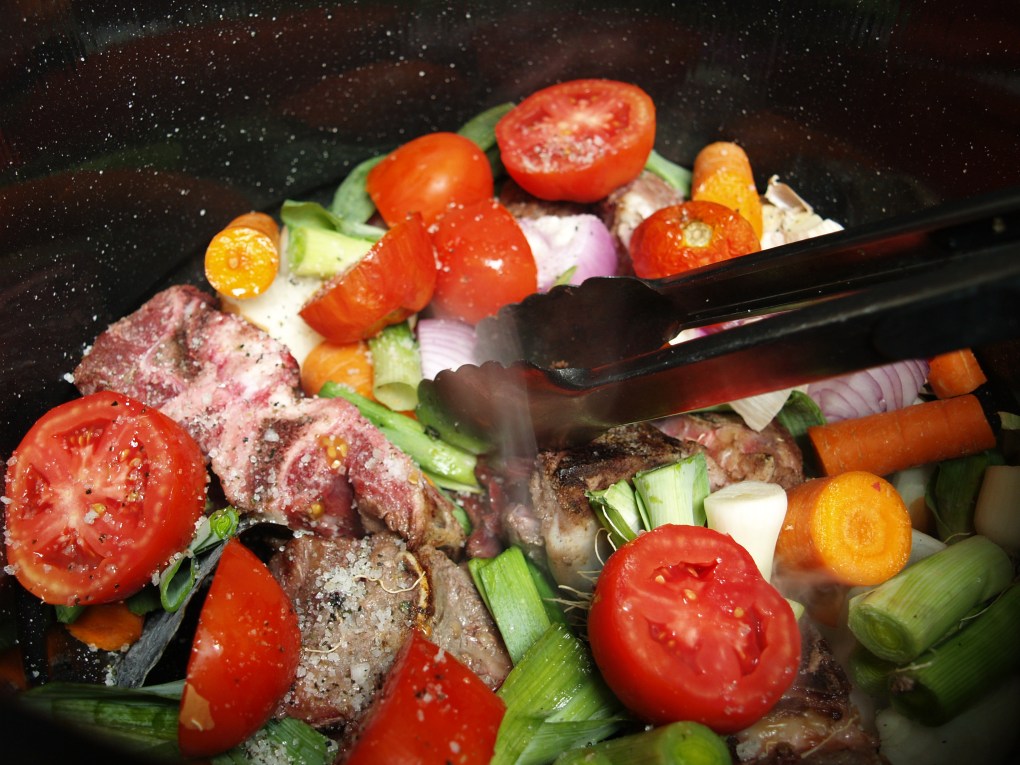
Place bones and odd bits in heavy stock pot – enamel coated cast iron or stainless steel are best.  Saute on low heat to brown on all sides (about 30 minutes).  Add vegetables, vinegar and water.  Bring to a boil.  Cover, reduce to simmer and cook for 12 to 24 hours.  If necessary, add more water to cover the bones.

While it is cooking, check it periodically, skim off anything with a spoon that rises to the surface.

Strain.  Discard bones and compost vegetables.

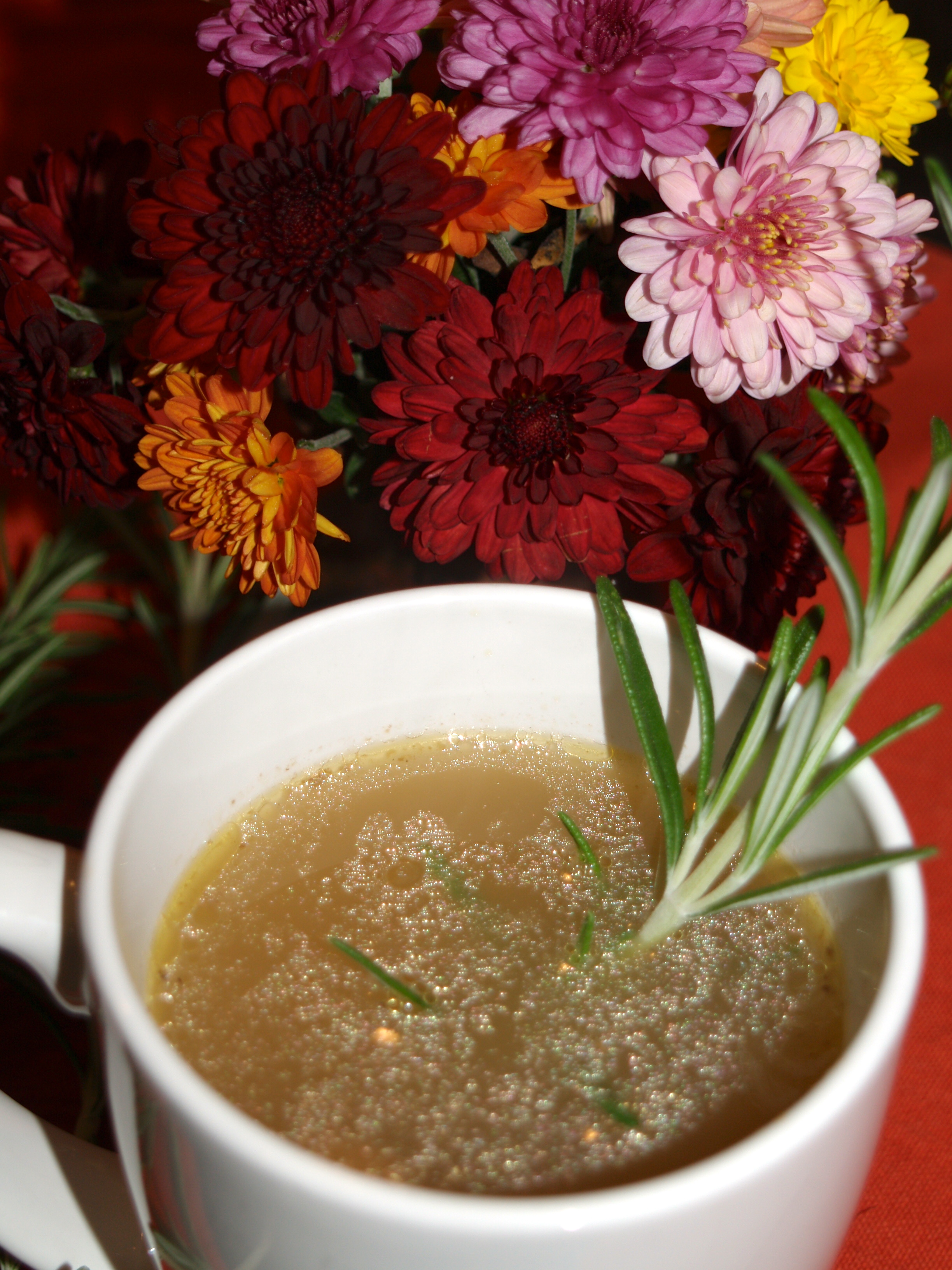
This stock is the base for many wonderful soups.

OLYMPUS DIGITAL CAMERA


harmony of the harvest

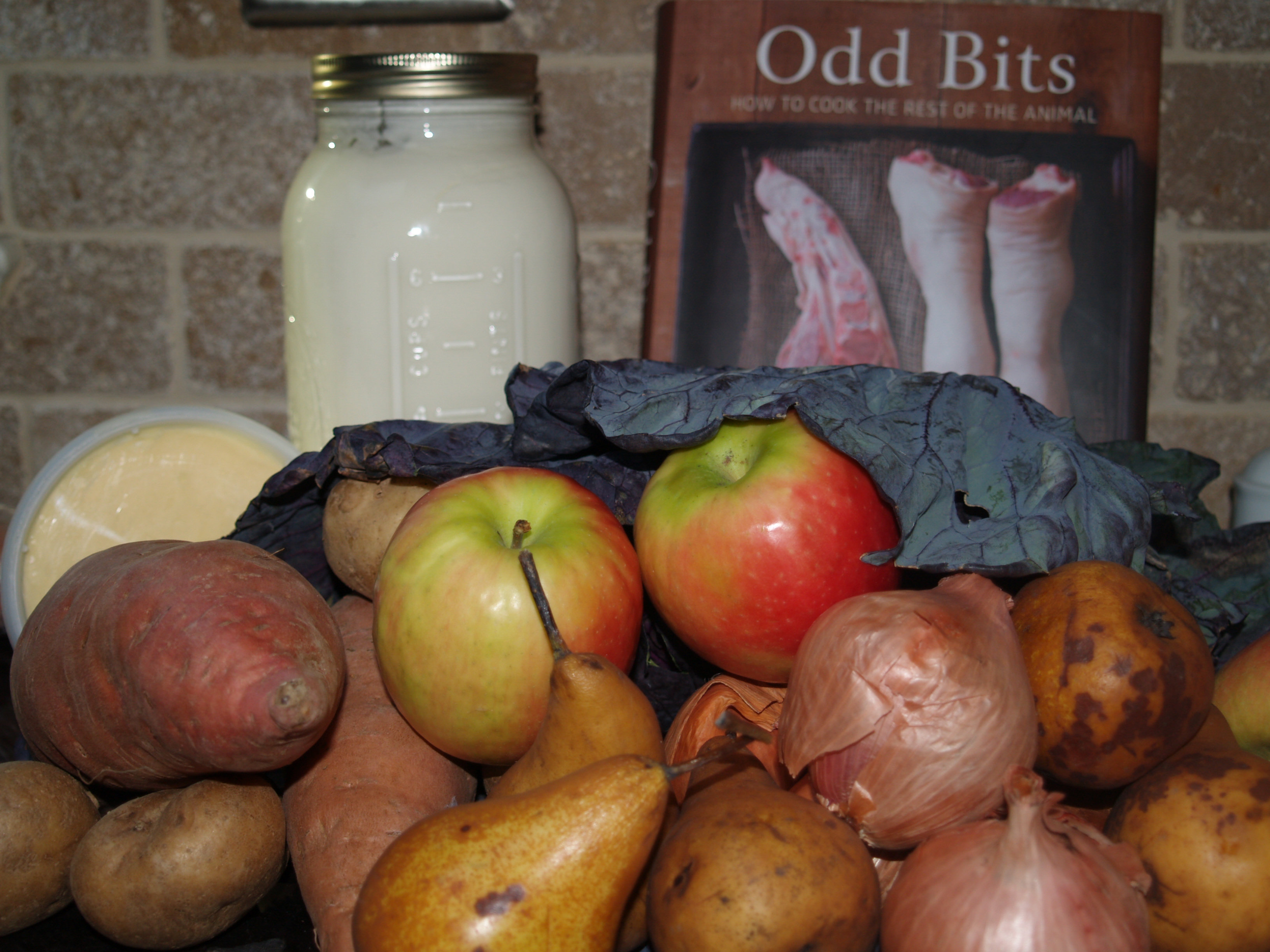
Eating with a conscience – stewardship eating – puts one between the industrial food chain, and the pastoral one.  Local heritage foods, in season, are surprisingly not always easy to come by.  Unfortunately, there exists also the misperception that it’s more expensive to eat this way, but it’s actually not .

Over time, within the industrial food web, somehow we lose our connection and appreciation to the goodness and diversity of creation, the fruits of our local land and in some ways, even our connectedness to the seasons.  What’s local right now in Virginia, is not what is local right now in California – and that is a very good thing!  Our bodies are linked with our environment, and therefore what is growing here locally provides me the local nutrients that my body needs and craves for the current season surrounding us.

In the winter we crave hearty soups and stews with root vegetables which provide rich nourishment for the winter chill.  However, with the beginnings of spring and the emergence of the first tender shoots of asparagus and lettuces, nature offers us the very foods which will cleanse our bodies from the winter bulk.  There is a wonderful synergy within the local environment but in our modern world an effort to make the connection, one that should be so natural, is required.

OLYMPUS DIGITAL CAMERA

It’s interesting that this local food movement is often called an alternative approach to eating, but those who eat local and seasonal are truly not pioneers, radical or attempting anything new.  It’s a return to traditional whole foods-the ones God created; grown humanely and sustainably, the way they were intended-and then trusting that they are good!  There’s a harmony in the local food chain, a harmony that the industrial one erodes.  Enjoy it for only a little while and the abnormality of eating ingredients, discovered and then isolated in a science lab ~ ingredients difficult to spell or pronounce ~ makes one pause.  If you can’t pronounce it, can you be sure your body knows what to do with it?

True, it can become difficult to find local foods in the winter – but the search can be fun!  In a fast paced city, local food helps us slow down in a way that brings the beauty of the local environment into view which our busyness blurs.  Will you find local olive oil in Virginia, probably not.  Thomas Jefferson tried to find a variety that would do well and was unsuccessful.  There are  also times your kids want to make fresh squeezed orange juice and those will never be local where you reside – so of course you make exceptions, because you want your family to enjoy the practice and those treats also give them a greater appreciation for what’s on the table and the reminder that our daily bread is always a blessing from the Lord.