


+
As with the appearance of light, darkness retreats; so at the franfrancd of humility, all anger and bitterness retreats.
+
Saint John Climacus
step 8 : the ladder of divine ascent: step 6

+
As with the appearance of light, darkness retreats; so at the franfrancd of humility, all anger and bitterness retreats.
+
Saint John Climacus
step 8 : the ladder of divine ascent: step 6

Brethren, let us nourish our souls with Christ, that our souls may be alive and healthy. Let us continually nourish our minds with Christ’s thoughts, that our minds might be enlightened and clear.
Let us continually nourish our hearts with the love of Christ, that our heart might be full and joyful.
February 28

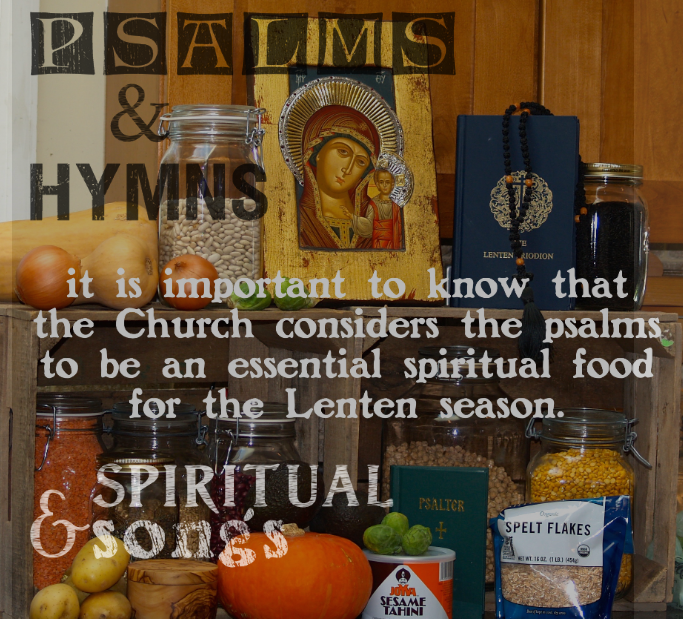
“it is important to know that the Church considers
the psalms to be an essential spiritual food
for the Lenten season”
Great Lent: A School of Repentance Its Meaning for Orthodox Christians
“…no soul can exist without God, without His Son,
without His Spirit. God is my being, my breath,
my light, my strength, my drink, my food.
He carries me as a mother
carries her infant in her arms.
More than this. Carrying me, my soul and body,
He dwells in me, and is united to me.”
My Life in Christ
This post is dedicated to Libby, a wonderful woman who has
been inspiring and organizing the Psalter Prayer Group
with an amazing group of women, for the last ten some years.
Wishing everyone a blessed and spiritually profitable Lent!

~


Saint Issac of Syria


“But unless humility, simplicity, and goodness adorn our lives, and are associated with prayer, the mere formality of prayer will avail us nothing. And this I say, not of prayer only, but of every other outward exercise or labor undertaken with a notion of virtue.” —Saint Macarius
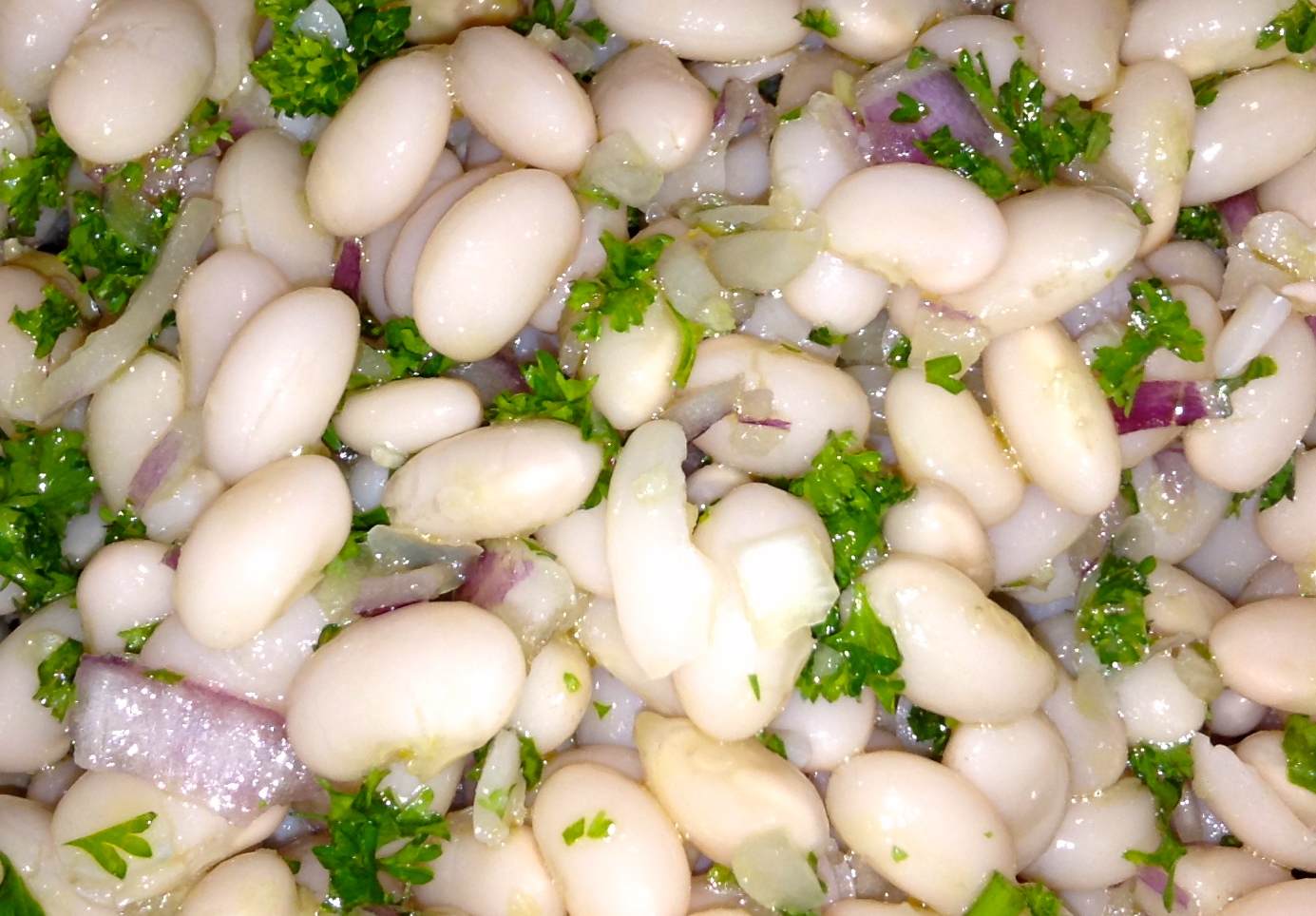
Lenten menus tend to feature beans…. lots and lots of beans.
We have two favorite local Greek restaurants, The Plaka and Nostos. For any locals, this dish is inspired by our local Greek Restaurant in Tyson’s…. Nostos which has a wonderful menu with some very traditional dishes, way beyond gyros and souvlaki. The recipe below is modified from the one found in Foods of the Greek Islands, by Aglaia Kremezi, which is more of a salad with a dijon mayonnaise base than this version.
In every recipe in which you use dried beans, take the time to soak them- either in plain water or even better, with a tablespoon of apple cider vinegar added to the the beans and water. That this is similar to the traditional methods your grandmother or great-grandmother might have done. They knew a thing or two about cooking and those traditions, well…they lend to maximum digestibility and nutrition.
Traditional peoples whose cuisines were based on legumes prepared them with great care. Beans are soaked for long periods before they are cooked – some varieties in acidic water and some in neutral or slightly alkaline water. The soaking water is poured off, the beans are rinsed. As the beans cook, all foam that rises to the top of the water is skimmed off. Such care and preparation in cooking ensures that the beans will be thoroughly digestible and all the nutrients they provide well assimilated, because such careful preparation neutralizes phytic acid and enzyme inhibitors and breaks down complex-sugars. (Nourishing Traditions)
How did they know this without nutrition fact panels? One reason might be that at that time their food supply had not become so laden with toxic and artificial chemical ingredients and sugars – so our ancestors actually knew how foods made them feel on a more subtle level than do we. They had a cleaner more pure food supply, so their bodies – not having the daily nutritional noise and non or even anti-nutrition -coursing through them -knew when something didn’t sit right. We, on the other hand, are fairly used to not feeling nourished, so it just goes unnoticed.
Soaking also allows the beans to be more agreeable in other ways (if you get my drift!) because it helps break down some of the more complex sugars which are gas causing.
Especially for those larger kidney, northern whites, chickpeas and black eyed peas, a good soak is in order. Soaking your beans does the beans and yourself a favor. First of all, dried beans are a fraction of the price of those canned, so in big families this is a budgetary boon. Further – the soaking neutralizes phytates and enzyme inhibitors that bind the nutrition of the bean, such that we can not absorb it… in some cases, large amounts of phytates can bind to the minerals in the rest of our meal and making them unavailable.
One other note- canned beans do not offer the same benefits as soaking. Canned beans are high in sodium are canned under very high pressures. This does not neutralize phytates and the danger is that such processing denatures proteins and other nutrients at the same time. We do use canned beans in a pinch, but sparingly.
2 cups dried white beans (great northern work well), soaked over night and drained
1/2 cup finely diced shallots, red onion or spring onions
1/3 cup chopped flat leaf parsely
1 garlic clove minced
3-4 tablespoons lemon juice
salt and pepper to taste
optional: 1/4 cup olive oil
Place beans in large pot with cold water covering them by 2-3 inches. Bring to a boil, reduce heat to low and simmer for about one hour or until tender.
Combine the beans and remaining ingredients in a large bowl. Stir well and let sit for the flavors to combine (about 1 hour).
Serve as a side dish to your favorite meal.
“Let Thy food be Thy medicine and let Thy medicine be Thy food.” Hippocrates
This is a quote used widely within the circles of holistic nutrition… indeed in our quest for health nutrition has practically become a religion unto itself. Many will change their diets and fast for outward physical health to an extreme, but what about spiritual health?
For Orthodox Christians, the Great Fast of the Church is upon us.
Already, these last weeks in Church we have been preparing for Lent, slowly giving up meat and this week we partake of our last bits of dairy. These weeks of preparation culminate this Sunday, when Orthodox Christians around the world will voluntarily deprive themselves of meat, eggs and dairy for the next forty days as we make the Lenten journey.
In fact, the very first act of the Fast and the ushering of Great Lent is the Sunday of Forgiveness – a time where we genuinely seek mutual reconciliation with our brothers and sisters. “For He then who hates his brother is separated from God, since God is Love.” (Saint John of Karpathos)
Great Lent is a struggle and also a holistic journey of healing and rejuvenation. Each fasts to the best of their ability, age, physical health and medical circumstance in accordance with their Priest or Spiritual Father. We struggle in abstinence from foods, but perhaps the greater struggle is to forgive or find humility or to reconcile, to love and to pray.
It’s counterintuitive, but the Lenten dietary restrictions actually take the focus off of what we’re eating so that we might flesh out what’s eating us – and our relationships – with God and one another.
The Fast is not about eating perfectly but is rather the salt of devotion and the quest for closeness to God. There are some who would say that this seasonal deprivation of certain foods is mindless or ritual, but to them the question, where is the ritual in the heart seeking God?
Others call Fasting a tool and that is true. It’s the anaphoric lever – lifting our hearts to God, Who is Love.
We eat less but are enriched and fortified with the spiritual nourishment of greater alms giving – love for our neighbor through charity and goodness; prayer; watchfulness and greater attendance at the services of the Fast. All of that is not to be taken lightly.
Fasting is joy, dependence on God, who is Life ~ and our thankfulness to Him, for all things. It is eating to live rather than living to eat.
…because He first loved us. Lent is a spiritual movement. An interior progression – becoming closer, rekindling and renewing our relationship with God or perhaps even discovering it for the first time. This kinetic cooperation, our movement in Christ, spans the whole of our lives and is about the heart.
In that sense, the Fast is about the Greatest Commandment – to love God above all and love our neighbor as ourselves.
We fast for the Resurrection and the Life of the age to come!
Wishing us all a joyous and profitable Lent.

† The Lenten Prayer of Saint Ephraim the Syrian †
“Lord and Master of my life,take away from me the spirit of idleness, of despondency, of ambition and of unprofitable words. But give to me, Thy servant, the spirit of chastity, humility, of patience and of love. Teach me O Lord, to see mine own faults, and not to judge my brother. For Thou art blessed unto ages and ages. Amen”
† Saint Silouan – Wisdom from Mount Athos ~ On Love †
The man who knows the delight and love of God – when warmed by grace, loves both God and her brother – knows in part that ‘the kingdom of God is within us.’ Blessed is the soul that loves her brother, for our brother is our life.”
† Prayer of the Optina Elders †
Grant unto me, my Lord, that with peace of mind I may face all that this new day is to bring. Grant unto me Grace to surrender myself completely to Thy Holy Will. For every hour of this day instruct and prepare me in all things. Whatsoever tidings I may receive during the day, do Thou teach me to accept tranquilly, in the firm conviction that all eventualities fulfill Thy Holy Will. Govern Thou my feelings and thoughts in all I do and say. When unforeseen things occur, let me not forget that all cometh from Thee. Teach me to behave sincerely and reasonably toward every member of my family, that I may bring them no confusion or sorrow. Bestow upon me, my Lord, strength to endure the fatigue of the day, and to bear my part in all it’s passing events. Guide Thou my will and teach me to pray, to believe, to hope, to suffer and to love. Amen.
Papou’s Lentils ~ Soup for the Soul
This is a Lenten Staple…
Ingredients
- 1/2 pound dried lentils – soaked over night in water
- 1 onion chopped fine
- 2 cloves garlic chopped fine
- 1 small can tomato sauce, or 3 tsp tomato paste
- salt and pepper to taste
- 4 tablespoons apple cider vinegar
- 2 tablespoons flour
- 7 cups water
The night before, place lentils in a bowl and fill with water three inches above the lentils. Let stand overnight. (You know, just like our grandmothers did… this breaks down some of the less digestible starches in the lentils and therefore provides greater nutrient availability at mealtime. It also reduces gas!)
Place lentils and all ingredients (except vinegar and flour) in large stock pot. Cover and bring to slow boil over medium heat. Reduce heat and simmer for 1 and a half hours. In small bowl mix flour and vinegar until no chunks of flour remain. Stir into soup and cook for 10 more minutes. Salt and pepper to taste.
Serve with toasted bread and a green side salad – with lemon or orange juice dressing!
Resources:
The Lenten Triodion, Introduction
Manley, J. (1990). The Bible and the Holy Fathers for Orthodox: daily scripture readings and commentary for Orthodox Christians. Menlo Park, Calif.: Monastery Books. (pages 680 and 690)
“Prayer is to approach everything made by God with love.”
“I enjoyed the garden. I bought a hand held cultivator to prepare the ground as well as possible. The garden had everything: tomatoes, aubergines, pumpkins, onions, garlic and so on. My great love was for the trees. I was filled with joy to look at them. I planted four hundred trees: walnut trees, plum trees, pear trees, apple trees, peach trees, almond trees, hazelnut trees, medlar trees and pomegranate trees. I loved the work. I always said and still say: “Work as if you were immortal, and live as if you were on the point of death. That is, plant walnut trees, fig trees and olive trees, even if you are ninety years old!”
“Love Christ and put nothing before His Love. He is joy, He is life, He is light. Christ is Everything. He is the ultimate desire, He is everything. Everything beautiful is in Christ.”

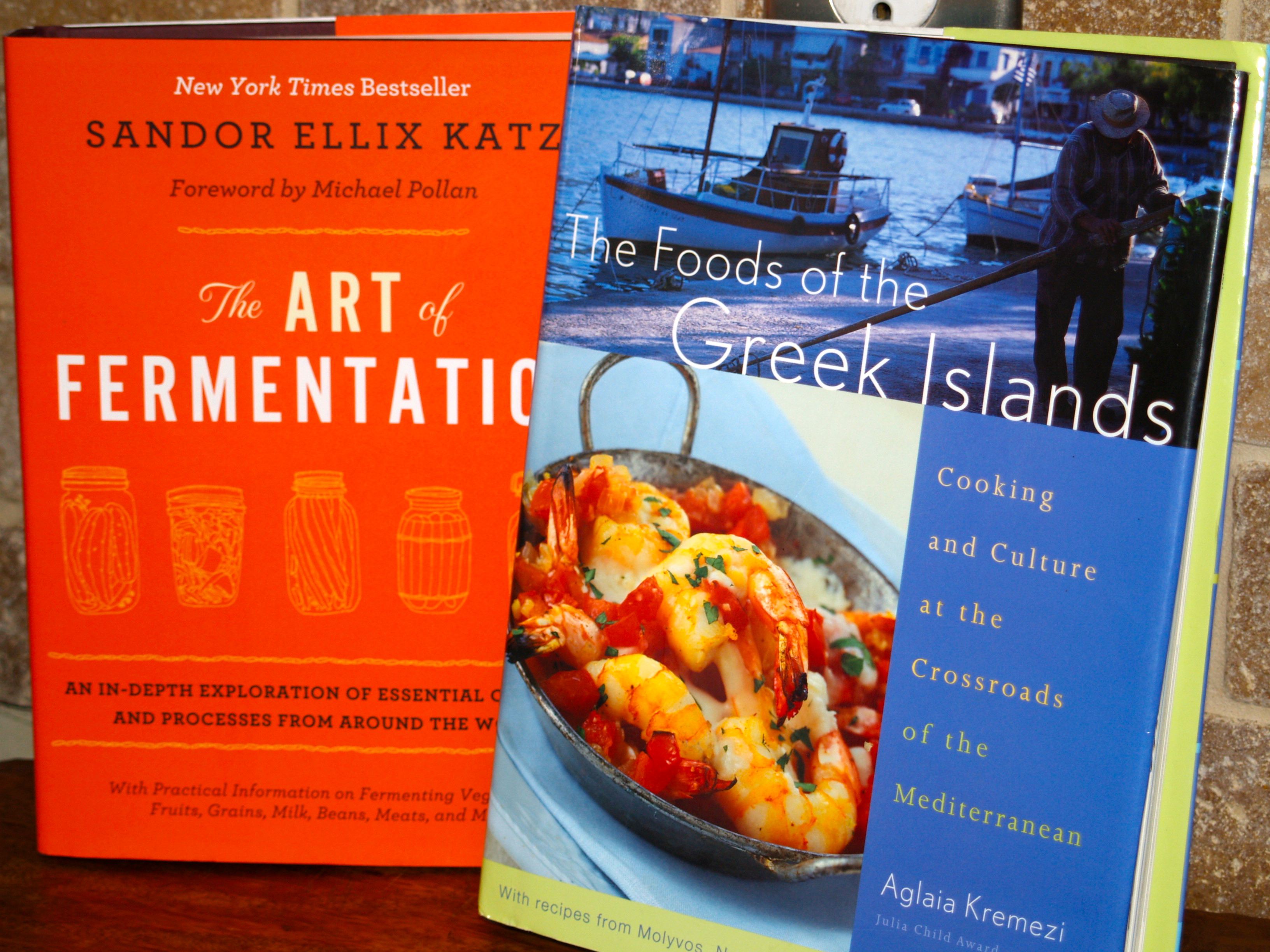
The inspiration of this post is the intersection
of two books currently actively used in our kitchen :
The Foods of the Greek Islands – Algaia Kremezi
and The Art of Fermentation – Sandor Ellix Katz
sour·dough – (noun) leaven for making bread, consisting of sour fermented dough, typically that left over from a previous batch
“The hunger for love is much more difficult to remove than the hunger for bread.” – Mother Teresa
In the beginning, all risen breads were sourdough. Bread was a great mystery but the women knew that if they blended warm water, flour and time, then nurtured the mixture through regular feeding, that eventually the dough would become alive, bubbles would form mysteriously in the mixture and when it was baked the texture would be lighter with an intriguing taste. Commercial “fast acting” strains of yeast were unavailable and so the only leaven was the natural product of the fermentation of wild yeast and bacteria, which transformed into a sourdough. The Latin fermentāre means to rise.
As often happens, the first fermentation of sourdough likely occurred by chance. How many of you would think to bake (or brew into beer) the accidental fermentation of grain, left unattended, souring on your kitchen counter? In this day and age, probably not many of us, including me – especially considering how germophobic we are… we’d rather not deal with the naturally present bacteria on any surface!
But fermentation is an age old method of preservation, that involves cooperation with a community of microbes we can not even see. And that cooperation enhances the nutritional quality of the foods fermented. It was a surprise for us to learn that a natural sourdough will not mold, instead, due to the lactic acid (this wonderful preservative produced in the sourdough) it keeps longer than commercial bread. Sourdough breads are also what is known as predigested, and therefore easier on our digestive systems, reducing gluten content and allowing absorption of more nutrients.
The organisms necessary for fermentation are usually always present on the surfaces of grain and flour. Unlike commerical strains of yeast, which are similar or the same, sourdoughs cultivated by people in different places can be very distinctive, such as San Francisco sourdoughs.
Our planet was created with great diversity and that’s the beauty of a sourdough – that you can’t pick and choose your naturally present wild yeast. Although all healthy sourdoughs contain lactobacilli and the lactic acid produced by it, each sourdough starter is essentially very unique. Natural sourdoughs are not static microbial communities Instead they are very dynamic. More than that….they become their environment and so, if you begin a sourdough starter it it will develop unique flavor characteristic to whatever yeasts are present in your air and your flour.
Patience is a virtue. A sourdough starter takes days if not a week to mature to the point that it may be used in baking… and there is no such thing as fast acting or fast rising prozymi or starter A sourdough bread rises anywhere from 8 to 24 hours, depending on your recipe and the conditions.
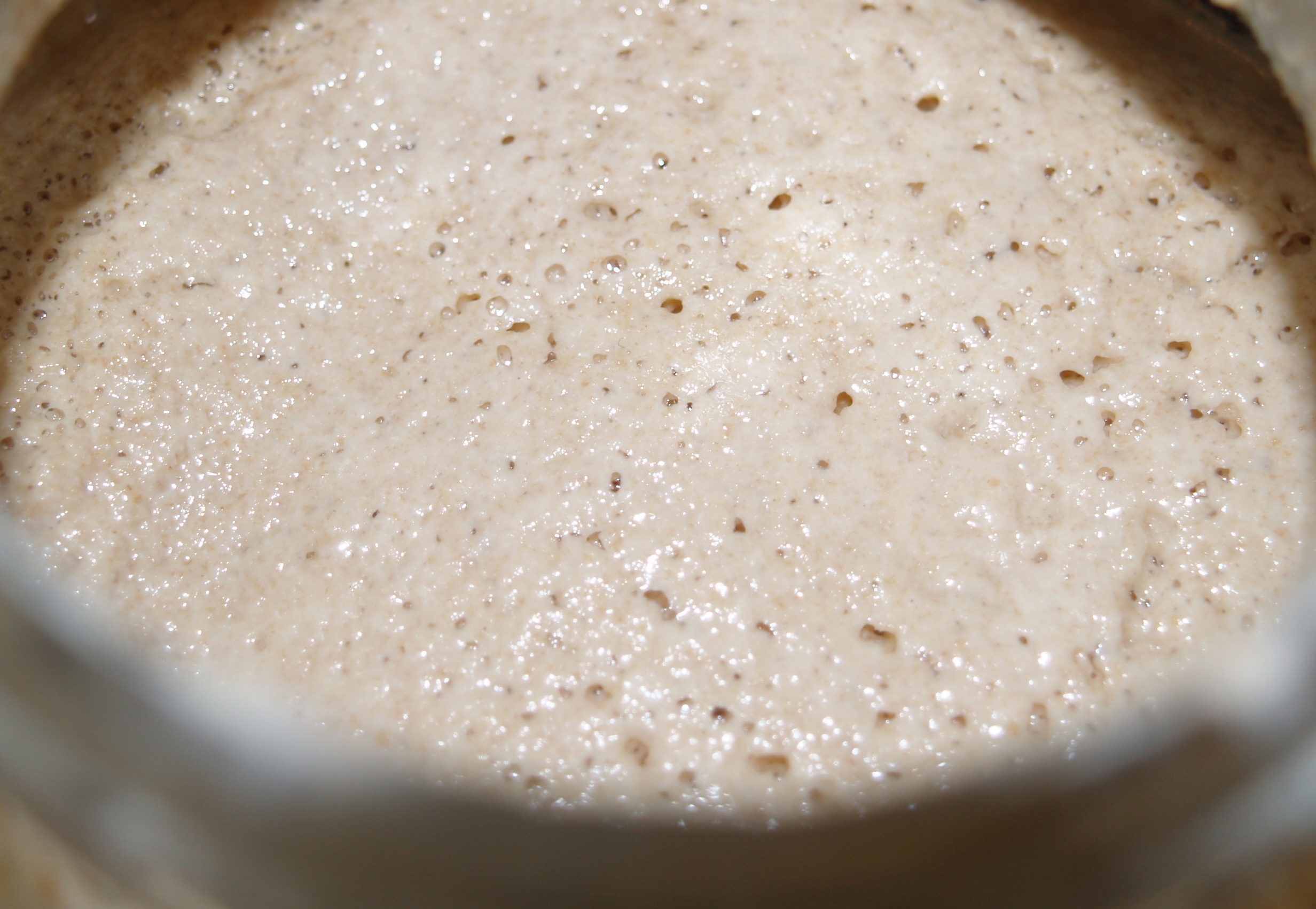
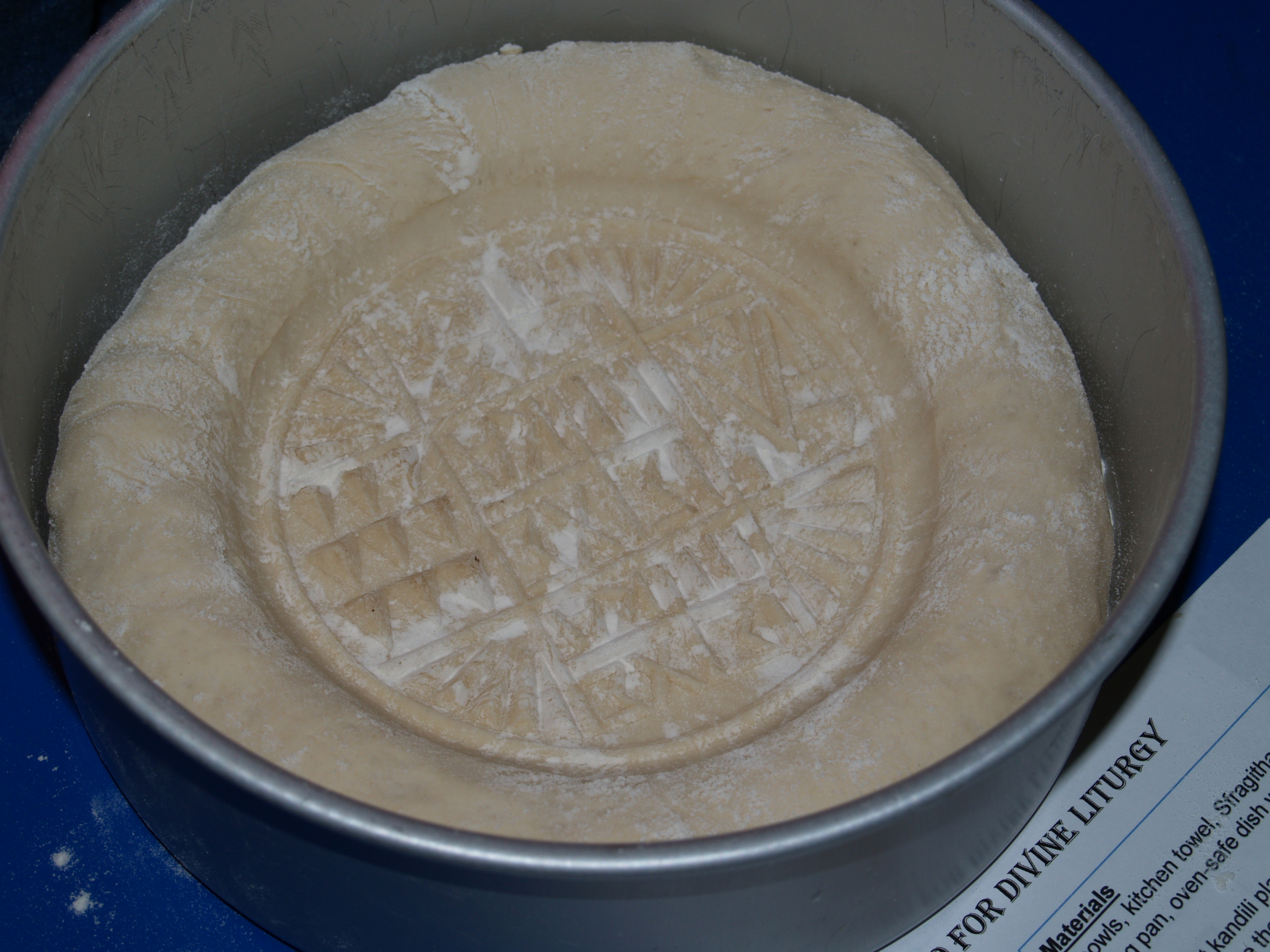
Traditionally, Greek Orthodox women make their sourdough starter around the Feast of the Elevation of the Cross, celebrated on September 14. The starter is called prozymi. In many Orthodox Churches, fresh basil is used to sprinkle Holy Water, a sprig of which is taken home and placed in the prozymi. If the prozymi is started around Pascha (Easter) then the mixture contains a handful of the flowers used to decorate the Epitaphios. This sourdough starter is then used for baking Prosphora – an offering – the bread we make for Communion.
“Concepts create idols, only wonder grasps anything.” Saint Gregory of Nyssa
It’s been said that the elderly Orthodox women in Greece, if asked, will tell you that the transformation of the flour, water and basil or flowers into the prozymi occurs by Gods Grace alone, and well, that is entirely true… for that is our belief ~ that all life is a gift and sustained from a loving God.
These women are grounded in Christ – living within the seasonal rhythm of the Church, anchored but always anticipating the upcoming feasts and living and incorporating the faith into daily life.
Give us this day our daily bread. Laboring a sourdough, this wild yeast fermentation of the prozymi becomes an endeavor of trust and of creation – fashioned through a relationship with God. This becomes our offering- the prosphora – A simple, humbling endeavor, to place God above all, offering up our whole lives to Him.
And all that inspired us to incorporate prozymi into our family traditions too and so we’ve coincided our sour dough starter with the Elevation of the Cross.
Happy Feast!
Below is is a Basic Sourdough / Prozymi Starter
There are slight variations in every sourdough recipe, some call for rye flour, some call for adding a piece of fruit, like a plum or grape which has a little hint of white film -which is yeast and called the bloom, and others – like the Orthodox tradition call for adding our blessings from Church.
Timeframe about 1 week Ingredients
[box] Flour (any kind) water – non chlorinated
fresh basil, fresh organic plum or grapes (optional)
In a jar or bowl mix 2 cups of water and flour. Stir mixture vigorously. Add basil or fruit if using. Cover the mixture with a cheesecloth or any other porous material that lets the air circulate.
Store batter in a warm place in the 70-80 degree range. Visit the batter daily and stir it to distribute the yeast. After a few days you will notice some bubbles on the surface of the batter. The yeast is letting you know it is active.
Remember, your home is it’s own ecosystem. Every ecosystem has its own unique micro-organism communities – the ecosystem in your home plays a role in how slowly or quickly your batter will germinate. Once yeast activity is evident, strain out the fruit.
Add 1 or 2 tablespoons of flour to the mixture each day for three days. The batter will begin to thicken and rise. Add more water when necessary. By about day five your starter should be bubbly. With a clean spoon, remove about half the sourdough starter, if you compost you can throw it in your bin.
Stir in 1/2 cup flour and about 1/4 cup water. You now should have an active starter – cover it and leave it at room temperature until it has almost doubled. You can now expand the starter for baking bread or refrigerate it overnight and start expanding the next day. [/box]
If your are looking for some recipes to use with your starter, this is a great resource. And, if you are thinking to bake phosphoro for Church a very well detailed recipe can be found here, on OrthodoxMom.com . What a beautiful post!
 gladsomelife.com