
We must not look for people’s consolation,
but for God’s
+
Saint Paisios of Mount Athos
We must not look for people’s consolation,
but for God’s
+
Saint Paisios of Mount Athos

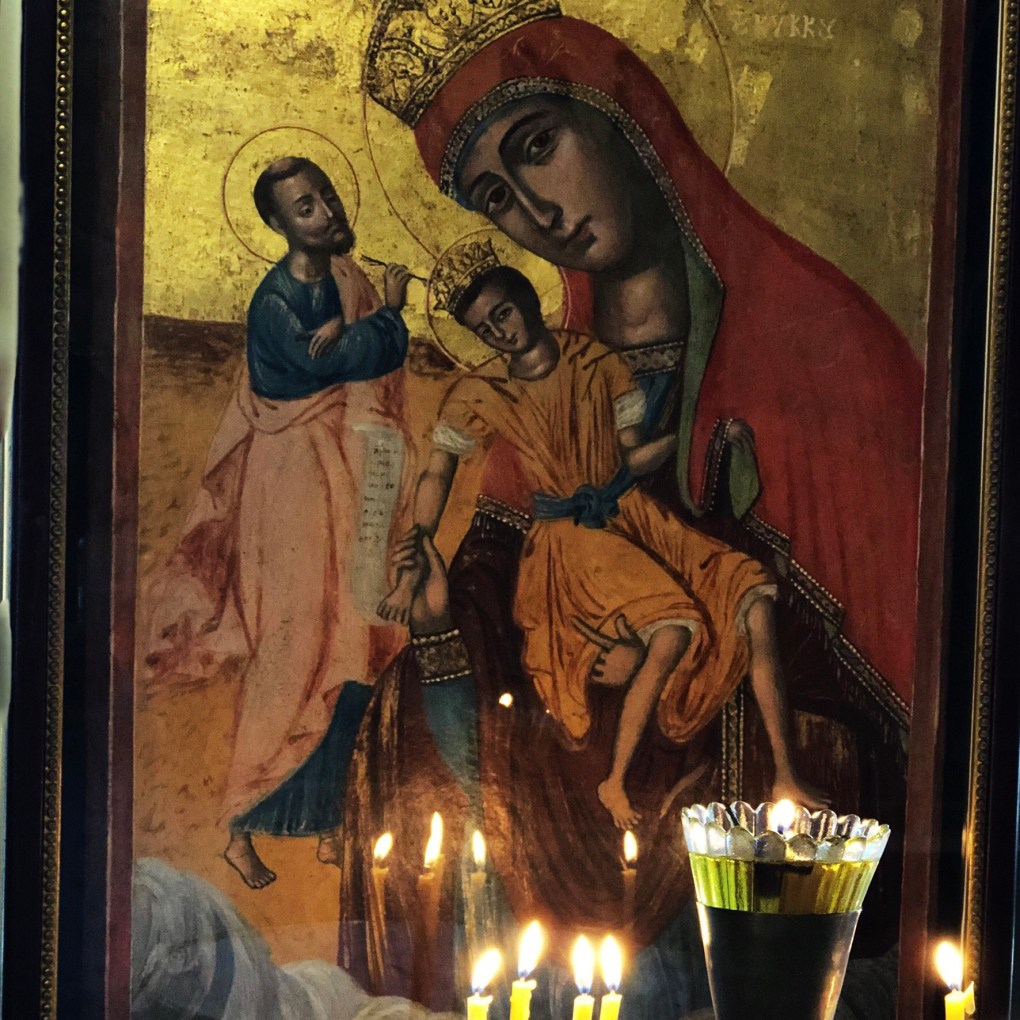
Icon of Saint Genevieve of Paris and Saint Simeon the Stylite :: photo taken in Church of Saint Etienne-du-Mont
Troparion of Saint Genevieve
+ + +
O Shepherdess who guardest the sheep at Nanterre against the horde of wolves and the Scourge of God,
thou dost protect the city of the Parisians.
O St Genevieve, do not forget to guard thy spiritual sheep even now,
from heaven where thou livest after death.
On January 3rd, the Orthodox Church commemorates Saint Genevieve. Saint Genevieve of Paris, a delicate young woman, whose fasting, vibrant inviolable faith and hopeful prayers, halted the invasion of barbarian Atilla the Hun into Paris is the patron Saint of that beautiful city.
In venerating Saint Genevieve of Paris, we also remember two other beloved Saints of the Orthodox Church, Saint Simeon the Stylite and Saint John Maximovitch.
Why Saint Simeon the Stylite? Saint Simeon the Stylite was one of the most exceptional eastern orthodox monks of that time, and out of all the theologians and clergy in France, he sent a shout-out from his pillar in Syria to an otherwise lowly and unknown humble young woman – who had sought his blessing. This is why in some icons he stands next to her – and East encounters West.
Saint John Maximovitch, because as Archbishop of Western Europe in the early 1950s, he was deeply interested in learning about and venerating the pre-schism Saints of the region. He was the first Orthodox Hierarch to encourage the veneration of these local Saints in Western Europe and introduced her to the Russian people living in France at that time.
Saint John Maximovitch said that it contradicts our Orthodox spirituality to only appeal to the saints of Russia or Greece, especially for second and third generations of immigrants to a new country. Saint John felt that it was essential to live with the grace of the land, as well as the grace of the universal Church, believing in God’s providence, and honor the Saints that God has placed there.
“The Life of St. Genevieve was printed in the Journal of the Moscow Patriarchate in 1954 or 1955, and she was the first spiritual door for Russians into the veneration of western saints. We had had earlier Orthodox church theologians in the West who knew of her, but their message had not been received by the émigrés…
+++
When we read the lives of western saints of the 16th, 17th and 18th centuries, their lives and ascesis often seem strange to the Orthodox mind; but when you read the life of St. Genevieve, you see clearly that she is one of us. The first moleben to be served before a previously unrecognized western saint was done before her relics in early 1941. Now it is an annual tradition that on the first Sunday after January 3, her feast-day, the Orthodox have a joint moleben for her feast.(1)

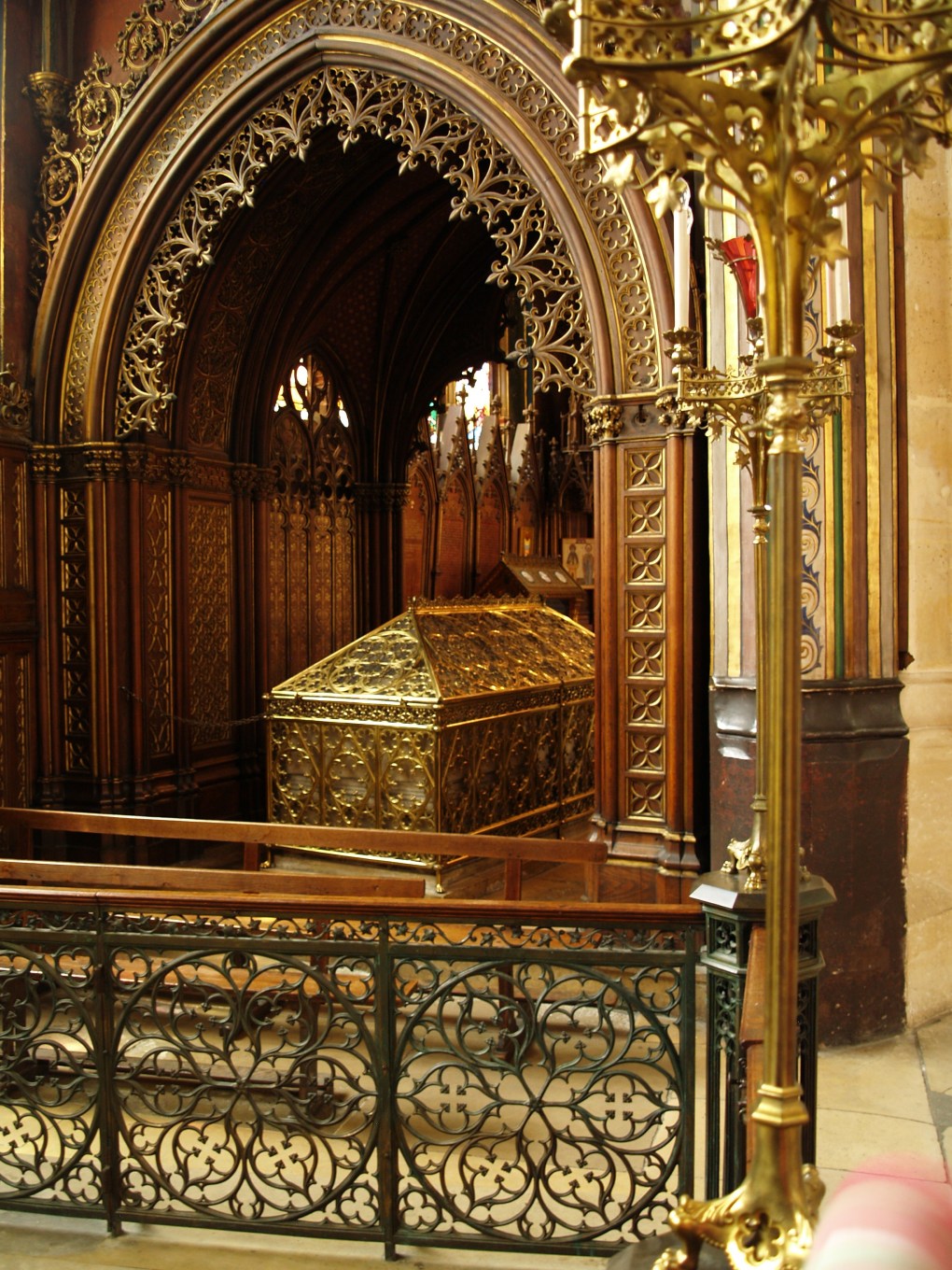
Relics of Saint Genevieve of Paris. Photo taken in the Church of Saint Etienne-du-Mont
Resources
A CITY OF SAINTS : Road to Emmaus Vol. VII, No. 2 (#25)
You 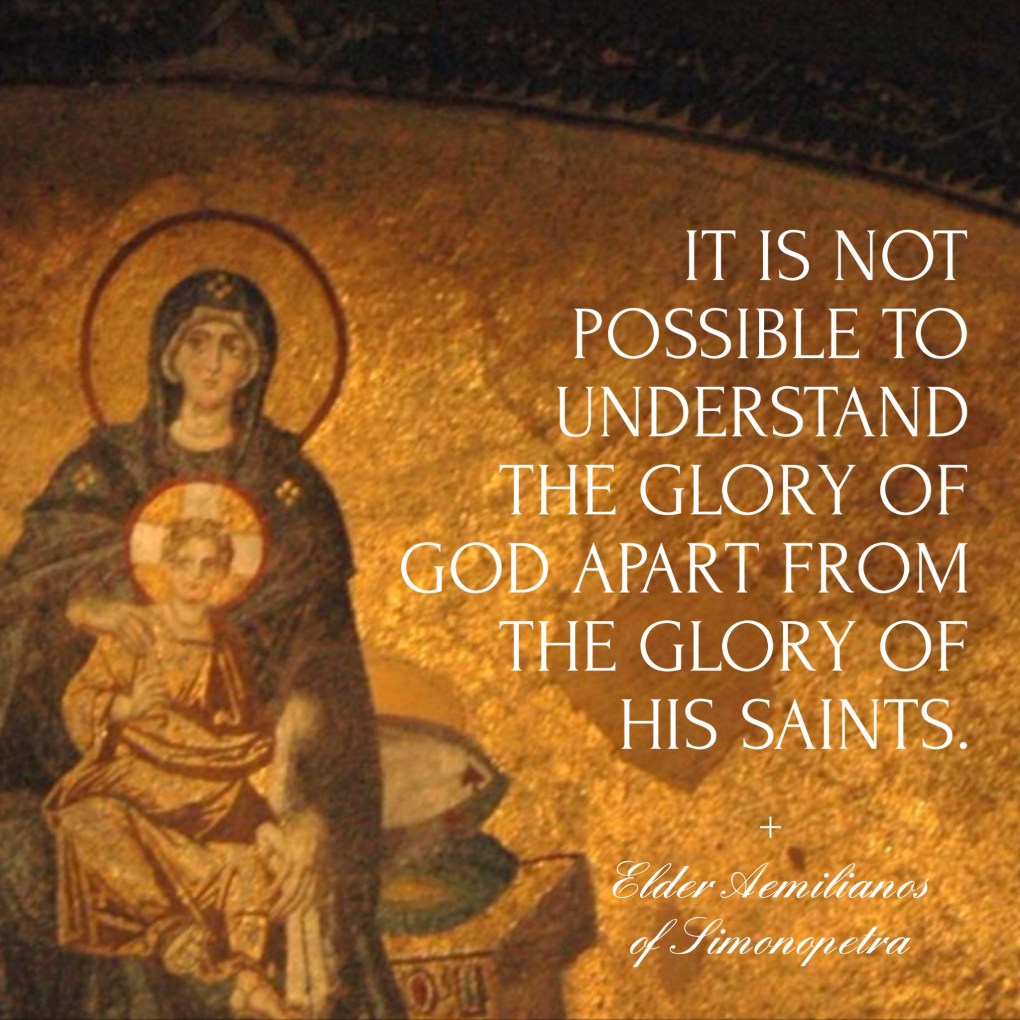
The word saints means holy ones and reminds us not only of the saints but also of God’s holy angels. Like the angels the saints reveal the divinity of God
+
The power, holiness and love of God are manifested in the splendor of the saints. Every Saint in his or her own way, reveals Christ. Every saint increases and augments the glory of Christ
+
It is not possible to understand the glory of Christ apart from the glory of His saints
+ elder Aemilianos of Simonopetra
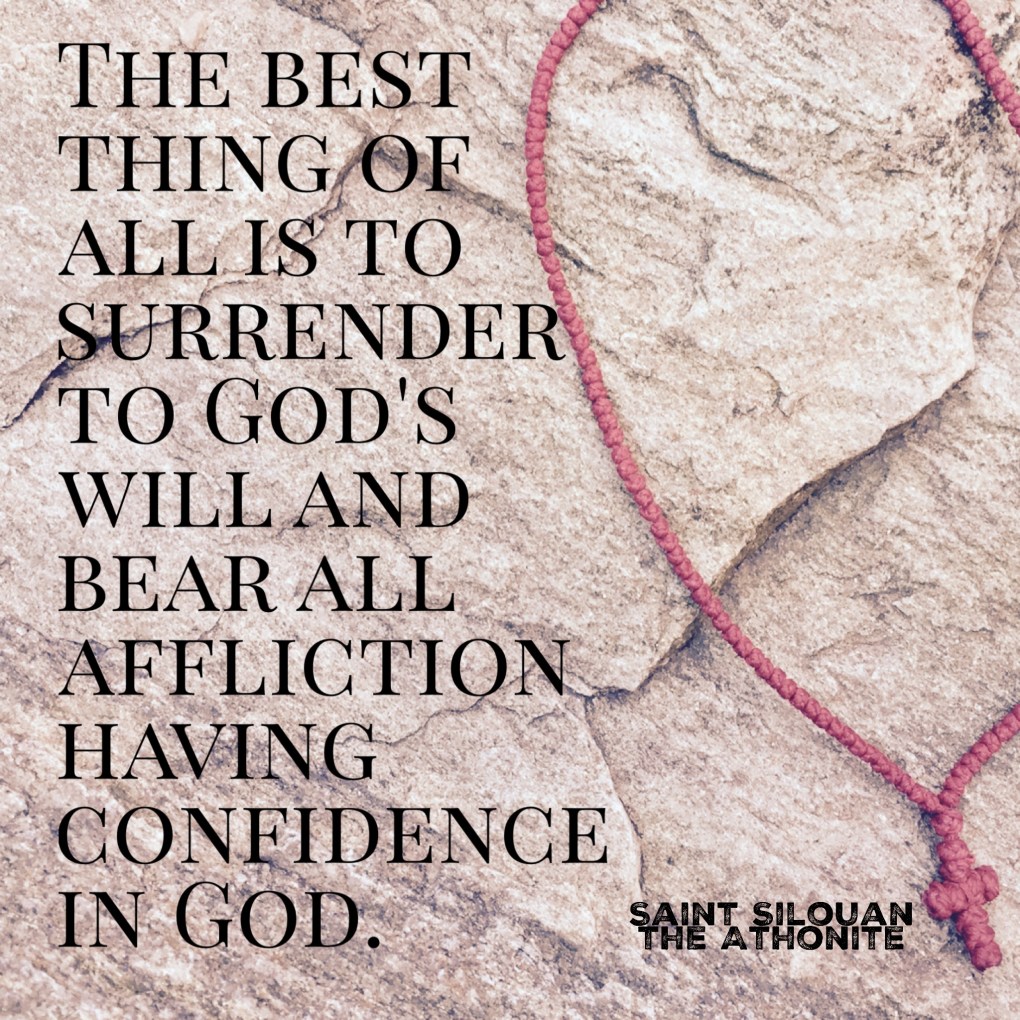
The best thing of all is to surrender to God’s Will and bear all affliction having confidence in God
+Saint Silouan the Athonite
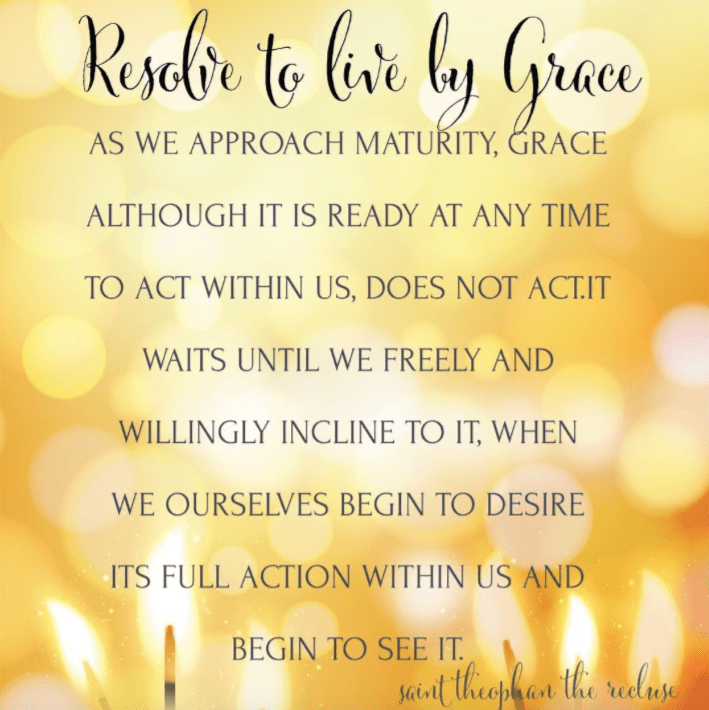
As we approach maturity, Grace, although it is ready at any time to act within us, does not act.
It waits until freely and willingly incline to it, when we ourselves begin to desire its full action within us and begin to see it.
+
Saint Theophan the Recluse

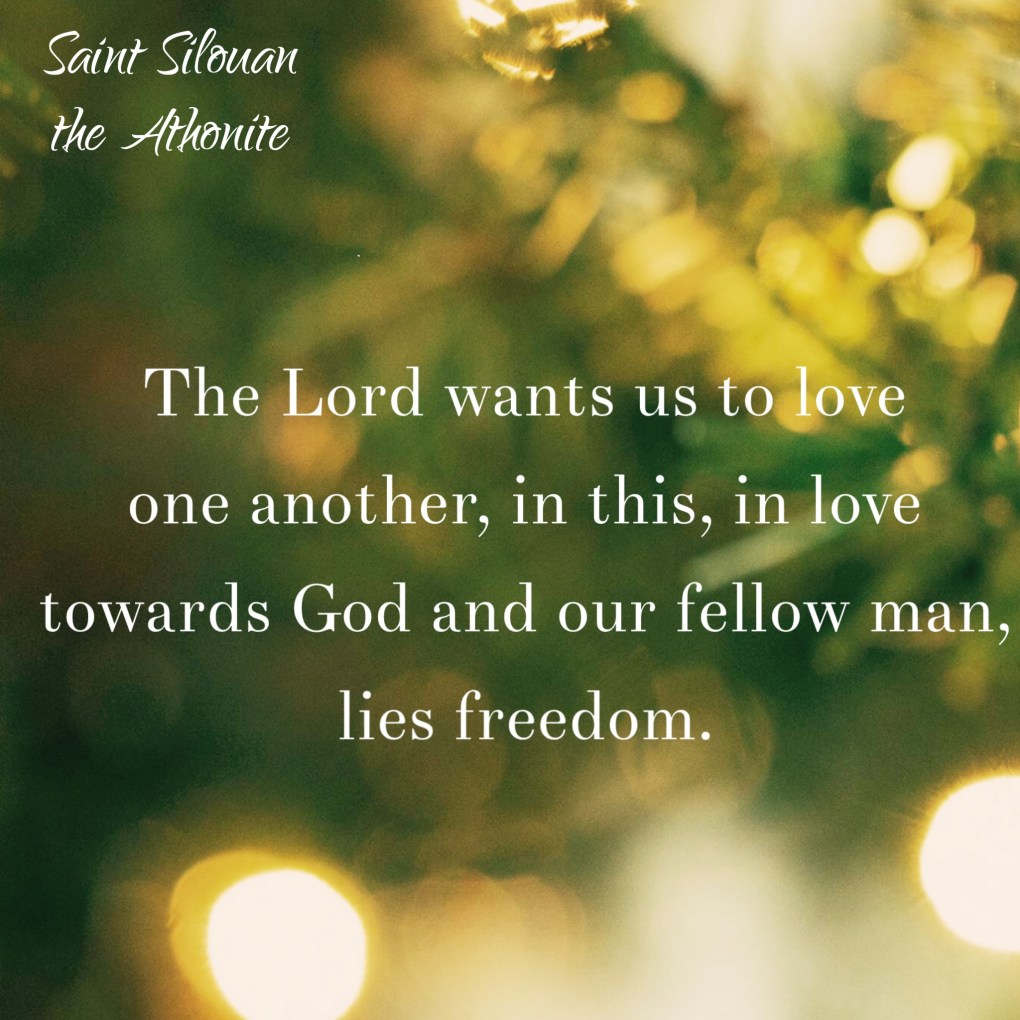
The Lord wants us to love one another, in this, in love, towards God and our fellow man, lies freedom.
Saint Silouan the Athonite
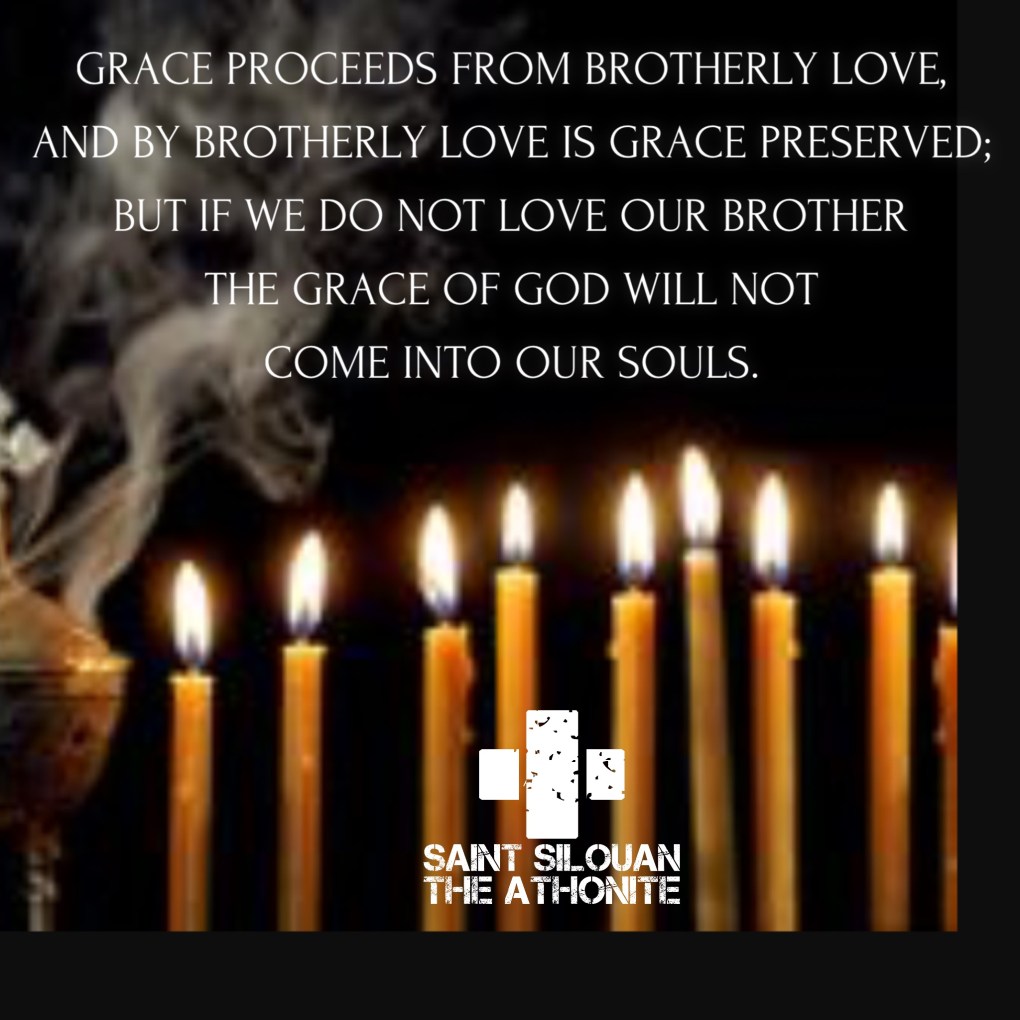
Grace proceeds from brotherly love, and by brotherly love is grace preserved; but if we do not love our brother the grace of God will not come into our souls.
+
Saint Silouan the Athonite

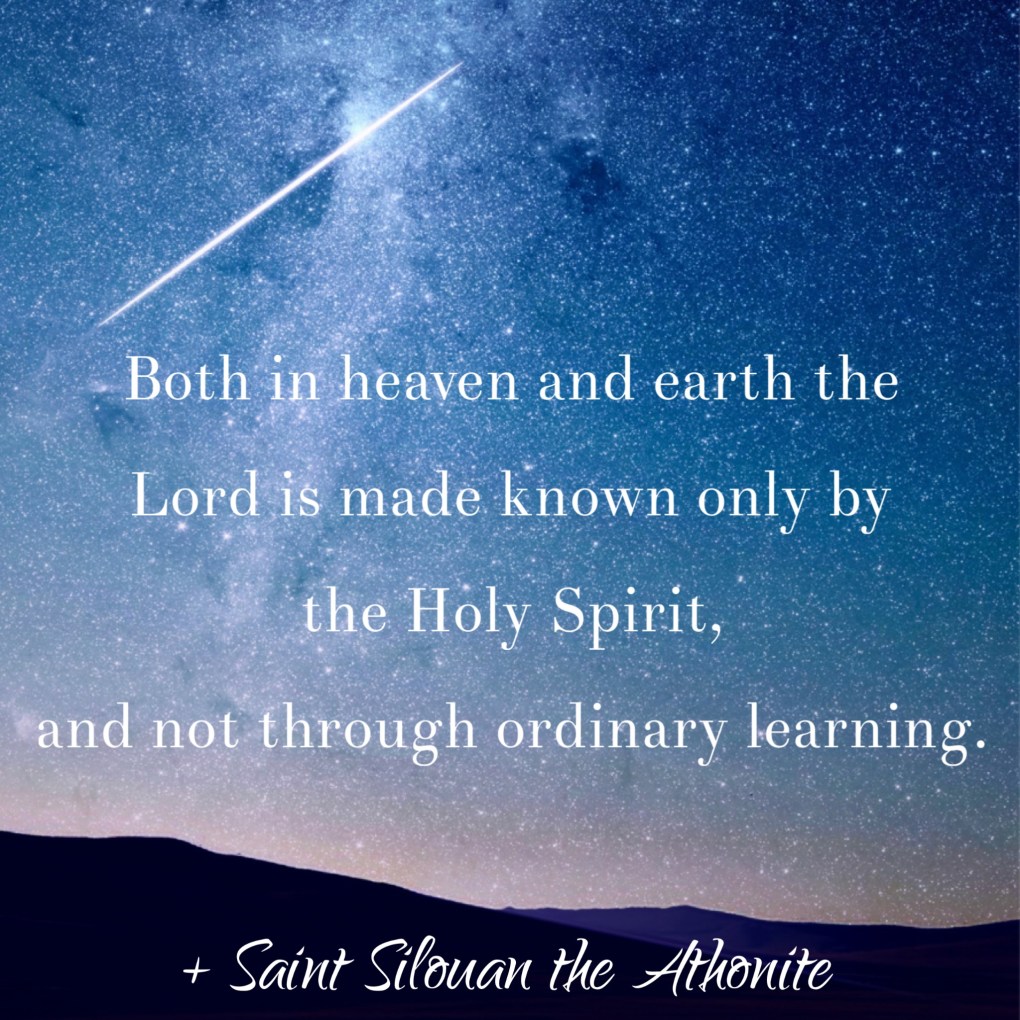
Some there are who spend their whole lives trying to find out about the sun, or the moon, or in seeking like knowledge; yet this is of no profit to the soul.
+
The Merciful Lord gave the Holy Spirit on earth, and by the Holy Spirit was the Holy Church established. The Holy Spirit unfolded to us not only the things of the earth, but those too which are of heaven.
+
Both in heaven and earth, the Lord is made known only by the Holy Spirit and not through ordinary learning.
+
Even children who have no learning at all, come to know the Lord by the Holy Spirit… There are some who spend their whole lives in trying to find out about the sun, or the moon or in seeking like knowledge; yet this is no profit to the soul.
Saint Silouan the Athonite
The Words Require Faith
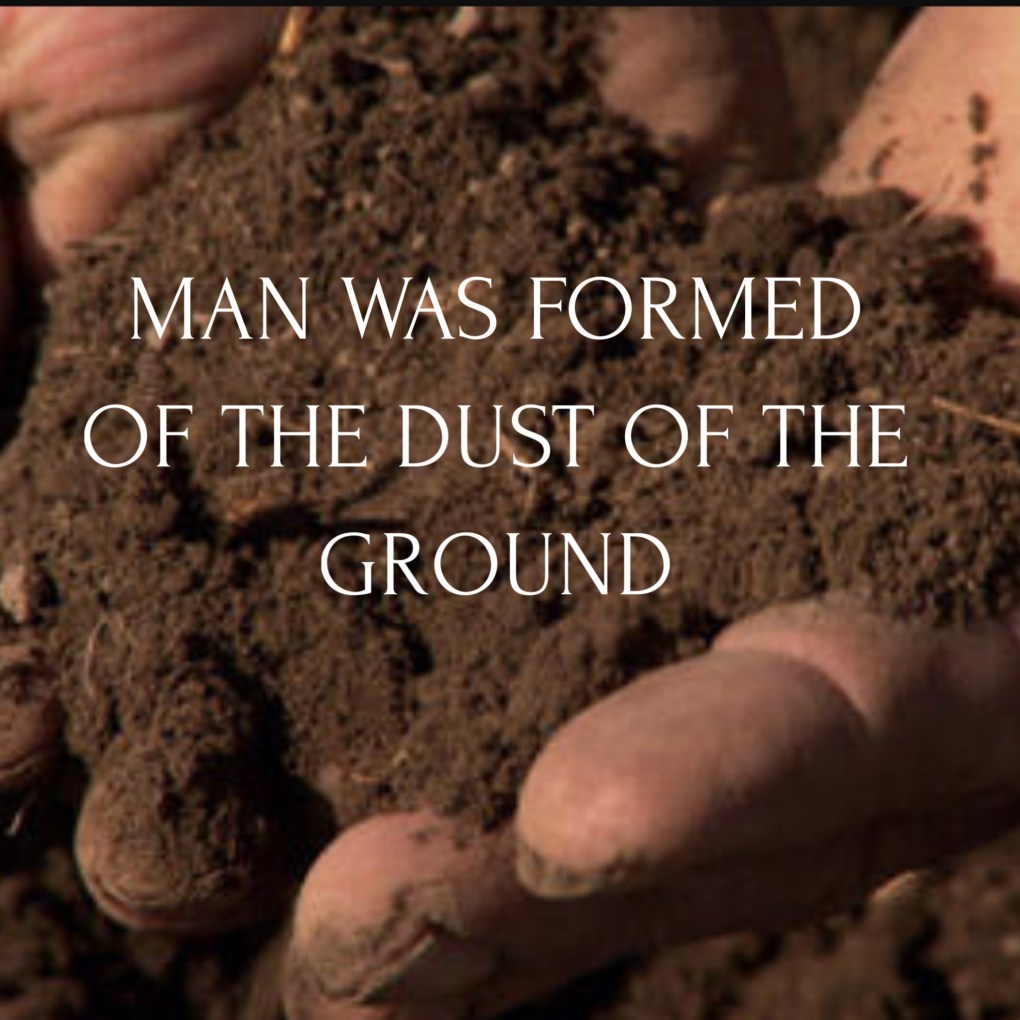
What is that you say? Taking dust from the earth he shaped the human being? Yes, it says; it did not simply say ‘earth’ but ‘dust,’ something more lowly and substantial even than earth, so to say.
You think the saying amazing and incredible; but if you recall who is the creator in this case, you will no longer withhold faith in the event but marvel at the Creator’s power and bow your knee to it. If, on the other hand, you chanced to put your mind to these matters in light of the limitations of your powers of reason, you would likely get this strange idea into your head, namely, that a body could never be made from earth a brick or a pot, yes, but never could such a body be made. Do you see that unless we take into account the Creator’s power and suppress our own reasoning which betrays such limitations, we will be unable to accept the sublimity of the message? After all, the words require the eyes of faith, spoken as they are with such great considerateness and with our limitations in mind…
“God shaped the human being, and breathed,”
Saint John Chrysostom
+ + +
Great is this Mystery
Man was formed of the dust of the ground – what good thing can there be in him?
Behold, God in His goodness adorned man with the grace of the Holy Spirit,
and he became after the likeness of Jesus Christ, Son of God.
+
Great is this mystery, and great is the mercy of God towards man.
Saint Siouan the Athonite

We must not let any season pass by without giving thanks
+
Saint Athanasios the Great
 gladsomelife.com