
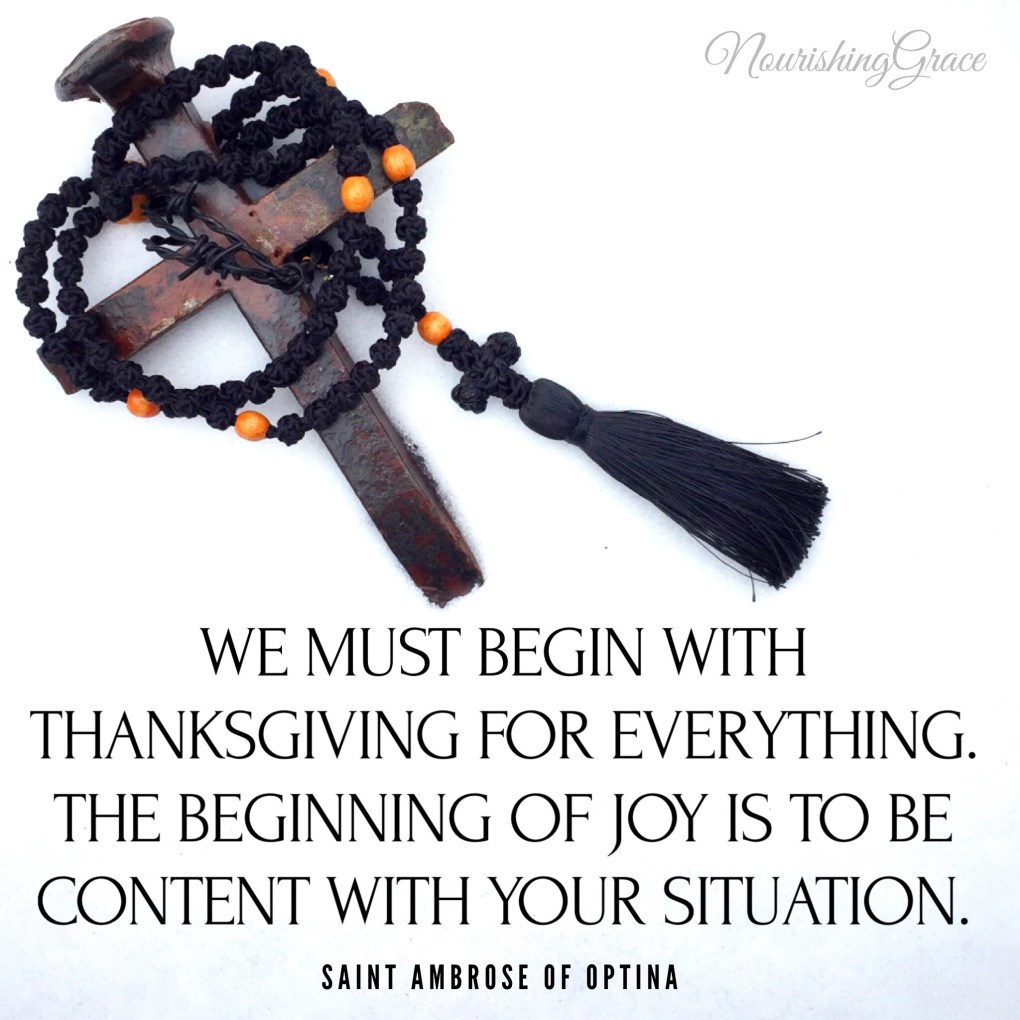
We must begin with Thanksgiving for everything. The beginning of joy is to be content with your situation.
+++
Saint Ambrose of Optina
We must begin with Thanksgiving for everything. The beginning of joy is to be content with your situation.
+++
Saint Ambrose of Optina
A true friend is known in misfortune. he is our true friend and one who loves us who does not forsake us in misfortune.
Likewise, the true lover of Christ is he who abides with Christ in this world, and cleaves to Him in his heart, and uncomplainingly endures the Cross with Him, and desires to be with Him inseparably in the age to come.
Saint Tikhon of Zadonsk
Everyone as he is able, should try to heal (with kindness) anyone who has something against him.
Saint Basil the Great
The Fathers Speak (p. 55)
It is a cherished tradition bearing the leaven of hope toward the coming year and the further redemption of our time here, in Christ, that Orthodox Christians bake this sweet bread of orange and lemon to ring in the new year.
The bread is called vasilopita which means the sweet bread of basil. It’s namesake is a humble holy bishop Saint Basil the Great whose heart compelled him during a time of famine to help the poor. It was a time of merciless and unfair taxation. The Bishop confronted the emperor who had levied the tax, calling him to repentance for the harsh burden he placed upon the people.
Amazingly, the emperor did repent and he returned the gold and jewelry that had been taken from the townspeople. Basil and the villagers offered thanksgiving prayers after which the Holy Bishop commissioned women to bake and place the gold coins into a sweet bread which were then distributed. Miraculously each family found in their bread, their own valuables which had been collected as part of the taxation.
Today, the vasilopita is baked in memory of that miracle forged by God and Saint Basil’s faith, love and shepherding of his people. Each year on January 1st– the date on which St. Basil reposed in the Lord , Orthodox Christians observe the tradition of the Vasilopita. The recipient of the coin is considered especially blessed.
This is the first year our family has ever made the vasilopita. There are many regional variations to the bread, yet a taster will find that all of the recipes are sweet and authentic!
This particular recipe is adapted from my “go to” Greek Cookbook by Aglaia Kremezi The Foods of the Greek Islands. She gives a rich history of her recipes and I appreciate her anecdote that butter and eggs were luxuries in Greece during times past. What I love about the old way of Greek cooking is that by using the brandy the texture of the flour totally changes into a nice bread texture. There is no yeast in this bread, instead the brandy adds to the leaven quality of the dough.
Ingredients
Recipe
Preheat oven to 375F.
Grease a 10 – 12 inch springform pan
In a large bowl beat egg yolks, zest and sugar (this releases the essential oils from the zest) for about three minutes.
Add butter and beat for an additional minute
Add orange juice and brandy, beat until it is incorporated.
Whisk the flour, baking powder and baking soda in a separate bowl. This makes sure that you will not have any clumps of the baking powder and baking soda but that it will be totally distributed.
Add to the liquid mixture and stir until incorporated.
In separate bowl (I actually use a mason jar with a hand held electric stick mixer so that it does not splatter everywhere) whip the egg whites until soft peaks form.
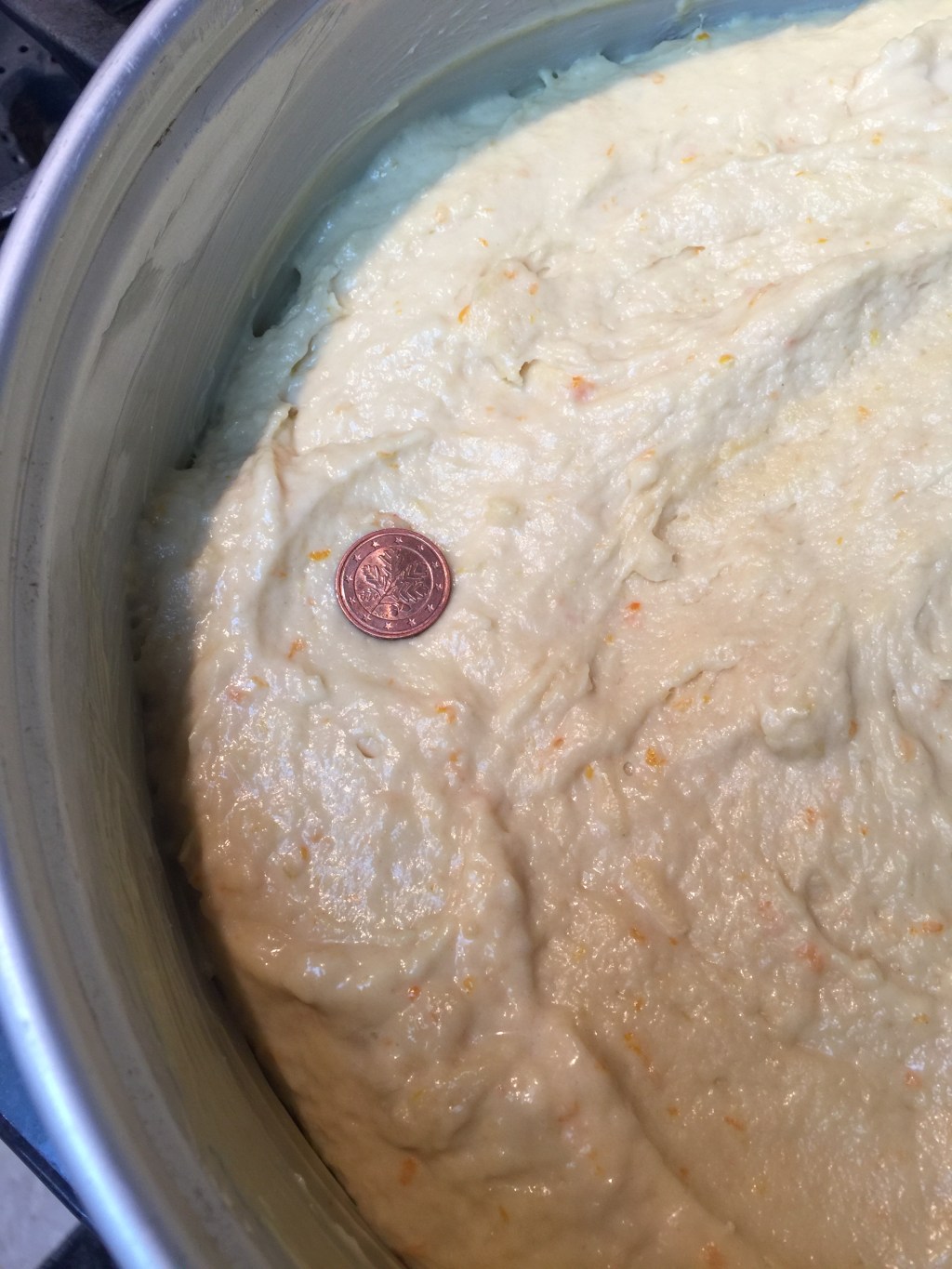
Fold the egg whites into the batter. Pour batter into the greased springform pan.
Place clean coin (my daughter found a euro coin for one and a dime for another)
Bake for 45 minutes to an hour until gold brown.
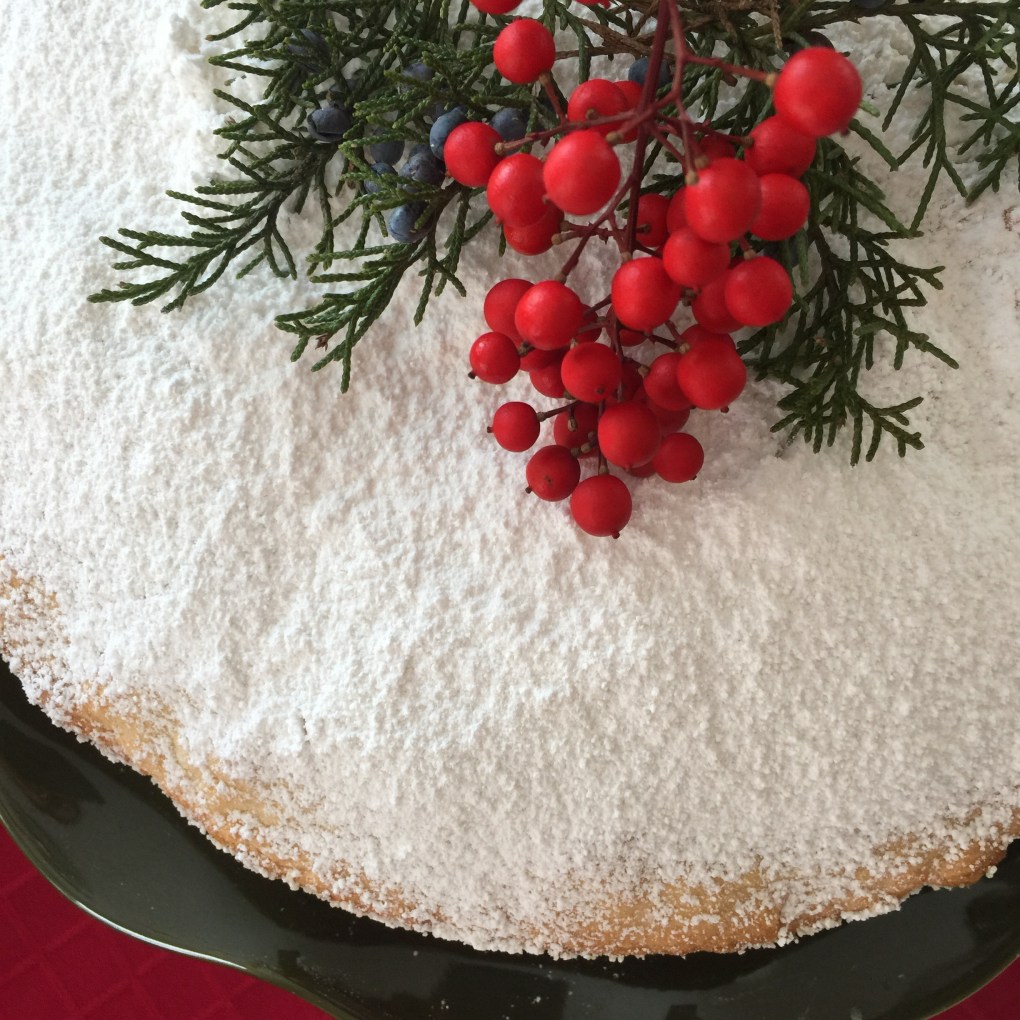
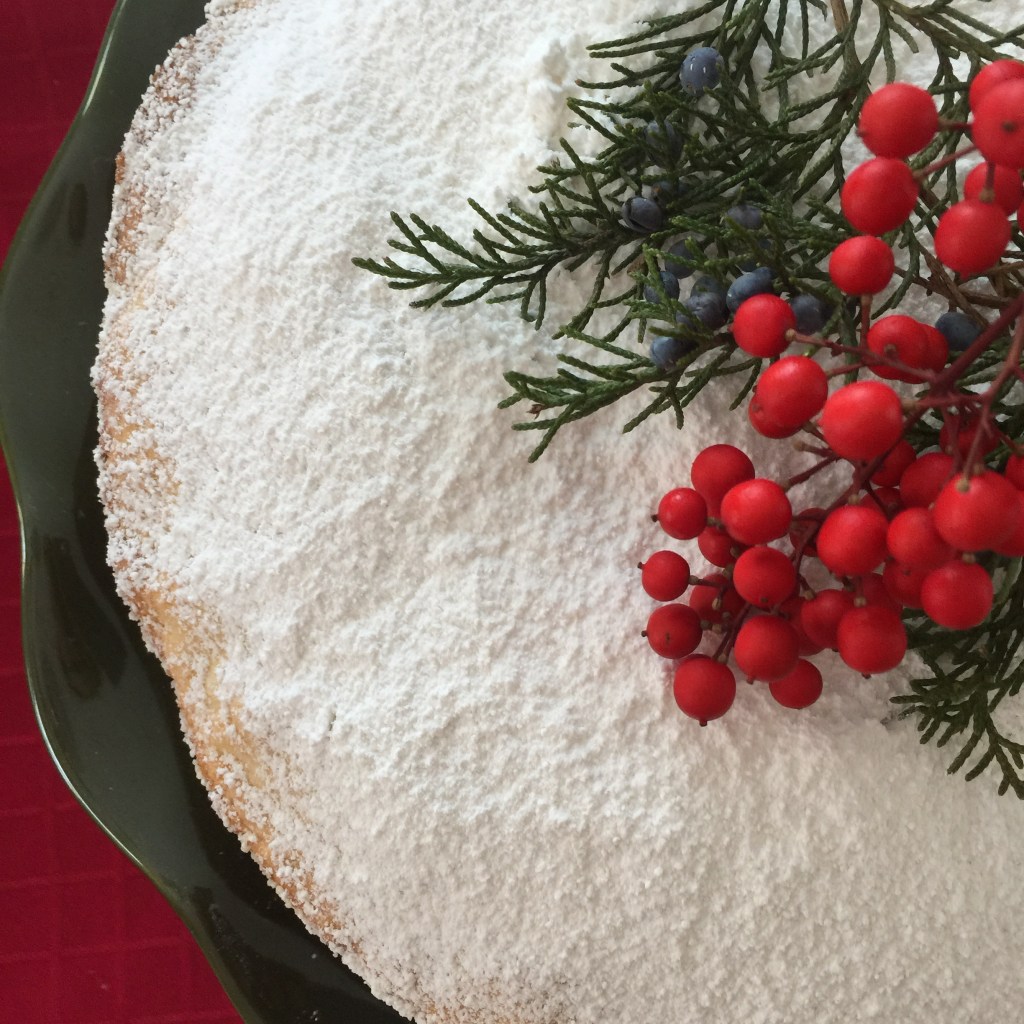
Decorate with almonds and/ or powdered sugar.
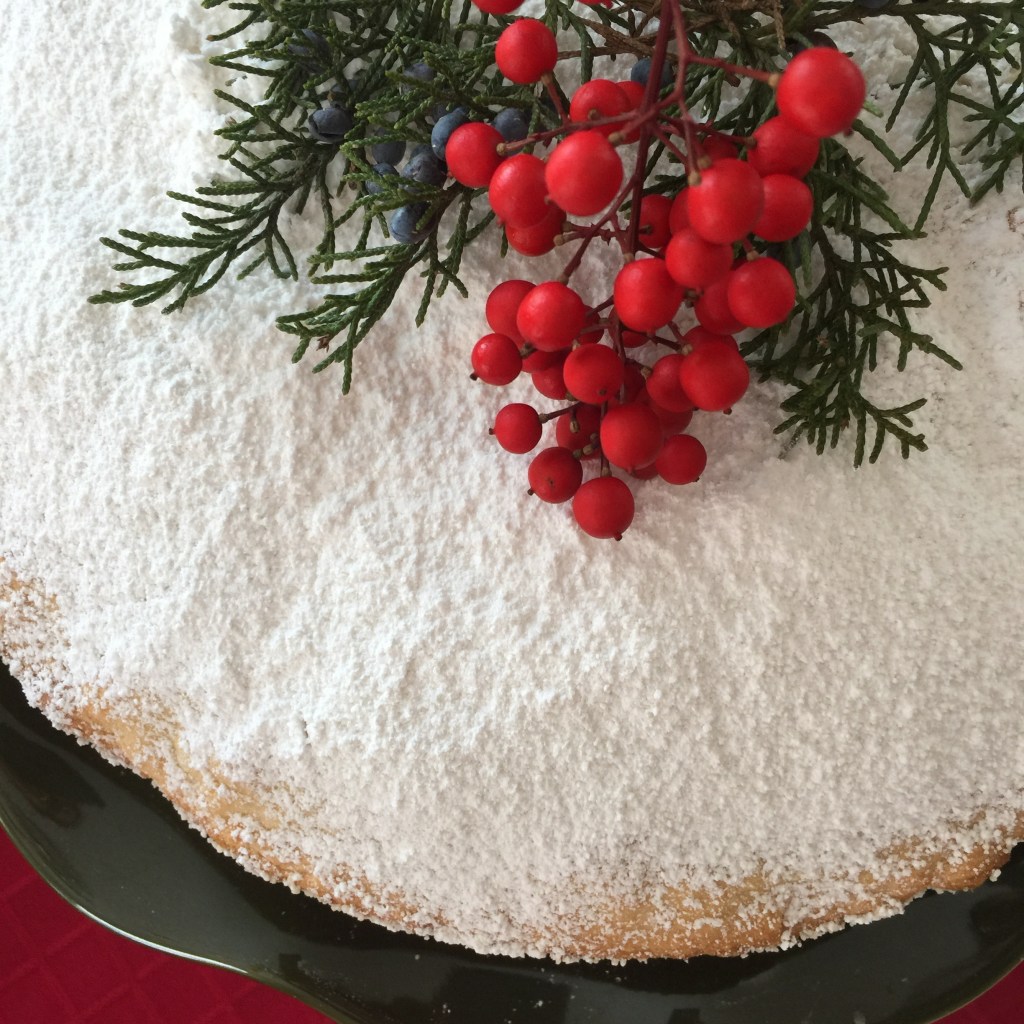
May we all be especially blessed in the coming New Year!


From kindness, people see things entirely differently.
Saint Ambrose
optina elders
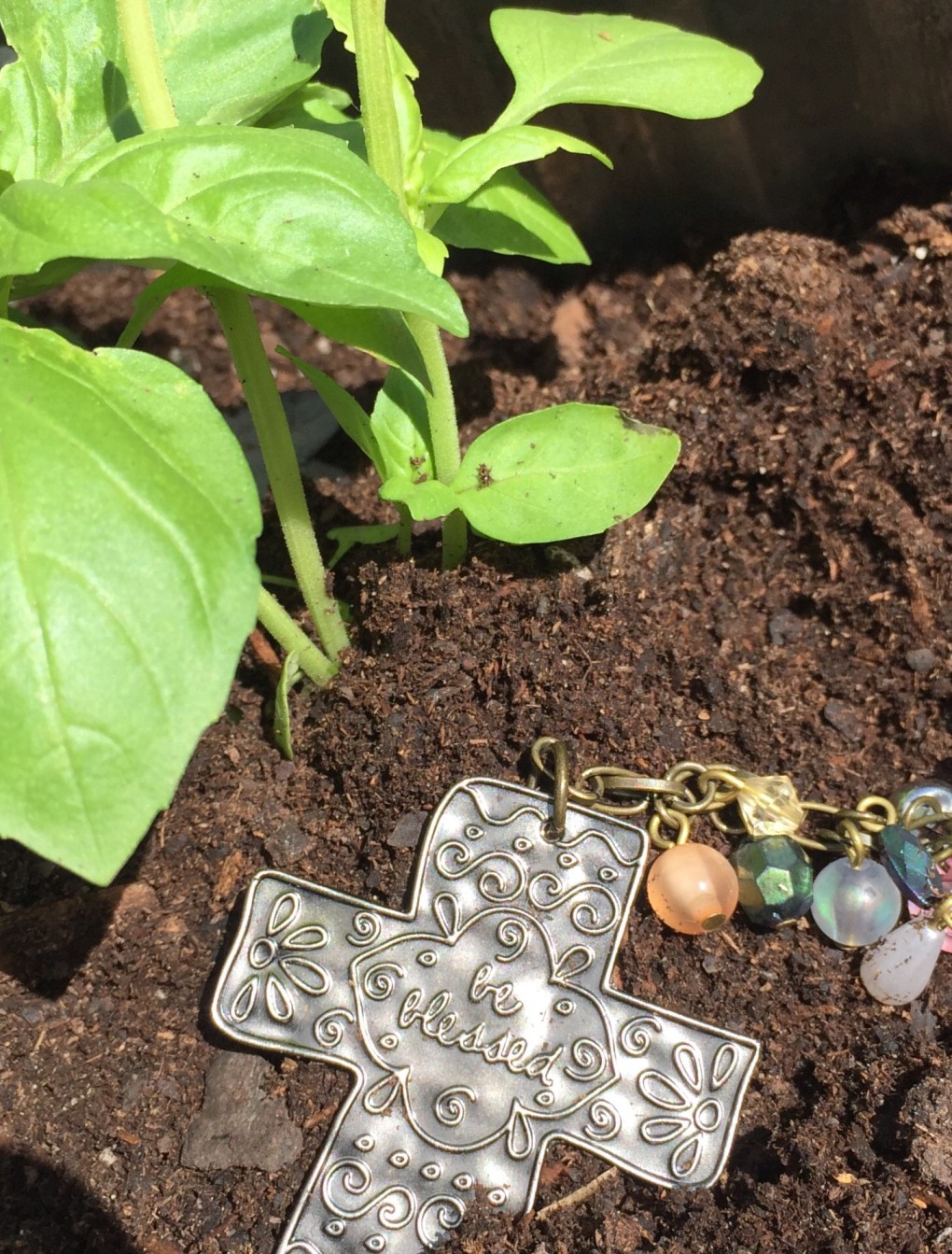
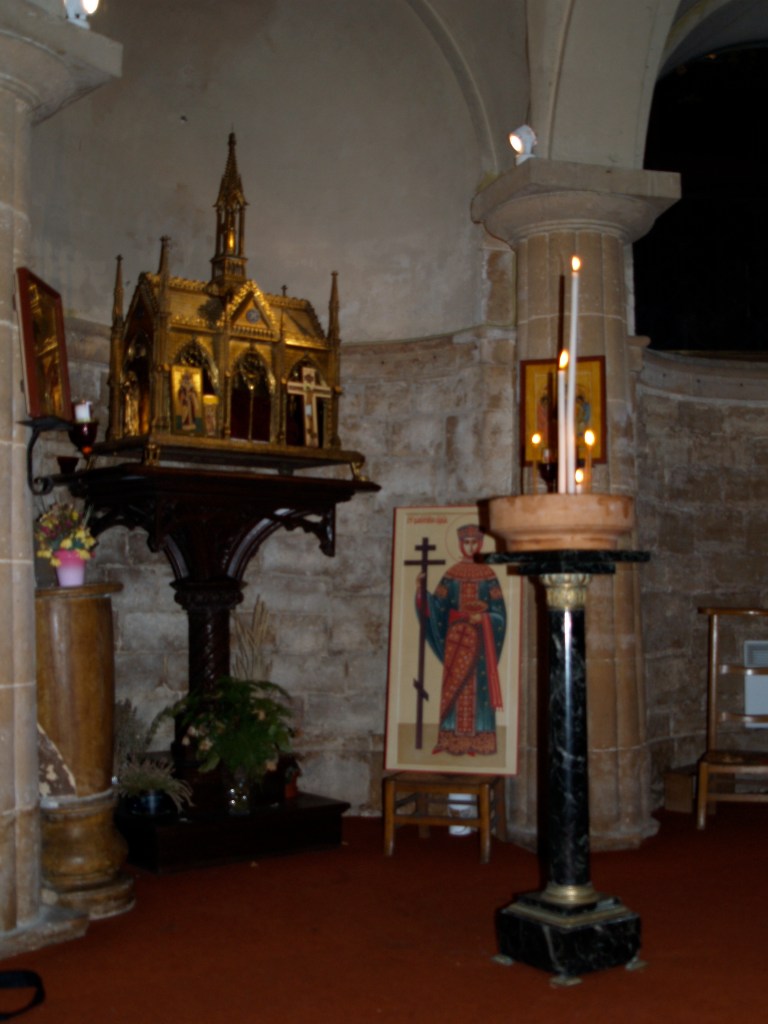
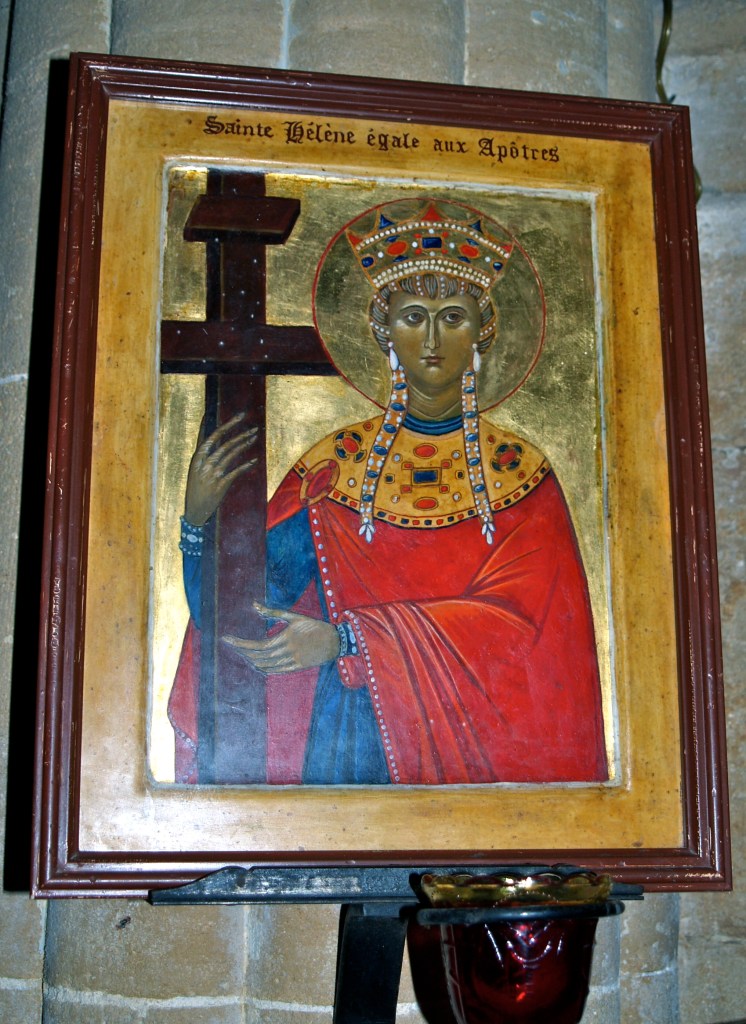
Yesterday Orthodox Christians celebrated the Elevation of the Life Giving Cross. When commemorating the Life Giving Cross, we are also drawn to Saint Helen, a holy woman of Christ and the mother of Constantine the Great.
There is a rather unknown story about her, that maybe even most Orthodox Christians do not know, which is that most of her relics rest in Paris, in a cave beneath the altar of the Church of Saint Leu – Saint Gilles – an unknown Church on one of the worst streets in Paris.
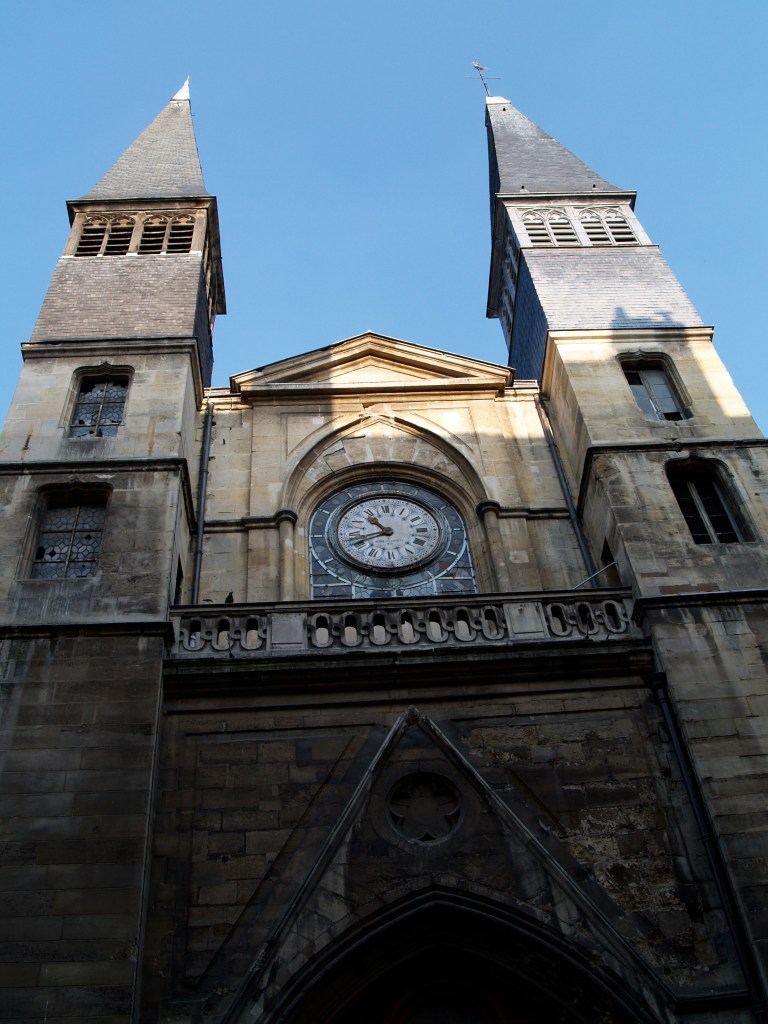
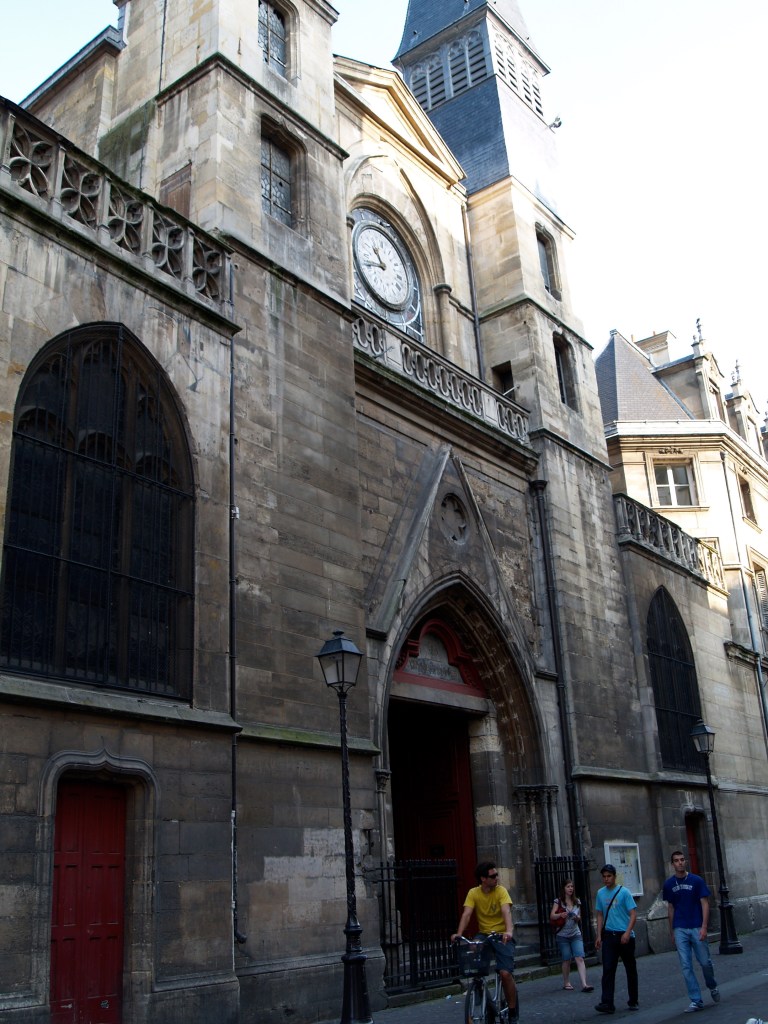
I have always loved Paris. My husband travels there every year and we have often accompanied him. After years of having seen all the major tourist sites we began to seek out Orthodoxy in France – greatly encouraged by Saint John Maximovitch.
It turns out that Saint Helen’s first resting place was Rome and the translation of her relics to Paris is a remarkable story and speaks to a depth of Faith which allows for the Grace of God working in our lives – just as that depth of Faith and spiritual vision led Saint Helen, a woman with the faith of a child, to dig beneath sweet holy Basil to unearth the true Cross.
The story of her translation to Paris is that it was medieval times – during the 9th century – and a simple holy monk from France was in Rome. He was granted a revelation to take the relics of Saint Helen to his monastery. He was a humble man and he followed what God spoke to him.
This was not a planned informed ceremonial transfer. He just quietly took her relics – a.k.a. he swiped them. As you can imagine, when he brought her relics to his monastery of Hautvelliers he was not met with cheers but with surprise and disbelief. This is recorded in the chronicles of the monastery.
What the Abbot wanted to know first is whether this was fraudulent and second if the relics had actually been stolen, because if misappropriated relics were now in his monastery, his relationship with Rome would need some repair.
Word was sent to the Pope and indeed Saint Helen had been reported missing, not surprisingly from the time the monk claimed to have lifted them.
But what is striking of the story is that the Pope was a holy monk of Christ with a depth and vision of Faith. When he learned of the revelation and the miracles which dovetail Saint Helen’s journey to France, he stopped and he prayed.
Ultimately, instead of requesting their return to Rome he allowed for the will of God and Saint Helen.
He understood that in the history of salvation and of the Church, Saints have often chosen their own resting place. He was willing to allow for the Providence of God.
Similarly, the monastery Abbot was also a man of God and a righteous man. He tested the monk to be sure they had not been deceived. And so it is also recorded in the monastery chronicles that the monk underwent a test with a cauldron of boiling water. The humble monk willingly entered the boiling water. The Abbot only asked him to do it once. The monk emerged from the water, whole. Thus he demonstrated not only the sincerity of his faith to bear his Cross, but his devotion to the intercessions of Saint Helen and the truth of the revelation. Also, very importantly, it confirmed the integrity of the monastery.
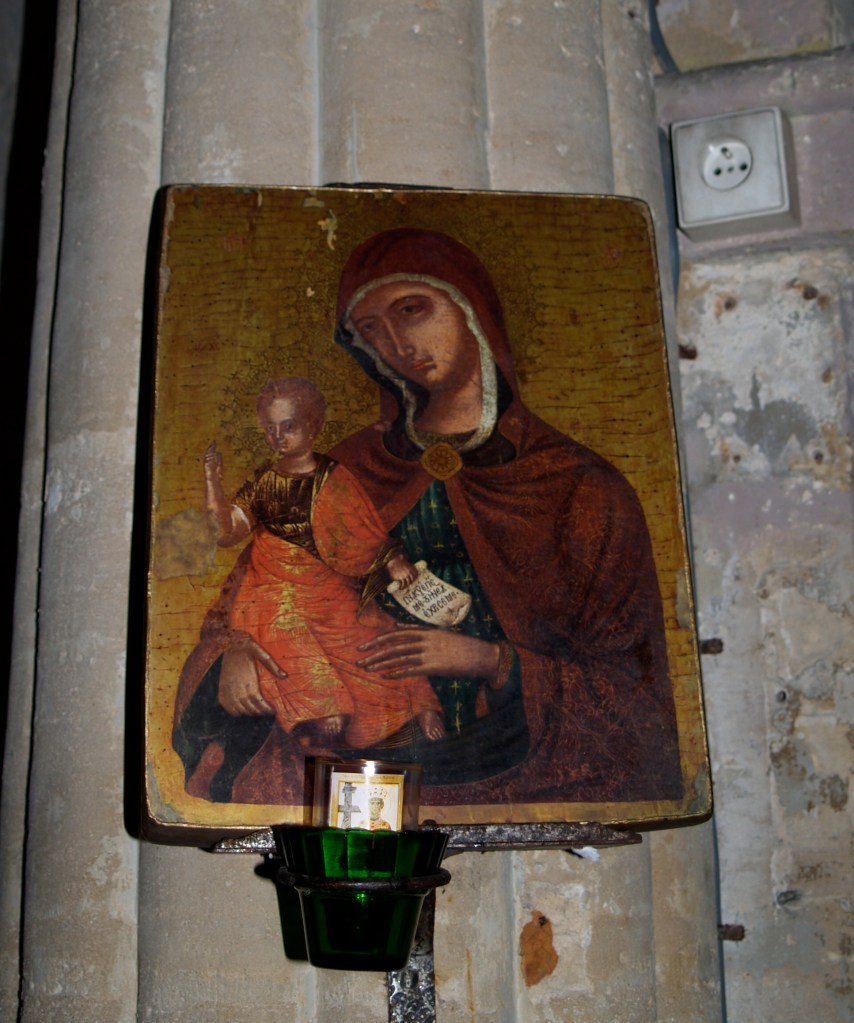
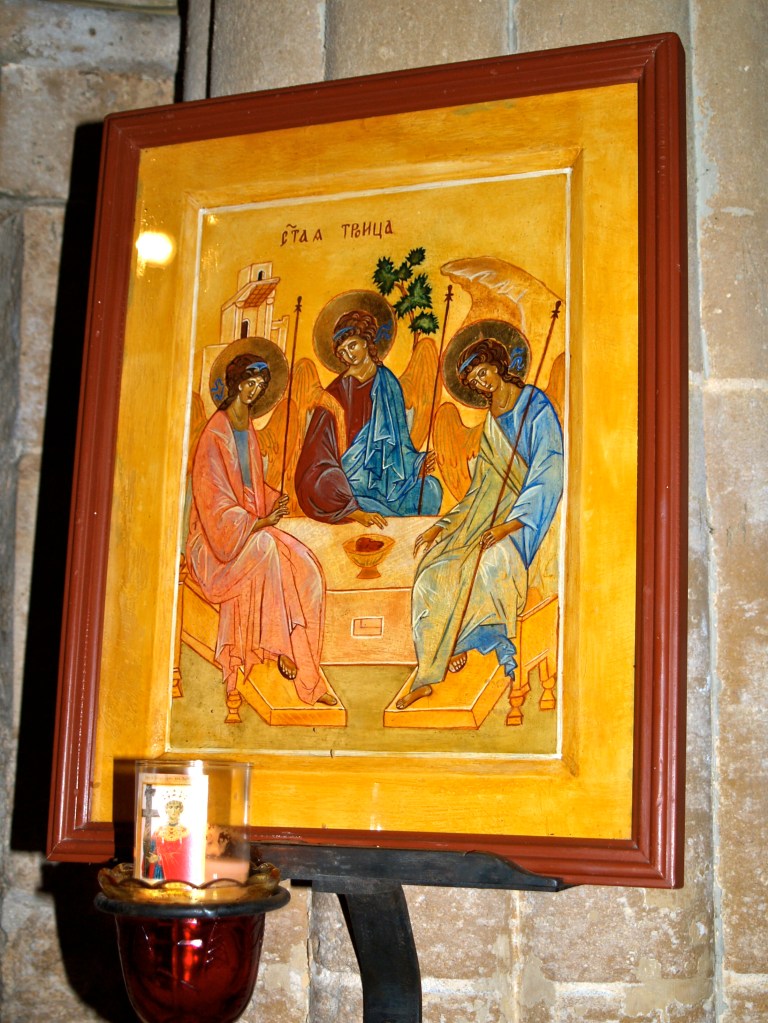
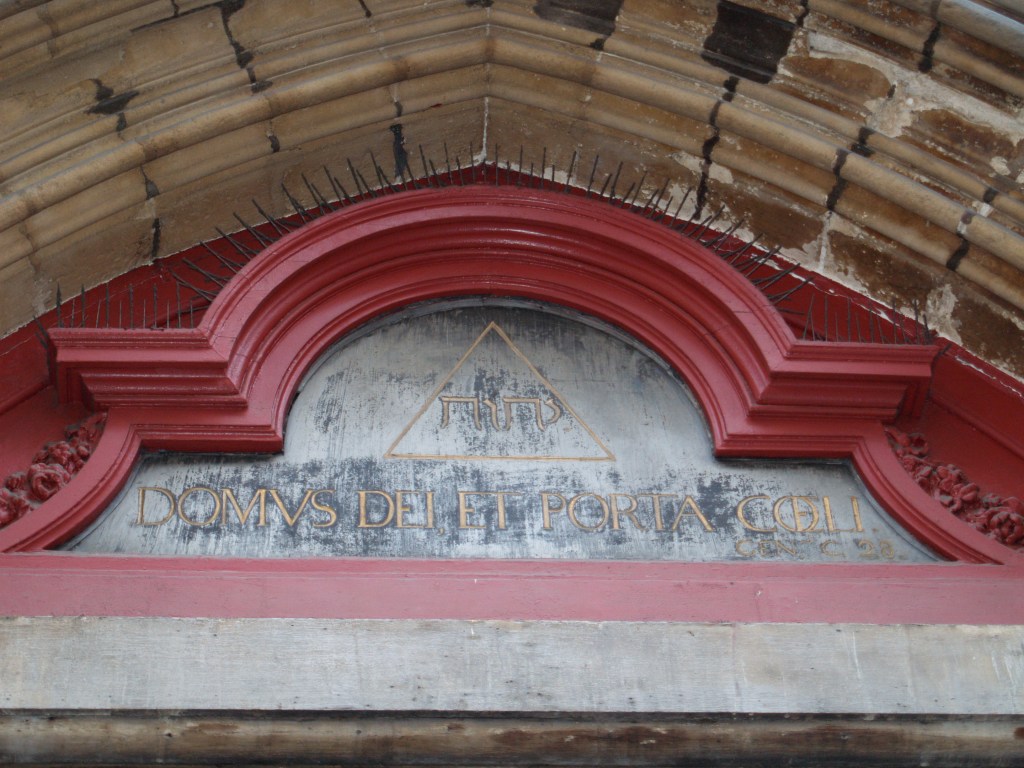
Of all the Churches in Paris we have visited, this Church was the most difficult to find – for the taxi driver too. It is a Catholic Chuch, and even within the Church Saint Helen’s relics are not apparent but rather hidden in the sanctuary. But that east meets west here is clear, for on the walls and in the cave are Byzantine icons of Saint Genevieve the patron Saint of Paris, Christ, Saint Symeon the Hospitality of Abraham and others.
We came to this Church in the early evening and after spending time with Saint Helen, we began to leave, except that a service was beginning. So, we decided to stay for what was likely Vespers, a Gladsome Light and just a little bit of a Byzantine current bringing life to the chanting. It was beautiful!
It was an article in Roads to Emmaus Journal where we learned of the history of Orthodoxy in France. In it a salient point is made, which is what would happen in the distracted age of today under such circumstances?
“The pope’s decision about St. Helen was similar; he saw God’s hand in it. Our century, undoubtedly, would proclaim, “Return! Punish!”
Probably the relics would be returned and the monk would be punished.”
It’s a consideration. Do we have the depth of Faith, not only to rightly worship (Orthodoxy) but to also allow for the Grace of God to work with the raw material of what is often the mess of peoples lives? Do we actually believe that God exists beyond the tidy order of our liturgics and rubrics and that like the Potter he completes the work He begins in the lives of His people (Philippians 1:6)?
The answers to these questions are deeply personal, and speak to the heart of our relationship with God (the Father Son and Holy Spirit).
For more information about Orthodoxy in France, read this article from Roads to Emmaus journal.
O Lord, save Thy people and bless Thine inheritance!

+
The heart is the innermost man or spirit.
Here are located self-awareness, the conscience, the idea of God and of one’s dependence on Him…
Stand in the heart with the Faith that God is also there.
+
Saint Theophan the Recluse

+
Make yourself a rule always to be with the Lord, keeping your mind in your heart, and do not let your thoughts wander; as often as they stray, turn them back again and keep them at home in the closet of your heart, and delight in converse with the Lord.
+
Saint Theophan the Recluse
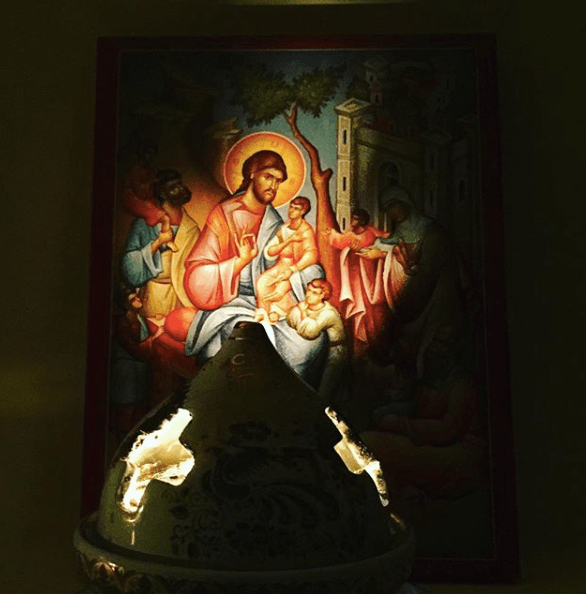

“Just as the earth in the Spring is washed by the rain, warmed by the sun, and becomes warmed by greenery and flowers, so you beloved, wash your soul with tears of repentance, and warm it with the rays of God’s grace and feelings and intentions, which will indeed bring forth in you the fruit of the Spirit – love, joy, peace, long-suffering, meekness and faith (Gal. 5:22-23).”
Saint Tikhon of Zadonsk
from the book
Instructions and Teachings for the American Orthodox Faithful (1898-1907)
p. 81
+
The dispersion of the light of Christ illumines and refracts the water droplets of the tears of repentance resulting in a rainbow of light in the soul – the colors of love, joy, peace, long-suffering, meekness and Faith – the fruits of the spirit – a rainbow of repentance.

+
after God, let us have our conscience as our mentor so that we may know which way the wind is blowing and set our sails accordingly
+
Saint John Climacus
step 26 : the ladder of divine ascent: no. 6
 +
+
in union with humility, it is impossible that there should be any appearance of hatred, or any kind of dispute…
+
Saint John Climacus
step 25 : the ladder of divine ascent : no. 9
 gladsomelife.com