Improving Wellness with Holistic Nutrition
“Give the body discipline and you will see that the body is for Him who made it.”
Amma Theodora – Sayings of the Desert Fathers
A holistic approach to nutrition focuses not only on a healthy diet, but considers that each person is unique, addressing them as a whole. This includes emotional, and physical health. In fact, the very word diet comes from the Greek word diata, which literally means “our manner of living”.
You can have the healthiest diet in the world but if you are not digesting and absorbing nutrients, it’s simply not nourishing you. Holistic nutrition considers the stomach and digestive system the core of whole body health, because every system in the body relies upon it.
As Orthodox Christians we also believe that each person is unique, created in the image and likeness of God. And…. we also believe that our spiritual life and health begins with our stomachs. So, as we consider steps we can take to improve our health, let us first and foremost consider our Faith. The Church gives us guidance, applicable throughout the ages, about the right role of food in our lives. From an Orthodox perspective, “eating right, or eating well is also about eating for the right reasons”.
“Our initial struggle must be to gain control of our stomachs…
Food is to be taken in so far as it supports our life”
(Father John Cassian – On Control of the Stomach – 4th century)
In other words, we should eat to live rather than live to eat!
So why is this generation so worried about diet and nutrition? Some background is required. While we might say “we are what we eat”, there is a great irony that we, as a nation, eat quite poorly and deficiently.
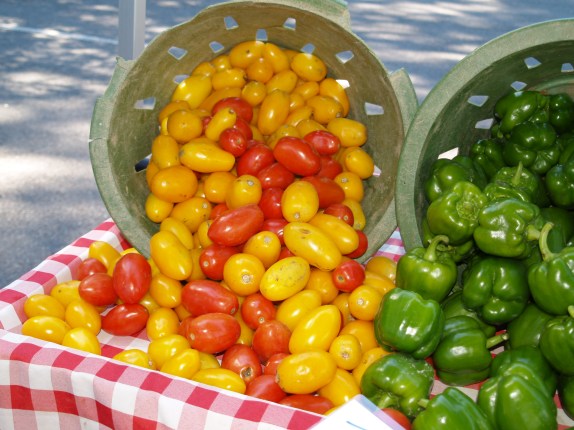
How did we get in this situation? For one thing, at no other time on the earth, have we been so disconnected from the sources of our food. And from that perspective, it’s easy to be unaware of the the ill health of livestock within modern “industrial” animal husbandry, the unlabeled genetic modification of our seeds, and the pesticide and herbicide laden nature of our produce.
These issues, however, are worth our attention, because “we are what we eat”. There is a complex and symbiotic relationship between the quality of our air, the health of our soil, the health of plants and animals, and our own health.
Nutritionally, we have traded in wisdom for knowledge and traditional foods for overly processed convenience foods. Our ancestor’s cultural eating habits were determined by tradition and despite their varied ethnicities, their diets had one thing in common – they ate a whole foods diet, one that was local, seasonal and organic.
The last century has shown serious trends away from nourishing foods. Now, there is much uncertainty about what even embodies a wholesome diet. People are concerned, and justifiably so.
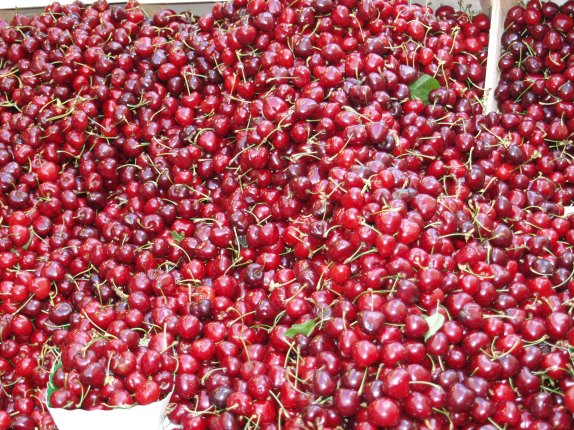
Humanity has an intimate relationship with food, for our food becomes our very bodies – flesh of our flesh and bone of our bone. “Our genes make their day to day decisions based on the information they receive from the food we eat… in that sense, food is less like a fuel and more like a language conveying information… that information programs your genes, for better or worse.” (Shanahan MD,Catherine, 2011: p 7)
A calorie isn’t just a calorie and nutrient density and quality really do matter. How you nourish yourself over the long run has either a negative or positive affect on your health.
We routinely eat ingredients in our foods which have been created in laboratories and are not even pronounceable, but how often do we question them? The petroleum based preservative BHA, found in beer, butter and cereals, has been classified by the Department of Health and Human Services as “reasonably anticipated to be a human carcinogen”. Another is titanium dioxide found in your salad dressing, coffee creamers and icing… guess what – it’s also used in paints and sunscreens!
There are many processed things called “food”, but few that are worthy of keeping us vibrant and well!
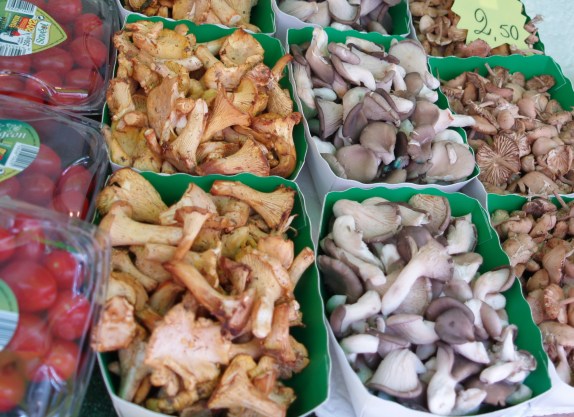
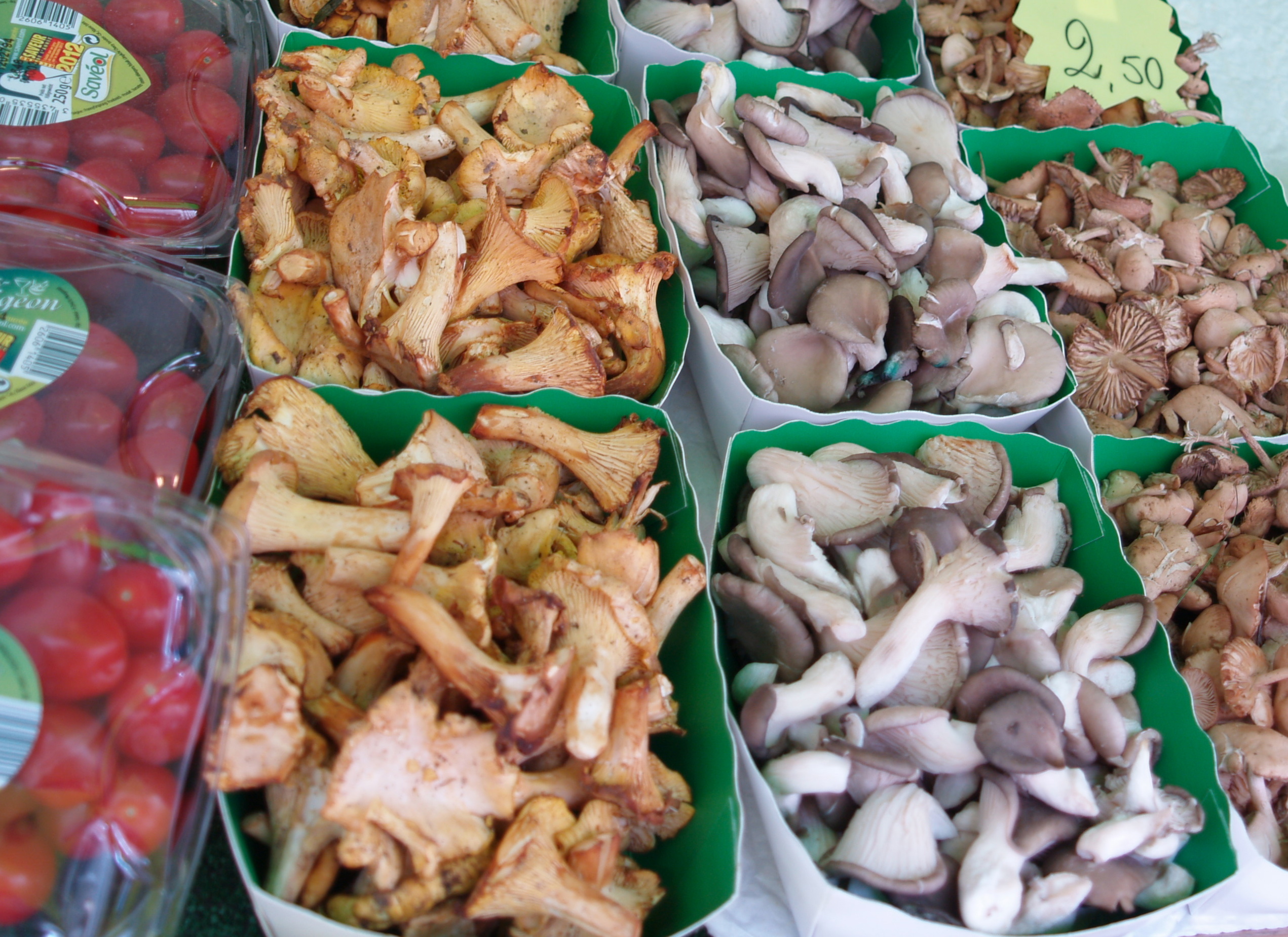
These are big issues, but the great news is that through education – organic foods, Slow Food and Buy Fresh Buy Local movements are popping up across the country and are very available. People are learning about the wisdom and health benefits of traditional and ancestral food. They are returning to Farmers Markets, buying shares in their local Community Supported Agriculture – CSA’s … at heart, connecting and investing, not only in their health, but also in their communities.
Even if you have really bad eating habits, it’s never too late to begin fresh again. God created us with tremendous abilities to detoxify, heal, grow and regenerate!
Below are some easy steps you can incorporate over time to improve your overall wellness. Remember – healthy eating doesn’t mean eliminating the foods we love. A healthy diet is about balance. If 85% of our diet is healthy, then that baklava proves a guilt free pleasure!
And one last thing… as you begin steps toward wellness, embrace and enjoy the journey! Don’t just eat healthy, eat well. Take pleasure in your meals and dine with family and friends whenever possible… it’s just more delightful together!
Let’s eat to live and make every bite count ~ one morsel at a time!
[box] Make a Diversity of Whole and Plant Based Foods the foundation of your diet. That doesn’t mean you need to give up meat, but strive to make produce the foundation of your eating. Whole foods are those as close to their whole natural state as possible. They look like what they are like an apple or a carrot. Whole grains, and brown rice are also whole foods. They come perfectly packaged with the fiber and nutrients essential for their optimal absorption by our bodies. There is a synergy in the combination of nutrients found in each whole food, in other words, they are more effective in their whole food form.
Avoid refined and processed foods. Reduce sugary snacks, sweets and sodas. Simply stated, refined and sugary foods are very depleting for the body. At the turn of the century, the average american consumed about 2 pounds of sugar per year; we now routinely consume upwards of 100 pounds per year. Last year 60 Minutes did a great expo titled “Is Sugar Toxic”.
Stay adequately hydrated! Good clean water is vital for life and involved in almost every function our bodies perform. Get at least 8 – 8 ounce servings/ day.
Exercise regularly. It reduces stress, increases circulation, releases those good feeling endorphins and promotes weight loss. Moderate your exercise to your ability.
Reduce and Manage Stress. Prayer, a positive outlook and exercise are most helpful in mitigating stress. Stress is a great challenge to our immune system, taxing nearly every organ in our body. It takes a high toll on health.
Add Probiotic rich foods to your diet: These foods are alive, and quite symbiotically, their life gives us life! Probiotics work with our immune system to keep us healthy, but they need to be continually replenished. “Studies have shown that live-cultured foods containing probiotics help to prevent a whole range of allergic, autoimmune, and inflammatory diseases.” (Shanahan MD,Catherine, 2011:pp. 147-148) Click here for a list of probiotic rich foods.
Know thy fats! Essential fatty acids are an important part of a healthy diet and should be included. More about them can be found here and here. Also, learn more about the traditional fats which have nourished civilizations well.
Watch your portion sizes. Saint John of the Ladder sums it up well, “Master your stomach before it masters you.”[/box]
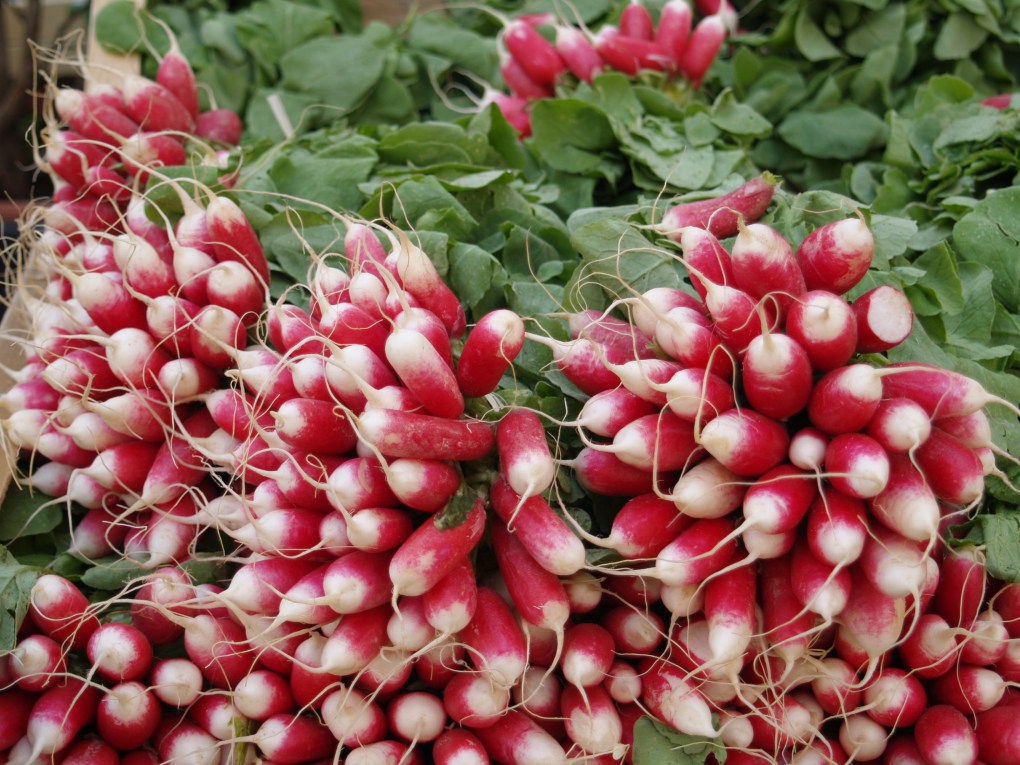
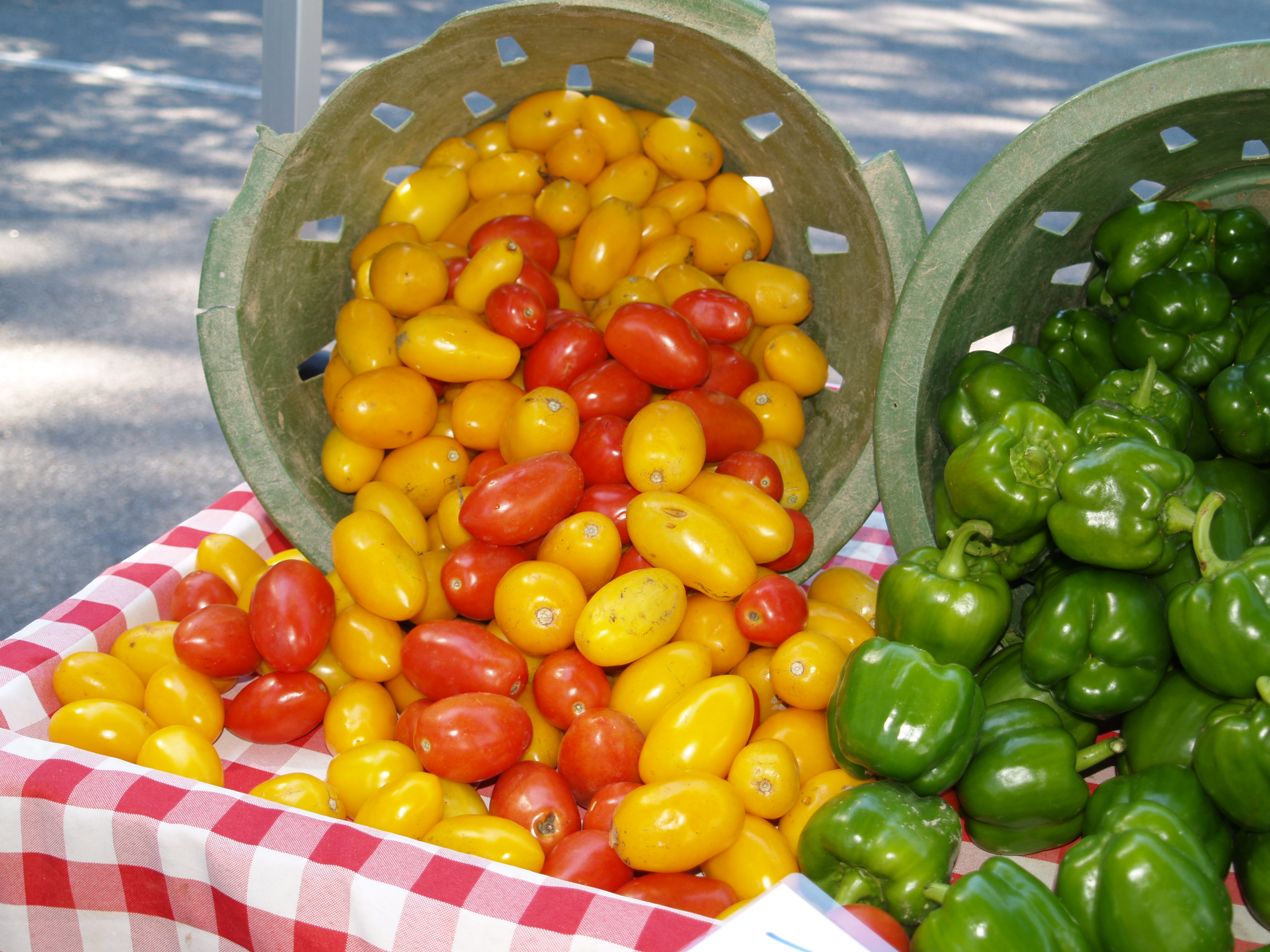
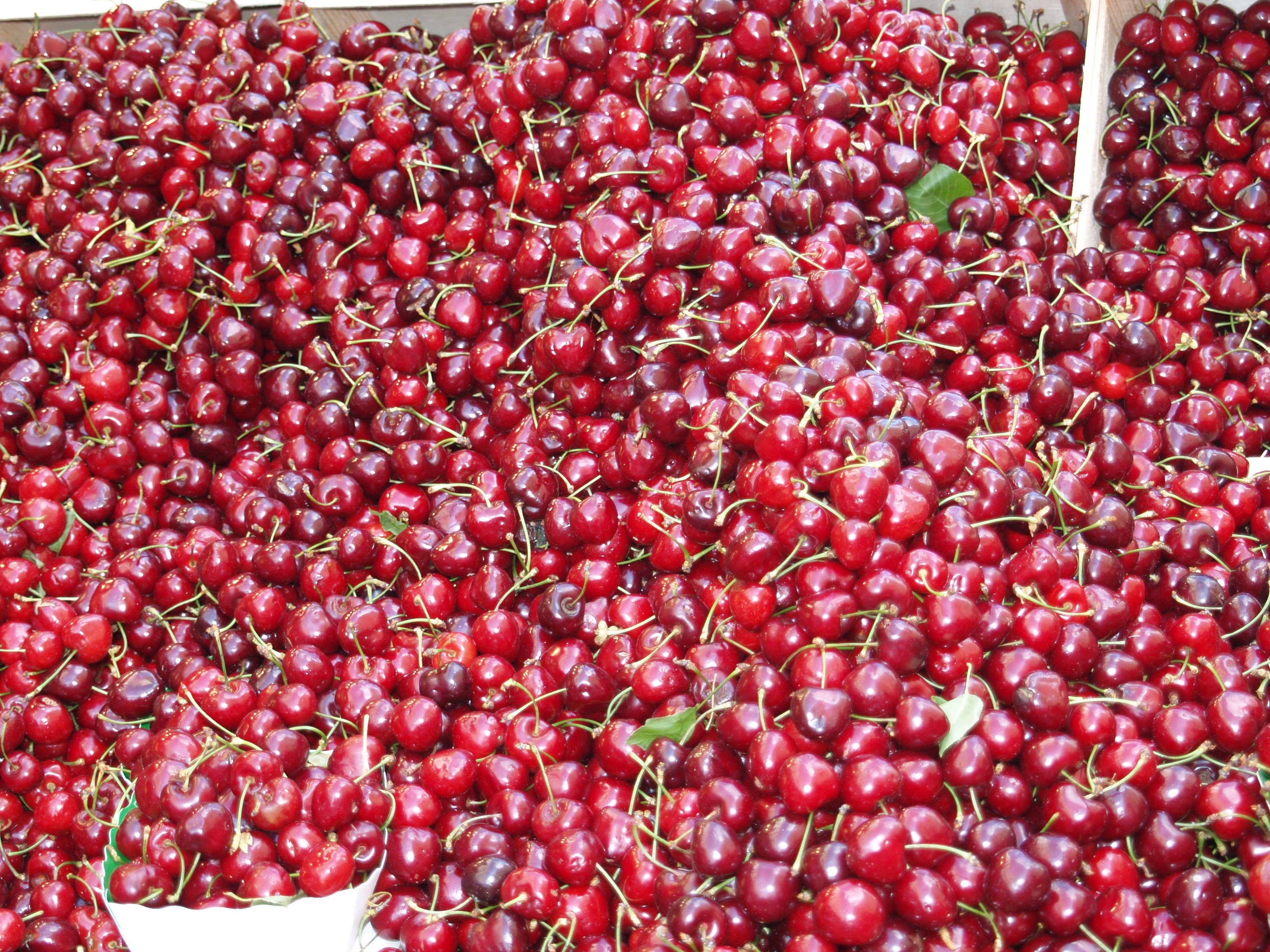
The ultimate goal is to Go organic, local and seasonal! You can do it! Buy free range -pastured meats, pastured eggs and dairy and produce as close to their source as possible. Their nutrition is superior. Looking for a farmers market near you? Local Harvest has a nationwide list!
It’s taken our family over two years to dramatically change our diet and we have enjoyed the adventure and the journey ~ slowly making changes, one morsel at a time.
Above all, whatever your diata, keep the Feasting and Fasting cycles of the Church. In her wisdom, she provides this rhythm for the nourishment of body and soul. And in this life, our journey in Christ, through “prayer, daily Christian living, and worship, which ultimately lead to union with the divine uncreated Light” is the ultimate source of our wellness.
about the author
Victoria Cherpes is a wife, and homeschooling mother of three beautiful daughters and Sunday School teacher. On their small urban family homestead, they enjoy tending their Victory Garden full of lettuces, berries and vegetables, weeds and bugs; raising figs for the local market and amateur beekeeping.
She is currently pursuing her Master’s Degree in Holistic Nutrition at Hawthorn University and is a student member of the National Association of Nutrition Professionals (NANP).
If you have any questions, you can reach her at nourishinggrace@yahoo.com
[box] Sources:
Shanahan MD, Catherine (2011-04-22). Deep Nutrition: Why Your Genes Need Traditional Food. Big Box Books. Kindle Edition.
Ballentine M.D., Rudolph (2007-01-25). Diet and Nutrition: A Holistic Approach. National Book Network – A. Kindle Edition
Lipski PhD, Elizabeth (2012). Digestive Wellness: Strengthen the Immune System and Prevent Disease Through Healthy Digestion (4th Edition)
Mandell, Catherine (2005) When You Fast: Recipes for Lenten Seasons
Ward, Benedicta (1975). Sayings of the Desert Fathers. (http://www.scribd.com/doc/75385925/Apoftegma Fallon, Sally (2001).
Nourishing Traditions: The Cookbook That Challenges Politically Correct Nutrition and the Diet Dictocrats. (2nd ed)
http://www.nj.goarch.org/resources/spirituality.htm%5B/box%5D
This article was original posted at Orthodoxmom.com and has been slightly revised.


 gladsomelife.com