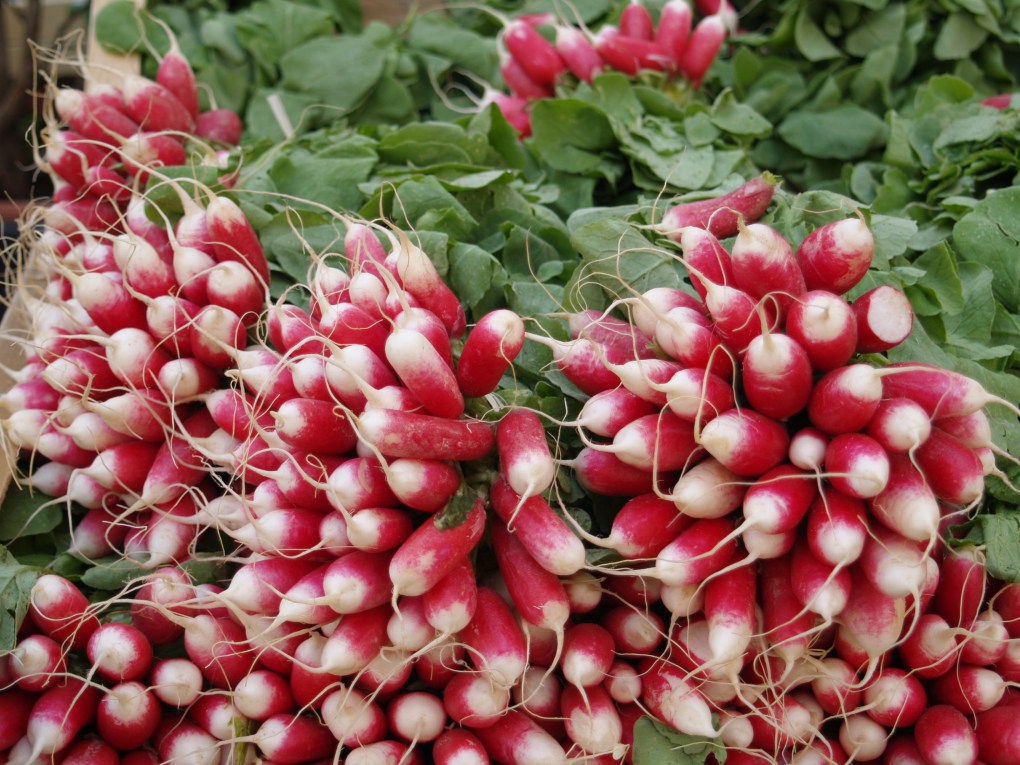
garden beet salad


IMG_3591

Do not say “this happened by chance, while this came to be of itself.”  In all that exists there is nothing disorderly, nothing, indefinite, nothing without purpose, nothing by chance…. How many hairs are on your head?  God will not forget one of them.  Do you see how nothing, even the smallest thing, escapes the gaze of God? ~Saint Basil the Great


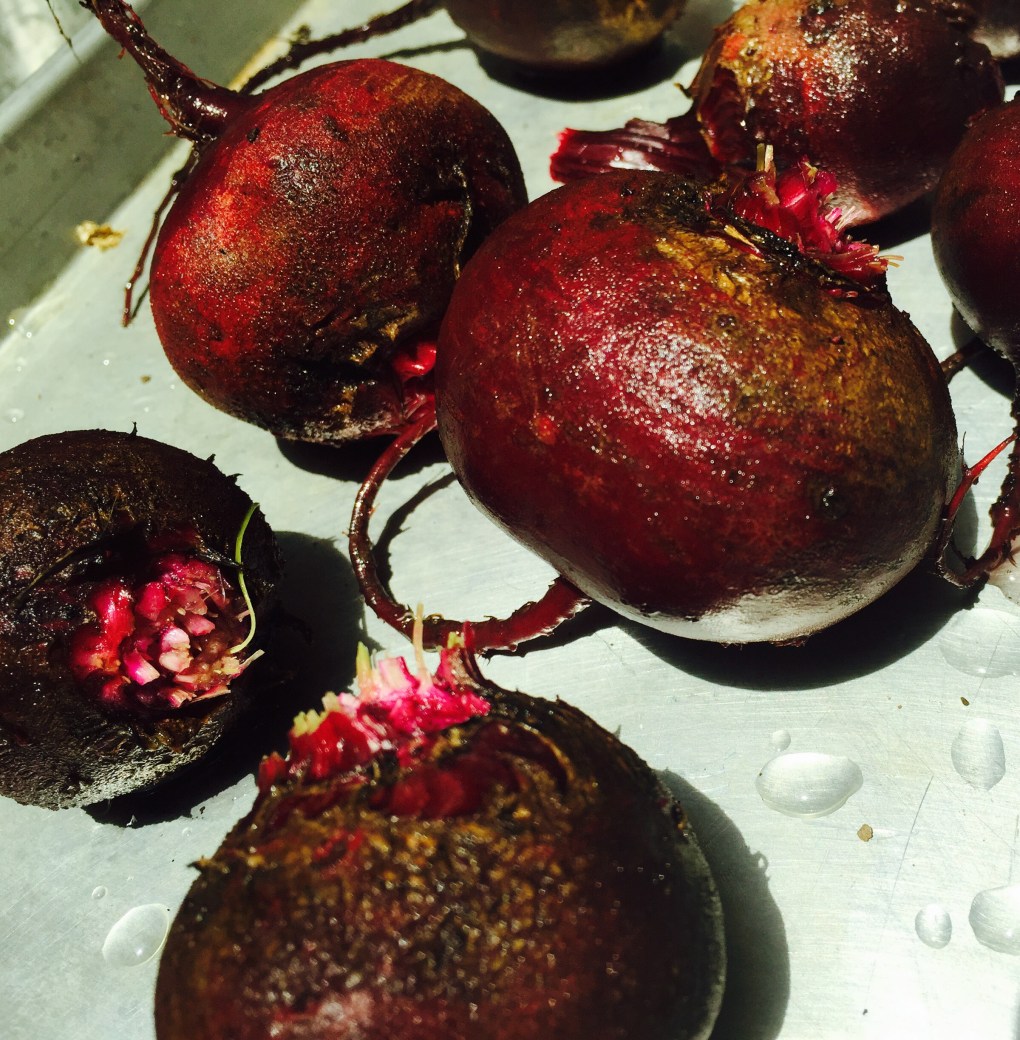
During the summer, we crave salads.  They are a nice cool addition to any meal, or can be served as a meal on their own.  You simply can not “beet” the simplicity of a garden beet salad.  These particular beets are gems straight from our garden, but any from the store or farmer’s market will do.  We planted these in early spring.

I actually hadn’t planned to harvest them, but I accidentally pulled one out while weeding…  it looked so good, that we harvested the rest from that bed!  Beets have a sweet earthy flavor, and are a mineral rich nutritional powerhouse.  They have more iron than spinach, and are an excellent source of calcium, magnesium, copper, and phosphorous.  They’re also packed with  choline, folic acid, iodine, manganese, organic sodium, potassium, fiber and carbohydrates (in the form of natural easily digestible sugars).   Quite simply, they are superfood.

One great benefit of the beet is that is alkalizing to the body and that’s great news in a nation with a standard diet that is acid forming.  Beets are a stimulator of liver health.  They also have many cardiovascular benefits.  They can be helpful in reducing cholesterol and their rich potassium content benefits blood pressure.  Fermented drinks like beet kvass have been known throughout history as a blood tonic.  And the list goes on.  Some studies have also shown that beets are preventative for skin, lung and colon cancer, they support the structure of our capillaries, and can also aid in the slowing or prevention of macular degeneration.

Beets, they do a body good!


Garden Beet Salad

Ingredients:

  • 9 beets, washed but not peeled
  • 4 tablespoons goat cheese in small chunks to drop into salad
  • 3 tablespoons pinenuts, slightly toasted
  • 1/4 cup  finely chopped red onion, green onion tops or chives
  • 3 tablespoons olive oil
  • 1 tablespoon rice wine vinegar
  • sea salt and pepper to taste

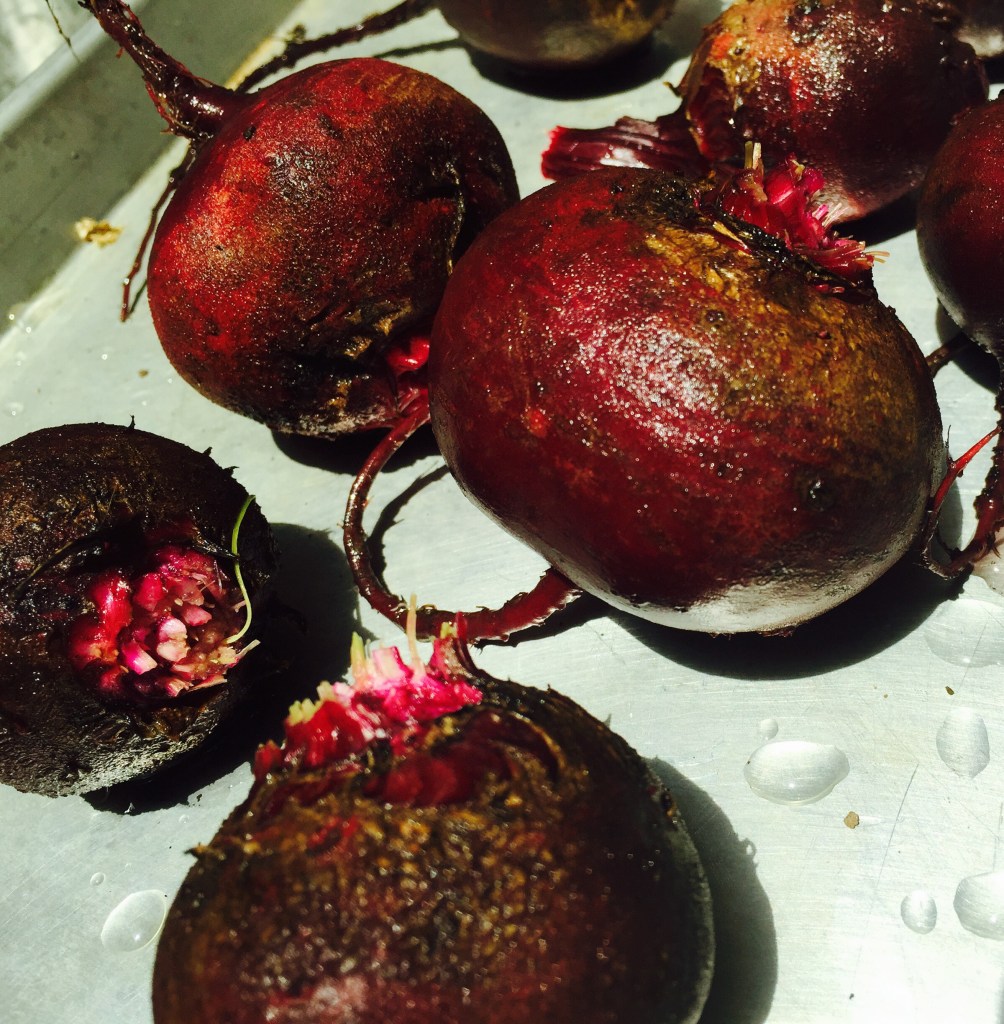
Preheat oven to 350F and place beets on a cookie sheet.  Top loosely with foil and place oven for about an hour.  They should be tender.

Remove from oven and let cool.  Once cool, using the edge of a knife or a vegetable peeler, peel of the outer skin of the beet.  Your hands will get very red!

Next, cut the beets into bite sized pieces.  Place all ingredients into your favorite salad bowl and toss lightly to incorporate.

Delicious!


Additional Resources

http://www.whfoods.com/genpage.php?tname=foodspice&dbid=49


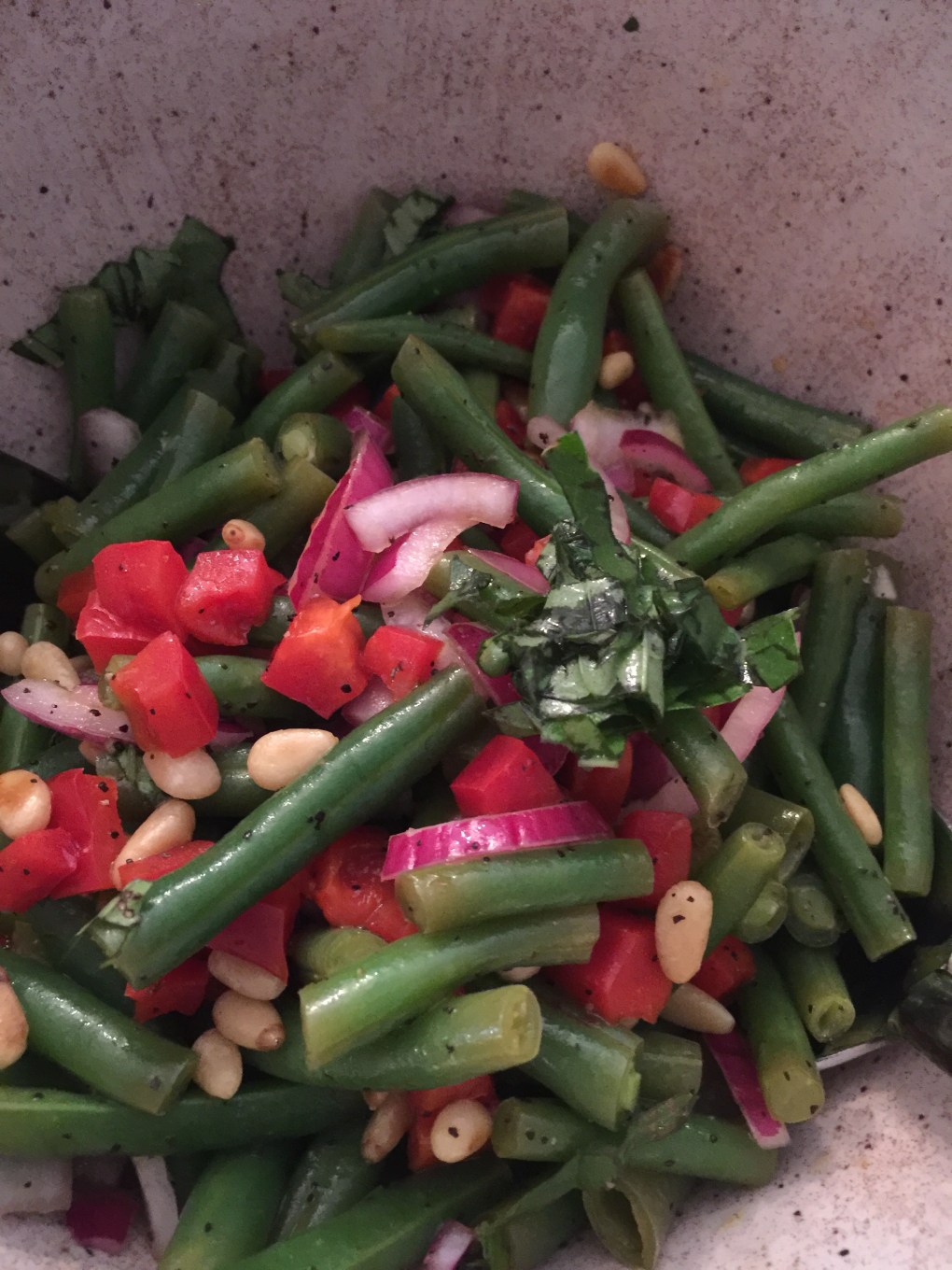
crunchy bean salad

IMG_3579

“Water falls from heaven as rain, and while it is always the same in itself, it produces many different effects, one in the palm tree, another in the vine, and so on, throughout the whole of creation. It does not descend, now as one thing, now as another, but while remaining essentially the same, it adapts to the needs of every creature that receives it. In the same way the Holy Spirit, whose nature is always the same, simple and indivisible, apportions grace to each person as He wills. Like a dry tree which puts forth shoots when watered, the soul brings forth the fruit of holiness when repentance makes it worthy of receiving the Holy Spirit. Although the Spirit never changes, the effects of His action, by the will of God and in the name of Christ, are both many and marvelous.”  Saint Cyril of Jerusalem

It’s “bean” a while since writing on the blog.  This past year beckoned reprioritizing – faith, family, homeschool and also really to focus on completing my Master’s Degree.  No, I am not done, but almost!  Yay!

We’ve also been battling Lyme disease in this home and I tell you, it is formidable – and affects everyone different!  Lord have mercy.  It really turned our lives upside down.  However, all signs are that my loved one is almost done with treatment and that is a tremendous blessing.

In many ways, the year of Lyme Disease has been a blessing too… just in it’s very own way.

That aside, it’s also “bean” a long time since I have made a bean salad, but since the farmer’s market this week was so plentiful with green beans – I brought home a whole bunch!

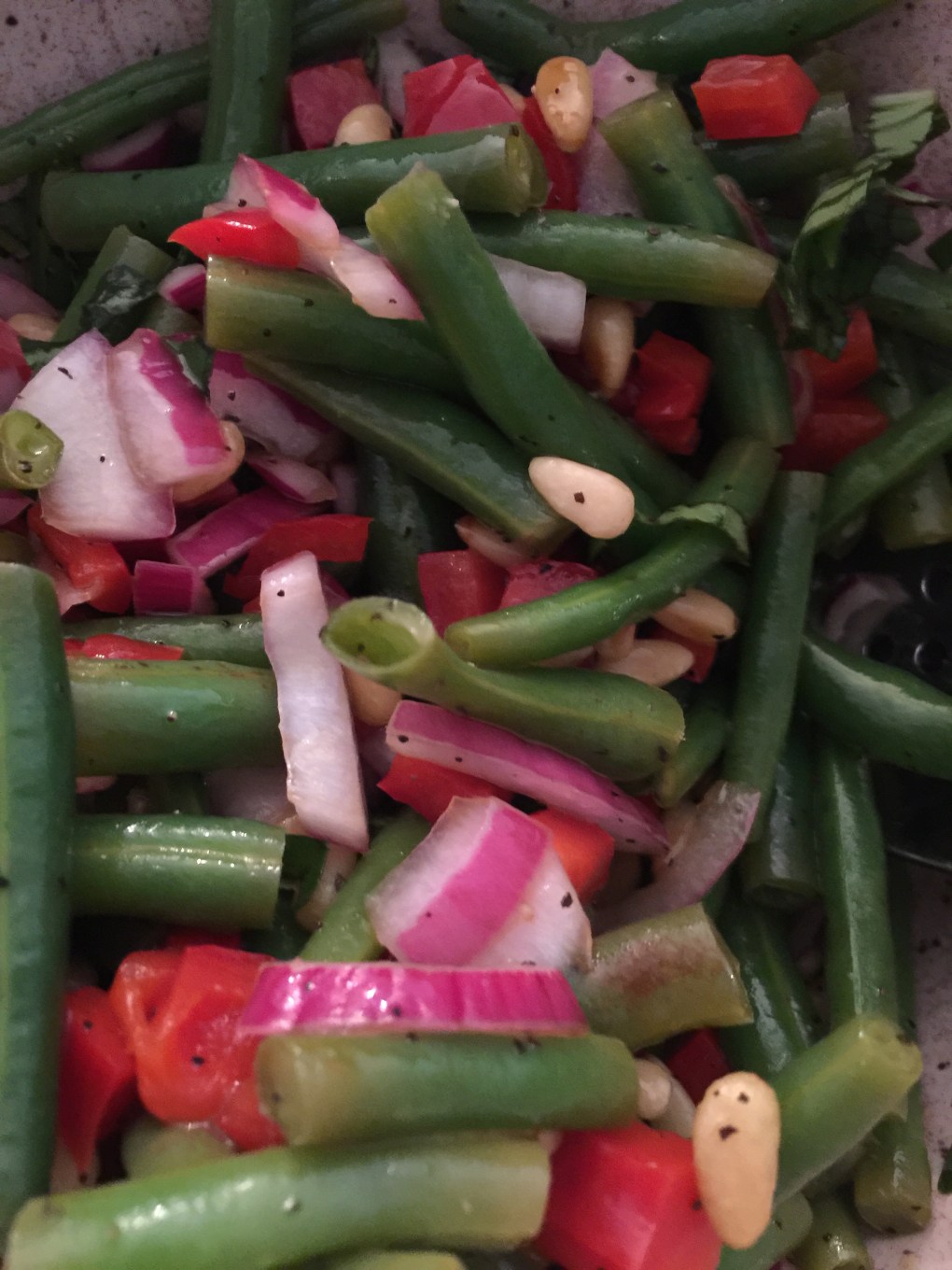
This salad is a riff on that old picnic favorite the “three bean salad”.  What I like so much about this is that the beans are green and crunchy, unlike the one I remember from my youth with watery faded green canned beans.   You could easily make this with wax beans or a combination of string beans too.


Crunch Green Bean Salad

Ingredients:

  • 3/4 pound of beans – washed and trimmed
  • 1/4 cup rice wine vinegar
  • 1/3 cup finely sliced red onion
  • 1 Tbspn extra virgin olive oil (currently we are using a local favorite, Spartan’s for our salads – it is very tasty and comes in a cute reusable ceramic bottle.  Refills come in a convenient pouch)
  • 1/4 cup chopped fresh basil
  • 1/4 cup toasted pine nuts or pecans
  • 1 finely chopped red pepper
  • Salt and pepper to taste


For the preparation, bring a pot of water to a boil and add the trimmed and cut green beans.  You only need to cook them for 3-5 minutes or less.  Test them to make sure they are still crunchy and retain that bright green color.  Once done, immediately place them into a bowl of cold water.  This will stop the cooking process.

Drain the beans in a collander and put them into your salad bowl.  Add all remaining ingredients and toss well.  Salt and pepper to taste.

You can make this the day before, the flavors just get better and better over night!  Great for a picnic and for any summertime meal!

IMG_3578


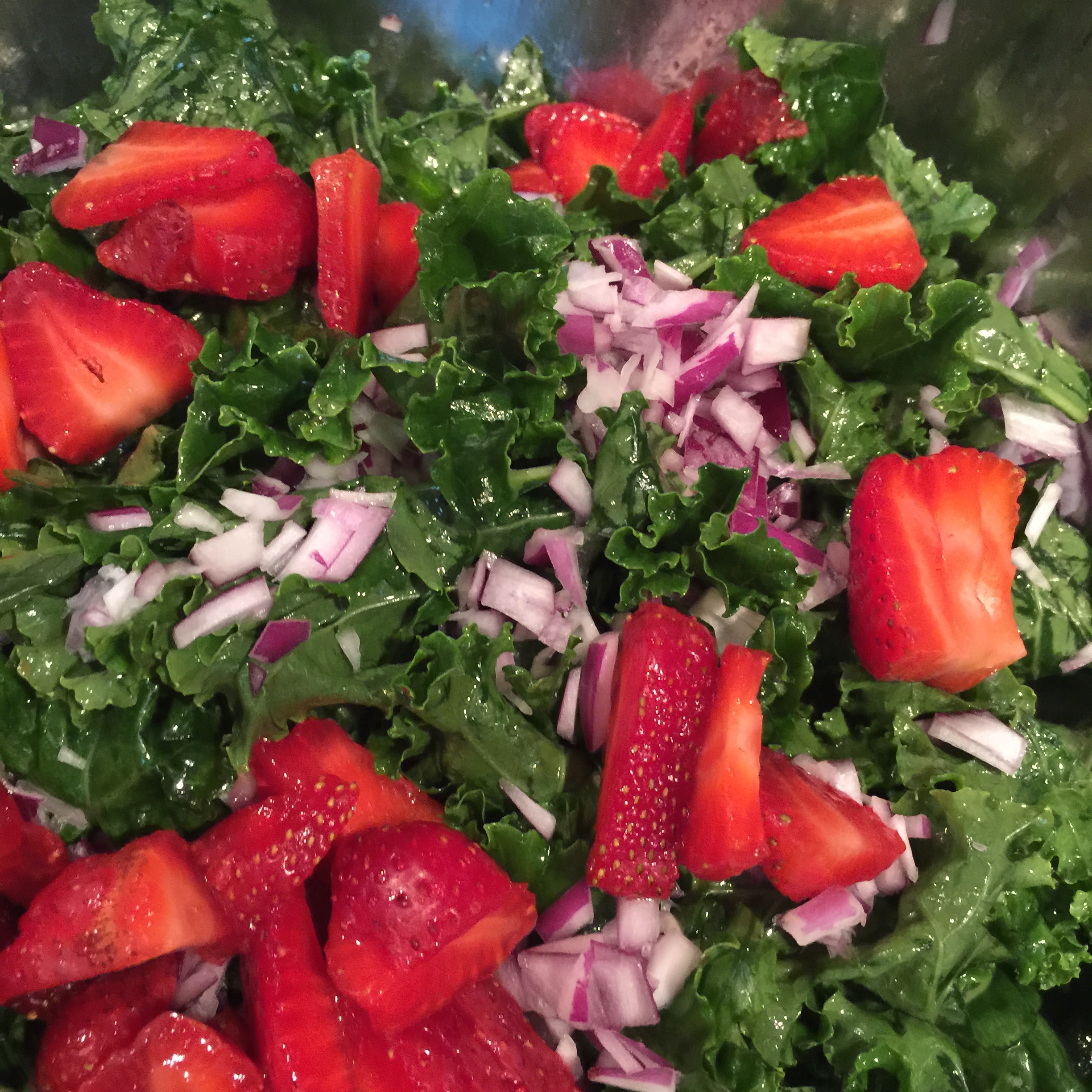
massaged kale salad

massaged kale salad

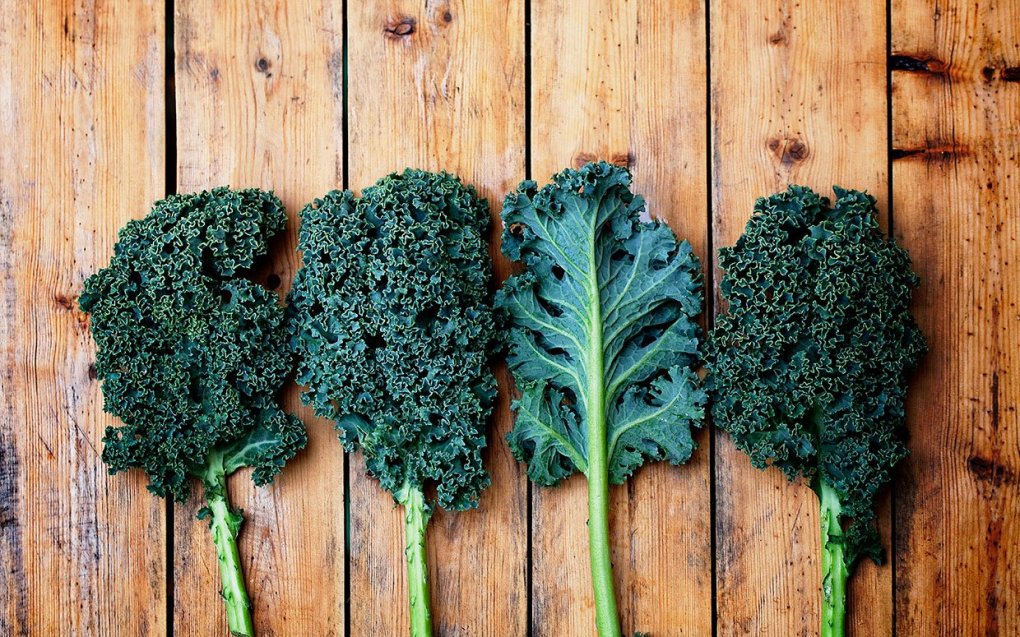
This Massaged Kale Salad is one of my favorites, especially when there are fresh strawberries in season at the market.  Fresh picked strawberries are a sweet addition to the earthy kale and the citrus dressing.  Kale is a superfood that deserves room on every plate.  Most recipes for massaged kale salads call for green apples or other fruit, but I think the strawberries are the best.  Massaging the kale in an olive oil, lemon and salt dressing has the effect of cooking the kale.  The lemon also makes the iron content in the kale far more bioavailable (that means you absorb more!).

I hope you enjoy this kale salad!

[box]

Massaged Kale Salad with Farm Fresh Strawberries

  • 1 bunch fresh kale, washed
  • 1-1/2 cups fresh organic strawberries (from the farmer’s market is the best)
  • 2 tablespoons olive oil (expeller pressed)
  • 1 teaspoon sea salt
  • 1/4 cup minced red onion
  • fresh juice of 1/2 lemon
  • optional : 1/2 cucumber, cut into small cubes
  • optional : 1/2 cup toasted sunflower seeds,  slivered almonds or pine nuts
  • optional: 3 teaspoons fresh oregano or marjoram finely chopped

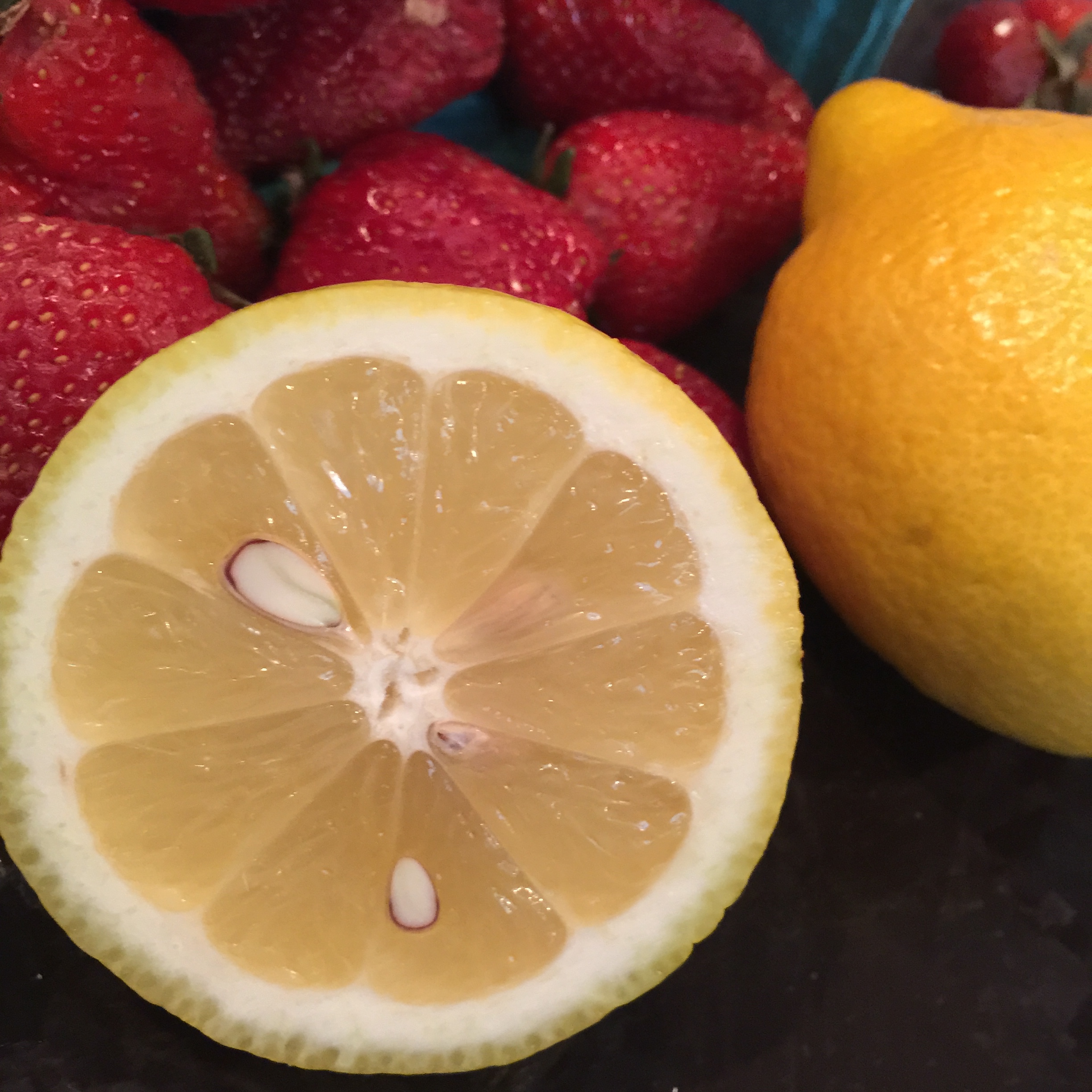
Gather your ingredients.

strawberries and lemon

Stem and chop the kale.   Place in large bowl and drizzle with olive oil, lemon juice and salt.

Massage kale gently with your hands for five to ten minutes.

IMG_1092


Toss with the strawberries, onion and other optional ingredients  (if using).

[/box]

Enjoy!


i heart organic strawberries

“For a long time now we have understood ourselves as traveling toward some sort of industrial paradise, some new Eden conceived and constructed entirely by human ingenuity. And we have thought ourselves free to use and abuse nature in any way that might further this enterprise.  Now we face overwhelming evidence that we are not smart enough to recover Eden by assault, and that nature does not tolerate or excuse our abuses.”

Wendell Berry ~ Bringing It to the Table: On Farming and Food


For about a year of college I lived in Germany, which was my first exposure to farmer’s markets, a way of life at least where my family there lives.  That was some twenty years ago – probably about the very time farmer’s markets were gaining new traction in the U.S.  At the time, I’d never seen eggs so fresh they were still adorned with feathers, or vegetables still smelling of the earth.
One thing about fresh food is that it’s always near death ~ counter-intuitively that makes it alive, and allows it to nourish us with all the vibrancy of it’s vitamins, minerals, enzymes and phyto-nutrients (a word apparently so new that my spell check keeps trying to change it).
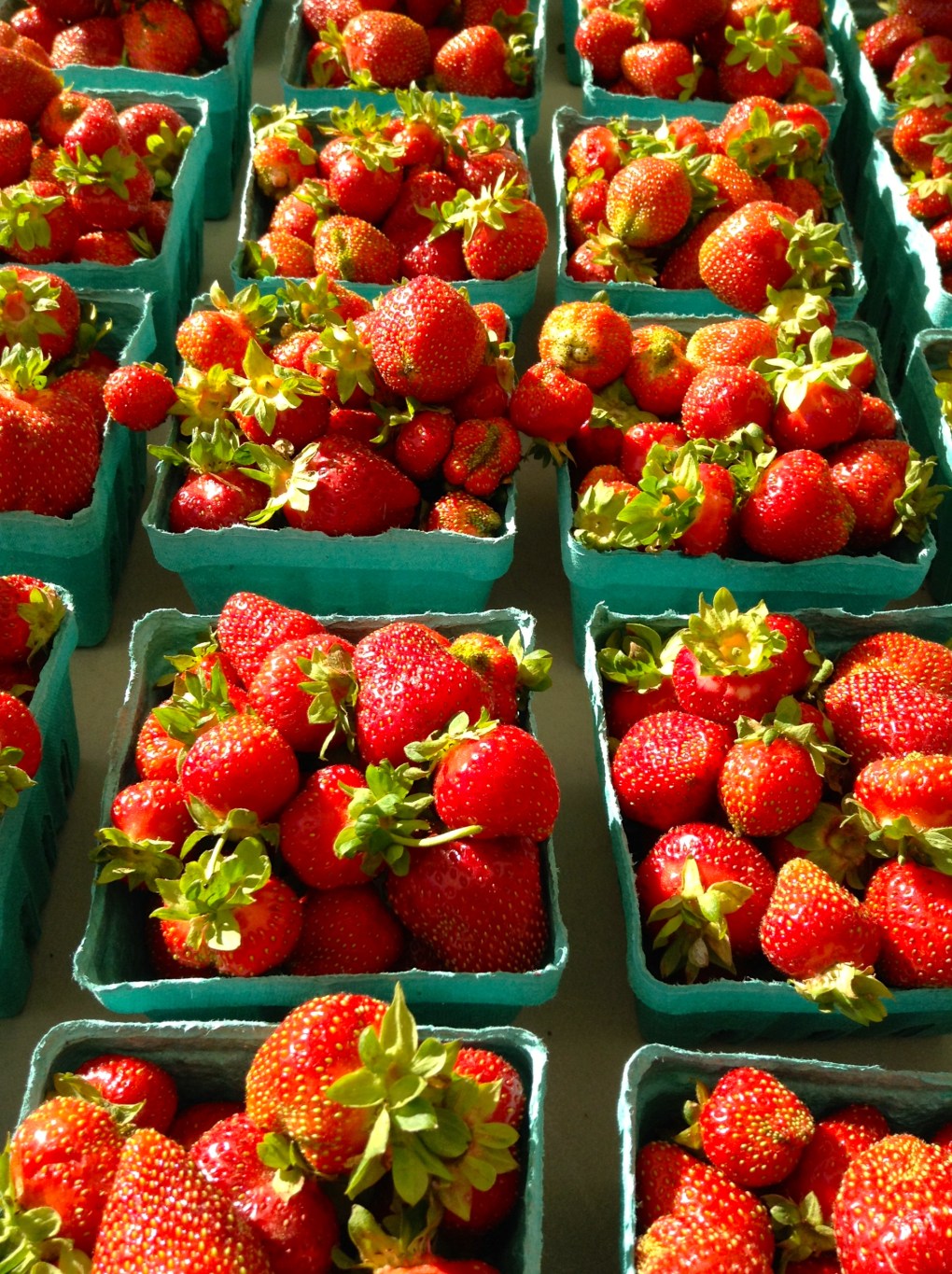
With that in mind, any one attempting to stay as local to their food sources as possible knows the importance of preserving the harvest.  Fresh food is not immortal!  At the moment we are at the waning edge of strawberry season here in Virginia.  In fact, we missed getting any at the past two markets due to our late arrival, so this morning we got there early!
Making that effort to find the best food for my family is really important.  These are not delicacies or haute cuisine at all, but no-frill foods that are raised in harmony with the land, in such a way as to be nourishing rather than depleting.
If we don’t eat the strawberries we bought this morning in about four days, they will rot.  So, extending the harvest has become a habit allowing us to enjoy the delights of spring even into the upcoming winter.  There are many ways to preserve what’s currently in season from canning, to lacto-fermentation and even simply freezing.
As a rule we try to stick with organic whenever possible, but particularly with strawberries which are a fruit known as one of the dirty dozen.  That’s because they are covered with some of the most toxic agricultural chemicals available.   Many of these chemicals are carcinogenic and known endocrine disruptors – that means they mess with your hormones.   Nice!   Even after washing, 67% of fruits and vegetables sprayed with these chemicals still contain them.  Hmmmm.
Over time, many of these toxins bioaccumulate in our fat cells.  Our bodies really do not know what to do with these, and that can have negative effect on our physical health.
The blessing of the farmer’s market is being part of a community.  People get to know one another and look forward to chatting, sharing and learning. You know your farmer’s name, and feel confident in his word.  None of our local strawberry growers sprays, which is a testament to their dedication and nurture of the land.  It’s all connected…in providing well nourished soil to the plants, the plants then become strong and less susceptible to disease and pests, which means these farmer’s don’t need all of the toxic pesticides and fungicides in the first place.
Buying organic can seem more expensive – perhaps in the short run it might slightly be – mostly because we buy en masse.  That said, at the farm stand I can pretty much guarantee you will get a discount  – most of the time without even asking – if you buy in bulk.

This slideshow requires JavaScript.

Whether you freeze them, make them into jams, pile them atop of shortcake or eat them right out of the flat, they are a seasonal delight that brings a smile to everyone’s face!

contain yourselves

“Odd as I am sure it will appear to some, I can think of no better form of personal involvement in the cure of the environment than that of gardening. A person who is growing a garden, if he is growing it organically, is improving a piece of the world.”  Wendell Barry – The Art of the Commonplace: The Agrarian Essays


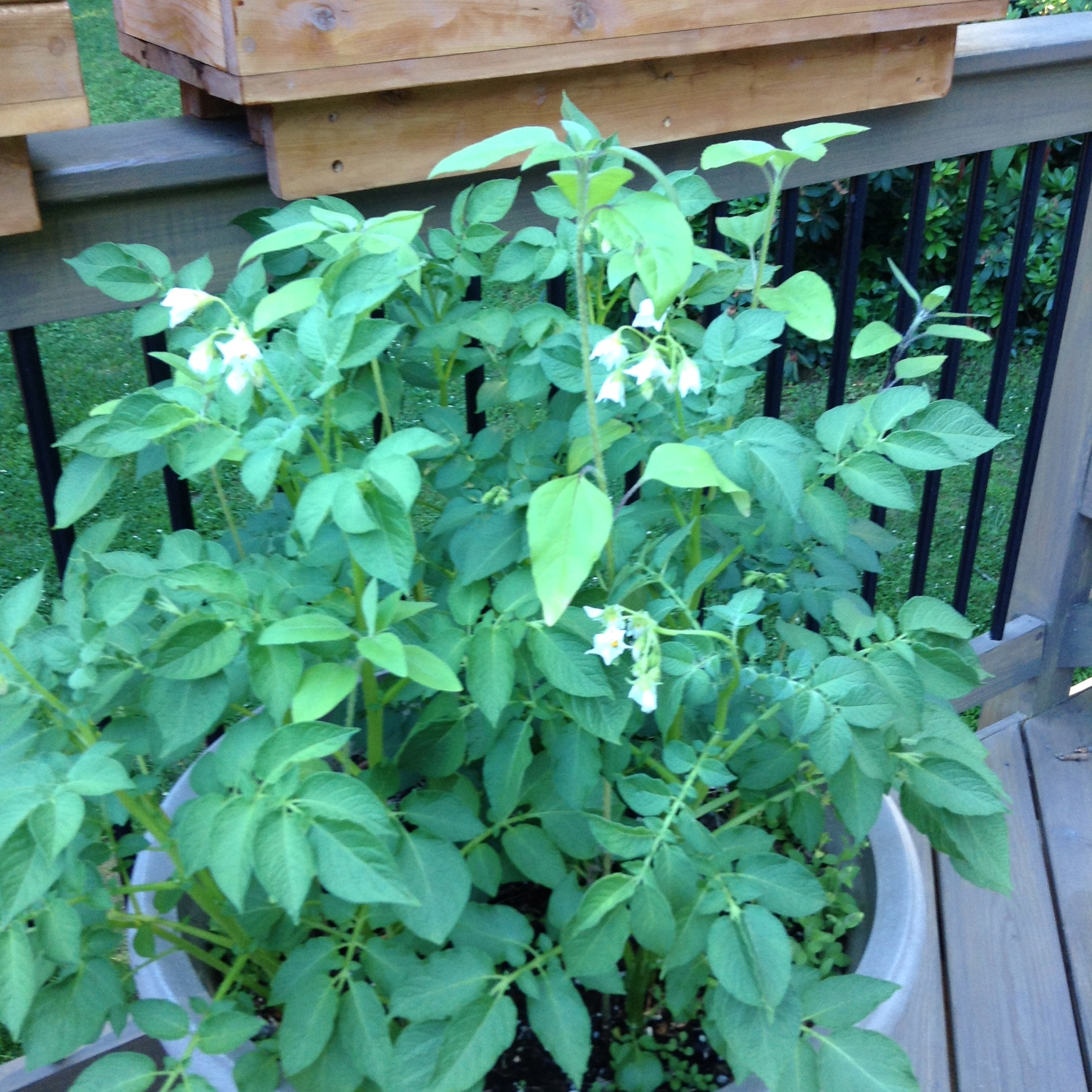
Even if you have only a tiny patio or balcony, growing your own food is a possibility.  No matter how little space you have, with a packet of seeds, a few pots or other container of your choice, you can turn a blank space into an edible landscape.  Whether you grow an assortment of kitchen herbs or potted potatoes, carrots and beans it’s easy and can transform an urban space into a haven and retreat.

A few weekends ago, we picked up some cedar planters at our local plant store DePaul’s Urban Farm and then the kids got to work staining them and planting some carrots.

This slideshow requires JavaScript.

Soon we will have an awesome harvest of carrots.

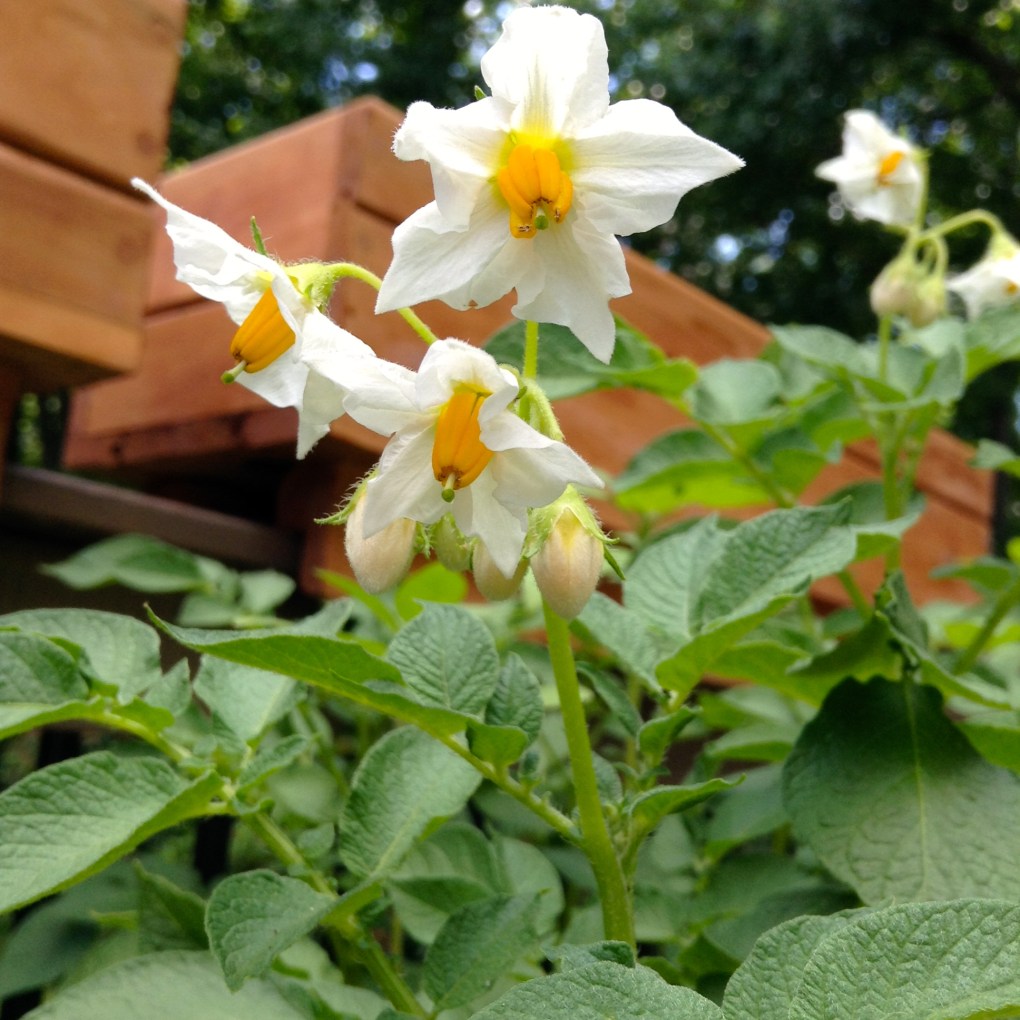
Also too we have potted potatoes – so much easier to harvest because they are confined to one space than planting in a larger garden.  For something a little different we added sunflowers into the mix – for a little flowery effect.  They will bloom soon!

Whatever you chose, the main thing is to have fun with your planting and make a space which is visually and edibly pleasing.

At the end of the day, nothing compares to your own fresh grown food.  Just as wonderful is that you really don’t need a lot of expertise or skill to grow them – especially beans, tomatoes, peas and any salad vegetable.

IMG_0286

The past ten years have seen a rapid increase and high demand for real local sustainable food.  Not a new idea, just one misplaced for about a century!… previously all food was local, mostly because there was not the ability to transport it, or the chemical fertilizers to mass-produce it.

Family gardeners restore and heal their little part of the world starting with their own space and being.  Working the dirt, it is inevitable that knowledge, experience and success from those lessons unearthed in the garden tills into other areas of our lives ~ gratitude and thanksgiving for the harvest, family and friends!

“In almost every garden, the land is made better and so is the gardener”. ~Robert Rodale


polyface farm

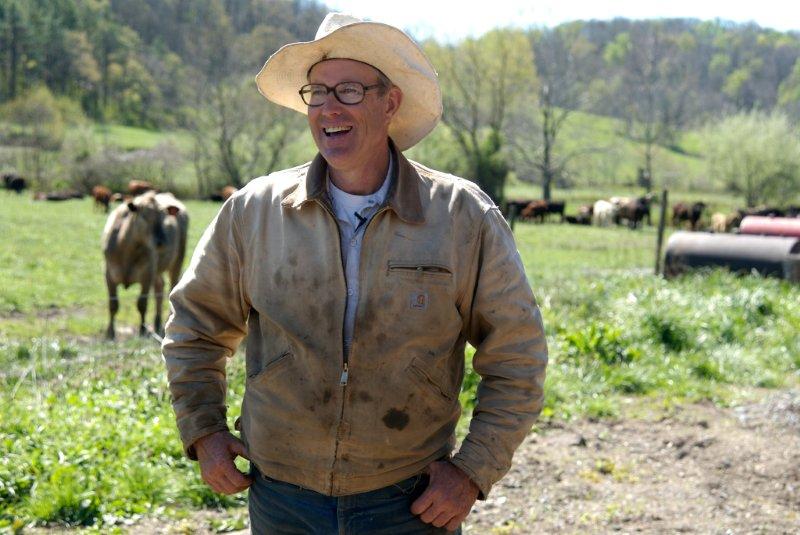
This is Joel Salatin, owner of Polyface Farm, located right here in Virginia.  He runs a transparent farm… that means he welcomes visitors!  He also keeps it local and won’t raise more animals than his land sustains and so therefore tends a vibrantly healthy livestock which require no daily cocktails of antibiotics or medicines.  They are raised in nature, roaming free ~ where they can forage on the very foods God intended, living peacefully in the very manner God intended, rather than penned up wing to wing without any access to daylight or fresh air.  He sells his food only to those within certain geographical limit of his farm – he says it’s good for the environment because, among other things, it saves fuel.

Thankfully there are farmers like Joel Salatin across this country (most of them sell at farmer’s markets or have local drop off points).  Due to his humane and sustainable method of farming, farmers from across this land come to apprentice on his farm and learn his techniques.  These farmers are feeding the future.

People call Joel Salatin a pioneer, but he just considers himself a lunatic farmer.


Why Food Matters

Improving Wellness with Holistic Nutrition

“Give the body discipline and you will see that the body is for Him who made it.”  

Amma Theodora – Sayings of the Desert Fathers

A holistic approach to nutrition focuses not only on a healthy diet, but considers that each person is unique, addressing them as a whole.  This includes emotional, and physical health.  In fact, the very word diet comes from the Greek word diata, which literally means “our manner of living”.

You can have the healthiest diet in the world but if you are not digesting and absorbing nutrients, it’s simply not nourishing you.  Holistic nutrition considers the stomach and digestive system the core of whole body health, because every system in the body relies upon it.

As Orthodox Christians we also believe that each person is unique, created in the image and likeness of God.  And…. we also believe that our spiritual life and health begins with our stomachs.  So, as we consider steps we can take to improve our health, let us first and foremost consider our Faith.  The Church gives us guidance, applicable throughout the ages, about the right role of food in our lives.  From an Orthodox perspective, “eating right, or eating well is also about eating for the right reasons”.

Our initial struggle must be to gain control of our stomachs… 

Food is to be taken in so far as it supports our life

(Father John Cassian – On Control of the Stomach – 4th century)


In other words, we should eat to live rather than live to eat!

So why is this generation so worried about diet and nutrition?  Some background is required.  While we might say “we are what we eat”,  there is a great irony that we, as a nation, eat quite poorly and deficiently.
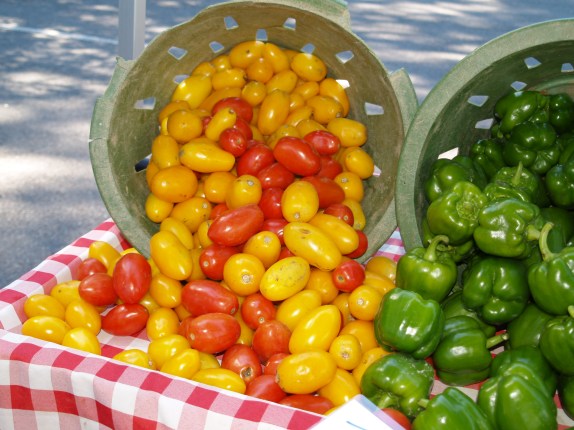
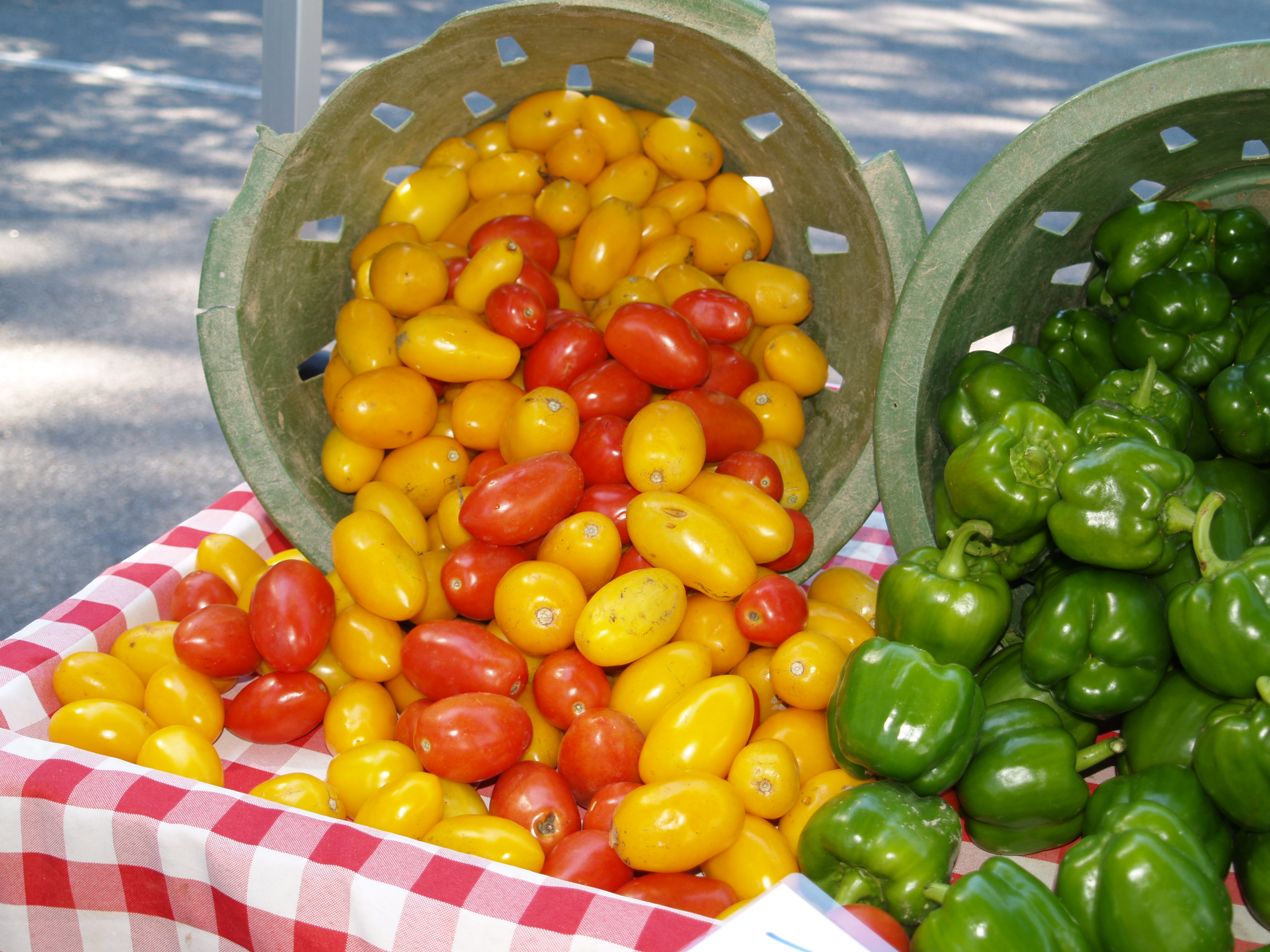
Oakton Farmers Market

How did we get in this situation?  For one thing, at no other time on the earth, have we been so disconnected from the sources of our food.  And from that perspective, it’s easy to be unaware of the the ill health of livestock within modern “industrial” animal husbandry, the unlabeled genetic modification of our seeds, and the pesticide and herbicide laden nature of our produce.

These issues, however, are worth our attention, because “we are what we eat”.  There is a complex and symbiotic relationship between the quality of our air, the health of our soil, the health of plants and animals, and our own health.

Nutritionally, we have traded in wisdom for knowledge and traditional foods for overly processed convenience foods.  Our ancestor’s cultural eating habits were determined by tradition and despite their varied ethnicities, their diets had one thing in common – they ate a whole foods diet, one that was local, seasonal and organic.

The last century has shown serious trends away from nourishing foods.  Now, there is much uncertainty about what even embodies a wholesome diet.  People are concerned, and justifiably so.
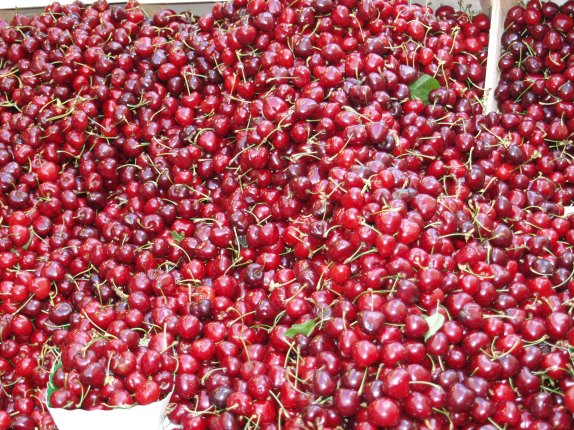
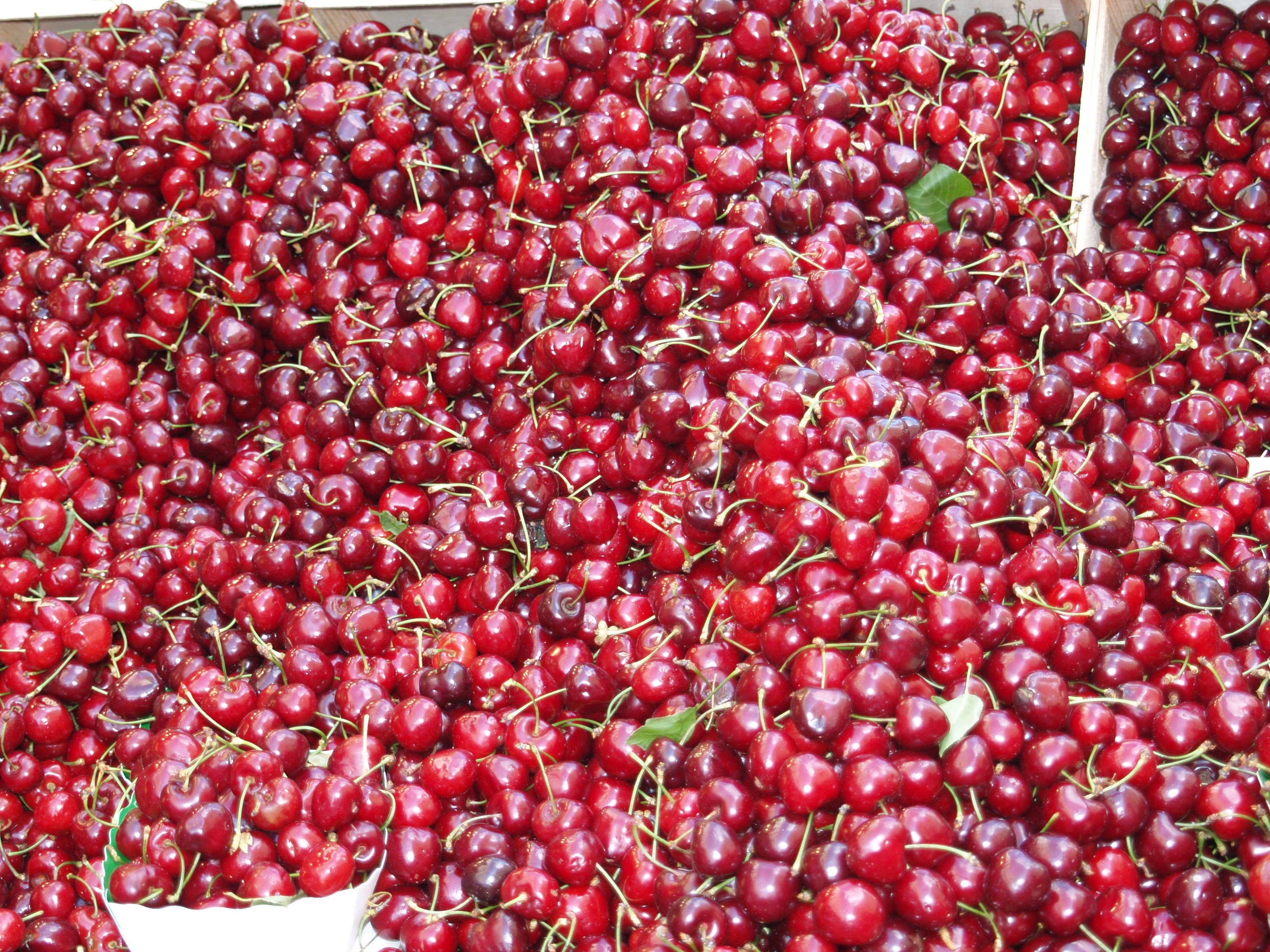
French Market Cherries

Humanity has an intimate relationship with food, for our food becomes our very bodies – flesh of our flesh and bone of our bone.   “Our genes make their day to day decisions based on the information they receive from the food we eat… in that sense, food is less like a fuel and more like a language conveying information… that information programs your genes, for better or worse.” (Shanahan MD,Catherine, 2011: p 7)

A calorie isn’t just a calorie and nutrient density and quality really do matter.  How you nourish yourself over the long run has either a negative or positive affect on your health.

We routinely eat ingredients in our foods which have been created in laboratories and are not even pronounceable, but how often do we question them?  The petroleum based preservative BHA, found in beer, butter and cereals, has been classified by the Department of Health and Human Services as  “reasonably anticipated to be a human carcinogen”.  Another is titanium dioxide found in your salad dressing, coffee creamers and icing… guess what – it’s also used in paints and sunscreens!

There are many processed things called “food”, but few that are worthy of keeping us vibrant and well!
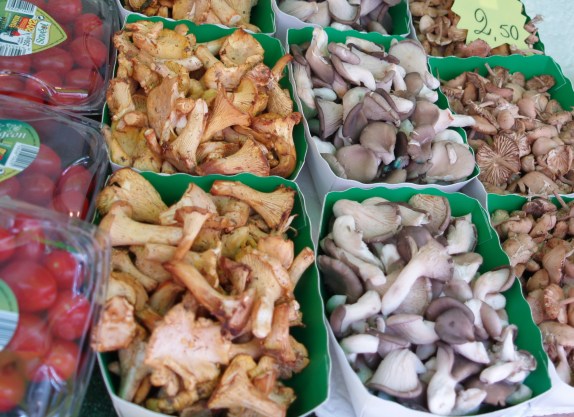
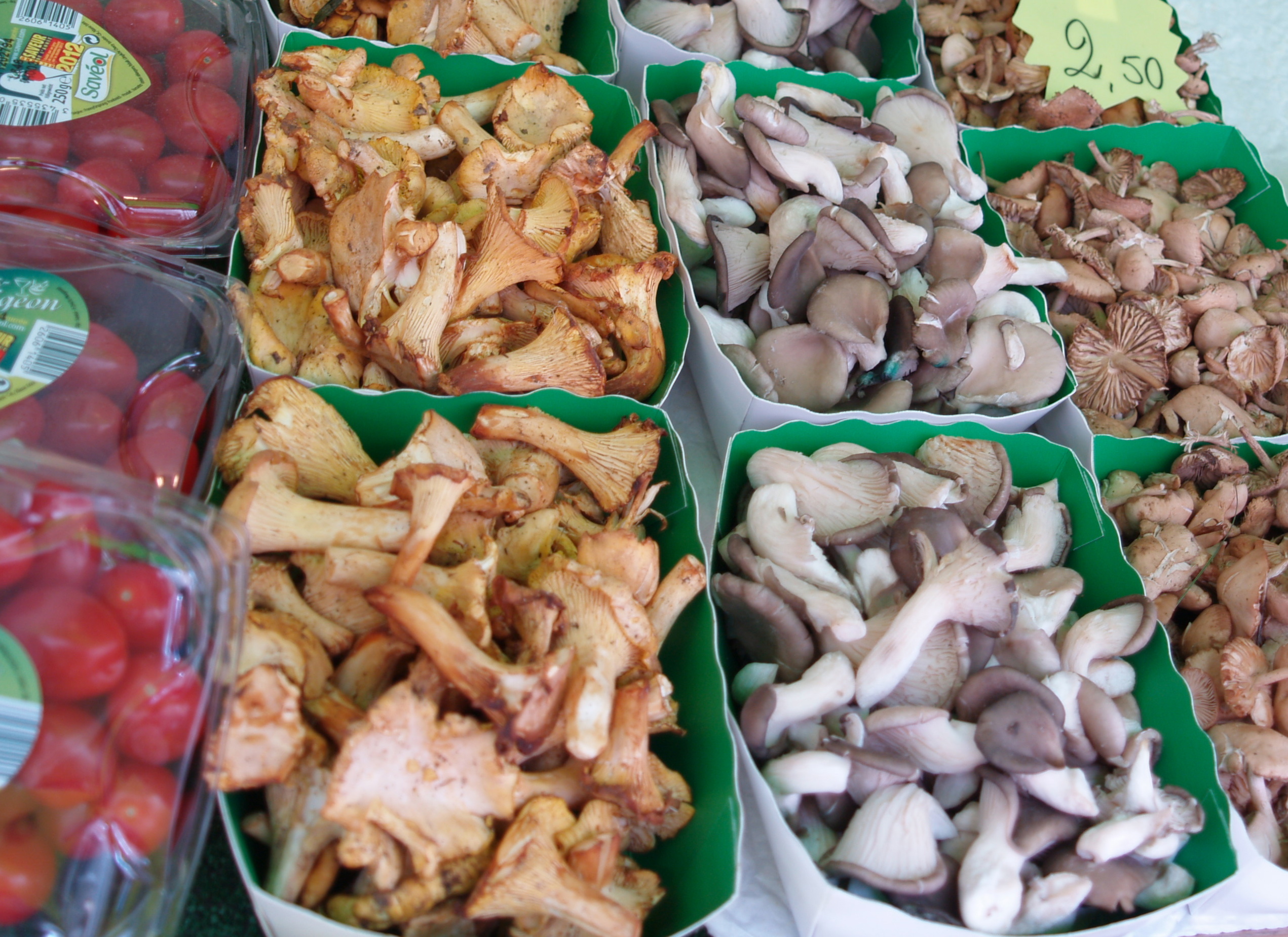
French Market Mushrooms

These are big issues, but the great news is that through education – organic foods, Slow Food and Buy Fresh Buy Local movements are popping up across the country and are very available.  People are learning about the wisdom and health benefits of traditional and ancestral food.  They are returning to Farmers Markets, buying shares in their local Community Supported Agriculture – CSA’sat heart,  connecting and investing, not only in their health, but also in their communities.

Even if you have really bad eating habits, it’s never too late to begin fresh again.  God created us with tremendous abilities to detoxify, heal, grow and regenerate!

Below are some easy steps you can incorporate over time to improve your overall wellness.   Remember –  healthy eating doesn’t mean eliminating the foods we love.  A healthy diet is about balance.  If 85% of our diet is healthy, then that baklava proves a guilt free pleasure!

And one last thing… as you begin steps toward wellness, embrace and enjoy the journey!  Don’t just eat healthy, eat well.  Take pleasure in your meals and dine with family and friends whenever possible… it’s just more delightful together!

Let’s eat to live and make every bite count ~ one morsel at a time!

[box] Make a Diversity of Whole and Plant Based Foods the foundation of your diet. That doesn’t mean you need to give up meat, but strive to make produce the foundation of your eating. Whole foods are those as close to their whole natural state as possible. They look like what they are like an apple or a carrot. Whole grains, and brown rice are also whole foods. They come perfectly packaged with the fiber and nutrients essential for their optimal absorption by our bodies. There is a synergy in the combination of nutrients found in each whole food, in other words, they are more effective in their whole food form.

Avoid refined and processed foods.  Reduce sugary snacks, sweets and sodas. Simply stated, refined and sugary foods are very depleting for the body. At the turn of the century, the average american consumed about 2 pounds of sugar per year; we now routinely consume upwards of 100 pounds per year. Last year 60 Minutes did a great expo titled “Is Sugar Toxic”.

Stay adequately hydrated! Good clean water is vital for life and involved in almost every function our bodies perform. Get at least 8 – 8 ounce servings/ day.

Exercise regularly. It reduces stress, increases circulation, releases those good feeling endorphins and promotes weight loss. Moderate your exercise to your ability.

Reduce and Manage Stress. Prayer, a positive outlook and exercise are most helpful in mitigating stress. Stress is a great challenge to our immune system, taxing nearly every organ in our body. It takes a high toll on health.

Add Probiotic rich foods to your diet: These foods are alive, and quite symbiotically, their life gives us life!  Probiotics work with our immune system to keep us healthy, but they need to be continually replenished. “Studies have shown that live-cultured foods containing probiotics help to prevent a whole range of allergic, autoimmune, and inflammatory diseases.” (Shanahan MD,Catherine, 2011:pp. 147-148) Click here for a list of probiotic rich foods.

Know thy fats! Essential fatty acids are an important part of a healthy diet and should be included. More about them can be found here and here. Also, learn more about the traditional fats which have nourished civilizations well.

Watch your portion sizes. Saint John of the Ladder sums it up well, “Master your stomach before it masters you.”[/box]


The ultimate goal is to Go organic, local and seasonal!  You can do it!  Buy free range -pastured meats, pastured eggs and dairy and produce as close to their source as possible.  Their nutrition is superior.  Looking for a farmers market near you?  Local Harvest has a nationwide list!

It’s taken our family over two years to dramatically change our diet and we have enjoyed the adventure and the journey ~  slowly making changes, one morsel at a time.

Above all, whatever your diata, keep the Feasting and Fasting cycles of the Church.  In her wisdom, she provides this rhythm for the nourishment of body and soul.  And in this life, our journey in Christ, through “prayer, daily Christian living, and worship, which ultimately lead to union with the divine uncreated Light” is the ultimate source of our wellness.


about the author

Victoria Cherpes is a wife, and homeschooling mother of three beautiful daughters and Sunday School teacher.  On their small urban family homestead, they enjoy tending their Victory Garden full of lettuces, berries and vegetables, weeds and bugs; raising figs for the local market and amateur beekeeping.  

She is currently pursuing her Master’s Degree in Holistic Nutrition at Hawthorn University and is a student member of the National Association of Nutrition Professionals (NANP).

If you have any questions, you can reach her at nourishinggrace@yahoo.com


[box] Sources:

Shanahan MD, Catherine (2011-04-22). Deep Nutrition: Why Your Genes Need Traditional Food. Big Box Books. Kindle Edition.

Ballentine M.D., Rudolph (2007-01-25). Diet and Nutrition: A Holistic Approach. National Book Network – A. Kindle Edition

Lipski PhD, Elizabeth (2012). Digestive Wellness: Strengthen the Immune System and Prevent Disease Through Healthy Digestion (4th Edition)

Mandell, Catherine (2005) When You Fast: Recipes for Lenten Seasons

Ward, Benedicta (1975). Sayings of the Desert Fathers. (http://www.scribd.com/doc/75385925/Apoftegma Fallon, Sally (2001).

Nourishing Traditions: The Cookbook That Challenges Politically Correct Nutrition and the Diet Dictocrats. (2nd ed)

http://www.nj.goarch.org/resources/spirituality.htm%5B/box%5D


This article was original posted at Orthodoxmom.com and has been slightly revised.