crunchy bean salad

IMG_3579

“Water falls from heaven as rain, and while it is always the same in itself, it produces many different effects, one in the palm tree, another in the vine, and so on, throughout the whole of creation. It does not descend, now as one thing, now as another, but while remaining essentially the same, it adapts to the needs of every creature that receives it. In the same way the Holy Spirit, whose nature is always the same, simple and indivisible, apportions grace to each person as He wills. Like a dry tree which puts forth shoots when watered, the soul brings forth the fruit of holiness when repentance makes it worthy of receiving the Holy Spirit. Although the Spirit never changes, the effects of His action, by the will of God and in the name of Christ, are both many and marvelous.”  Saint Cyril of Jerusalem

It’s “bean” a while since writing on the blog.  This past year beckoned reprioritizing – faith, family, homeschool and also really to focus on completing my Master’s Degree.  No, I am not done, but almost!  Yay!

We’ve also been battling Lyme disease in this home and I tell you, it is formidable – and affects everyone different!  Lord have mercy.  It really turned our lives upside down.  However, all signs are that my loved one is almost done with treatment and that is a tremendous blessing.

In many ways, the year of Lyme Disease has been a blessing too… just in it’s very own way.

That aside, it’s also “bean” a long time since I have made a bean salad, but since the farmer’s market this week was so plentiful with green beans – I brought home a whole bunch!

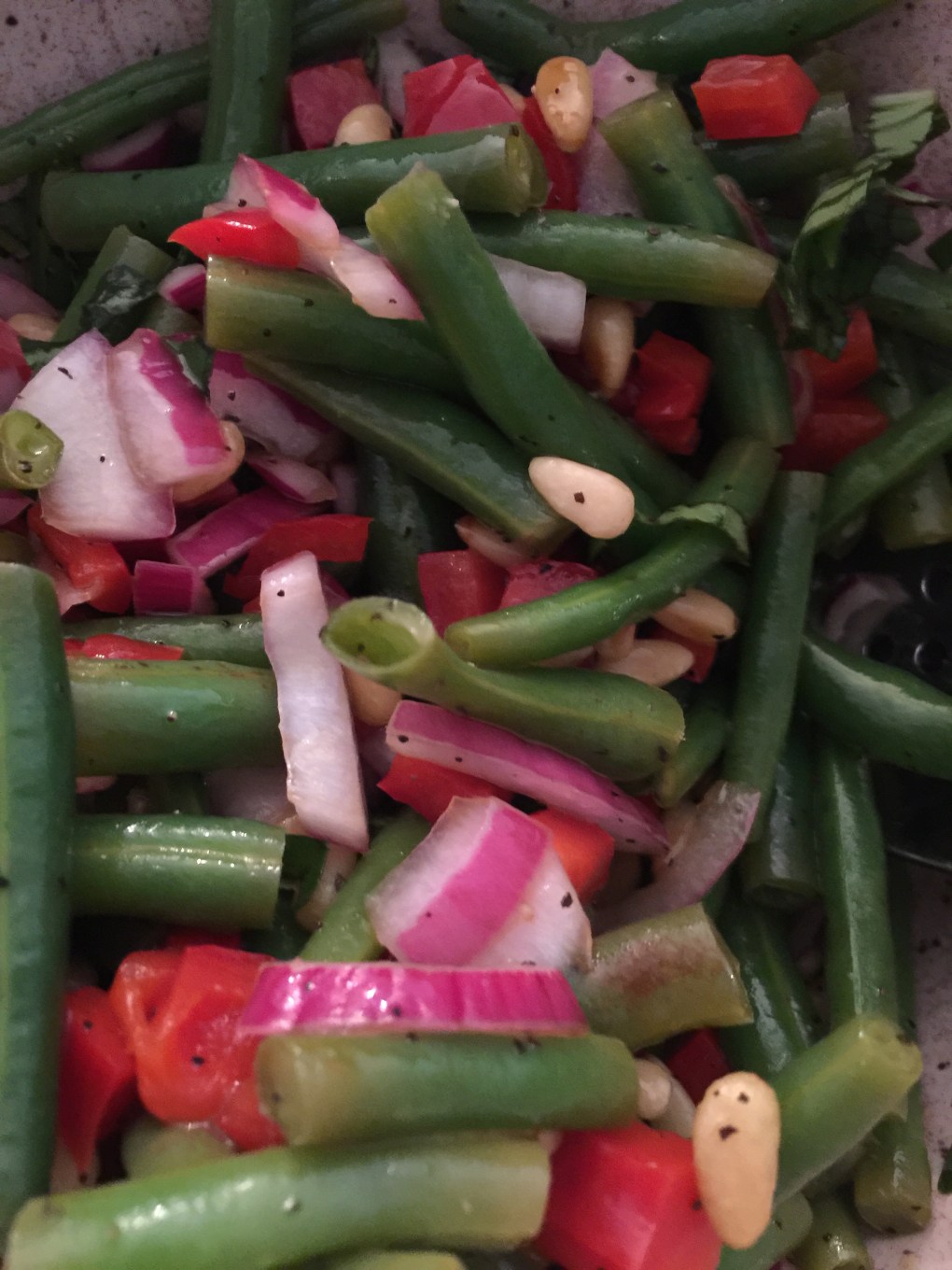
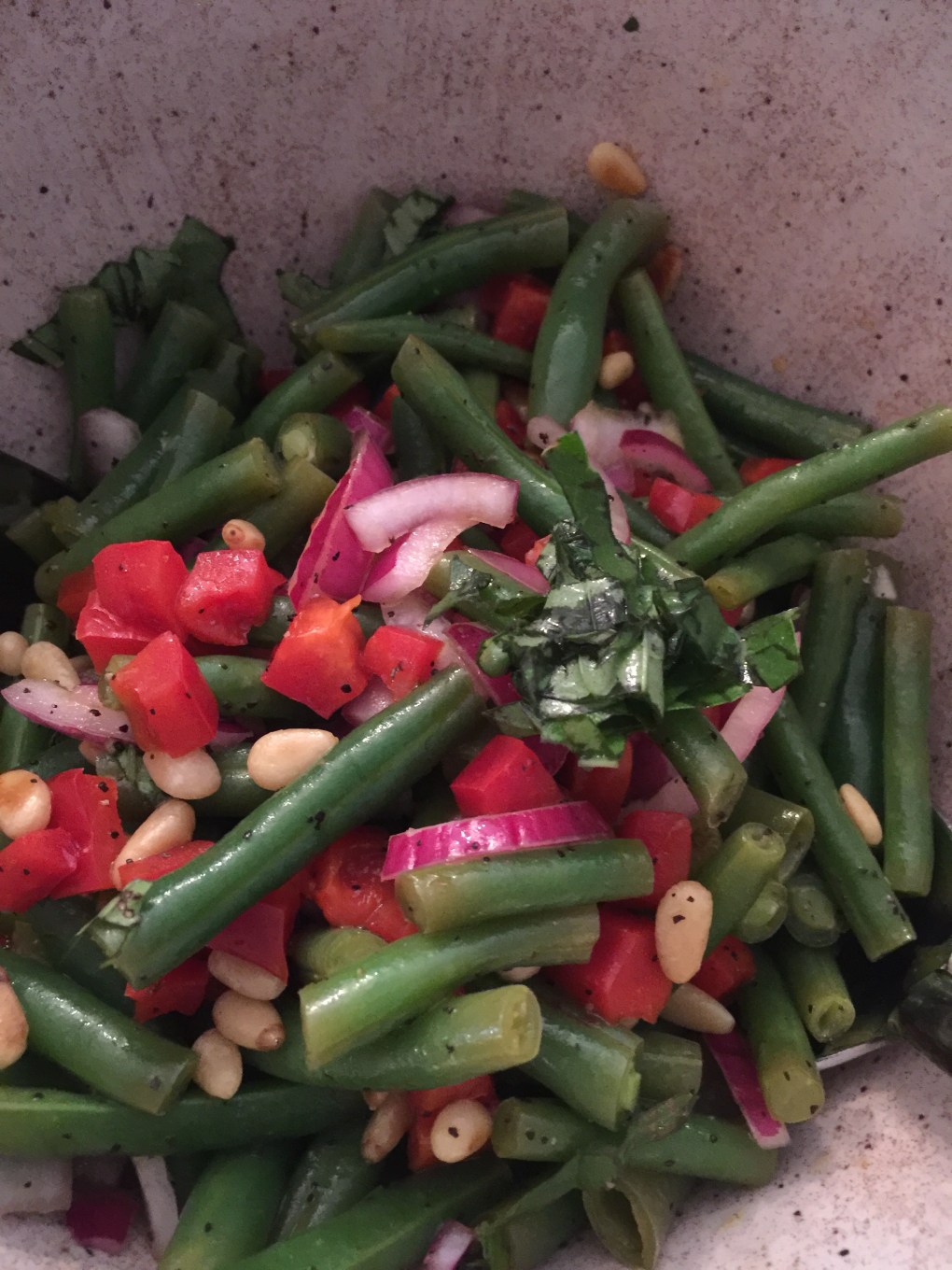
This salad is a riff on that old picnic favorite the “three bean salad”.  What I like so much about this is that the beans are green and crunchy, unlike the one I remember from my youth with watery faded green canned beans.   You could easily make this with wax beans or a combination of string beans too.


Crunch Green Bean Salad

Ingredients:

  • 3/4 pound of beans – washed and trimmed
  • 1/4 cup rice wine vinegar
  • 1/3 cup finely sliced red onion
  • 1 Tbspn extra virgin olive oil (currently we are using a local favorite, Spartan’s for our salads – it is very tasty and comes in a cute reusable ceramic bottle.  Refills come in a convenient pouch)
  • 1/4 cup chopped fresh basil
  • 1/4 cup toasted pine nuts or pecans
  • 1 finely chopped red pepper
  • Salt and pepper to taste


For the preparation, bring a pot of water to a boil and add the trimmed and cut green beans.  You only need to cook them for 3-5 minutes or less.  Test them to make sure they are still crunchy and retain that bright green color.  Once done, immediately place them into a bowl of cold water.  This will stop the cooking process.

Drain the beans in a collander and put them into your salad bowl.  Add all remaining ingredients and toss well.  Salt and pepper to taste.

You can make this the day before, the flavors just get better and better over night!  Great for a picnic and for any summertime meal!

IMG_3578


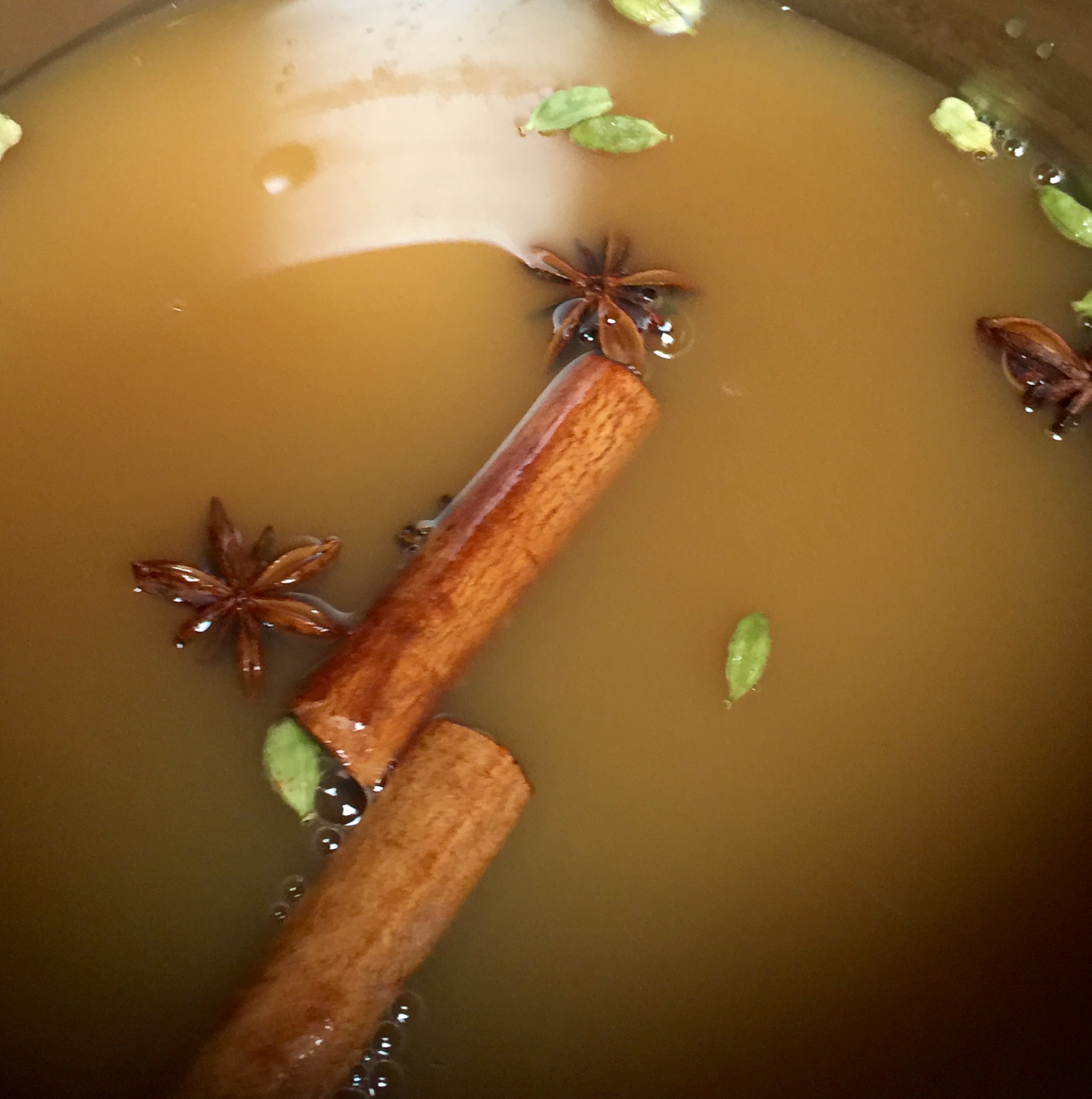
warm spiced fall apple cider

IMG_2027

“Through the Holy Spirit we are restored to paradise, we ascend to the kingdom of heaven, and are reinstated as adopted children. Thanks to the Spirit we obtain the right to call God our Father, we become sharers in the grace of Christ, we are called children of light, and we share in everlasting glory”.

St. Basil the Great


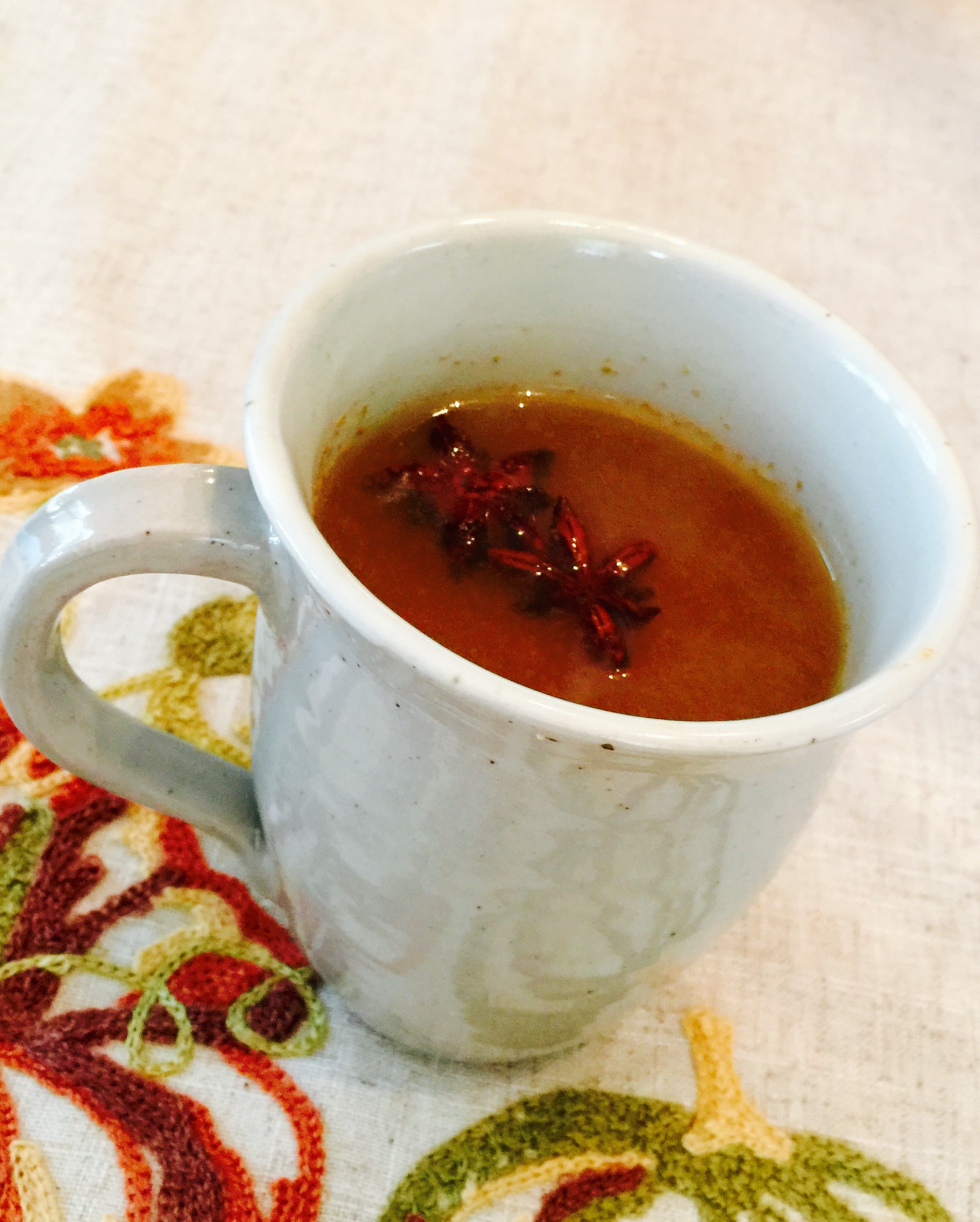
Around this time in Virginia, apple cider turns up in all the stores and farmer’s markets.  This warm apple cider is a great way to enjoy this crisp apple beverage.  It is inspired from one of our favorite restaurants, Le Pain Quotidien, which also offers it at various times throughout the year.


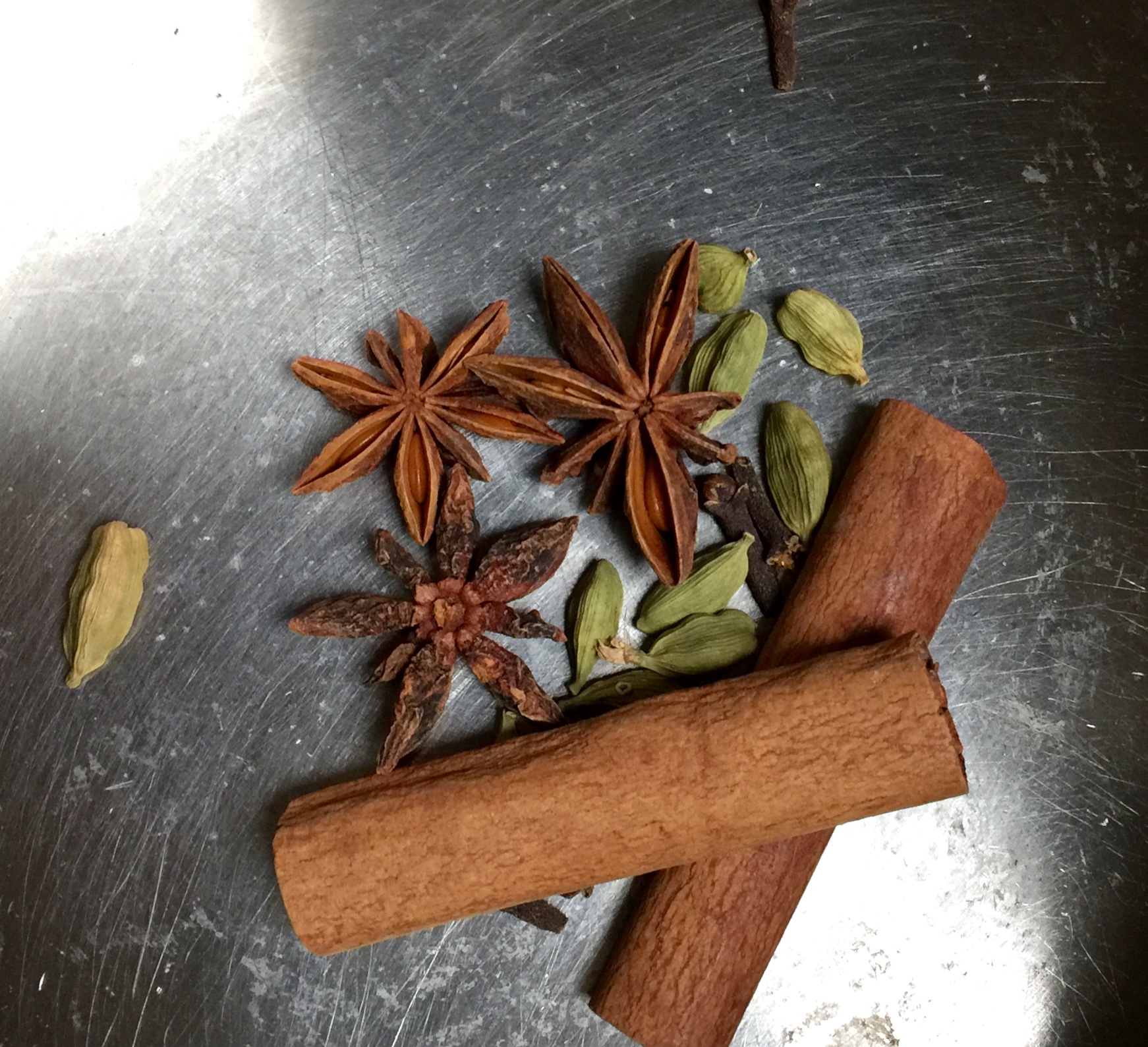
Warm Spiced Fall Apple Cider

Place all ingredients in small pot.  Bring to a simmer.

IMG_2012

Remove from heat.  Let sit for ten minutes.  Pour into mugs and enjoy.

Spiced Apple Cider Warming

Alternatively, you can double or triple the ingredients and place in a crock pot on low and drink it throughout the day.

IMG_2025


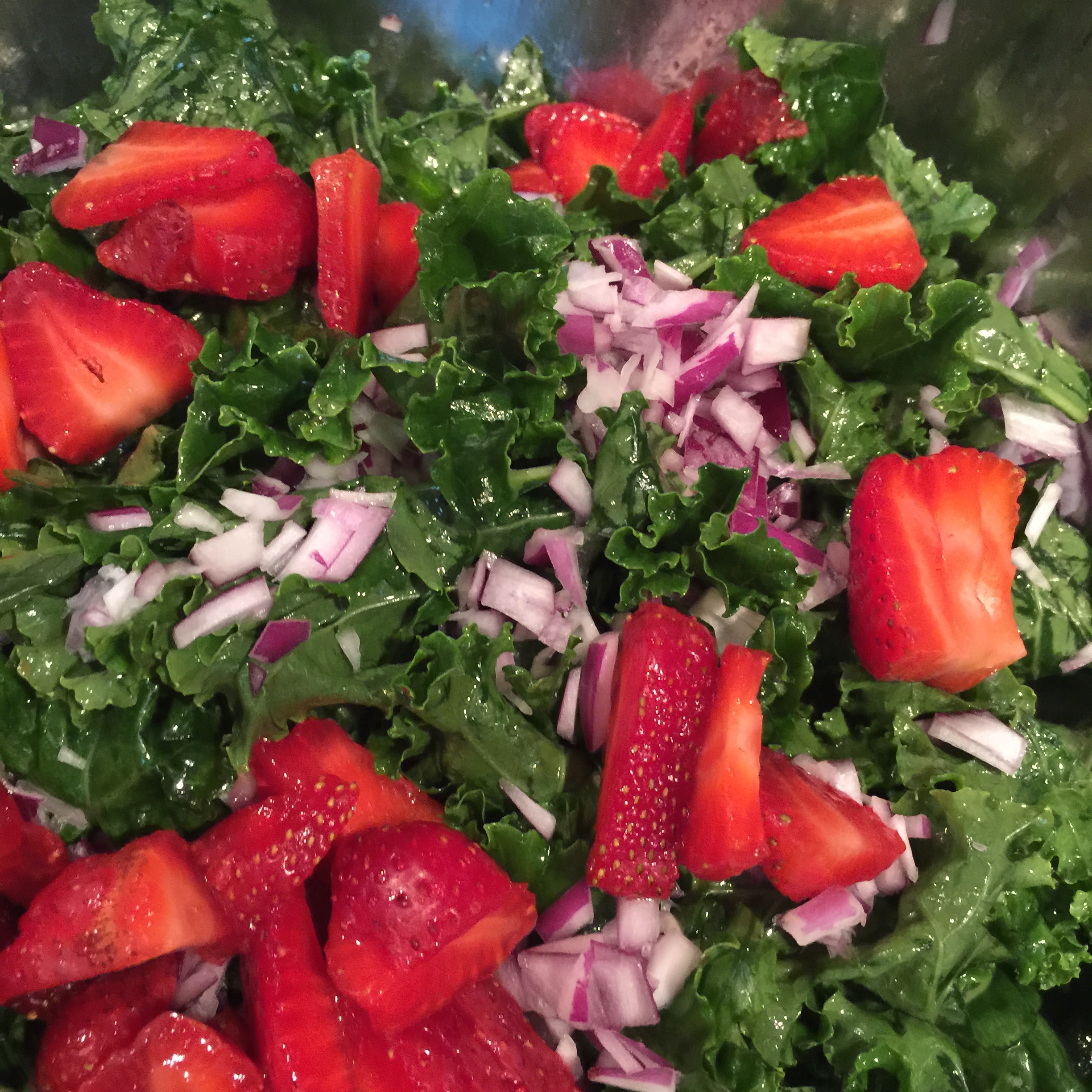
massaged kale salad

massaged kale salad

This Massaged Kale Salad is one of my favorites, especially when there are fresh strawberries in season at the market.  Fresh picked strawberries are a sweet addition to the earthy kale and the citrus dressing.  Kale is a superfood that deserves room on every plate.  Most recipes for massaged kale salads call for green apples or other fruit, but I think the strawberries are the best.  Massaging the kale in an olive oil, lemon and salt dressing has the effect of cooking the kale.  The lemon also makes the iron content in the kale far more bioavailable (that means you absorb more!).

I hope you enjoy this kale salad!

[box]

Massaged Kale Salad with Farm Fresh Strawberries

  • 1 bunch fresh kale, washed
  • 1-1/2 cups fresh organic strawberries (from the farmer’s market is the best)
  • 2 tablespoons olive oil (expeller pressed)
  • 1 teaspoon sea salt
  • 1/4 cup minced red onion
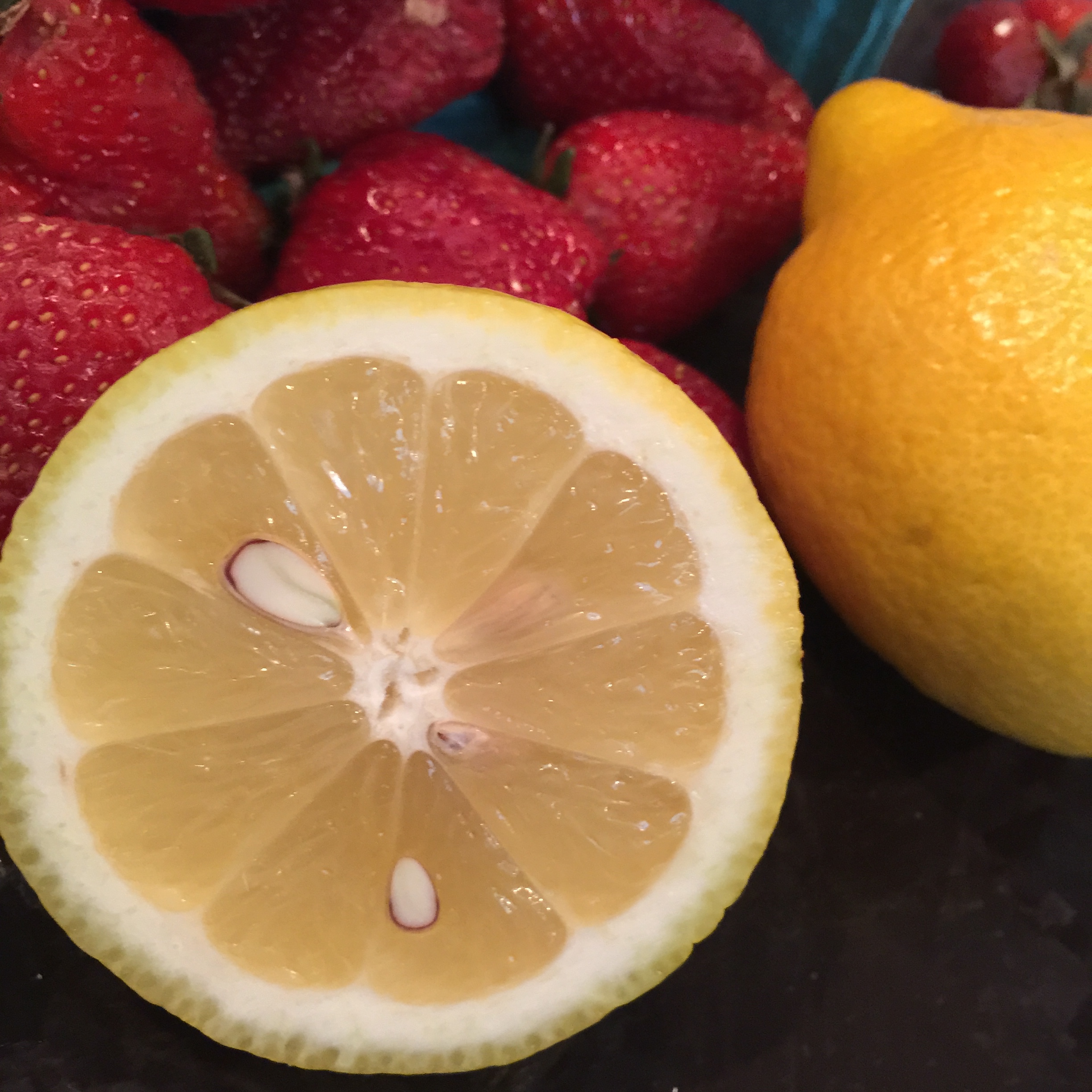
  • fresh juice of 1/2 lemon
  • optional : 1/2 cucumber, cut into small cubes
  • optional : 1/2 cup toasted sunflower seeds,  slivered almonds or pine nuts
  • optional: 3 teaspoons fresh oregano or marjoram finely chopped

Gather your ingredients.

strawberries and lemon

Stem and chop the kale.   Place in large bowl and drizzle with olive oil, lemon juice and salt.

Massage kale gently with your hands for five to ten minutes.

IMG_1092


Toss with the strawberries, onion and other optional ingredients  (if using).

[/box]

Enjoy!


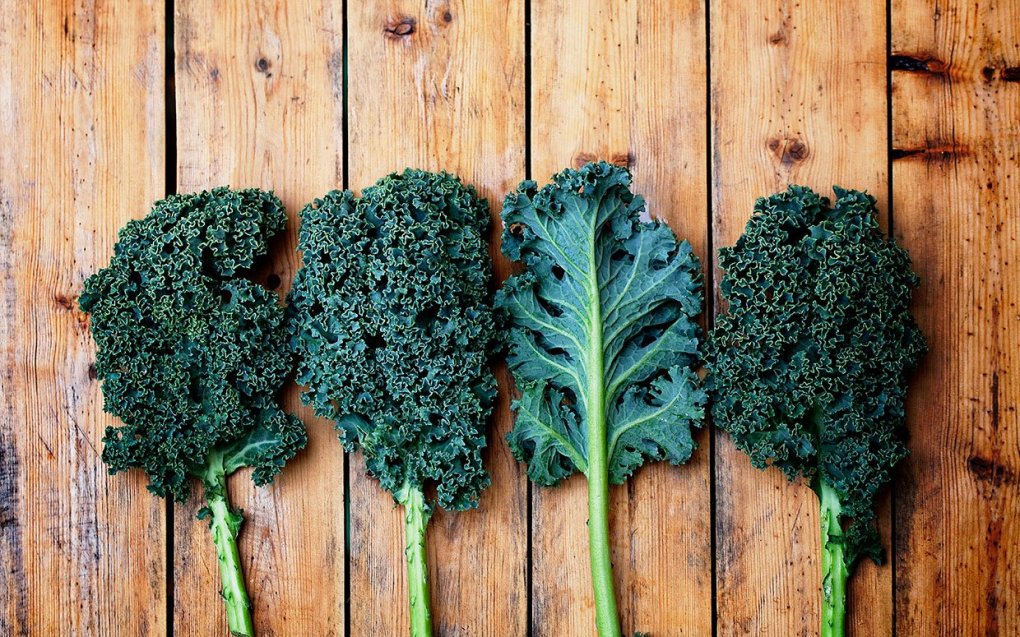
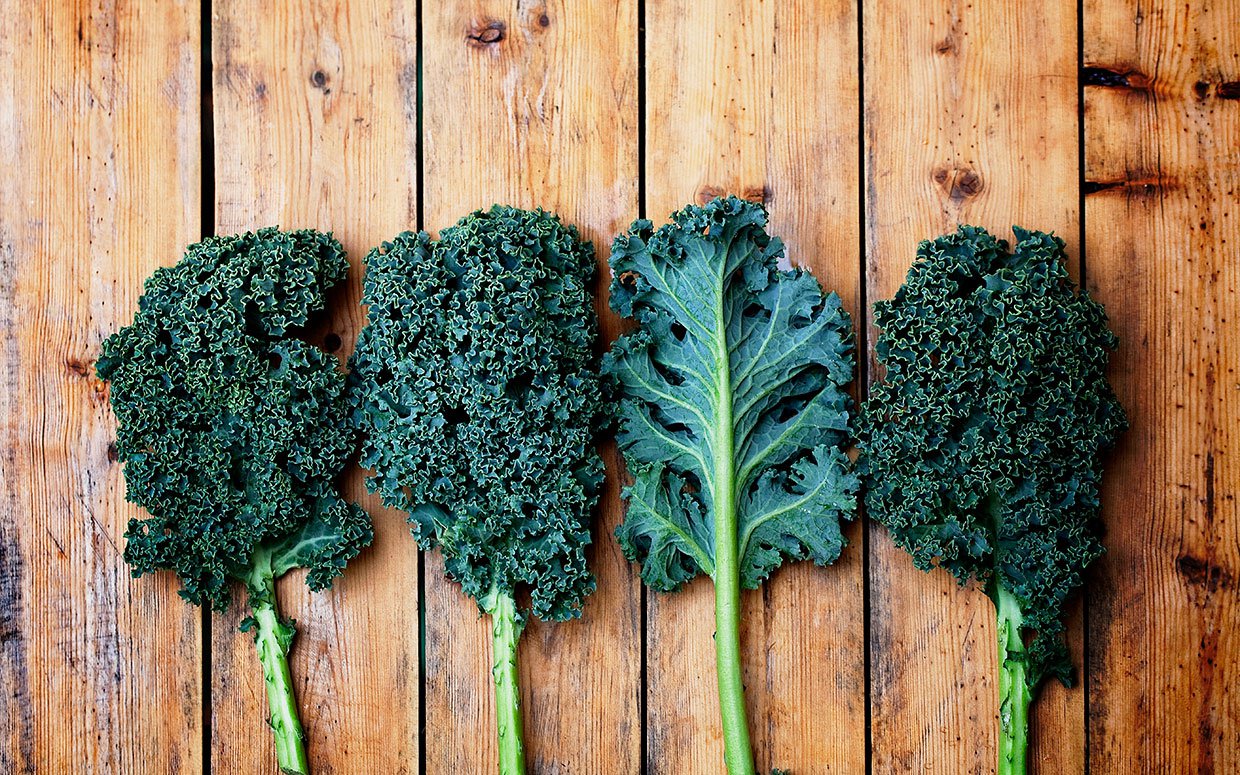
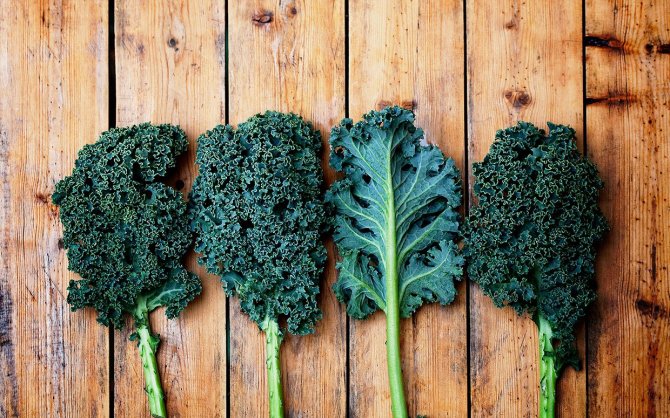
kale – wonderful kale!

kale varieties


Move over Popeye… kale is precisely what this nutritionist means when she says, “Eat your greens with reckless abandon.”  It is wise to include kale as one of your crucifeorus vegetables of choice on a daily basis.

To start with, kale is a remarkable and ancient superfood, that has gotten somewhat of a trendy reputation in recent years.  Maybe you have even noticed kale chips at Trader Joe’s or Whole Foods.  A delicious snack, only made better if you venture to make your own.

What you might not know is that kale has nourished people, well, forever really.  Kale is an offspring of wild cabbage. Ancient Greeks and Romans are known to have grown kale.  Even  ancient Egyptians recognized kale as a nutritional superfood – considering that they lined the tombs of pharaohs with elaborate gold and silver carvings of woven kale garlands.

Scientists know that kale has been under cultivation for more than 6,000 years, as there are remants of fossilized kale found in ancient containers from the Shensi Province of China dating back to 4,000 BC.

Roaming Celts evidently brought  kale from Asia to Europe as long ago as 600 BC, and because of it’s easy cultivation, resilience and cold-tolerance, kale proliferated and sustained nourishment for people throughout the European continent.  It’s easy germination and fast growth is one of the reasons early European settlers brought this nutrient rich leafy green with them to North America.

All of our farmer’s markets bring in an abundance of kale.  If you are a gardener, then you know the simplicity of growing kale.  In fact it may be one of the easiest vegetables to grow organically.  Whether you are a seasoned gardener or new to the possibilities, growing your own kale is a cinch.  It’s delicious straight from the garden, and grows well in warm and cold climates.  In fact, a little freezing weather only tends to sweeten the kale leaves!

Check out these great resources on growing your own kale – from GentleWorldHarvest To Table, and Mother Earth News.

Still not sure whether kale is for you?  Try the young tender shoots in a salad.  They are sweet, nutrient dense and delicious.

There are many varieties of kale from Lacinato, Dino Kale, Red Russian Kale, Tuscan Kale and many more.

Kale has stood the test of time, and deserves a spot on your plate and in your garden.  Build a habit of eating more green vegetables, the greener the better!

[box]

Health Benefits of Kale


  • Aids in Detoxification : Cruciferous vegetables like kale contain large amounts of health promoting sulfur compounds, such as sulforaphane and isothiocyanate and these increase your liver’s ability to produce enzymes that neutralize toxic compounds and substances.
  • Rich in Phytonutrient Antioxidants : Phytonutrients are biologically active plant substances that are vital to health.  Kale is the most concentrated source of lutein and zeaxanthin,  which are carotenoids that protect the lens of the eye.  They act like sunglasses and protect the eyes from ultraviolet damage and are protective against cataracts.  Studies have shown that people who eat foods, like kale, rich in lutein have a 50% lower risk of developing new cataracts.
  • Can Reduce Natural Cognitive Aging : Green vegetables like kale, spinach and collards can help your thinking!  In experiments, older rats given a diet high in such greens improved learning and motor skill capacity.
  • Repair Damaged DNA : Cruciferous Vegetables such as kale and cabbages contain many vitamins and a chemical called “indole-3-carbinol” which repairs damaged DNA.  One of the reasons is that phytochemicals activate glutathione, and glutathione is critical to cell survival and repair. Glutathione is a potent detoxifier and our mitochondria (which are what provide us energy) depend on glutathione for their well being.
  • Protection Against Cancer : Brassica vegetables offer protection against cancer.  The organosulfur phytonutrient compounds in kale, including glucosinolates and methylcysteine sulfoxides activate detoxification enzymes in the liver which may help neutralize carcinogenic substances.  This helps clear them from the body more quickly.
  • Kale is Anti-Inflammatory One cup of kale has 10% of omega-3’s, which are anti-inflammatory, reducing swelling, arthritis pain and anti-inflammatory issues.
  • Concentrated Source of Many Nutrients : At only 36 calories per serving.  Kale contains an entire spectrum of health promoting minerals, vitamins and nutrients,
  • Rich in manganese and copper – which are free radical scavengers
  • Good source of dietary fiber, vitamin E, vitamin B6 folic acid, and potassium.
  • Contains calcium and magnesium – vital for strong bones,  as well as phosphorus, iron, vitamin B1, vitamin B2 and niacin.
  • Kale is rich in vitamin A which coupled with beta-carotein is supportive of optimal vision and eye health.
  • High in Vitamin C : Vitamin C is a water soluble antioxidant which is extremely protective against free-radicals and oxidation (including to DNA and cholesterol).  Vitamin C also helps maintain a strong immune system.

[/box]


What is the best way to eat kale?  Any way you like, but here is a great recipe for steamed kale…

[box]

Steamed Kale

  • 1 pound fresh kale, washed
  • 4 tablespoons extra-virgin olive oil
  • 2 tablespoons lemon juice
  • 1-2 cloves garlic, minced
  • sea salt and fresh ground pepper to taste.


Separate kale leaves from stems and slice the leaves into 1 inch pieces.  Don’t throw away the stems, cut them into 1/2 inch pieces.  Let sit for 5 minutes.  According the the World’s Healthiest Foods, cutting the kale and letting it rest five minutes breaks down the cell walls and enhances the activates enzymes that slowly convert the plant enzymes to a more active form.

Add two to three inches of water to bottom of steamer.  Bring to boil.  Stems kale for five minutes max – to preserve phytonutrients..

Place steamed kale in bowl and add lemon, garlic and olive oil.  Toss.  Salt and pepper to taste.

[/box]


More Kale Recipes

Smitten Kitchen has a potato scallion and kale cake that is fantastic.  Poach an egg and have it for breakfast!  Kale is also versatile in many salads such as roasted cauliflower and kale salad or kale salad with avocado and almonds.  Trying it in a soup is an easy way to slip any vegetable in your diet.

Truly, though, one of our favorite ways to enjoy this vegetable are homemade kale chips.  My kids love it, and I think yours will too!


[box]

Homemade Kale Chips

1 pound fresh kale, washed and leaves removed from the stem (save the stems for smoothies)  Cut or tear leaves into dorito sized pieces.

3 tablespoons nutritional yeast

1 tablespoon olive oil

pinch of salt

Massage kale leaves and olive oil.  Add salt and nutritional yeast.  Toss again until leaves are fully coated.  Place leaves in a layer on one or two cookie sheets.  Place cookie sheets into a 150 degree oven.  Use convection if you have it.  Let bake until they are dried out.

If you have a dehydrator, you may also use that.

Enjoy!!

[/box]


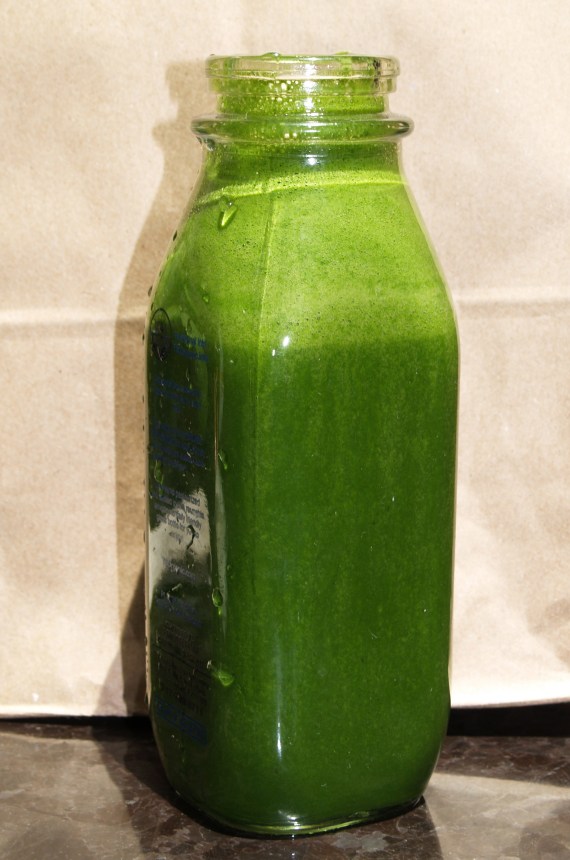
The possibilities for eating kale are endless.  Think your kids won’t like them?  Chop small and add it to meatloaf!  Throw it in a smoothie with a green apple, four ice cubes, a teaspoon of lemon juice, banana and a tablespoon of coconut oil.


But still, I have to say, the most tried, tested a true way I know to get my kids excited about veggies is for them to help plant and grow it – on a windowsill, back porch in pots or in the garden proper.

Whatever you do, make room on your plate for this awesome vegetable.
 

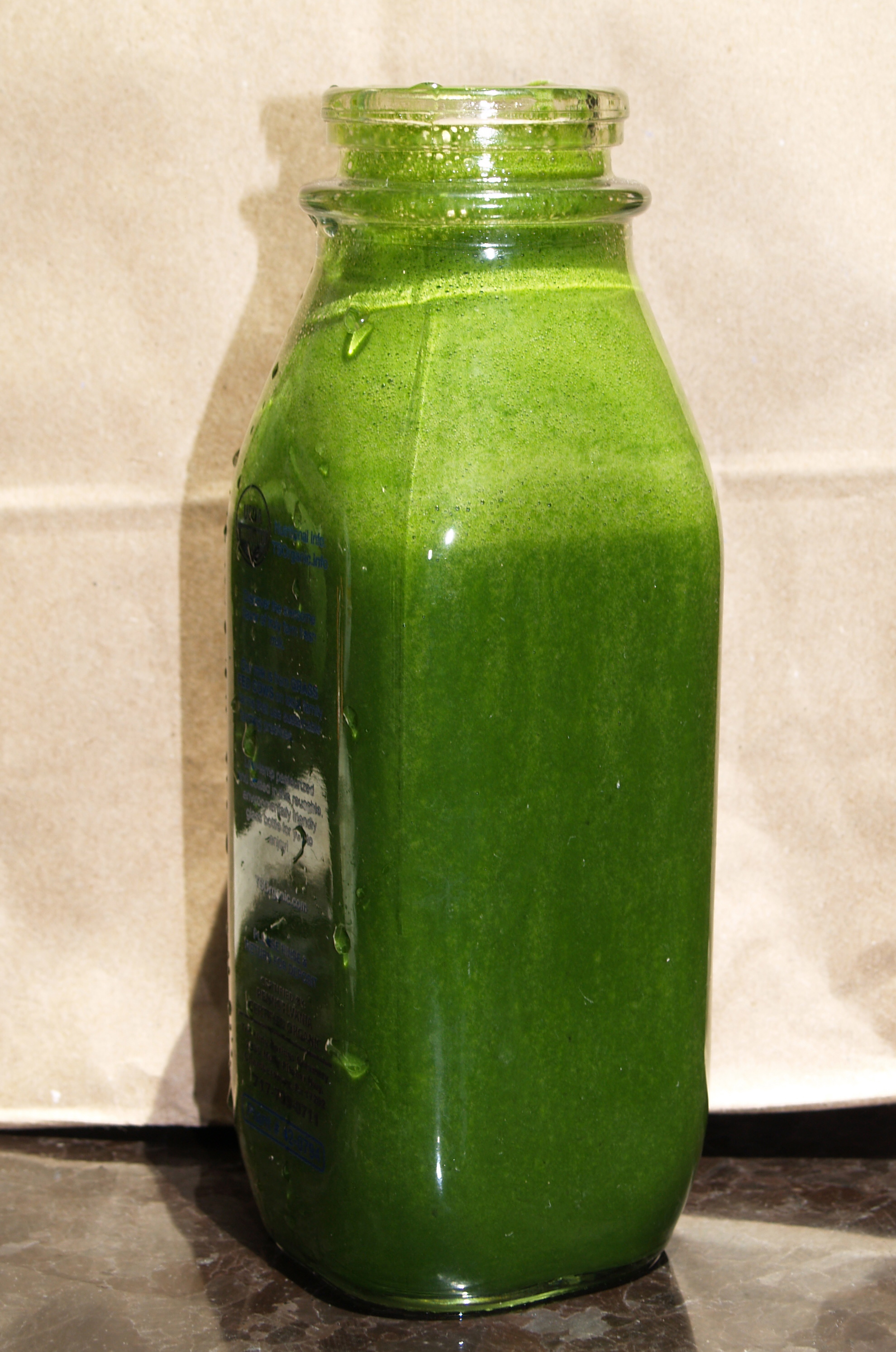
kale smoothie

Additional Resources:

Hanna, Sharon (2012). The Book of Kale: The Easy-to-Grow Superfood, 80+ Recipes (Kindle Location 257). Harbour Publishing

Mateljan, G. (2006). In The world’s healthiest foods: Essential guide for the healthiest way of eating. Seattle, Wash.: George Mateljan Foundation.

Kornblatt, S. (2012). Eating For Brilliance. Well Being Journal, 21(2), 7-14.


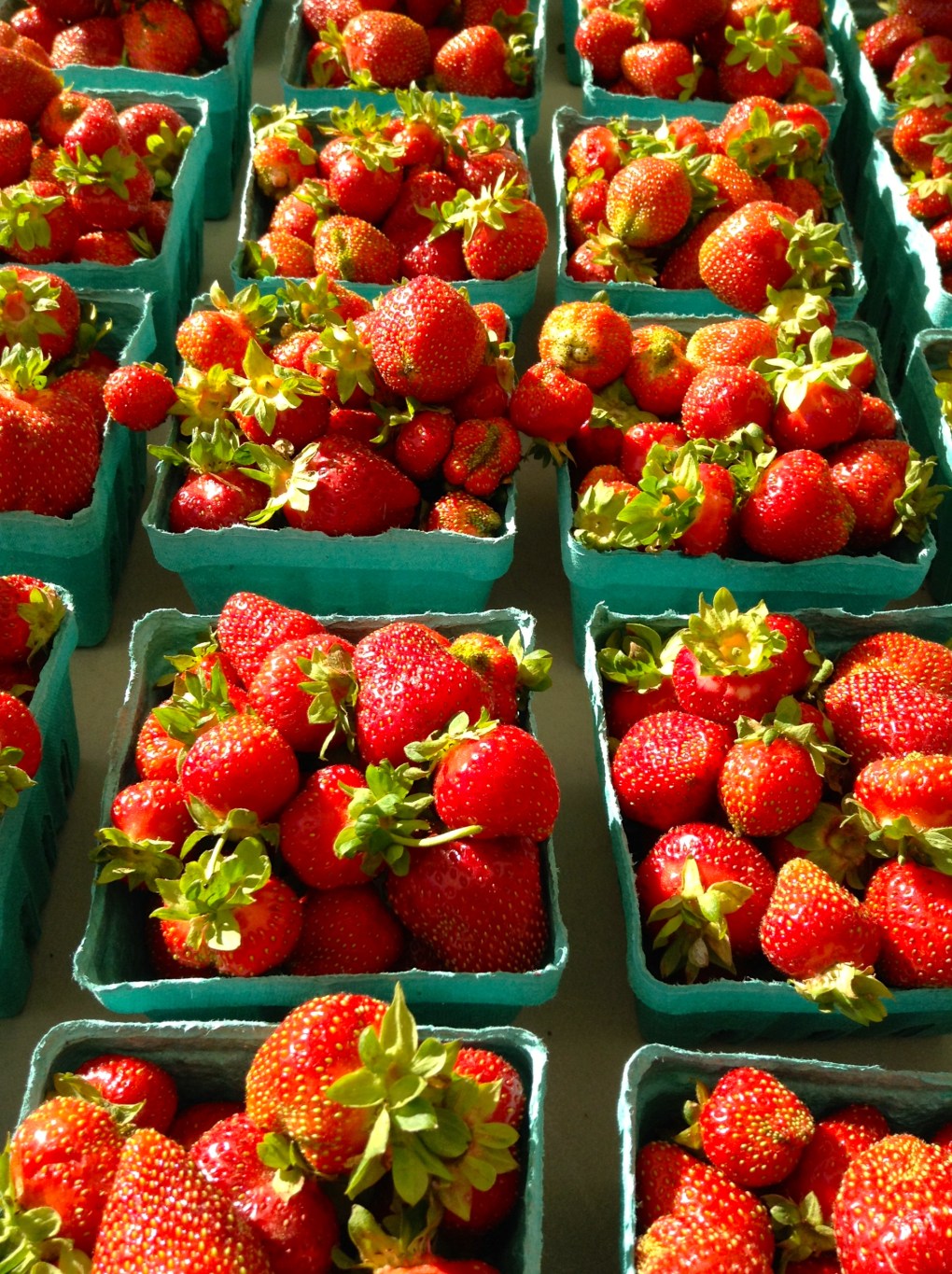
i heart organic strawberries

“For a long time now we have understood ourselves as traveling toward some sort of industrial paradise, some new Eden conceived and constructed entirely by human ingenuity. And we have thought ourselves free to use and abuse nature in any way that might further this enterprise.  Now we face overwhelming evidence that we are not smart enough to recover Eden by assault, and that nature does not tolerate or excuse our abuses.”
Wendell Berry ~ Bringing It to the Table: On Farming and Food


For about a year of college I lived in Germany, which was my first exposure to farmer’s markets, a way of life at least where my family there lives.  That was some twenty years ago – probably about the very time farmer’s markets were gaining new traction in the U.S.  At the time, I’d never seen eggs so fresh they were still adorned with feathers, or vegetables still smelling of the earth.
One thing about fresh food is that it’s always near death ~ counter-intuitively that makes it alive, and allows it to nourish us with all the vibrancy of it’s vitamins, minerals, enzymes and phyto-nutrients (a word apparently so new that my spell check keeps trying to change it).
With that in mind, any one attempting to stay as local to their food sources as possible knows the importance of preserving the harvest.  Fresh food is not immortal!  At the moment we are at the waning edge of strawberry season here in Virginia.  In fact, we missed getting any at the past two markets due to our late arrival, so this morning we got there early!
Making that effort to find the best food for my family is really important.  These are not delicacies or haute cuisine at all, but no-frill foods that are raised in harmony with the land, in such a way as to be nourishing rather than depleting.
If we don’t eat the strawberries we bought this morning in about four days, they will rot.  So, extending the harvest has become a habit allowing us to enjoy the delights of spring even into the upcoming winter.  There are many ways to preserve what’s currently in season from canning, to lacto-fermentation and even simply freezing.
As a rule we try to stick with organic whenever possible, but particularly with strawberries which are a fruit known as one of the dirty dozen.  That’s because they are covered with some of the most toxic agricultural chemicals available.   Many of these chemicals are carcinogenic and known endocrine disruptors – that means they mess with your hormones.   Nice!   Even after washing, 67% of fruits and vegetables sprayed with these chemicals still contain them.  Hmmmm.
Over time, many of these toxins bioaccumulate in our fat cells.  Our bodies really do not know what to do with these, and that can have negative effect on our physical health.
The blessing of the farmer’s market is being part of a community.  People get to know one another and look forward to chatting, sharing and learning. You know your farmer’s name, and feel confident in his word.  None of our local strawberry growers sprays, which is a testament to their dedication and nurture of the land.  It’s all connected…in providing well nourished soil to the plants, the plants then become strong and less susceptible to disease and pests, which means these farmer’s don’t need all of the toxic pesticides and fungicides in the first place.
Buying organic can seem more expensive – perhaps in the short run it might slightly be – mostly because we buy en masse.  That said, at the farm stand I can pretty much guarantee you will get a discount  – most of the time without even asking – if you buy in bulk.

This slideshow requires JavaScript.

Whether you freeze them, make them into jams, pile them atop of shortcake or eat them right out of the flat, they are a seasonal delight that brings a smile to everyone’s face!

contain yourselves

“Odd as I am sure it will appear to some, I can think of no better form of personal involvement in the cure of the environment than that of gardening. A person who is growing a garden, if he is growing it organically, is improving a piece of the world.”  Wendell Barry – The Art of the Commonplace: The Agrarian Essays


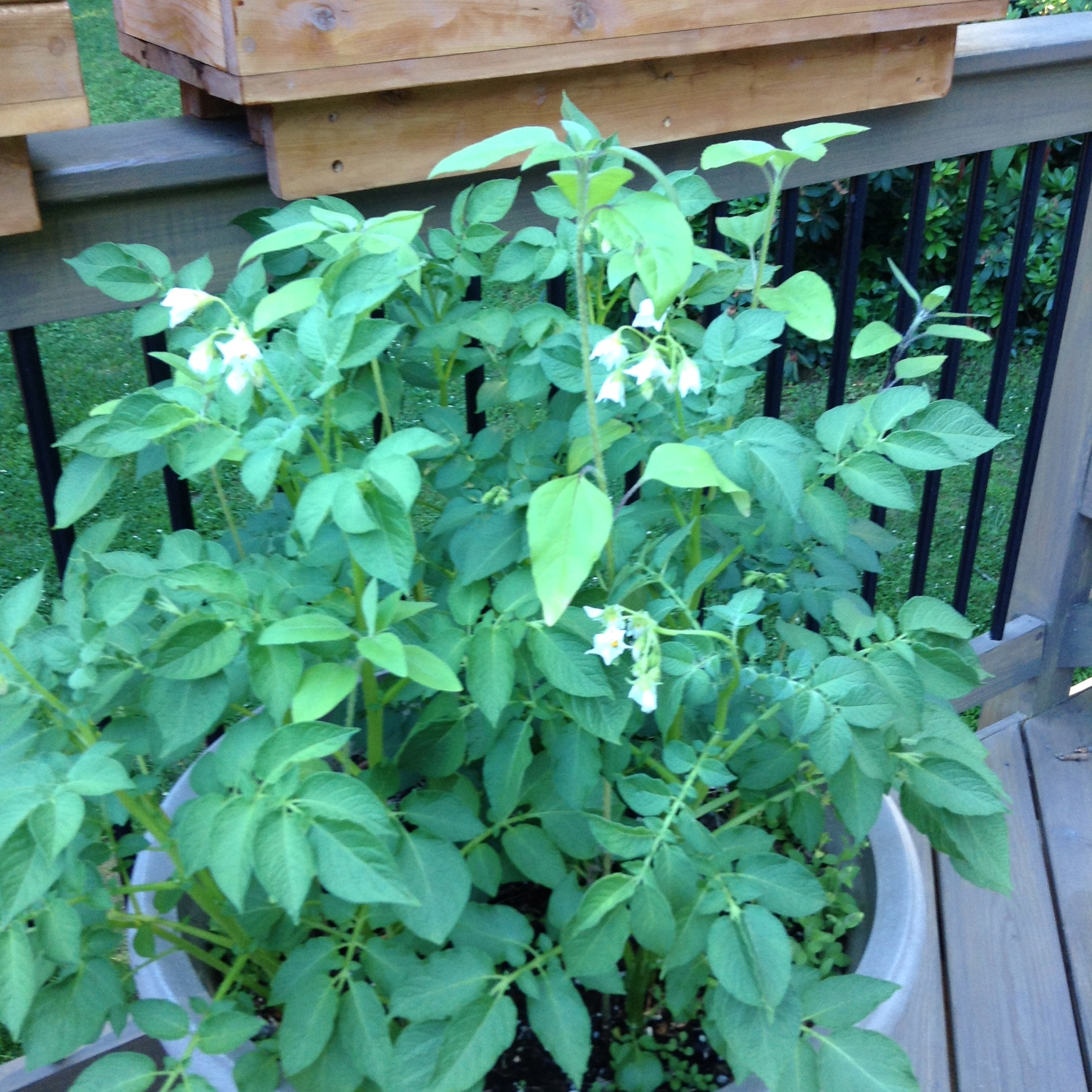
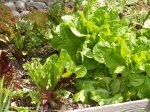
Even if you have only a tiny patio or balcony, growing your own food is a possibility.  No matter how little space you have, with a packet of seeds, a few pots or other container of your choice, you can turn a blank space into an edible landscape.  Whether you grow an assortment of kitchen herbs or potted potatoes, carrots and beans it’s easy and can transform an urban space into a haven and retreat.

A few weekends ago, we picked up some cedar planters at our local plant store DePaul’s Urban Farm and then the kids got to work staining them and planting some carrots.

This slideshow requires JavaScript.

Soon we will have an awesome harvest of carrots.

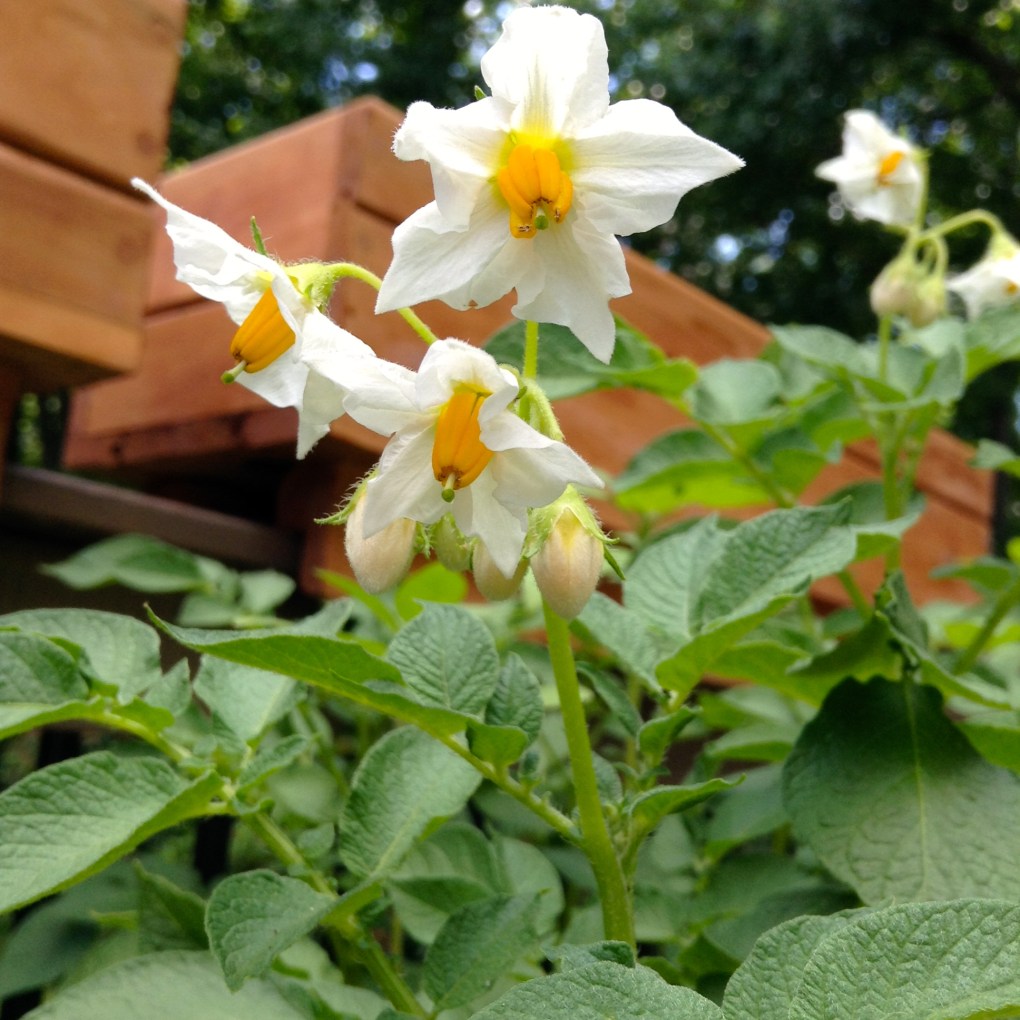
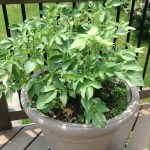
Also too we have potted potatoes – so much easier to harvest because they are confined to one space than planting in a larger garden.  For something a little different we added sunflowers into the mix – for a little flowery effect.  They will bloom soon!

Whatever you chose, the main thing is to have fun with your planting and make a space which is visually and edibly pleasing.

At the end of the day, nothing compares to your own fresh grown food.  Just as wonderful is that you really don’t need a lot of expertise or skill to grow them – especially beans, tomatoes, peas and any salad vegetable.

IMG_0286

The past ten years have seen a rapid increase and high demand for real local sustainable food.  Not a new idea, just one misplaced for about a century!… previously all food was local, mostly because there was not the ability to transport it, or the chemical fertilizers to mass-produce it.

Family gardeners restore and heal their little part of the world starting with their own space and being.  Working the dirt, it is inevitable that knowledge, experience and success from those lessons unearthed in the garden tills into other areas of our lives ~ gratitude and thanksgiving for the harvest, family and friends!

“In almost every garden, the land is made better and so is the gardener”. ~Robert Rodale


grow.harvest.enjoy

In farming, as in gardening, I happen to believe that if you treat the land with love and respect, then it will repay you in kind.  – Prince Charles

The life of a garden is in perpetual motion.  It’s a dynamic place, hustling and bustling with the growing harvest and buzzing with life.  It’s a place were nature thrives and in so doing nourishes hungry family and friends.

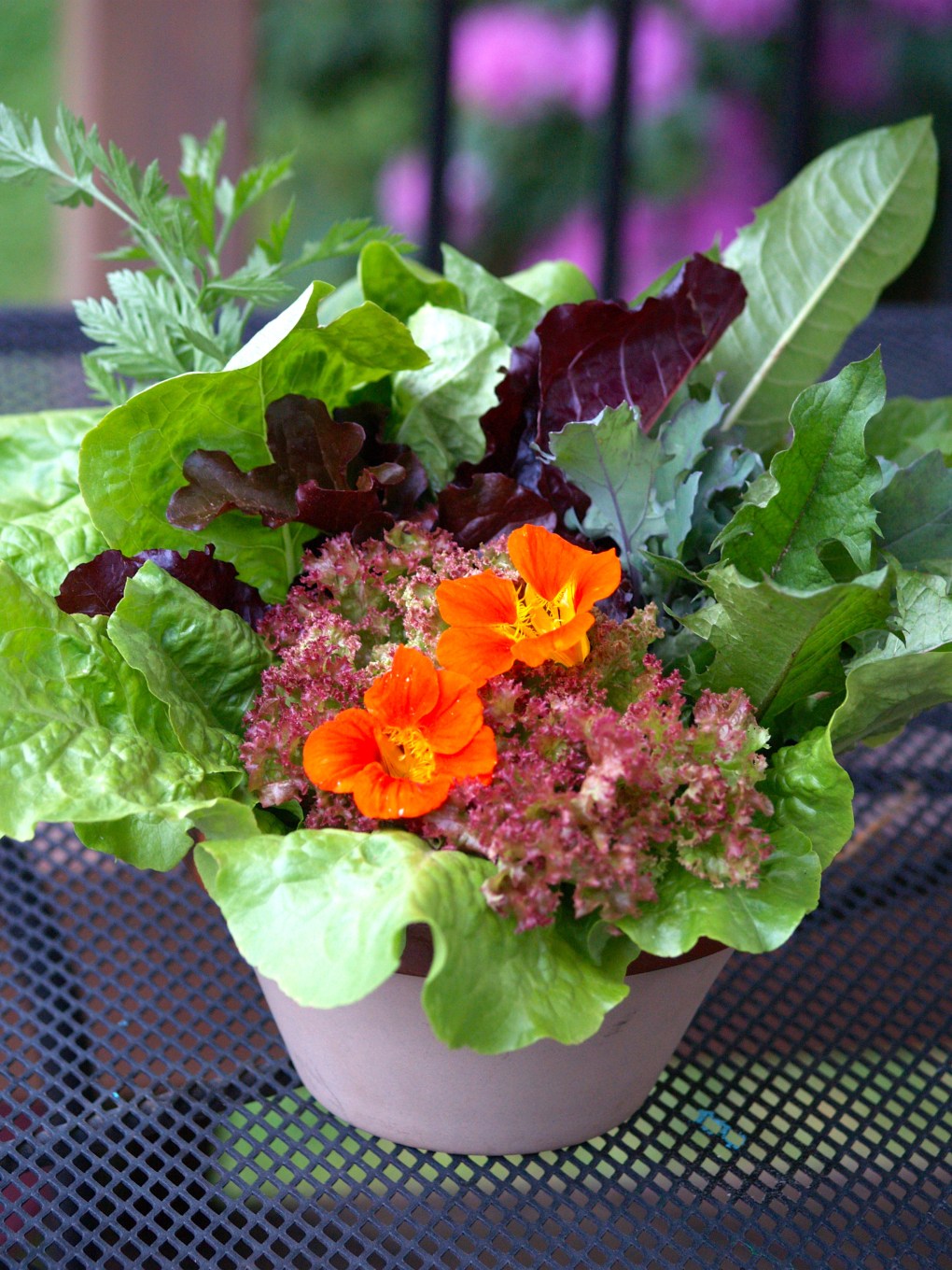
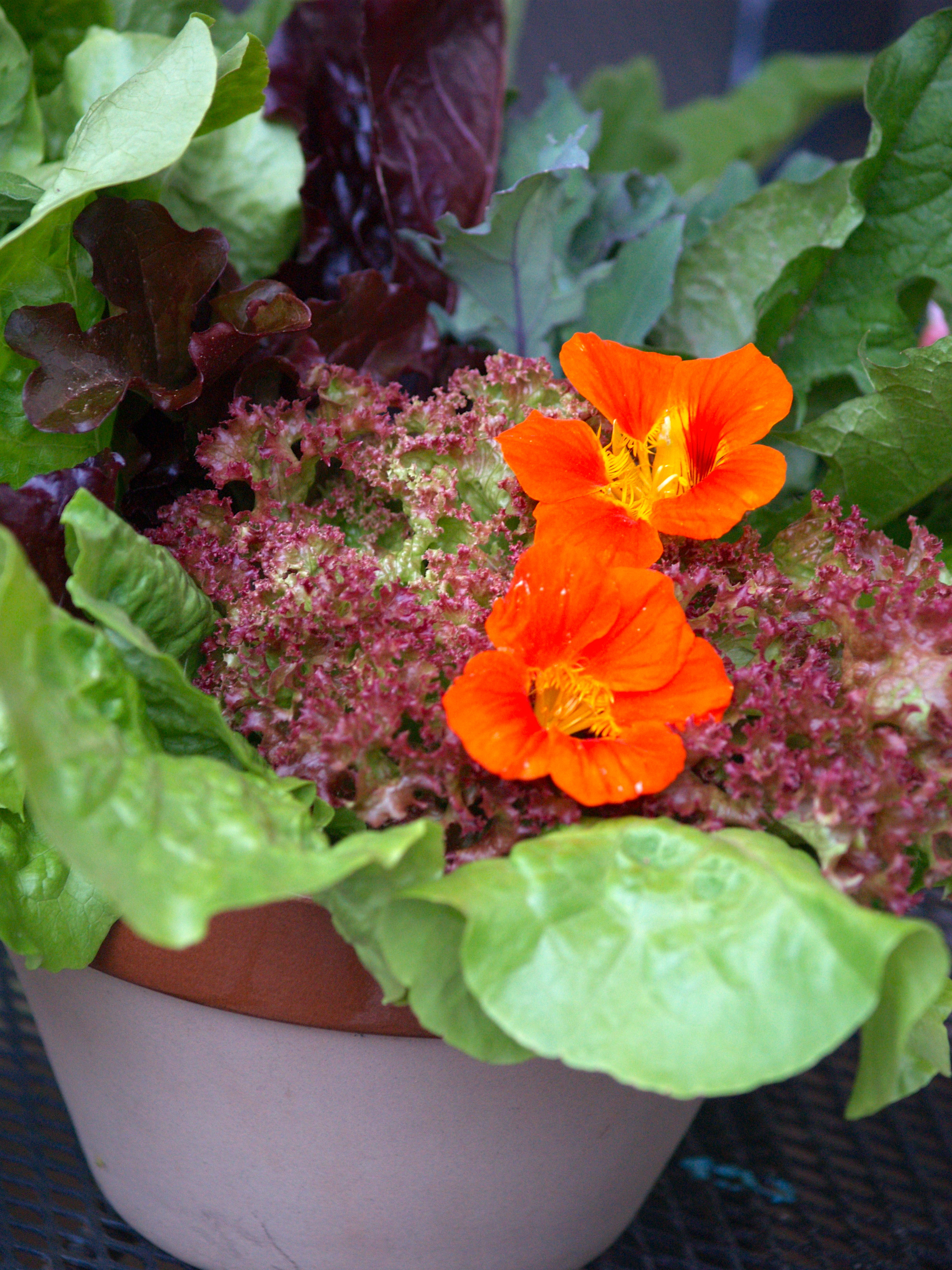
This beautiful bouquet is not a gift from my husband, but our dinner salad!  Full of an assortment of fresh salads from the garden as well as carrot tops, baby kale, dandelions, cilantro and peppery nasturtiums we snipped it just before dinner and it is a crispy delicious addition to our meal.

Growing your own organic vegetables is practical in many ways – from reducing use of fossil fuels and exposure to toxic chemicals to increasing the vitamin content of your meals  – although as modern consumers “organic” seems a relatively new concept, this is how our great grandparents gardened.  They didn’t “certify” it or have any special name for it.  Caring and nurturing the land was just a way of life – and in return the earth gave sustenance for their nourishment.  Our forefathers had a greater understanding of healthy soil and plants than do we.

In my own family, it was my German grandmother who gave me a love of gardening.  She tended her little plot of backyard garden with a vibrant happiness and care – even to the point of setting aside water in the morning and waiting a few hours to hydrate the plants so that it would warm to the air temperature.   I am not sure of whether that made any difference to the plants, but I can say that hers were some of the best beans and tomatoes I’ve ever had and she always had a very high yield.  But the point is that small farmers tend the planet better than big business.  Small farmer’s and family gardeners work in harmony with the seasons and Mother Nature rather than fight her and that makes all the difference.

If you are not sure about growing your own food, but are thinking to give it a try – remember that it’s not necessary to have a green thumb.  Seeds want to grow.  Even if you make mistakes, you’ll learn from them and that is a great blessing!   The best part is that your little victory garden will give you the chance to reacquaint yourself with all you thought you knew, from radishes to carrots to kale.  Cultivating the land gardeners cultivate patience – the joy of waiting to taste  a strawberry or sugar snap pea and also forgiveness for the imperfections those natural and organic sometimes yield – while not always perfectly shaped they are always delicious!  In so doing a gardener also learns a little something about life and community.


Dinner Bouquet


Farmer’s Market Parking Only

Good food should be grown on whole soil, be eaten whole, unprocessed, and garden fresh.   Helen and Scott Nearing


Today is a great day… the return after a very cold winter of our local Farmer’s Market.  It’s been a difficult winter in Virginia for those wishing to eat locally and seasonally.  With temperatures hovering in the 20s fora majority of days per week this winter, there was very little local produce, outside of what had been preserved at the end of the summer.

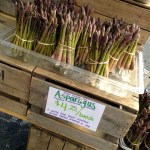
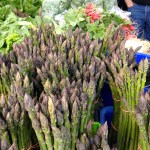
The asparagus at the farmer’s market is a sure sign that spring is here to stay, and by consuming these light spring vegetables our bodies can also spring clean.  The vegetables making their way to the local farmer’s markets now and in the coming weeks are deliciously sweet, naturally cleansing and help our bodies clear the internal stagnation of our heavy winter foods or from winter’s inactivity.

Salads are the liveliest vegetables we eat. The chlorophyll in green things gives the body the greatest vitality and relays the sun’s forces directly to the inner man. It is the green life-blood of the plant, the giver of strength and energy.   Helen Nearing


Twelve Months of Monastery Salads is a wonderful cookbook full salads and mindful eating.   There are plenty of delicious recipes for all these wonderful cleansing and spring vegetables on hand!   Within the book you will find thoughtful and wonderful quotes to accompany your meal !


SaladCookbook


winter ferments – gingered beet and carrot slaw

The dinner table in a monastery is always set with care for both daily fare and feast days. Food is arranged to show the full beauty of God’s harvest in vegetables, grains, dairy products, and fruit.

Victor-Antoine d’Avila-Latourrette

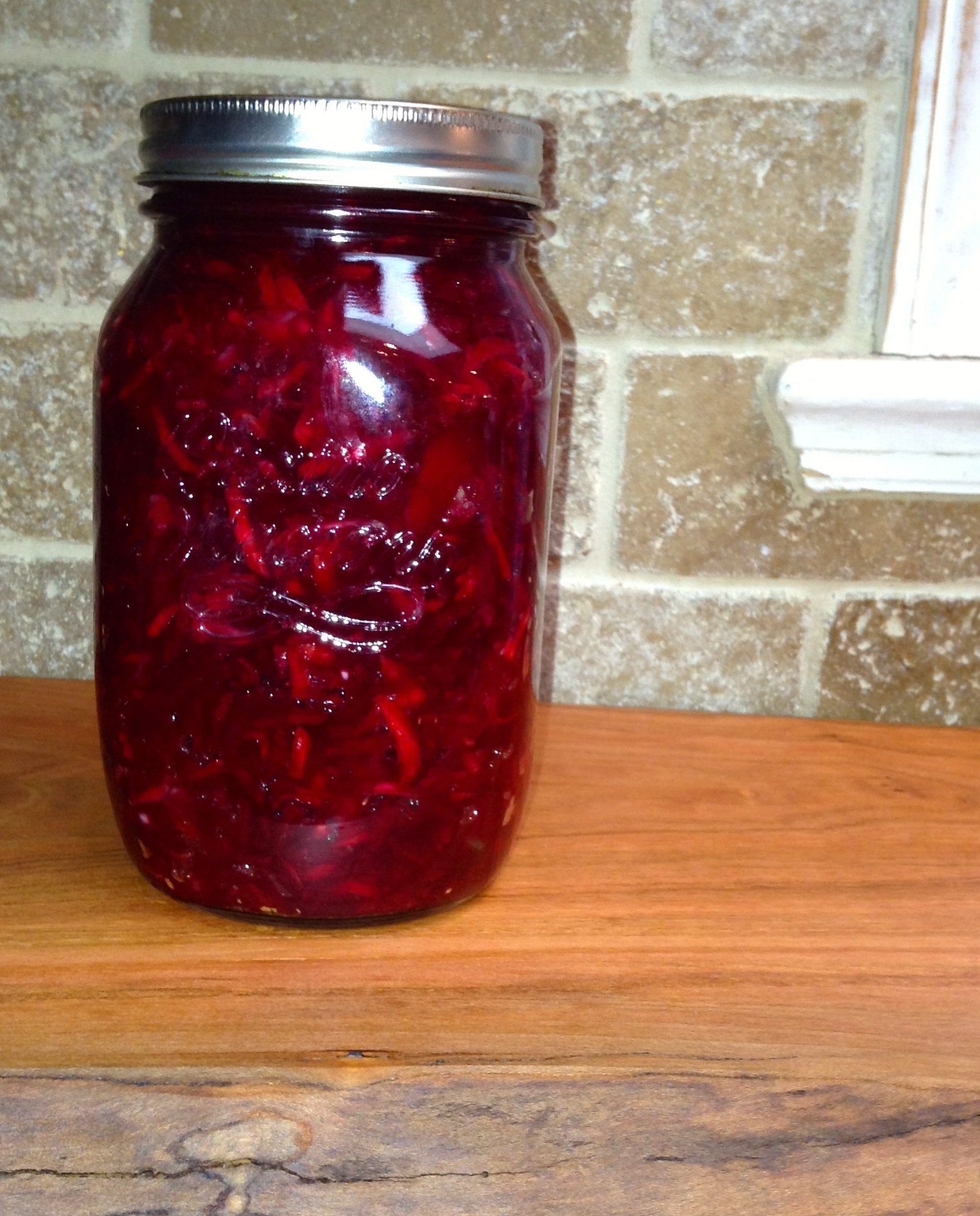
Oh…!  The rich earthy flavor of this slaw just get better over time.  If you are a fan of beets, this does not disappoint – not one bit!  Fermenting is a low-cost, efficient and easy process that preserves foods – some indefinitely!  We still have the remnants of a corn jalapeño salsa ~ from two years ago ~ that is still viable, delicious and enjoyed!

Ferments have a self sufficient versatility – but at the same time, pair well with a variety of dishes.  Fermenting your own vegetables is an artisanal delight that is flavorful, healthy and when made with your local harvest good for the planet too!


Gingered Beet and Carrot Slaw

When fermenting –  use the best quality ingredients available to you.  Remember, local, simple and seasonal freshness make all the difference in and to the world!

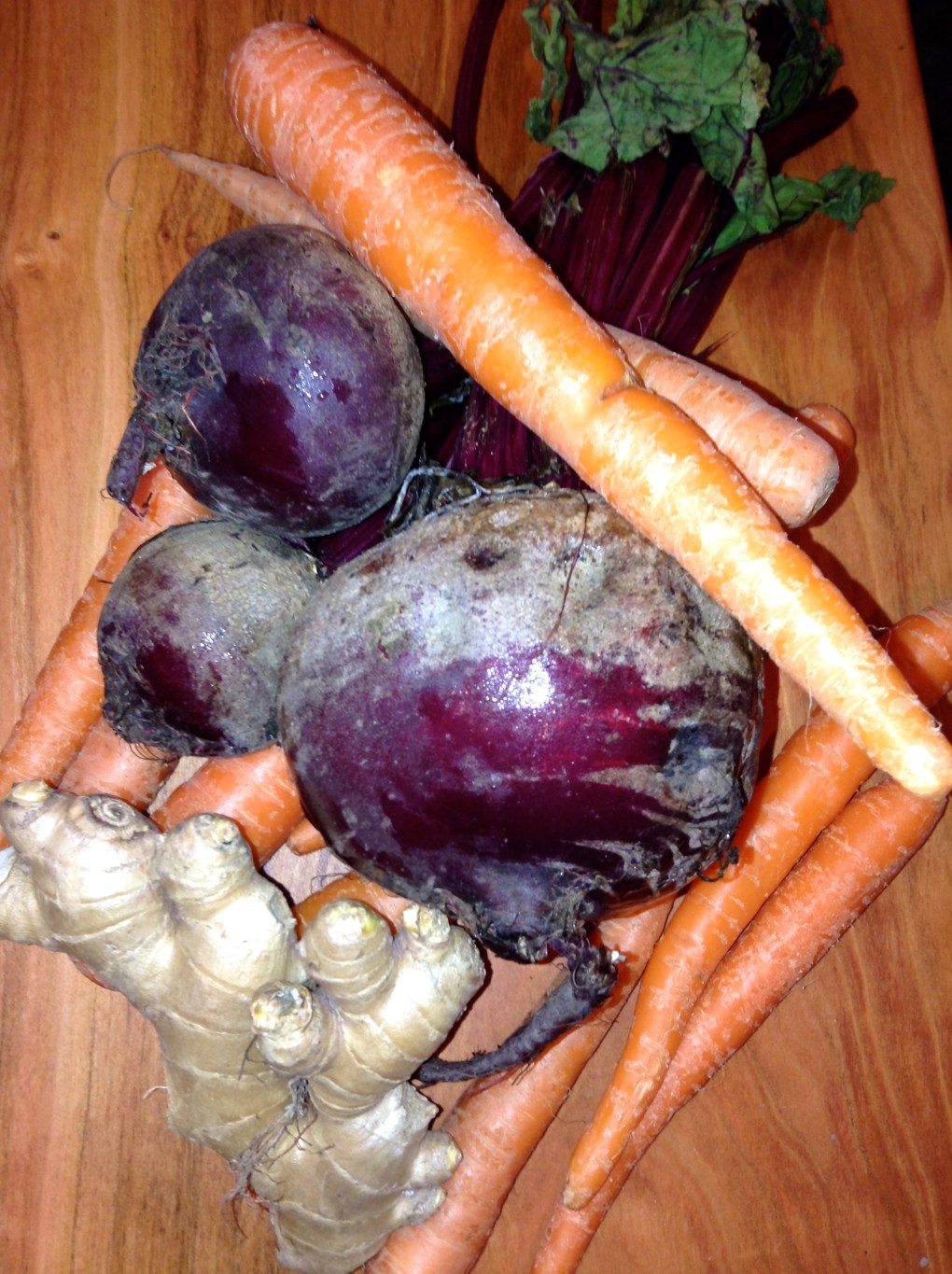
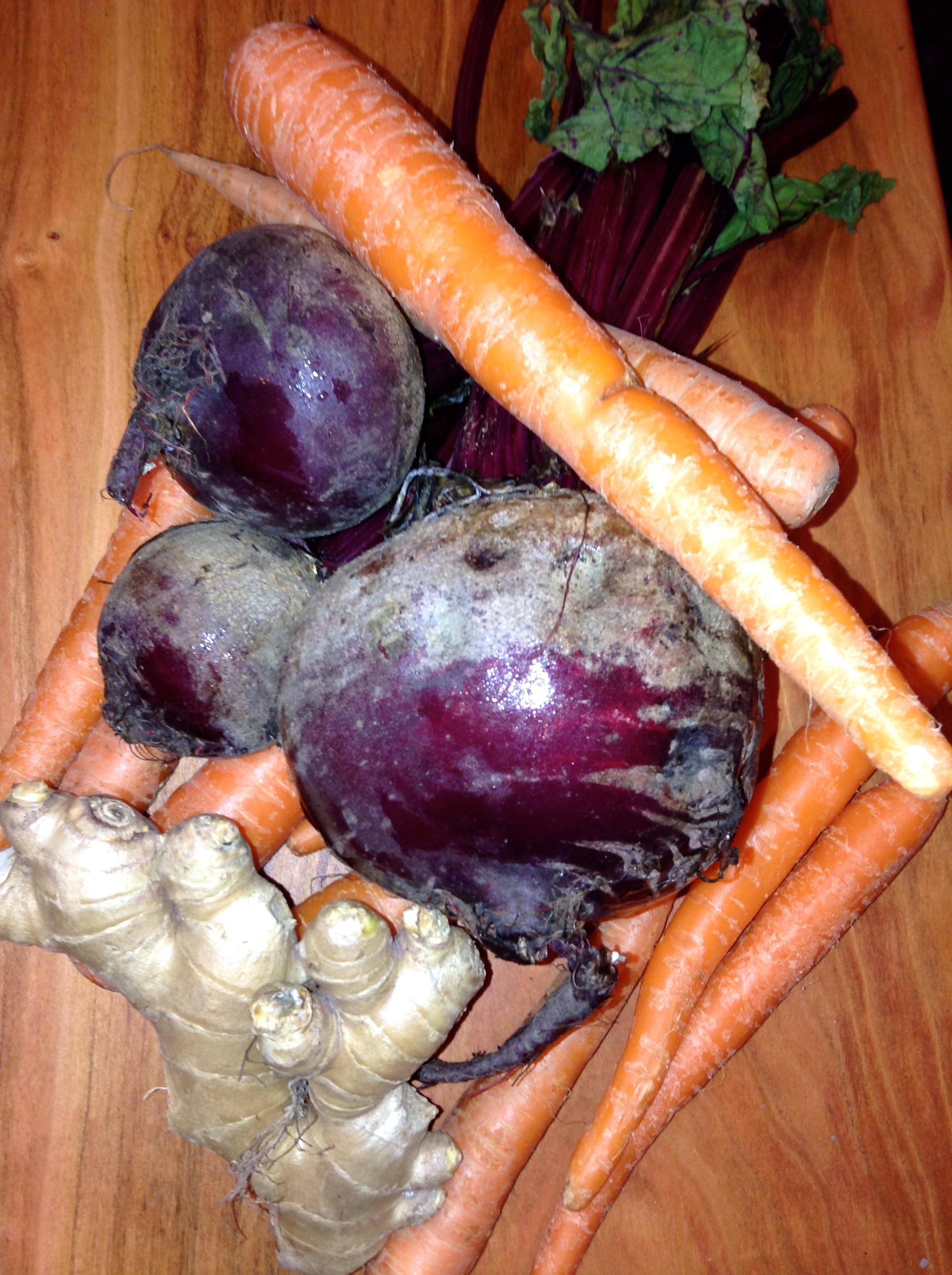
ingredients:

300 grams fresh shredded carrots

500-600 grams fresh shredded beets

100 -200  grams onions (optional)

1/2 – 1 teaspoon shredded fresh ginger

2 teaspoons salt

fermenting ingredients

preparation:

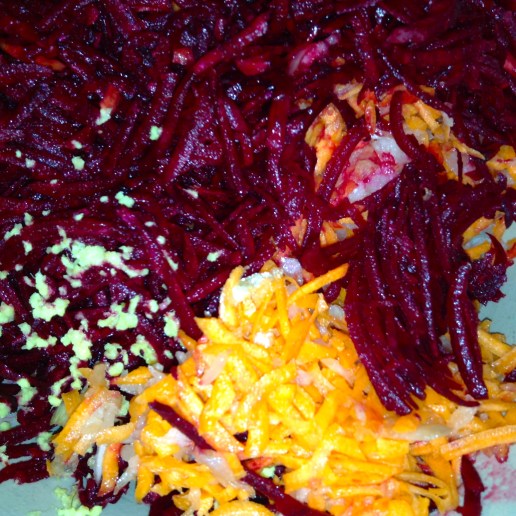
Wash hands.  Place all ingredients in large clean bowl.  Mix and massage the mixture with hands, squeezing to extract the natural juices.  Some recipes call for a brine to be added to the slaw, but my experience (and preference) is that my local fresh ingredients produce enough liquid when the salt is added to cover the vegetables.  This is the same principle used for sauerkraut.

IMG_0238

Mix for about 10 minutes (this is a great work out!).  Place in a clean mason jar and leave out of direct sunlight.

After about 5 days taste and continue to do this every day until the taste you desire is achieved.


 Fermented Beet Carrot and Ginger Slaw


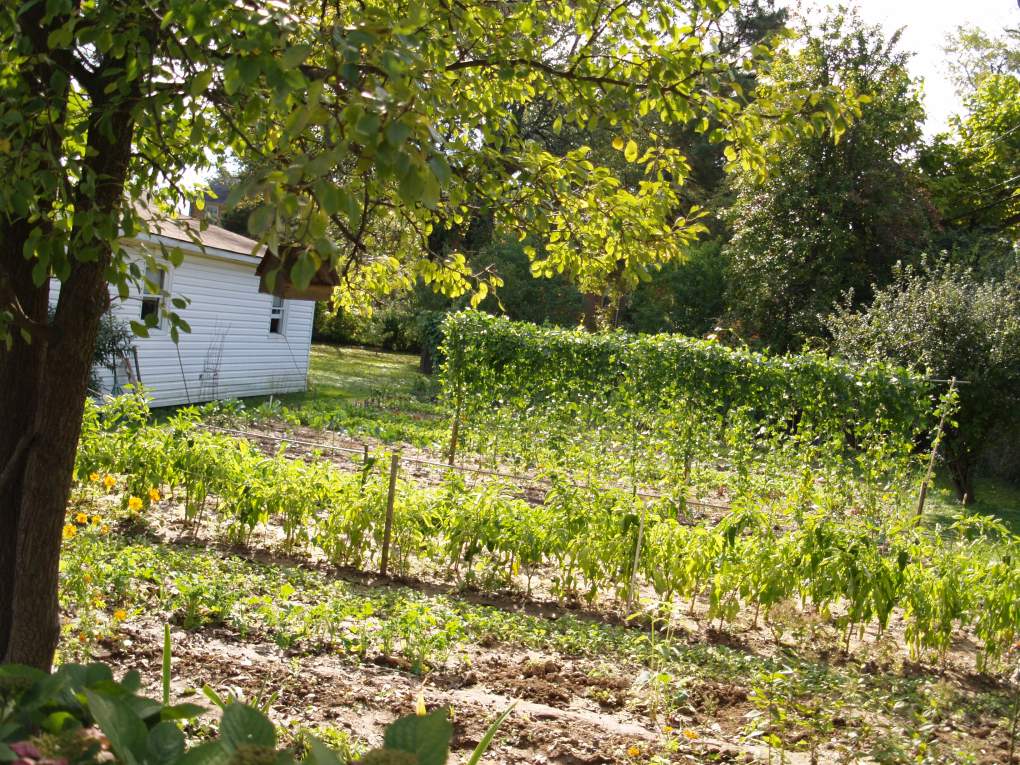
Urban Victory Gardening – Downtown Vienna Virginia

This wonderful couple whose garden we drive by every day was kind enough to let us photograph their vegetable garden and show us their harvest stores for the winter!  They have lived in Vienna for 50 years, raised five children and tend this really productive Victory Garden.  They live just off the town main street.  Looking at their assortment of frozen vegetables is an inspiration!