
matzoh ball ~ soup for the soul

IMG_0081

“Real humility is light and buoyant, not weighted down by insecurity, self loathing or an obsession with being known and admired. Humility spends the time and energy freed up by not agonizing over one’s self reveling in the grace of everyday blessings big and small. Humility genuinely rejoices with those who rejoice and weeps with those who weep. Humility retains forever its childlike sense of hope and wonder.” ~ Molly Sabourin

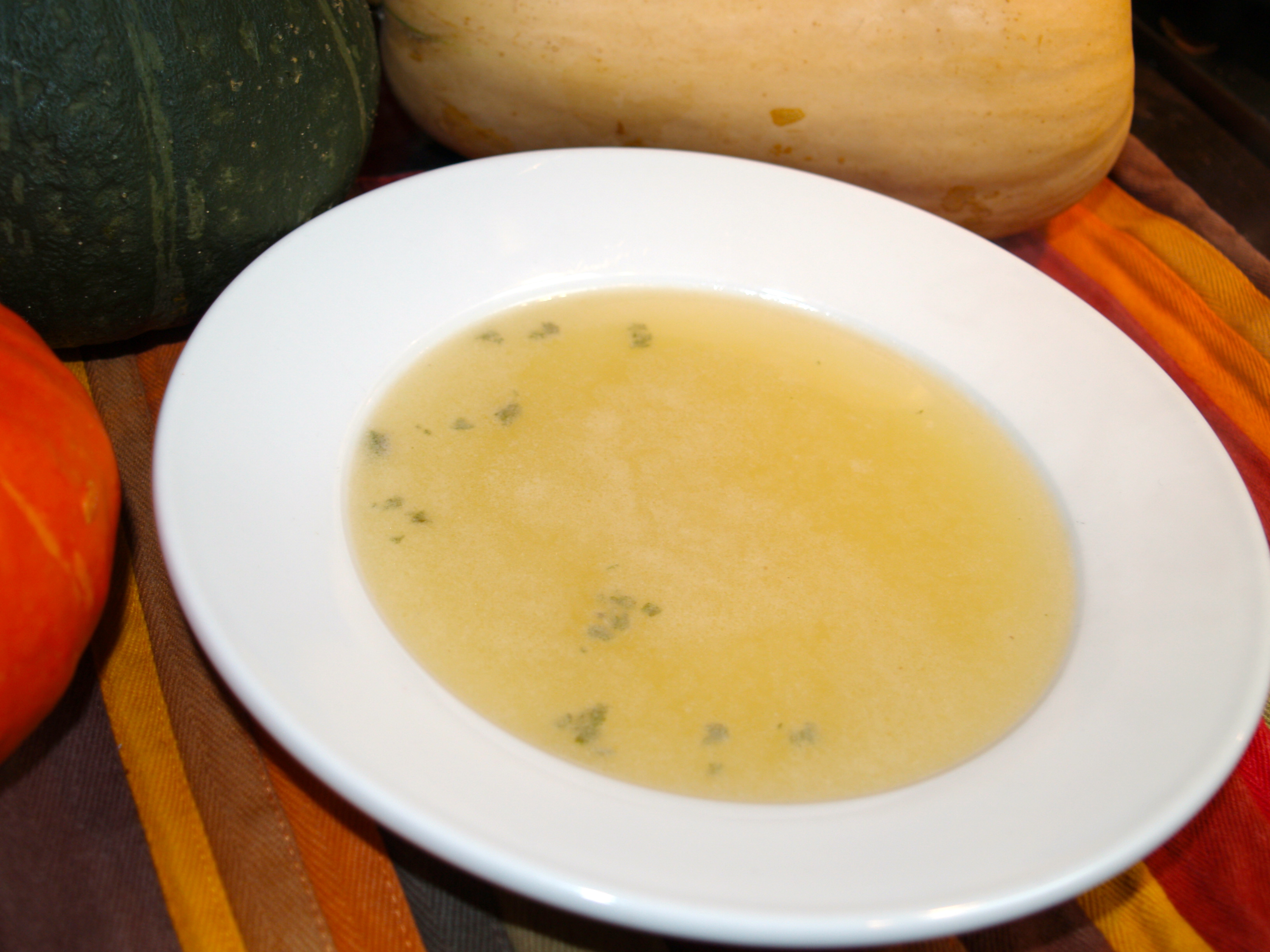
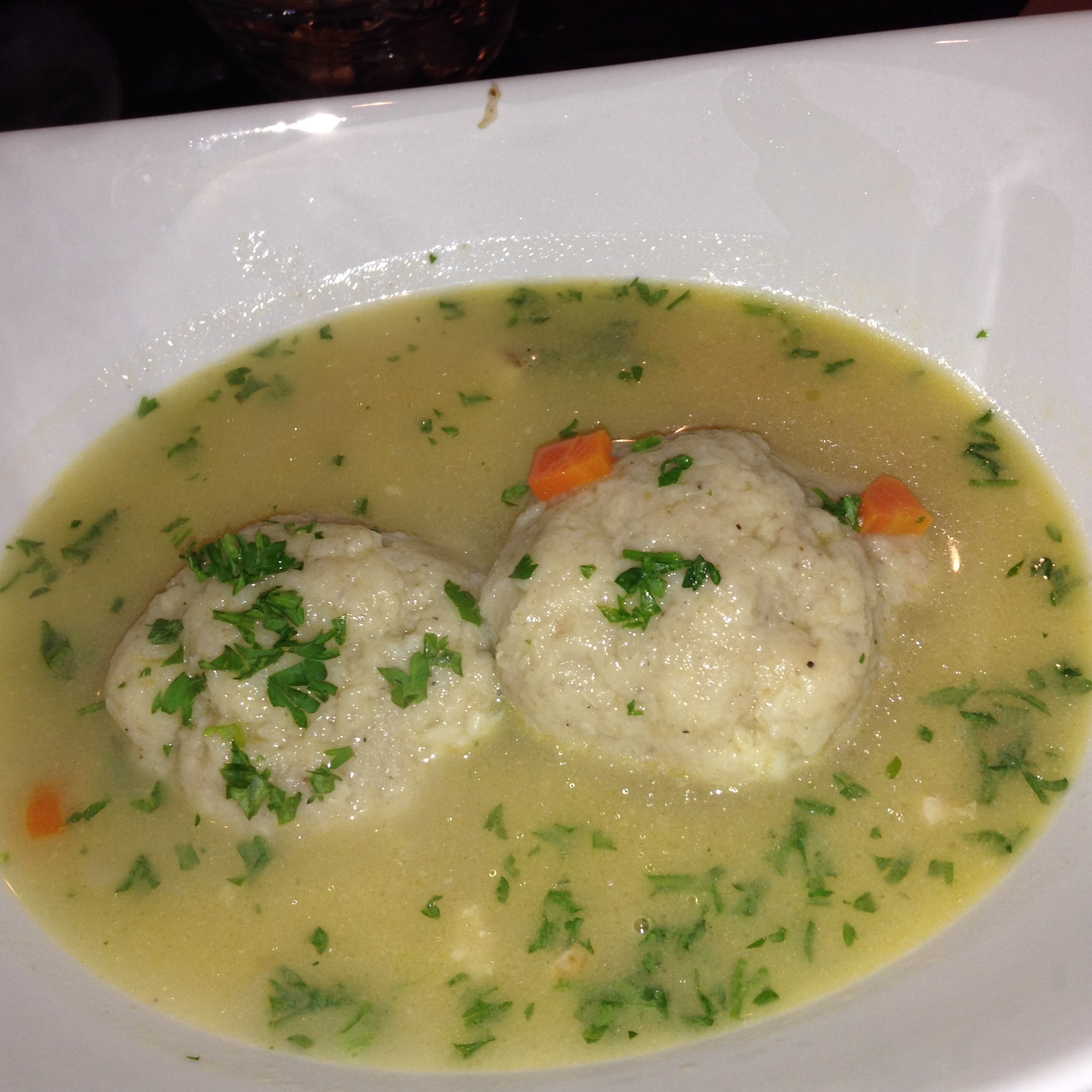
Matzoh ball soup is comfort food at its finest and a great use for your homemade chicken stock!

Food sustains physical life and yet is greater than the nourishment it brings to the table.  Food gathers people  and traditional foods – passed from generation to generation tell a story.  These generational foods – shrouded in history, symbolism and ritual tell the story of peoples and their journeys of life and in that category Matzoh Ball Soup definitely tops the charts.

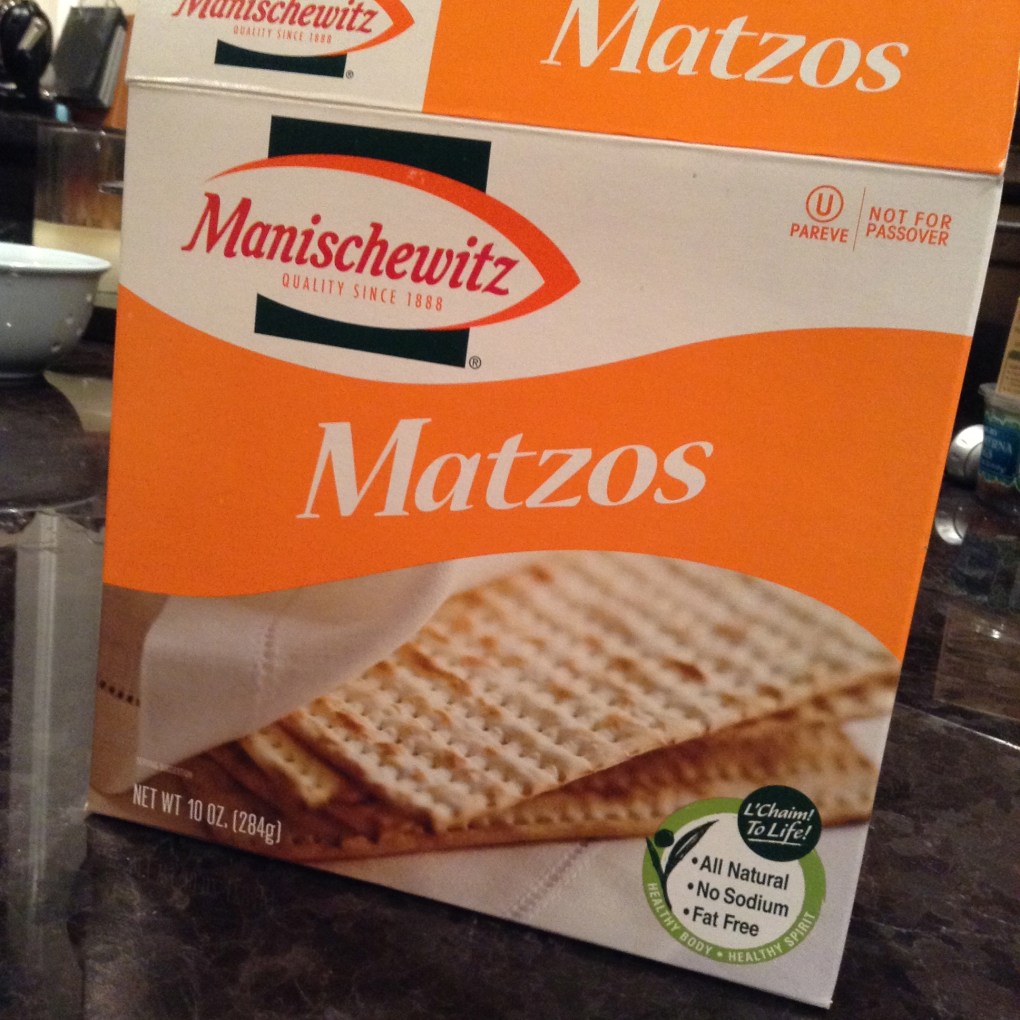
The Matzoh is probably one of the best known Biblical foods and one that has humbly stood the test of time.  It is a food which tells the story of the exodus of a chosen people and the guiding Hand that frees them from bondage in Egypt.

Matza is unleavened bread –  and one of the three biblical culinary components of the Jewish Passover Seder – it is also called the bread of affliction.  For Jewish families, Matzo is the only type of bread eaten throughout the Passover festival.  The generational story of the matzo is one of slavery and freedom.   The last shared act that every Israelite performed before being freed from slavery in Egypt, as well as the very first act that the entire nation shared as free people at their first stop, was eating matzo. (Encyclopedia of Jewish Food).

The first time my family ever tried matzoh ball soup was last year, visiting grandparents in Florida.  We went their favorite Deli, TooJays  in Orlando.  Such a simple dish, utilizing the most basic and unassertive ingredients – chicken broth, seasonal vegetables, eggs, schmalz (saved chicken fat – from your stock) salt and pepper.  This is quintessential comfort food!

Traditionally, matzo balls are served in a broth only served with carrots – but you can make it your own with whatever favorite vegetables you love!  This recipe doubles and triples nicely!  It also freezes well if you make a big batch.  We portion it into servings for two or four and freeze.  That way it is on hand, ready to thaw, heat and nourish on those busy school nights laden with activities and little time!

Matzoh Ball Soup – it brings nourishing comfort to the body and as the old saying goes – the soul too!


ingredients:

3 eggs

9 cups chicken stock

1/4 cup grated onion

1/2 cup melted chicken fat (Note: Jewish families would not substitute butter as that is prohibited during the Passover.  We used butter (preferably pasture raised).

1/2 teaspoon salt

1/2 teaspoon freshly grated black pepper

1 cup matzo meal (you can make your own by placing Matzo crackers and pulse in food processor or blender.  The other option is to buy it ready to use)

4- 5 diced carrots, sauteed

2 talblespoons chopped parsely  and/or chives (optional)


preparation

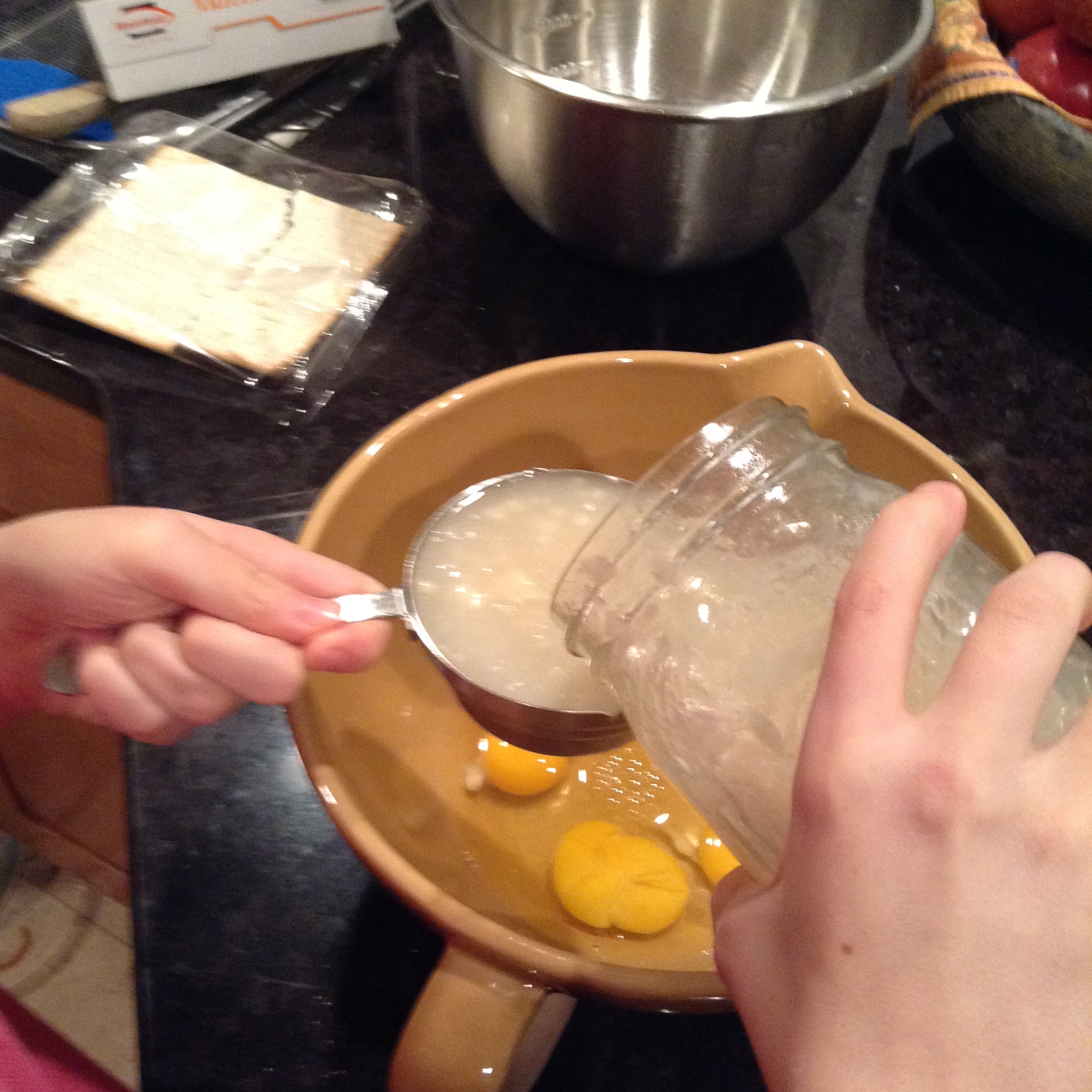
Beat the eggs together and 1/2 cup of stock.
IMG_0067

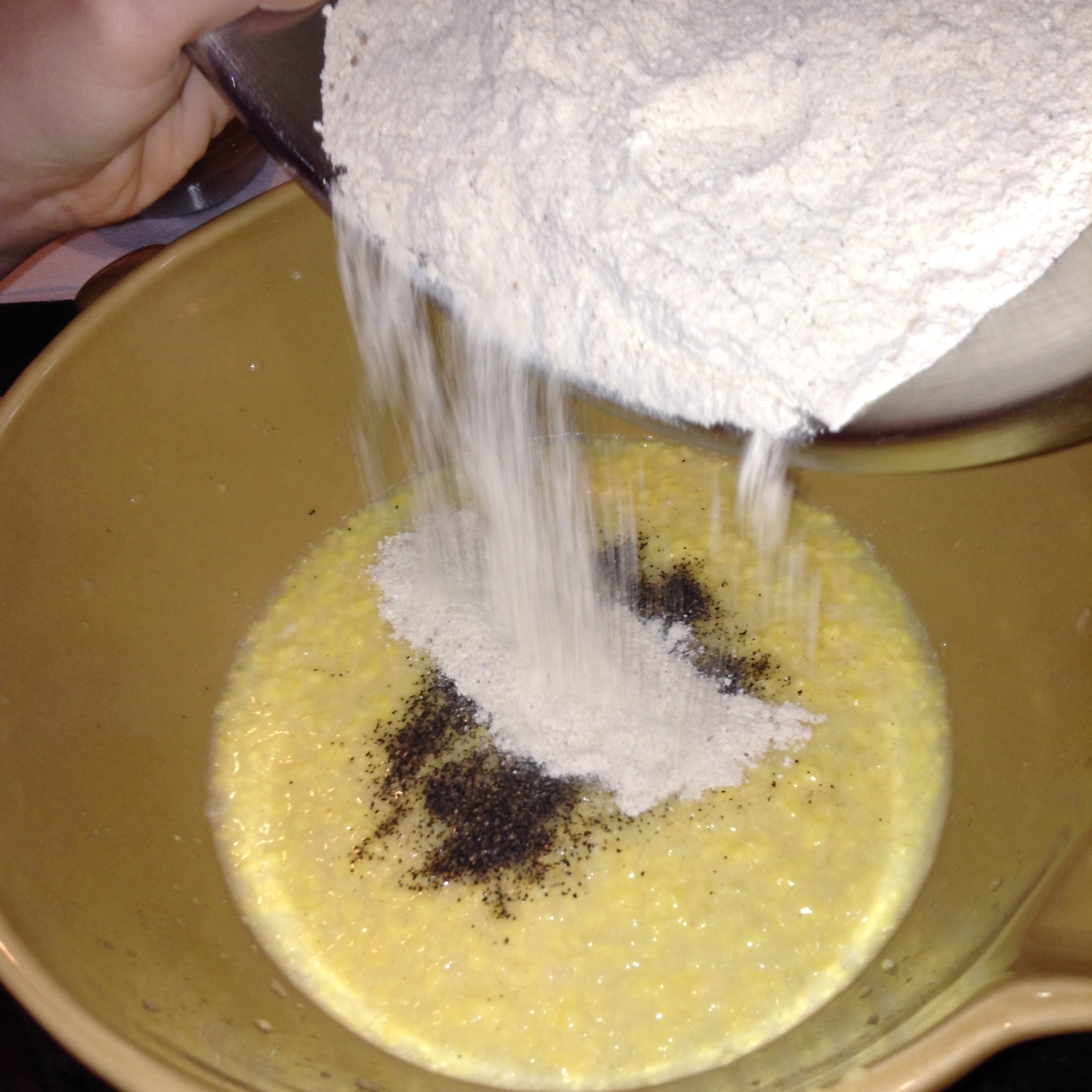
Stir in the grated onion, salt, pepper and fat.

Add the matzo meal.  The dough will be moist.  Cover the mixture and refrigerate for one hour or overnight.
 

IMG_0073

Shape into matzo balls – about 1 inch in diameter.

Now, you can either heat a pot of salted water or heat your chicken stock (which is a personal preference.)  Drop matzo balls into boiling broth.  The matzo balls will expand and absorb a lot of liquid.  Turn the heat ti medium and let the balls cook for about 30 minutes to set.
 

IMG_0081

Serve one to two matzo balls with broth and sprinkle with chopped parsley and or chives.


got broth?

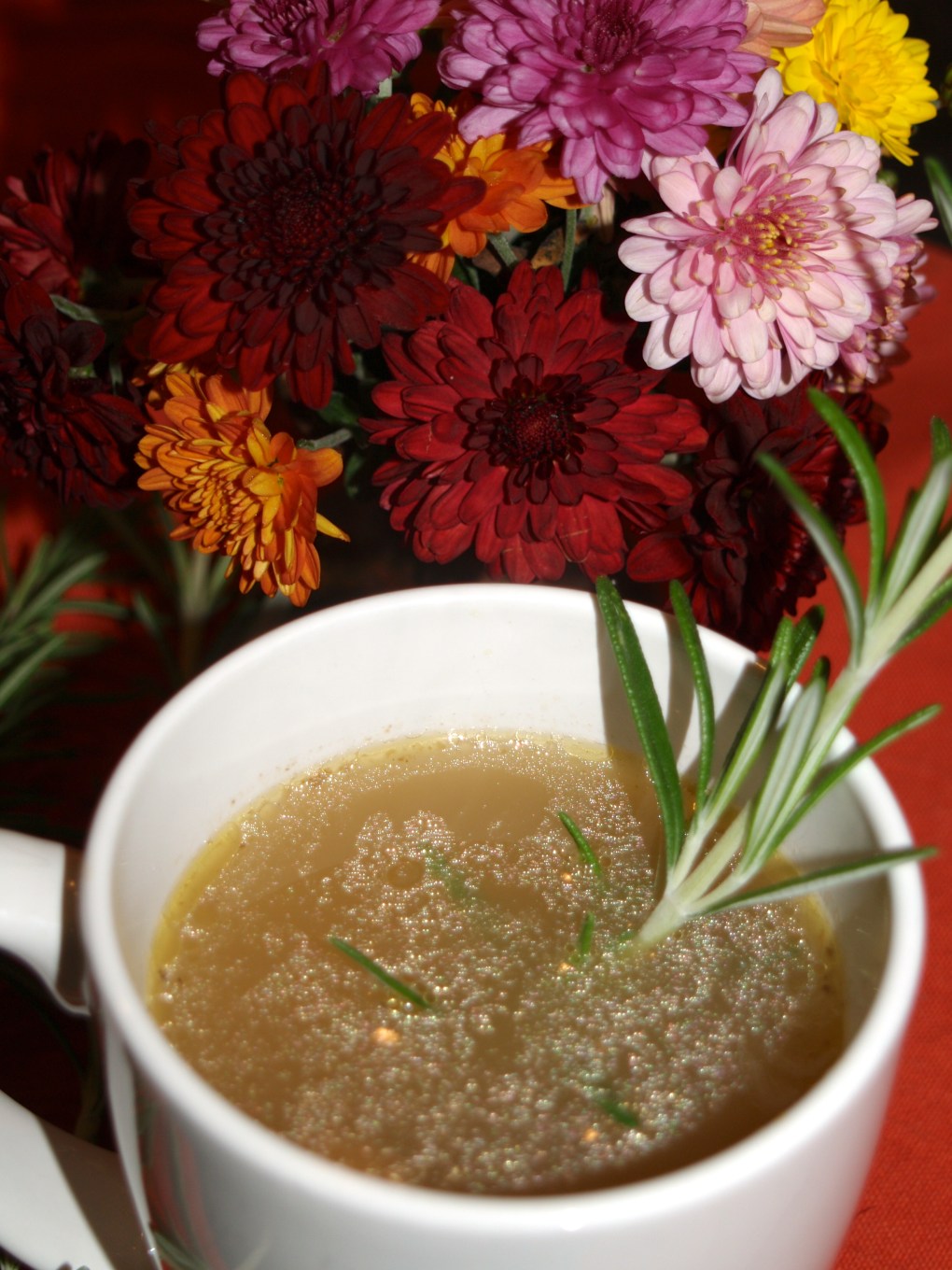
Fall and the approaching winter have ushered in a wave of cooler weather. With the change in seasons and temperatures, we naturally migrate our cooking toward more warming & nourishing foods like soups and stews. That brings us to one of the least glamorous of all foods – the humble broth – a nutritionally wonderful canvas to enjoy the hearty fall harvest!

Broth provides a modest yet universal meal.

A remedy for sore throats and the flu, it nurses the sick and puts vigor in our steps.  The nutritional savior of the soup kitchen, the humble broth is a warming comfort in times of need.  It is also incredibly healthy and a powerhouse of vitality!

Broths are a nutritional superfood in that they offer a very simple, affordable and rich concentration of nutrients that are easily acquired by our bodies.  That ease of nutrient absorption is paramount, because there is a big difference between consuming nutrients (from whole foods or supplements) and actually assimilating them into our cells.

Unlike it’s commercial cousins, homemade stocks and broths come with an unabridged complement of the exact nutrition we need to rebuild and maintain bones and joints.  One reason is that homemade broths and stocks are teaming with gelatin and minerals.  If you are unfamiliar with gelatin, it is a jelly like substance that is extracted from simmering bones or the soft tissues – like cartilage and skin from chicken.

Gelatin is essentially collagen in liquid form and collagen is part of the connective matrix that holds you together!  Among other things, it provides for youthful supple skin and healthy joints.  It also supports the immune system, digestive tract, heart and muscles and contributes to the building of strong cartilage and bones.

Want to know more about the benefits of gelatin and broth?

  • Gelatin is an easy way to support your digestive system.  It is not only nutritious but very soothing and healing to the digestive tract. Its ability to attract and hold liquids makes foods cooked in broths easier to digest.
  • American researcher, Dr. Gotthoffer found that cooked foods eaten with gelatin were easily digested and that babies fed milk fortified with gelatin had better digestion than those given plain milk.  Also, the babies who were fed milk without gelatin had a higher rate of allergies and intestinal issues.
  • Additionally, Gotthoffer found studies showing that convalesing adults who have lost weight because of operations, dysentery, cancer and other illnesses fare better if gelatin is added to their diet.
  • Gelatin has long been recognized in the treatment of digestive diseases.  “[Gelatin] is said to be retained by the most sensitive stomach and will nourish when almost nothing else will be tolerated,” wrote L. E. Hogan in 1909.  Today, homemade broths are the essential component of the GAPS diet protocol, in that it heals and seals the digestive tract.
  • One reason gelatin was recommended so highly for malnourished individuals is that it reduces the amount of complete protein needed by the body.  So, while gelatin is not a complete protein, it is high in the amino acids arginine and glycine which enables the body to more efficiently utilize the complete proteins that are consumed. For that reason broths are known as “protein sparing” because with broth your body can make better use of the protein you do eat, therefore not require as much.
  • Gelatin strengthens hair and nails, minimizes wrinkles and prevents and heals cellulite.
  • Gelatin may be useful in the treatment of a long list of diseases including peptic ulcers, tuberculosis, diabetes, muscle diseases, infectious diseases, jaundice and cancer.
  • Gelatin is unusually high in the amino acids glycine and proline. A vital function of glycine is detoxification. Proline aids the body in breaking down proteins for use in healthy cells and is used in making collagen, tendons, ligaments and heart muscle. Adequate proline is beneficial for the tratments of conditions such as osteoarthritis, soft tissue sprains and chronic back pain.
  • Gelatin assists in neutralizing intestinal poisons causing problems during an intestinal bug or flu.
  • Research has shown that broth aides in normalizing stomach acid levels for those with too high or too low stomach acid – which can have a profound impact on digestion.

Despite the abundance of our modern food supply, traditional diets contained far more gelatin than ours do today. Broth was a mainstay in French, Italian, Russian, Japanese, South America, Middle Eastern, African and other cuisines.  In the honored traditions of food, none of the animal went to waste (ironically, probably due to the scarcity of their food supply!)

People would eat soups made from bones all the time and doing so supplied their bodies with the whole family of glycosaminoglycans, which used to protect people’s joints. Now that few people make bone stock anymore, many of us are limping into doctors’ offices for prescriptions, surgeries and, lately, recommendations to buy over-the-counter joint supplements containing glucosamine.  (Shanahan, 2011).

Broth is economical and therapeutic food.

One can spend exhorbitant amounts on supplements containing glucosamine and chondroitins, but these capsules do not hold a candle to the efficacy of the the whole spectrum of glycosaminoglycans in a well made broth.  Whereas a supplement will contain only a few targeted ingredients, a well made broth provides the entire nutrient complex of joint building substances – some of which have likely yet to be discovered.

In that sense, bone broth represents a wonderfully inexpensive therapeutic food.  What a bargain!  A twenty five cent cup of broth offers an unparalleled small fortune in supplements: excellent levels of bioavailable minerals such as calcium, magnesium, potassium and phosphorus are supported by gelatin, chondroiton sulphate, bovine cartilage, glycine and hyaluronic acid.

Best of all, broth tastes great.

You can enjoy it warm in a mug at the end of a long day, or create delicious nourishing soups, stews and sauces.  It’s a pantry item to keep on hand in fall and winter.  Making homemade broth is not only very nourishing, but the utilization of the rest of the animal also qualities broth as a nutritional virtue and a wonderful manifestation of stewardship eating.

Of all we consume, may we always eat thankfully, wisely and well.


OLYMPUS DIGITAL CAMERA


Nourishing Broth Recipes:

Vegetable . Mineral . Broth

Chicken Broth


additional resources:
Broth is Beautiful by Sally Fallon

Why Broth is Beautiful: Essential Roles for Proline, Glycine and Gelatin by Kaayla T. Daniel, PhD, CCN

Gelatin in Nutrition and Medicine by N.R. Gotthoffer

Proline Amino Acid Benefits  LiveStrong