
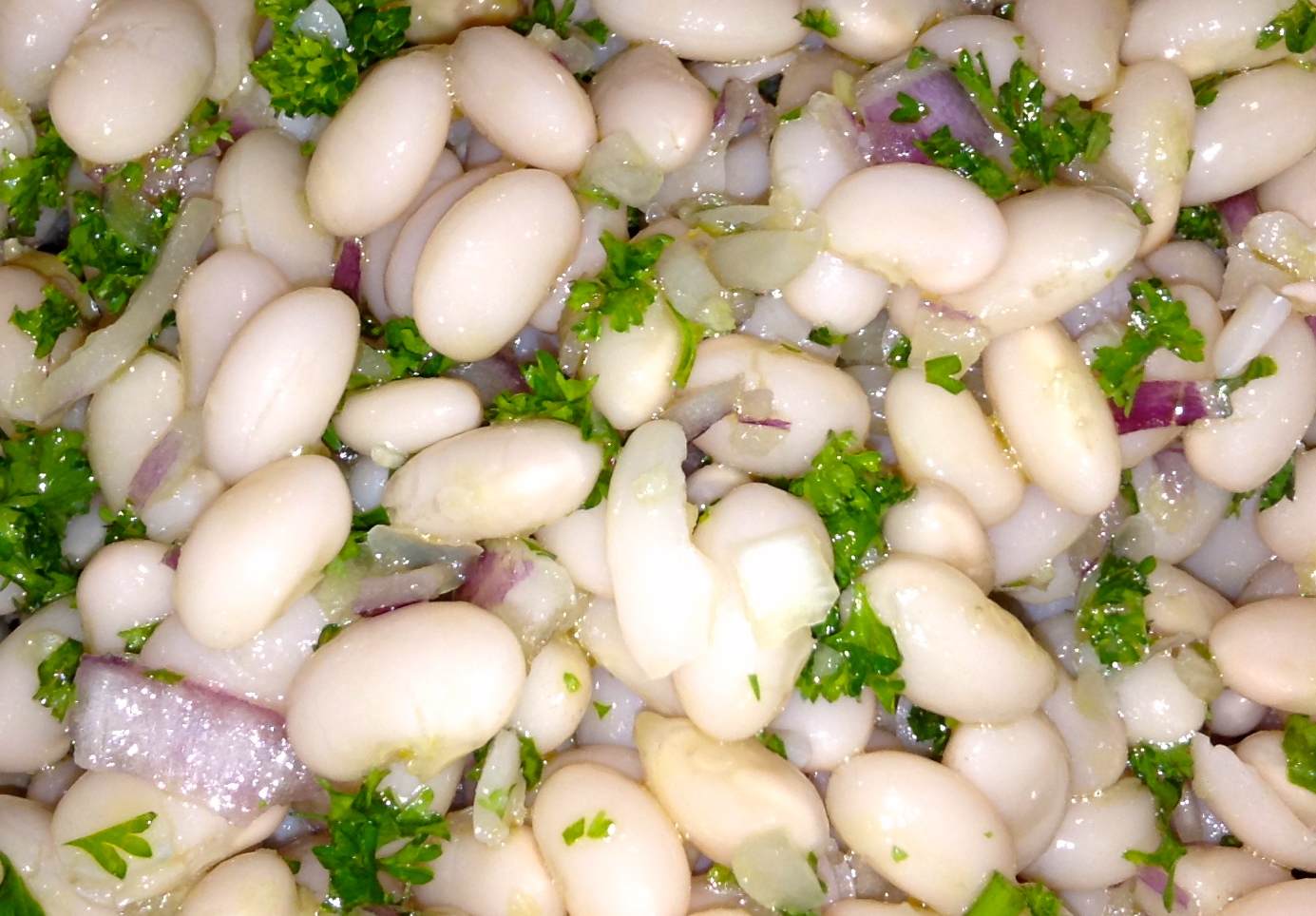
Lenten Greek Bean Salad – Fassolia Salata

IMG_0313

“But unless humility, simplicity, and goodness adorn our lives, and are associated with prayer, the mere formality of prayer will avail us nothing. And this I say, not of prayer only, but of every other outward exercise or labor undertaken with a notion of virtue.” —Saint Macarius


Lenten menus tend to feature beans…. lots and lots of beans.

We have two favorite local Greek restaurants, The Plaka and Nostos.  For any locals, this dish is inspired by our local Greek Restaurant in Tyson’s…. Nostos which has a wonderful menu with some very traditional dishes, way beyond gyros and souvlaki.   The recipe below is modified from the one found in Foods of the Greek Islands, by Aglaia Kremezi, which is more of a salad with a dijon mayonnaise base than this version.

In every recipe in which you use dried beans, take the time to soak them- either in plain water or even better, with a tablespoon of apple cider vinegar added to the the beans and water.  That this is similar to the traditional methods your grandmother or great-grandmother might have done.  They knew a thing or two about cooking and those traditions, well…they lend to maximum digestibility and nutrition.

Traditional peoples whose cuisines were based on legumes prepared them with great care.  Beans are soaked for long periods before they are cooked – some varieties in acidic water and some in neutral or slightly alkaline water.  The soaking water is poured off, the beans are rinsed.  As the beans cook, all foam that rises to the top of the water is skimmed off.  Such care and preparation in cooking ensures that the beans will be thoroughly digestible and all the nutrients they provide well assimilated, because such careful preparation neutralizes phytic acid and enzyme inhibitors and breaks down complex-sugars. (Nourishing Traditions)

How did they know this without nutrition fact panels?  One reason might be that at that time their food supply had not become so laden with toxic and artificial chemical ingredients and sugars – so our ancestors actually knew how foods made them feel on a more subtle level than do we.  They had a cleaner more pure food supply, so their bodies – not having the daily nutritional noise and non or even anti-nutrition -coursing through them -knew when something didn’t sit right.  We, on the other hand, are fairly used to not feeling nourished, so it just goes unnoticed.

Soaking also allows the beans to be more agreeable in other ways (if you get my drift!) because it helps break down some of the more complex sugars which are gas causing.

Especially for those larger kidney, northern whites, chickpeas and black eyed peas, a good soak is in order.  Soaking your beans does the beans and yourself a favor.  First of all, dried beans are a fraction of the price of those canned, so in big families this is a budgetary boon.  Further – the soaking neutralizes phytates and enzyme inhibitors that bind the nutrition of the bean, such that we can not absorb it… in some cases, large amounts of phytates can bind to the minerals in the rest of our meal and making them unavailable.

One other note- canned beans do not offer the same benefits as soaking.  Canned beans are high in sodium are canned under very high pressures.  This does not neutralize phytates and the danger is that such processing denatures proteins and other nutrients at the same time.  We do use canned beans in a pinch, but sparingly.


Ingredients:

2 cups dried white beans (great northern work well), soaked over night and drained

1/2 cup finely diced shallots, red onion or spring onions

1/3 cup chopped flat leaf parsely

1 garlic clove minced

3-4 tablespoons lemon juice

salt and pepper to taste

optional: 1/4 cup olive oil


Preparation:

Place beans in large pot with cold water covering them by 2-3 inches.  Bring to a boil, reduce heat to low and simmer for about one hour or until tender.

Combine the beans and remaining ingredients in a large bowl.  Stir well and let sit for the flavors to combine (about 1 hour).


Serve as a side dish to your favorite meal.


Fasting : nourishment for the hungry soul

“Let Thy food be Thy medicine and let Thy medicine be Thy food.”  Hippocrates

This is a quote used widely within the circles of holistic nutrition… indeed in our quest for health nutrition has practically become a religion unto itself.  Many will change their diets and fast for outward physical health to an extreme, but what about spiritual health?

For Orthodox Christians, the Great Fast of the Church is upon us.

Already, these last weeks in Church we have been preparing for Lent, slowly giving up meat and this week we partake of our last bits of dairy.  These weeks of preparation culminate this Sunday, when Orthodox Christians around the world will voluntarily deprive themselves of meat, eggs and dairy for the next forty days as we make the Lenten journey.

Despite what might seem to be fairly strict dietary guidelines, the Fast is not aimed at physical deprivation, but spiritual health and sobriety.

In fact, the very first act of the Fast and the ushering of Great Lent is the Sunday of Forgiveness – a time where we genuinely seek mutual reconciliation with our brothers and sisters.  “For He then who hates his brother is separated from God, since God is Love.”  (Saint John of Karpathos)

You see, without love for neighbor, there is no Fast.

Great Lent is a struggle and also a holistic journey of healing and rejuvenation.  Each fasts to the best of their ability, age, physical health and medical circumstance in accordance with their Priest or Spiritual Father.  We struggle in abstinence from foods, but perhaps the greater struggle is to forgive or find humility or to reconcile, to love and to pray.

It’s counterintuitive, but the Lenten dietary restrictions actually take the focus off of what we’re eating so that we might flesh out what’s eating us – and our relationships – with God and one another.

Orthodox Fasting is medicine and nourishment for the hungry soul.

The Fast is not about eating perfectly but is rather the salt of devotion and the quest for closeness to God.  There are some who would say that this seasonal deprivation of certain foods is mindless or ritual, but to them the question, where is the ritual in the heart seeking God?

Others call Fasting a tool and that is true.   It’s the anaphoric lever – lifting our hearts to God, Who is Love.

We eat less but are enriched and fortified with the spiritual nourishment of greater alms giving – love for our neighbor through charity and goodness; prayer; watchfulness and greater attendance at the services of the Fast.  All of that is not to be taken lightly.

Fasting is joy, dependence on God, who is Life ~ and our thankfulness to Him, for all things.  It is eating to live rather than living to eat.

OLYMPUS DIGITAL CAMERA

Great Lent is about Love…

…because He first loved us.  Lent is a spiritual movement.  An interior progression – becoming closer, rekindling and renewing our relationship with God or perhaps even discovering it for the first time.  This kinetic cooperation, our movement in Christ, spans the whole of our lives and is about the heart.

In that sense, the Fast is about the Greatest Commandment – to love God above all and love our neighbor as ourselves.

We fast for the Resurrection and the Life of the age to come!

Wishing us all a joyous and profitable Lent.

hagia-sophia.deisis

Nourishment for the Fast:


† The Lenten Prayer of Saint Ephraim the Syrian †

“Lord and Master of my life,take away from me the spirit of idleness, of despondency, of ambition and of unprofitable words.  But give to me, Thy servant, the spirit of chastity, humility, of patience and of love.  Teach me O Lord, to see mine own faults, and not to judge my brother.  For Thou art blessed unto ages and ages.  Amen”


† Saint Silouan – Wisdom from Mount Athos ~ On Love †

The man who knows the delight and love of God – when warmed by grace, loves both God and her brother – knows in part that ‘the kingdom of God is within us.’  Blessed is the soul that loves her brother, for our brother is our life.”


† Prayer of the Optina Elders †

Grant unto me, my Lord, that with peace of mind I may face all that this new day is to bring.  Grant unto me Grace to surrender myself completely to Thy Holy Will.  For every hour of this day instruct and prepare me in all things.  Whatsoever tidings I may receive during the day, do Thou teach me to accept tranquilly, in the firm conviction that all eventualities fulfill Thy Holy Will.  Govern Thou my feelings and thoughts in all I do and say.  When unforeseen things occur, let me not forget that all cometh from Thee.  Teach me to behave sincerely and reasonably toward every member of my family, that I may bring them no confusion or sorrow.  Bestow upon me, my Lord, strength to endure the fatigue of the day, and to bear my part in all it’s passing events.  Guide Thou my will and teach me to pray, to believe, to hope, to suffer and to love.  Amen.

Papou’s Lentils ~  Soup for the Soul

This is a Lenten Staple…

Ingredients

  • 1/2 pound dried lentils – soaked over night in water
  • 1 onion chopped fine
  • 2 cloves garlic chopped fine
  • 1 small can tomato sauce, or 3 tsp tomato paste
  • salt and pepper to taste
  • 4 tablespoons apple cider vinegar
  • 2 tablespoons flour
  • 7 cups water

The night before, place lentils in a bowl and fill with water three inches above the lentils.  Let stand overnight. (You know, just like our grandmothers did… this breaks down some of the less digestible starches in the lentils and therefore provides greater nutrient availability at mealtime.  It also reduces gas!)

Place lentils and all ingredients (except vinegar and flour) in large stock pot.  Cover and bring to slow boil over medium heat.  Reduce heat and simmer for 1 and a half hours.  In small bowl mix flour and vinegar until no chunks of flour remain.    Stir into soup and cook for 10 more minutes.  Salt and pepper to taste.

Serve with toasted bread and a green side salad – with lemon or orange juice dressing!

Resources:

The Lenten Triodion, Introduction

Manley, J. (1990). The Bible and the Holy Fathers for Orthodox: daily scripture readings and commentary for Orthodox Christians. Menlo Park, Calif.: Monastery Books. (pages 680 and 690)


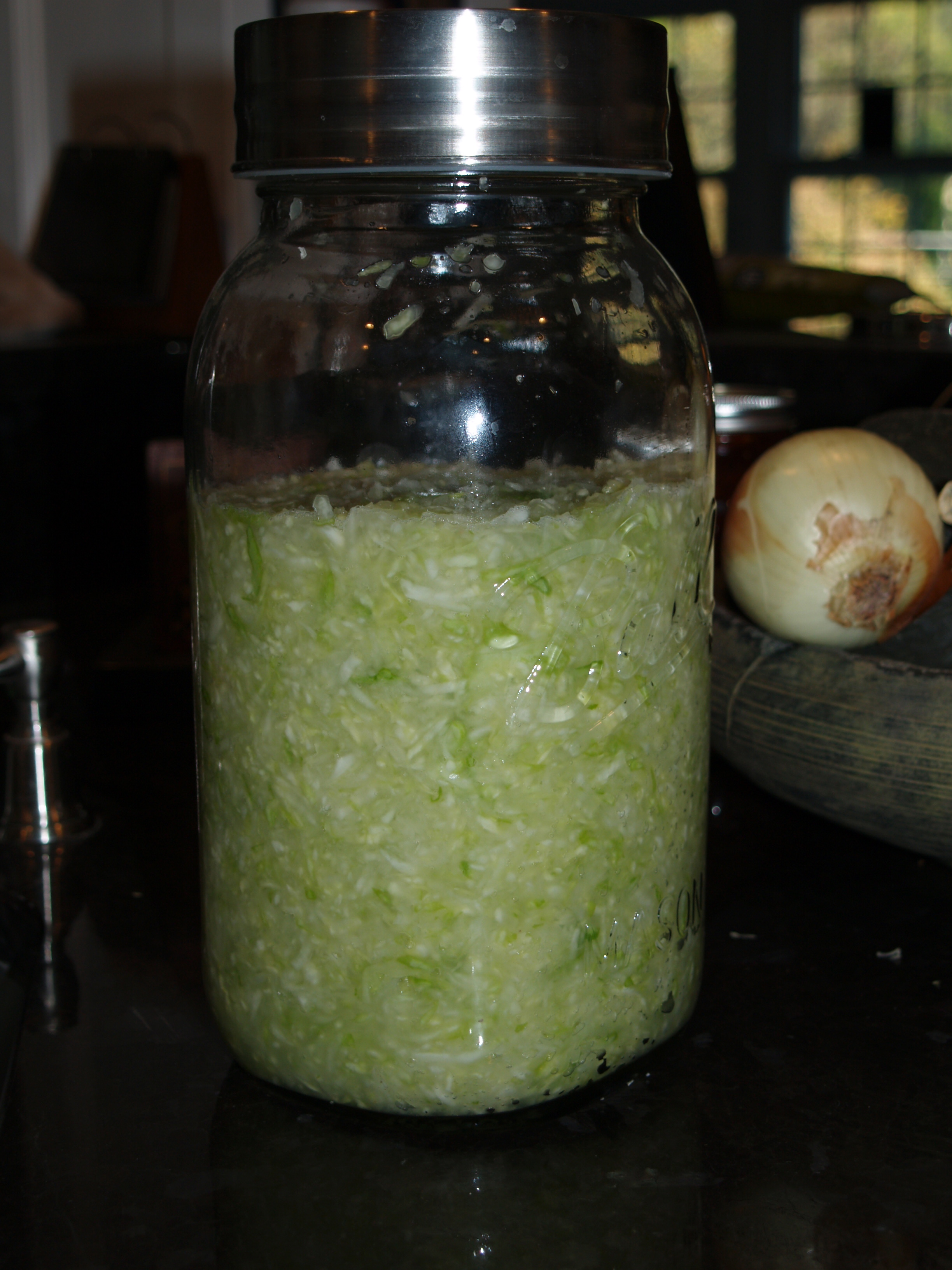
sauerkraut

Farm Fresh Cabbages

“I have come to the conclusion that the most important element in human life is faith.  If God were to take away all the blessings, health, physical fitness,  wealth, intelligence, and leave me with but one gift, I would ask for faith— for with faith in God, in God’s goodness, mercy, love for me, and belief in everlasting life, I believe I could still be happy, trustful, leaving all to God’s inscrutable providence.” —Rose Kennedy


Most people would agree that we live in a germ-ophobic country.  YET, all around us and within us there is a microscopic world, things invisible – an interconnected multitude of fungus and bacteria.  (uh-oh…)  From the beginnings we coexisted with these little organisms; we even harnessed their help to age and preserve our food without refrigeration.  However, when Louis Pasteur uncovered the role of bacteria in disease, (which is a great thing!) we began to fear them as dangerous enemies and in fearing them we forgot about their role in health.

Not all bacteria and fungi are bad.

In our modern antiseptic world, it can take a leap of faith – and maybe even a little science – to calm our fears, reacquaint ourselves and get comfortable with the microcosmos around and within us.  A little reminder that the world God created is good  (it was also raw and unpasteurized, by the way!) and that I can rely on that whole food creation -more than food scientists and industry- for the plentiful nourishment of my family!   You know what?  So can YOU!

The word sauerkraut is German for “sour cabbage” – but the French call it choucroute.  Whatever you call it, sauerkraut is probably to most widely known fermented food behind, pickles, olives and yogurt.

Probably the most widely known sauerkraut is Bavarian style, which is shredded cabbage, salt and seasoned with caraway seeds.  Some other German styles use juniper berries to season the kraut.


A word on the nutritional virtues of sauerkraut.


Fermented sauerkraut is not only pre-gested thereby making it’s nutritional profile more bioavailable, it is also low in calories, high in fiber, and is a good source of vitamins K, C and folate and also the minerals potassium, calcium, magnesium, copper, manganese and iron.  It has a great profile of antioxidants and is anti-inflammatory.  Cabbage is exceedingly nutritious on it’s own merits, but let it ferment and it’s full potential is silently revealed.

Studies that “analyzed cabbage before and after fermentation to see how the elements had changed  found that the glucosinolates in cabbage dissolved into a class of enzymes that have been shown in prior studies to prevent cancer.” (Preventdisease.com)

But that’s not all!  Sauerkraut also helps to maintain the acid/base balance of the body, helps to regulate blood sugar levels making it useful for hypoglycemics and diabetics and has been associated with preserving ocular health.

Like all ferments, sauerkraut  is high in naturally occurring lactic acid which helps maintain a healthy acidity in the large intestine, thus creating an environment that is hostile to parasites  and yeast but comfortable for good bacteria.


Ready to give it a try?


Fermentation takes neither much time, or effort.  It’s a great way to add great nutrition to the table, and making it yourself is a real money saver when you’re on a budget and feeding a large family.

It’s super nourishing, unassuming and delicious.  We eat it because it tastes great.  On it’s own, adorning a brat or hot dog, or even as a great garnish on a wintery day’s BLT.  You can buy sauerkraut in the store, but if you want all the benefits of the ferment, then it’s best to look for small batch, artisinal, organic, lacto-fermented varieties that are also non-pastuerized.


IMG_0306


Michael Pollan says about fermenting, “Koreans, who know a thing or two about fermentation, distinguish between the “tongue taste” of various foods and the “hand taste“.  Tongue taste is a simple matter of molecules making contact with taste buds – the kind of cheap and easy flavors any food scientist or food corporation can produce.  Hand taste is the far more complex experience of a food that bears the indelible mark – the care and sometimes even the love – of the person who made it.  The sauerkraut (and most anything else) you make yourself will have hand taste.

That makes a lot of sense here at Nourishing Grace, because the word nourish is quite beautiful and comes from the latin nutrire, which means to feed or cherish, to preserve, look after or suckle. That implies a “hands on” relationship!


“Better is a dish of herbs where love is than a fattened ox and hatred with it.” —Proverbs 15: 17


Of all our nourishment let it be rooted in goodness and love as we prepare and enjoy our meals with loved ones at the table!


how to make your own sauerkraut

Equipment

1 – 1 gallon Ceramic crock or  wide mouth mason jar

plate or plastic that will fit inside


ingredients for sauerkraut

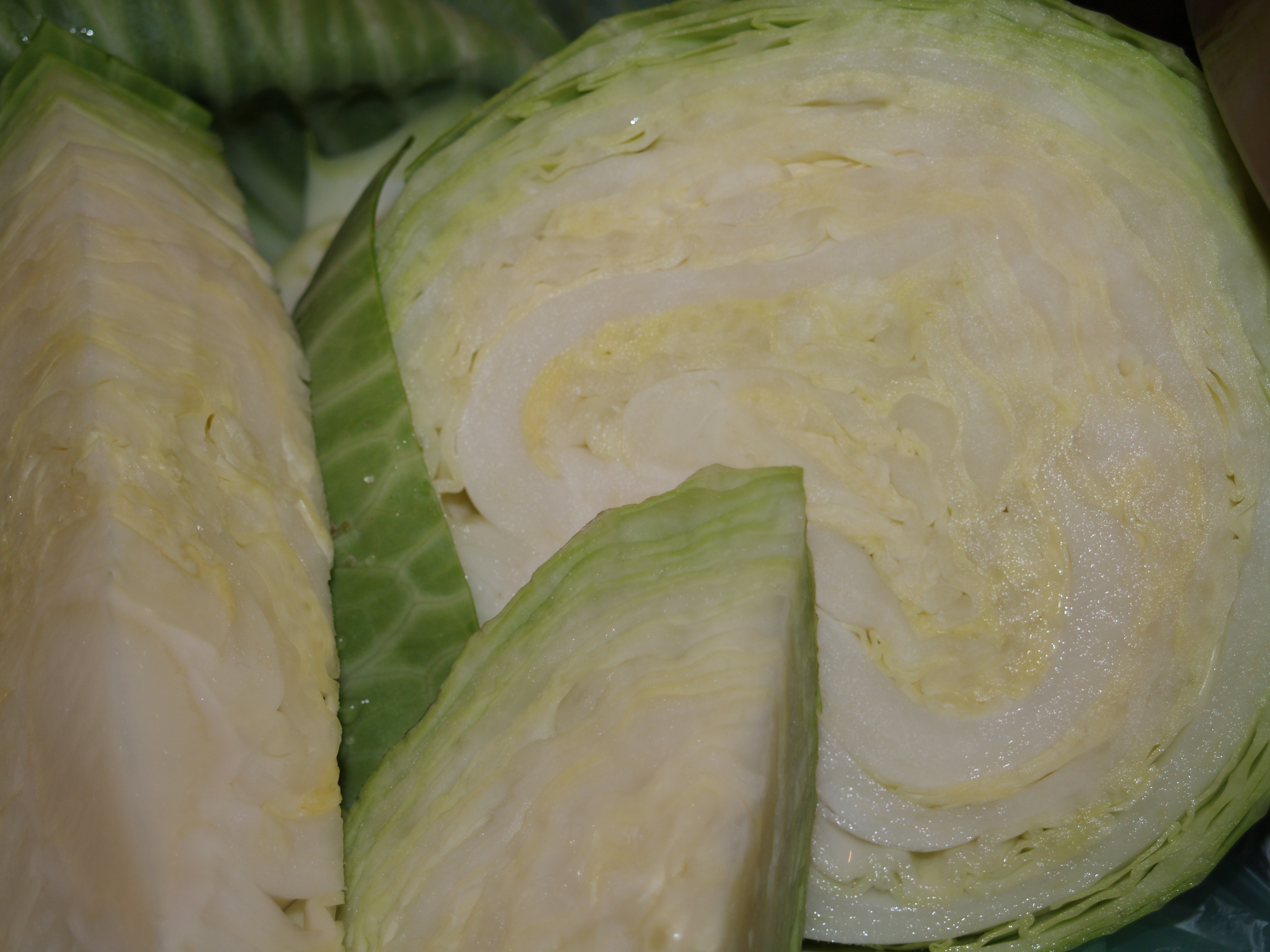
2 medium heads fresh cabbage (fresh local cabbage is the best because of it’s higher moisture content the salt will draw out more water for the brine.

3 tablespoons sea salt


process

chop or shred the cabbage.  We use a food processor

As you process the cabbage, place in bowl and sprinkle salt on each layer.  The salt osmotically draws the water out of the cabbage.  This becomes the brine in which the cabbage ferments without rotting.

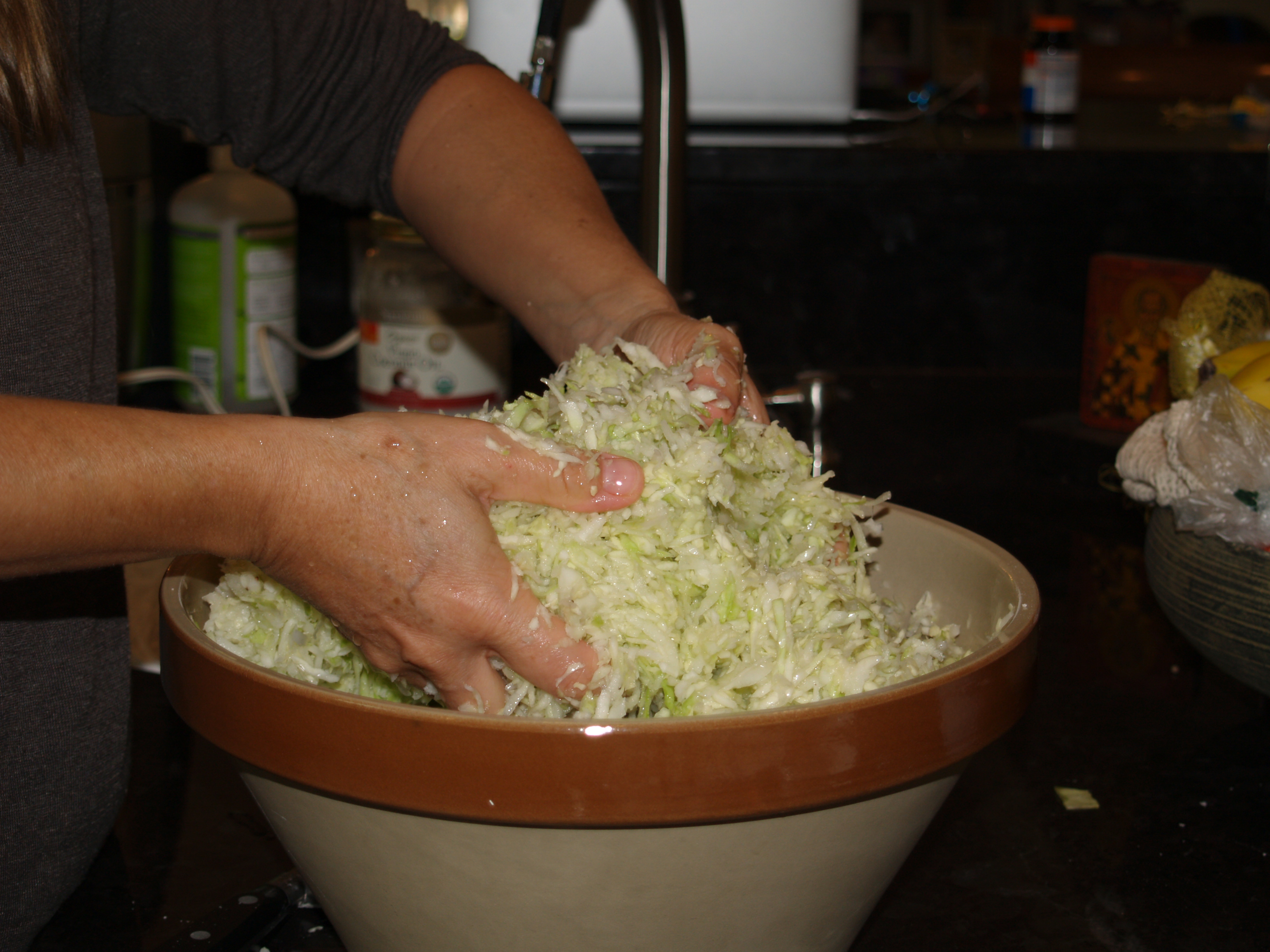
mixing the sauerkraut

mixing the sauerkraut


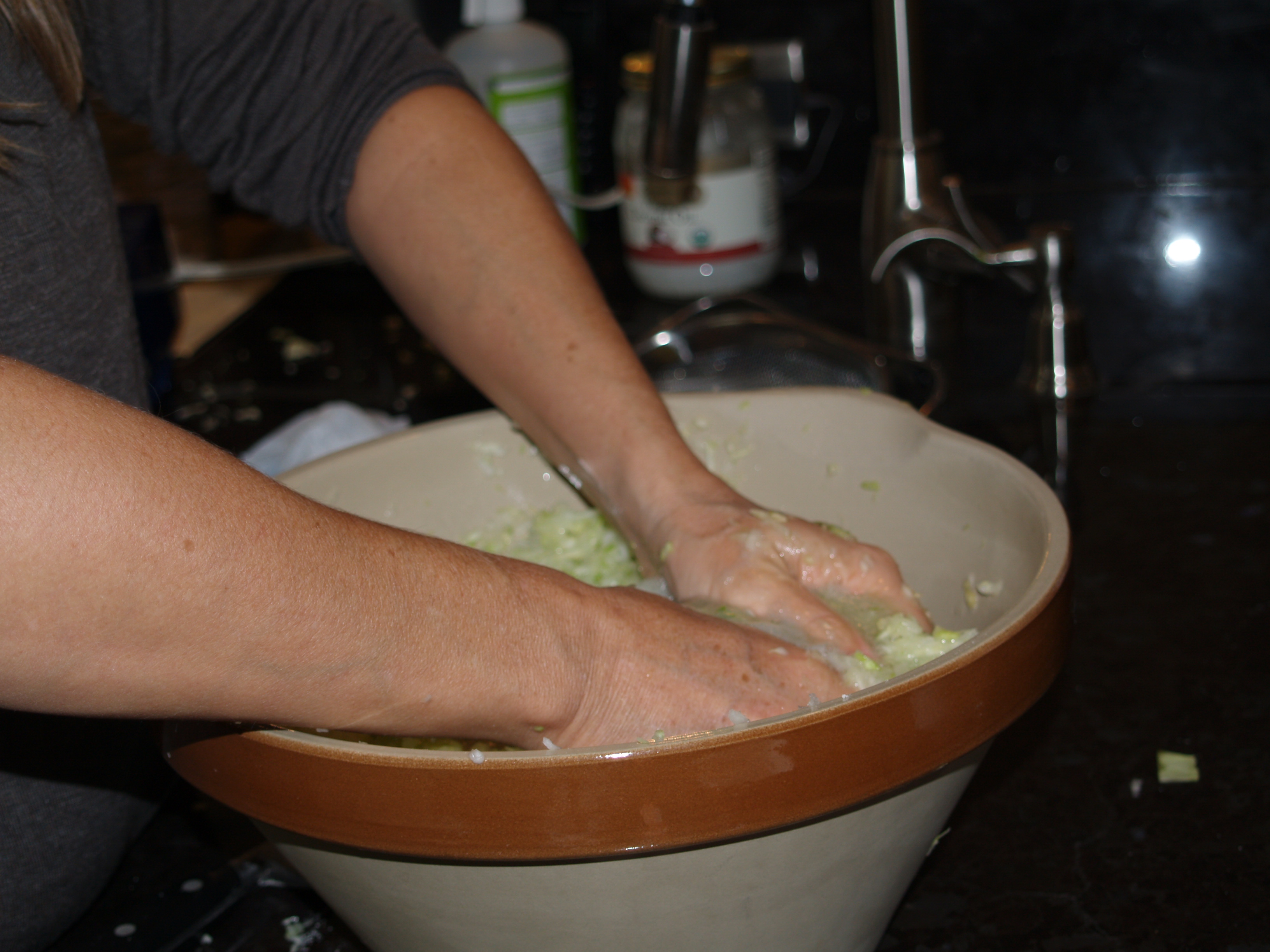
Mix the ingredients together and you can either pound the cabbage, or massage with good firm squeezing.  That will all serve to draw out the brine.  You can also mix it and leave it for a half an hour and then start the pounding or massaging.


massaging the cabbage

massaging the cabbage


Transfer the mixture to the crock or mason jar.  Tamp it down firmly.  You can use a tamper or your fist.  I use my hands.  Push the cabbage below the brine level.  Fermentation works because the vegetables stay below the brine.  So in this oxygen deprived environment, anaerobic, only the good bacteria are able to survive and thrive.  Place a clean weight over in the crock over the cabbage to keep it down.  This can be a smaller jar with water in it.

To be honest, I do not always use a weight.  My ferments are always on the kitchen counter, so I wash my hands and push it beneath the brine several times a day.  But if you are not able to do that, it’s best to use a weight.


Sauerkraut on the Ferment


The sauerkraut will develop at a rate directly correlated with temperature.  At 45 Fahrenheit, fermentation is very slow, at 90 Fahrenheit it is notably faster.  Lower temperatures, in the 70 Fahrenheit range make a superior kraut.

After 3-5 days, give the sauerkraut a taste.

See if it suits you.  Some people love the flavor of an immature green kraut.  If it’s not the flavor profile you want, let it sit longer for the flavors to develop.  Once it is to your liking, place in smaller jars and move to the refrigerator or other cool spot (like a root cellar).  The slows down the fermentation process.

Taste-testing the developing sauerkraut has become my daughters job and her taste buds are definitely evolving.  We currently have a jar of sauerkraut that has been on the counter for three weeks.  We are using it, but she has not asked to have it moved the fridge.  Surprisingly it has not gotten very very sour, just more delicious.

There are many ways to enjoy your kraut, most recently we had ours atop BLT’s served on a great sourdough made during the big snow storm.

sourdough BLT with sauerkraut

sourdough BLT with sauerkraut


Sources:

Katz, Sandor Ellix. The Art of Fermentation: An In-Depth Exploration of Essential Concepts and Processes From Around the World.  White River Junction, VT: Chelsea Green Pub., 2012. Print.

“What Are The Benefits Of Sauerkraut Juice?”. Livestrong.Com

Ten Reasons to Eat Fresh Unpasteurized Sauerkraut | Vitality Magazine | Toronto Canada alternative health, natural medicine and green living


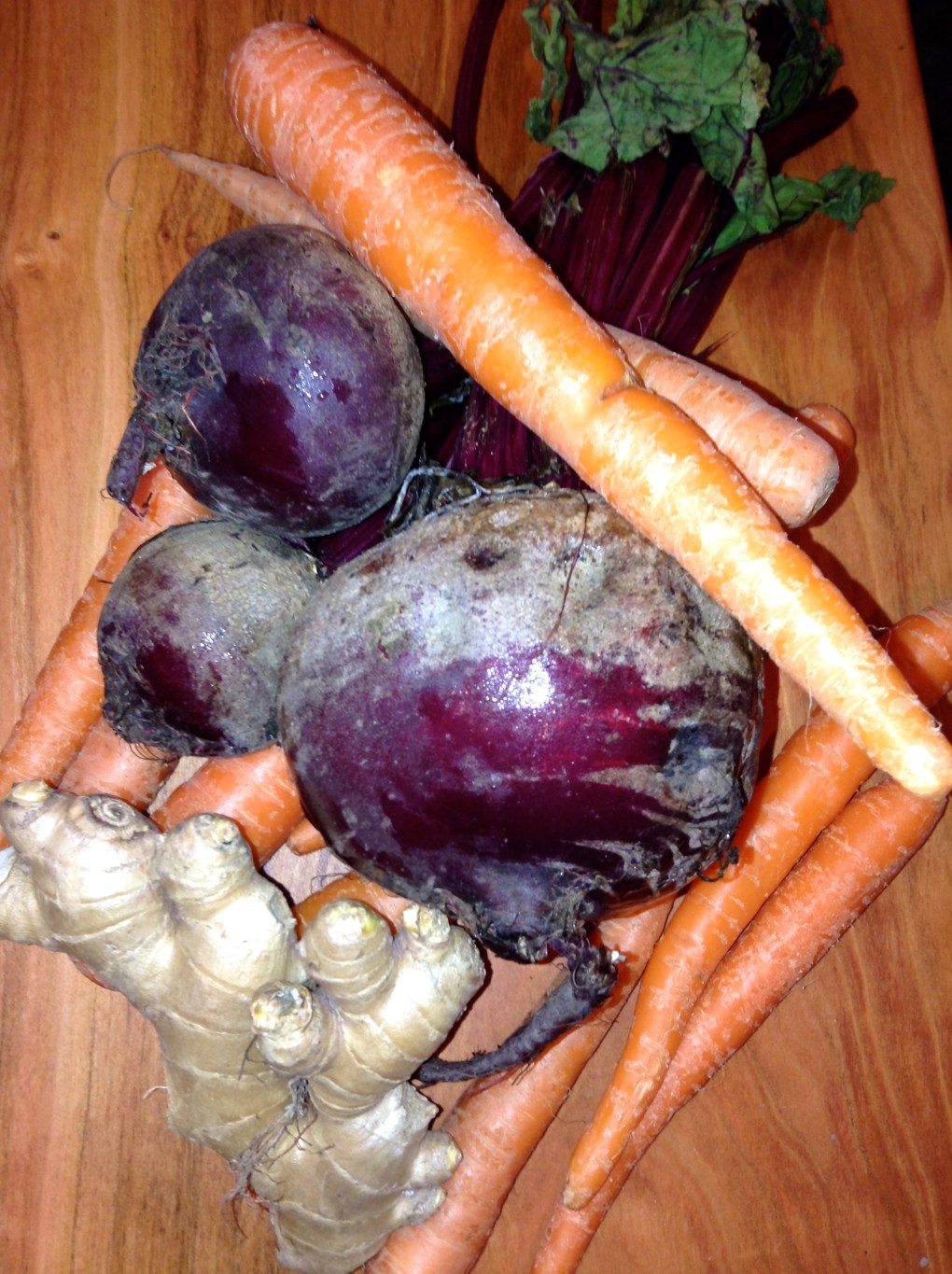
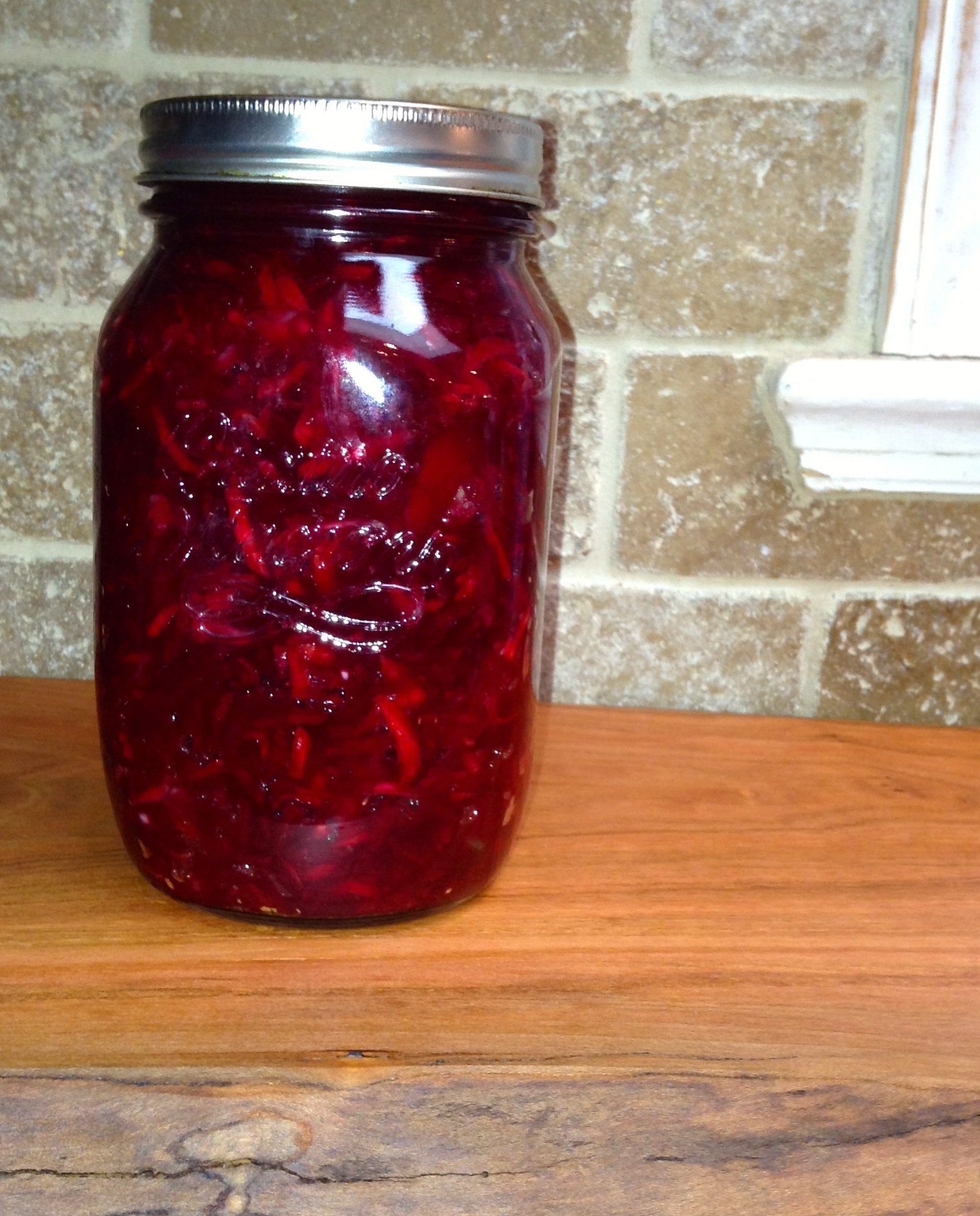
winter ferments – gingered beet and carrot slaw

The dinner table in a monastery is always set with care for both daily fare and feast days. Food is arranged to show the full beauty of God’s harvest in vegetables, grains, dairy products, and fruit.

Victor-Antoine d’Avila-Latourrette

Oh…!  The rich earthy flavor of this slaw just get better over time.  If you are a fan of beets, this does not disappoint – not one bit!  Fermenting is a low-cost, efficient and easy process that preserves foods – some indefinitely!  We still have the remnants of a corn jalapeño salsa ~ from two years ago ~ that is still viable, delicious and enjoyed!

Ferments have a self sufficient versatility – but at the same time, pair well with a variety of dishes.  Fermenting your own vegetables is an artisanal delight that is flavorful, healthy and when made with your local harvest good for the planet too!


Gingered Beet and Carrot Slaw

When fermenting –  use the best quality ingredients available to you.  Remember, local, simple and seasonal freshness make all the difference in and to the world!

ingredients:

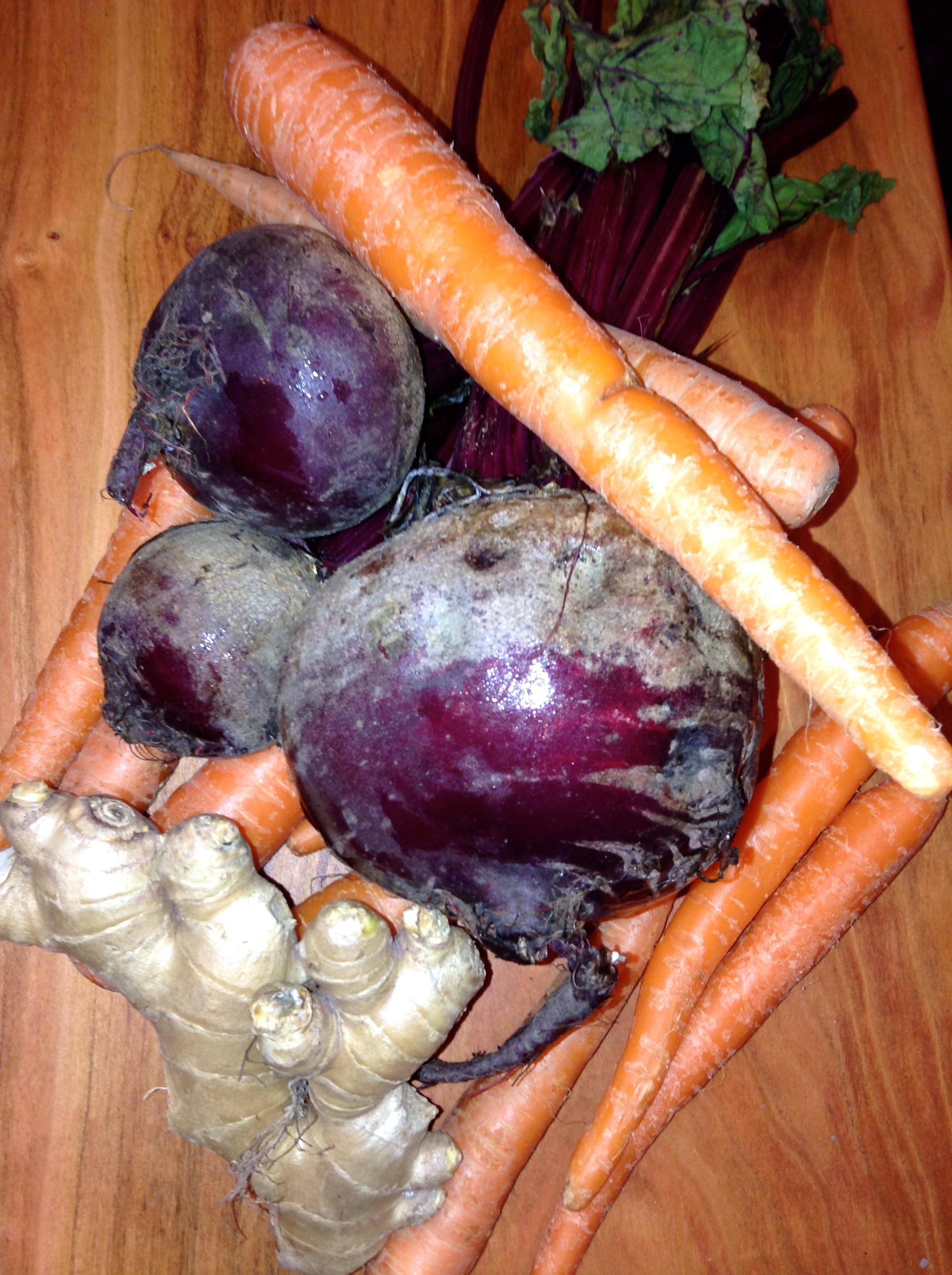
300 grams fresh shredded carrots

500-600 grams fresh shredded beets

100 -200  grams onions (optional)

1/2 – 1 teaspoon shredded fresh ginger

2 teaspoons salt

fermenting ingredients

preparation:

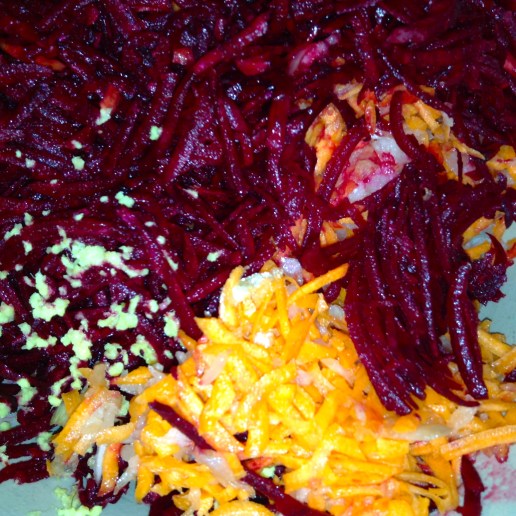
Wash hands.  Place all ingredients in large clean bowl.  Mix and massage the mixture with hands, squeezing to extract the natural juices.  Some recipes call for a brine to be added to the slaw, but my experience (and preference) is that my local fresh ingredients produce enough liquid when the salt is added to cover the vegetables.  This is the same principle used for sauerkraut.

IMG_0238

Mix for about 10 minutes (this is a great work out!).  Place in a clean mason jar and leave out of direct sunlight.

After about 5 days taste and continue to do this every day until the taste you desire is achieved.


 Fermented Beet Carrot and Ginger Slaw


easy almond milk

OLYMPUS DIGITAL CAMERA

“For there is hope of a tree, if it be cut down, that it will sprout again, and that the tender branch thereof will not cease.”  -Job 14.7


Any grain, nut or seed can be sprouted.  The process of germination enhances the food through not only producing vitamin C, but also changing the composition of the nuts or seeds in numerous beneficial ways.

  • Sprouting increases vitamin B content, especially B2, B5 and B6.
  • Just as important, sprouting neutralizes phytates.  Phytic acid is present in all legumes, nuts and seeds and represent a serious problem to our diets.  Phytates inhibit our absorption of minerals such as calcium, magnesium, iron, copper and zinc.  This issue of phytates and their ability to not only interfere with the absorption of the minerals in the almond milk, but also their ability to bind with minerals from our own diets becomes an important one.  Traditional methods of preparing nuts included soaking them.
  • Another benefit of sprouting is that it neutralizes enzyme inhibitors present in nuts and seeds and increases enzyme activity as much as six fold.  Prior to neutralization, these enzyme inhibitors can actually neutralize our own enzymes, the ones found in our digestive tract!

Sprouted almond milk is an item we keep on hand during Fasting periods.  The reason we don’t buy commercial almond milk is due to the fact that industrial methods for producing almond milk do not involve a sprout.  Sprouting takes time and that extra time is money to corporations so it is overlooked.  When one is replacing a staple like milk with nut milk, then large quantities will be consumed and so the issue of phytates becomes very relevant as it can result in depletion of minerals.

Because our diets are seasonal, sprouting almonds becomes part of a 40 day routine when our diets are already changing for the Fast.  It’s easy to incorporate and develop a rhythm to making the nut milk and having an ample supply on hand.  Our family only makes this milk during the Fasts.

Though it takes a few paragraphs to write out the method for sprouting, the active time involved in making the almond milk is about 10 – 15 minutes.  The rest of it really is left up to the almonds and time.


Easy Almond Milk

First for the Sprouting

  • 1 cup rinsed almonds
  • 3 – 4 cups cool water
  • bowl

Method

Place almonds in bowl and pour in water to cover by at least one inch.  Allow almonds to soak for 4-12 hours.

Rinse and drain.  Place almonds in sprouting jar or mason jar and put out of direct sunlight at room temperature.  Let sit for 8-12 hours.  Rinse and drain and you can use them.

The almonds will have a bulge to them.   These are more soaked than sprouted.  Now you can make your almond milk.

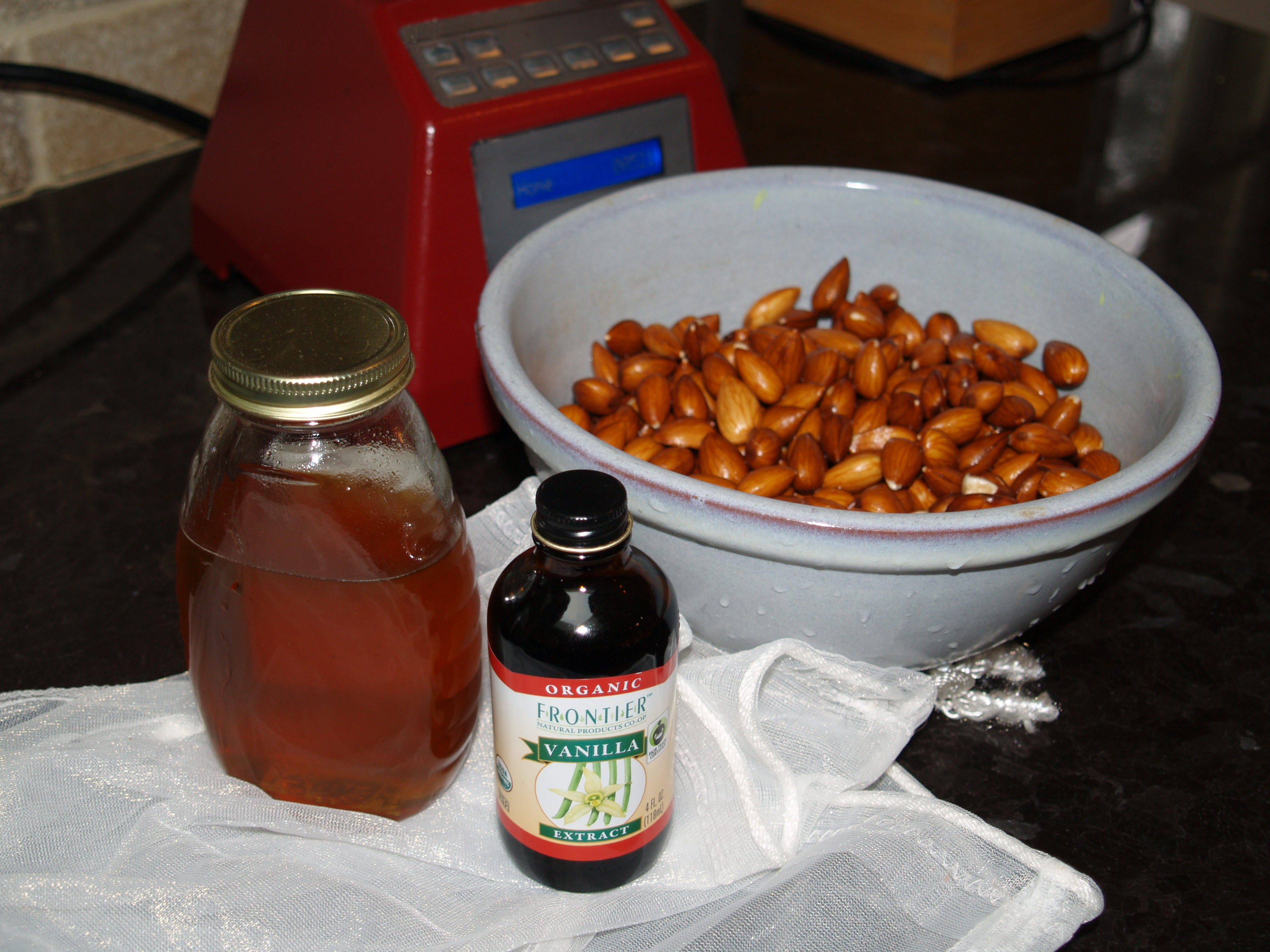
OLYMPUS DIGITAL CAMERA

For the almond milk.

  • 1 cup soaked almonds
  • 1 or 2 nut milk bags for draining
  • 2 cups water
  • blender
  • optional: 1/4 tspn pure vanilla extract
  • t tspn raw honey or sweetener of your choice (quantity may vary to taste)

Place almonds and water in blender.  Start out on low speed and increase speed to medium for 1-2 minutes.  All chunks of almond should be gone.  Place nut bags over bowl and pour in the almond milk.  Strain the milk through the bag.

The remaining almond meat can be used for other recipes or placed in a mason jar in freezer until you are ready to use.  The almond meal be stored in the freezer for 2 months.

We normally double or triple the recipe to make a good portion of the almond milk for the week.  The almond milk will separate in the fridge, but that is okay.  Just give it a good shake or stir before enjoying!

During Fasting periods we use it in chai, smoothies, and oatmeal as a staple ingredient.


OLYMPUS DIGITAL CAMERA


fish broth

OLYMPUS DIGITAL CAMERA

“The proof of love is in the works. Where love exists, it does great things. But where it ceases to act, it ceases to exist.” —Saint Gregory the Great


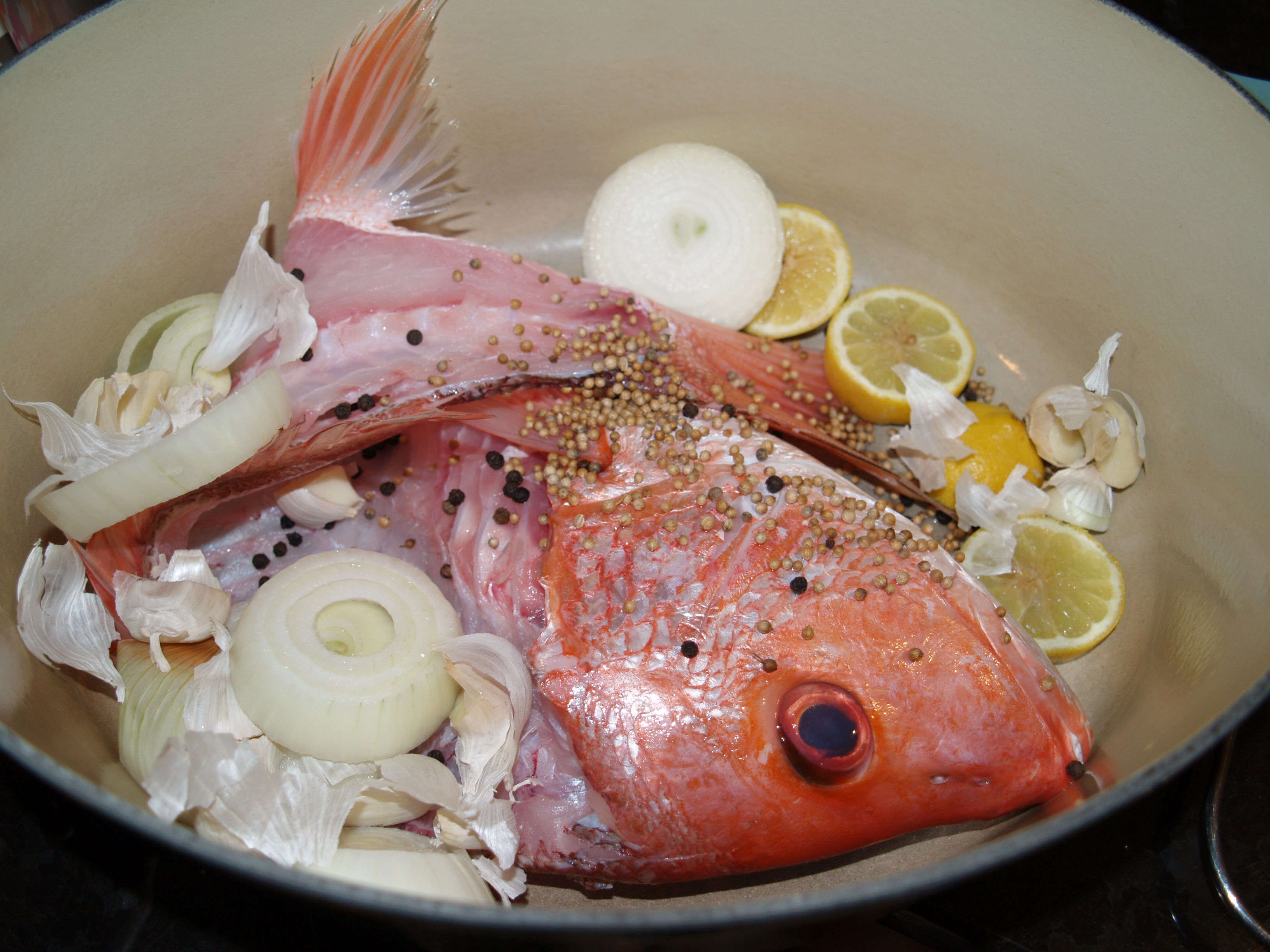
This is a simple fish broth and it’s also a very inexpensive one too.   In fact, fish broth can be the least expensive for you to make.  Just make a call to your local fish monger or supermarket and ask them to put aside any carcasses for you from the day.  Chances are they’ll charge you 50 cents to a dollar for it, or just let you have them for free!  For vegetarians, this is a great way to add the benefits of bone broth in to your diet.

Fish broth has a delicate flavor but strong smell when it is cooking.

It’s a good idea to avoid the larger fish when making broth – this is due to the probable build up of mercury in the larger varieties like tuna.


Ingredients:

  • 2 medium fish carcasses or several fish heads – such as  rockfish, snapper, or turbot
  • 1 small head celery
  • 1 medium onion cut into fourths
  • 2 carrots
  • 1 small head garlic, washed, not peeled but cut in half
  • 1 teaspoon black pepper corns
  • 3 quarts cold water
  • juice of one lemon

Place all ingredients except lemon in stock pot.  Bring to boil and skim.  Simmer covered for 3 hours.  Remove from heat, strain add the juice of the lemon and use or store.  It is important not too cook with the lemon, but add it at the end as if you cook with the lemon that will impart a bitter flavor to the soup.


vegetable . mineral . broth

Vegetable Mineral Broth

“Solitude, prayer, love and abstinence are the four wheels of the vehicle that carries our spirit heavenward.”  

Saint Seraphim of Sarov

Vegetarian cooking, for both health and spiritual reasons, has been rediscovered and has attained wide prominence.  In the cooking at monasteries, this goes a long way toward sustaining and encouraging the positive trend we see today.  Besides, a vegetarian meal— when well prepared and attractively presented at the monastic table— has a charm all its own.  I am sure the same can be said of other vegetarian tables around the country and around the world.”  (Brother Victor-Antione d’Avila Latrourette)

This broth is a fasting staple in our home, and when the seasons of the Fasts approach we double and triple this recipe into mason jars in order to have ample stock on hand.  It simplifies our Lenten meal preparation, and as you can imagine, that is a great blessing!

In this age of take out and hurried cooking making your own stock may seem like a bother, but your meals will have greater flavor and nourishment if you do!

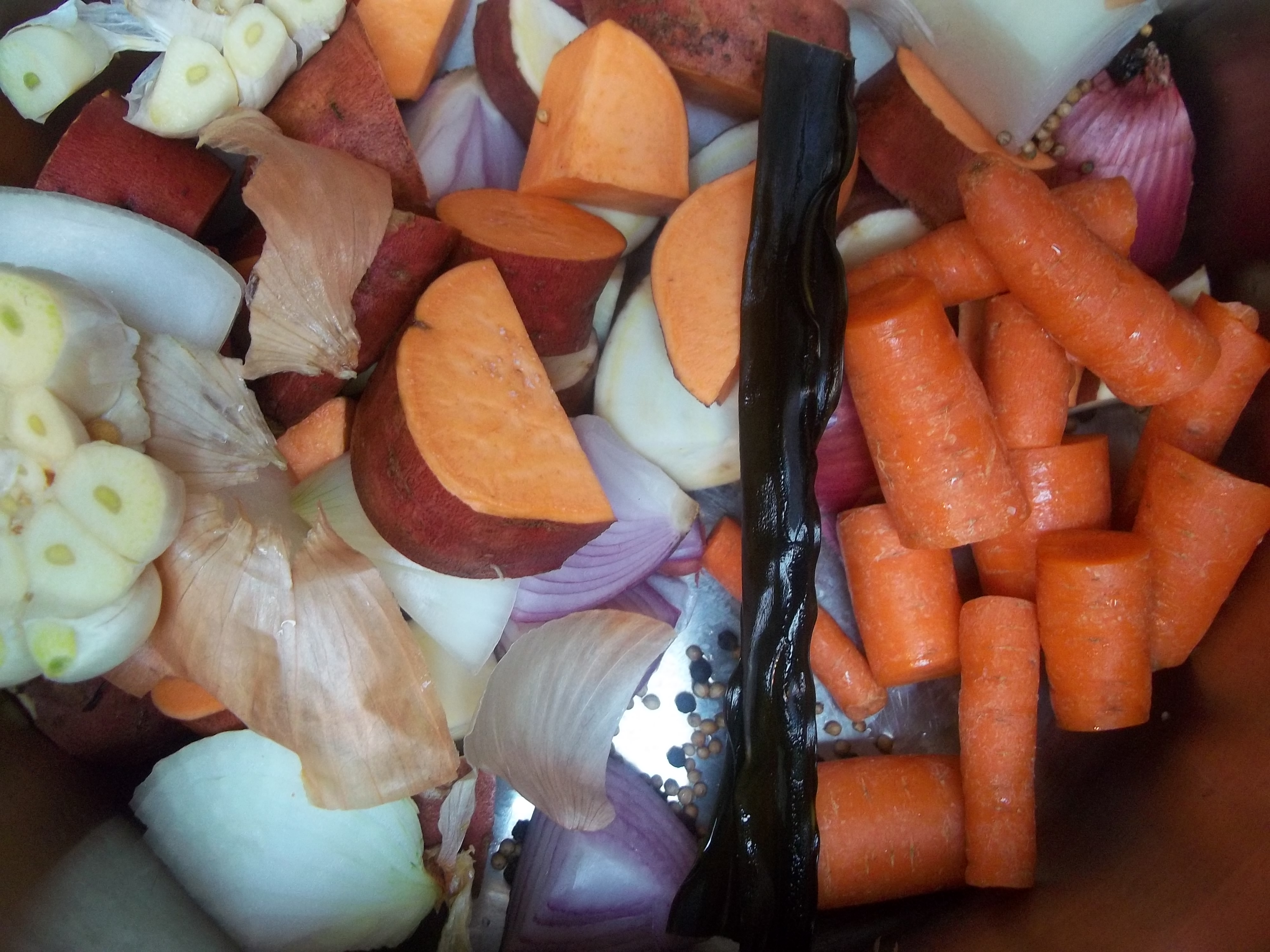
The preparation of this nourishing mineral rich broth requires no fancy equipment or culinary skills.  It is a recipe we appreciate for it’s ease of simplicity, wholesome monkish frugality and great flavor.  All the ingredients are very rough chopped into large chunks, and allowed to simmer for a few hours.  The result is a sweet tasting, aromatic broth.  It’s just that easy.

Vegetable stocks tend to have less body and texture due to the lack of gelatin and fat, but with the combination of sweet potatoes, garlic and leeks, this broth is unapologetic fresh, nourishing and delicious.  The addition of the kombu adds valuable trace minerals to this exceptional vegetable broth.  (Kombu is available in the asian section of most grocery stores.)

We load our pantry with this mineral broth during fasting seasons and it is the base for almost everything we cook from rice, to lentil soup to minestrone.

This recipe is inspired and adapted from The Cancer Fighting Kitchen : Nourishing Big-Flavor Recipes for Cancer Treatment and Recovery by Rebecca Katz who says, “This rejuvenating liquid, chock-full of magnesium, potassium, and sodium, allows the body to refresh and restore itself.”


Vegetable . Mineral . Broth

Ingredients

As always, source the best ingredients available and affordable to you.  Organic is the best option since this recipe calls for the peels of the vegetables – since that is where many minerals reside, but it is also where pesticide residues can be found.

  • 1 pound unpeeled carrots, cut into thirds
  • 1 unpeeled yellow onion, cut into chunks
  • 1 unpeeled red onion, cut into chunks
  • 2 leeks, white and green parts, cut into thirds
  • 1 bunch celery, including the heart, cut into thirds
  • 4 unpeeled red potatoes, quartered
  • 3 unpeeled sweet potatoes, quartered
  • 1 unpeeled garnet yam, quartered
  • 1 head garlic, halved
  • 1 bunch fresh flat-leaf parsley
  • 1 8-inch strip of kombu or Nori
  • 10 black peppercorns
  • 4 whole allspice or juniper berries
  • 1 bay leaf
  • 8 quarts cold, unfiltered water 1 teaspoon sea salt (to taste)

 Preparation

Rinse all of the vegetables well, including the kombu. In a 12-quart or larger stockpot, combine all of the ingredients with the water (2 inches below the rim), cover, and bring to a boil.

Decrease the heat to low, and simmer, for about least 2 hours. As the broth simmers, some of the water will evaporate; add more if the vegetables begin to peek out. Simmer until the full richness of the vegetables can be tasted. Strain the broth through a large, coarse-mesh sieve add salt to taste. The strained solids can be composted.

Let cool to room temperature before refrigerating or freezing.

You can drink this warm from a cup like tea or use it as the base for soups and rice.