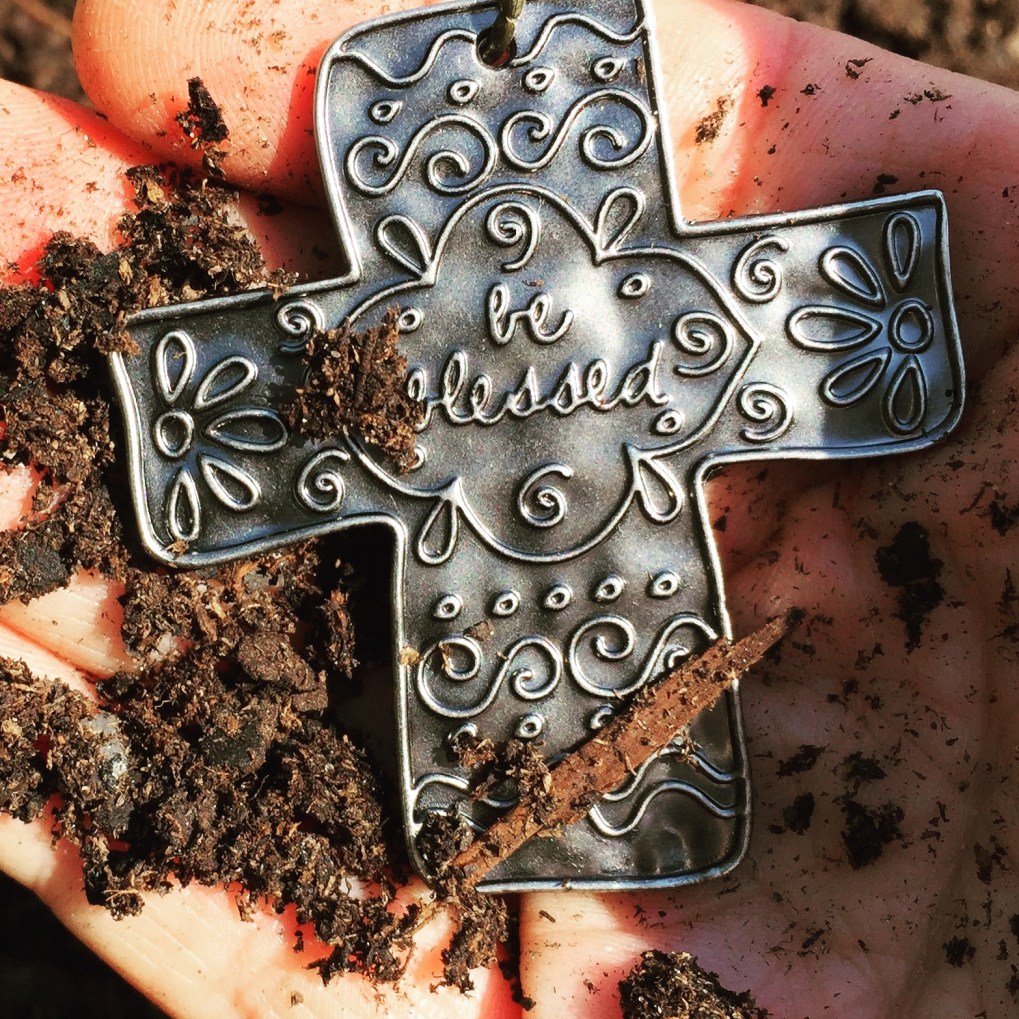
beneath the basil {repost}

Elevation of the Life Giving Cross

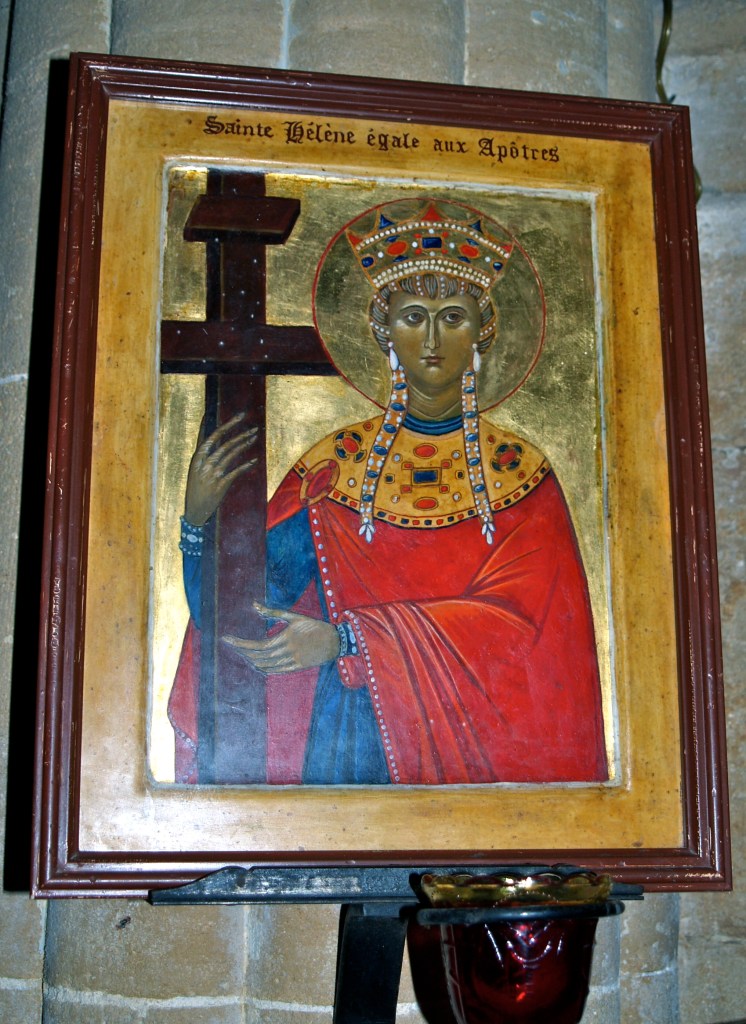
Tomorrow Orthodox Christians celebrated the Elevation of the Life Giving Cross. When commemorating the Life Giving Cross,  we are also drawn to Saint Helen, a holy woman of Christ and the mother of Constantine the Great.

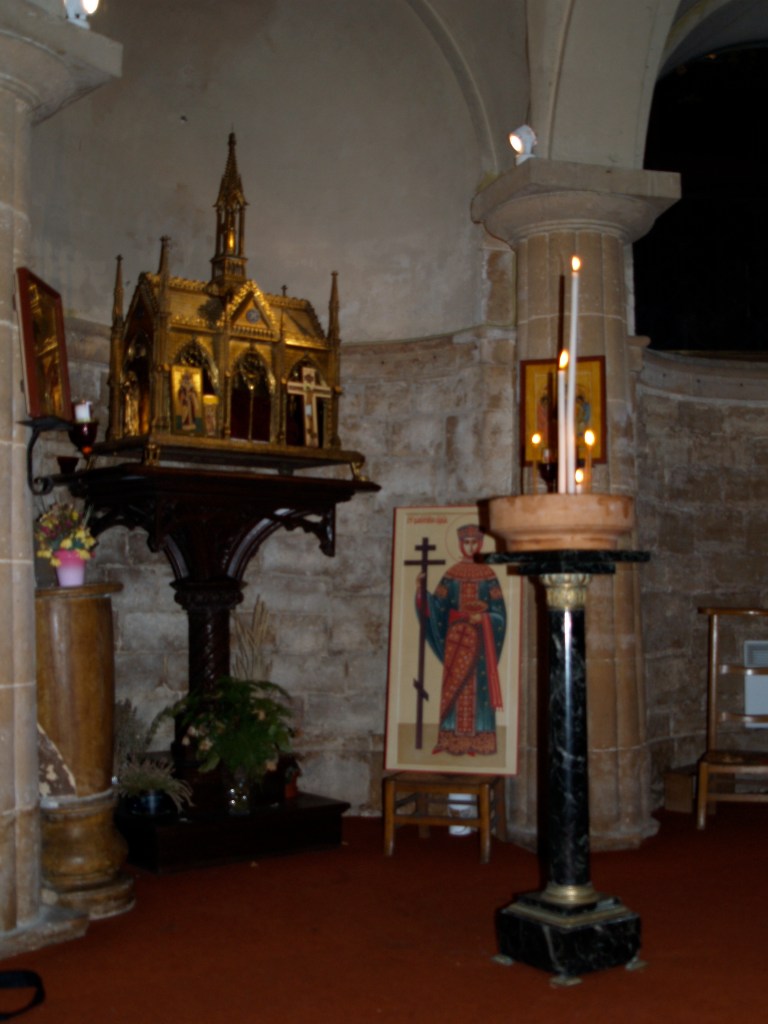
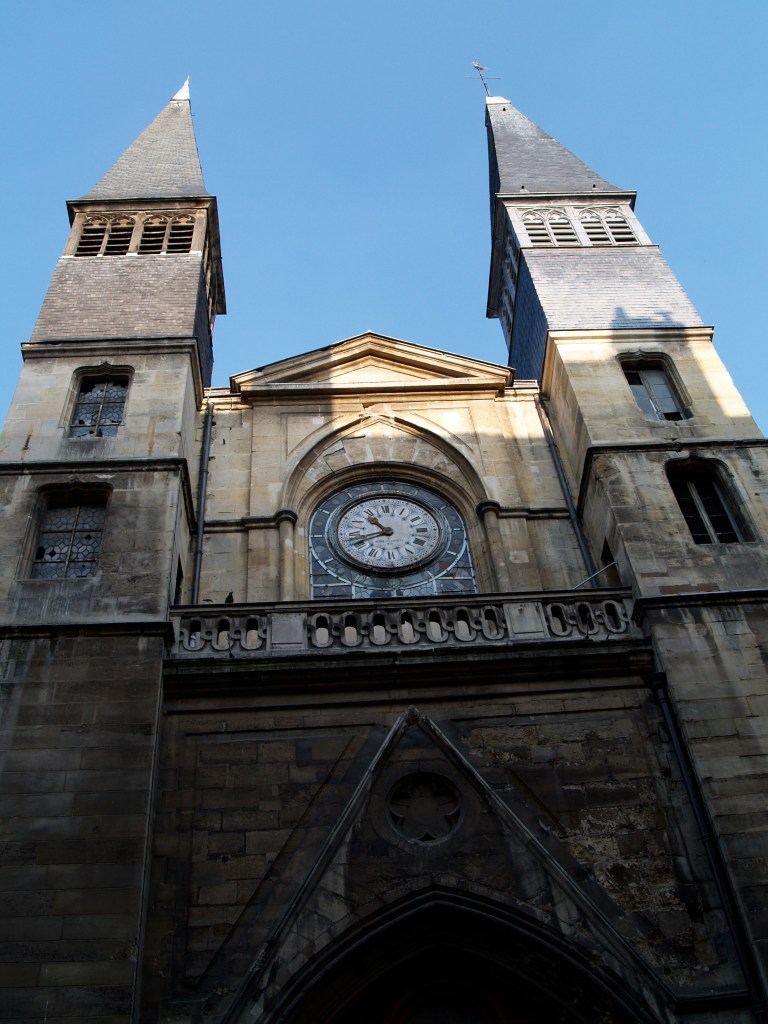
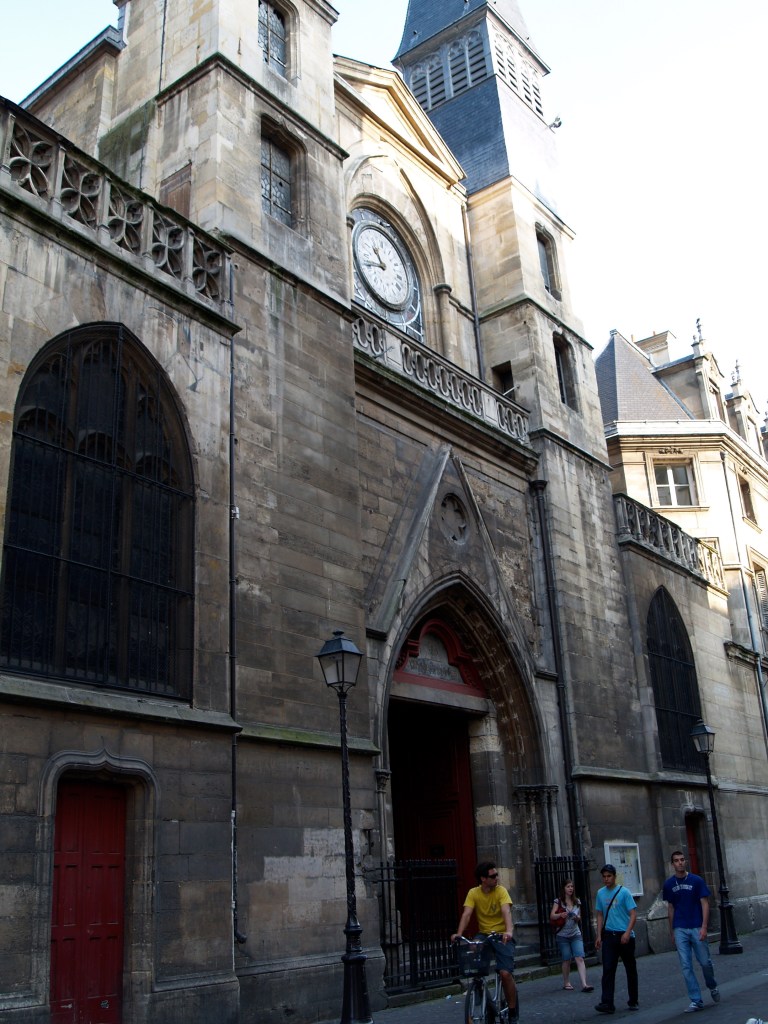
There is a rather unknown story about her, that maybe even most Orthodox Christians do not know, which is that most of her relics rest in Paris, in a cave beneath the altar of the Church of Saint Leu – Saint Gilles – an unknown Church on one of the worst streets in Paris.
OLYMPUS DIGITAL CAMERA


I have always loved Paris. My husband travels there every year and we have often accompanied him.  After years of having seen all the major tourist sites we began to seek out Orthodoxy in France – greatly encouraged by Saint John Maximovitch. 


It turns out that Saint Helen’s first resting place was Rome and the translation of her relics to Paris is a remarkable story and speaks to a depth of Faith which allows for the Grace of God working in our lives – just as that depth of Faith and spiritual vision led Saint Helen, a woman with the faith of a child, to dig beneath sweet holy Basil to unearth the true Cross.  


The story of her translation to Paris is that it was medieval times – during the 9th century – and a simple holy monk from France was in Rome.  He was granted a revelation to take the relics of Saint Helen to his monastery. He was a humble man and he followed what God spoke to him. 


This was not a planned informed ceremonial transfer.  He just quietly took her relics – a.k.a. he swiped them.   As you can imagine, when he brought her relics to his monastery of Hautvelliers he was not met with cheers but with surprise and disbelief.  This is recorded in the chronicles of the monastery.

What the Abbot wanted to know first is whether this was fraudulent and second if the relics had actually been stolen, because if misappropriated relics were now in his monastery, his relationship with Rome would need some repair. 


Word was sent to the Pope and indeed Saint Helen had been reported missing, not surprisingly from the time the monk claimed to have lifted them. 
OLYMPUS DIGITAL CAMERA


But what is striking of the story is that the Pope was a holy monk of Christ with a depth and vision of Faith. When he learned of the revelation and the miracles which dovetail Saint Helen’s journey to France, he stopped and he prayed.

Ultimately, instead of requesting their return to Rome he allowed for the will of God and Saint Helen.

He understood that in the history of salvation and of the Church, Saints have often chosen their own resting place.  He was willing to allow for the Providence of God.
OLYMPUS DIGITAL CAMERA

Similarly, the monastery Abbot was also a man of God and a righteous man.  He tested the monk to be sure they had not been deceived.  And so it is also recorded in the monastery chronicles that the monk underwent a test with a cauldron of boiling water.  The humble monk willingly entered the boiling water.  The Abbot only asked him to do it once and the monk emerged from the water, whole.  Thus he demonstrated not only the sincerity of his faith to bear his Cross, but his devotion to the intercessions of Saint Helen  and the truth of the revelation.   Also, very importantly, it confirmed the integrity of the monastery.
OLYMPUS DIGITAL CAMERA

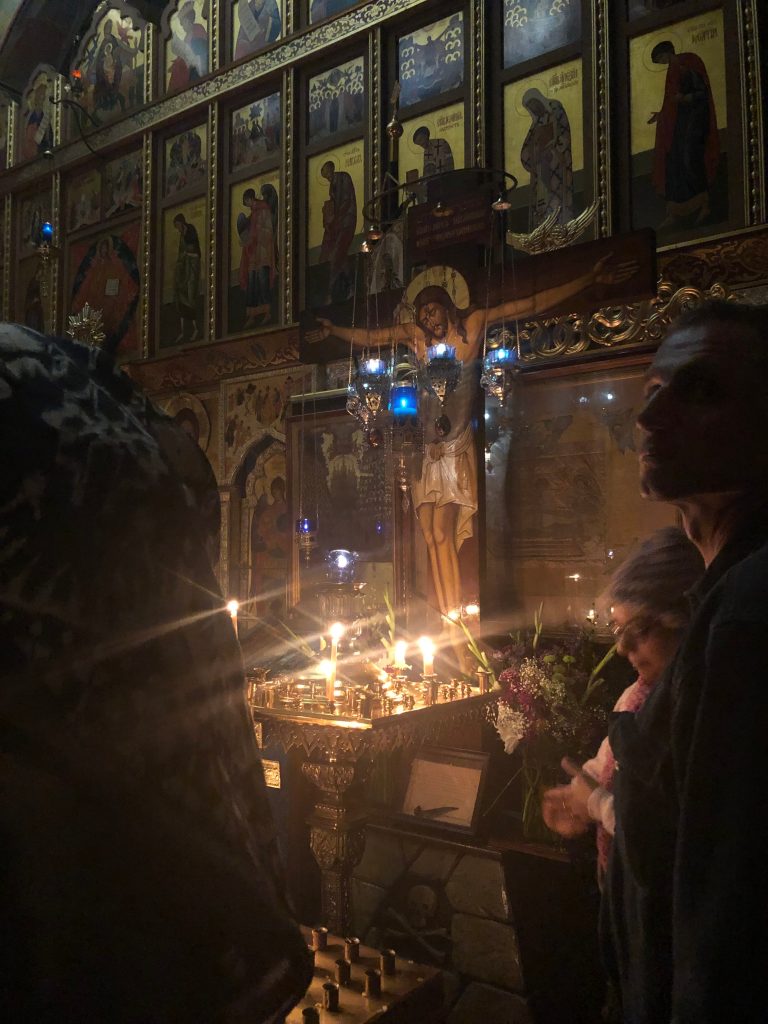
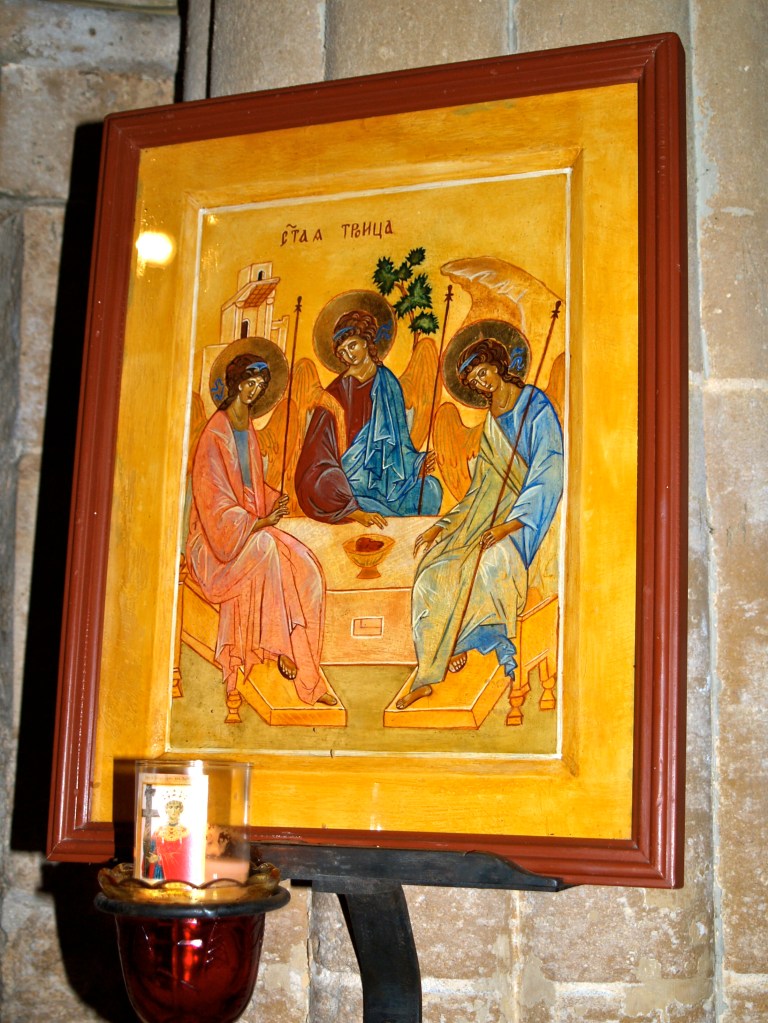
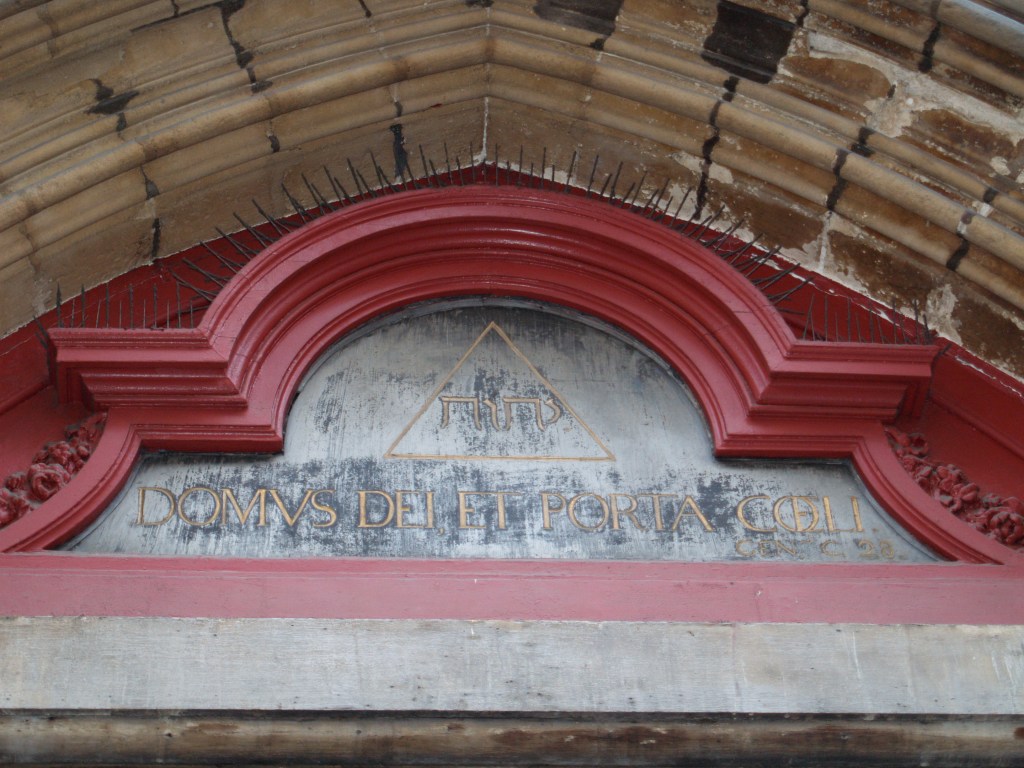
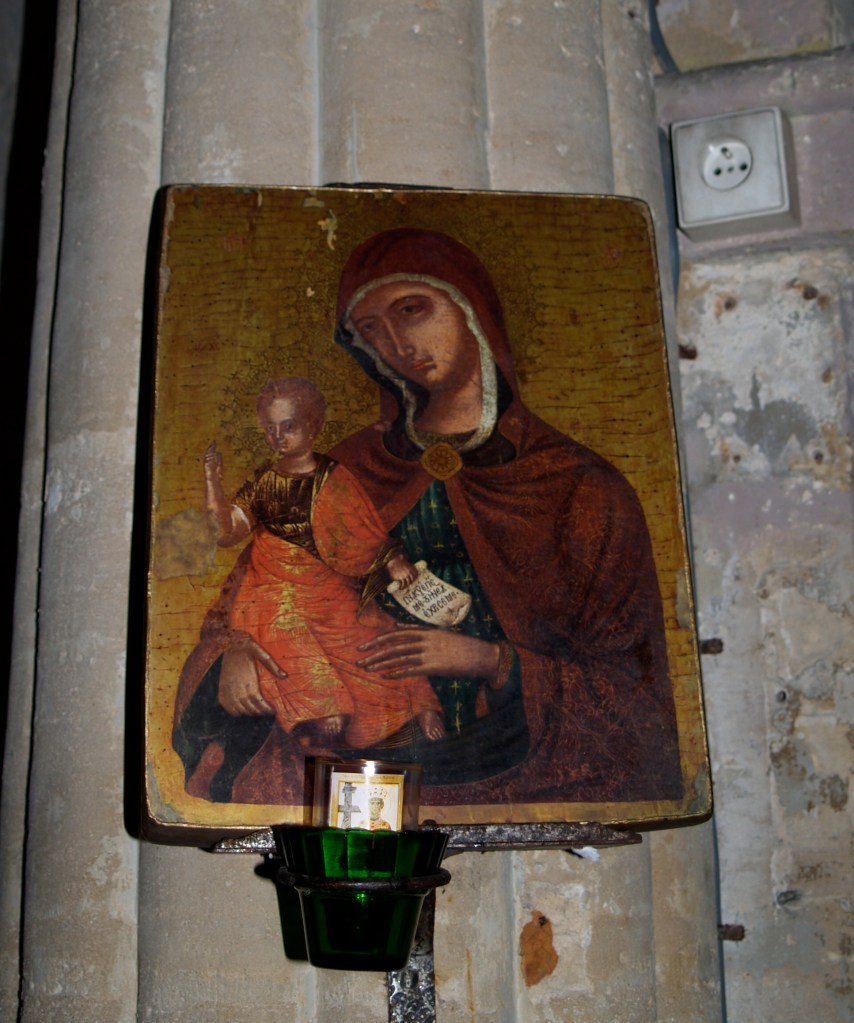
Of all the Churches in Paris we have visited, this Church was the most difficult to find – for the taxi driver too.  It is a Catholic Chuch, and even within the Church Saint Helen’s relics are not apparent but rather hidden in the sanctuary.  But that east meets west here is clear, for on the walls and in the cave are Byzantine icons of Saint Genevieve the patron Saint of Paris, Christ, Saint Symeon the Hospitality of Abraham and others.

We came to this Church in the early evening and after spending time with Saint Helen, we began to leave, except that a service was beginning.  So, we decided to stay for what was likely Vespers, a Gladsome Light and just a little bit of a Byzantine current bringing life to the chanting.  It was beautiful!
OLYMPUS DIGITAL CAMERA

It was an article in Roads to Emmaus Journal where we learned of the history of Orthodoxy in France.  In it a salient point is made, which is what would happen in the distracted age of today under such circumstances?

“The pope’s decision about St. Helen was similar; he saw God’s hand in it.  Our century, undoubtedly, would proclaim, “Return! Punish!”

Probably the relics would be returned and the monk would be punished.”

It’s a consideration.  Do we have the depth of Faith, not only to rightly worship (Orthodoxy) but to also allow for the Grace of God to work with the raw material of what is often the mess of peoples lives?  Do we actually believe that God exists beyond the tidy order of our liturgics and rubrics and that like the Potter he completes the work He begins in the lives of His people (Philippians 1:6)?

The answers to these questions are deeply personal, and speak to the heart of our relationship with God (the Father Son and Holy Spirit). It is very often that we find God in the storm…
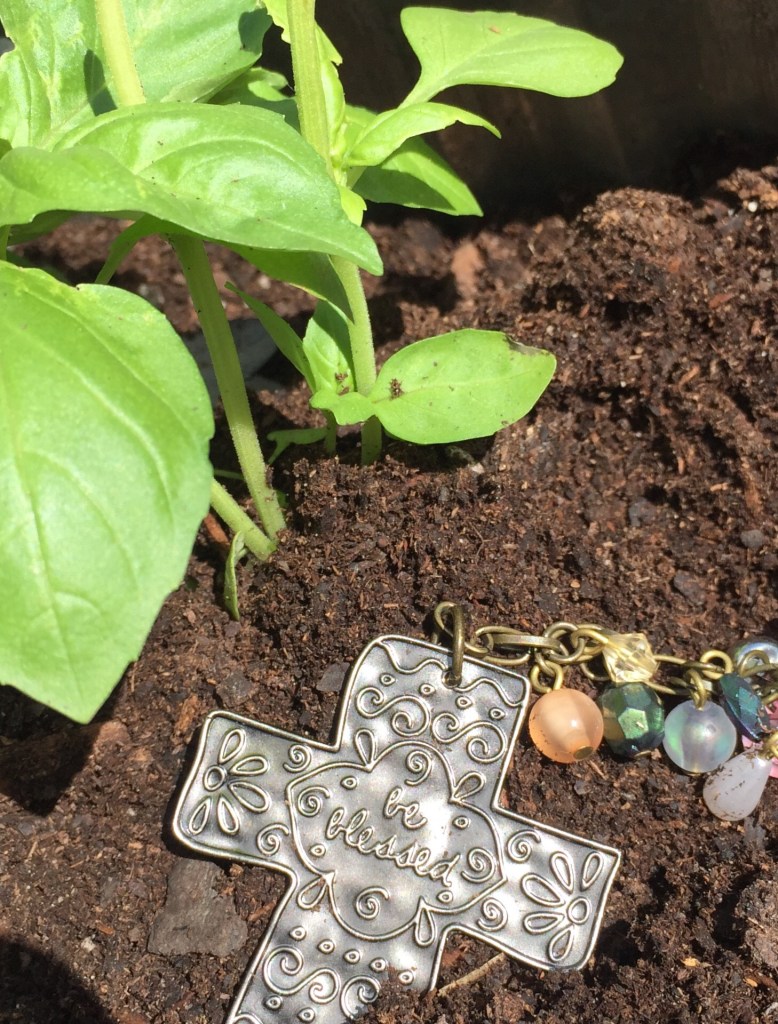
basil cross

For more information about Orthodoxy in France, read this article from Roads to Emmaus journal.

O Lord, save Thy people and bless Thine inheritance!
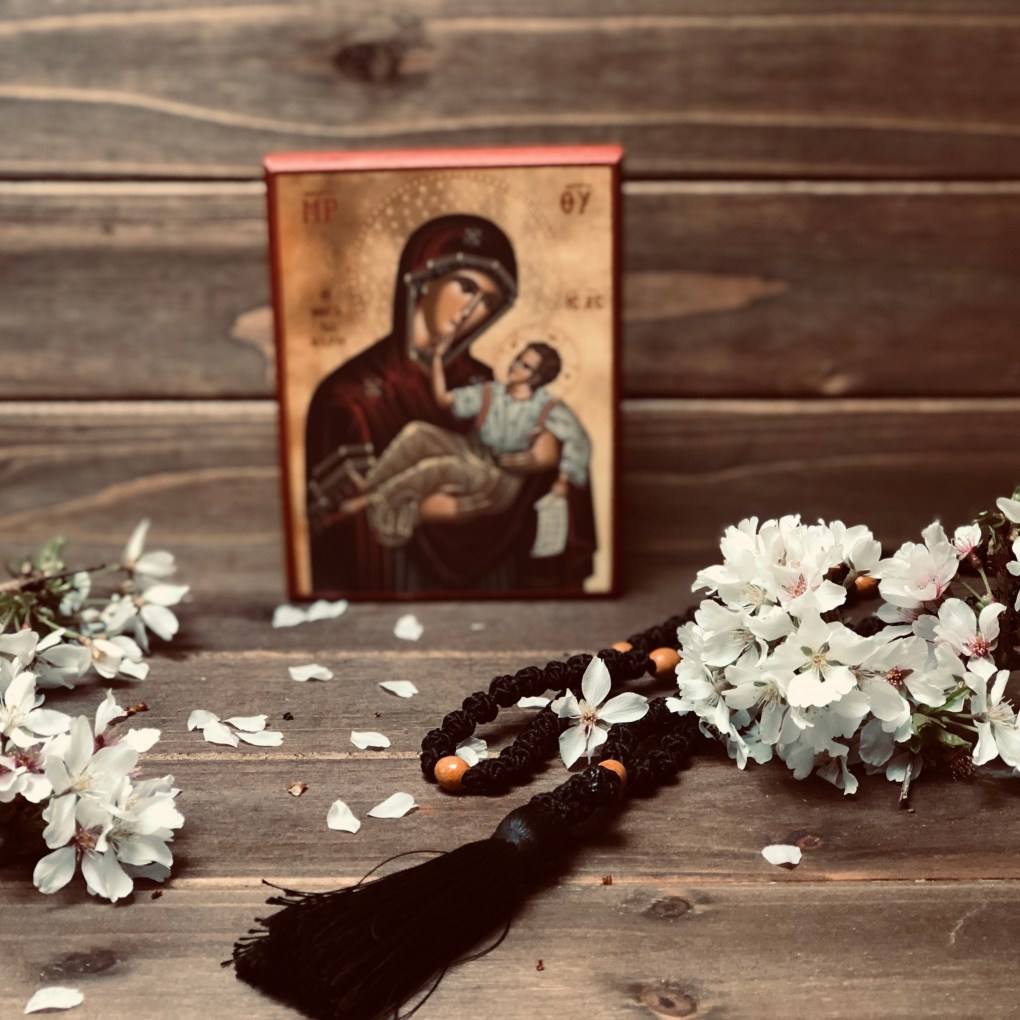


shine o cross of the Lord

Shine, O Cross of the Lord!

Illumine the hearts of those who honor you!

With love inspired by God, we embrace you,

for you are the only hope of the world.

Through you our tears are wiped away,

the snares of death are sprung,

and we pass over into everlasting joy.

Through the Cross reveal Your beauty to us, O Lord!

Help Your servants who ask for mercy in faith!//

Bestow upon us the fruits of abstinence!

from the Third Sunday of Great Lent, the Veneration of the Holy Cross


the cross


img_5532


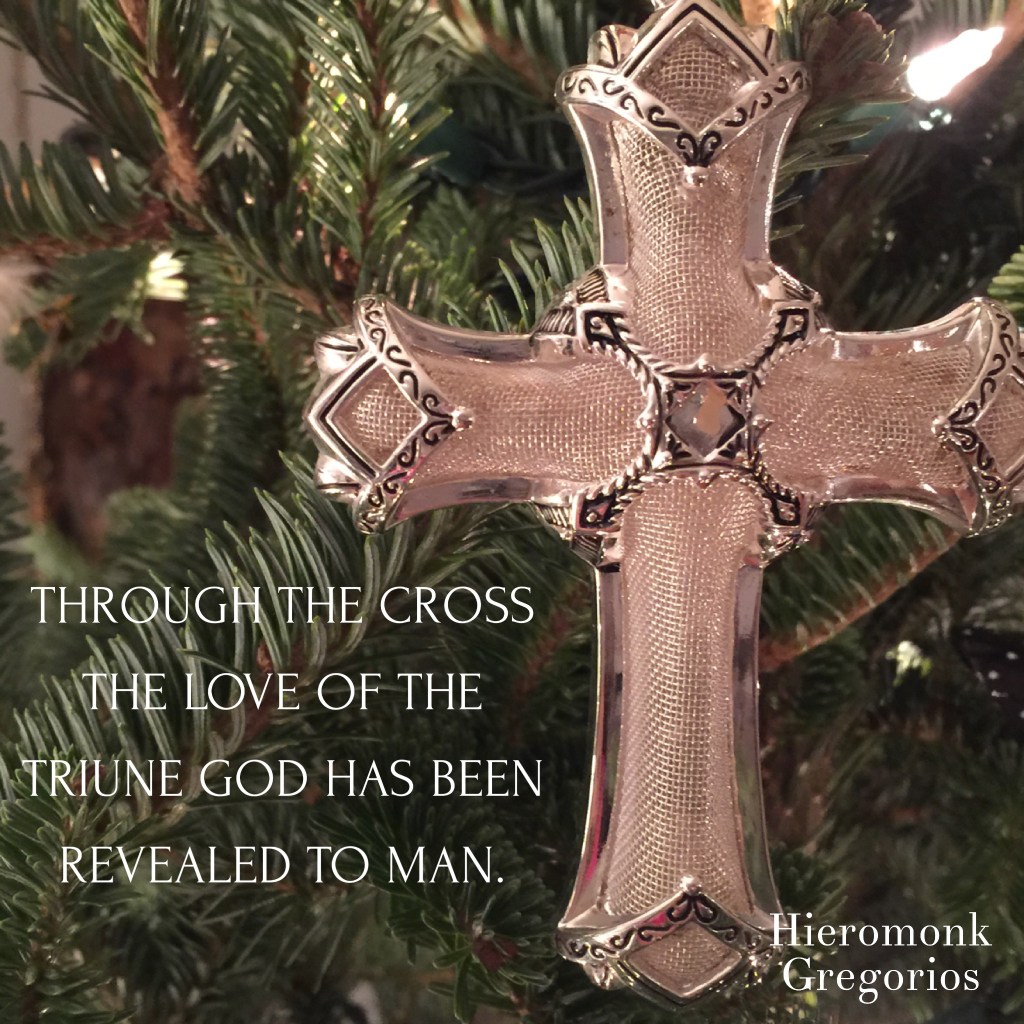
When a Christian crosses himself, he is proclaiming Christ’s victory over death and the Devil…  Through the Cross, the love of the Triune God has been revealed  to man.  “The Cross is the Will of God the Father, the glory of the only begotten Son, the exultation of the Holy Spirit.   The Cross is the adornment of angels, the security of the Church, the boast of the Apostle Paul, the wall which protects the Saints, the light of the whole world”.

Christians who believe in Christ make the sign of the Cross upon themselves, not casually and disrespectfully, but with full attention, care, fear and trembling and all devout respect.  For according to the respect each person shows to the Cross, so he receives corresponding strength and help from God.

+ + +

From the book The Divine Liturgy :

a Commentary in Light of the Fathers

by Hieromonk Gregorios


leaven and life

leaven and life

The inspiration of this post is the intersection 

of two books currently actively used in our kitchen : 

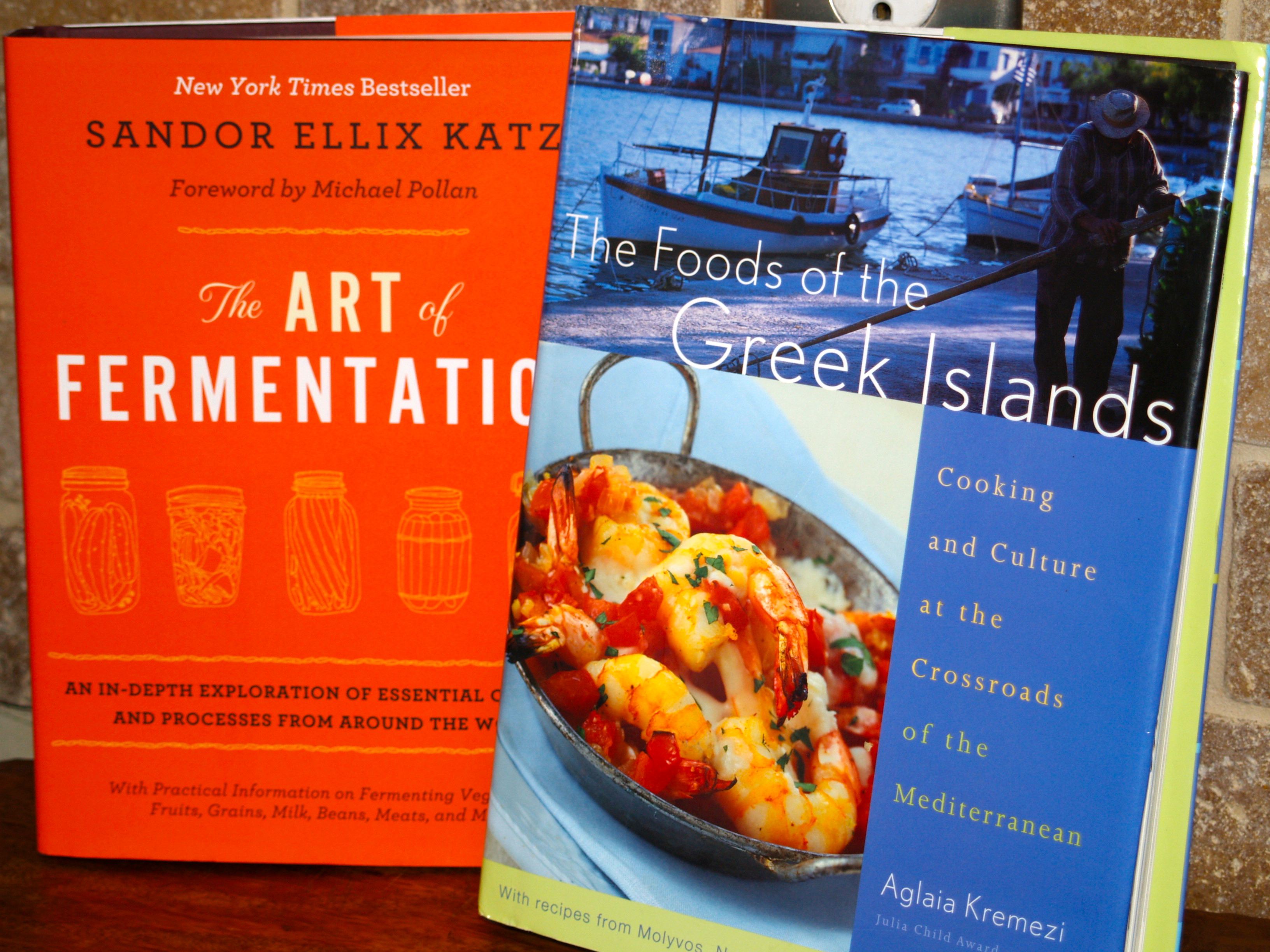
The Foods of the Greek Islands – Algaia Kremezi 

and The Art of Fermentation – Sandor Ellix Katz

sour·dough – (noun) leaven for making bread, consisting of sour fermented dough, typically that left over from a previous batch

“The hunger for love is much more difficult to remove than the hunger for bread.” – Mother Teresa

In the beginning, all risen breads were sourdough.  Bread was a great mystery but the women knew that if they blended warm water, flour and time, then nurtured the mixture through regular feeding, that eventually the dough would become alive, bubbles would form mysteriously in the mixture and when it was baked the texture would be lighter with an intriguing taste.  Commercial “fast acting” strains of yeast were unavailable and so the only leaven was the natural product of the fermentation of wild yeast and bacteria, which transformed into a sourdough.  The Latin fermentāre means to rise.

As often happens, the first fermentation of sourdough likely occurred by chance.  How many of you would think to bake (or brew into beer) the accidental fermentation of grain, left unattended, souring on your kitchen counter?  In this day and age, probably not many of us, including me – especially considering how germophobic we are… we’d rather not deal with the naturally present bacteria on any surface!

But fermentation is an age old method of preservation, that involves cooperation with a community of microbes we can not even see.  And that cooperation enhances the nutritional quality of the foods fermented.  It was a surprise for us to learn that a natural sourdough will not mold, instead, due to the lactic acid (this wonderful preservative produced in the sourdough)  it keeps longer than commercial bread.  Sourdough breads are also what is known as predigested, and therefore easier on our digestive systems, reducing gluten content and allowing absorption of more nutrients.

The organisms necessary for fermentation are usually always present on the surfaces of grain and flour.  Unlike commerical strains of yeast, which are similar or the same,  sourdoughs cultivated by people in different places can be very distinctive, such as San Francisco sourdoughs.

Our planet was created with great diversity and that’s the beauty of a sourdough – that you can’t pick and choose your naturally present wild yeast.  Although all healthy sourdoughs contain lactobacilli and the lactic acid produced by it,  each sourdough starter is essentially very unique.  Natural sourdoughs are not static microbial communities  Instead they are very dynamic.  More than that….they become their environment and so, if you begin a sourdough starter it it will develop unique flavor characteristic to whatever yeasts are present in your air and your flour.

Patience is a virtue.  A sourdough starter takes days if not a week to mature to the point that it may be used in baking… and there is no such thing as fast acting or fast rising prozymi or starter  A sourdough bread rises anywhere from 8 to 24 hours, depending on your recipe and the conditions.

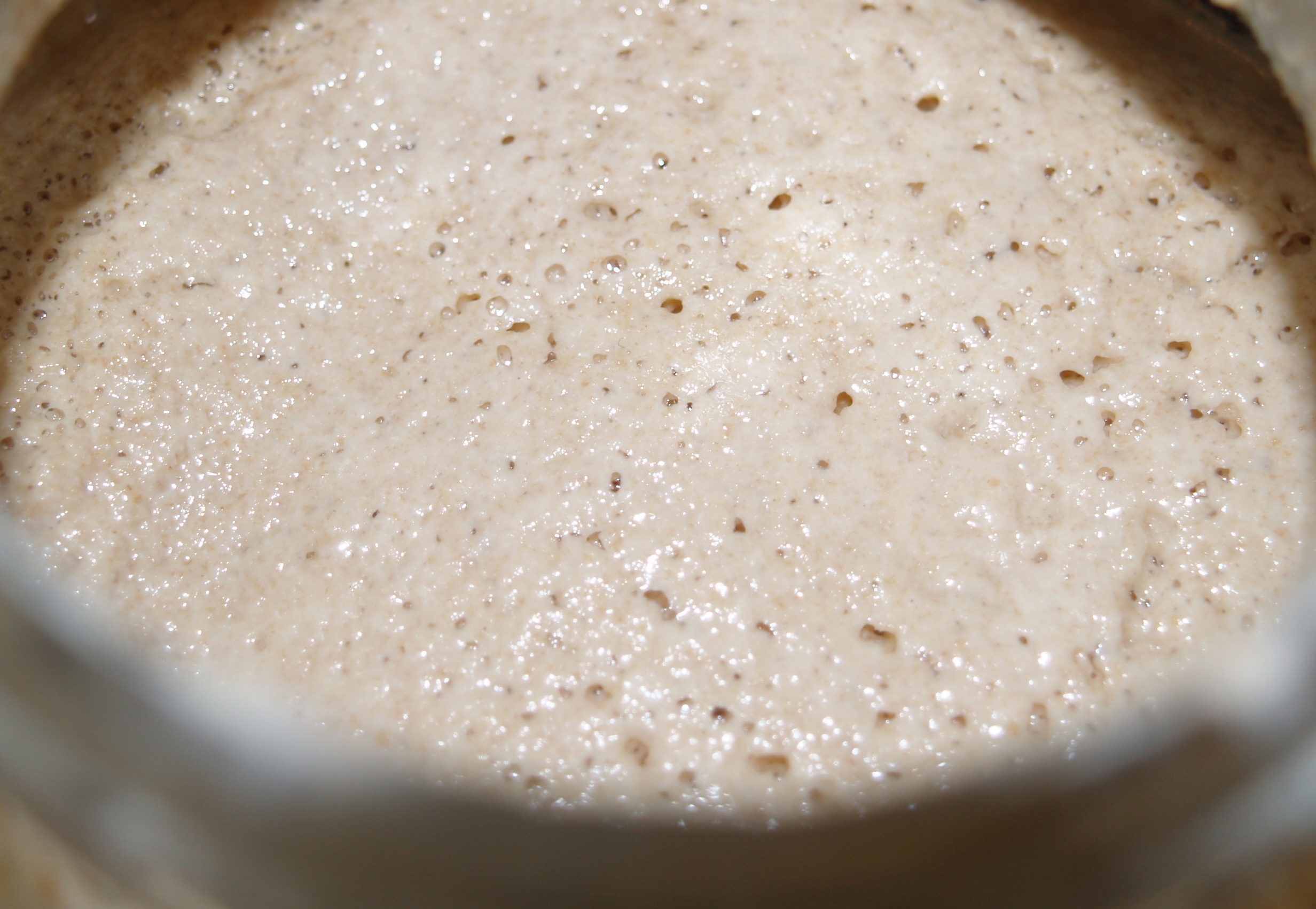
prozymi - sourdough starter

Traditionally, Greek Orthodox women make their sourdough starter around the Feast of the Elevation of the Cross, celebrated on September 14.   The starter is called prozymi.  In many  Orthodox Churches, fresh basil is used to sprinkle Holy Water, a sprig of which is taken home and placed in the prozymi.  If the prozymi is started around Pascha (Easter) then the mixture contains a handful of the flowers used to decorate the Epitaphios.  This sourdough starter is then used for baking Prosphora – an offering – the bread we make for Communion.

Concepts create idols, only wonder grasps anything.”  Saint Gregory of Nyssa

It’s been said that the elderly Orthodox women in Greece, if asked, will tell you that the transformation of the flour, water and basil or flowers into the prozymi occurs by Gods Grace alone, and well, that is entirely true… for that is our belief  ~  that all life is a gift and sustained from a loving God.

These women are grounded in Christ – living within the seasonal rhythm of the Church, anchored but always anticipating the upcoming feasts and living and incorporating the faith into daily life.

Give us this day our daily bread.  Laboring a sourdough, this wild yeast fermentation of the prozymi becomes an endeavor of trust and of creation – fashioned through a relationship with God.  This becomes our offering- the prosphora –  A simple, humbling endeavor, to place God above all, offering up our whole  lives to Him.

And all that inspired us to incorporate prozymi into our family traditions too and so we’ve coincided our sour dough starter with the Elevation of the Cross.

Happy Feast!

Below is is a Basic Sourdough / Prozymi Starter

There are slight variations in every sourdough recipe, some call for rye flour, some call for adding a piece of fruit, like a plum or grape which has a little hint of white film -which is yeast and called the bloom, and others – like the Orthodox tradition call for adding our blessings from Church.

Timeframe about 1 week Ingredients

 [box] Flour (any kind) water – non chlorinated

fresh basil, fresh organic plum or grapes (optional)

In a jar or bowl mix 2 cups of water and flour. Stir mixture vigorously. Add basil or fruit if using. Cover the mixture with a cheesecloth or any other porous material that lets the air circulate.

Store batter in a warm place in the 70-80 degree range. Visit the batter daily and stir it to distribute the yeast. After a few days you will notice some bubbles on the surface of the batter. The yeast is letting you know it is active.

Remember, your home is it’s own ecosystem. Every ecosystem has its own unique micro-organism communities – the ecosystem in your home plays a role in how slowly or quickly your batter will germinate. Once yeast activity is evident, strain out the fruit.

Add 1 or 2 tablespoons of flour to the mixture each day for three days. The batter will begin to thicken and rise. Add more water when necessary. By about day five your starter should be bubbly. With a clean spoon, remove about half the sourdough starter, if you compost you can throw it in your bin.

Stir in 1/2 cup flour and about 1/4 cup water. You now should have an active starter – cover it and leave it at room temperature until it has almost doubled. You can now expand the starter for baking bread or refrigerate it overnight and start expanding the next day. [/box]

If your are looking for some recipes to use with your starter, this is a great resource.  And, if you are thinking to bake phosphoro for Church a very well detailed recipe can be found here, on OrthodoxMom.com .  What a beautiful post!