sweet bread of basil

IMG_9906

Everyone as he is able, should try to heal (with kindness) anyone who has something against him.

Saint Basil the Great

The Fathers Speak (p. 55)

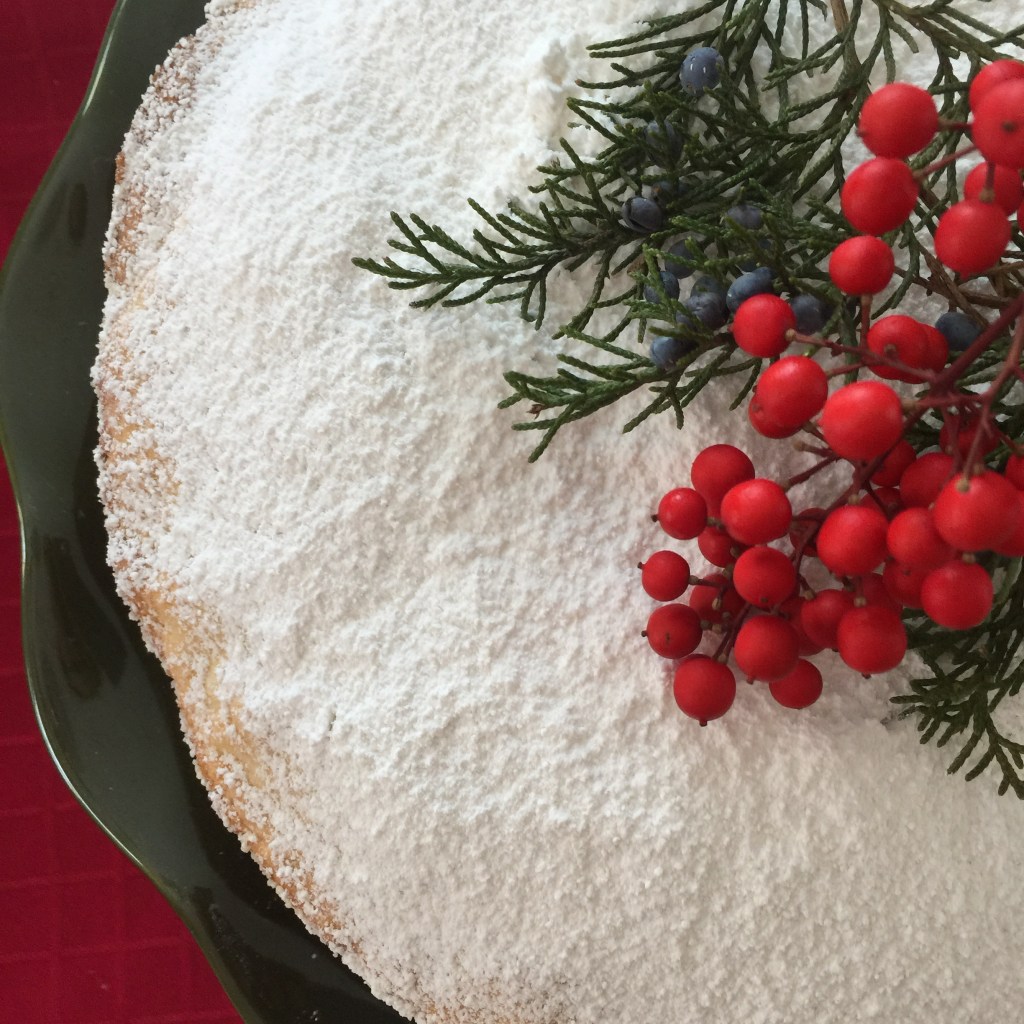
It is a cherished tradition bearing the leaven of hope toward the coming year and the further redemption of our time here, in Christ, that Orthodox Christians bake this sweet bread of orange and lemon to ring in the new year.

The bread is called vasilopita which means the sweet bread of basil.  It’s namesake is a humble holy bishop Saint Basil the Great whose heart compelled him during a time of famine  to help the poor.  It was a time of merciless and unfair taxation.   The Bishop confronted the emperor who had levied the tax, calling him to repentance for the harsh burden he placed upon the people.

Amazingly, the emperor did repent and he returned the gold and jewelry that had been taken from the townspeople.  Basil and the villagers offered thanksgiving prayers after which the Holy Bishop  commissioned women to bake and place the gold coins into a sweet bread which were then distributed.  Miraculously each family found in their bread, their own valuables which had been collected as part of the taxation.

Today, the vasilopita is baked in memory of that miracle forged by God and Saint Basil’s faith, love and shepherding of his people.  Each year on January 1st– the date on which St. Basil reposed in the Lord , Orthodox Christians observe the tradition of the Vasilopita.   The recipient of the coin is considered especially blessed.

This is the first year our family has ever made the vasilopita.  There are many regional variations to the bread, yet a taster will find that all of the recipes are sweet and authentic!

This particular recipe is adapted from my “go to” Greek Cookbook by Aglaia Kremezi The Foods of the Greek Islands.  She gives a rich history of her recipes and I appreciate her anecdote that butter and eggs were luxuries in Greece during times past.   What I love about the old way of Greek cooking is that by using the brandy the texture of the flour totally changes into a nice bread texture.  There is no yeast in this bread, instead the brandy adds to the leaven quality of the dough.

Vassilopita

Ingredients

  • 4 large eggs, separated
  • 1 cup sugar
  • 12 tablespoons melted butter (1-1/2 sticks)
  • 1-1/2 cups orange juice
  • 1/2 cup brandy
  • 4 cups all purpose flour
  • 4 teaspoons baking powder
  • 1/4 teaspoons baking soda
  • grated zest of two oranges and two lemons
  • whole blanched almonds and /or powdered sugar to decorate

Recipe

Preheat oven to 375F.

Grease a 10 – 12 inch springform pan

In a large bowl beat egg yolks, zest and  sugar (this releases the essential oils from the zest) for about three minutes.

Add butter and beat for an additional minute

Add orange juice and brandy, beat until it is incorporated.

Whisk the flour, baking powder and baking soda in a separate bowl.  This makes sure that you will not have any clumps of the baking powder and baking soda but that it will be totally distributed.

Add to the liquid  mixture and stir until incorporated.

In separate bowl (I actually use a mason jar with a hand held electric stick mixer so that it does not splatter everywhere) whip the egg whites until soft peaks form.

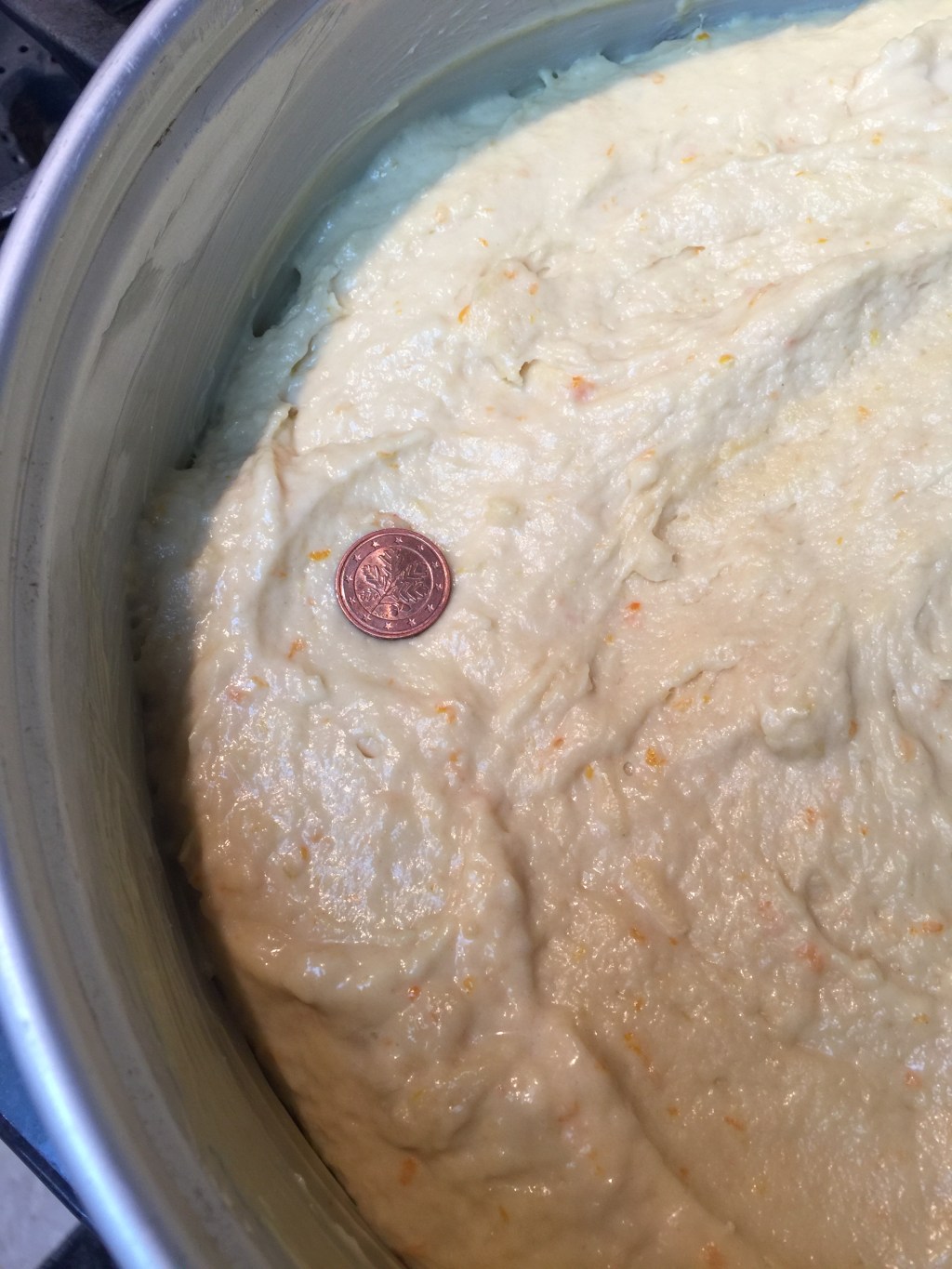
Fold the egg whites into the batter.  Pour batter into the greased springform pan.

Place clean coin (my daughter found a euro coin for one and a dime for another)

Bake for 45 minutes to an hour until gold brown.

Decorate with almonds and/ or powdered sugar.

IMG_9904
IMG_9907

May we all be especially blessed in the coming New Year!


train your senses

IMG_9523

Christians are the “real” realists.  The Son of God by his Incarnation has demonstrated that the world is filled with symbols of God.  These symbols that God has planted in the world testify not only to His existence, but also to the goodness of His Creation.  By the example of His own life, Christ teaches us that through our senses we may commence our spiritual journey, and that He will receive us into Paradise in the full integrity of our humanity, body and soul united in communion with Him.

Vigen Guroian

the Fragrance of God


kale – wonderful kale!

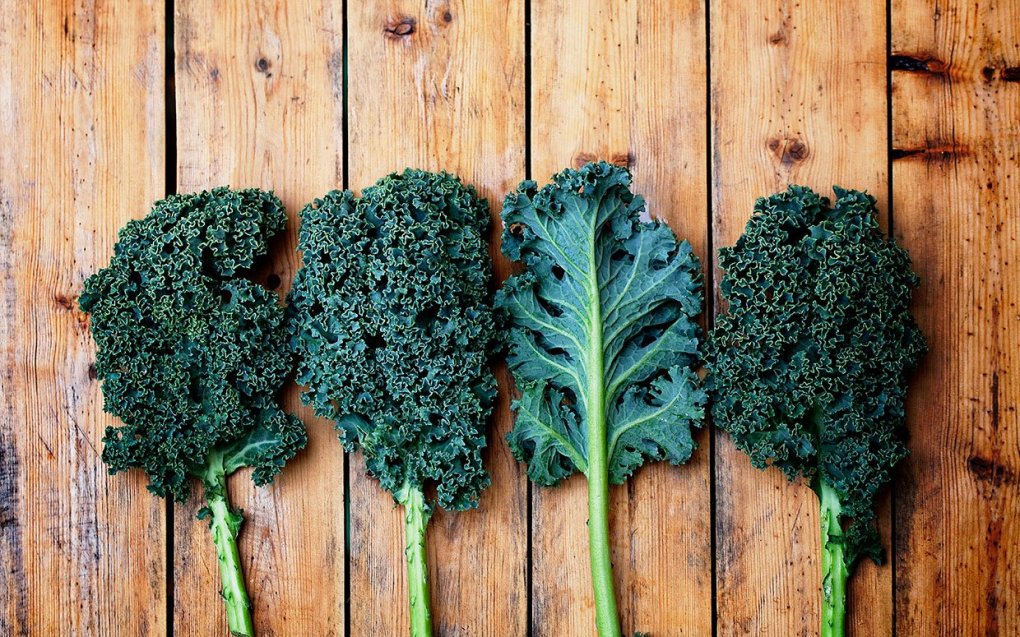
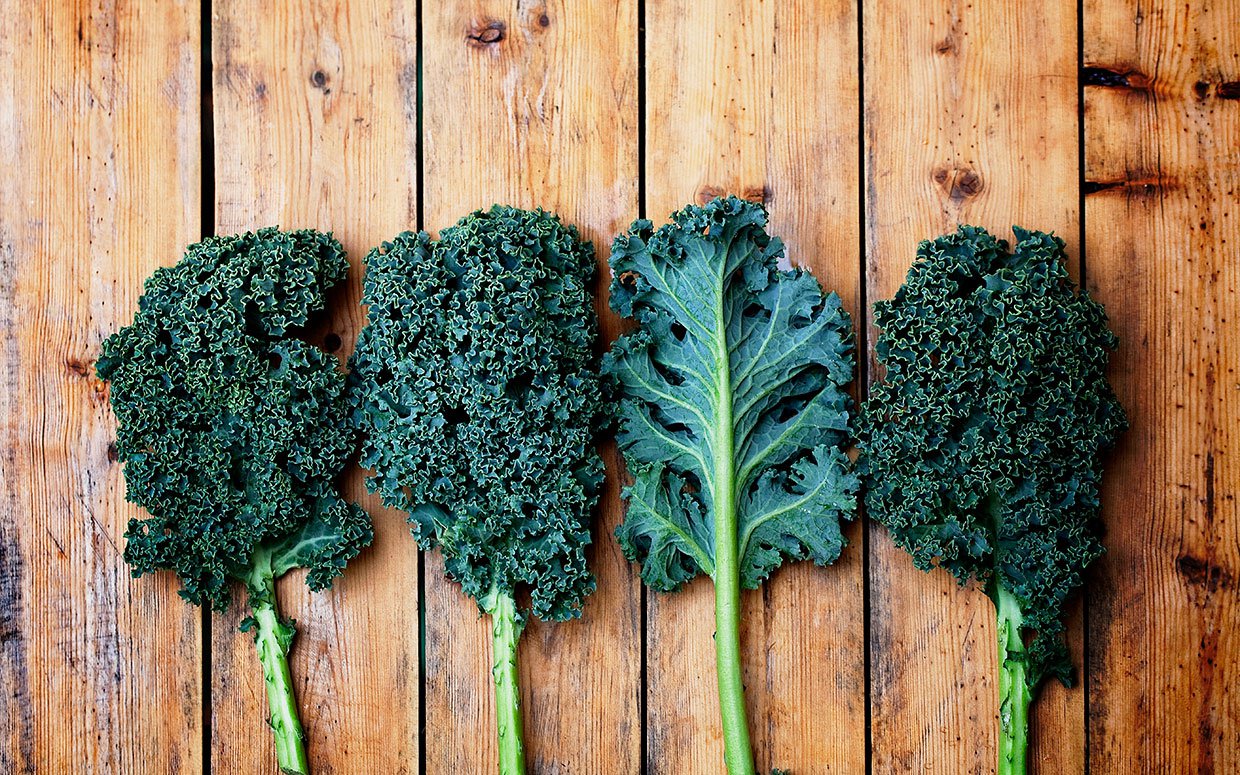
kale varieties


Move over Popeye… kale is precisely what this nutritionist means when she says, “Eat your greens with reckless abandon.”  It is wise to include kale as one of your crucifeorus vegetables of choice on a daily basis.

To start with, kale is a remarkable and ancient superfood, that has gotten somewhat of a trendy reputation in recent years.  Maybe you have even noticed kale chips at Trader Joe’s or Whole Foods.  A delicious snack, only made better if you venture to make your own.

What you might not know is that kale has nourished people, well, forever really.  Kale is an offspring of wild cabbage. Ancient Greeks and Romans are known to have grown kale.  Even  ancient Egyptians recognized kale as a nutritional superfood – considering that they lined the tombs of pharaohs with elaborate gold and silver carvings of woven kale garlands.

Scientists know that kale has been under cultivation for more than 6,000 years, as there are remants of fossilized kale found in ancient containers from the Shensi Province of China dating back to 4,000 BC.

Roaming Celts evidently brought  kale from Asia to Europe as long ago as 600 BC, and because of it’s easy cultivation, resilience and cold-tolerance, kale proliferated and sustained nourishment for people throughout the European continent.  It’s easy germination and fast growth is one of the reasons early European settlers brought this nutrient rich leafy green with them to North America.

All of our farmer’s markets bring in an abundance of kale.  If you are a gardener, then you know the simplicity of growing kale.  In fact it may be one of the easiest vegetables to grow organically.  Whether you are a seasoned gardener or new to the possibilities, growing your own kale is a cinch.  It’s delicious straight from the garden, and grows well in warm and cold climates.  In fact, a little freezing weather only tends to sweeten the kale leaves!

Check out these great resources on growing your own kale – from GentleWorldHarvest To Table, and Mother Earth News.

Still not sure whether kale is for you?  Try the young tender shoots in a salad.  They are sweet, nutrient dense and delicious.

There are many varieties of kale from Lacinato, Dino Kale, Red Russian Kale, Tuscan Kale and many more.

Kale has stood the test of time, and deserves a spot on your plate and in your garden.  Build a habit of eating more green vegetables, the greener the better!

[box]

Health Benefits of Kale


  • Aids in Detoxification : Cruciferous vegetables like kale contain large amounts of health promoting sulfur compounds, such as sulforaphane and isothiocyanate and these increase your liver’s ability to produce enzymes that neutralize toxic compounds and substances.
  • Rich in Phytonutrient Antioxidants : Phytonutrients are biologically active plant substances that are vital to health.  Kale is the most concentrated source of lutein and zeaxanthin,  which are carotenoids that protect the lens of the eye.  They act like sunglasses and protect the eyes from ultraviolet damage and are protective against cataracts.  Studies have shown that people who eat foods, like kale, rich in lutein have a 50% lower risk of developing new cataracts.
  • Can Reduce Natural Cognitive Aging : Green vegetables like kale, spinach and collards can help your thinking!  In experiments, older rats given a diet high in such greens improved learning and motor skill capacity.
  • Repair Damaged DNA : Cruciferous Vegetables such as kale and cabbages contain many vitamins and a chemical called “indole-3-carbinol” which repairs damaged DNA.  One of the reasons is that phytochemicals activate glutathione, and glutathione is critical to cell survival and repair. Glutathione is a potent detoxifier and our mitochondria (which are what provide us energy) depend on glutathione for their well being.
  • Protection Against Cancer : Brassica vegetables offer protection against cancer.  The organosulfur phytonutrient compounds in kale, including glucosinolates and methylcysteine sulfoxides activate detoxification enzymes in the liver which may help neutralize carcinogenic substances.  This helps clear them from the body more quickly.
  • Kale is Anti-Inflammatory One cup of kale has 10% of omega-3’s, which are anti-inflammatory, reducing swelling, arthritis pain and anti-inflammatory issues.
  • Concentrated Source of Many Nutrients : At only 36 calories per serving.  Kale contains an entire spectrum of health promoting minerals, vitamins and nutrients,
  • Rich in manganese and copper – which are free radical scavengers
  • Good source of dietary fiber, vitamin E, vitamin B6 folic acid, and potassium.
  • Contains calcium and magnesium – vital for strong bones,  as well as phosphorus, iron, vitamin B1, vitamin B2 and niacin.
  • Kale is rich in vitamin A which coupled with beta-carotein is supportive of optimal vision and eye health.
  • High in Vitamin C : Vitamin C is a water soluble antioxidant which is extremely protective against free-radicals and oxidation (including to DNA and cholesterol).  Vitamin C also helps maintain a strong immune system.

[/box]


What is the best way to eat kale?  Any way you like, but here is a great recipe for steamed kale…

[box]

Steamed Kale

  • 1 pound fresh kale, washed
  • 4 tablespoons extra-virgin olive oil
  • 2 tablespoons lemon juice
  • 1-2 cloves garlic, minced
  • sea salt and fresh ground pepper to taste.


Separate kale leaves from stems and slice the leaves into 1 inch pieces.  Don’t throw away the stems, cut them into 1/2 inch pieces.  Let sit for 5 minutes.  According the the World’s Healthiest Foods, cutting the kale and letting it rest five minutes breaks down the cell walls and enhances the activates enzymes that slowly convert the plant enzymes to a more active form.

Add two to three inches of water to bottom of steamer.  Bring to boil.  Stems kale for five minutes max – to preserve phytonutrients..

Place steamed kale in bowl and add lemon, garlic and olive oil.  Toss.  Salt and pepper to taste.

[/box]


More Kale Recipes

Smitten Kitchen has a potato scallion and kale cake that is fantastic.  Poach an egg and have it for breakfast!  Kale is also versatile in many salads such as roasted cauliflower and kale salad or kale salad with avocado and almonds.  Trying it in a soup is an easy way to slip any vegetable in your diet.

Truly, though, one of our favorite ways to enjoy this vegetable are homemade kale chips.  My kids love it, and I think yours will too!


[box]

Homemade Kale Chips

1 pound fresh kale, washed and leaves removed from the stem (save the stems for smoothies)  Cut or tear leaves into dorito sized pieces.

3 tablespoons nutritional yeast

1 tablespoon olive oil

pinch of salt

Massage kale leaves and olive oil.  Add salt and nutritional yeast.  Toss again until leaves are fully coated.  Place leaves in a layer on one or two cookie sheets.  Place cookie sheets into a 150 degree oven.  Use convection if you have it.  Let bake until they are dried out.

If you have a dehydrator, you may also use that.

Enjoy!!

[/box]


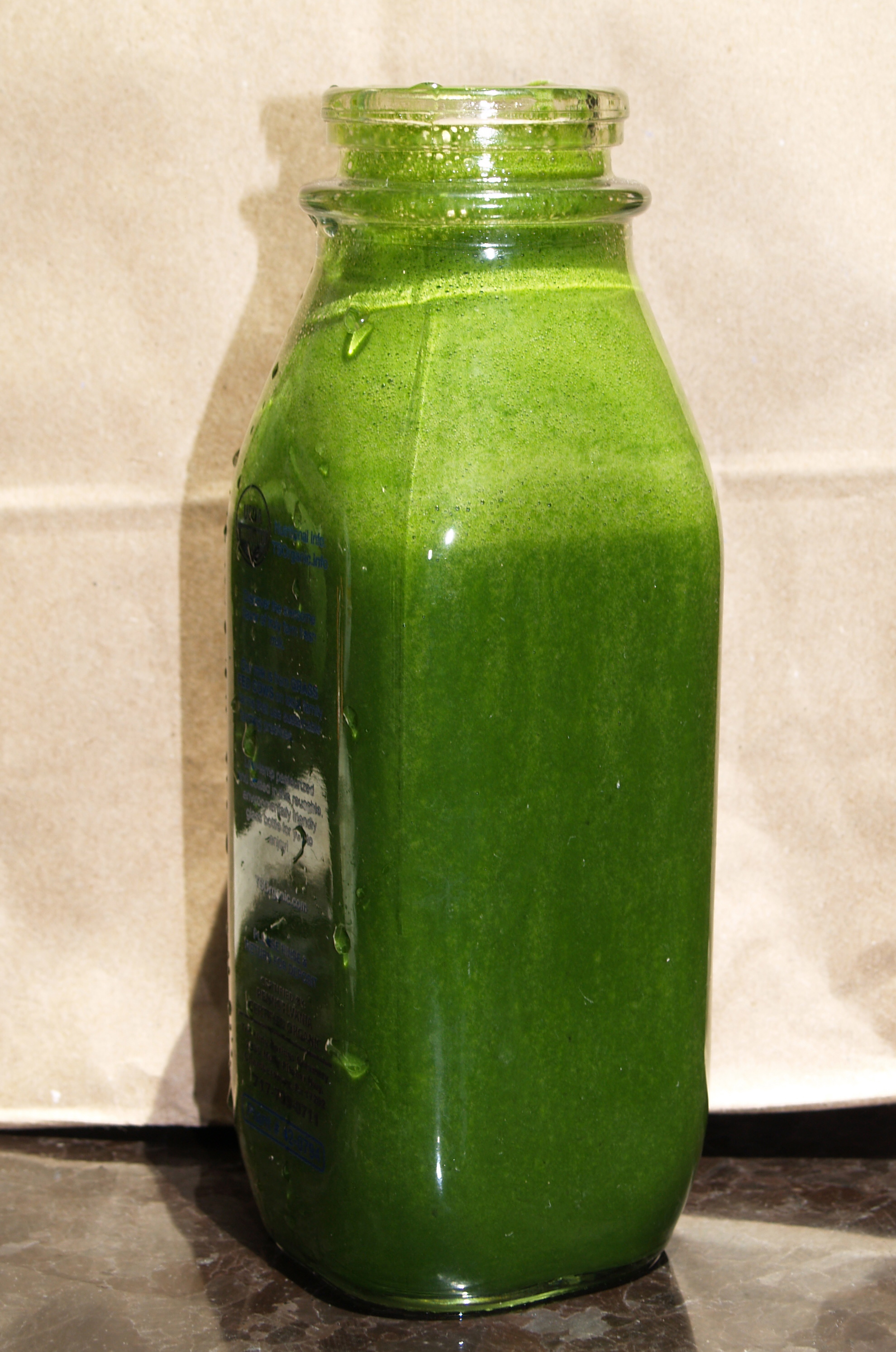
The possibilities for eating kale are endless.  Think your kids won’t like them?  Chop small and add it to meatloaf!  Throw it in a smoothie with a green apple, four ice cubes, a teaspoon of lemon juice, banana and a tablespoon of coconut oil.


But still, I have to say, the most tried, tested a true way I know to get my kids excited about veggies is for them to help plant and grow it – on a windowsill, back porch in pots or in the garden proper.

Whatever you do, make room on your plate for this awesome vegetable.


kale smoothie

Additional Resources:

Hanna, Sharon (2012). The Book of Kale: The Easy-to-Grow Superfood, 80+ Recipes (Kindle Location 257). Harbour Publishing

Mateljan, G. (2006). In The world’s healthiest foods: Essential guide for the healthiest way of eating. Seattle, Wash.: George Mateljan Foundation.

Kornblatt, S. (2012). Eating For Brilliance. Well Being Journal, 21(2), 7-14.


contain yourselves

“Odd as I am sure it will appear to some, I can think of no better form of personal involvement in the cure of the environment than that of gardening. A person who is growing a garden, if he is growing it organically, is improving a piece of the world.”  Wendell Barry – The Art of the Commonplace: The Agrarian Essays


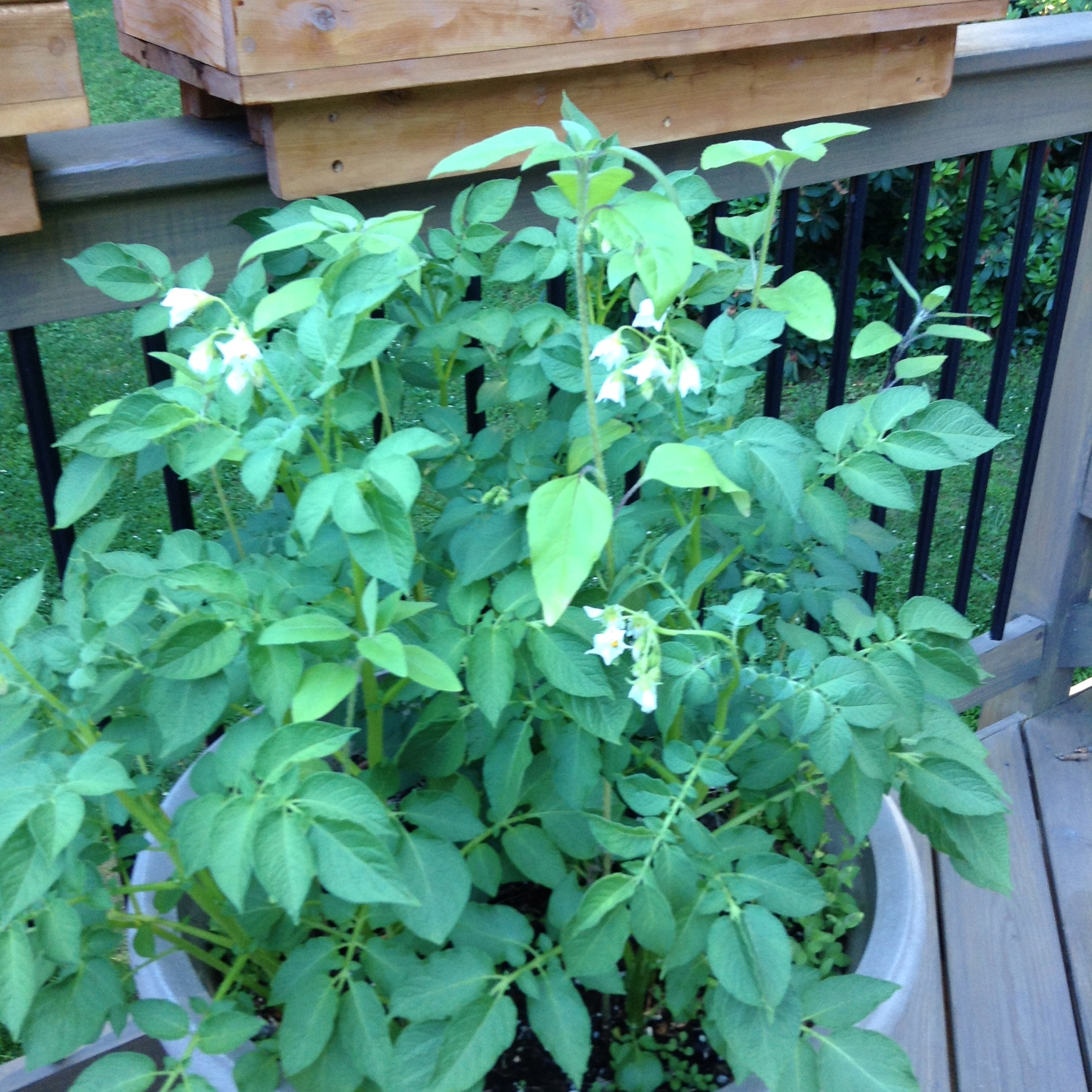
Even if you have only a tiny patio or balcony, growing your own food is a possibility.  No matter how little space you have, with a packet of seeds, a few pots or other container of your choice, you can turn a blank space into an edible landscape.  Whether you grow an assortment of kitchen herbs or potted potatoes, carrots and beans it’s easy and can transform an urban space into a haven and retreat.

A few weekends ago, we picked up some cedar planters at our local plant store DePaul’s Urban Farm and then the kids got to work staining them and planting some carrots.

This slideshow requires JavaScript.

Soon we will have an awesome harvest of carrots.

Also too we have potted potatoes – so much easier to harvest because they are confined to one space than planting in a larger garden.  For something a little different we added sunflowers into the mix – for a little flowery effect.  They will bloom soon!

Whatever you chose, the main thing is to have fun with your planting and make a space which is visually and edibly pleasing.

At the end of the day, nothing compares to your own fresh grown food.  Just as wonderful is that you really don’t need a lot of expertise or skill to grow them – especially beans, tomatoes, peas and any salad vegetable.

IMG_0286

The past ten years have seen a rapid increase and high demand for real local sustainable food.  Not a new idea, just one misplaced for about a century!… previously all food was local, mostly because there was not the ability to transport it, or the chemical fertilizers to mass-produce it.

Family gardeners restore and heal their little part of the world starting with their own space and being.  Working the dirt, it is inevitable that knowledge, experience and success from those lessons unearthed in the garden tills into other areas of our lives ~ gratitude and thanksgiving for the harvest, family and friends!

“In almost every garden, the land is made better and so is the gardener”. ~Robert Rodale


sauerkraut

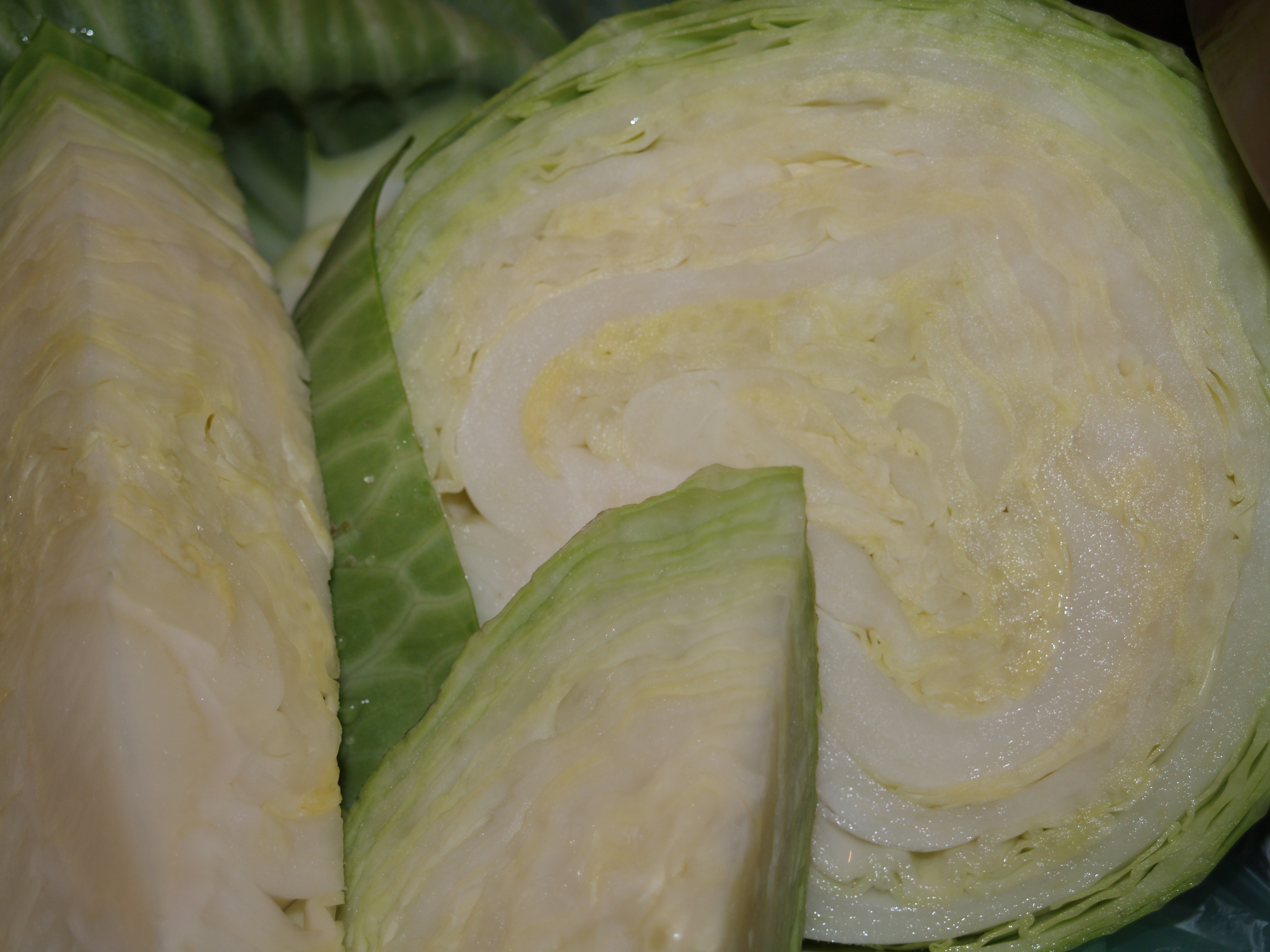
Farm Fresh Cabbages

“I have come to the conclusion that the most important element in human life is faith.  If God were to take away all the blessings, health, physical fitness,  wealth, intelligence, and leave me with but one gift, I would ask for faith— for with faith in God, in God’s goodness, mercy, love for me, and belief in everlasting life, I believe I could still be happy, trustful, leaving all to God’s inscrutable providence.” —Rose Kennedy


Most people would agree that we live in a germ-ophobic country.  YET, all around us and within us there is a microscopic world, things invisible – an interconnected multitude of fungus and bacteria.  (uh-oh…)  From the beginnings we coexisted with these little organisms; we even harnessed their help to age and preserve our food without refrigeration.  However, when Louis Pasteur uncovered the role of bacteria in disease, (which is a great thing!) we began to fear them as dangerous enemies and in fearing them we forgot about their role in health.

Not all bacteria and fungi are bad.

In our modern antiseptic world, it can take a leap of faith – and maybe even a little science – to calm our fears, reacquaint ourselves and get comfortable with the microcosmos around and within us.  A little reminder that the world God created is good  (it was also raw and unpasteurized, by the way!) and that I can rely on that whole food creation -more than food scientists and industry- for the plentiful nourishment of my family!   You know what?  So can YOU!

The word sauerkraut is German for “sour cabbage” – but the French call it choucroute.  Whatever you call it, sauerkraut is probably to most widely known fermented food behind, pickles, olives and yogurt.

Probably the most widely known sauerkraut is Bavarian style, which is shredded cabbage, salt and seasoned with caraway seeds.  Some other German styles use juniper berries to season the kraut.


A word on the nutritional virtues of sauerkraut.


Fermented sauerkraut is not only pre-gested thereby making it’s nutritional profile more bioavailable, it is also low in calories, high in fiber, and is a good source of vitamins K, C and folate and also the minerals potassium, calcium, magnesium, copper, manganese and iron.  It has a great profile of antioxidants and is anti-inflammatory.  Cabbage is exceedingly nutritious on it’s own merits, but let it ferment and it’s full potential is silently revealed.

Studies that “analyzed cabbage before and after fermentation to see how the elements had changed  found that the glucosinolates in cabbage dissolved into a class of enzymes that have been shown in prior studies to prevent cancer.” (Preventdisease.com)

But that’s not all!  Sauerkraut also helps to maintain the acid/base balance of the body, helps to regulate blood sugar levels making it useful for hypoglycemics and diabetics and has been associated with preserving ocular health.

Like all ferments, sauerkraut  is high in naturally occurring lactic acid which helps maintain a healthy acidity in the large intestine, thus creating an environment that is hostile to parasites  and yeast but comfortable for good bacteria.


Ready to give it a try?


Fermentation takes neither much time, or effort.  It’s a great way to add great nutrition to the table, and making it yourself is a real money saver when you’re on a budget and feeding a large family.

It’s super nourishing, unassuming and delicious.  We eat it because it tastes great.  On it’s own, adorning a brat or hot dog, or even as a great garnish on a wintery day’s BLT.  You can buy sauerkraut in the store, but if you want all the benefits of the ferment, then it’s best to look for small batch, artisinal, organic, lacto-fermented varieties that are also non-pastuerized.

 

IMG_0306


Michael Pollan says about fermenting, “Koreans, who know a thing or two about fermentation, distinguish between the “tongue taste” of various foods and the “hand taste“.  Tongue taste is a simple matter of molecules making contact with taste buds – the kind of cheap and easy flavors any food scientist or food corporation can produce.  Hand taste is the far more complex experience of a food that bears the indelible mark – the care and sometimes even the love – of the person who made it.  The sauerkraut (and most anything else) you make yourself will have hand taste.

That makes a lot of sense here at Nourishing Grace, because the word nourish is quite beautiful and comes from the latin nutrire, which means to feed or cherish, to preserve, look after or suckle. That implies a “hands on” relationship!


“Better is a dish of herbs where love is than a fattened ox and hatred with it.” —Proverbs 15: 17


Of all our nourishment let it be rooted in goodness and love as we prepare and enjoy our meals with loved ones at the table!


how to make your own sauerkraut

Equipment

1 – 1 gallon Ceramic crock or  wide mouth mason jar

plate or plastic that will fit inside


ingredients for sauerkraut

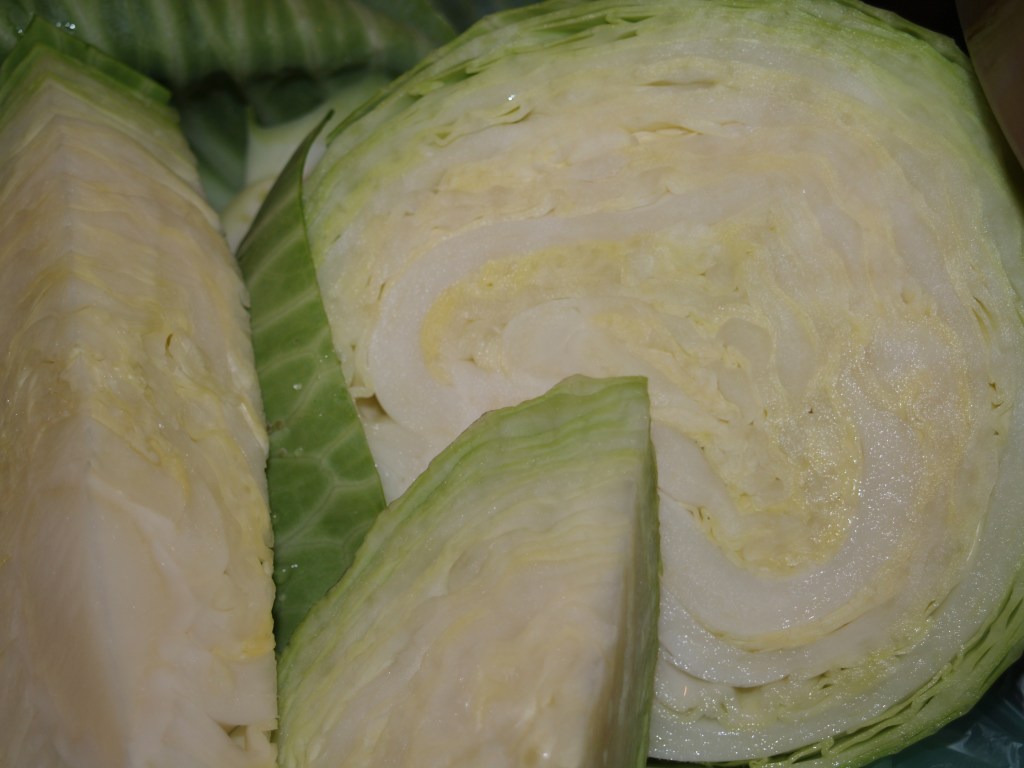
2 medium heads fresh cabbage (fresh local cabbage is the best because of it’s higher moisture content the salt will draw out more water for the brine.

3 tablespoons sea salt


process

chop or shred the cabbage.  We use a food processor

As you process the cabbage, place in bowl and sprinkle salt on each layer.  The salt osmotically draws the water out of the cabbage.  This becomes the brine in which the cabbage ferments without rotting.
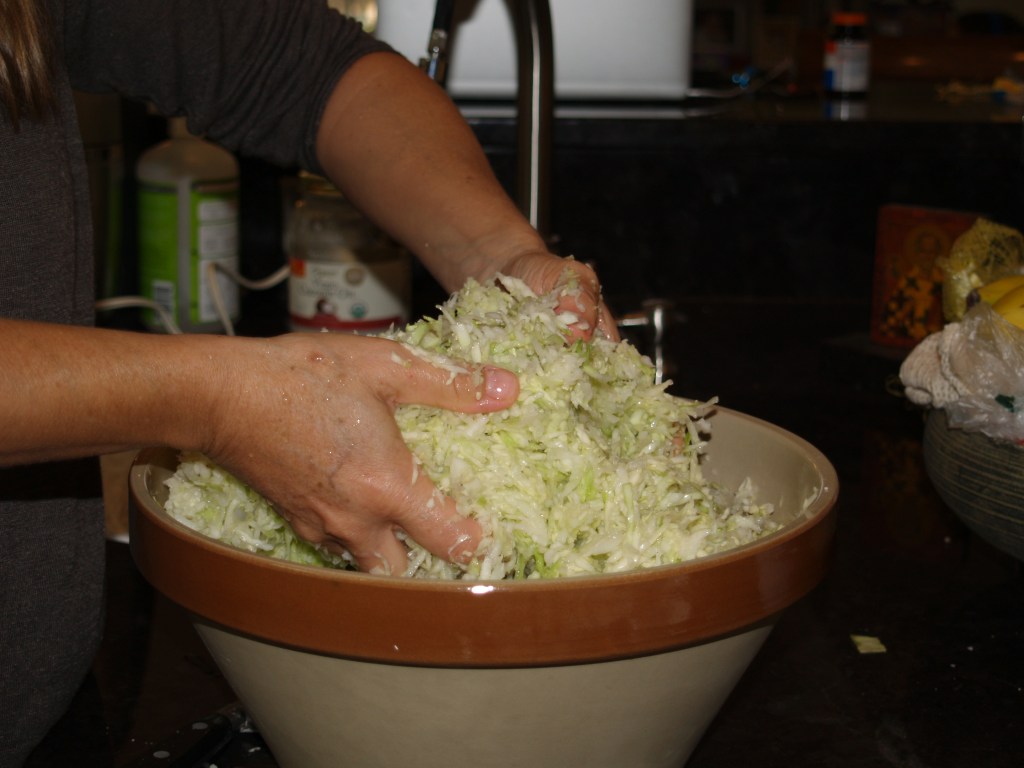
mixing the sauerkraut

mixing the sauerkraut


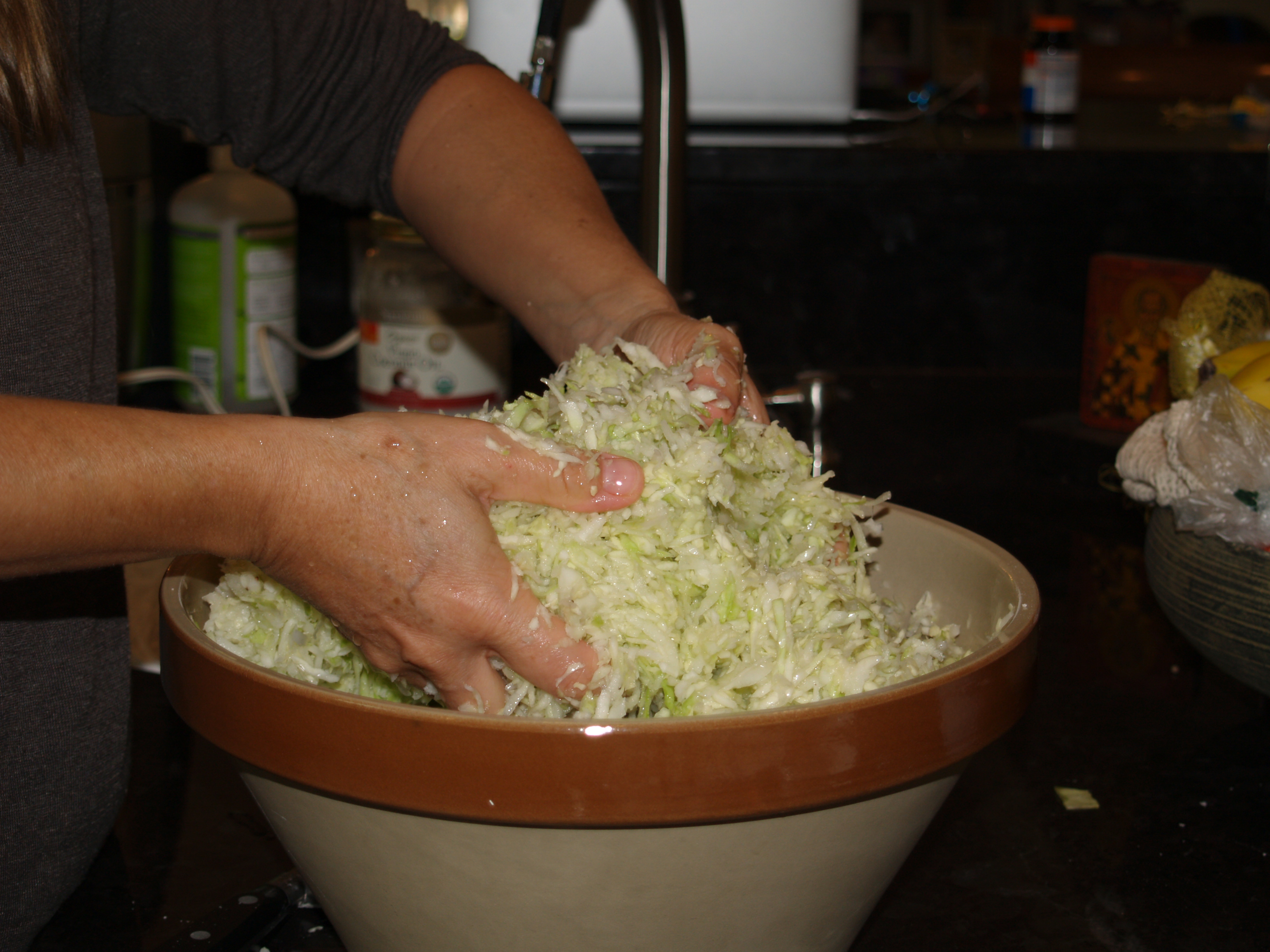
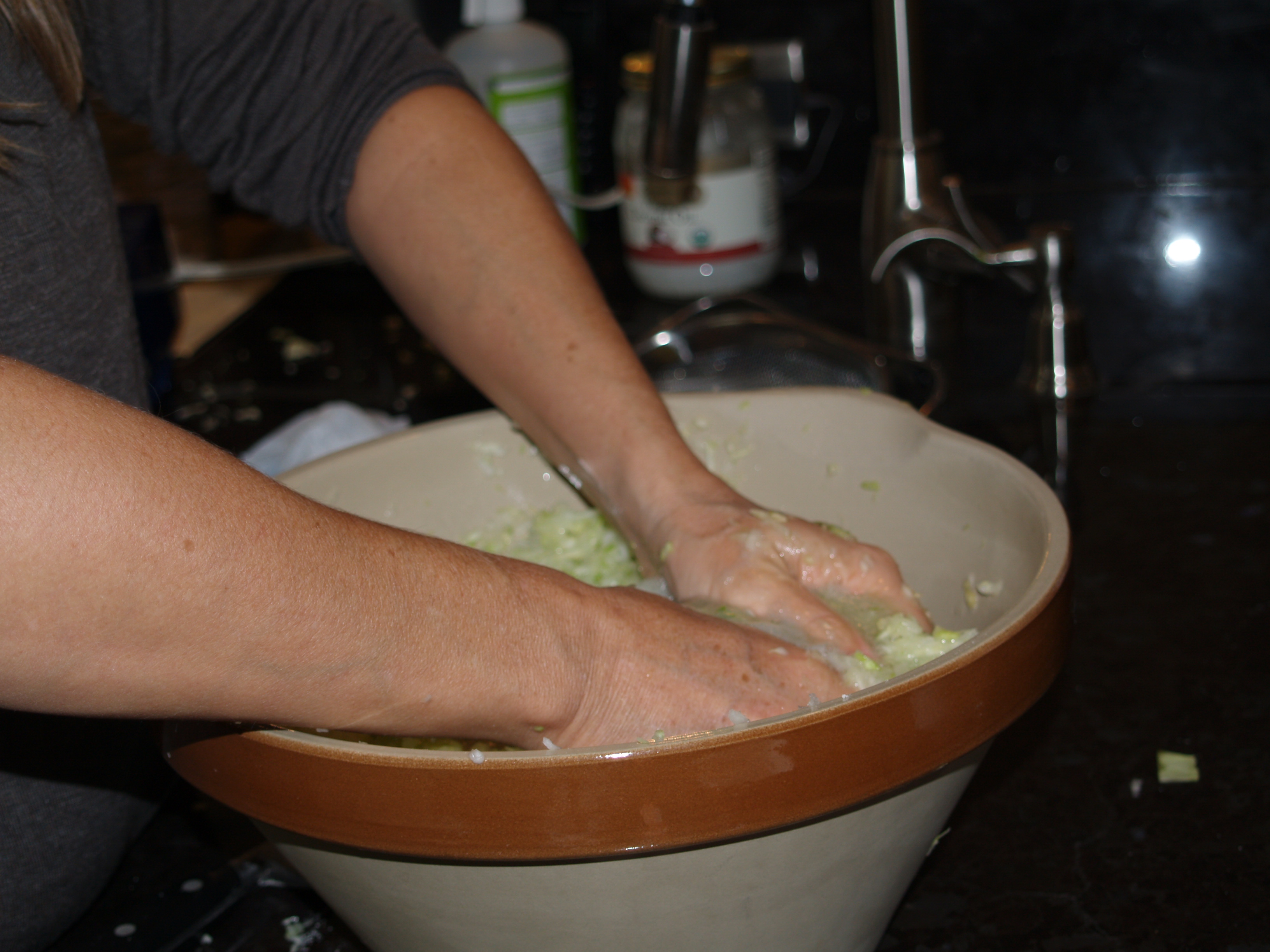
Mix the ingredients together and you can either pound the cabbage, or massage with good firm squeezing.  That will all serve to draw out the brine.  You can also mix it and leave it for a half an hour and then start the pounding or massaging.
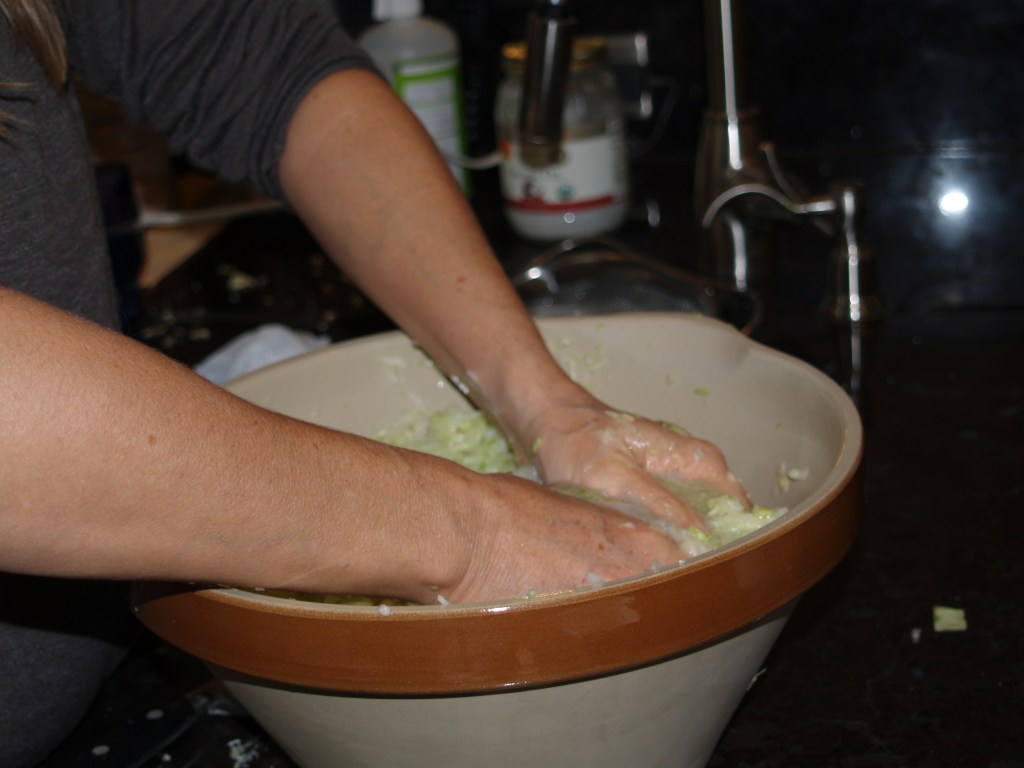
 

massaging the cabbage

massaging the cabbage


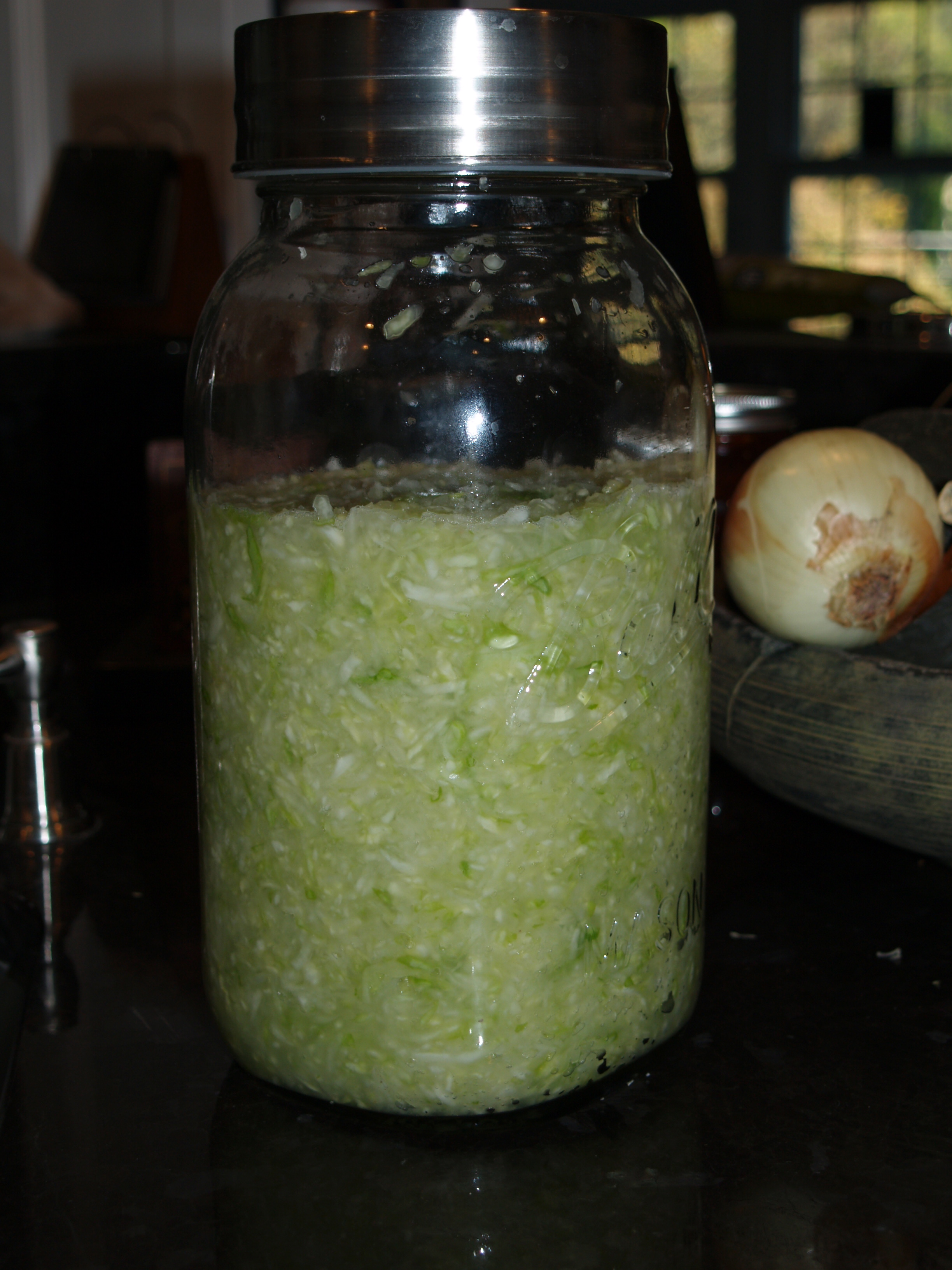
Transfer the mixture to the crock or mason jar.  Tamp it down firmly.  You can use a tamper or your fist.  I use my hands.  Push the cabbage below the brine level.  Fermentation works because the vegetables stay below the brine.  So in this oxygen deprived environment, anaerobic, only the good bacteria are able to survive and thrive.  Place a clean weight over in the crock over the cabbage to keep it down.  This can be a smaller jar with water in it.

To be honest, I do not always use a weight.  My ferments are always on the kitchen counter, so I wash my hands and push it beneath the brine several times a day.  But if you are not able to do that, it’s best to use a weight.
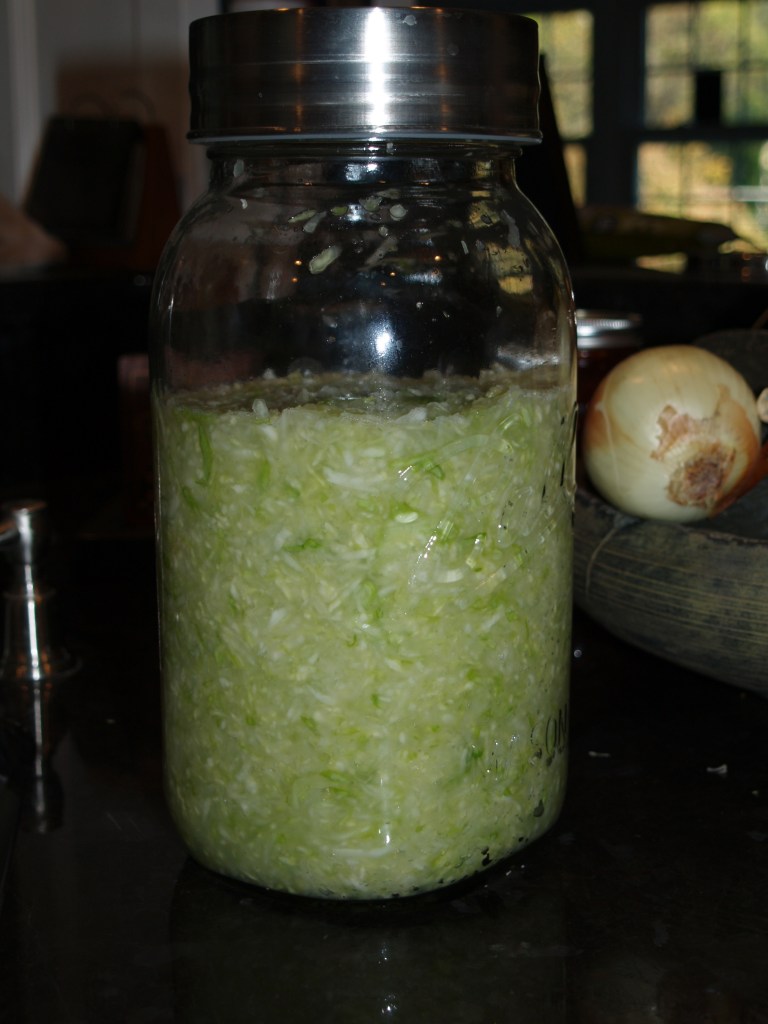
 

Sauerkraut on the Ferment


The sauerkraut will develop at a rate directly correlated with temperature.  At 45 Fahrenheit, fermentation is very slow, at 90 Fahrenheit it is notably faster.  Lower temperatures, in the 70 Fahrenheit range make a superior kraut.

After 3-5 days, give the sauerkraut a taste.

See if it suits you.  Some people love the flavor of an immature green kraut.  If it’s not the flavor profile you want, let it sit longer for the flavors to develop.  Once it is to your liking, place in smaller jars and move to the refrigerator or other cool spot (like a root cellar).  The slows down the fermentation process.

Taste-testing the developing sauerkraut has become my daughters job and her taste buds are definitely evolving.  We currently have a jar of sauerkraut that has been on the counter for three weeks.  We are using it, but she has not asked to have it moved the fridge.  Surprisingly it has not gotten very very sour, just more delicious.

There are many ways to enjoy your kraut, most recently we had ours atop BLT’s served on a great sourdough made during the big snow storm.

sourdough BLT with sauerkraut

sourdough BLT with sauerkraut


Sources:

Katz, Sandor Ellix. The Art of Fermentation: An In-Depth Exploration of Essential Concepts and Processes From Around the World.  White River Junction, VT: Chelsea Green Pub., 2012. Print.

“What Are The Benefits Of Sauerkraut Juice?”. Livestrong.Com

Ten Reasons to Eat Fresh Unpasteurized Sauerkraut | Vitality Magazine | Toronto Canada alternative health, natural medicine and green living



dinner in a pinch : R-amen!

“Our hope is that the winter of humanity will gradually be transformed to the bursting forth of love, for it is to this that we are called.” —Jean Vanier

This is becoming another favorite for the evenings when the kids have activities and we are at a pinch for time.  When I was young we used to LOVE ramen noodles.  My brother and I would come home from school and eat the noodles straight from the pack – without even cooking them!  So, this meal is a trip down memory lane.

Now though, as a student of holistic nutrition, the ingredients in your average store-bought ramen present a major culinary impasse.  We just can’t do the ninety nine cent ramen pack- loaded with MSG and lacking any nutritional value.

It’s important for me to nourish my family well, especially during the cold winter months when it’s all too easy to come down with the flu or a cold .  With all that home made broth we’ve stocked in our pantry, we now have an easy canvas for almost anything we can throw together.  Add to that the mineral richness of stock and bone broth, and your getting a great meal with immune boosting properties.

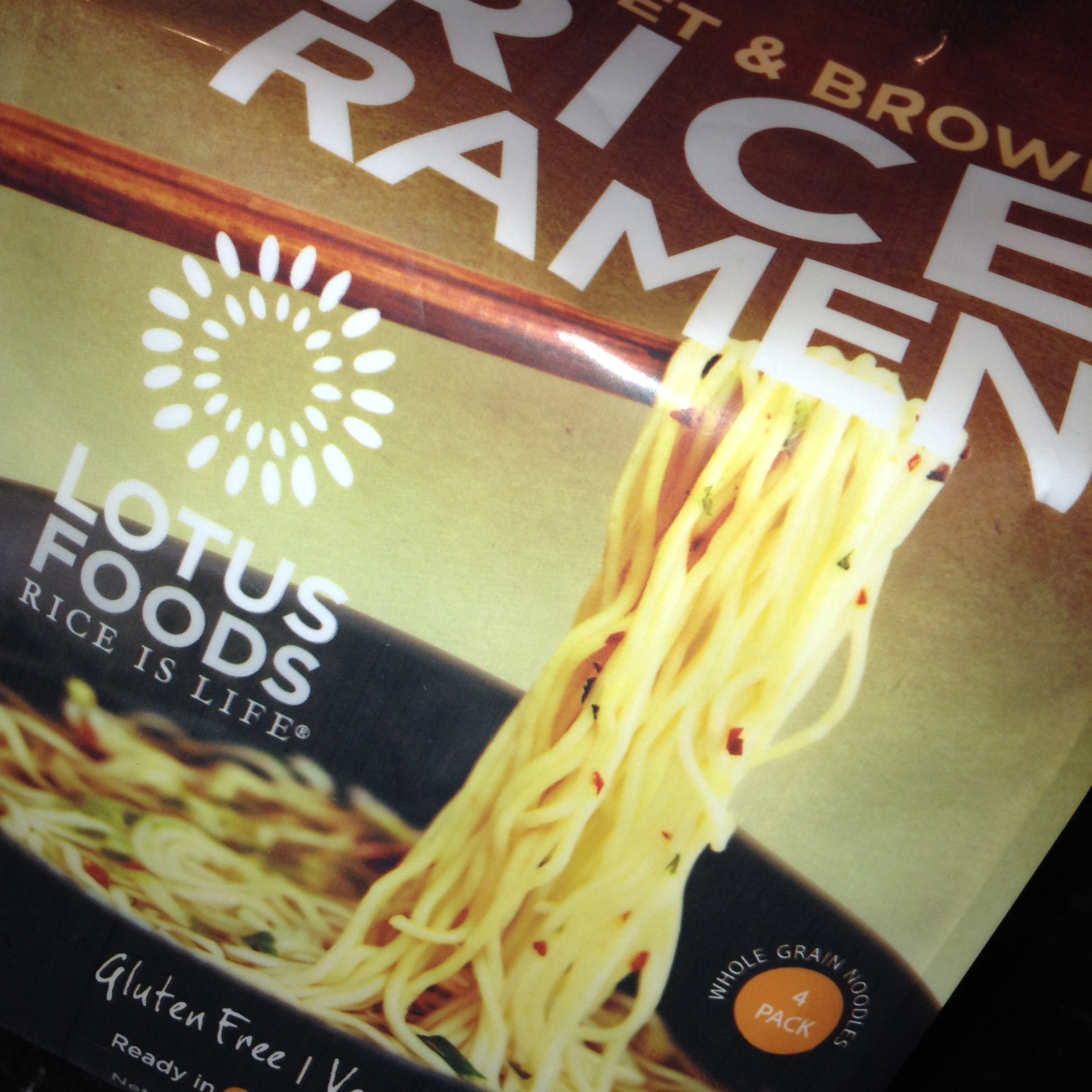
Recently, I discovered Lotus brand foods.  They have a great and fun selection of ramen noodles, with a short but admirable list of ingredients.  There are individual soups, to which you can just add water, but we really like the big packets of ramen noodles.  There are Millet and Brown Ramen,  Forbidden Rice Ramen made with black rice and Jade Pearl Rice.

Lotus Brand Ramen Noodles

A well stocked pantry makes this an easy weeknight meal.  You’ll need some vegetables of your choice, noodles, seasoning and broth.  This recipe is really a framework for whatever you have on hand.  We make it new every time but this serves as a good guide.  You can use anything you have on hand.


super easy R-AMEN! (serves 4)


ingredients

1 packet Lotus Ramen noodles (4 squares of pressed ramen/ package)

Vegetable of your choice – we used 4 carrots – shredded with a vegetable peeler

a few handfuls greens per bowl- baby spinach, baby kale or even lettuces

6-9 cups chicken, beef, fish or vegetable stock

optional: 1 cup fermented tofu, shredded chicken (we always have leftovers from making broth) or any meat or fish

also optional : wakame seaweed flakes, toasted sesame seeds, sliced green onion, chopped parsley, basil or cilantro, red pepper flakes or hot sauce of your choice     🙂


IMG_0264

Unccoked Jade Pearl Ramen

preparation

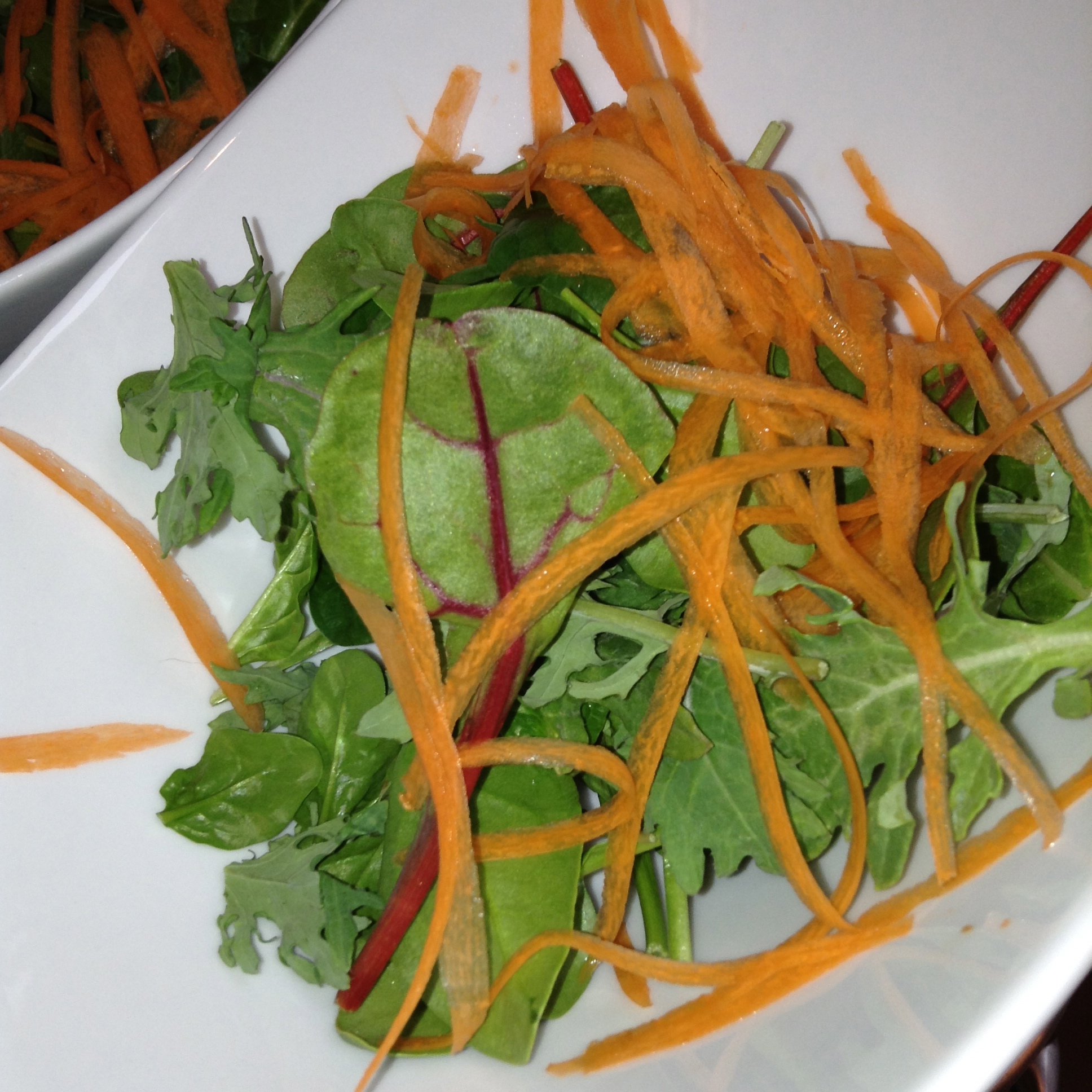
place equal amounts of carrot shavings and greens into each bowl  (about a heaping cupful or two for each serving, they will wilt nicely once you place the hot broth into the bowl).   Really, any vegetable is fine, you can just as easily use red or green peppers, tomatoes, thinly sliced cabbage, sliced fresh green beans, bean  or other sprouts – whatever you have on hand!

IMG_0258

greens and vegetables

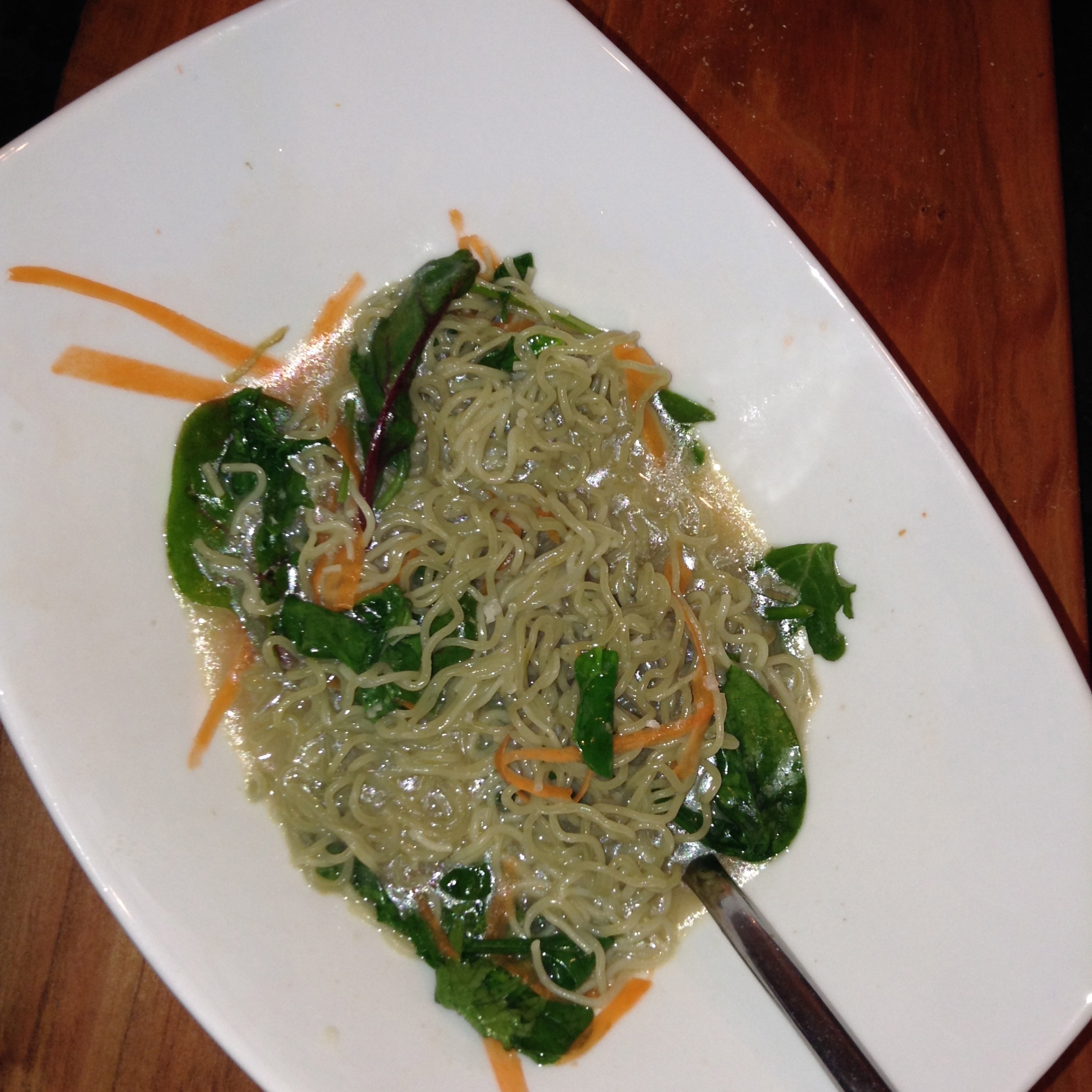
place ramen noodles and broth into a pot and warm until ramen cooks – about 5 – 10 minutes.  You can also cook the ramen in boiling water.

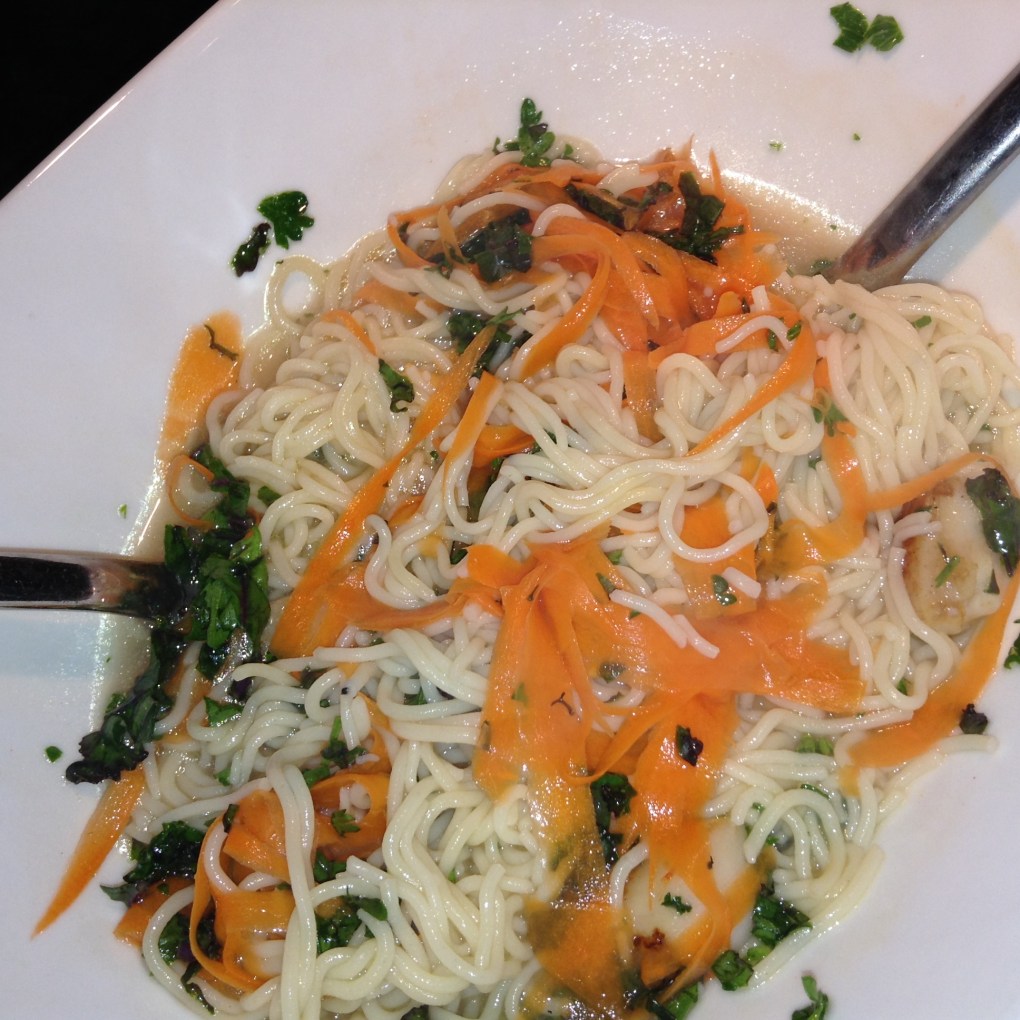
Ladle ramen noodles and broth distributing evenly between bowls.

IMG_0268

For a variation, top with a spoonful of homemade sauerkraut or kimchee for an extra tang!  YUM!  Fry or poach a pasture raised egg and lay it on top of of your soup if your extra hungry.

Serve with a big side salad and you’ve got an easy weeknight meal!


matzoh ball ~ soup for the soul

IMG_0081

“Real humility is light and buoyant, not weighted down by insecurity, self loathing or an obsession with being known and admired. Humility spends the time and energy freed up by not agonizing over one’s self reveling in the grace of everyday blessings big and small. Humility genuinely rejoices with those who rejoice and weeps with those who weep. Humility retains forever its childlike sense of hope and wonder.” ~ Molly Sabourin

Matzoh ball soup is comfort food at its finest and a great use for your homemade chicken stock!

Food sustains physical life and yet is greater than the nourishment it brings to the table.  Food gathers people  and traditional foods – passed from generation to generation tell a story.  These generational foods – shrouded in history, symbolism and ritual tell the story of peoples and their journeys of life and in that category Matzoh Ball Soup definitely tops the charts.

The Matzoh is probably one of the best known Biblical foods and one that has humbly stood the test of time.  It is a food which tells the story of the exodus of a chosen people and the guiding Hand that frees them from bondage in Egypt.

Matza is unleavened bread –  and one of the three biblical culinary components of the Jewish Passover Seder – it is also called the bread of affliction.  For Jewish families, Matzo is the only type of bread eaten throughout the Passover festival.  The generational story of the matzo is one of slavery and freedom.   The last shared act that every Israelite performed before being freed from slavery in Egypt, as well as the very first act that the entire nation shared as free people at their first stop, was eating matzo. (Encyclopedia of Jewish Food).

The first time my family ever tried matzoh ball soup was last year, visiting grandparents in Florida.  We went their favorite Deli, TooJays  in Orlando.  Such a simple dish, utilizing the most basic and unassertive ingredients – chicken broth, seasonal vegetables, eggs, schmalz (saved chicken fat – from your stock) salt and pepper.  This is quintessential comfort food!

Traditionally, matzo balls are served in a broth only served with carrots – but you can make it your own with whatever favorite vegetables you love!  This recipe doubles and triples nicely!  It also freezes well if you make a big batch.  We portion it into servings for two or four and freeze.  That way it is on hand, ready to thaw, heat and nourish on those busy school nights laden with activities and little time!

Matzoh Ball Soup – it brings nourishing comfort to the body and as the old saying goes – the soul too!


ingredients:

3 eggs

9 cups chicken stock

1/4 cup grated onion

1/2 cup melted chicken fat (Note: Jewish families would not substitute butter as that is prohibited during the Passover.  We used butter (preferably pasture raised).

1/2 teaspoon salt

1/2 teaspoon freshly grated black pepper

1 cup matzo meal (you can make your own by placing Matzo crackers and pulse in food processor or blender.  The other option is to buy it ready to use)

4- 5 diced carrots, sauteed

2 talblespoons chopped parsely  and/or chives (optional)


preparation

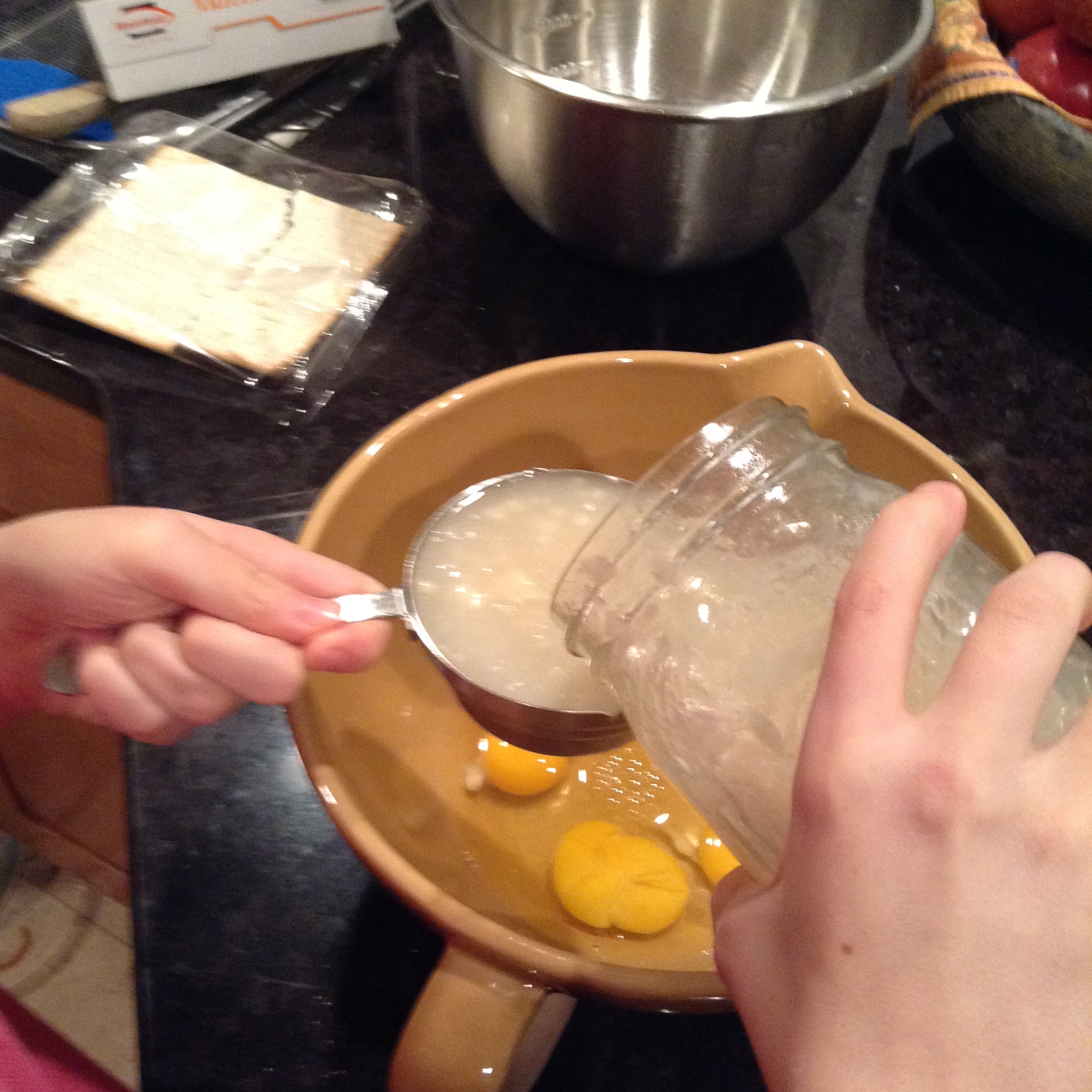
Beat the eggs together and 1/2 cup of stock.

IMG_0067

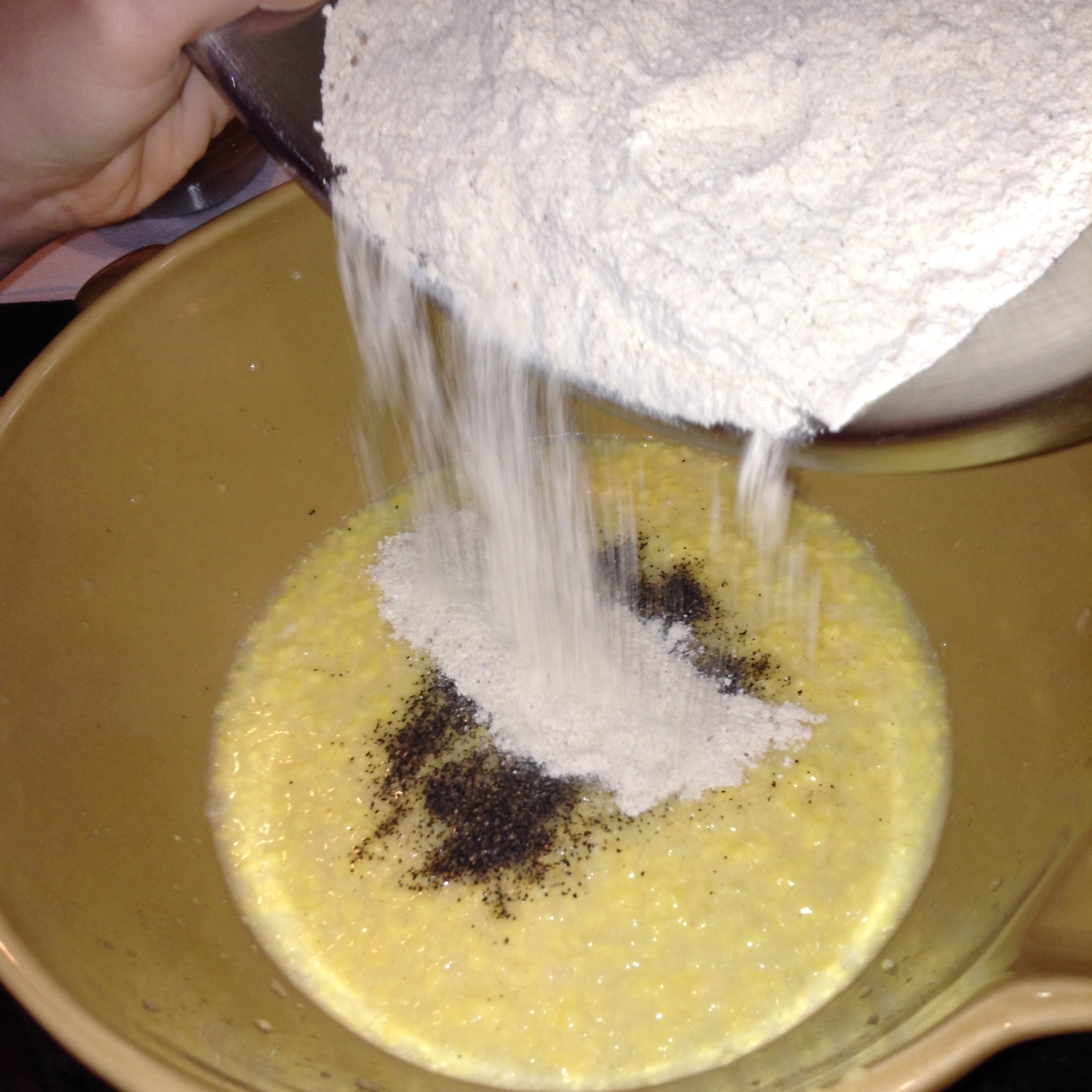
Stir in the grated onion, salt, pepper and fat.

Add the matzo meal.  The dough will be moist.  Cover the mixture and refrigerate for one hour or overnight.


IMG_0073

Shape into matzo balls – about 1 inch in diameter.

Now, you can either heat a pot of salted water or heat your chicken stock (which is a personal preference.)  Drop matzo balls into boiling broth.  The matzo balls will expand and absorb a lot of liquid.  Turn the heat ti medium and let the balls cook for about 30 minutes to set.


IMG_0081

Serve one to two matzo balls with broth and sprinkle with chopped parsley and or chives.


winter ferments – gingered beet and carrot slaw

The dinner table in a monastery is always set with care for both daily fare and feast days. Food is arranged to show the full beauty of God’s harvest in vegetables, grains, dairy products, and fruit.

Victor-Antoine d’Avila-Latourrette

Oh…!  The rich earthy flavor of this slaw just get better over time.  If you are a fan of beets, this does not disappoint – not one bit!  Fermenting is a low-cost, efficient and easy process that preserves foods – some indefinitely!  We still have the remnants of a corn jalapeño salsa ~ from two years ago ~ that is still viable, delicious and enjoyed!

Ferments have a self sufficient versatility – but at the same time, pair well with a variety of dishes.  Fermenting your own vegetables is an artisanal delight that is flavorful, healthy and when made with your local harvest good for the planet too!


Gingered Beet and Carrot Slaw

When fermenting –  use the best quality ingredients available to you.  Remember, local, simple and seasonal freshness make all the difference in and to the world!

ingredients:

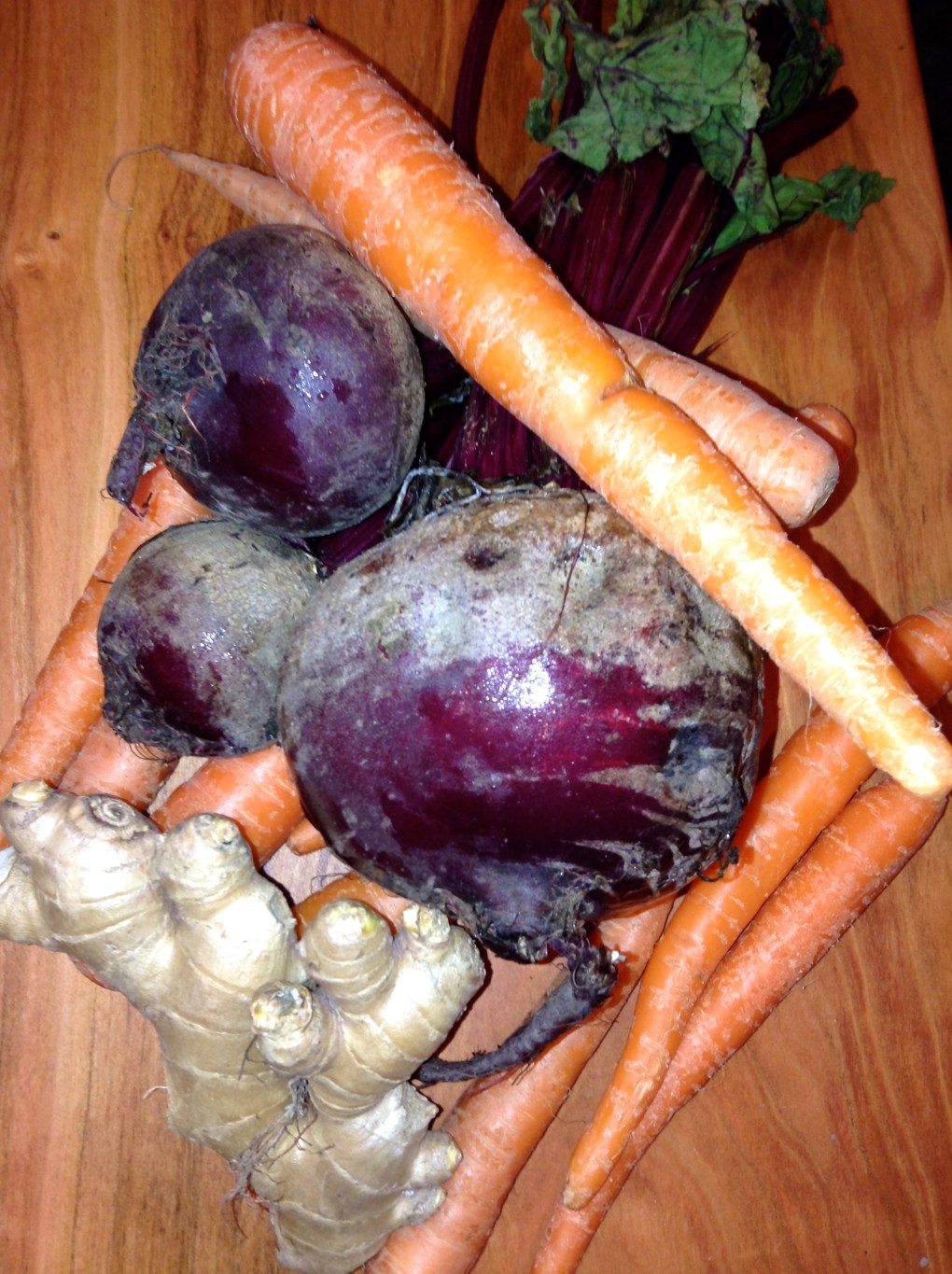
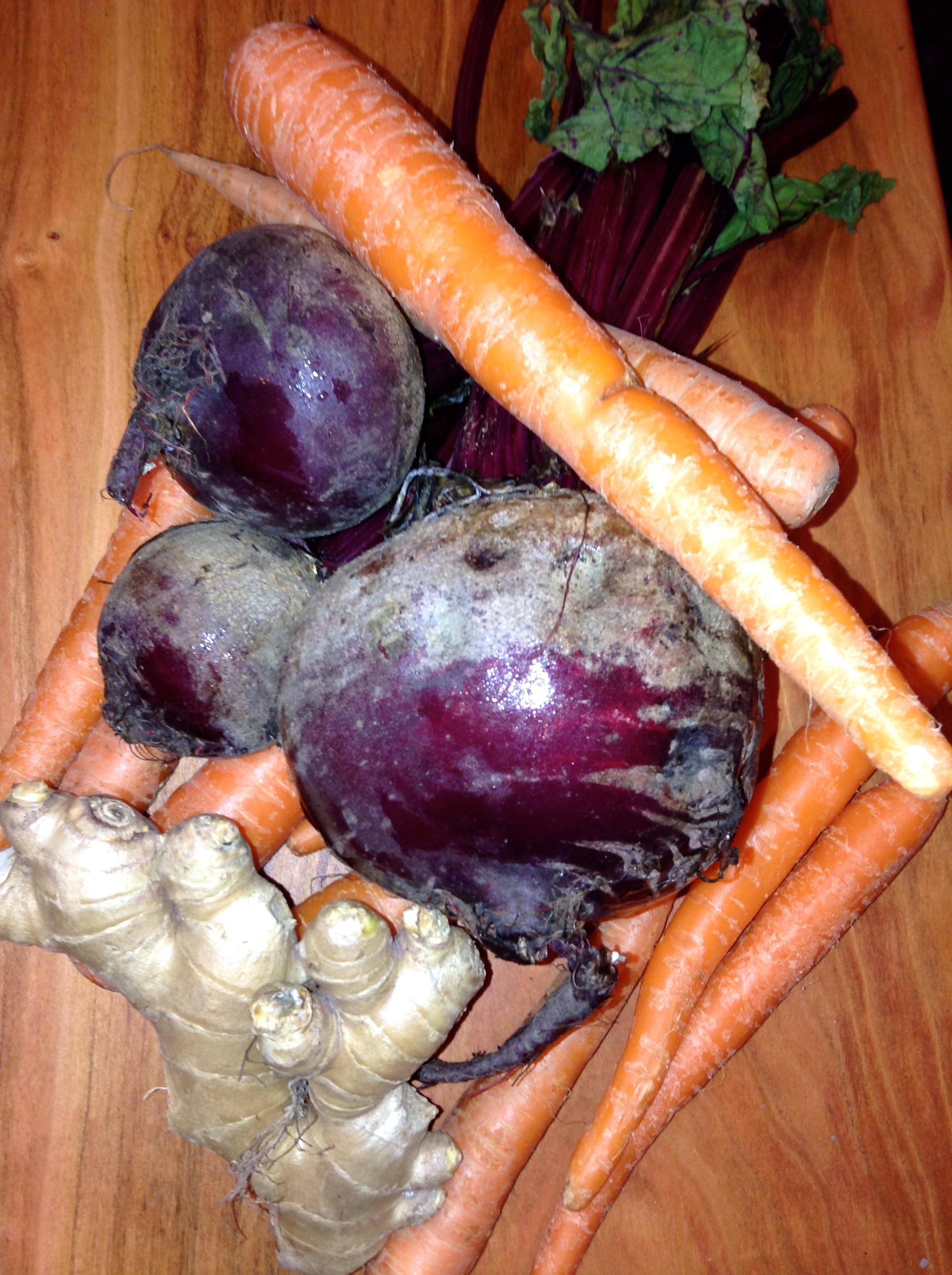
300 grams fresh shredded carrots

500-600 grams fresh shredded beets

100 -200  grams onions (optional)

1/2 – 1 teaspoon shredded fresh ginger

2 teaspoons salt

fermenting ingredients

preparation:

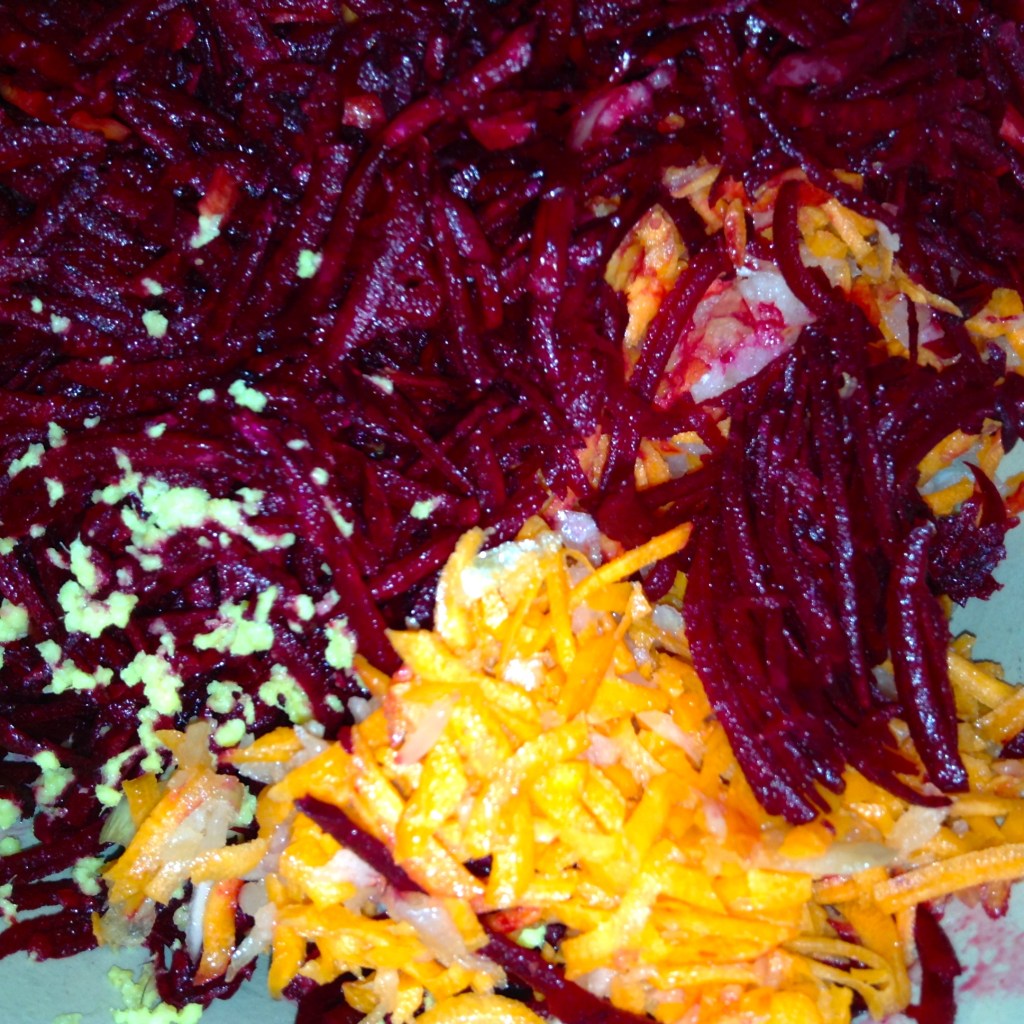
Wash hands.  Place all ingredients in large clean bowl.  Mix and massage the mixture with hands, squeezing to extract the natural juices.  Some recipes call for a brine to be added to the slaw, but my experience (and preference) is that my local fresh ingredients produce enough liquid when the salt is added to cover the vegetables.  This is the same principle used for sauerkraut.

IMG_0238

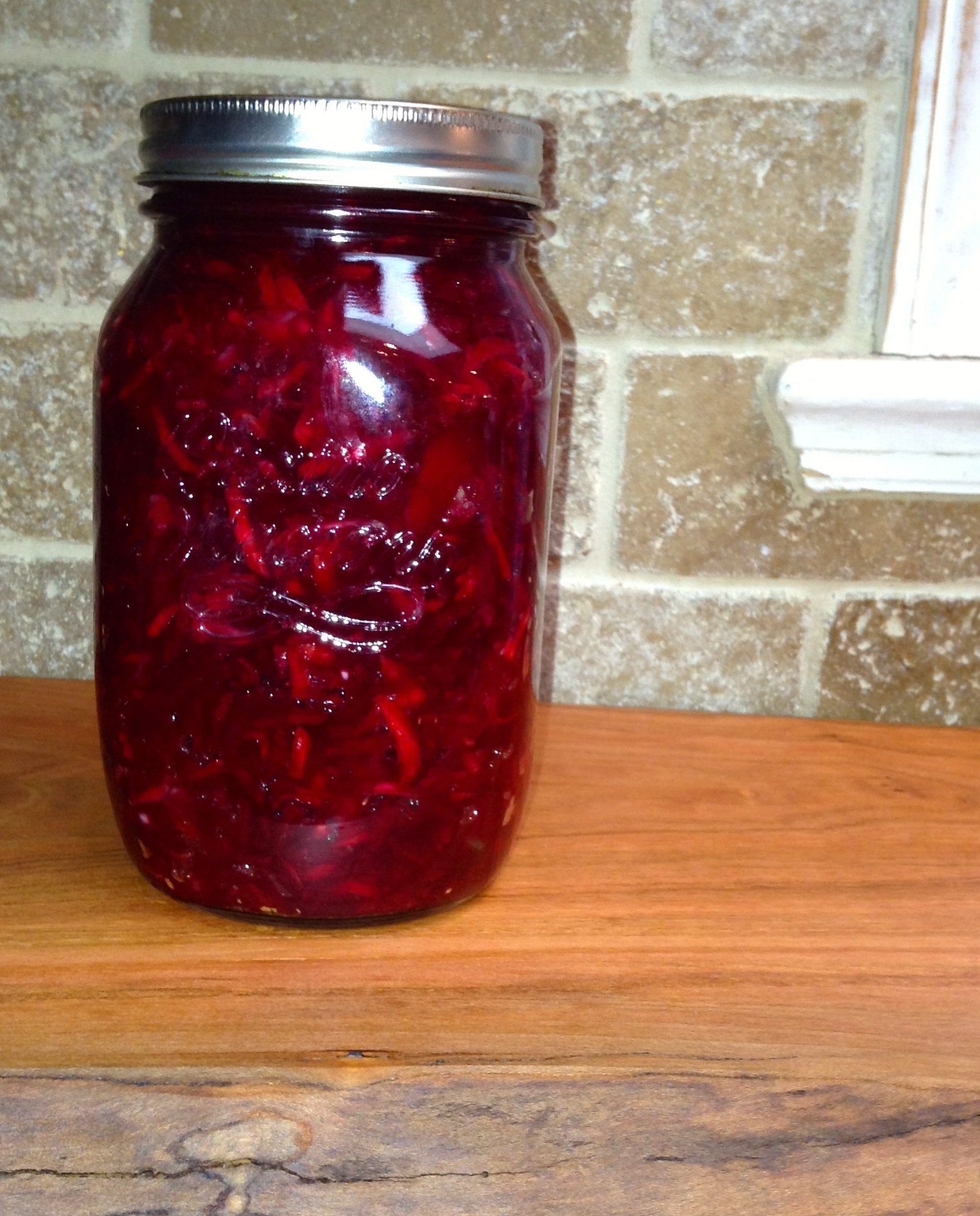
Mix for about 10 minutes (this is a great work out!).  Place in a clean mason jar and leave out of direct sunlight.

After about 5 days taste and continue to do this every day until the taste you desire is achieved.


 Fermented Beet Carrot and Ginger Slaw


got broth?

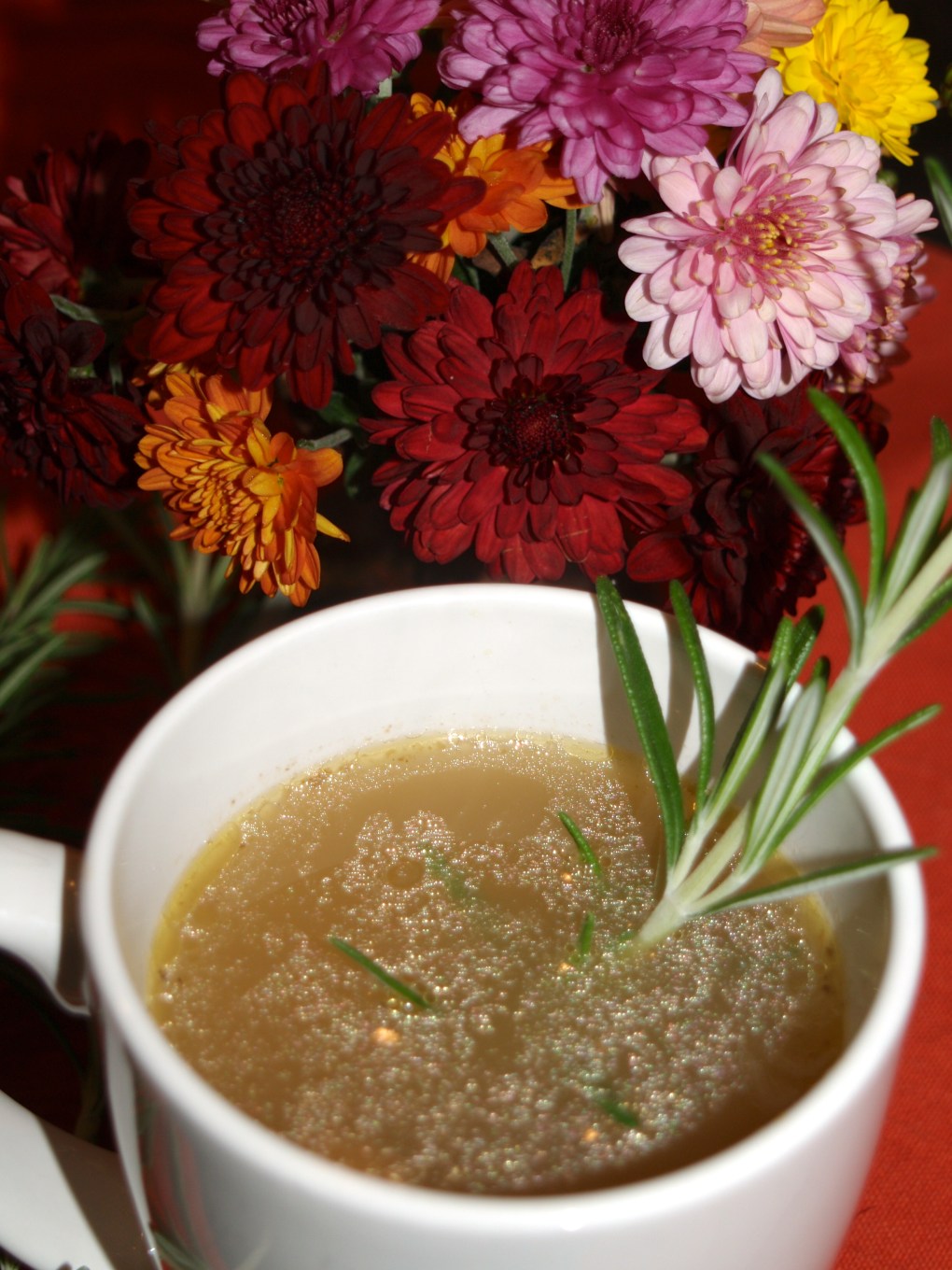
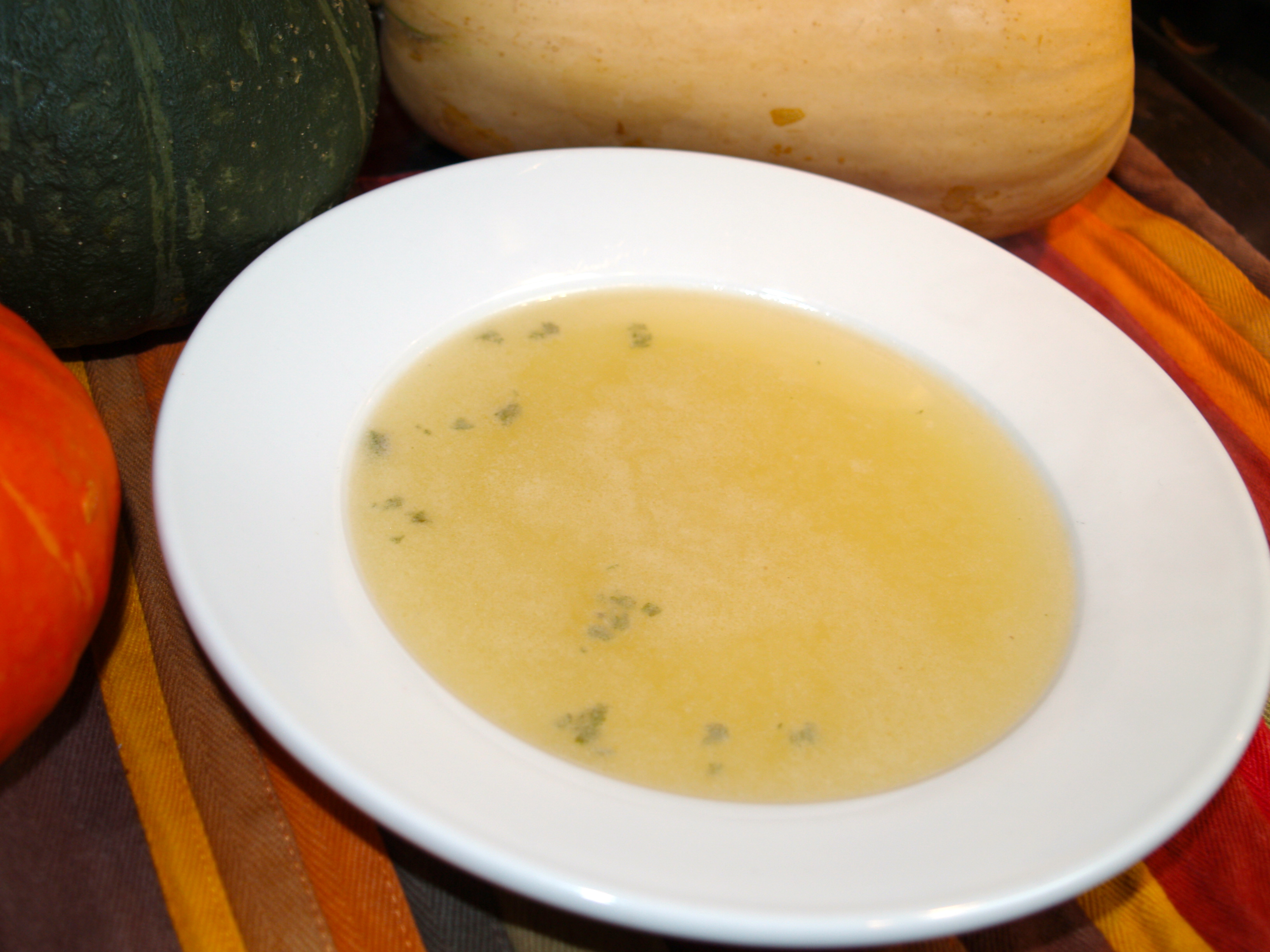
Fall and the approaching winter have ushered in a wave of cooler weather. With the change in seasons and temperatures, we naturally migrate our cooking toward more warming & nourishing foods like soups and stews. That brings us to one of the least glamorous of all foods – the humble broth – a nutritionally wonderful canvas to enjoy the hearty fall harvest!

Broth provides a modest yet universal meal.

A remedy for sore throats and the flu, it nurses the sick and puts vigor in our steps.  The nutritional savior of the soup kitchen, the humble broth is a warming comfort in times of need.  It is also incredibly healthy and a powerhouse of vitality!

Broths are a nutritional superfood in that they offer a very simple, affordable and rich concentration of nutrients that are easily acquired by our bodies.  That ease of nutrient absorption is paramount, because there is a big difference between consuming nutrients (from whole foods or supplements) and actually assimilating them into our cells.

Unlike it’s commercial cousins, homemade stocks and broths come with an unabridged complement of the exact nutrition we need to rebuild and maintain bones and joints.  One reason is that homemade broths and stocks are teaming with gelatin and minerals.  If you are unfamiliar with gelatin, it is a jelly like substance that is extracted from simmering bones or the soft tissues – like cartilage and skin from chicken.

Gelatin is essentially collagen in liquid form and collagen is part of the connective matrix that holds you together!  Among other things, it provides for youthful supple skin and healthy joints.  It also supports the immune system, digestive tract, heart and muscles and contributes to the building of strong cartilage and bones.

Want to know more about the benefits of gelatin and broth?

  • Gelatin is an easy way to support your digestive system.  It is not only nutritious but very soothing and healing to the digestive tract. Its ability to attract and hold liquids makes foods cooked in broths easier to digest.
  • American researcher, Dr. Gotthoffer found that cooked foods eaten with gelatin were easily digested and that babies fed milk fortified with gelatin had better digestion than those given plain milk.  Also, the babies who were fed milk without gelatin had a higher rate of allergies and intestinal issues.
  • Additionally, Gotthoffer found studies showing that convalesing adults who have lost weight because of operations, dysentery, cancer and other illnesses fare better if gelatin is added to their diet.
  • Gelatin has long been recognized in the treatment of digestive diseases.  “[Gelatin] is said to be retained by the most sensitive stomach and will nourish when almost nothing else will be tolerated,” wrote L. E. Hogan in 1909.  Today, homemade broths are the essential component of the GAPS diet protocol, in that it heals and seals the digestive tract.
  • One reason gelatin was recommended so highly for malnourished individuals is that it reduces the amount of complete protein needed by the body.  So, while gelatin is not a complete protein, it is high in the amino acids arginine and glycine which enables the body to more efficiently utilize the complete proteins that are consumed. For that reason broths are known as “protein sparing” because with broth your body can make better use of the protein you do eat, therefore not require as much.
  • Gelatin strengthens hair and nails, minimizes wrinkles and prevents and heals cellulite.
  • Gelatin may be useful in the treatment of a long list of diseases including peptic ulcers, tuberculosis, diabetes, muscle diseases, infectious diseases, jaundice and cancer.
  • Gelatin is unusually high in the amino acids glycine and proline. A vital function of glycine is detoxification. Proline aids the body in breaking down proteins for use in healthy cells and is used in making collagen, tendons, ligaments and heart muscle. Adequate proline is beneficial for the tratments of conditions such as osteoarthritis, soft tissue sprains and chronic back pain.
  • Gelatin assists in neutralizing intestinal poisons causing problems during an intestinal bug or flu.
  • Research has shown that broth aides in normalizing stomach acid levels for those with too high or too low stomach acid – which can have a profound impact on digestion.

Despite the abundance of our modern food supply, traditional diets contained far more gelatin than ours do today. Broth was a mainstay in French, Italian, Russian, Japanese, South America, Middle Eastern, African and other cuisines.  In the honored traditions of food, none of the animal went to waste (ironically, probably due to the scarcity of their food supply!)

People would eat soups made from bones all the time and doing so supplied their bodies with the whole family of glycosaminoglycans, which used to protect people’s joints. Now that few people make bone stock anymore, many of us are limping into doctors’ offices for prescriptions, surgeries and, lately, recommendations to buy over-the-counter joint supplements containing glucosamine.  (Shanahan, 2011).

Broth is economical and therapeutic food.

One can spend exhorbitant amounts on supplements containing glucosamine and chondroitins, but these capsules do not hold a candle to the efficacy of the the whole spectrum of glycosaminoglycans in a well made broth.  Whereas a supplement will contain only a few targeted ingredients, a well made broth provides the entire nutrient complex of joint building substances – some of which have likely yet to be discovered.

In that sense, bone broth represents a wonderfully inexpensive therapeutic food.  What a bargain!  A twenty five cent cup of broth offers an unparalleled small fortune in supplements: excellent levels of bioavailable minerals such as calcium, magnesium, potassium and phosphorus are supported by gelatin, chondroiton sulphate, bovine cartilage, glycine and hyaluronic acid.

Best of all, broth tastes great.

You can enjoy it warm in a mug at the end of a long day, or create delicious nourishing soups, stews and sauces.  It’s a pantry item to keep on hand in fall and winter.  Making homemade broth is not only very nourishing, but the utilization of the rest of the animal also qualities broth as a nutritional virtue and a wonderful manifestation of stewardship eating.

Of all we consume, may we always eat thankfully, wisely and well.


OLYMPUS DIGITAL CAMERA


Nourishing Broth Recipes:

Vegetable . Mineral . Broth

Chicken Broth


additional resources:
Broth is Beautiful by Sally Fallon

Why Broth is Beautiful: Essential Roles for Proline, Glycine and Gelatin by Kaayla T. Daniel, PhD, CCN

Gelatin in Nutrition and Medicine by N.R. Gotthoffer

Proline Amino Acid Benefits  LiveStrong


seasonal eating

seasonal eating

It is a struggle in a prepackaged world with jets and ocean liners bringing everything we can possibly desire from the four corners of the globe right into our little community.  Whereas the local harvest is selected at the peak of ripeness, it’s conventional counterparts are picked well before maturity and prior to maximal development of nutrition and flavor.

Calorie per calorie seasonal local produce outmatches its conventional cousins in nutrient density – and that’s just for starters.  This nutrient density is essential for vibrant optimal health.

Seasonal eating is a subtle ~  and to be honest – difficult at times – asceticism yielding patience.  The satisfaction of what nourishes us presently, along with the patience of the anticipation of the delicious nourishing foods of the next season…It is the patience that a connectedness to our landscape fosters.  At the moment our table is laden with lots of squashes, broccoli, cabbages, cauliflower and beets.

Despite cool weather, winter gardens can yield a bounty!!   They are also a traditional way to add sustainability and some distance from the industrial food chain into ones diet!

Plotting a little Victory Garden in your back yard is easier than you might think!

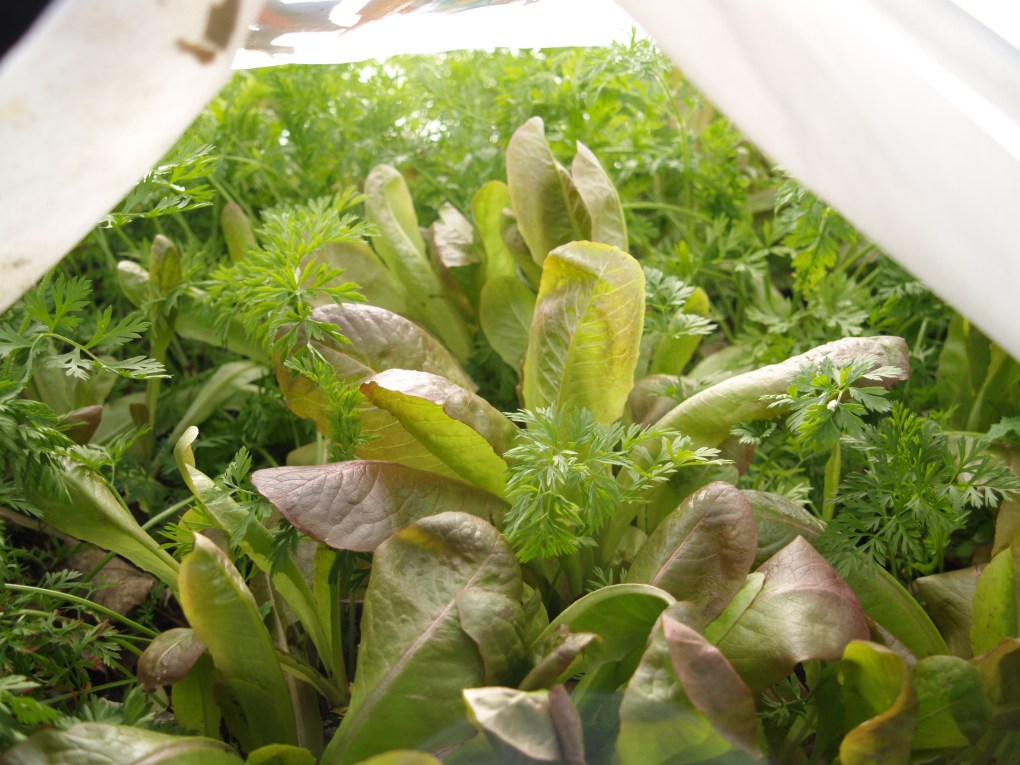
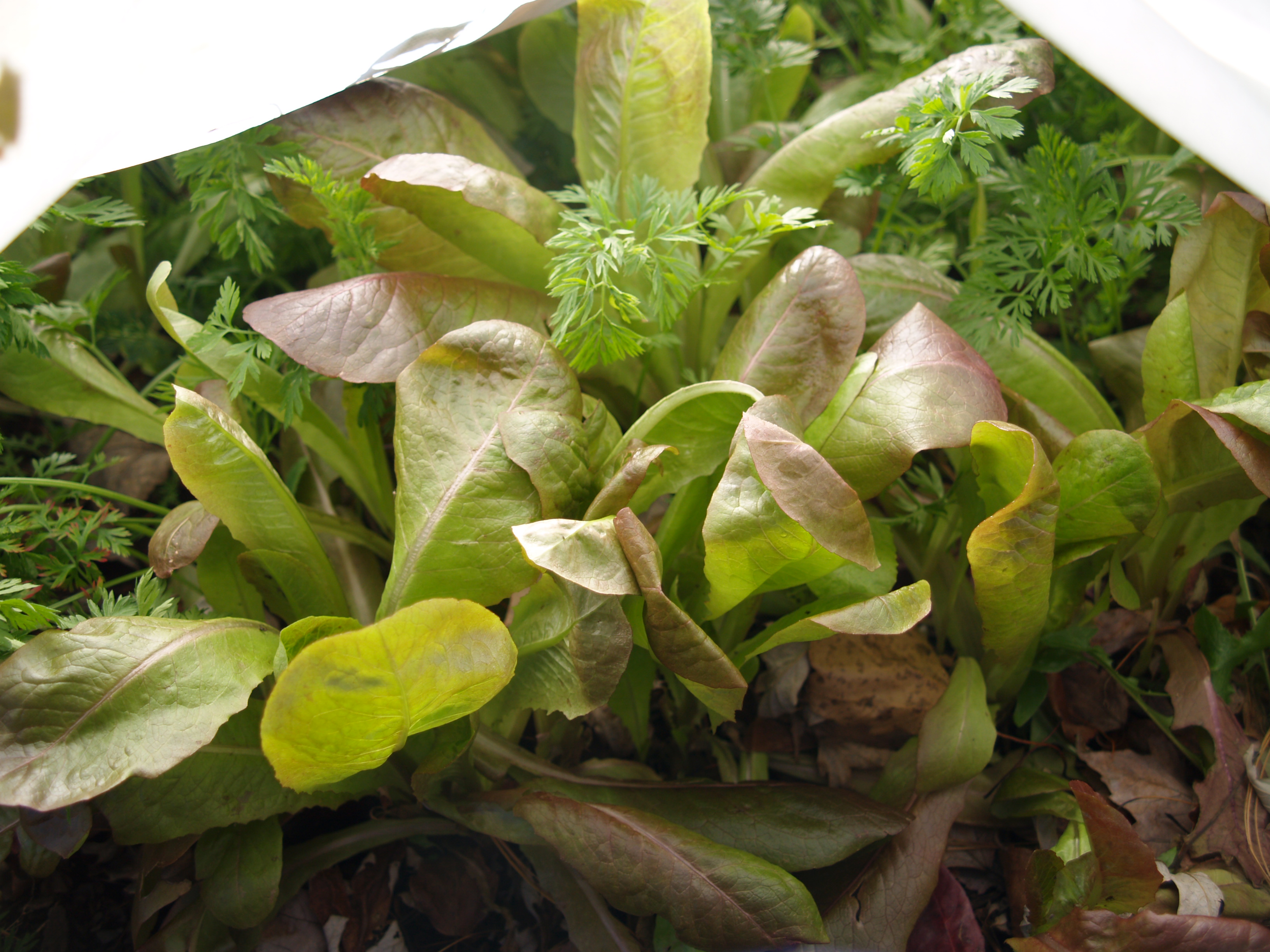
Although it is January in Virginia, there are kale, lettuces, carrots and fennel growing quite nicely in this Victory garden!  Not quite enough to feed the entire family, but a great supplement to our meals!

victory garden – under cover – winter carrots and lettuces

victory garden – under cover – winter carrots and lettuces

Our eggs, meat and dairy are local, all within 300 miles of home.  With the help of a little Victory Garden, local Winter CSA’s and our community market, enjoying the bounty of our local food shed despite winters chill, is a reality.

Depending where you live, winter is likely a time of scarcity.  When unable to find food from your own state, try to stay as close to your own geography as possible.  Our first choice is from our tri-state area, and we venture out from there, trying to stick with the eastern seaboard.  That said, if we want oranges, we chose those grown in Florida rather than California.

Once we tire of our winter vegetables which are remarkably sweet if you can rustle them up locally, the harvest will be over, and we will again begin to savor the first spring vegetables – which cleanse the body and coincide with the beginnings of Great Lent ~ which cleanses the body and the soul.

Whole foods and seasonal eating ~ good for the local farmers, our pastoral responsibilities to our land and the nourishment of our bodies…

tiny hands with an asparagus snack

tiny hands with an asparagus snack


reprinted – originally posted January 2013