fish broth

OLYMPUS DIGITAL CAMERA

“The proof of love is in the works. Where love exists, it does great things. But where it ceases to act, it ceases to exist.” —Saint Gregory the Great


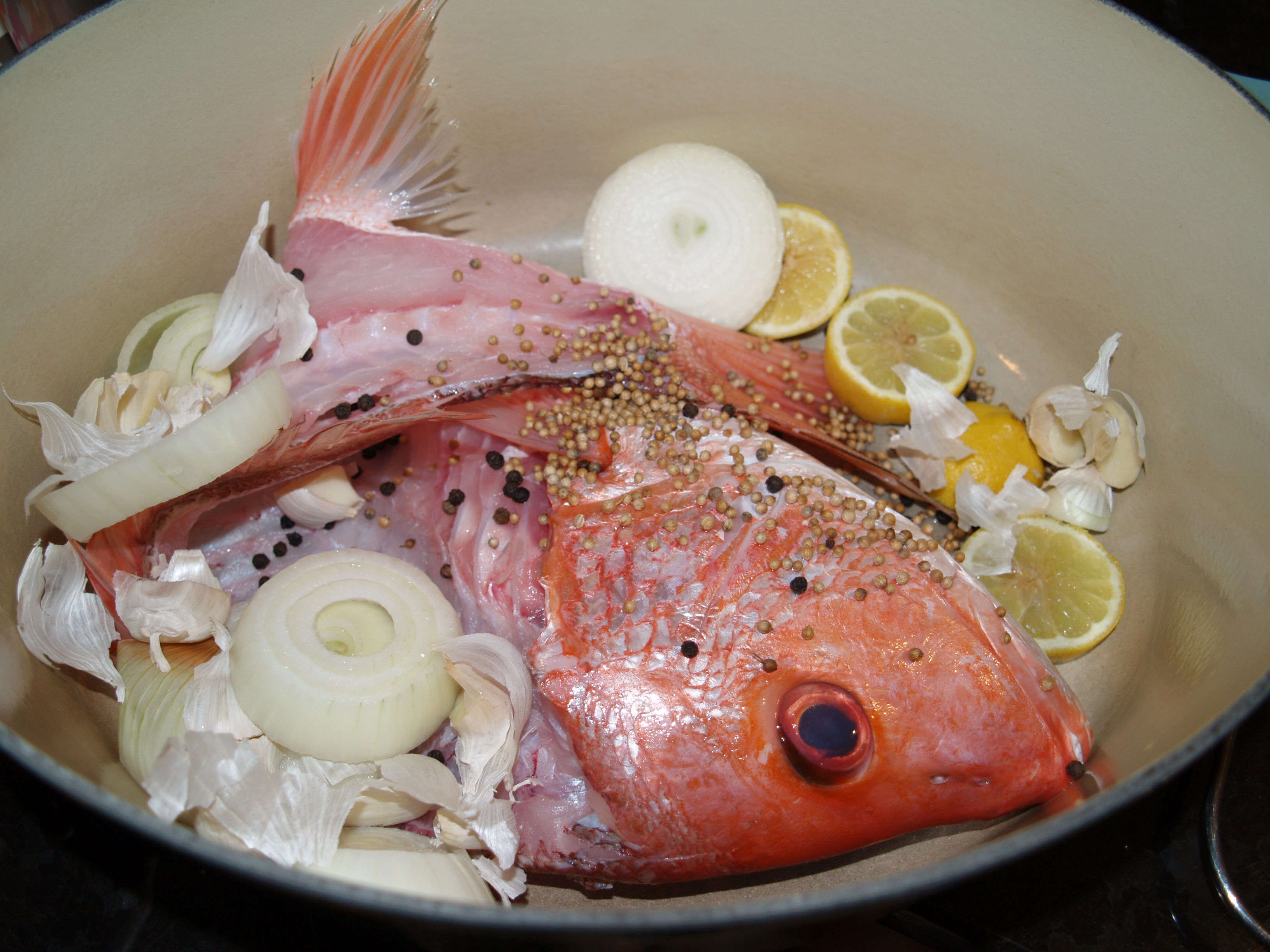
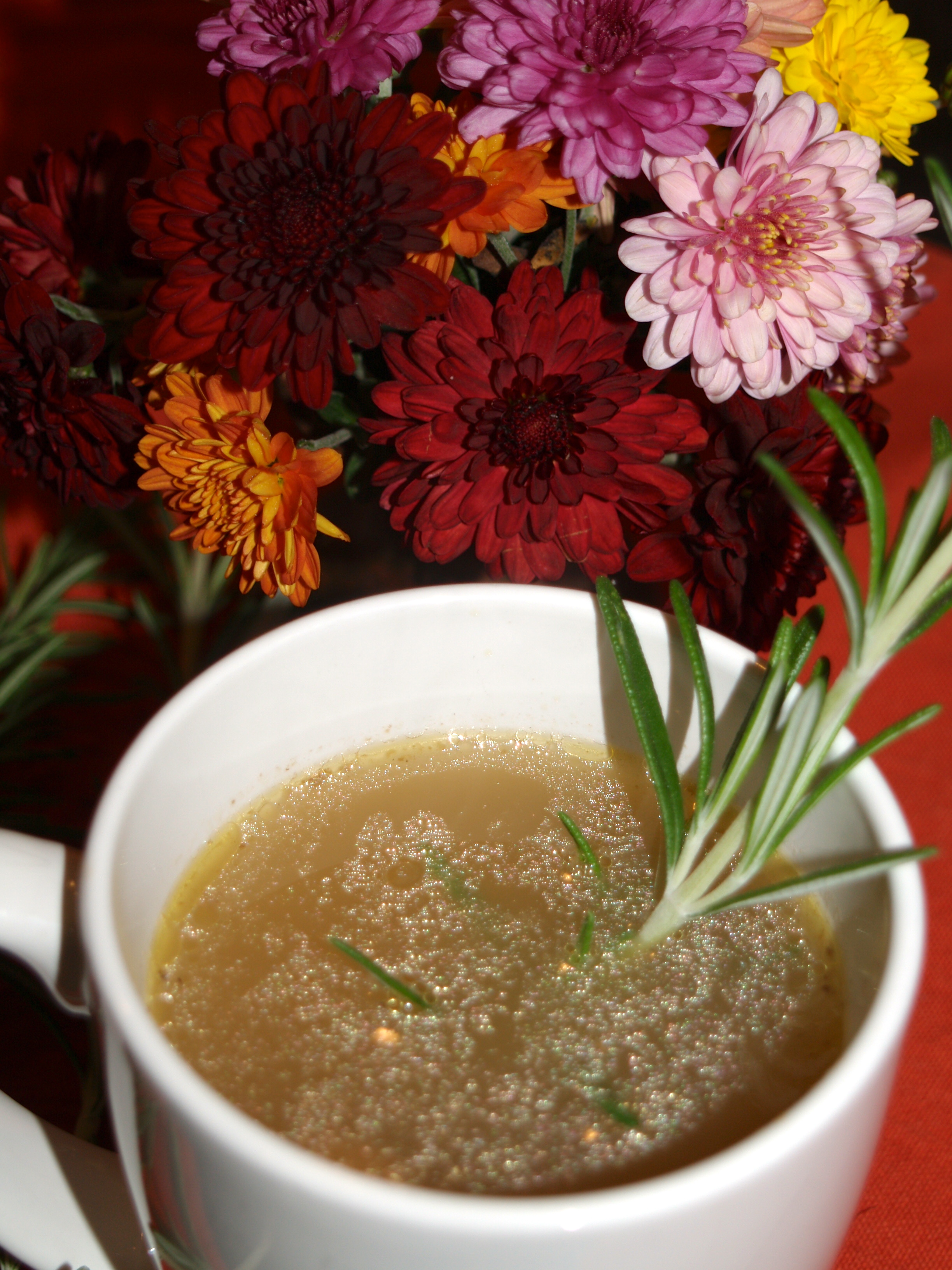
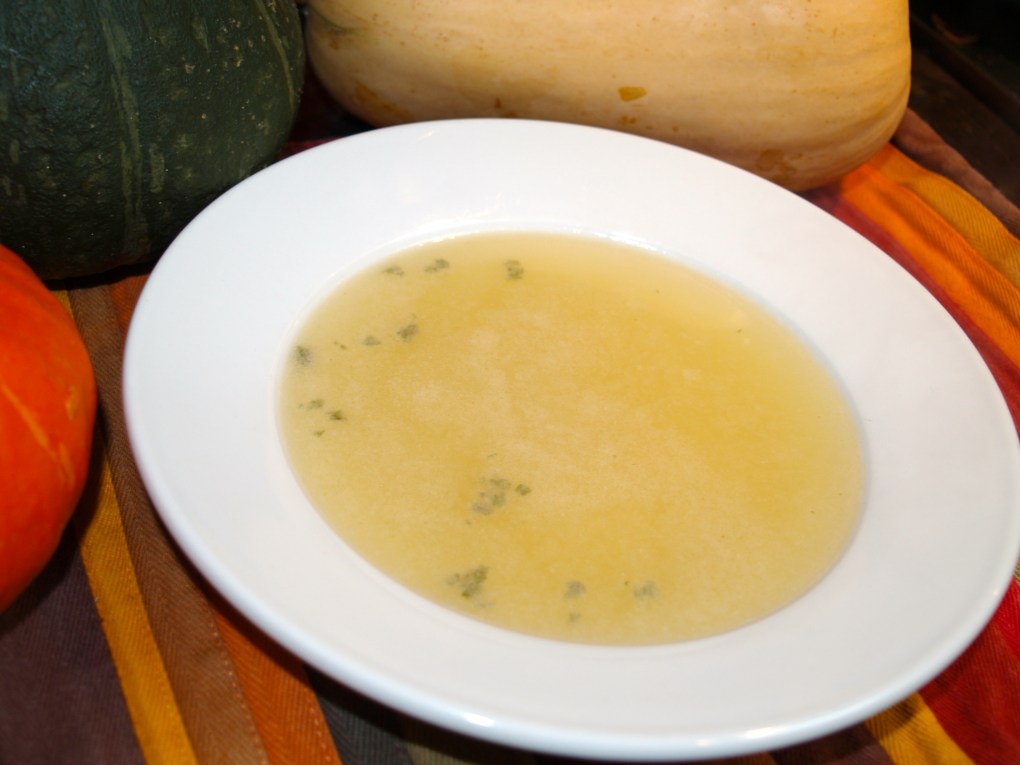
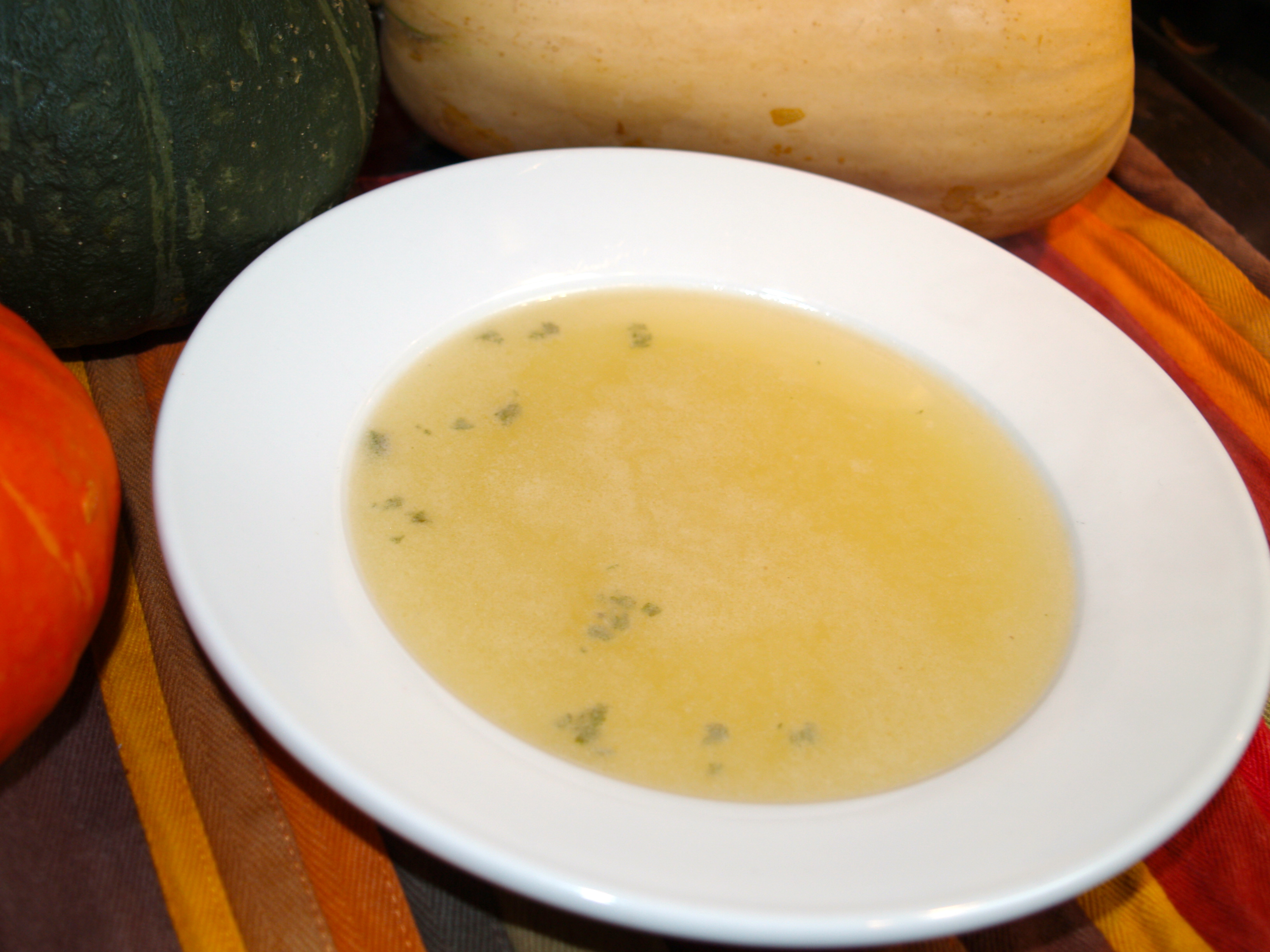
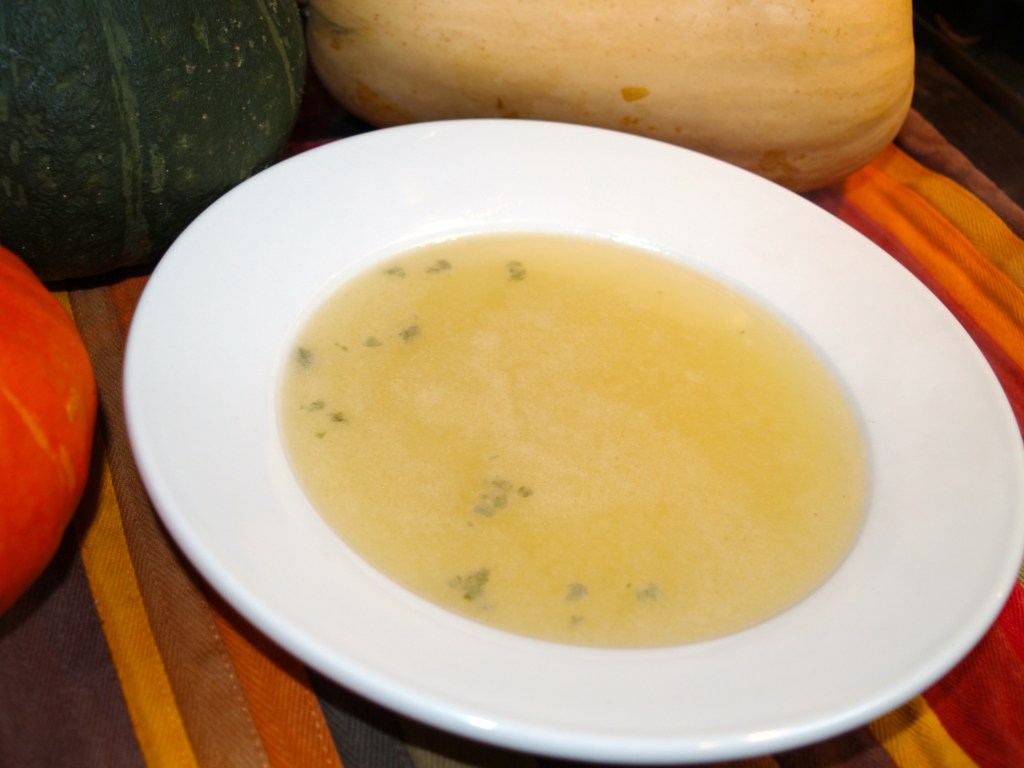
This is a simple fish broth and it’s also a very inexpensive one too.   In fact, fish broth can be the least expensive for you to make.  Just make a call to your local fish monger or supermarket and ask them to put aside any carcasses for you from the day.  Chances are they’ll charge you 50 cents to a dollar for it, or just let you have them for free!  For vegetarians, this is a great way to add the benefits of bone broth in to your diet.

Fish broth has a delicate flavor but strong smell when it is cooking.

It’s a good idea to avoid the larger fish when making broth – this is due to the probable build up of mercury in the larger varieties like tuna.


Ingredients:

  • 2 medium fish carcasses or several fish heads – such as  rockfish, snapper, or turbot
  • 1 small head celery
  • 1 medium onion cut into fourths
  • 2 carrots
  • 1 small head garlic, washed, not peeled but cut in half
  • 1 teaspoon black pepper corns
  • 3 quarts cold water
  • juice of one lemon

Place all ingredients except lemon in stock pot.  Bring to boil and skim.  Simmer covered for 3 hours.  Remove from heat, strain add the juice of the lemon and use or store.  It is important not too cook with the lemon, but add it at the end as if you cook with the lemon that will impart a bitter flavor to the soup.


culitvate love

“Prayer is to approach everything made by God with love.”

Saint Porphyrios

OLYMPUS DIGITAL CAMERA

“I enjoyed the garden.   I bought a hand held cultivator to prepare the ground as well as possible.  The garden had everything: tomatoes, aubergines, pumpkins, onions, garlic and so on.  My great love was for the trees.  I was filled with joy to look at them.  I planted four hundred trees: walnut trees, plum trees, pear trees, apple trees, peach trees, almond trees, hazelnut trees, medlar trees and pomegranate trees.  I loved the work.  I always said and still say: “Work as if you were immortal, and live as if you were on the point of death.  That is, plant walnut trees, fig trees and olive trees, even if you are ninety years old!”

Saint Porphyrios

OLYMPUS DIGITAL CAMERA

“Love Christ and put nothing before His Love. He is joy, He is life, He is light.  Christ is Everything.  He is the ultimate desire, He is everything. Everything beautiful is in Christ.”  

Saint Porphyrios


simply beef broth

“When you sit down to eat a meal it should be a time for pleasure and warmth, family and friends.  Food should be enjoyed.  Even more importantly, it should also be nourishment that meets your bodies needs… in these times the food supply is plentiful but it lacks the bodies needs.”  Tom Valentine-Search for Health

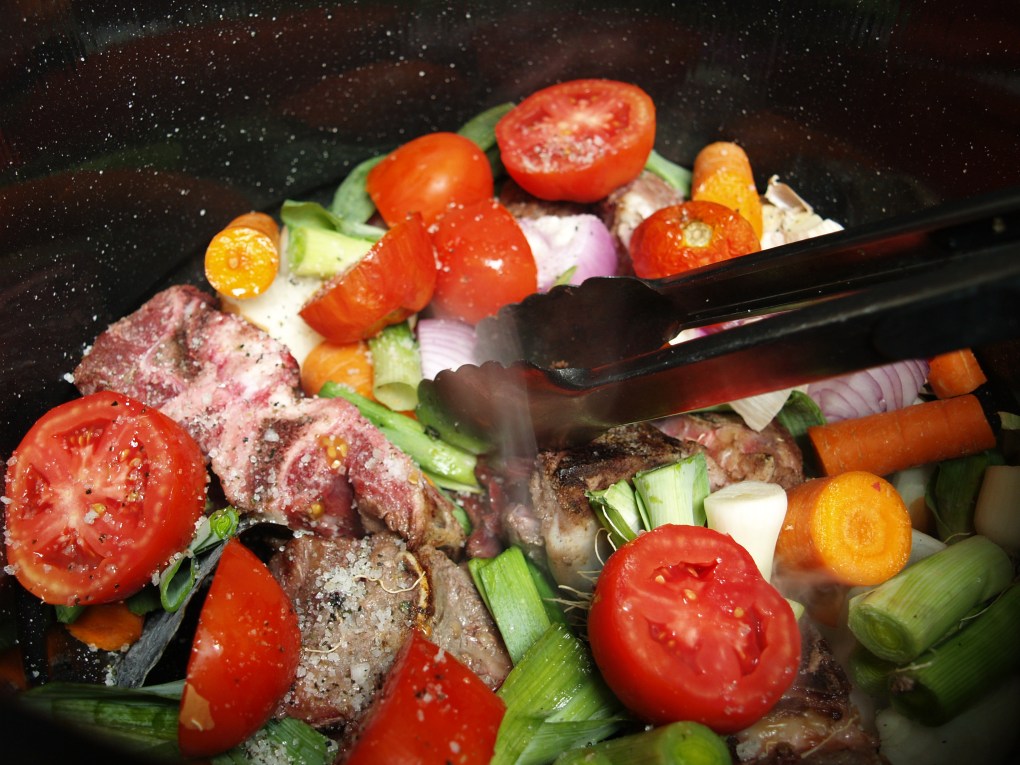
In days of old, families went to the butcher for meat on the bone, rather than prepackaged cellophane wrapped individual filets.  Our prudent forefathers then made use of every part of the animal by preparing stock or broth from the bony portions.  This beef broth is simple to make, and like chicken, fish and vegetable broth it is very very nourishing.

The “rest” of the animal is commonly known as offal (not awful!).  Most of the meat we eat is only a small portion of the animal, pieces like steaks and chops and tenderloin.  Offal are pieces like the neck, shank and tail and bones and used to be the pieces we enjoyed and relished but now no longer appreciate.  What were once the choice cuts such as the tenderloin and New York strip were expensive and actually special; but thanks to industrial farming these once pricey portions are now very cheap, and so we have forgotten about the rest of the animal.

In the sense of pastoral eating, using the other parts of the animal is a way of honoring that animals sacrifice for our table.

A note on sourcing your ingredients:  A butcher or local farmer that is a great place to start when sourcing your meat, mainly because they can answer your questions about what it was fed and how it was raised.  How an animal is raised, fed, slaughtered and aged are important factors to consider when purchasing your meat ~ and these factors are not easily determined when looking at a final product.  A cow is a ruminant animal that is going to be healthier when raised on the grasses for which it’s ruminant digestive system was created.  There is ample evidence that corn and grain weakens the health of an animal as well as increasing the amount of fat and changing it’s composition to contain a much higher ratio of omega-6 to omega-3 fatty acids.

The addition of the vinegar in the recipe below increases the mineral content of the final stock.


Simply Beef Broth

Ingredients:

  • 1 large onion, rinsed and unpeeled, cut into wedges
  • 3 carrots, sliced
  • 3 stalks celery sliced
  • 1 leek, washed and cut – both white and green parts
  • 4 pounds mixed beef bones and odd bits
  • 4 or more quarts cold water
  • 1-2 tomatoes halved
  • 1 medium head garlic, rinsed and cut in half
  • 3 sprigs thyme, rosemary or combination
  • 1 fresh bay leaf (you may use dried)
  • 1/2 teaspoon black peppercorns
  • 1/4 cup apple cider vinegar

Preparation:

Place bones and odd bits in heavy stock pot – enamel coated cast iron or stainless steel are best.  Saute on low heat to brown on all sides (about 30 minutes).  Add vegetables, vinegar and water.  Bring to a boil.  Cover, reduce to simmer and cook for 12 to 24 hours.  If necessary, add more water to cover the bones.

While it is cooking, check it periodically, skim off anything with a spoon that rises to the surface.

Strain.  Discard bones and compost vegetables.

This stock is the base for many wonderful soups.

OLYMPUS DIGITAL CAMERA


vegetable . mineral . broth

Vegetable Mineral Broth

“Solitude, prayer, love and abstinence are the four wheels of the vehicle that carries our spirit heavenward.”  

Saint Seraphim of Sarov

Vegetarian cooking, for both health and spiritual reasons, has been rediscovered and has attained wide prominence.  In the cooking at monasteries, this goes a long way toward sustaining and encouraging the positive trend we see today.  Besides, a vegetarian meal— when well prepared and attractively presented at the monastic table— has a charm all its own.  I am sure the same can be said of other vegetarian tables around the country and around the world.”  (Brother Victor-Antione d’Avila Latrourette)

This broth is a fasting staple in our home, and when the seasons of the Fasts approach we double and triple this recipe into mason jars in order to have ample stock on hand.  It simplifies our Lenten meal preparation, and as you can imagine, that is a great blessing!

In this age of take out and hurried cooking making your own stock may seem like a bother, but your meals will have greater flavor and nourishment if you do!

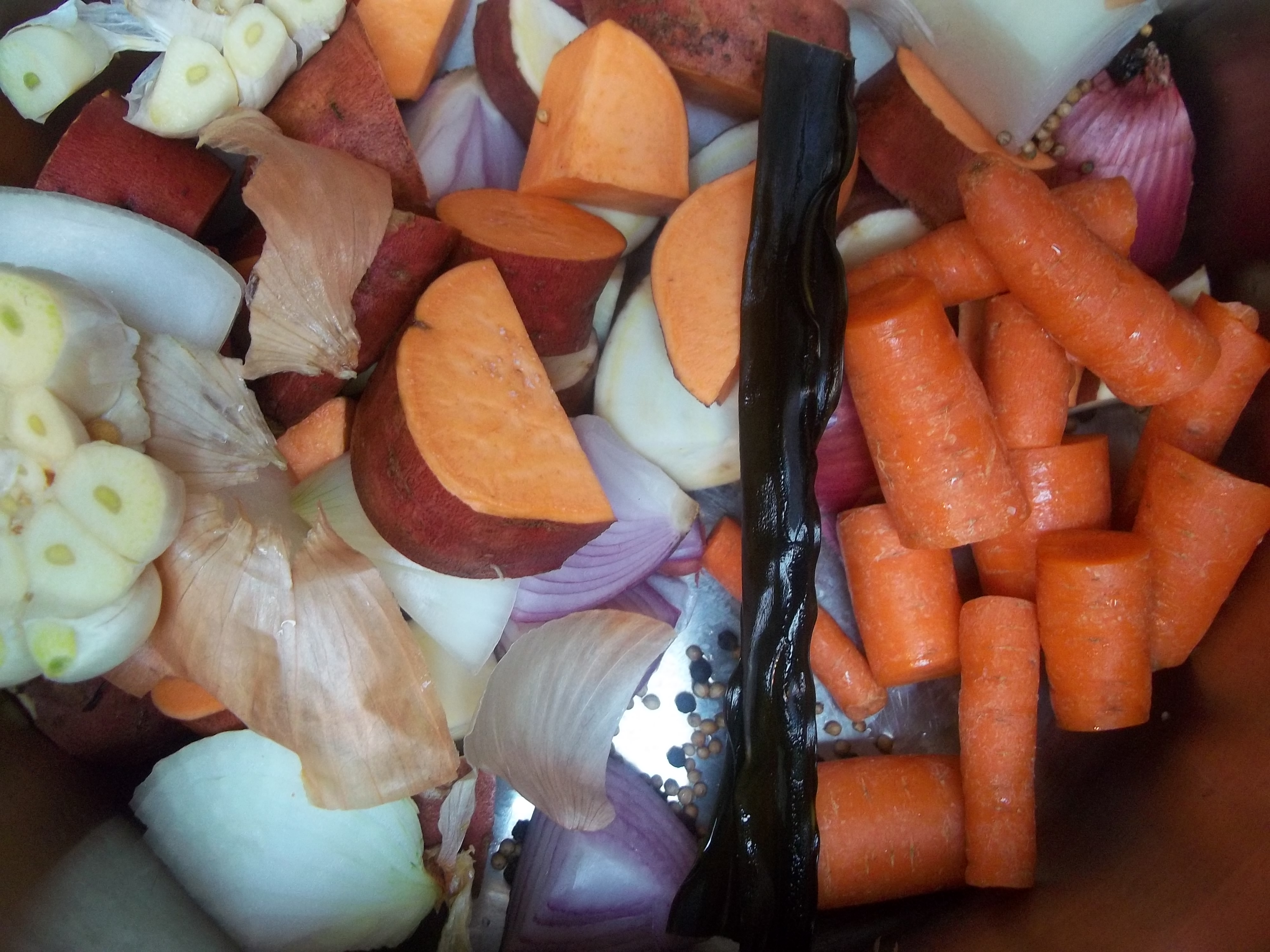
The preparation of this nourishing mineral rich broth requires no fancy equipment or culinary skills.  It is a recipe we appreciate for it’s ease of simplicity, wholesome monkish frugality and great flavor.  All the ingredients are very rough chopped into large chunks, and allowed to simmer for a few hours.  The result is a sweet tasting, aromatic broth.  It’s just that easy.

Vegetable stocks tend to have less body and texture due to the lack of gelatin and fat, but with the combination of sweet potatoes, garlic and leeks, this broth is unapologetic fresh, nourishing and delicious.  The addition of the kombu adds valuable trace minerals to this exceptional vegetable broth.  (Kombu is available in the asian section of most grocery stores.)

We load our pantry with this mineral broth during fasting seasons and it is the base for almost everything we cook from rice, to lentil soup to minestrone.

This recipe is inspired and adapted from The Cancer Fighting Kitchen : Nourishing Big-Flavor Recipes for Cancer Treatment and Recovery by Rebecca Katz who says, “This rejuvenating liquid, chock-full of magnesium, potassium, and sodium, allows the body to refresh and restore itself.”


Vegetable . Mineral . Broth

Ingredients

As always, source the best ingredients available and affordable to you.  Organic is the best option since this recipe calls for the peels of the vegetables – since that is where many minerals reside, but it is also where pesticide residues can be found.

  • 1 pound unpeeled carrots, cut into thirds
  • 1 unpeeled yellow onion, cut into chunks
  • 1 unpeeled red onion, cut into chunks
  • 2 leeks, white and green parts, cut into thirds
  • 1 bunch celery, including the heart, cut into thirds
  • 4 unpeeled red potatoes, quartered
  • 3 unpeeled sweet potatoes, quartered
  • 1 unpeeled garnet yam, quartered
  • 1 head garlic, halved
  • 1 bunch fresh flat-leaf parsley
  • 1 8-inch strip of kombu or Nori
  • 10 black peppercorns
  • 4 whole allspice or juniper berries
  • 1 bay leaf
  • 8 quarts cold, unfiltered water 1 teaspoon sea salt (to taste)

 Preparation

Rinse all of the vegetables well, including the kombu. In a 12-quart or larger stockpot, combine all of the ingredients with the water (2 inches below the rim), cover, and bring to a boil.

Decrease the heat to low, and simmer, for about least 2 hours. As the broth simmers, some of the water will evaporate; add more if the vegetables begin to peek out. Simmer until the full richness of the vegetables can be tasted. Strain the broth through a large, coarse-mesh sieve add salt to taste. The strained solids can be composted.

Let cool to room temperature before refrigerating or freezing.

You can drink this warm from a cup like tea or use it as the base for soups and rice.


chicken broth

“Soup puts the heart at ease, calms down the violence of hunger, eliminates the tension of the day, and awakens and refines the appetite.”  Auguste Escoffier

“Soup is the song of the hearth…  and the home.”

Louis P. De Gouy, ‘The Soup Book’ (1949)

Homemade chicken soup: it’s not only good for the soul but also the flu!  A warm bowl of it contains rejuvenating nutrients and proteins that may otherwise be difficult for a flu ridden and nauseous stomach to digest.

Whether you find you like to make large batches, or enjoy simmering a pot every few days, you’ll need a large stock pot with a lid. Stainless steel and enameled cast iron are very good choices.

A word on ingredients.  Find and use the best ingredients affordable to you.  Bones and carcasses from free range pastured animals are the gold standard, which we’ll talk about in an upcoming post.

Remember, eating healthy broth need not be an expensive endeavor.  Our farmer sells pastured beef bones for $1.00/lb and chicken carcasses for $2.00/lb.   That’s a great deal!  Despite being carcasses they are absolutely loaded with meat and frankly it’s enough for our soups and stews – no need to add any extra.


Basic Chicken Broth / Stock

  • 1 whole free range chicken, or 1 organic chicken carcass or 2-3 pounds chicken parts i.e  chicken feet, necks or scraps
  • 1 large onion quartered
  • 1 head garlic, rinsed and cut in half
  • 3 celery stalks coarsely chopped
  • 2 washed, unpeeled sweet potatoes or yams, cut into thirds
  • 4 carrots coarsely chopped
  • 1 strip kombu –  optional : this is a great source of potassium and iodine and minerals
  • 12 or so black peppercorns
  • 1 or two bay leaves or several generous sprigs of any fresh herbs you have on hand, thyme, sage, oregano are great
  • 1 tablespoon apple cider vinegar (this acidity allows more minerals to leech from the bones)
  • 1 teaspoon sea salt


Rinse all vegetables well.  Place chicken, carcass or parts in a 12-quart or larger stock pot.  Brown on low heat briefly on all sides.  Add vegetables and herbs and fill pot with cold water, about two inches below the rim.  Add vinegar or lemon juice.  Bring to a boil.  Remove the lid, decrease to low heat and simmer for at least two hours.  Some of the water will evaporate.

Strain broth through a coarse sieve.  Cool to room temperature before refrigerating or freezing.    Will store in refrigerator for 5 to 7 days or in the freezer for 4 months.

Once cool, the fat will separate to the top, you can remove this and use it for other purposes.


got broth?

Fall and the approaching winter have ushered in a wave of cooler weather. With the change in seasons and temperatures, we naturally migrate our cooking toward more warming & nourishing foods like soups and stews. That brings us to one of the least glamorous of all foods – the humble broth – a nutritionally wonderful canvas to enjoy the hearty fall harvest!

Broth provides a modest yet universal meal.

A remedy for sore throats and the flu, it nurses the sick and puts vigor in our steps.  The nutritional savior of the soup kitchen, the humble broth is a warming comfort in times of need.  It is also incredibly healthy and a powerhouse of vitality!

Broths are a nutritional superfood in that they offer a very simple, affordable and rich concentration of nutrients that are easily acquired by our bodies.  That ease of nutrient absorption is paramount, because there is a big difference between consuming nutrients (from whole foods or supplements) and actually assimilating them into our cells.

Unlike it’s commercial cousins, homemade stocks and broths come with an unabridged complement of the exact nutrition we need to rebuild and maintain bones and joints.  One reason is that homemade broths and stocks are teaming with gelatin and minerals.  If you are unfamiliar with gelatin, it is a jelly like substance that is extracted from simmering bones or the soft tissues – like cartilage and skin from chicken.

Gelatin is essentially collagen in liquid form and collagen is part of the connective matrix that holds you together!  Among other things, it provides for youthful supple skin and healthy joints.  It also supports the immune system, digestive tract, heart and muscles and contributes to the building of strong cartilage and bones.

Want to know more about the benefits of gelatin and broth?

  • Gelatin is an easy way to support your digestive system.  It is not only nutritious but very soothing and healing to the digestive tract. Its ability to attract and hold liquids makes foods cooked in broths easier to digest.
  • American researcher, Dr. Gotthoffer found that cooked foods eaten with gelatin were easily digested and that babies fed milk fortified with gelatin had better digestion than those given plain milk.  Also, the babies who were fed milk without gelatin had a higher rate of allergies and intestinal issues.
  • Additionally, Gotthoffer found studies showing that convalesing adults who have lost weight because of operations, dysentery, cancer and other illnesses fare better if gelatin is added to their diet.
  • Gelatin has long been recognized in the treatment of digestive diseases.  “[Gelatin] is said to be retained by the most sensitive stomach and will nourish when almost nothing else will be tolerated,” wrote L. E. Hogan in 1909.  Today, homemade broths are the essential component of the GAPS diet protocol, in that it heals and seals the digestive tract.
  • One reason gelatin was recommended so highly for malnourished individuals is that it reduces the amount of complete protein needed by the body.  So, while gelatin is not a complete protein, it is high in the amino acids arginine and glycine which enables the body to more efficiently utilize the complete proteins that are consumed. For that reason broths are known as “protein sparing” because with broth your body can make better use of the protein you do eat, therefore not require as much.
  • Gelatin strengthens hair and nails, minimizes wrinkles and prevents and heals cellulite.
  • Gelatin may be useful in the treatment of a long list of diseases including peptic ulcers, tuberculosis, diabetes, muscle diseases, infectious diseases, jaundice and cancer.
  • Gelatin is unusually high in the amino acids glycine and proline. A vital function of glycine is detoxification. Proline aids the body in breaking down proteins for use in healthy cells and is used in making collagen, tendons, ligaments and heart muscle. Adequate proline is beneficial for the tratments of conditions such as osteoarthritis, soft tissue sprains and chronic back pain.
  • Gelatin assists in neutralizing intestinal poisons causing problems during an intestinal bug or flu.
  • Research has shown that broth aides in normalizing stomach acid levels for those with too high or too low stomach acid – which can have a profound impact on digestion.

Despite the abundance of our modern food supply, traditional diets contained far more gelatin than ours do today. Broth was a mainstay in French, Italian, Russian, Japanese, South America, Middle Eastern, African and other cuisines.  In the honored traditions of food, none of the animal went to waste (ironically, probably due to the scarcity of their food supply!)

People would eat soups made from bones all the time and doing so supplied their bodies with the whole family of glycosaminoglycans, which used to protect people’s joints. Now that few people make bone stock anymore, many of us are limping into doctors’ offices for prescriptions, surgeries and, lately, recommendations to buy over-the-counter joint supplements containing glucosamine.  (Shanahan, 2011).

Broth is economical and therapeutic food.

One can spend exhorbitant amounts on supplements containing glucosamine and chondroitins, but these capsules do not hold a candle to the efficacy of the the whole spectrum of glycosaminoglycans in a well made broth.  Whereas a supplement will contain only a few targeted ingredients, a well made broth provides the entire nutrient complex of joint building substances – some of which have likely yet to be discovered.

In that sense, bone broth represents a wonderfully inexpensive therapeutic food.  What a bargain!  A twenty five cent cup of broth offers an unparalleled small fortune in supplements: excellent levels of bioavailable minerals such as calcium, magnesium, potassium and phosphorus are supported by gelatin, chondroiton sulphate, bovine cartilage, glycine and hyaluronic acid.

Best of all, broth tastes great.

You can enjoy it warm in a mug at the end of a long day, or create delicious nourishing soups, stews and sauces.  It’s a pantry item to keep on hand in fall and winter.  Making homemade broth is not only very nourishing, but the utilization of the rest of the animal also qualities broth as a nutritional virtue and a wonderful manifestation of stewardship eating.

Of all we consume, may we always eat thankfully, wisely and well.
 

OLYMPUS DIGITAL CAMERA


Nourishing Broth Recipes:

Vegetable . Mineral . Broth

Chicken Broth


additional resources:
Broth is Beautiful by Sally Fallon

Why Broth is Beautiful: Essential Roles for Proline, Glycine and Gelatin by Kaayla T. Daniel, PhD, CCN

Gelatin in Nutrition and Medicine by N.R. Gotthoffer

Proline Amino Acid Benefits  LiveStrong


Urban Victory Gardening – Downtown Vienna Virginia

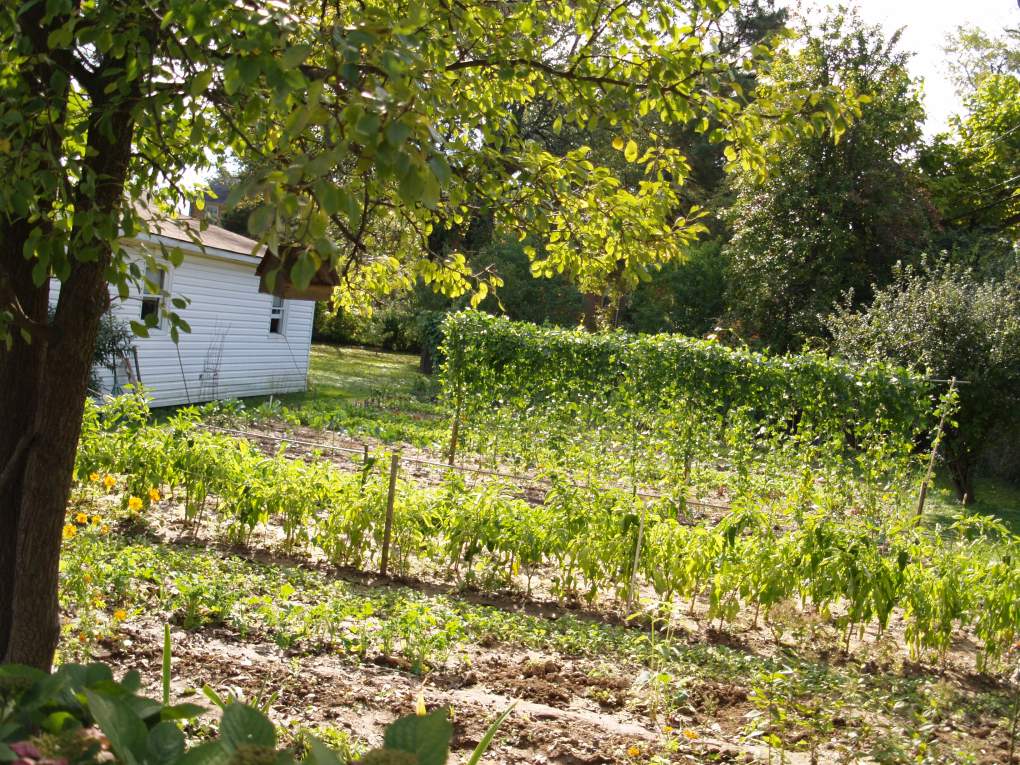
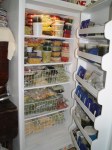
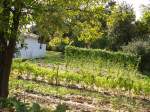
This wonderful couple whose garden we drive by every day was kind enough to let us photograph their vegetable garden and show us their harvest stores for the winter!  They have lived in Vienna for 50 years, raised five children and tend this really productive Victory Garden.  They live just off the town main street.  Looking at their assortment of frozen vegetables is an inspiration!


busy as a bee

“The keeping of bees is like the direction of sunbeams.”  Henry David Thoreau

Bees may be the most fascinating of God’s creatures… at least in our garden anyhow!  With beekeeping as with life, we never stop learning or as a one beekeeper, Michael Bush, said, “If you are not confused, you are not learning anything.”

At the beginning of August our strongest hive – kept at our local farmers – had lots of brood, bees and honey – probably 2 gallons in the super, which is why we left it – so they might fill it more.  Turns out the weather in Virginia has been hard on the bees this year…and today we went out to check on the hive and it was empty of all honey… all of it… every single last drop.  Gratefully there was still some brood, but not a lot and a good amount of bees, but the poor girls are literally living hand to mouth and could not have gone on long like that.

By some amazing circumstance  we brought one quart of sugar water with us – not really thinking we would need it – and  it is certainly not enough for this colony.  They will go through it all in one night.  But thank goodness we had some!

You see, September and early October  is a very important time for the bees.   The eggs the queen lays now will sustain the hive during the winter.  Winter bees are special little bees that are physiologically different than her spring and summer sisters.  Worker bees live for about 6 weeks in the summer, but the eggs laid in the next few weeks will grow into the winter bees which live for four to nine months, warming the hive in the cold winter months and tending and caring for the hive through spring.

Needless to say, we are now busy as bees making lots and lots sugar syrup … which as a student of holistic nutrition is very against my grain, but then again

“The pedigree of honey
Does not concern the bee;
A clover, any time, to him
Is aristocracy.”
Emily Dickinson

OLYMPUS DIGITAL CAMERA

Labor Day Weekend 2013
Shenandoah National Forest


seasonal eating

seasonal eating

It is a struggle in a prepackaged world with jets and ocean liners bringing everything we can possibly desire from the four corners of the globe right into our little community.  Whereas the local harvest is selected at the peak of ripeness, it’s conventional counterparts are picked well before maturity and prior to maximal development of nutrition and flavor.

Calorie per calorie seasonal local produce outmatches its conventional cousins in nutrient density – and that’s just for starters.  This nutrient density is essential for vibrant optimal health.

Seasonal eating is a subtle ~  and to be honest – difficult at times – asceticism yielding patience.  The satisfaction of what nourishes us presently, along with the patience of the anticipation of the delicious nourishing foods of the next season…It is the patience that a connectedness to our landscape fosters.  At the moment our table is laden with lots of squashes, broccoli, cabbages, cauliflower and beets.

Despite cool weather, winter gardens can yield a bounty!!   They are also a traditional way to add sustainability and some distance from the industrial food chain into ones diet!

Plotting a little Victory Garden in your back yard is easier than you might think!

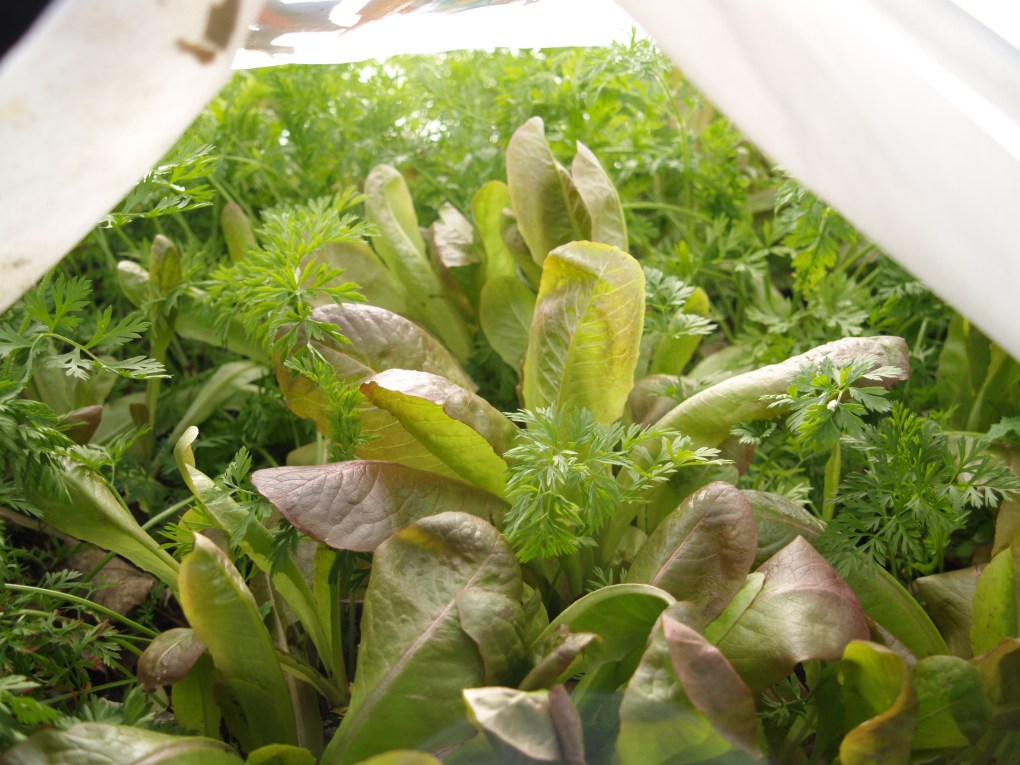
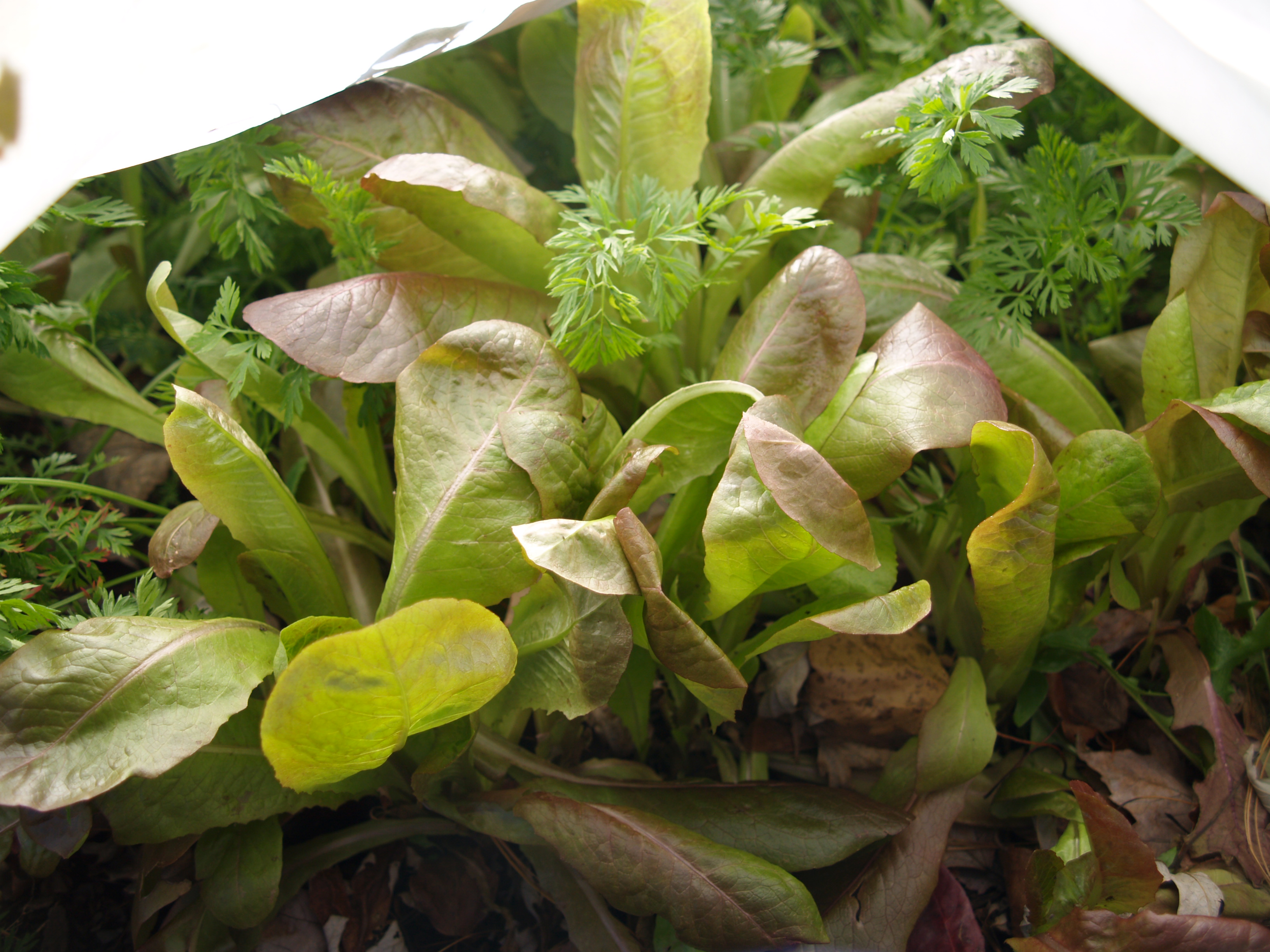
Although it is January in Virginia, there are kale, lettuces, carrots and fennel growing quite nicely in this Victory garden!  Not quite enough to feed the entire family, but a great supplement to our meals!

victory garden – under cover – winter carrots and lettuces

victory garden – under cover – winter carrots and lettuces

Our eggs, meat and dairy are local, all within 300 miles of home.  With the help of a little Victory Garden, local Winter CSA’s and our community market, enjoying the bounty of our local food shed despite winters chill, is a reality.

Depending where you live, winter is likely a time of scarcity.  When unable to find food from your own state, try to stay as close to your own geography as possible.  Our first choice is from our tri-state area, and we venture out from there, trying to stick with the eastern seaboard.  That said, if we want oranges, we chose those grown in Florida rather than California.

Once we tire of our winter vegetables which are remarkably sweet if you can rustle them up locally, the harvest will be over, and we will again begin to savor the first spring vegetables – which cleanse the body and coincide with the beginnings of Great Lent ~ which cleanses the body and the soul.

Whole foods and seasonal eating ~ good for the local farmers, our pastoral responsibilities to our land and the nourishment of our bodies…

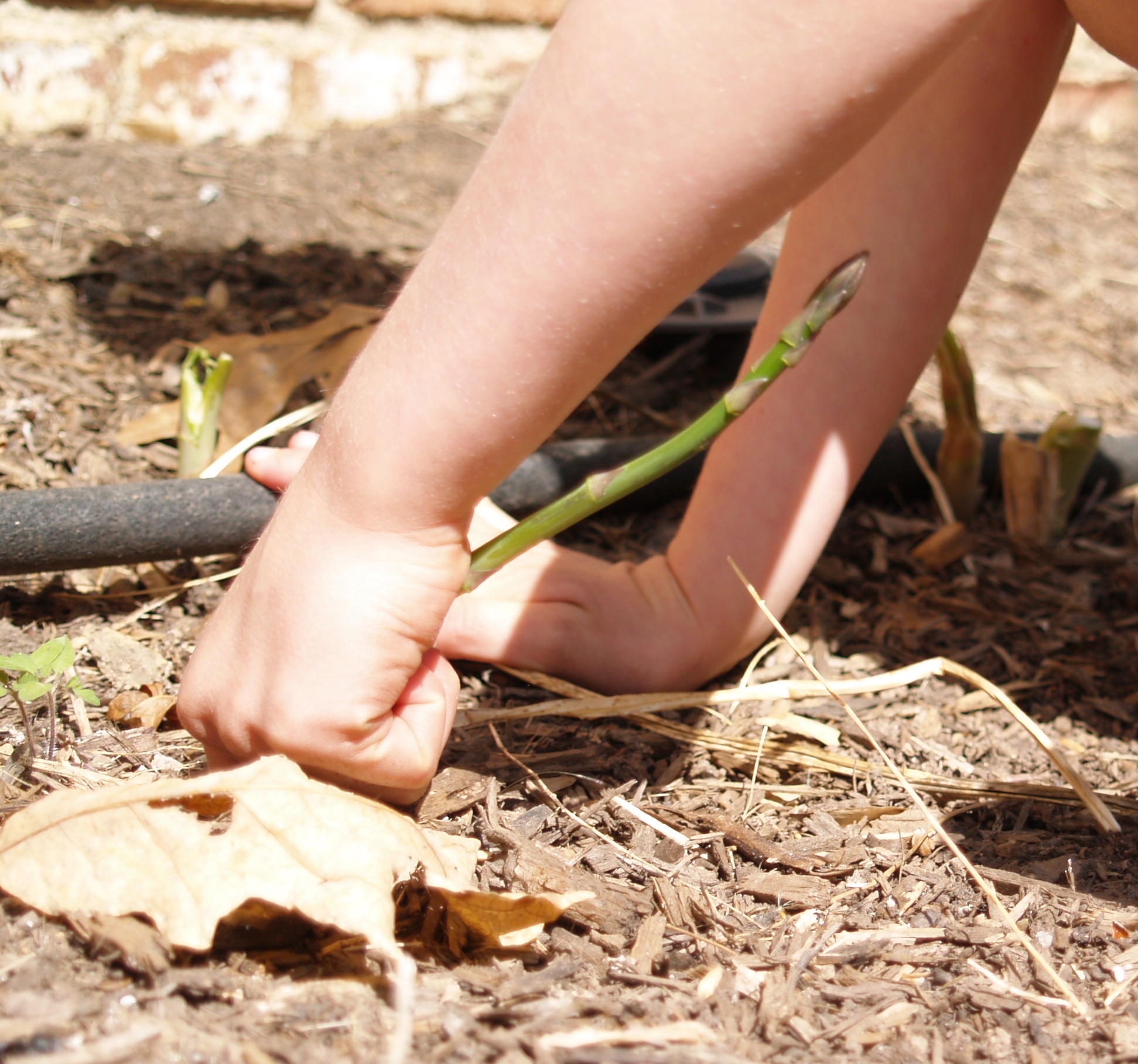
tiny hands with an asparagus snack

tiny hands with an asparagus snack


reprinted – originally posted January 2013


edible-fall

seasonal eating ~ edible-fall

Today there is a resurgence of folks trying to eat within the boundaries of their local geography and with good reason : local, seasonal food, prepared and eaten properly supports vibrant health and energy and is sustainable for the earth.  The thing is, it’s easier to accomplish during the long warm days of summer – when the harvest is plentiful and bringing it to the table is as simple as a trip to the farmer’s market, local market or your own backyard.

Seasonal cooking takes effort but with an adventuresome palette – a willingness to experiment – you can make your meals a seasonal thanksgiving of your landscapes harvest.  It’s simpler than you might think!

In our area of the mid-atlantic, the early days of September have already begun to melt away the lingering rays of a hot and lazy summer.  The fresh morning chill settles in overnight heralding the first days of autumn.  Waxing and waning…. it all blends together, these seasonal changes.  Those last warm days of summer are actually the first cool days of autumn. and with that our Indian Summer ushers in a whole new variety of possibilities at the farmers market.

Garner's Produce 2013


In these past few weeks, hearty fall vegetables have made their annual debut, and their rich unpretentious earthy colors are a prelude to same colorful beauty our eastern forests display in their show of fall leaves –  just before they shed to adorn the forest floor.

Foods in your local season, tend to support your wellness in that season.  Fall foods are warming foods.  Produce that matures in cooler months generally contain more calories than their summer counter-parts, and come with their own complement of nutrients.  By helping our bodies acclimate to our regional weather, they perpetuate our health and may help prevent frequent seasonal ailments.

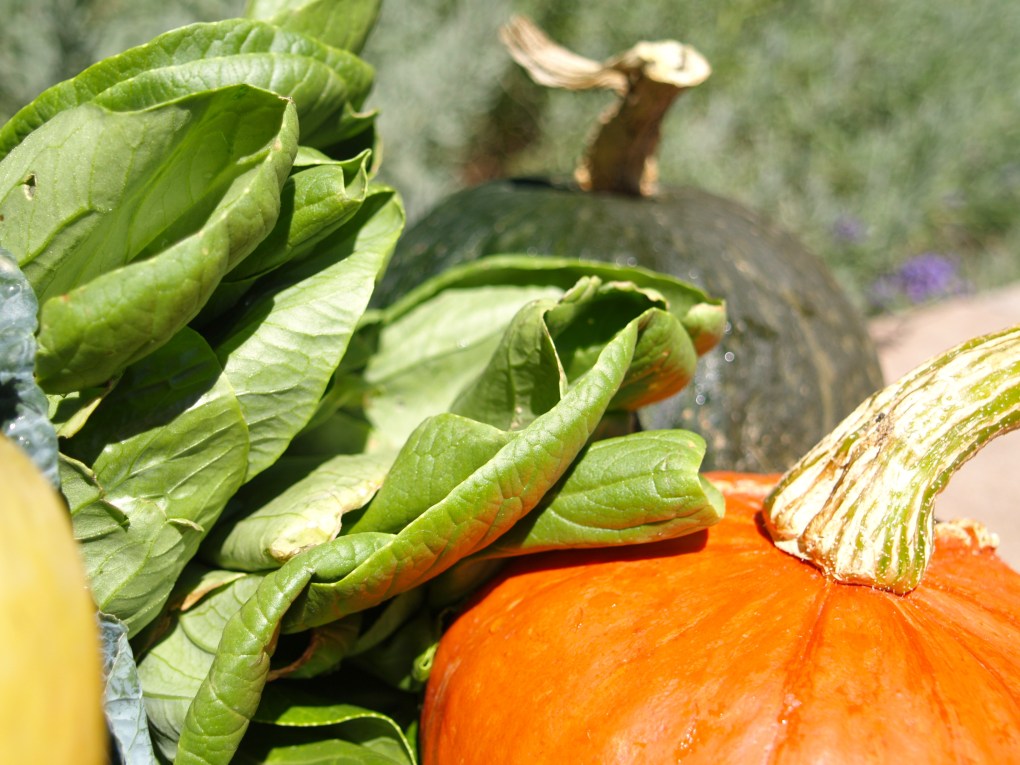
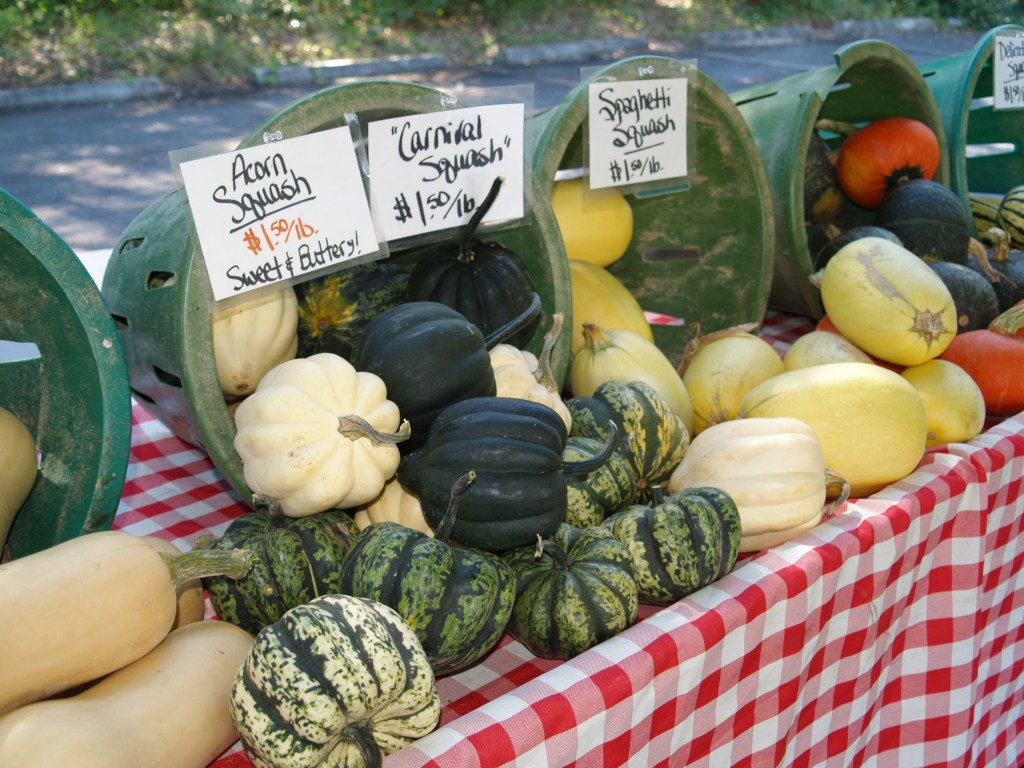
So here they are, the first butternut squashes, oddly colored and shaped gourds, beets and of course – the fall favorite – pumpkins,  all emerging at the farmer’s market.

first fall 2013 squashes and gourds - Garners Produce

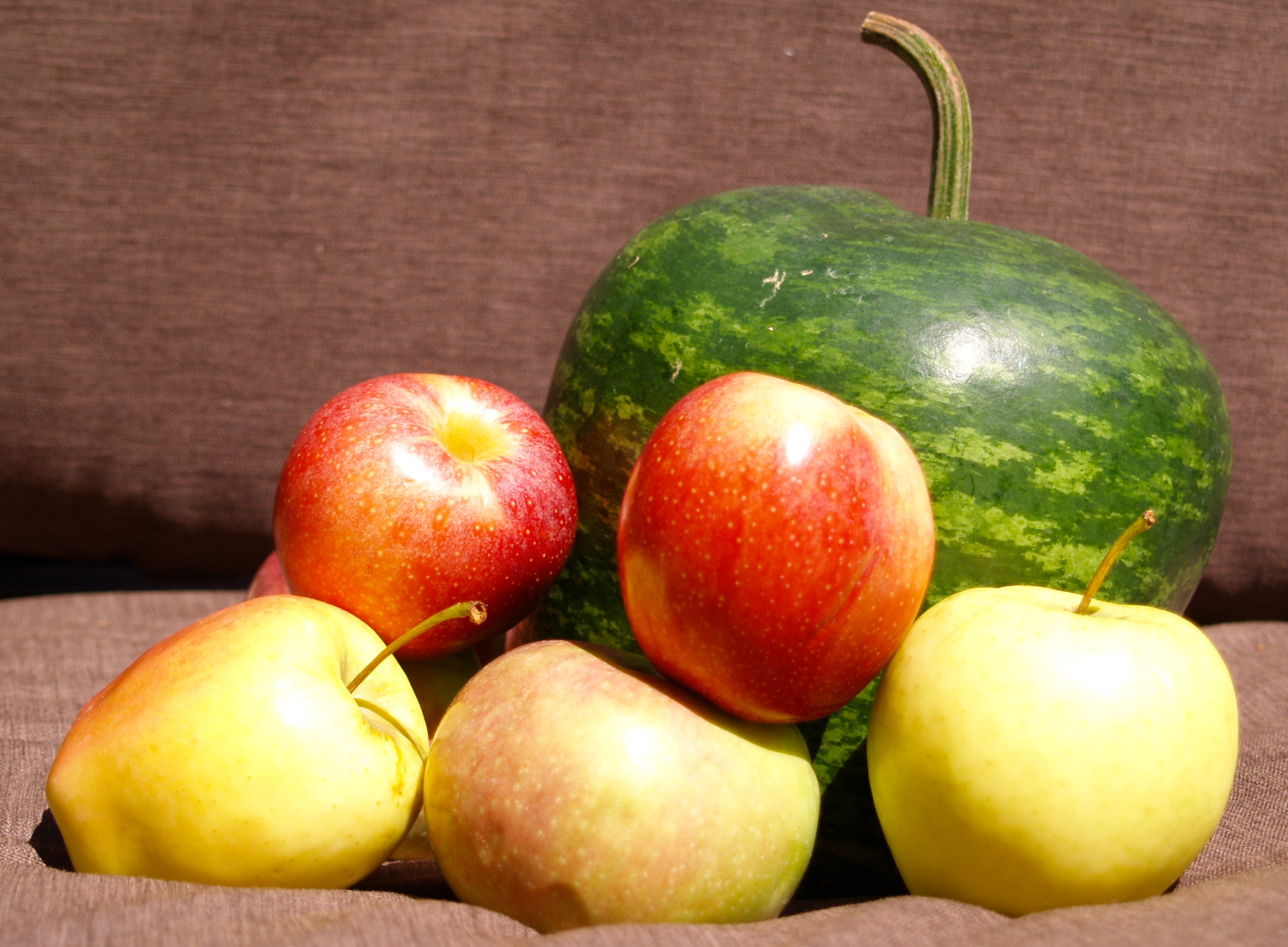
Virginia and West Virgnia is apple country, and those too are sure not to disappoint – especially not the heirloom varieties that farmers are lovingly resurrecting for locals hungry for real food!


fall 2013 Virginia apples - except for the really big one which is an apple gourd...

fall 2013 Virginia apples – except for the really big one which is an apple gourd…


As the weather changes, so to does our pantry… and a well-stocked pantry is the only way we’ve found to cook with ease at home.  Posts in the upcoming weeks will include stocking our fall pantries with a few basics, to make this seasons cooking simple and easy.

Our favorite food of the season is soup… the backbone of which is broth and that simple humble and nourishing broth is the perfect canvas to highlight so many of the glorious foods of autumn.  And that is the feature future posts – broth and soups and stews!