“When we truly love Christ, we will cling to His neck; we will embrace His feet. If there is something troubling our soul, and as human beings we fall we should say, “Help me my Christ; strengthen me; enlighten me; bestow more faith upon me; grant me prudence; grant me obedience.” The soul will seek after these things because it desires salvation.”
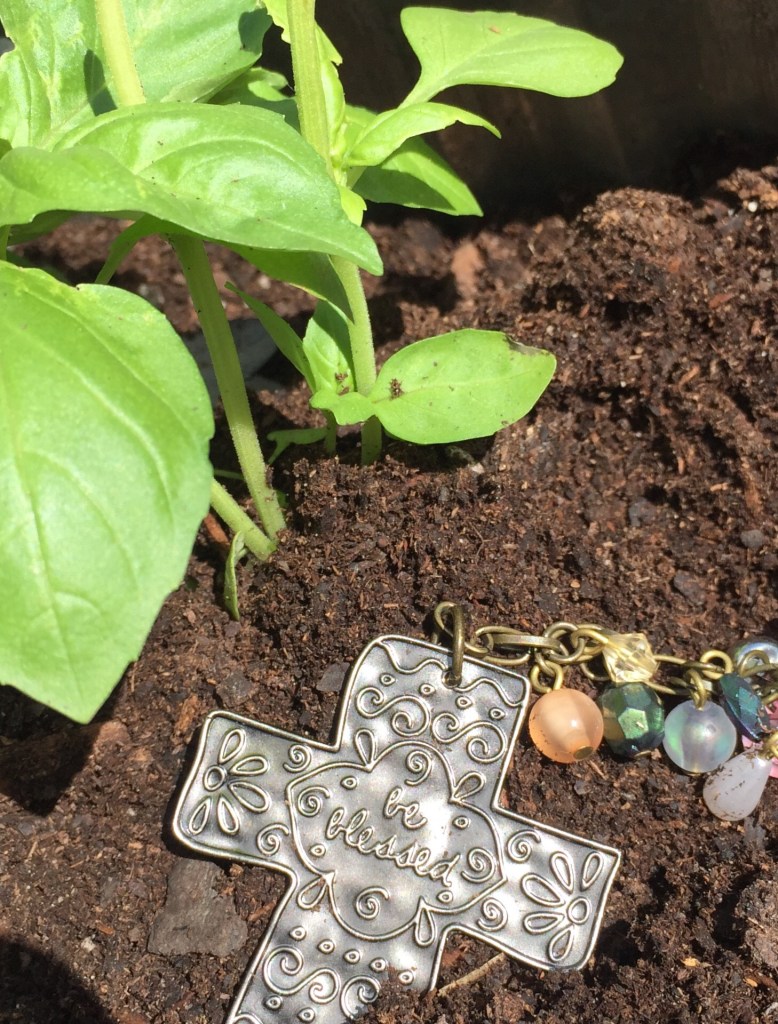
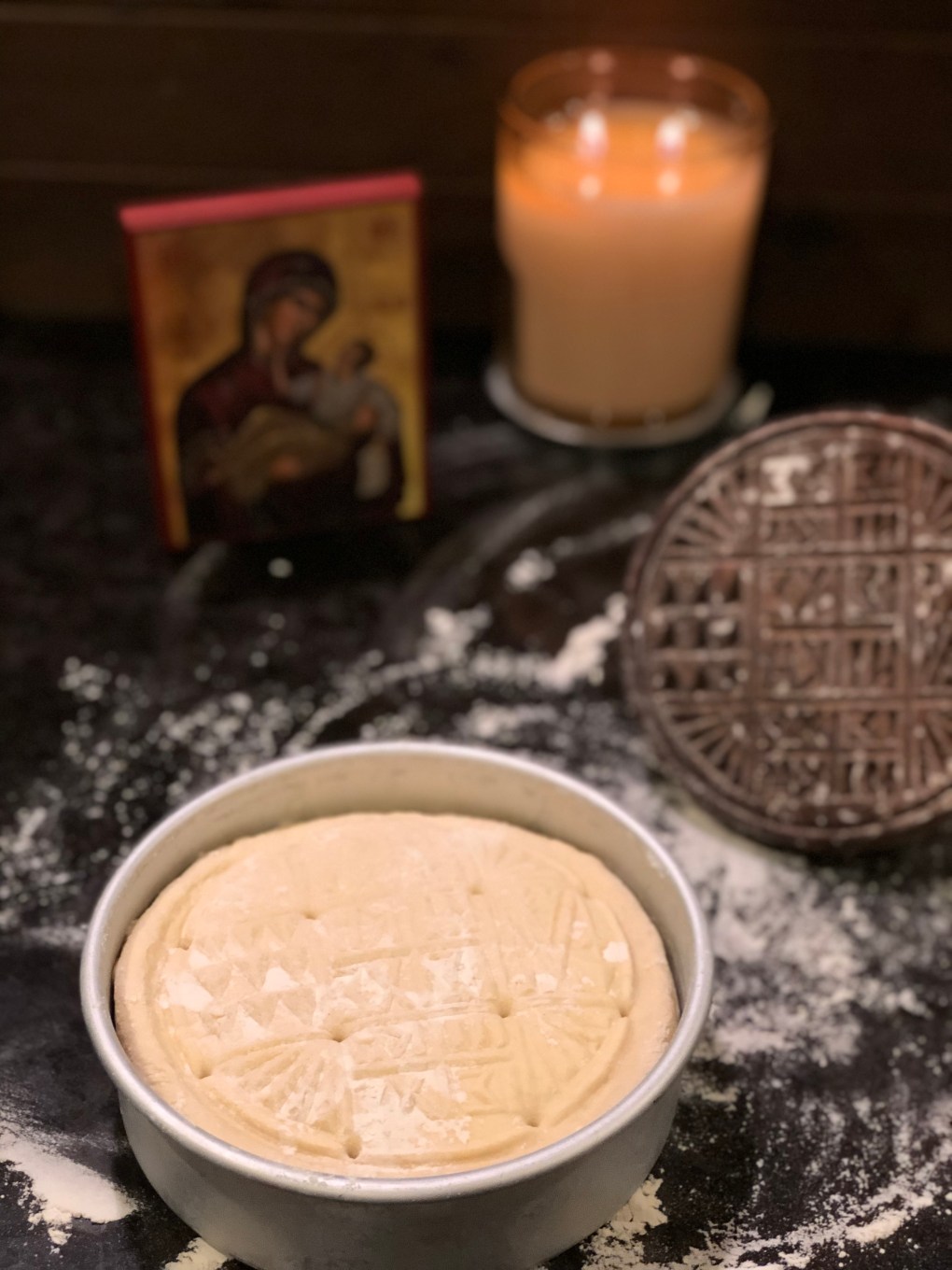
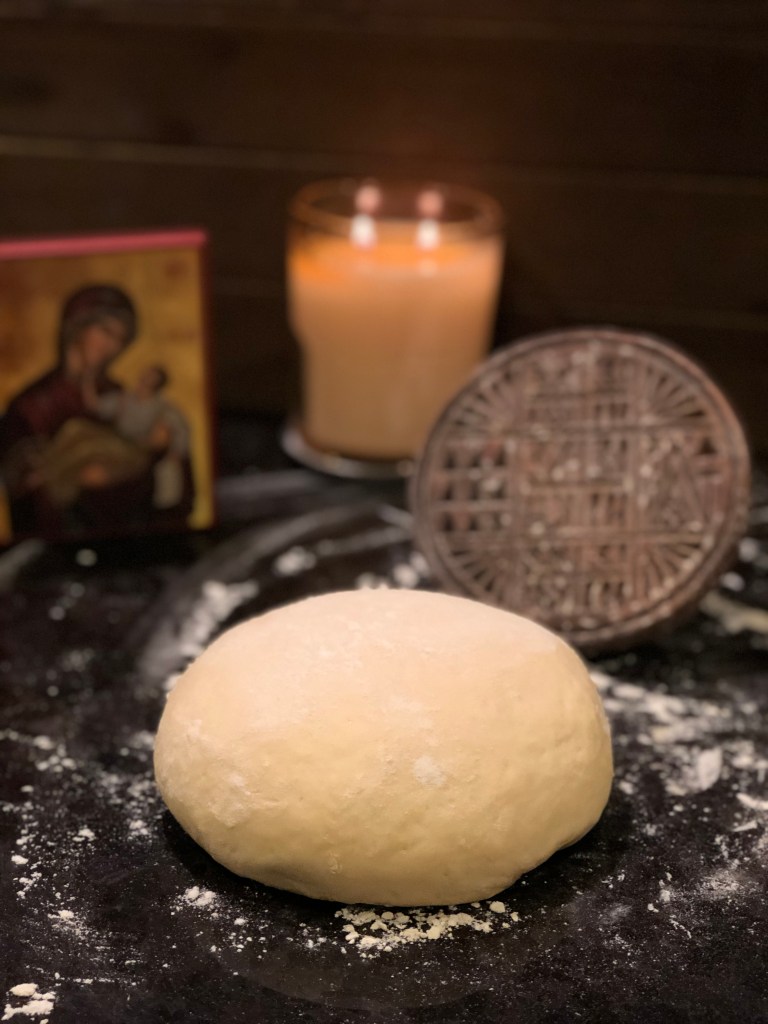
Traditional Prosphora is made using a natural leaven. It is not with a commercial yeast but a slower rising sourdough starter. Traditionally, Greek Orthodox women make their sourdough starter around the Feast of the Elevation of the Cross, celebrated on September 14. The starter is called prozymi. In many Orthodox Churches, fresh basil is used to sprinkle Holy Water, a sprig of which is taken home and placed in the prozymi. If the prozymi is started around Pascha (Easter) then the mixture contains a handful of the flowers used to decorate the Epitaphios. This sourdough starter is then used for baking Prosphora – an offering – the bread we make for Communion.
“Concepts create idols, only wonder grasps anything.”
Saint Gregory of Nyssa
It’s been said that the elderly Orthodox women in Greece, if asked, will tell you that the transformation of the flour, water and basil or flowers into the prozymi occurs by Gods Grace alone, and well, that is entirely true… for that is our belief ~ that all life is a gift and sustained from a loving God.
This is a slower rhythm of life that sets time aside. When I read about these women – I am struck how are grounded are they in Christ – living within the seasonal rhythm of the Church, anchored but always anticipating the upcoming feasts and living and incorporating the faith into daily life.
Give us this day our daily bread. Laboring a sourdough, this wild yeast fermentation of the prozymi becomes an endeavor of trust and of creation – fashioned through a relationship with God. This becomes our offering- the prosphora – A simple, humbling endeavor, to place God above all, offering up our whole lives to Him.
It’s a wonderful rhythm to incorprate prozymi into your family traditions. It’s also a nice practice to bake the phosphora offering for the Divine Liturgy. If you have never done it, there are likely older ladies in your parish that would be more than willing to teach you. That is how I learned… the old ladies taught me.
Happy Feast of the Elevation of the Cross!
Basic Sourdough / Prozymi Starter
There are slight variations in every sourdough recipe, some call for rye flour, some call for adding a piece of fruit, like a plum or grape which has a little hint of white film -which is yeast and called the bloom, and others – like the Orthodox tradition call for adding our blessings from Church.
Timeframe about 1 week : There are some recipes that do an overnight prozymi, I found this way to produce a very active starter. I’ve had inconsistent results just starting my leaven the night before.
Prozymi Ingredients
1.Flour (any kind) water – non chlorinated
2.fresh basil, fresh organic plum or grapes (optional)
In a jar or bowl mix 2 cups of water and flour. Stir mixture vigorously. Add basil or fruit if using. Cover the mixture with a cheesecloth or any other porous material that lets the air circulate.
Store batter in a warm place in the 70-80 degree range. Visit the batter daily and stir it to distribute the yeast. After a few days you will notice some bubbles on the surface of the batter. The yeast is letting you know it is active.
Remember, your home is it’s own ecosystem. Every ecosystem has its own unique micro-organism communities – the ecosystem in your home plays a role in how slowly or quickly your batter will germinate. Once yeast activity is evident, strain out the fruit.
Add 1 or 2 tablespoons of flour to the mixture each day for three days. The batter will begin to thicken and rise. Add more water when necessary. By about day five your starter should be bubbly. With a clean spoon, remove about half the sourdough starter, if you compost you can throw it in your bin.
Stir in 1/2 cup flour and about 1/4 cup water. You now should have an active starter – cover it and leave it at room temperature until it has almost doubled. You can now expand the starter for baking bread or refrigerate it overnight and start expanding the next day.
Other Prozymi Resources and Phosphora Recipes
If you would like a recipe using the Prozymi the following links are just lovely
Tavola Mediterranea : I love this recipe and article because it is the authors first time baking the prosphora and her photographs are stunning
Prosphora Byzantine Style This is a video that also has a recipe link. It’s nice to have the visual especially if one has never made the phosphora.
Prosphora Recipes that use commercial yeast are here…
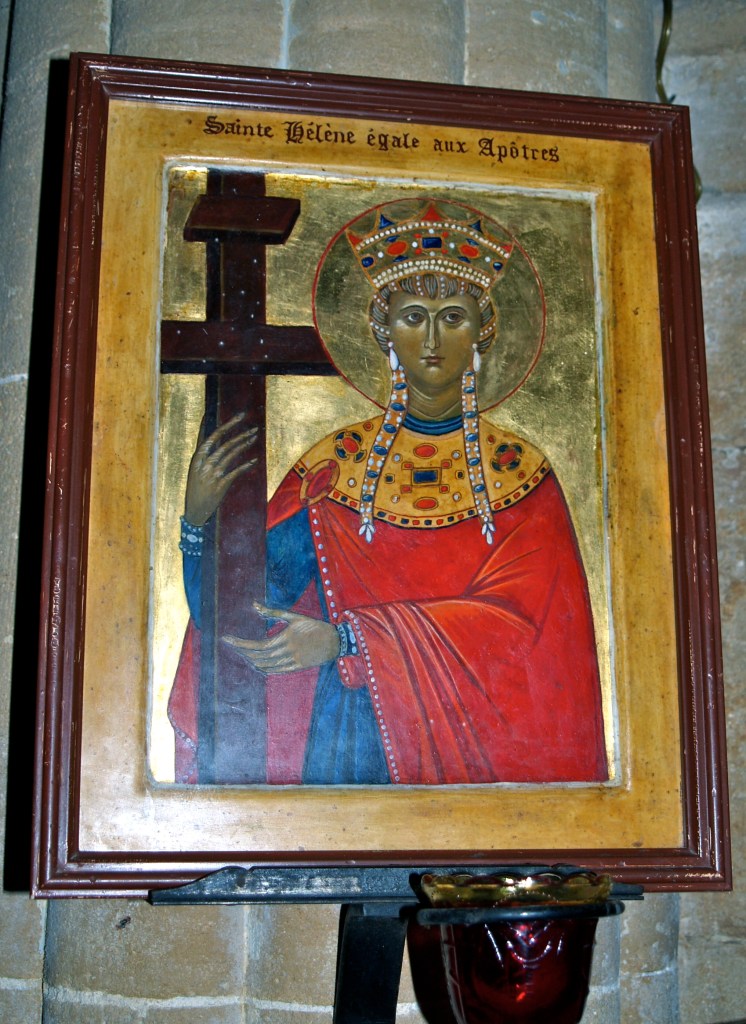
Tomorrow Orthodox Christians celebrated the Elevation of the Life Giving Cross. When commemorating the Life Giving Cross, we are also drawn to Saint Helen, a holy woman of Christ and the mother of Constantine the Great.
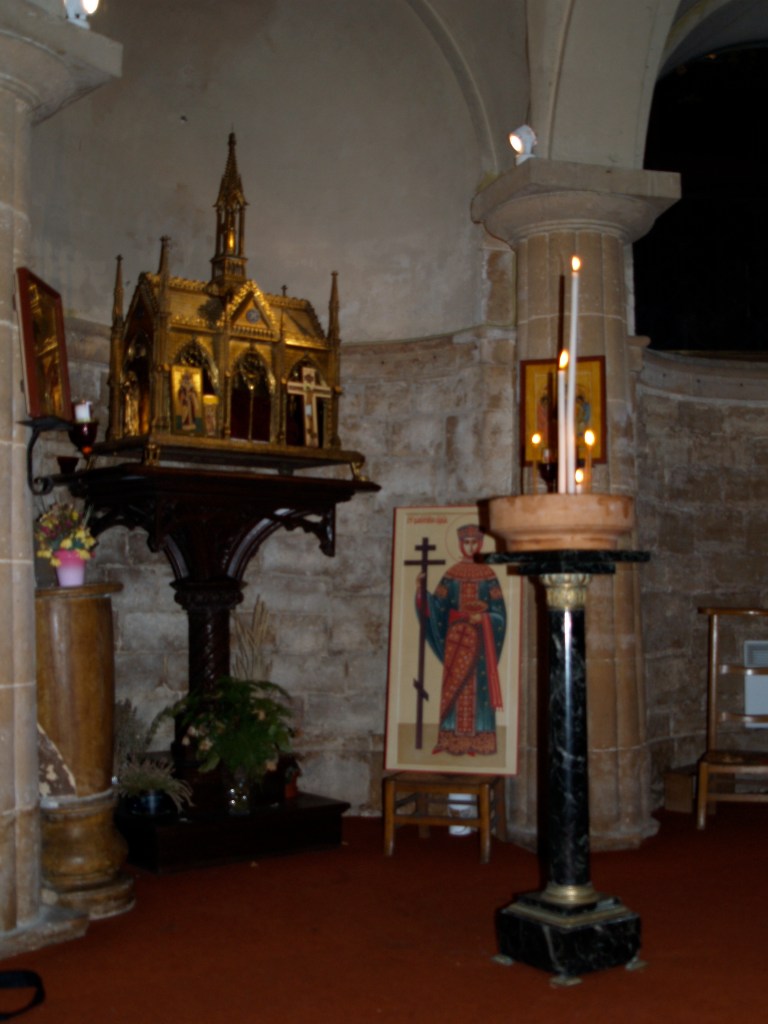
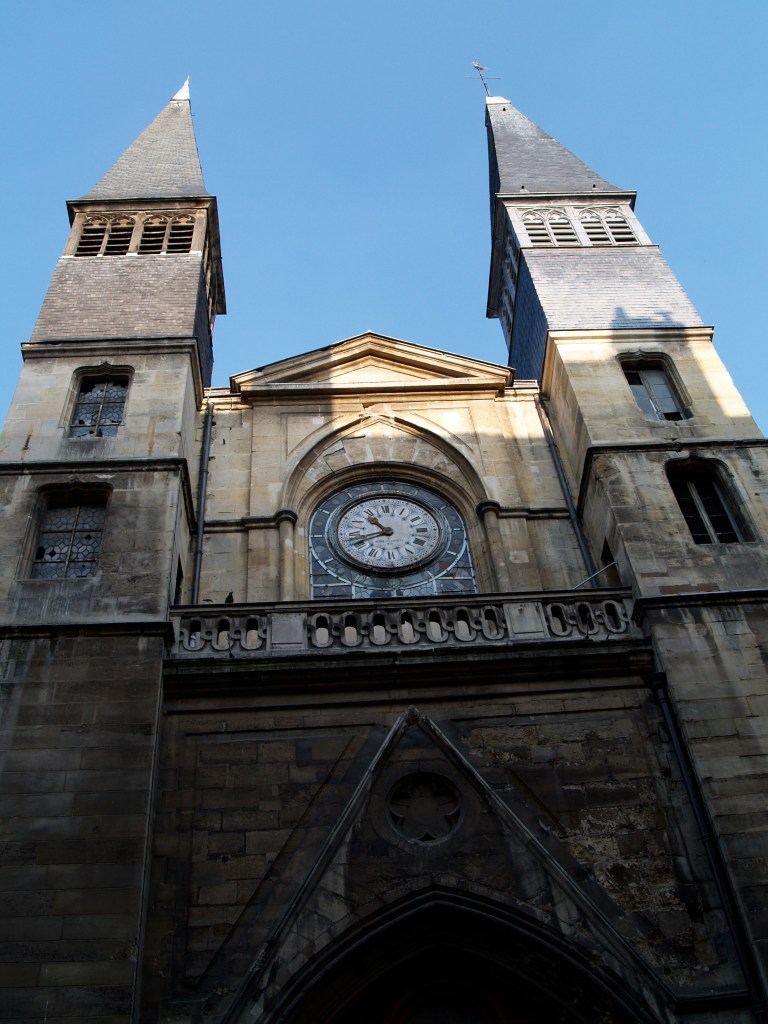
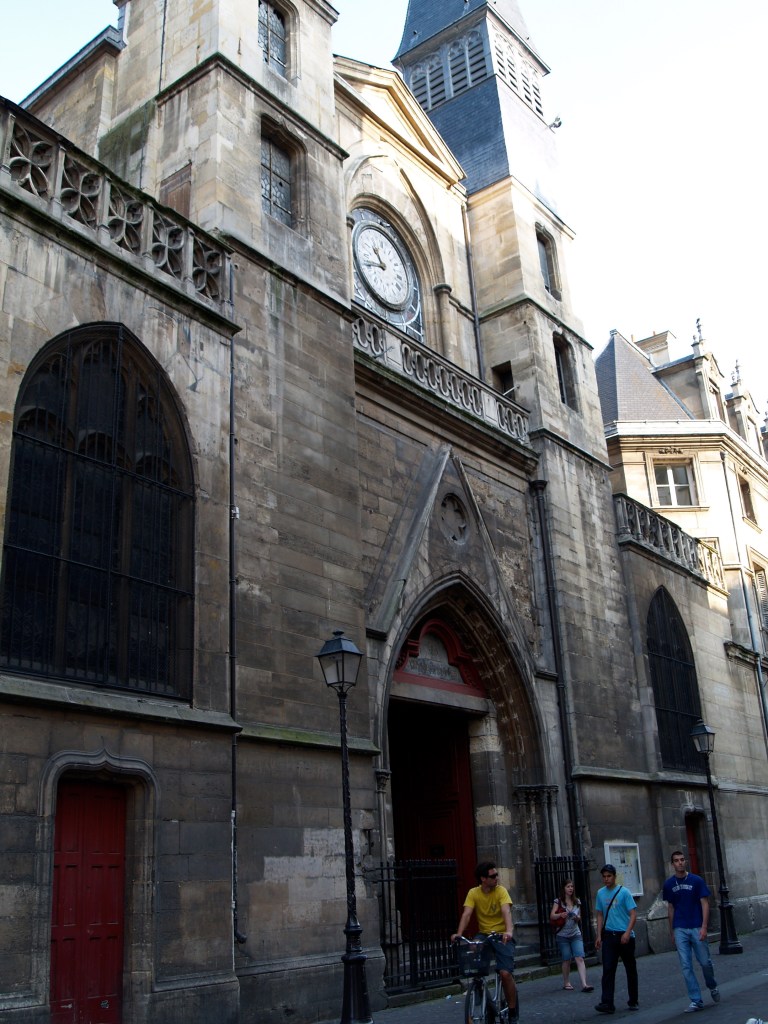
There is a rather unknown story about her, that maybe even most Orthodox Christians do not know, which is that most of her relics rest in Paris, in a cave beneath the altar of the Church of Saint Leu – Saint Gilles – an unknown Church on one of the worst streets in Paris.
I have always loved Paris. My husband travels there every year and we have often accompanied him. After years of having seen all the major tourist sites we began to seek out Orthodoxy in France – greatly encouraged by Saint John Maximovitch.
It turns out that Saint Helen’s first resting place was Rome and the translation of her relics to Paris is a remarkable story and speaks to a depth of Faith which allows for the Grace of God working in our lives – just as that depth of Faith and spiritual vision led Saint Helen, a woman with the faith of a child, to dig beneath sweet holy Basil to unearth the true Cross.
The story of her translation to Paris is that it was medieval times – during the 9th century – and a simple holy monk from France was in Rome. He was granted a revelation to take the relics of Saint Helen to his monastery. He was a humble man and he followed what God spoke to him.
This was not a planned informed ceremonial transfer. He just quietly took her relics – a.k.a. he swiped them. As you can imagine, when he brought her relics to his monastery of Hautvelliers he was not met with cheers but with surprise and disbelief. This is recorded in the chronicles of the monastery.
What the Abbot wanted to know first is whether this was fraudulent and second if the relics had actually been stolen, because if misappropriated relics were now in his monastery, his relationship with Rome would need some repair.
Word was sent to the Pope and indeed Saint Helen had been reported missing, not surprisingly from the time the monk claimed to have lifted them.
But what is striking of the story is that the Pope was a holy monk of Christ with a depth and vision of Faith. When he learned of the revelation and the miracles which dovetail Saint Helen’s journey to France, he stopped and he prayed.
Ultimately, instead of requesting their return to Rome he allowed for the will of God and Saint Helen.
He understood that in the history of salvation and of the Church, Saints have often chosen their own resting place. He was willing to allow for the Providence of God.
Similarly, the monastery Abbot was also a man of God and a righteous man. He tested the monk to be sure they had not been deceived. And so it is also recorded in the monastery chronicles that the monk underwent a test with a cauldron of boiling water. The humble monk willingly entered the boiling water. The Abbot only asked him to do it once and the monk emerged from the water, whole. Thus he demonstrated not only the sincerity of his faith to bear his Cross, but his devotion to the intercessions of Saint Helen and the truth of the revelation. Also, very importantly, it confirmed the integrity of the monastery.
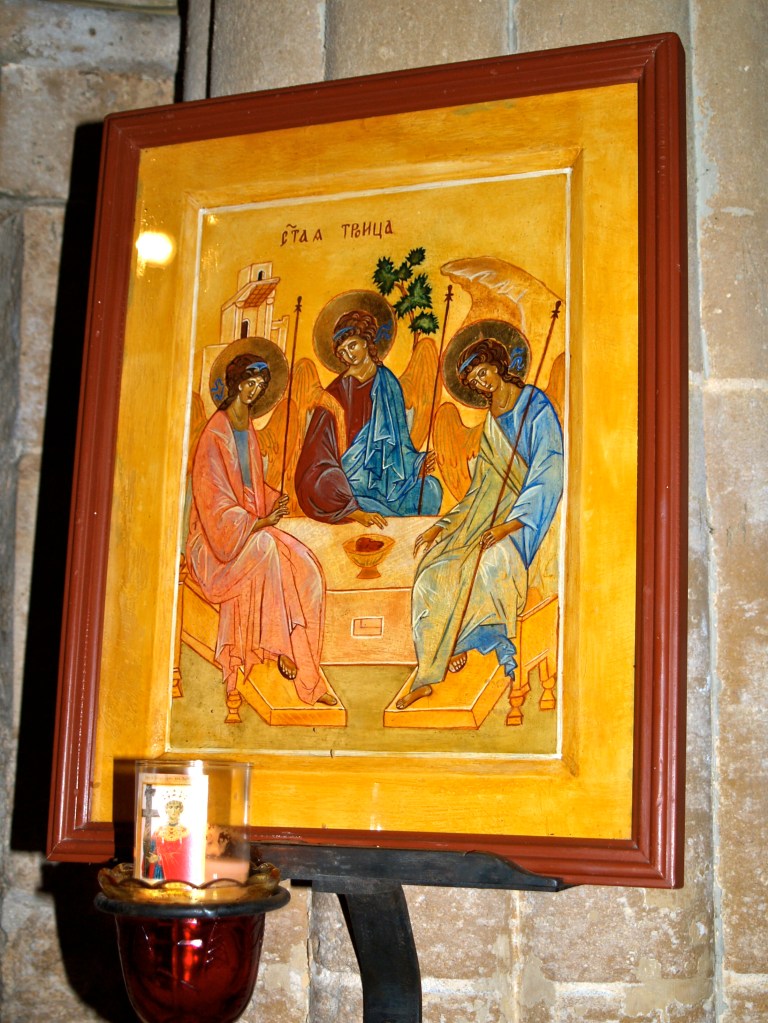
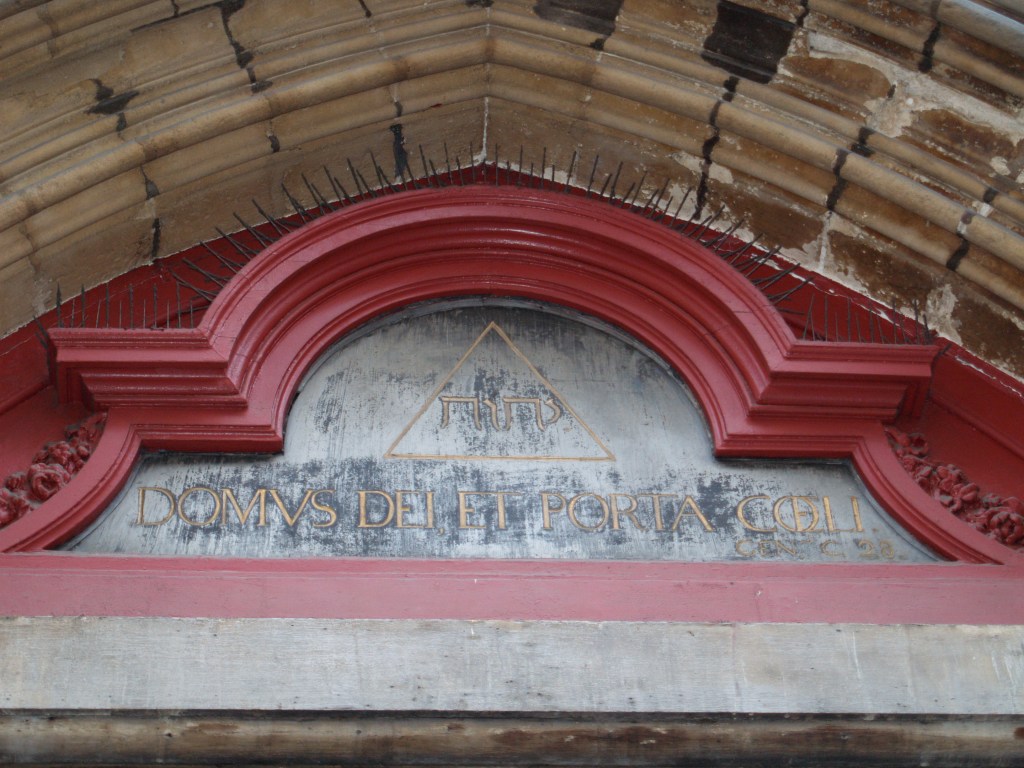
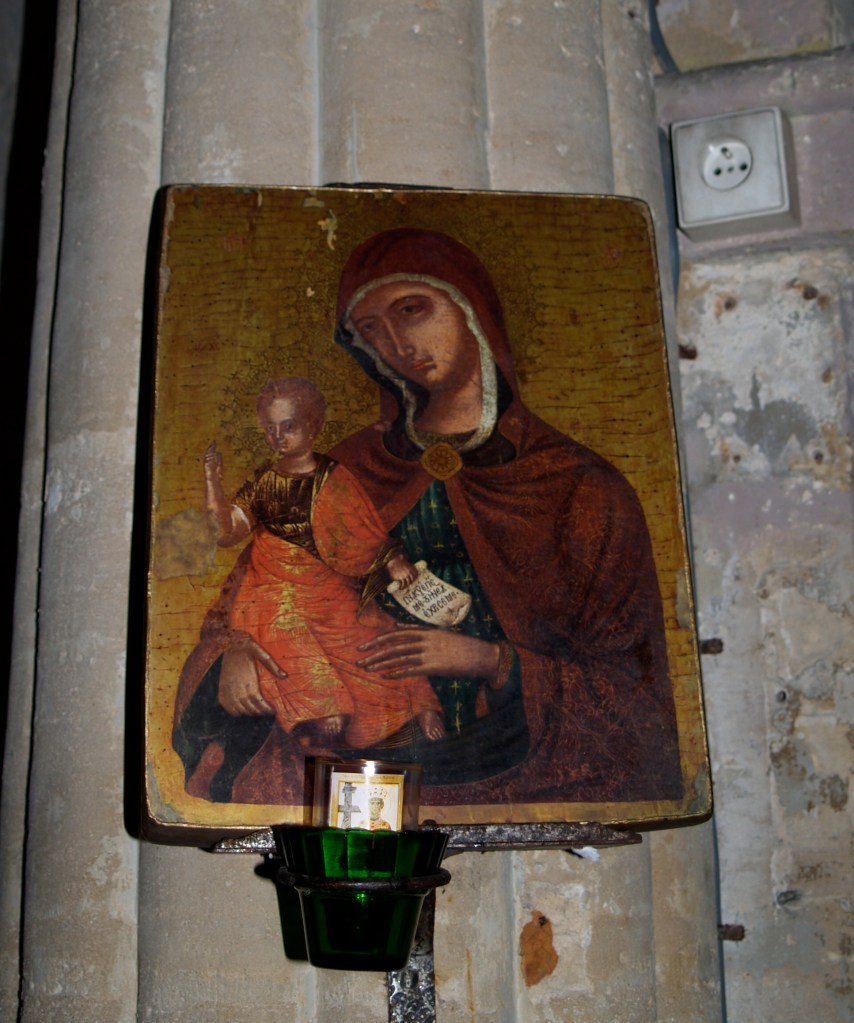
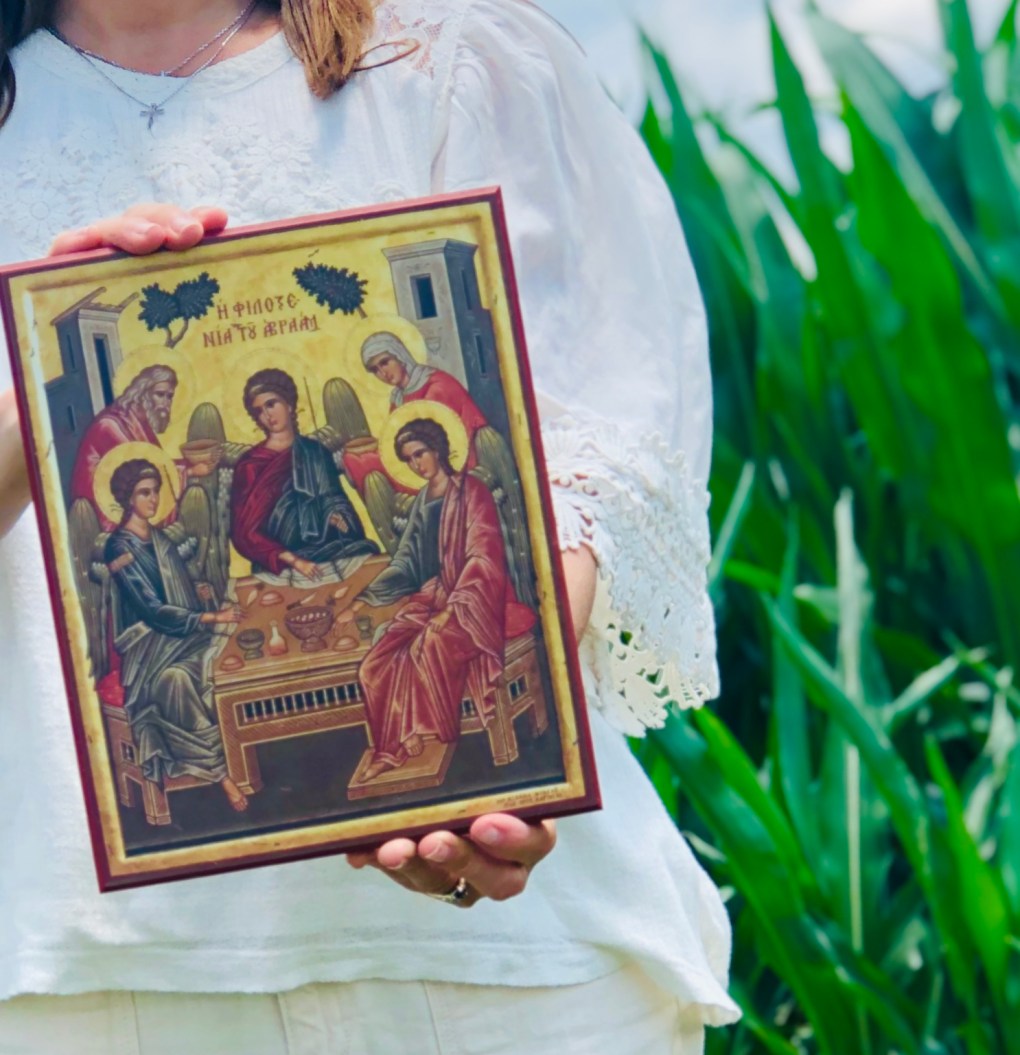
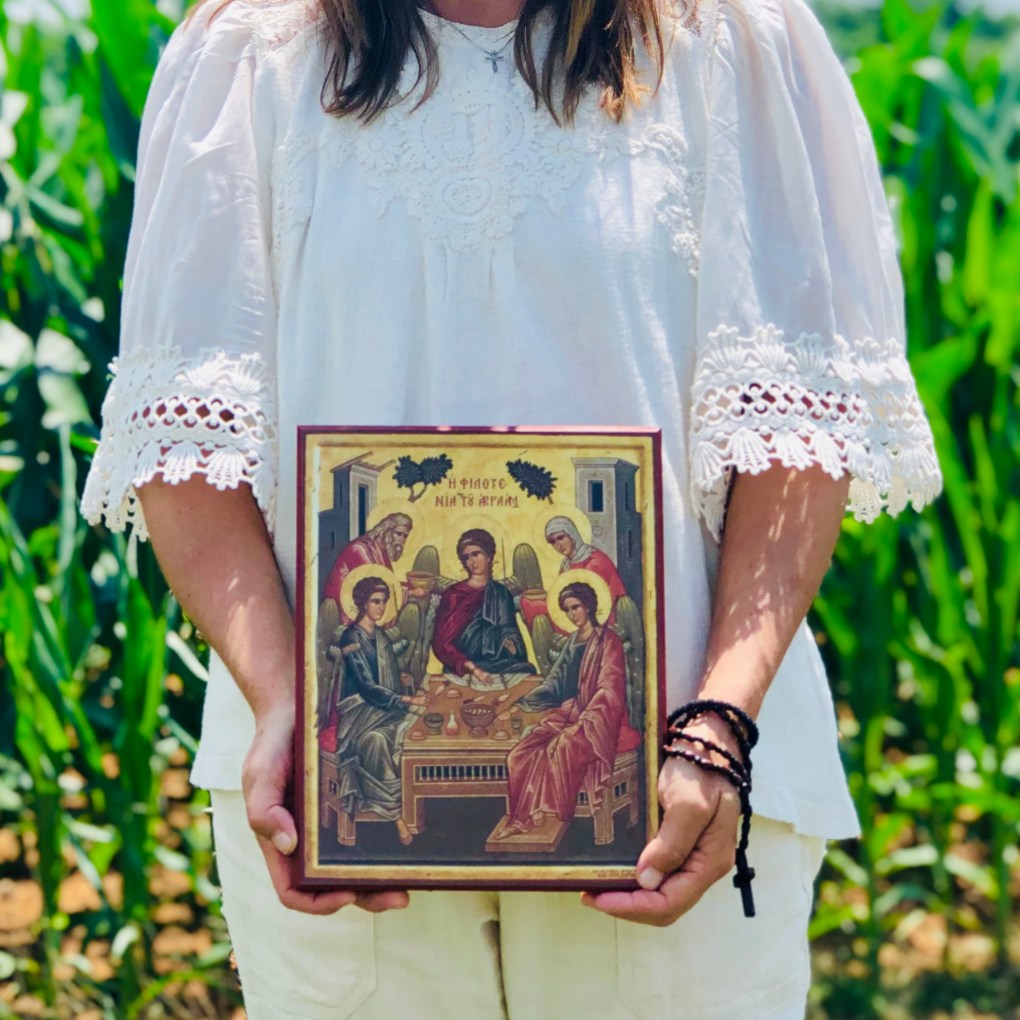
Of all the Churches in Paris we have visited, this Church was the most difficult to find – for the taxi driver too. It is a Catholic Chuch, and even within the Church Saint Helen’s relics are not apparent but rather hidden in the sanctuary. But that east meets west here is clear, for on the walls and in the cave are Byzantine icons of Saint Genevieve the patron Saint of Paris, Christ, Saint Symeon the Hospitality of Abraham and others.
We came to this Church in the early evening and after spending time with Saint Helen, we began to leave, except that a service was beginning. So, we decided to stay for what was likely Vespers, a Gladsome Light and just a little bit of a Byzantine current bringing life to the chanting. It was beautiful!
It was an article in Roads to Emmaus Journal where we learned of the history of Orthodoxy in France. In it a salient point is made, which is what would happen in the distracted age of today under such circumstances?
“The pope’s decision about St. Helen was similar; he saw God’s hand in it. Our century, undoubtedly, would proclaim, “Return! Punish!”
Probably the relics would be returned and the monk would be punished.”
It’s a consideration. Do we have the depth of Faith, not only to rightly worship (Orthodoxy) but to also allow for the Grace of God to work with the raw material of what is often the mess of peoples lives? Do we actually believe that God exists beyond the tidy order of our liturgics and rubrics and that like the Potter he completes the work He begins in the lives of His people (Philippians 1:6)?
The answers to these questions are deeply personal, and speak to the heart of our relationship with God (the Father Son and Holy Spirit). It is very often that we find God in the storm…
For more information about Orthodoxy in France, read this article from Roads to Emmaus journal.
O Lord, save Thy people and bless Thine inheritance!
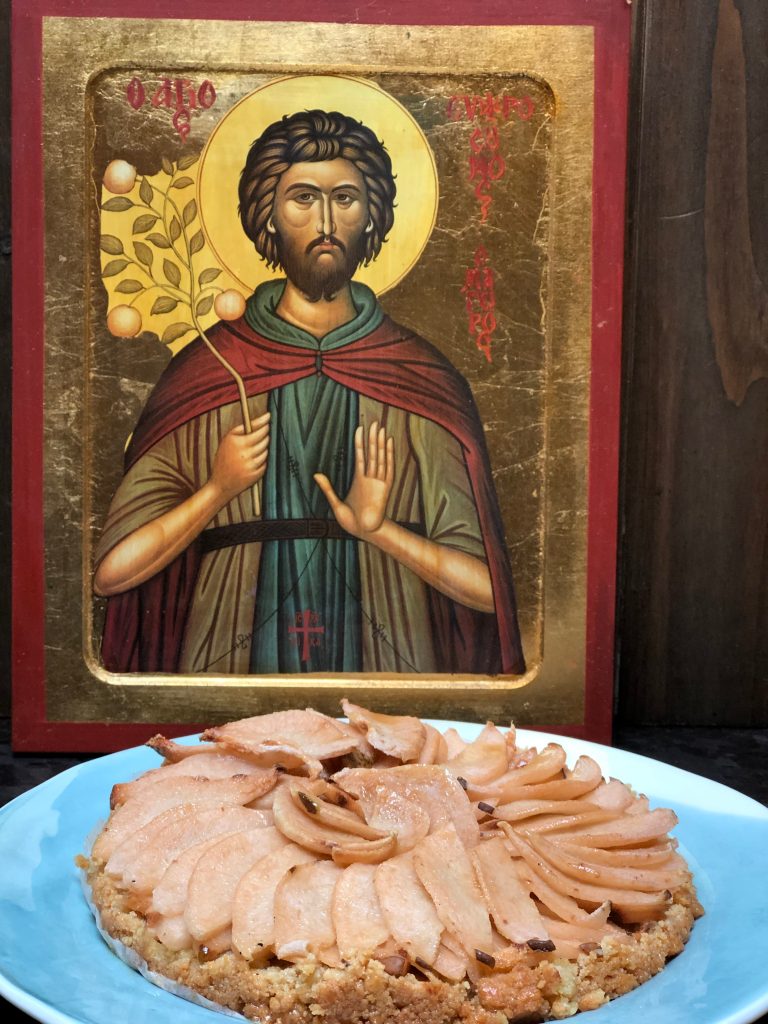
Euphrosynus was a simple man, but a man of God. He served as the cook in a monastery in the 9th century. One night, the spiritual father of this monastery saw himself in Paradise and saw Euphrosynus there as well. Euphrosynus picked and gave him three apples from Paradise. When the spiritual father awoke, he saw three unusually beautiful and fragrant apples by his pillow. He quickly found Euphrosynus and asked him “Where were you last night, brother?” ” I was where you were, father,” the blessed God-pleaser replied. The spiritual father then revealed the entire incident to the monks and all recognized the sanctity and godliness of Euphrosynus. But Euphrosynus, fearing the praise of men, immediately fled the monastery and hid in the wilderness, where he spend the remainder of his life.
The Prologue of Ohrid : September 11/24
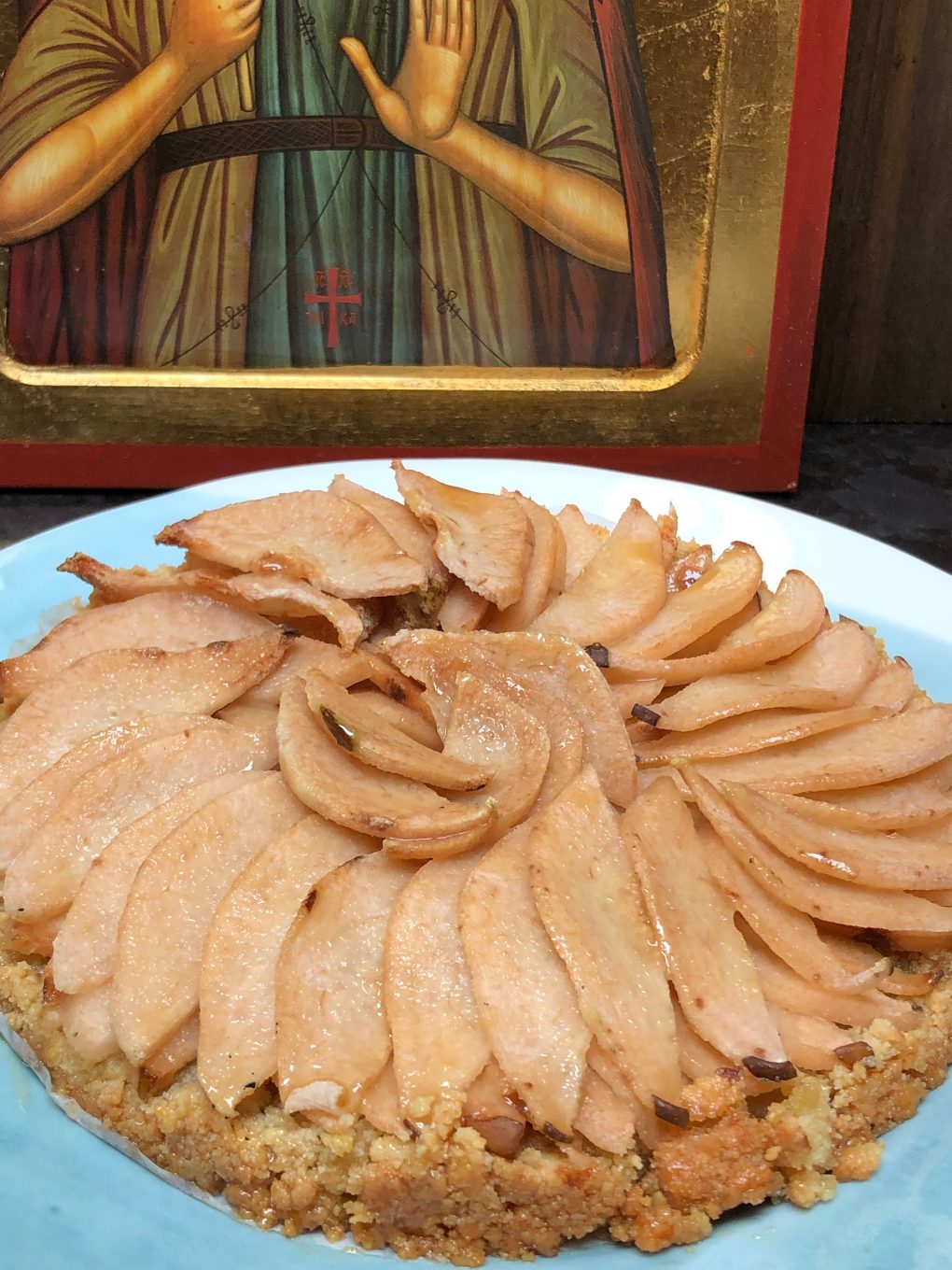
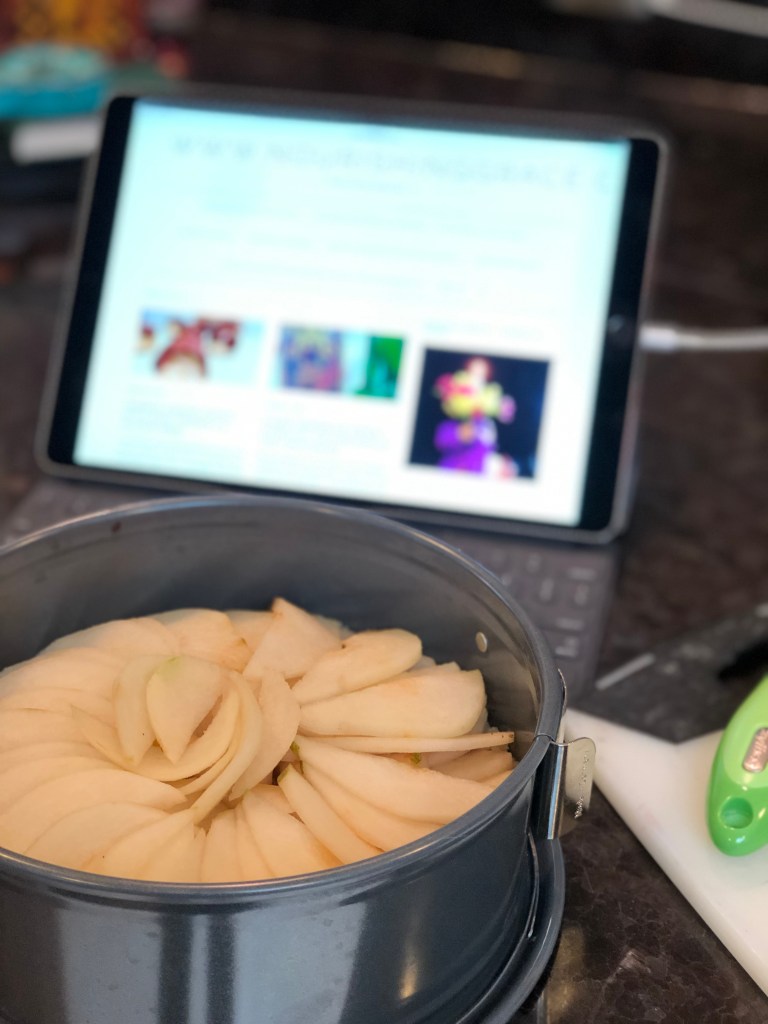
Almost everyone I know has an icon of Saint Euphrosynus in their kitchen… It’s become a tradition in some Orthodox circles – and most especially for anyone with kids, to pick apples, or make an apple treat on this day. Usually we bake a pie, but this year, I wanted to share this delicious apple tart with you – because we are almost totally gluten free now. The amazing thing to me is that the crust is actually simpler than making pie crust and it’s gluten free. It’s the favorite pie crust of my family these days.
Saint Euphrosynus is the Patron Saint of Cooks… and its a blessing to remember when we read about the lives of such humble Saints, that the food which sustains our very being is the Bread of Life. There is a quote by Father Schmemman that I love, and always made me feel good about being in the kitchen so much…
“Food is still treated with reverence. A meal is still a rite—the last “natural sacrament” of family and friendship, of life that is more than “eating” and “drinking.” To eat is still something more than to maintain bodily functions. People may not understand what that “something more” is, but they nonetheless desire to celebrate it. They are still hungry and thirsty for sacramental life.”
Father Alexander Schmemman
No matter how overflowing our plate or filled is our belly, the instatiable hunger of the soul is far greater than the hunger of the body. Fall is a great season for apples and apple pie is a major comfort food. As we eat with the Saints, we can remember that our ultimate comfort food is heavenly nourishment – the Eucharist – the Bread of Life – Living Water – the Sacraments – from which we will never hunger.
And when we make any food honoring the remembrance of a Saint, the true expression of that commemoration is when we gather with our family and talk about the Lord, about the Saint, about our Faith – or even to distribute it to the poor in your area, because where two or three are gathered, He is with us.
This is a tart that I really love. It is naturally sweetened, which by now most everyone knows that I try to reduce the sugar as much as possible in my recipes. If you would like a sweeter tart, feel free to sprinkle brown sugar on top, or you can make the caramel sauce to drizzle atop the tart before you eat.
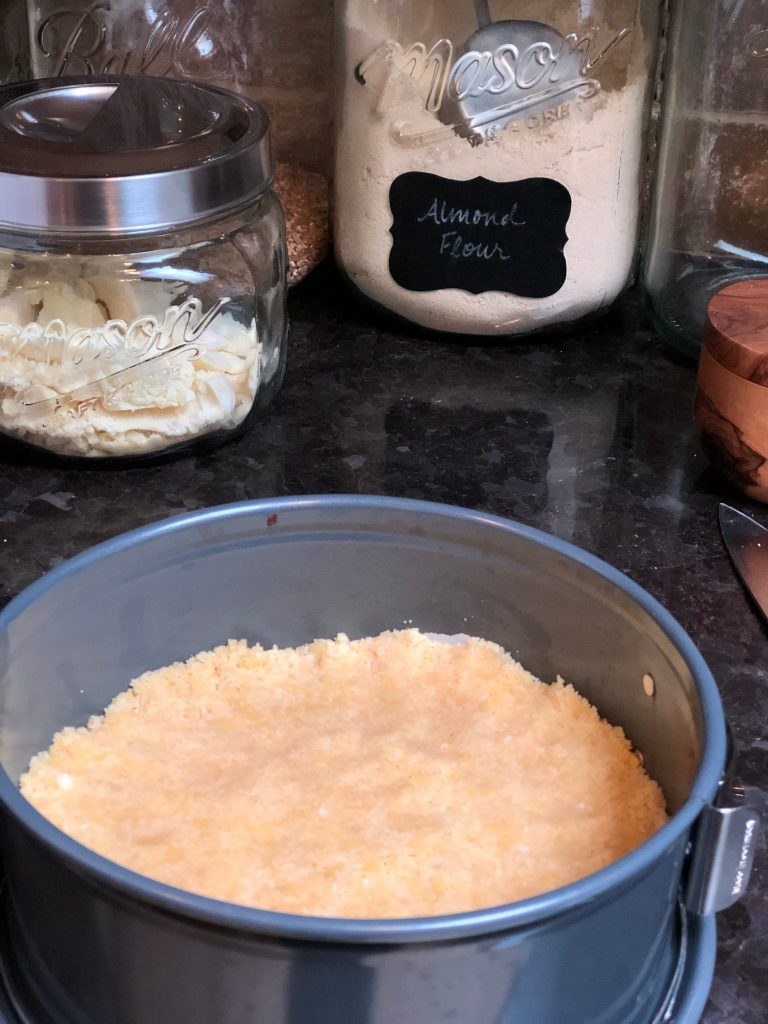
Place almond flour and salt in food processor and pulse briefly to incoporate
Add coconut oil and egg and pulse. The dough will form into a ball.
Press dough into a 9 inch tart pan. I use a pan with a removable bottom.
Peel and slice apple thinly.
Arrange apples and fan them out onto pie crust.
Sprinkle with brown sugar (optional).
Bake at 350 for 40 minutes. If you are using the brown sugar it will caramelize.
Notes: I can not take credit for recipes that are not my own. The crust is inspired by Elena’s Pantry and the caramel sauce is a Pioneer Woman favorite of mine, plus it is insanely easy and beyond delicious!!!!
If you would like to learn more about Saint Euphrosynus the Cook here are some amazing resources:
“Love Christ and put nothing before His Love. He is joy, He is life, He is light. Christ is Everything. He is the ultimate desire, He is everything. Everything beautiful is in Christ.”
Saint Porphyrios : Wounded By Love
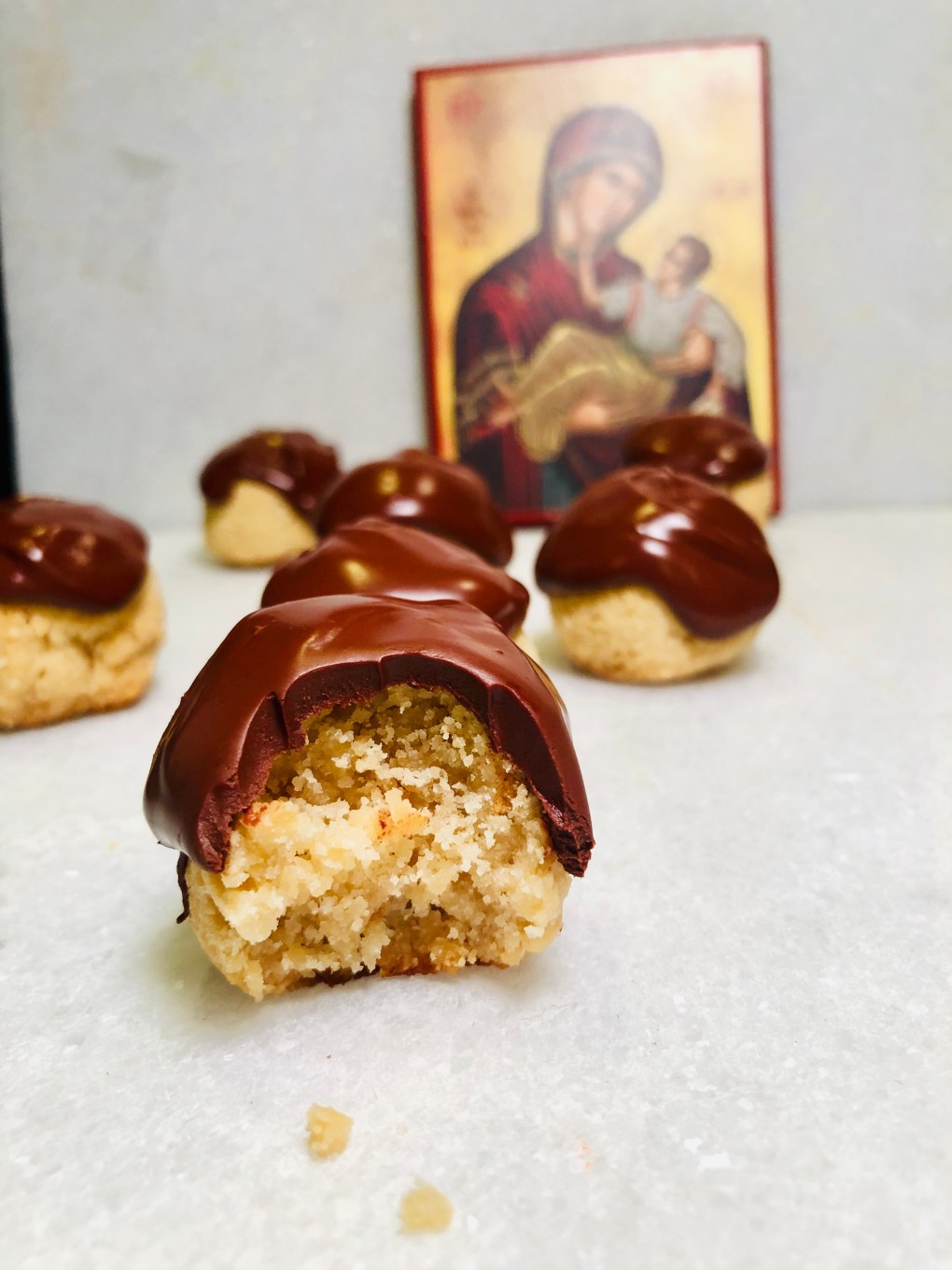
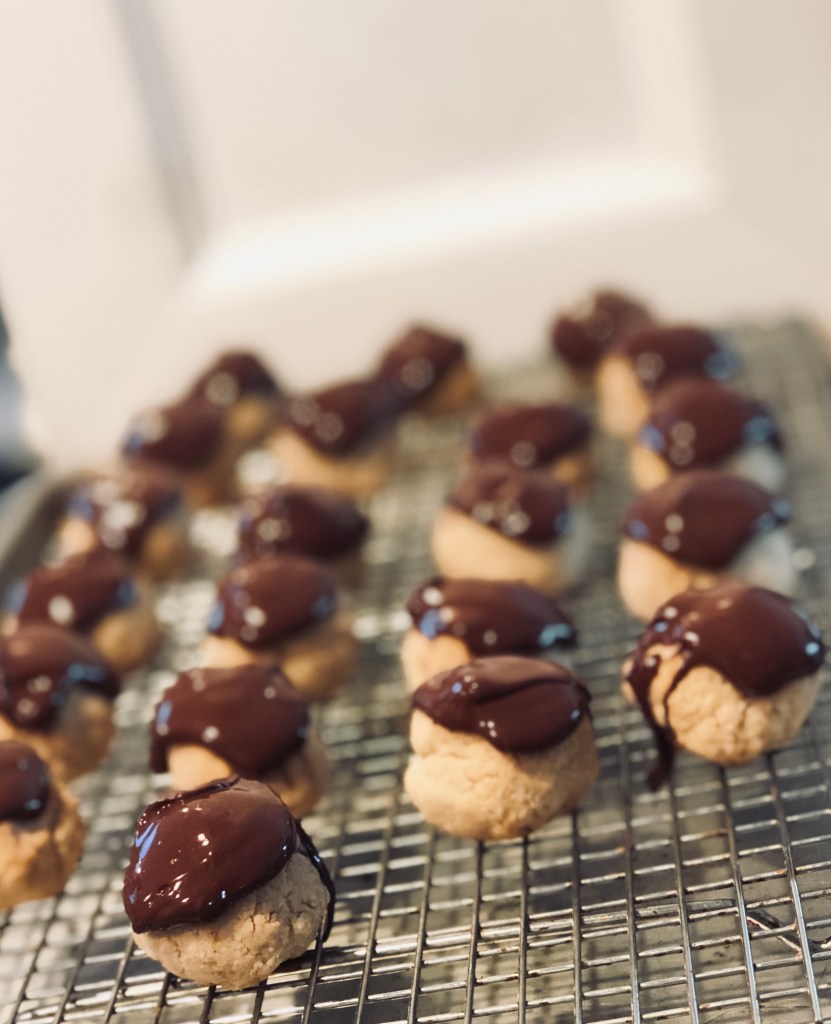
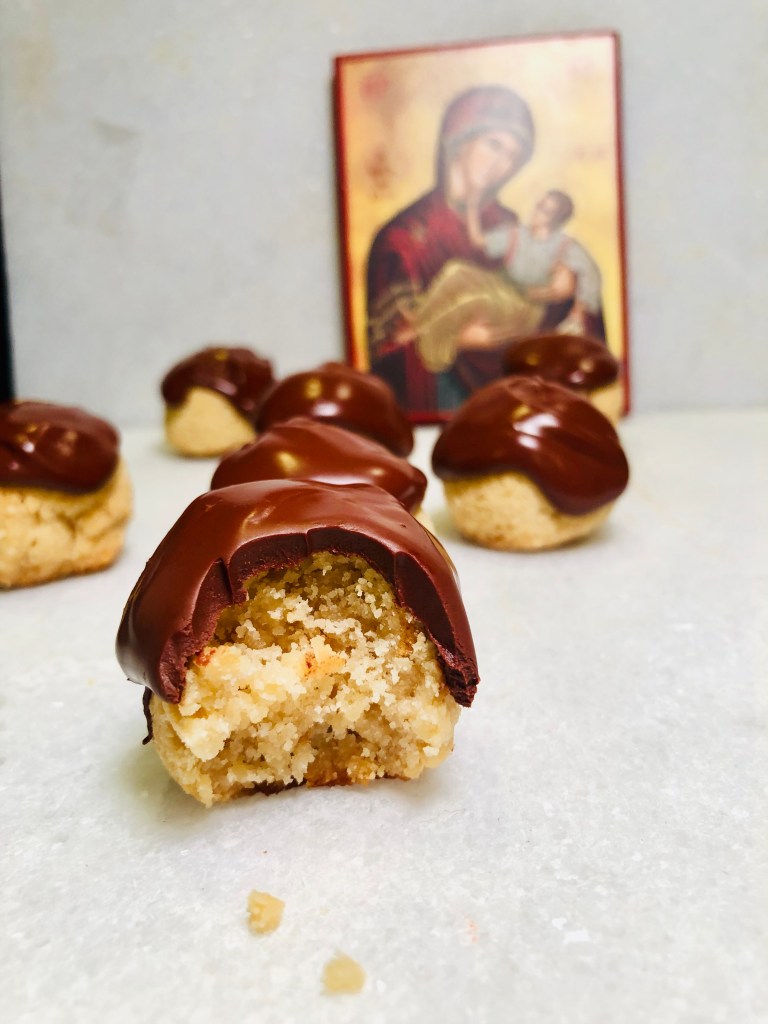
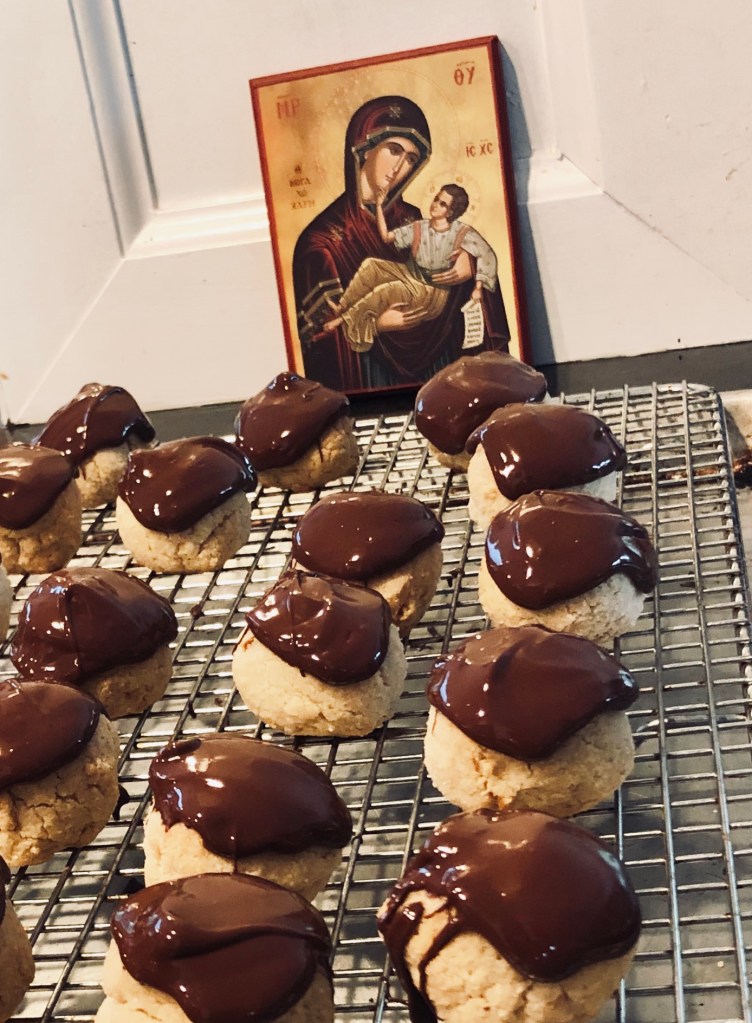
These super easy cookies are a tangy delicious treat, and a great addition to the kids lunch. Gluten-free and and naturally sweetened, they are a cinch to make and can be enjoyed baked or raw. The basic cookie dough is a riff off of my lemon zest cookies.
Mix all ingredients in food processor and blend until a paste forms. Scoop out dough and shape into balls about one inch in diameter. Place on parchment lined cookie sheet.
Bake in 250F oven for twenty minutes. Take cookies out and let cool about 20 minutes. Place chocolate chips in a double boiler and melt. Drizzle over cookies. Makes about 30 little cookies.
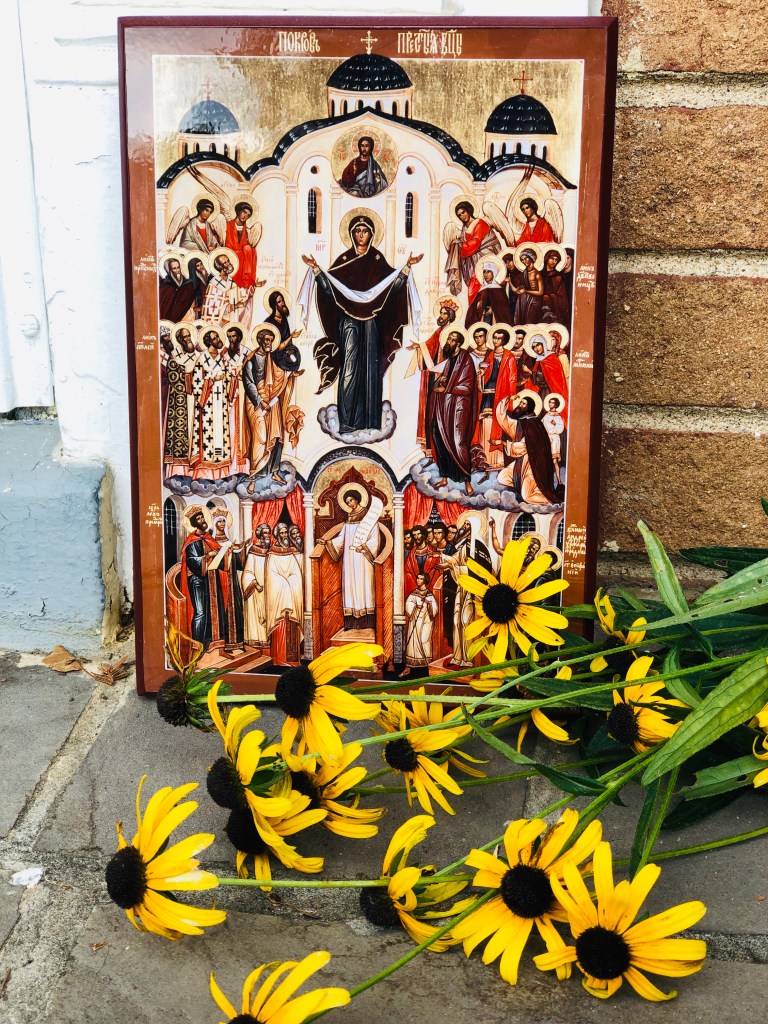
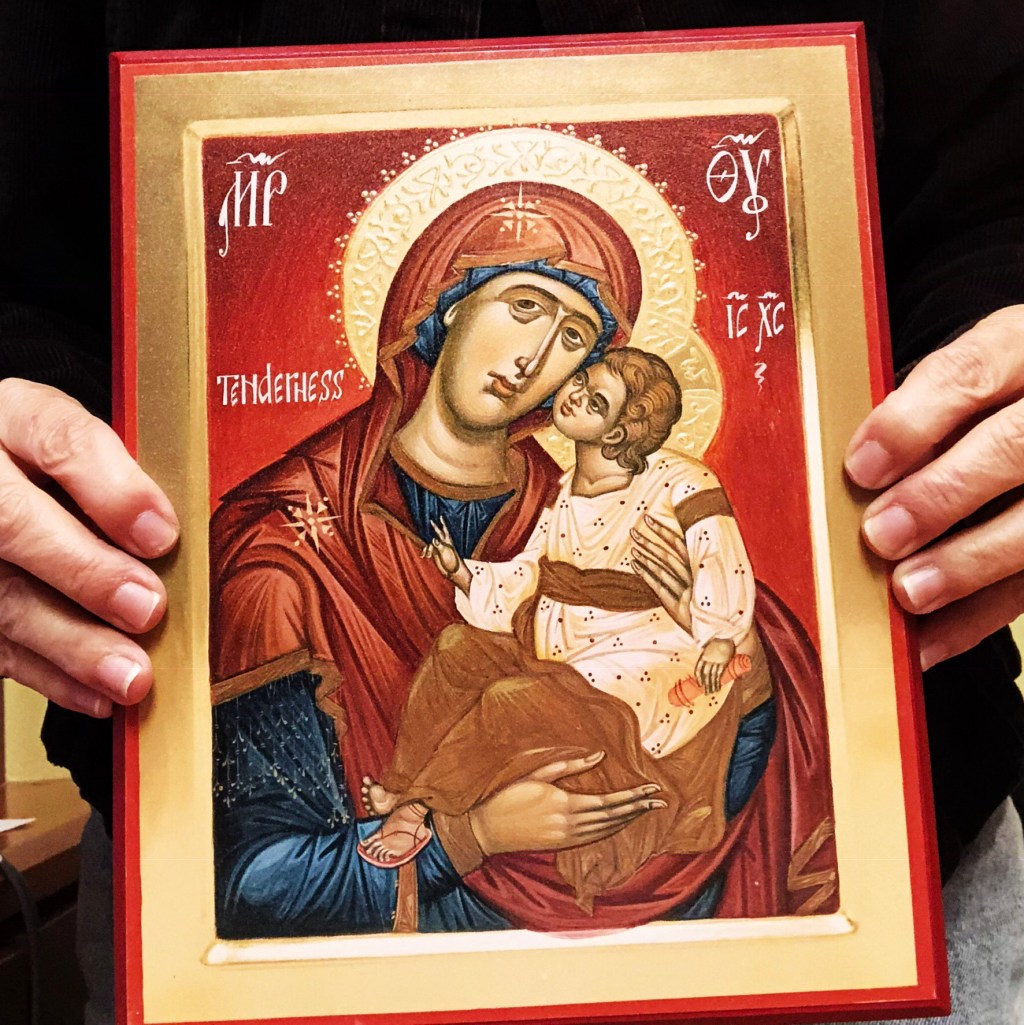
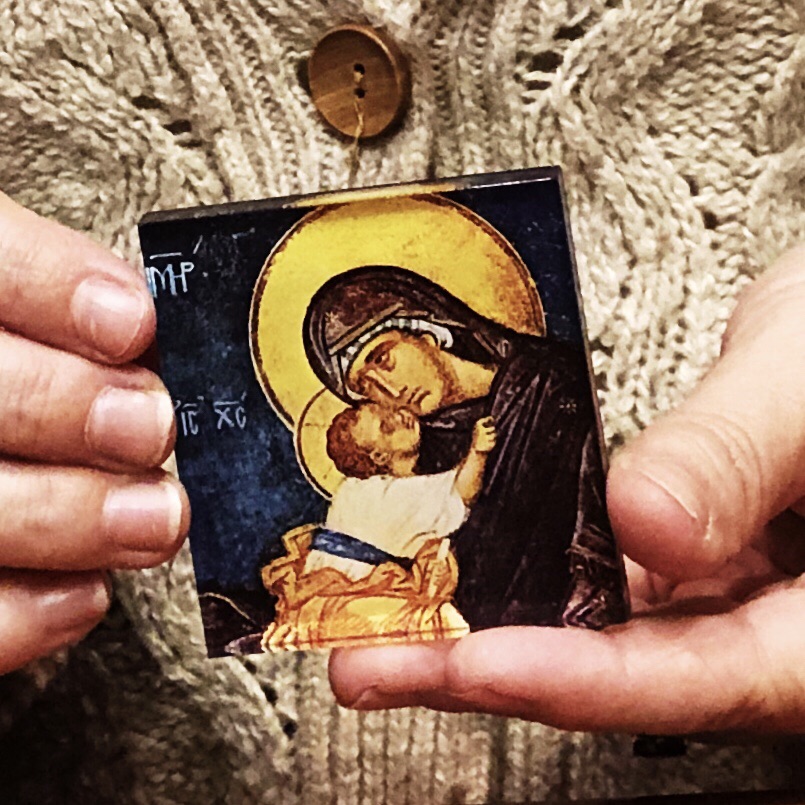
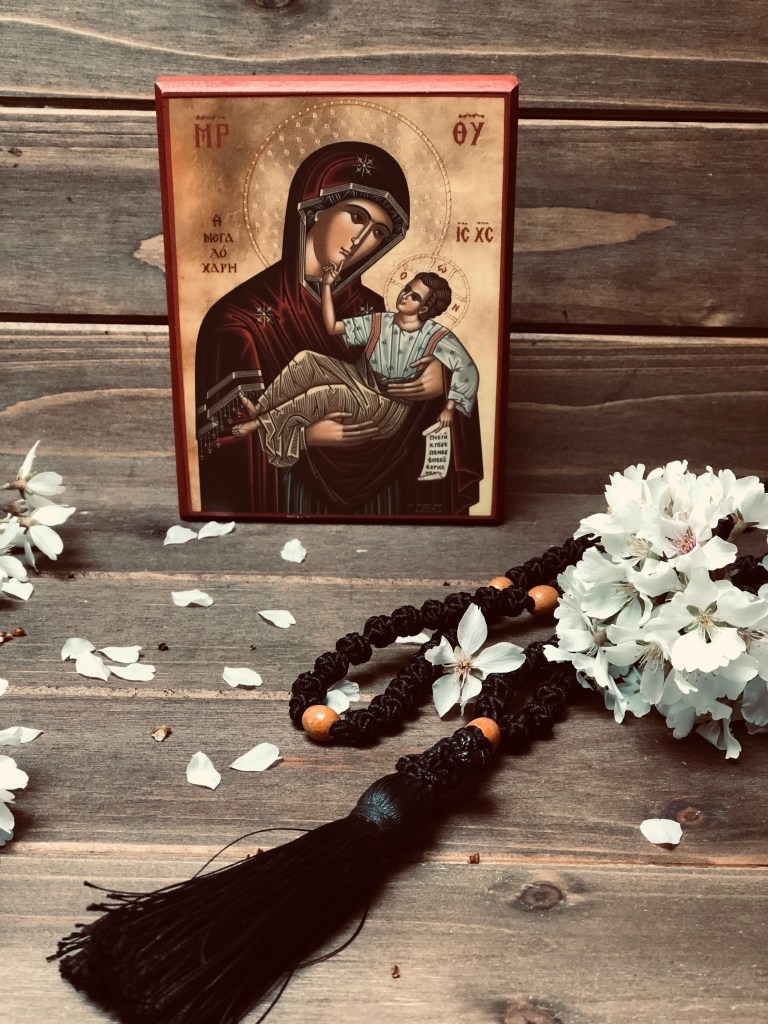
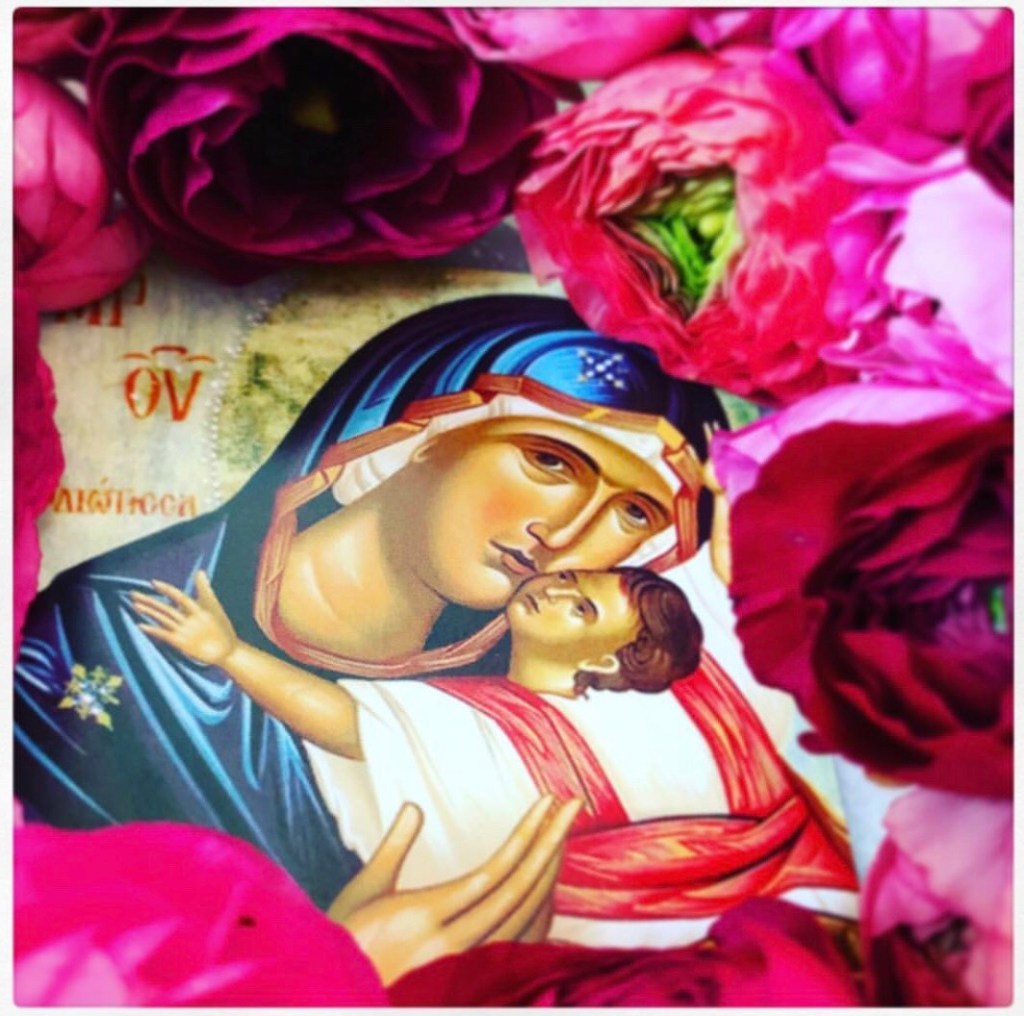
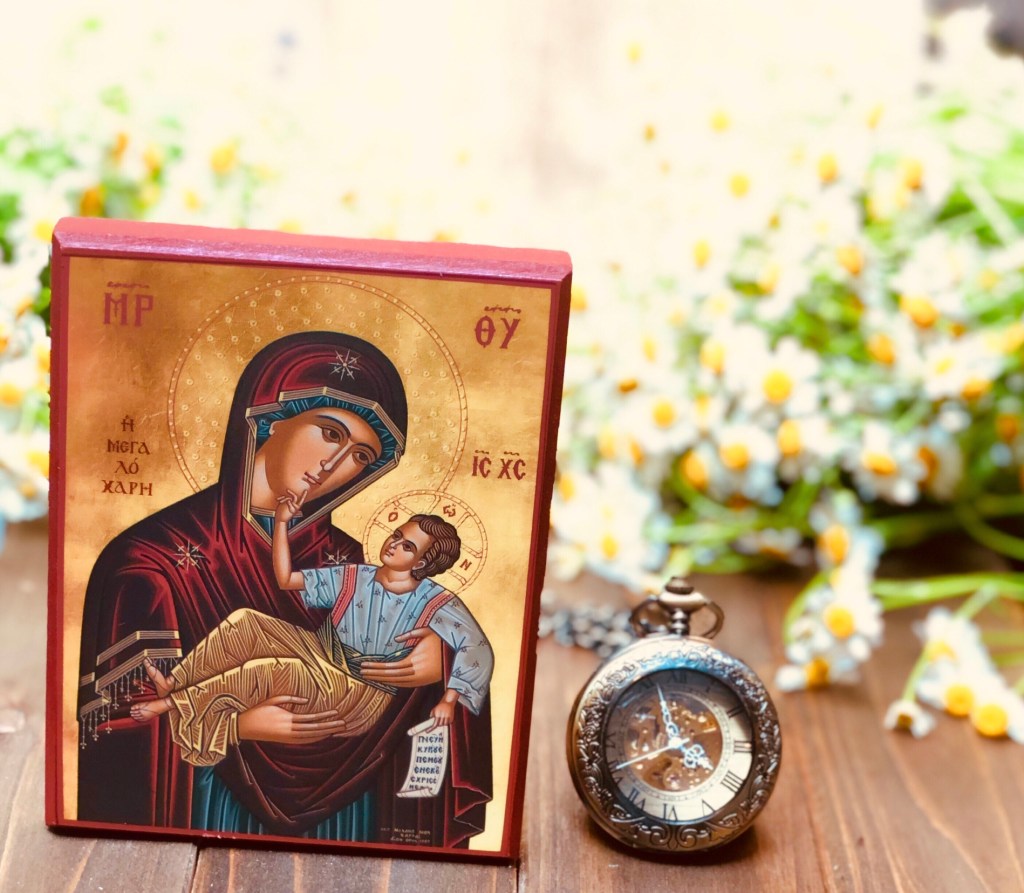
Did you know that September 1 is the beginning of the of the Orthodox Church liturgical year? It is customary in some traditions to place an icon on our doorstep on this day.
It is a beautiful tradition : the ushering in of the Gladsome Light of a new year of Grace.
Just as the sun rises each morning the faithful rise again in this new year to walk with Christ though a new “but same” Liturgical cycle. We walk through the Feasts of Christ, the Theotokos and the Saints, the daily cycle of readings and all of the Sacraments.
When people ask if we are born again, every Orthodox Christian should actually proclaim,” YES!! ” I am a born again Christian!!
Because, as we walk sacramentally through life, living Liturgically and sacramentally to the best of our ability, we are always being reborn at each step… with each Confession, Eucharist, celebration of a feast, and even as we place an icon of the Theotokos on our very doorstep. We invite Grace into our lives.
Placing an icon on the threshold of the home on this day reminds one of many things. For our family this year it is to recall always the intercessions and protection of the Theotokos. We also remember hospitality :: to love our brother as ourself; being “not forgetful to entertain strangers: for thereby some have entertained angels unawares.” (Hebrews 12:2)
Like breaking bread, our traditions unite us together. A recommitment to offer our lives to Christ and quite simply an physical manifestation of remembering Christ in our daily lives.
Monastics say, the soul follows the body.
They also say, Remember Thy First Love – that is Christ.
The secular world ties strings on their fingers to remember something important. The Orthodox faithful wear prayer ropes, place icons on our doors, sprinkle holy water through out our houses, anoint ourselves with Holy Oil and drink Holy Water along with prayer in time of crisis or need, we bake delicious faith based traditional breads and sweets that we share with family and friends and distribute to the poor.
We whisper the Jesus Prayer when we awake or can’t dleep at night, rather than count sheep.
And so, we might cross ourselves when we pass a Church, or cross ourselves when our children partake of the Eucharist and even when we yawn during a service – in this way- in some small measure we seek to remember Christ and offer all of ourselves to Him, and stand in the eternity of kairos, if but only for a second.
Of course, that happens most fully when we are in Church – partaking of the Eucharist, but when we leave we live in the Liturgy outside the Liturgy (Father Alexander Schmemman) and we bring Church into our lives. We bring our love of Christ into our every day lives, not just Sunday.
Recently I was struck in reading Deuteronomy
You shall love the Lord your God from your whole heart, from your whole soul, and from your whole power. So these words I command you today shall be in your heart and in your soul. You shall teach them to your sons, and shall talk of them when you sit in your house, when you walk by the way, when you lie down, and when you rise up. You shall bind them as a sign on your hand, and it shall be immovable before your eyes; and you shall write them on the doorposts of your houses and on your gates.”
Deuteronomy 6:5-8
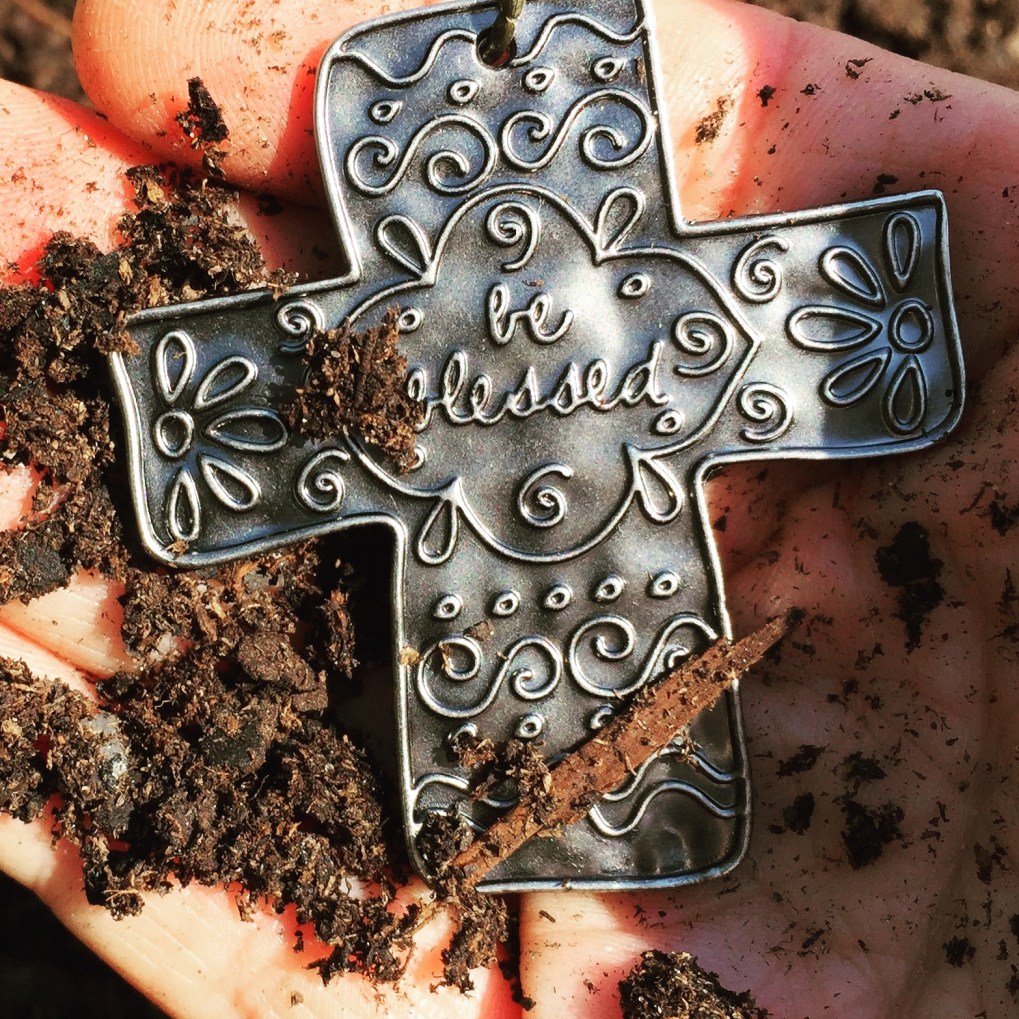
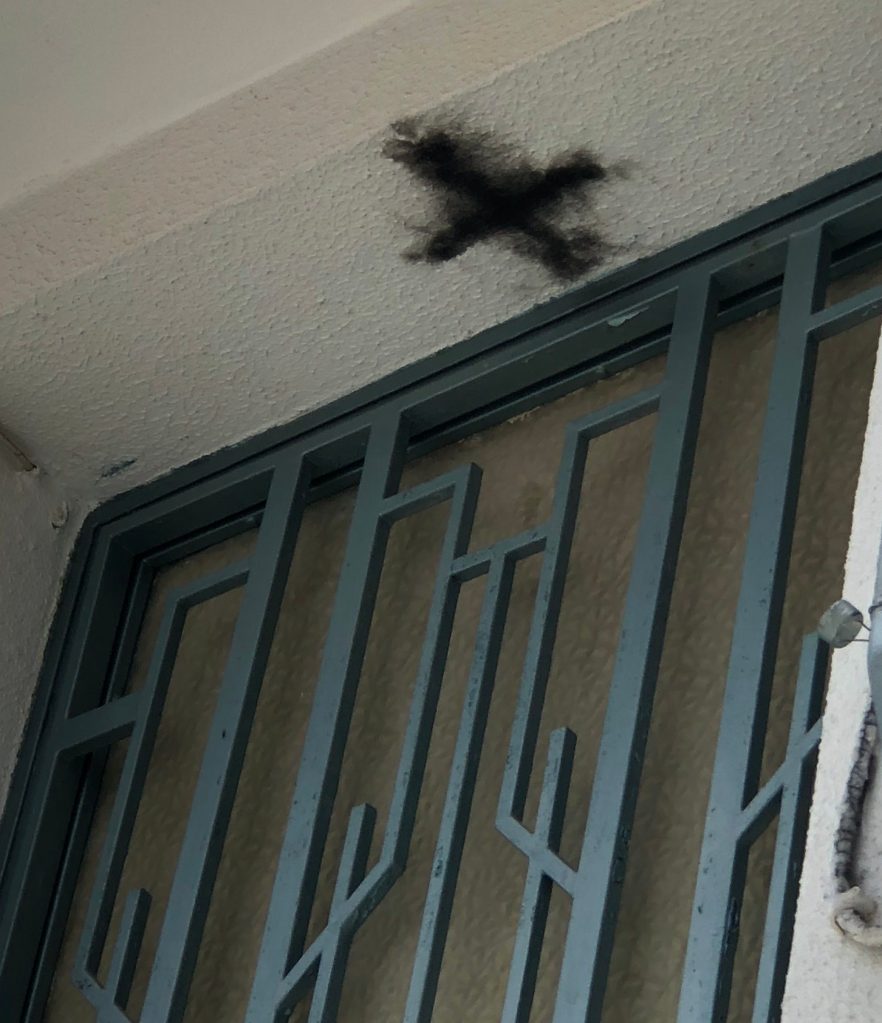
It reminded me of the Cross we burn onto our door thresholds at every house blessing.
Orthodox Christians express our faith in very tangible, open ways expressed our every day life. This will take many manifestations – certainly the most of which is that You shall love the Lord your God from your whole heart, from your whole soul, and from your whole power
Certainly, its also important to say that no tradition ever overshadows the Sacraments of our Faith. And one can live their whole life never practicing the little “t” traditions and honestly that is totally fine – or you totally forget some years, or just are overcome by events…. look – nothing bad is going to happen and so one has to be wary of superstition.
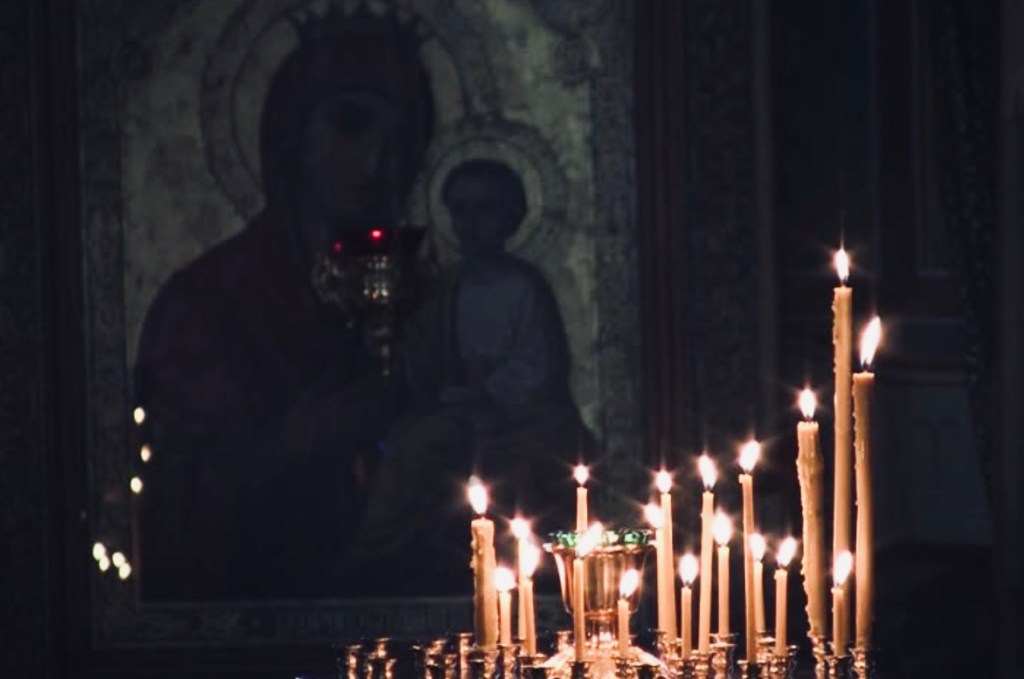
The point is our faith is real, tactile and sensory – Overflowing from the silent depth of the heart and lived openly – but quietly, like the silent vigil candle or the sweet smelling incense lighting sweet fragrance in our icon corners (a place set aside for prayer within our home).
These little ways, help us sanctify our days and time and together with one voice and one mind – as the body of Christ – we walk boldly and in humility through the seasons of the Church year. These ways quiet and calm the restless bombarded soul of the modern world. A balm of needfulness and moments set aside.
We remember the “yes” of the Theotokos as we seek our own “yes” to Gods Will throughout our own ordinary regular lives.
And so it is an absolultey beautiful tradition to place an icon of the Theotokos on our doorsteps today – ushering in the stable rhythm of the Church as we offer the bread of our hearts, the bread of our lives, as an anaphora – through the many the seasons of the Liturgy of our lives.
It’s also an invitation to Grace – an open door… like that popular Christian song on the radio by Francesca Battistell “Holy Spirit” you are welcome here.
Little “t” traditions are not rote or meaningless but a reflection and movement and outpouring of the heart.
There are times when it’s so easy to dwell my mind not on Goodness but many other things. Some years I don’t even remember to put my icon at the door till the end of the day… others I’ve forgotten all together. And honestly – that’s okay! The thing is that these little ways are little reminders.
Especially in our busy world- everyday brings a myriad of distractions and many of them entirely necessary and of course women have a million lists in their head – like what does this child need, how am I going to be in three different places at once, getting dinner ready, doctors appointments, back to school nights, youth group serving the soup kitchen, getting off time from work for my kids softball games, etc etc
One day in this country we will have incorporated these traditions and organically begun our own as an expression of our faith. My encouragement to all is to look beneath the surface of our traditions – my experience of them is that they orient us to dwell our mind on Christ in little ways – throughout the day, throughout the week, throughout the year and throughout our lives.
These little momentary ways of blessing are little ways of respite – moments directed to God.
We seek Eternity in the midst of the temporal. We seek to be mindful of not just what us important but what is needful, that there is a deeper fabric and thread to life than just what is on the surface.
We express that yearning in many ways – just one of which is to place an icon of the Theotokos on our footsteps inviting a new Season of Grace and you in.
As a convert to the Faith, I think a lot of the treasure of tradition that has been handed down for thousands of years… and often I am deeply drawn to the “little t” ways practiced in the “Little Church” of the home traditions most of all.
They are ways passed onto us from a deeply simple time of old… a time without hashtags and constant noise. They are little ways that perhaps one person in one village began, and others like bees drawn to a flower filled themselves of that nectar and made a harvest of honey out of it in the hive of their own lives.
Many times the “little-t” traditions are very local, such that the average convert doesn’t know what to make of it all. And we are the melting pot of every Orthodox tradition from every jurisdiction in this country.
The non-Orthodox routinely call them rote and meaningless gestures of Faith… and so over the years I have sat with each tradition that I know (and I am always learning more) and pondered why would I do this? I’ve come to the conclusion that none of it is meaningless and I sought a possibility of why it was done in the first place… my answers are my own, hopefully inspired by some Grace – not about me, but Christ. They may not resonate with you, or they might.
In the end they are deeply meaningful to me. I offer them to anyone wondering or struggling how to incorporate them into their life on a deeper level, rather than just to do them. Every tradition I know, I have learned about from others – family, friends – both in person and on social media.
A rote action is to live on the surface, to involve the body but not the soul. To those non-Orthodox who wonder about the little “t” tradition, even dismising them, I thank you. Your skepticism brought me beneath the surface of the veneer and into the deep woody grain of the cross. Partly to give non-Orthodox friends an answer but mostly to live and incorporate these expressions of Faith in my life in a real way, not a rote one. Every year I come back to those reflections with a fresh new look.
The Liturgical cycle of the Faith, both little “t” and big “T” is the same each year – teaching me and inviting me deeper into the Faith. And as we approach the new liturgical cycle, like the moon orbiting the Sun, or the rings of a tree showing the signs of feasting and famine, drought or floods… we are in a different season of life each year. We learn something new; we are reborn through repentance, through Grace, through Liturgical Living and this is a deep steadfast blessing to the faithful.
The following is a reflection of the practice of ushering in the Ecclesial New Year by placing an icon on our doorstep from a few years ago…
A New Year of Grace {Repost}
The Treasure of Tradition Despite being united to Christ in the Orthodox Church some twenty years ago, there are still many of those little “t” traditions of which I do not know. When I joined the Orthodox Church the first thing I realized is that I don’t know anything, and not in a bad way at all, but a very very good way…. a way that allows me to incorporate the faith morsel by morsel so that I can digest it.
This year (just last night in fact!) I learned of the tradition to place an icon of the Most Holy Theotokos at the threshold of the door to our home as we usher in the new Liturgical (Ecclesial) Year of Grace.
In many conversations with non-Orthodox over the years, I have been struck by their idea that our little “t” and big “T” traditions are merely rote action. Yet, as one who seeks (and quite imperfectly, too) to live and raise a family in the faith, I find most beautifully that these “traditions” of ours are not rote or meaningless at all :: but rather beckon and re-orient our hearts to that which is needful.
Just as we pray corporately the Anaphora during the Divine Liturgy, these little “t” traditions are our “little a” anaphoras :: a lifting up and offering of ourselves. A simple, humbling endeavor, to place God above all, offering up our whole lives to Him.
It is Eucharisteo : Grace, Joy and Thanksgiving throughout the seasons of our lives.
These are just another way in which we lift up our hearts in this great litany of our lives. Little children in Greece make the sign of the cross when riding their bikes past a Church :: mothers entering Church remind their little ones to make the sign of the cross before they enter :: we light candles :: burn sweet smelling incense :: we trace the sign of the cross on our children when tucking them into bed :: prayers and prostrations dovetail together :: we kiss the icons and we greet one another with a kiss of peace :: we dye our Pascha eggs the reddest of red, but we don’t dye them on Holy Friday :: fresh basil is brought home from Church on the Elevation of the Cross and placed in the sourdough starters that will leaven phosphora :: and of course, we pray facing the east – our souls waiting for the Lord, like the watchman waiting for the dawn.
Again and again, in so many ways, we are called to this life in Christ. To live our lives through the years and seasons and rhythm of the Church. It is our great priority :: this great Liturgy of Life :: it is more needful than schoolwork, profession, sports and hobby :: and yet with life in Christ as our priority our ability to fulfill our schoolwork, professions, sports or hobby is in no way diminished. Traditions bring to light blessings :: even on the threshold of our very home.
Placing an icon of the Most Holy Theotokos at our doorstep – what a wonderful tradition to usher in the new Ecclesial Year :: just as the Ecclesia means “called out” :: the new Ecclesial year “calls us out” again, “to lay aside our earthly cares” and enter into the timeless rhythms and seasons of the Liturgical life of the Church.
The Orthodox Christian lives Ecclesial Year to Ecclesial Year ::Feast to Feast :: Fast to Fast ::Confession to Confession :: Liturgy to Liturgy :: Eucharist to Eucharist. Just as we have New Year’s resolutions to usher in a new calendar year, now is a great moment to pause, reflect and begin again.
Does my family have regular prayer time? If not, this is a time to begin. Are we attending Church weekly? That’s alright :: start this weeks Vespers and Liturgy. Has it been forever since my last Confession :: make an inventory, call your priest. Go.
And so today, on the dawn of a new ecclesial year, the faithful are hopeful standing on this threshold of Grace of a new year, with an invitation to redeem the time.
Blessed art thou O Lord, teach me Thy statutes.
Real life is Eucharist, a movement of love and adoration toward God, the movement in which alone the meaning and the value of all that exists can be revealed and fulfilled
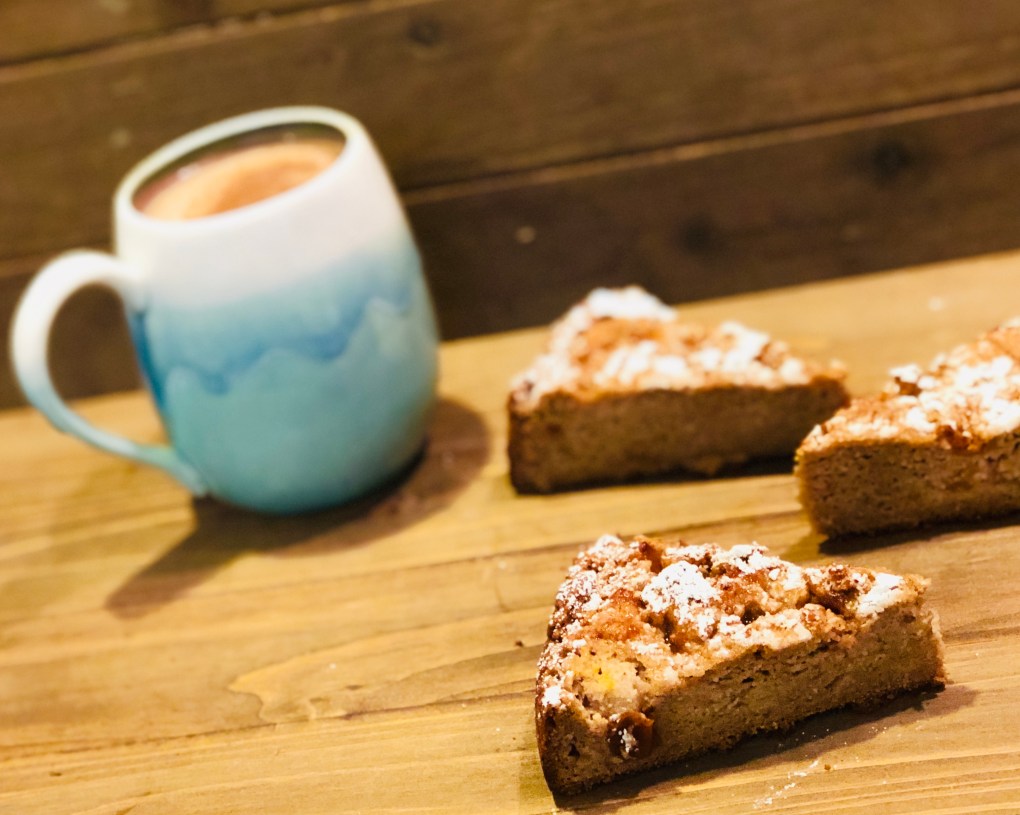
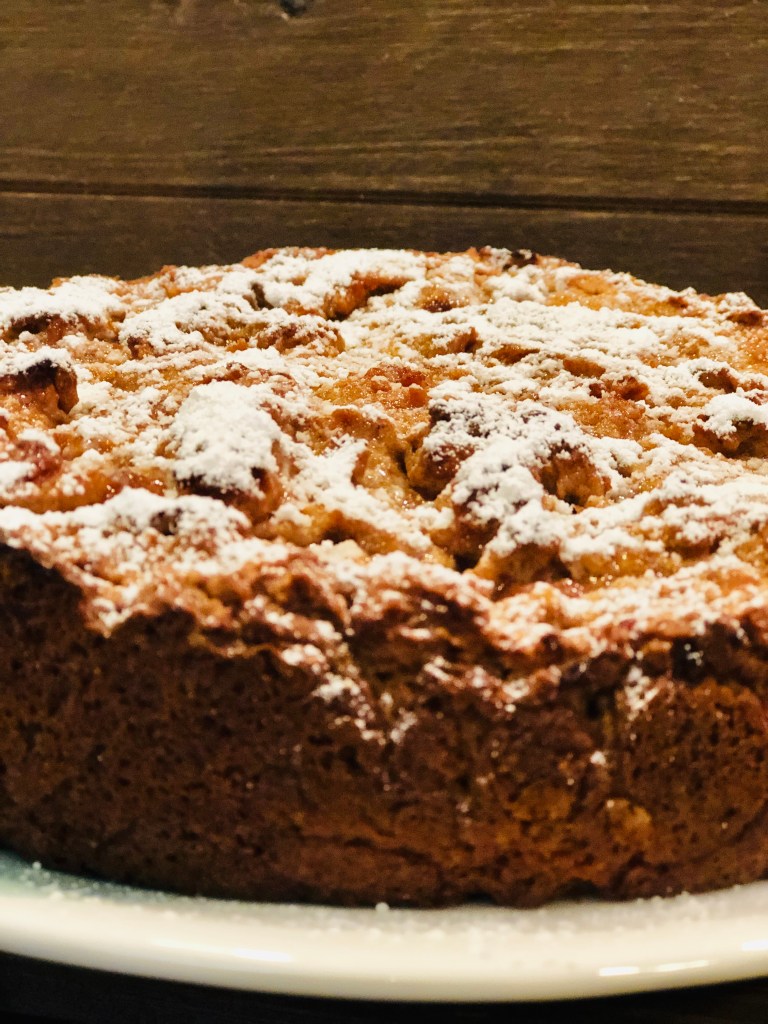
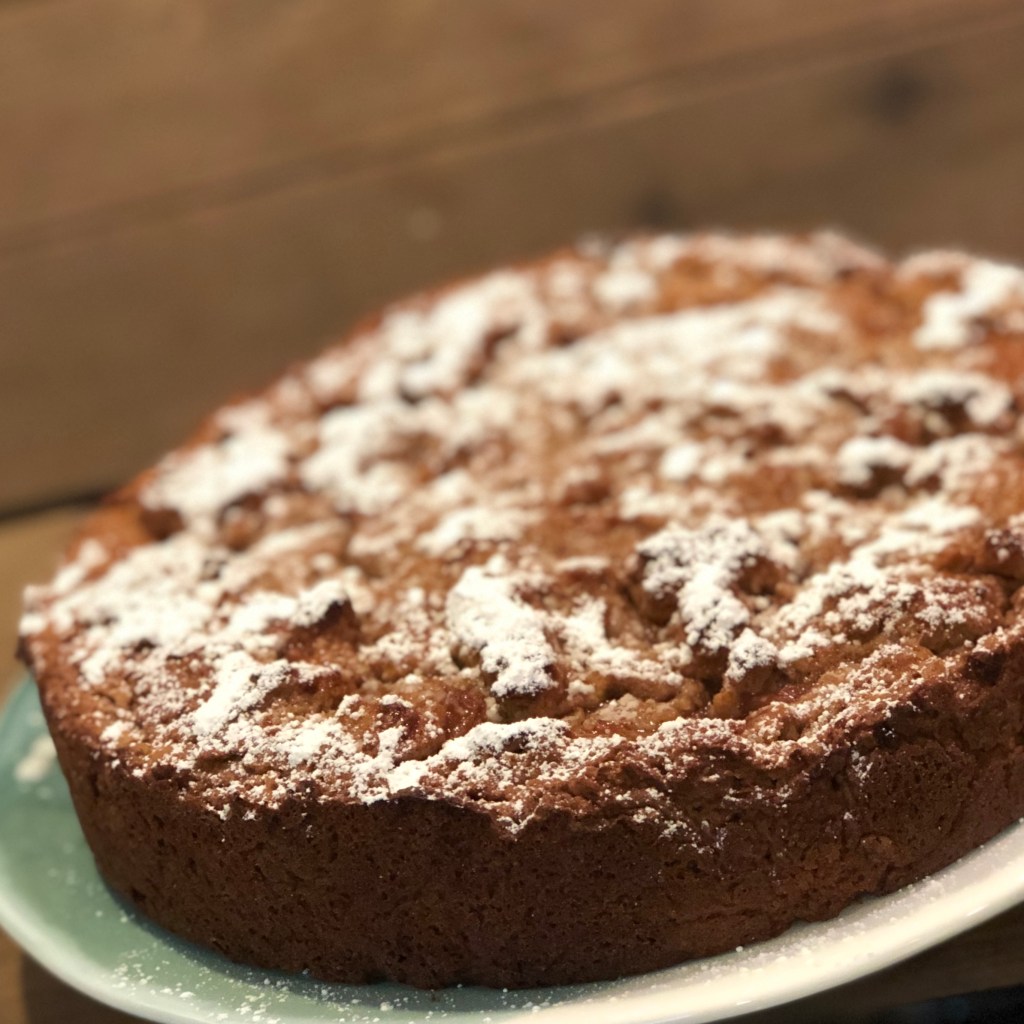
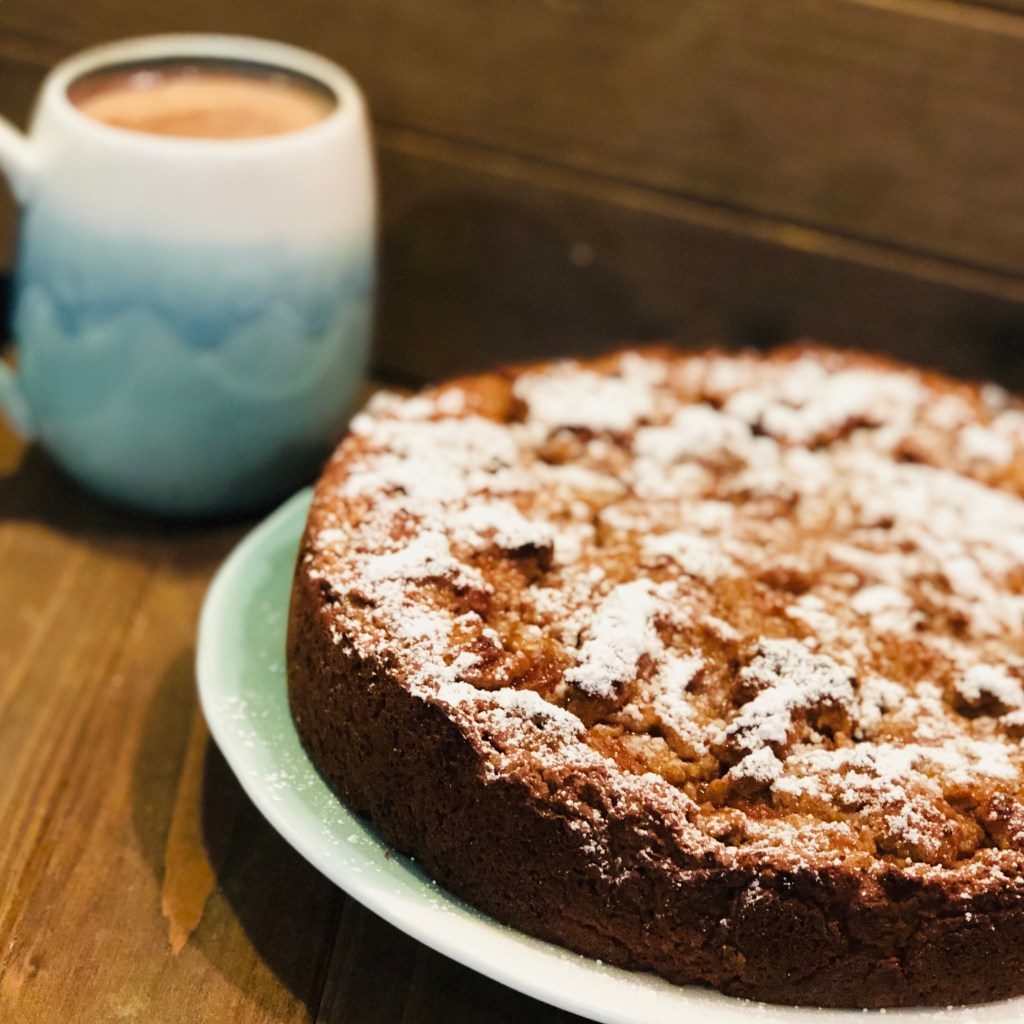
On August 27th we commemorated Saint Phanourious and it is customary in many parishes to bake a special cake to bring to Church for a blessing. Some traditions hold that we bake the Phanouropita and distribute it to the poor. Any time we ask his intercession and receive it is also an occasion to bake the bread and bring it for a blessing.
The name Phanrourios means “I reveal”. Through the centuries he has become an intercessor for lost and found things… and so some refer to him as the Saint of lost and found. So if the faithful ask for his intercession and their lost item appears, then it is custom to bake the sweet bread, bring it to Church for a blessing and distribute it to the poor.
Tradition holds that Saint Phanourios mother lived a terrible life and was not a Christian. When Saint Phanourios was martyred he also prayed for his mother. That it why, the faithful also pray for the mother of this beloved Saint… centuries after his repose and hers. And so we co-labor with this Saint in asking intercession for his mother, a woman whose name we do not know – “the mother of Phanourios”.
Several of us in this family have a gluten intolerance, and so I have begun the process of converting many of my traditional recipes, like this one, to a gluten free version. If you have a gluten sensitivity, then you know how bad you can feel after eating it. You also know how challenging it can be when you are in community settings and there is no option for you. Food forms community and social bonds – to break bread with one another binds us together. Having said that, I will say that my non-gluten endeavors do not apply to Prosphora – which I truly believe does not believe needs to be gluten free. The Eucharist is truly the Body and Blood of Christ. Alcoholics part-take without issue, and I have never heard of anyone partaking who has a gluten allergy that has an issue either…
1 scant cup arrowroot flour (Bob’s Red Mill is a good brand)
1 1/2 tsp baking powder
1 1/2 tsp baking soda
1/2 tsp salt (optional)
2 teaspoons cinnamon
1 teaspoon cloves
zest of two oranges
Instructions
Preheat oven to 350 degrees F (176 C) and lightly grease one standard 8-inch round cake pan, with butter or coconut oil and dust with gluten-free flour. Shake out excess and set aside.
In a small bowl combine coconut milk and vinegar. Let set a few minutes. Then add applesauce and vanilla and honey. Whisk/stir to combine.
Add dry ingredients to a large mixing bowl and whisk to combine and get out any lumps. Add wet ingredients to the dry ingredients and mix until well incorporated and no large lumps remain. The batter should be thick but pourable. Add more almond flour if too wet or dairy-free milk if too thick.
Pour batter into the prepared pan and place in the oven for approximately 35-40 minutes or until a toothpick inserted into the center comes out clean and the edges and surface appear golden brown.
Let cool 15 -20 minutes so the sides pull away from the pan. To remove, run a dull knive around the edges toloosen the cakes. Then place a plate or cooling rack on top and quickly invert.
Let cool completely and dust with powdered sugar.
Additional reading about this beloved Saint may be found at the links below.
Pure prayer is not the personal property of monks or a small group of individuals. It is for everyone, it is the one activity that is the most fitting to the human person. Every human being is called to the wedding feast of the Lord, and thus every human being lives in order to practice pure prayer. It is the most simple practice or activity that a person can undertake. Of course, it is another matter entirely if a person has become accustomed to allowing his mind to wander about and be tyrannized by thoughts, so that when he turns to prayer, he does so with a head filled with distractions and thus can not engage in pure prayer.
Elder Aimilianos of Simonopetra Monastery
The Mystical Marriage : Spiritual Life According to Saint Maximos the Confessor
For us in the world living ordinary lives….. we too must discover stillness and watchfulness in the cave of the heart and learn to attend to what is heard in silence while living ordinary lives in the world as she did. Deep interior prayer is not something only for the monastics or for a hermit far off in the desert.



 gladsomelife.com