on that which is needful

Saint Theophan the Recluse

“Spiritual needs are above all, and when they are satisfied, even though the others are not satisfied, peace exists : but when the spiritual needs are not satisfied, then even though all other needs are richly satisfied, there is no peace.  That is why the satisfaction of them is the one thing needful.”

The Spiritual Life and How to be Attuned to it

Saint Theophan the Recluse


calendula

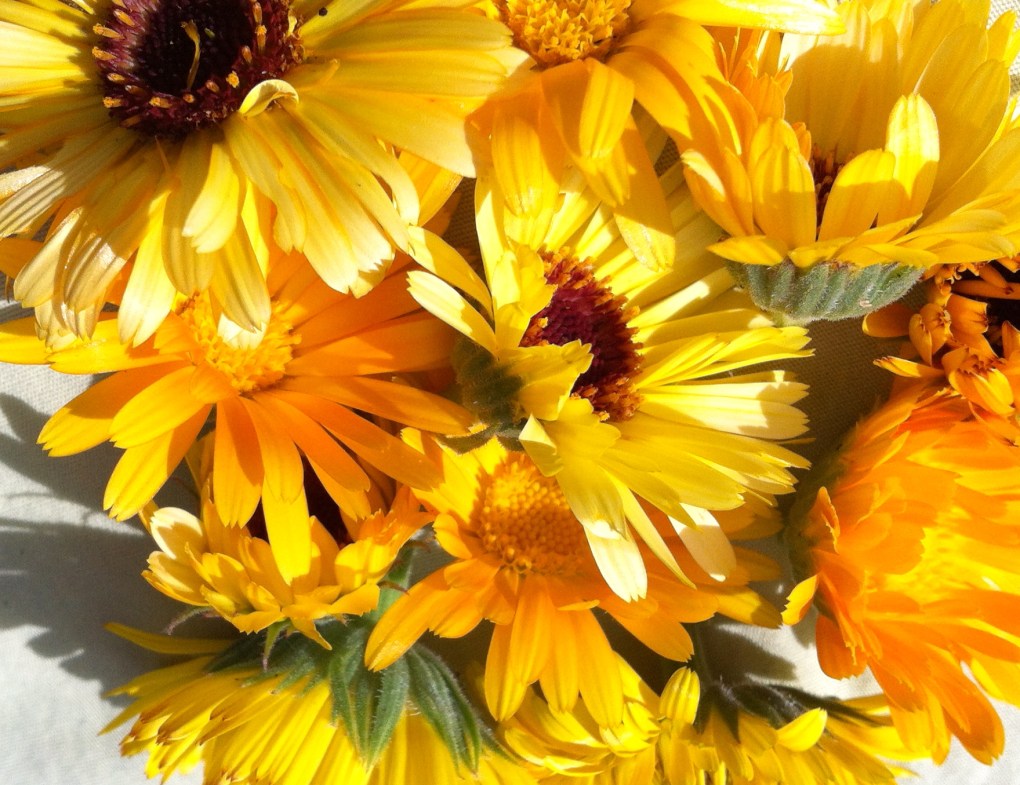
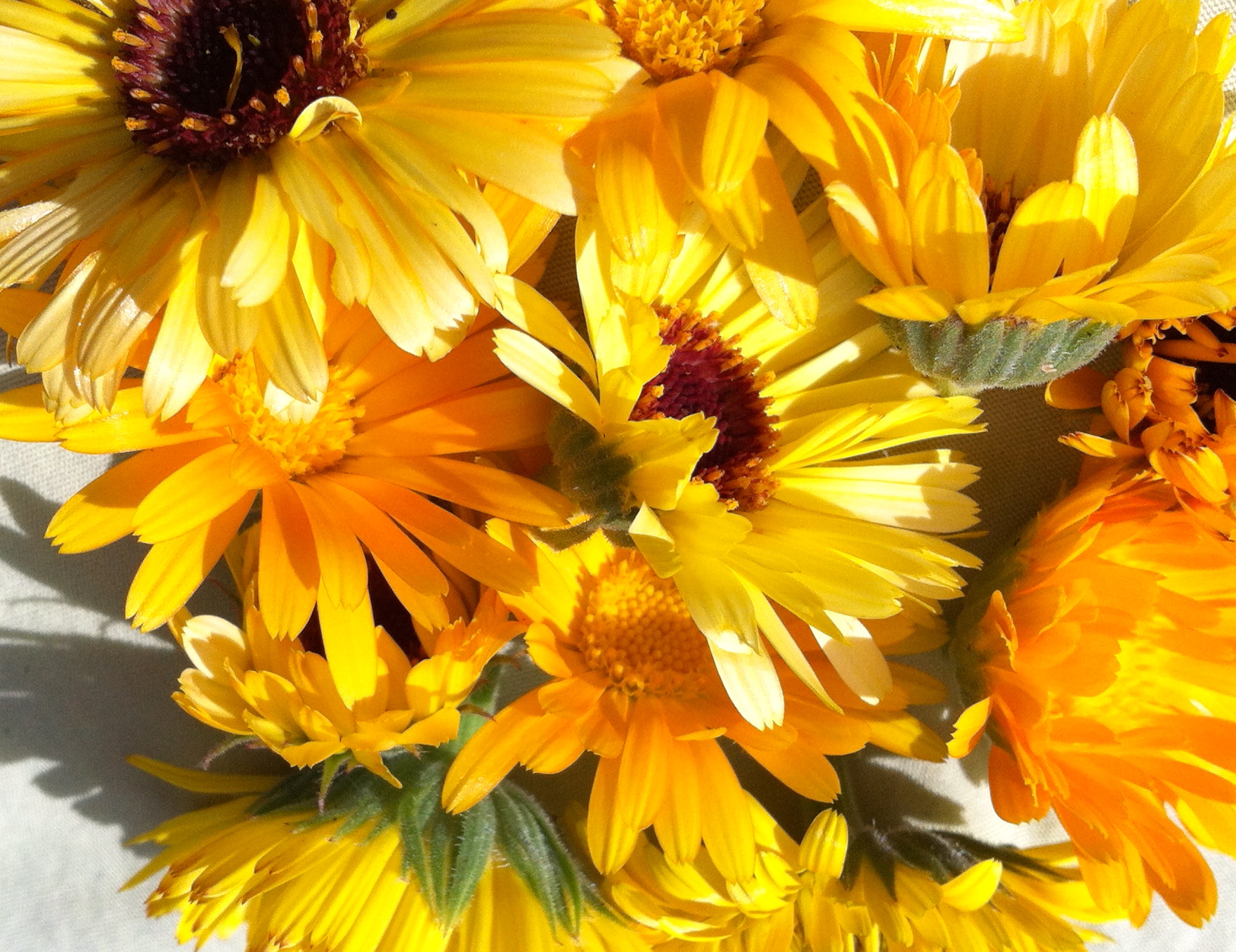
calendulaCalendula is a bright sunny yellow daisy like flower native to northern mediterranean countries.  It is also known as “pot marigold” and has been used for centuries to heal wounds and skin irritations.   Although it is one of the marigold family, only the medicinal variety known as calendula officinalis should ever be used in salves and teas.

It’s vibrant colors brighten both the garden and the medicine chest.  It is a super easy to grow annual and often self seeds, returning every season to lighten up any garden.  This year we grew it from seeds that we sowed directly into the pots on our back porch (that’s a picture of them, up there) .  The bees loved all the flowers!

Best known for healing the skin, calendula is used for soothing minor irritation, burns, bruises and wounds.  “Calendula has anti-inflammatory, antimicrobial, astringent, antifungal, antiviral, and immunostimulant properties making it useful for disinfecting and treating minor wounds, conjunctivitis, cuts, scrapes, chapped or chafed  skin, bruises, burns, athlete’s foot, acne, yeast infections, bee stings, diaper rashes, and other minor irritations and infections of the skin.”

The beautiful yellow calendula flowerhead is commonly made into salves and used for healing cuts, scrapes, burns, sunburns, diaper rash, sores, ulcers and chapped lips.  It helps calm inflamed tissues and aids in the healing of cuts and abrasion.  Calendula is among the most soothing herbs and is used in many salves and creams.

Herbalists also recommend using calendula flowers in tea infusions  for the healing of digestive ulcers, soothing the gallbladder and easing sore lymph glands.  You can also brew a strong batch of calendula petals into a tea and use it as a compress on minor burns.

pollinating the calendula

pollinating the calendula

If you are growing your own, harvest on a sunny morning when the flowerheads are just beginning to open.  There are several methods for drying the flowers.  You can place them in a dehydrator if you have one; spread them out on a cookie sheet and leave in the sun (but check the forecast for rain!) ; or spread them on a cookie sheet and place in 125 F oven until they dry out.


[box] Calming Calendula Tea

  • 1 part dried chamomile
  • 2 parts mint or spearmint
  • 1 part dried calendula flowers

Place 1 teaspoon of herbs per cup in a tea ball or bag, and cover with boiling water. Steep for 15 minutes to let the flavors infuse the water. Remove tea ball or bag. It’s wonderful as is, but a little raw honey and lemon is a nice touch too![/box]


[box] Calendula Infused Oil

1-1/4 cups carrier oil such as Olive Oil, Sweet Almond Oil. or Jojoba Oil

1 cup dried calendula flowers

Place all contents into a large mason jar and store in a cool dry place for 2-3 weeks. Strain with a cheesecloth to remove all of the flower particles. Pour the oil into dark bottles. Label with date and contents.[/box]


Calendula Tea

Additional Resources:

http://umm.edu/health/medical/altmed/herb/calendula

Mother Earth News : A Guide to Healing Herbs, Winter 2014


nourishing herbs

In a word, the experience of ages, profiting from every chance, has not been able to discover anything useful, which the penetrating foresight of the Creator did not first perceive and call into existence.    ~ St. Basil the Great
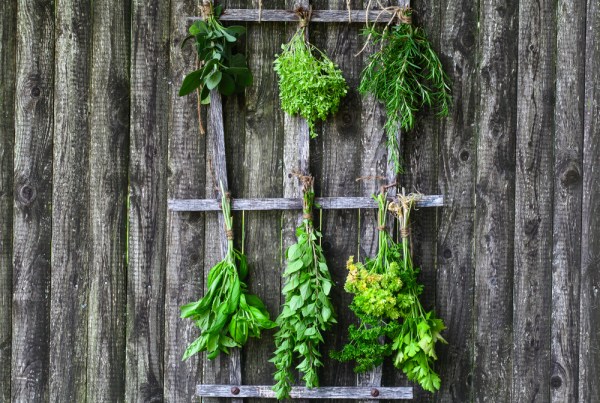
 Drying Herbs

This is a short series on the healing properties of several commonly known edible flowers and herbs (some of which we even consider to be weeds!)  that grow in abundance around us.

For thousands of years, people have created herbal preparations to ease illness and discomfort.  From the earliest of times, through trial and error, people learned which plants were supportive of health.  Prior to modern medicine, herbal applications were part of healing protocols toward rejuvenation and health.

Although healing by plants is not mentioned in the Bible, herbal remedies throughout history were numerous and common – but then, as now, our faith is that the ultimate Healer is God.

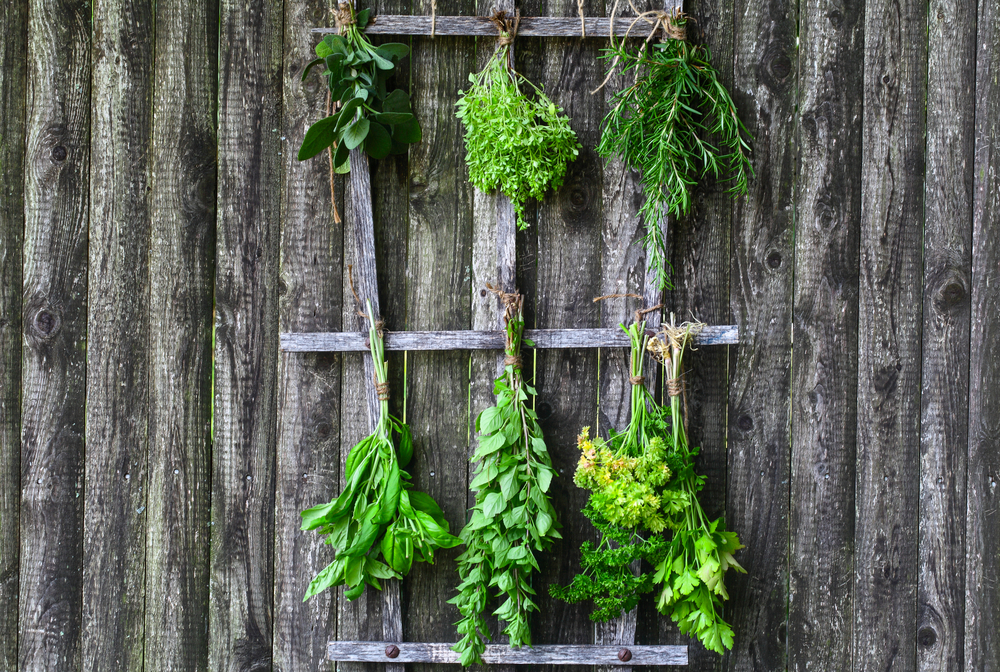
Many herbs and plants are quite easy to grow and can transform your flower beds into a healing garden.  Several varieties of medicinal herbs grow quite nicely in pots, window sills or otherwise empty spaces.  Many herbs with healing properties also double as kitchen staples, like oregano, rosemary, thyme and basil!

Everyday herbs can easily be added to or crafted into teas, infusions or decoctions.  Cultures around the world have made widespread use of the healing, soothing and medicinal properties of tea.  Depending on the ingredients, herbal teas can boost the immune system, support detoxification, enhance metabolism, calm digestion, support healing the digestive system and promote relaxation.

For example: it is widely known that chamomile soothes and calms.  Herbalists (and American Indians) have long used echinacea as an antiviral to support the immune system.  Ginger settles the stomach.  Aloe is not only great at reducing irritation from mild burns but is also calming and restorative to the stomach; and of course garlic is known to ward off viruses, lower blood pressure and cholesterol and also has antibacterial and anti fungal properties.

Herbal creams, lotions and salves are marvelous ways to apply healing to your skin.  The more natural the ingredients, the better.  A cornerstone of holistic health is to be mindful of what we place on our skin.  Despite being our outer layer, our skin is not a barrier, but is porous.  It absorbs all that we place upon it, and so when we use chemicals and synthetic ingredients, these all pass into our body.  With the skin as their entry point, they bypass the liver test.  The toxins are not filtered and so have free access to your bloodstream and organs.

It is estimated that on a daily basis, women are exposed to many more toxins then men – in part due to our cosmetics which contain many chemical and synthetic ingredients – many of which disrupt our hormones.   This all adds to the body’s total chemical load and burdens the liver.

From a purely holistic point of view, if you can’t eat it, then you really shouldn’t place it upon your skin.

Along with their nutritive qualities, fresh herbs brighten and and depth to our meals.  Whether you grow your own herb garden or buy them in bulk, it’s easy and simple to craft your own teas and herbal salves.  Even so, if you are not inclined to make your own, there are plenty of wonderful artisan tea crafters and cosmetic manufacturers that sell quality products.

Along the bank of the river, on this side and that, will grow all kinds of trees used for food. Their leaves will not wither, and their fruit will not fail. They will bear fruit every month, because their water flows from the sanctuary. Their fruit will be for food, and their leaves for healing.”   (Ezekiel 47:12)

Common Sense Disclaimer:  All information presented in this series is intended for informational purposes only.  If you have a medical condition,  treat it in consultation with your medical practitioner.

Resources:

Medicinal Herbs: A Beginner’s Guide by Rosemary Gladstar

The Green Pharmacy by James Duke

Desk Reference to Nature’s Medicine by Steven Foster

Hands on Healing Remedies by Stephanie Tousles

Screen Shot 2015-01-22 at 1.03.39 PM


kollyva – a sweet offering

In our lives as Orthodox Christians we journey through many seasons, both within the year of the liturgical cycle in the Church, and also through out our lives, and the lives of our families and friendships.  There are seasons of preparation, fasting and feasting.  There are seasons of joy and of lament; seasons of birth and death, of growing and of learning.


And you know what?  Sometimes, there are even seasons of unlearning, but as liturgical beings, we experience the changes of our lives within the steadfast constancy of the Church.


These bonds of love we forge in our lives are strong; and so even after the loss of  family or friend, that love always remains.  Their absence from our daily lives can leave a great pain.


 Unlike the ways of this world,  Faith tends to be counter-intuitive.   The modern world, in all of it’s conventional wisdom markets us to pursue happiness ~ mostly economic  ~ and mostly through gain and acquisition – but not of what is needful.  There isn’t really a plan for loss.   The modern formula to deal with tragedy usually involves pharmaceuticals and generally those are offered within weeks after it occurs.    This can leave a person fractured and tangled in the wrong net.  But there is another way…

“Whoever does not have the Church as his mother cannot have God as his father.” 

Saint Cyprian of Carthage
Memorial Service


Herein lies a great blessing!    For a mother provides wisdom, nourishment and guidance for her children.   And so it is that one finds through loss, the possibility to become whole.   When we embrace the prayers offered by our Mother the Church,  Christ grafts healing and mends within our hearts the fullness of a fiercely gentle but unyielding hope.

A sacrifice of thanksgiving…  Again and again, praying for our departed loved ones, we fix our gaze toward Eternity, rather than focus on our loss and there  ~  in that space  ~ it is despite our burden  ~  or precisely because of it, that we find rest in the yoke of His Resurrection.


Death is a threshold, not an end.   We do not grieve as those who have no hope, but rest in the assurance that God will bring with Him those who sleep in Jesus.  ( 1 Thessalonians 4:14)

 +

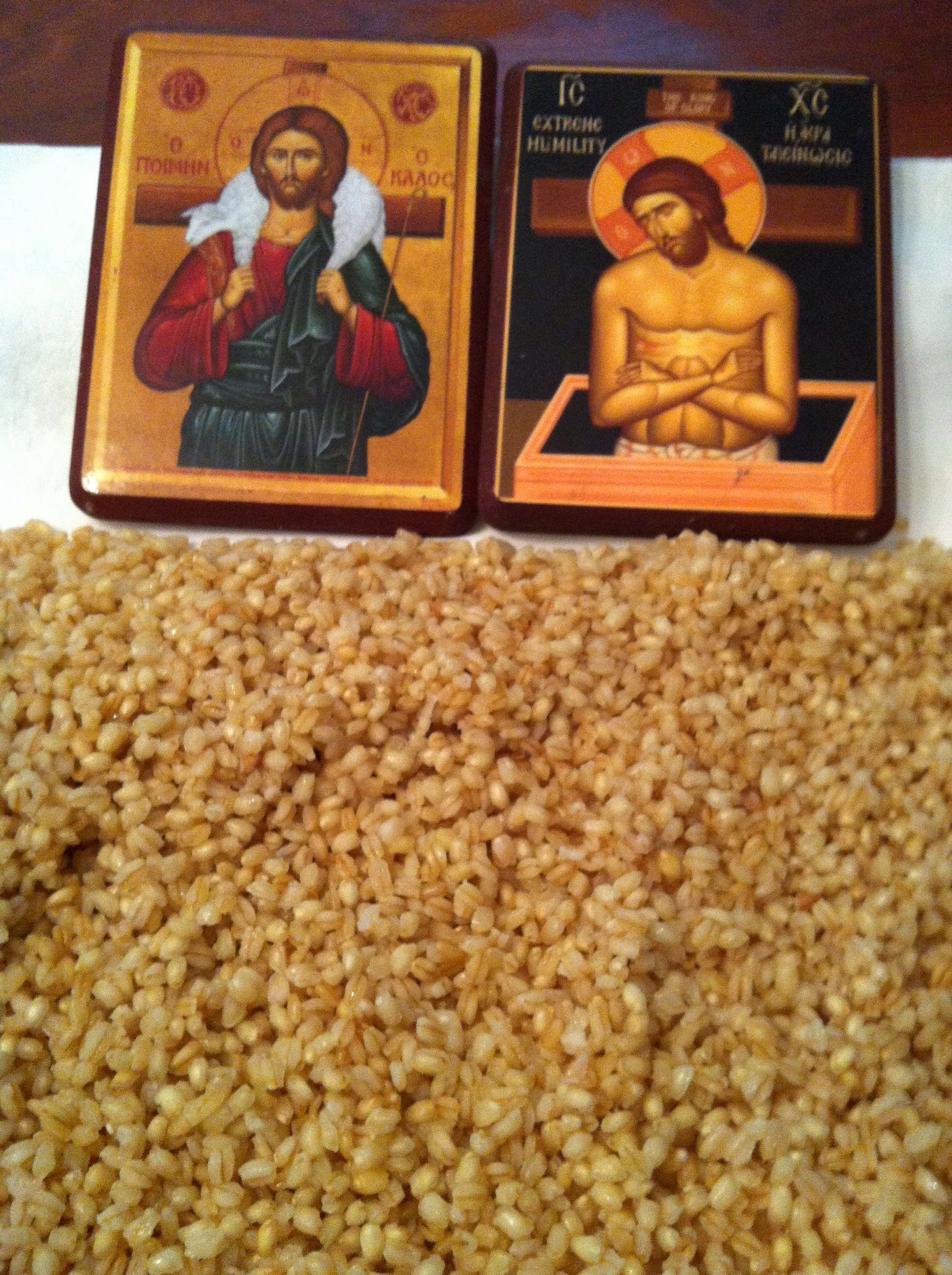
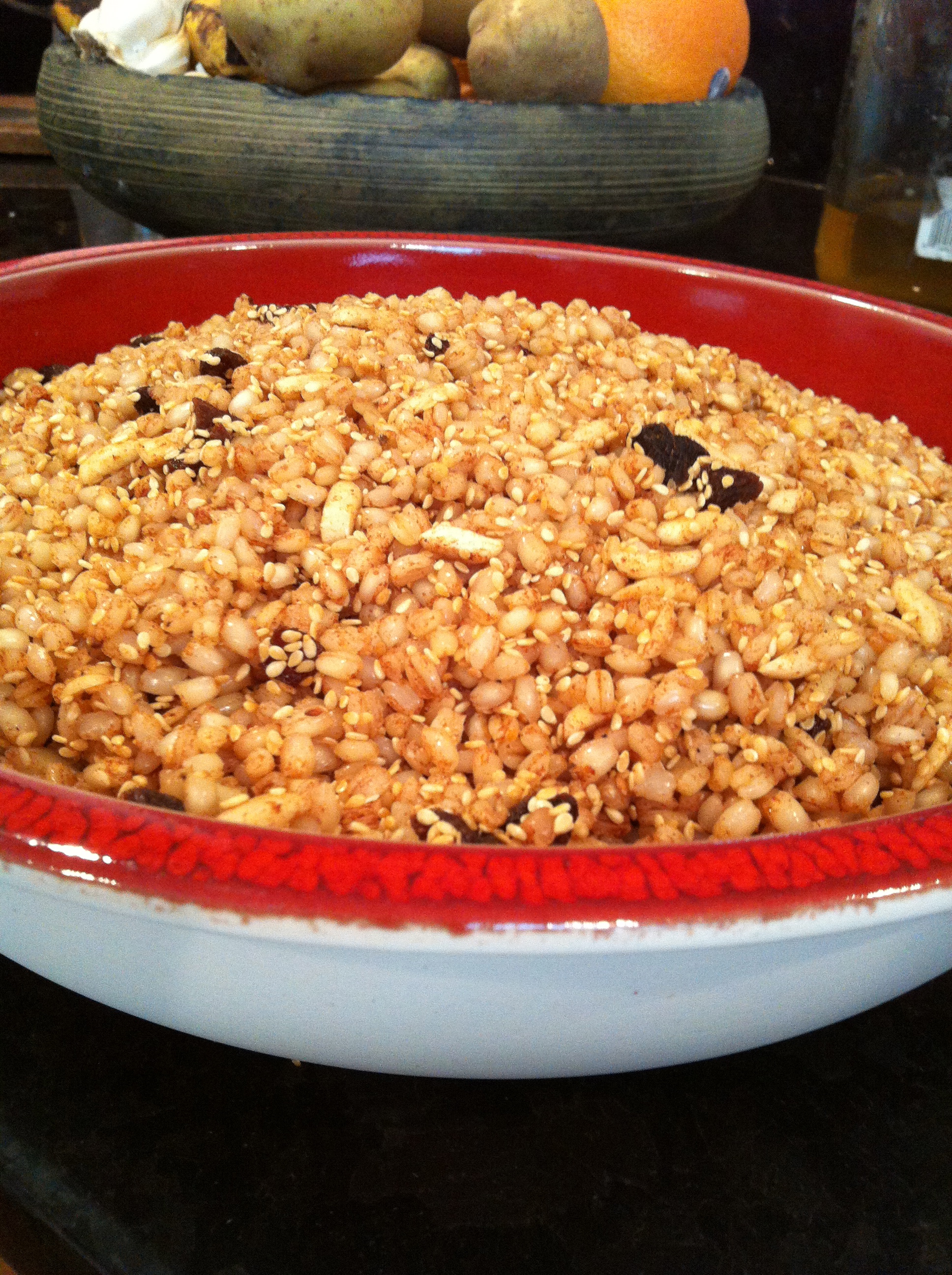
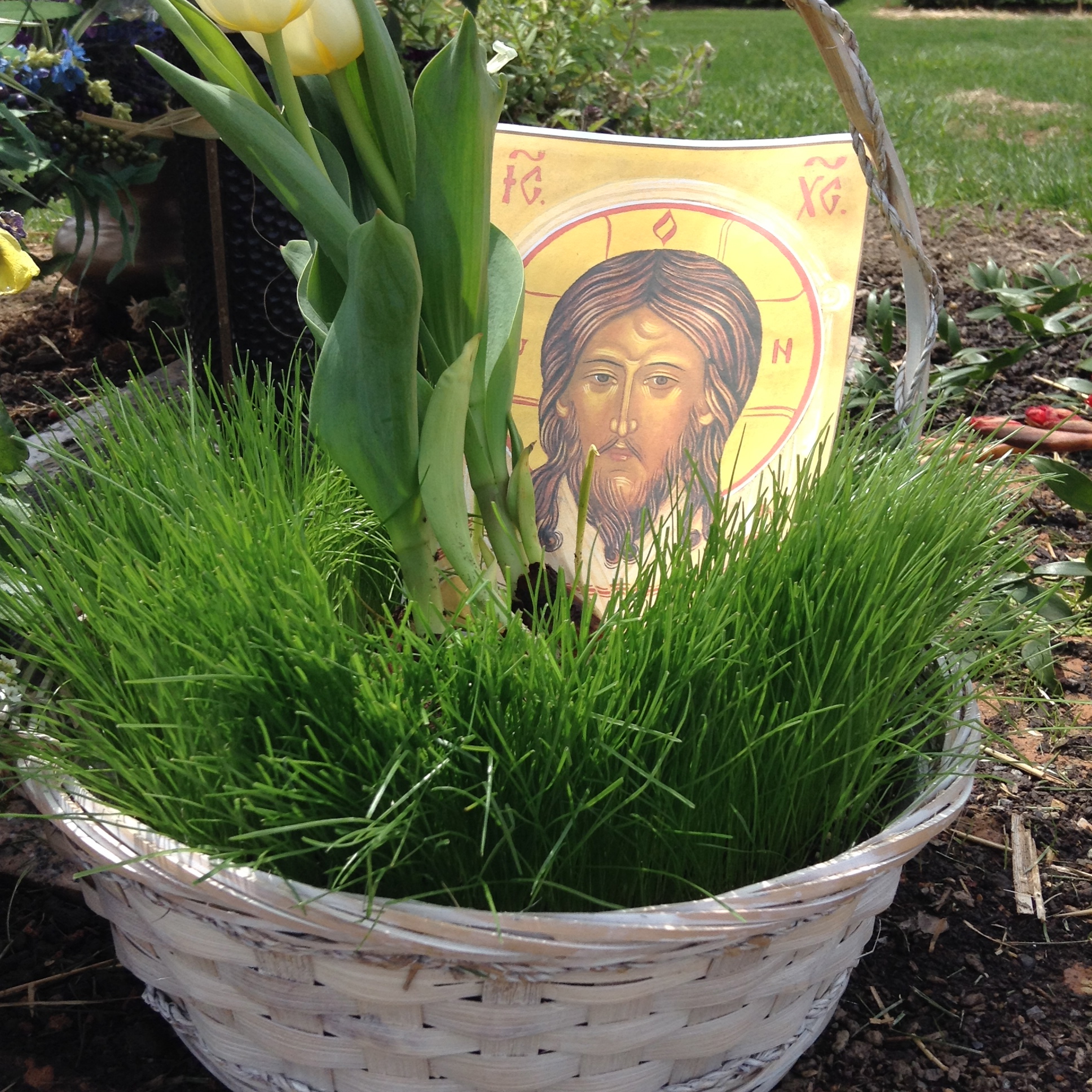
It is traditional for Orthodox families to offer a memorial service in Church on the third, ninth and fourtieth day after the passing of a loved one; and then each year commemorating the anniversary of their death.    During our memorial service, the family of the departed offers a sweet wheat known as kollyva.     Kollyva is boiled wheat with sugar and raisins, spices and nuts.   It is usually decorated with powdered sugar and jordan almonds.


This offering of boiled wheat is a remembrance of the resurrection  ~  for as a grain of wheat must be buried before it can bring forth fruit, so a man must be buried in order to be resurrected for eternity.

During an Orthodox Memorial Service a candle will be placed in the wheat and then the memorial service is chanted for the soul of the departed.

 With the saints give rest, O Christ to the soul of your servants, Where sickness and sorrow are no more, but life everlasting.


May the memory of all of our departed loved ones be eternal!!


There are several different recipes for kollyva but the main ingredient is soft white wheat and sugar.  This is the recipe our family uses, but many other ones may be found here.

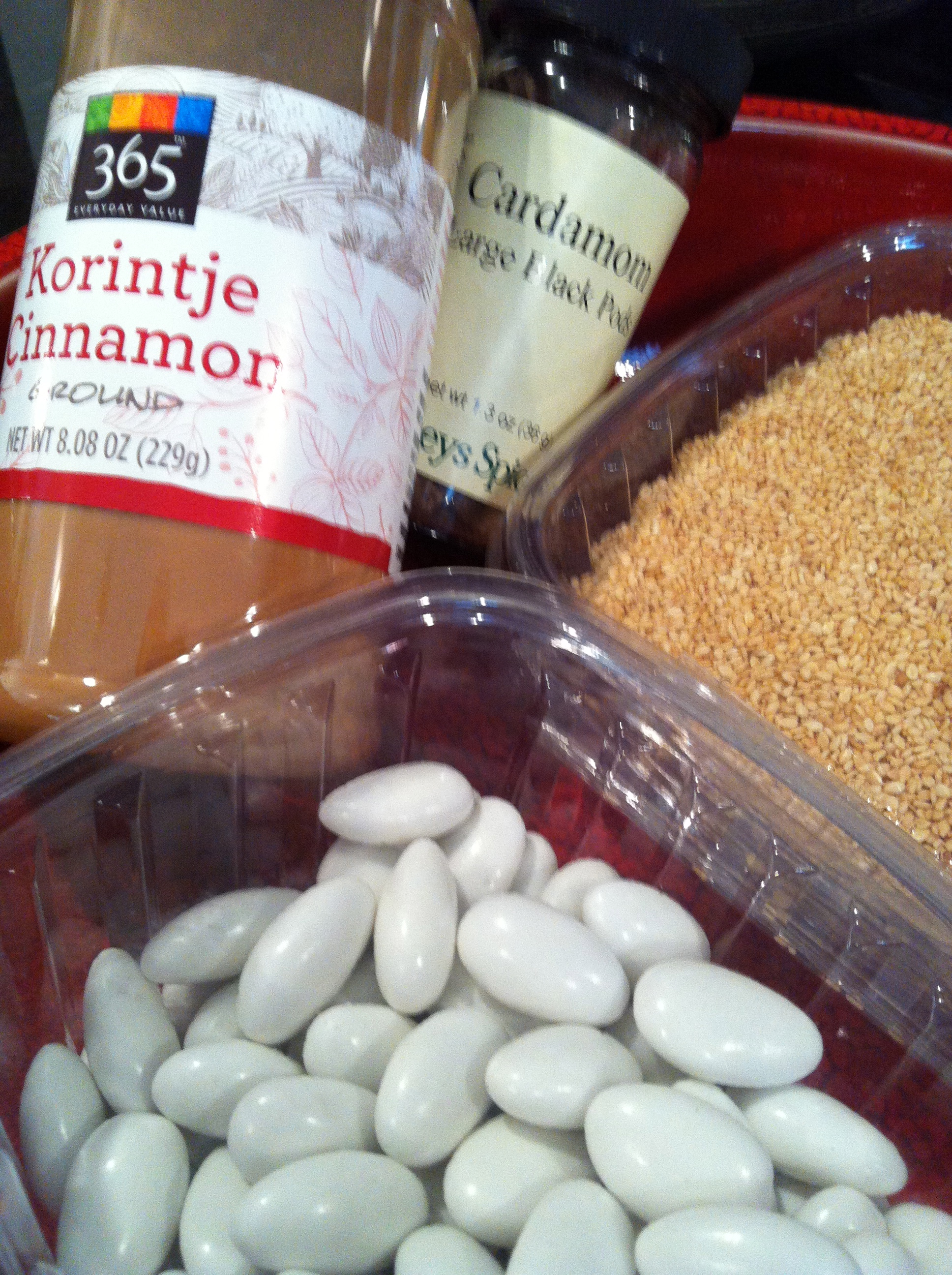
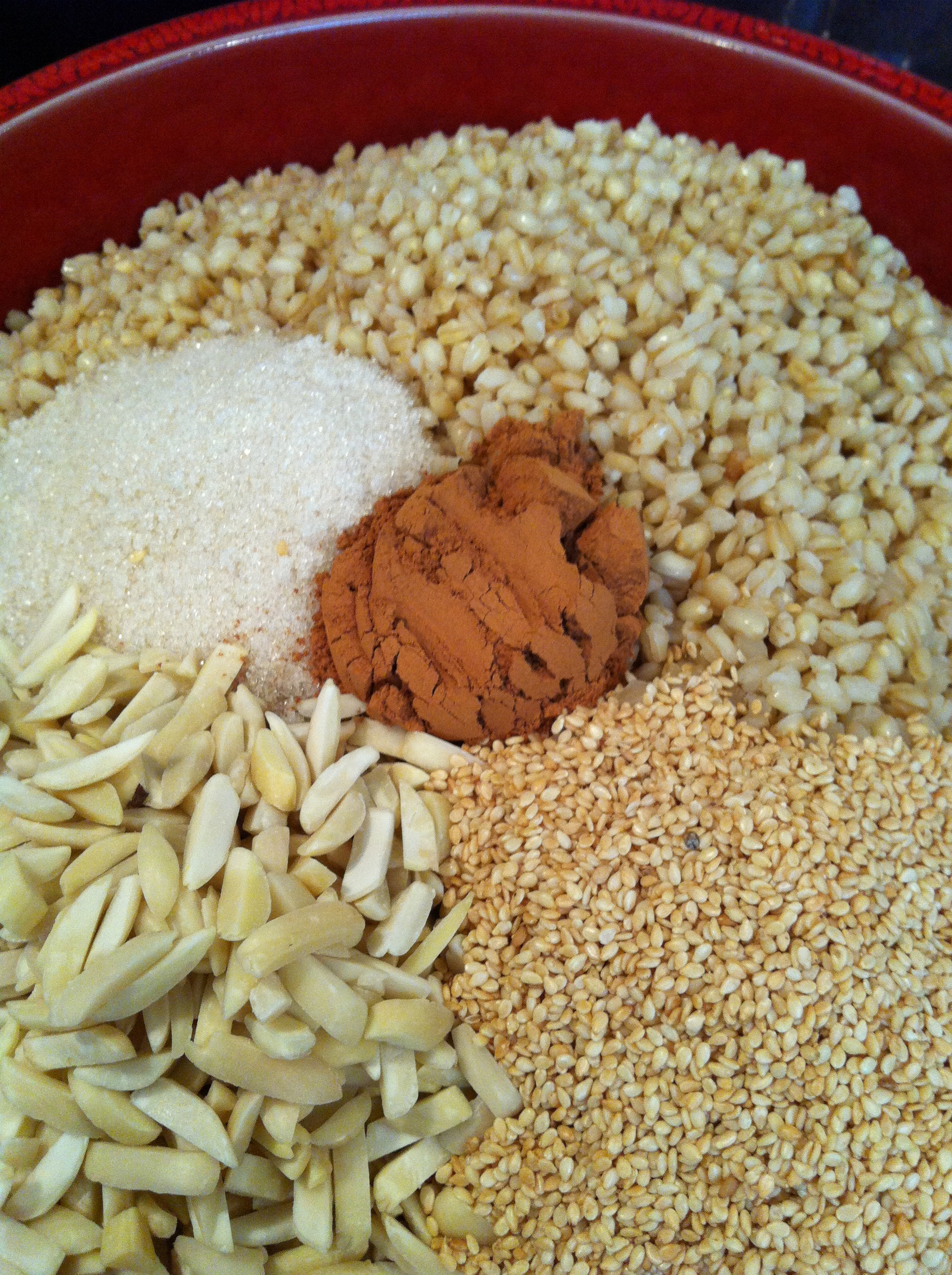
Kollyva Ingredients:

  1. 1 pound soft white wheat
  2. 1 tablespoon cinnamon
  3. 1 teaspoon cardamom
  4. 1-1/2 cups golden raisins
  5. 1 to 1-1/2 cup slivered almonds
  6. 1 to 1-1/2 cup toasted sesame seeds
  7. powdered sugar
  8. jordan almonds
  9. parchment or wax paper for smoothing sugar

Kollyva Preparation

  1. Add the wheat to boiling water and let simmer for a half and hour.  You want the wheat to be soft but not mushy so be careful not to overcook it.
  2. Once it is cooked, strain and rinse the wheat with cold water to stop the cooking.  Place it on a dry white tablecloth and spread it out.  Cover with another white cloth.  Let it sit for two hours or overnight.  This drains the water from the wheat.
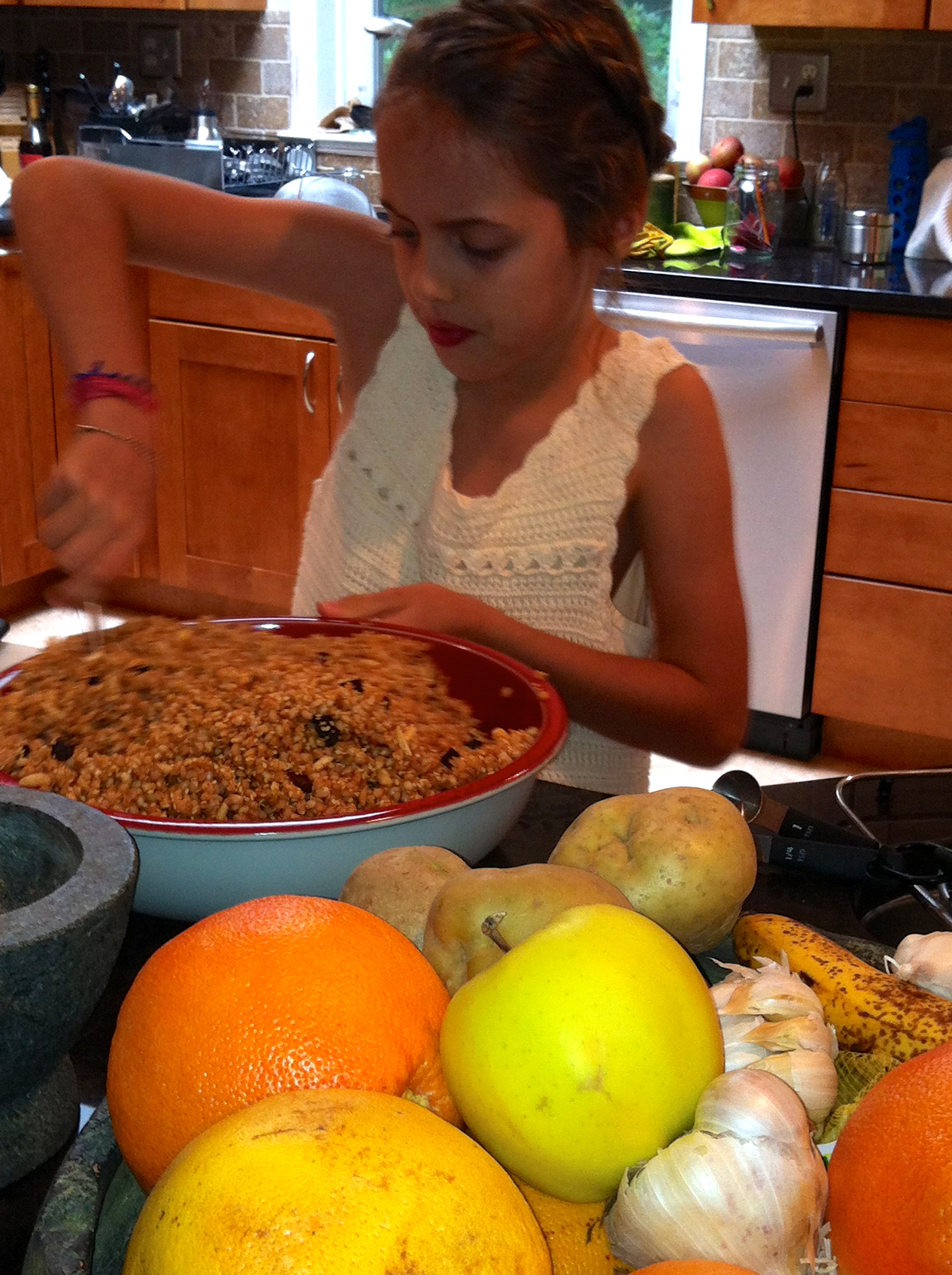
  3. After the wheat has rested, place in a large bowl with remaining ingredients and stir well.
  4. Shape the top of the wheat so that it is smooth.  You may smooth it so it is flat within the vessel you are using or rounded like ours.
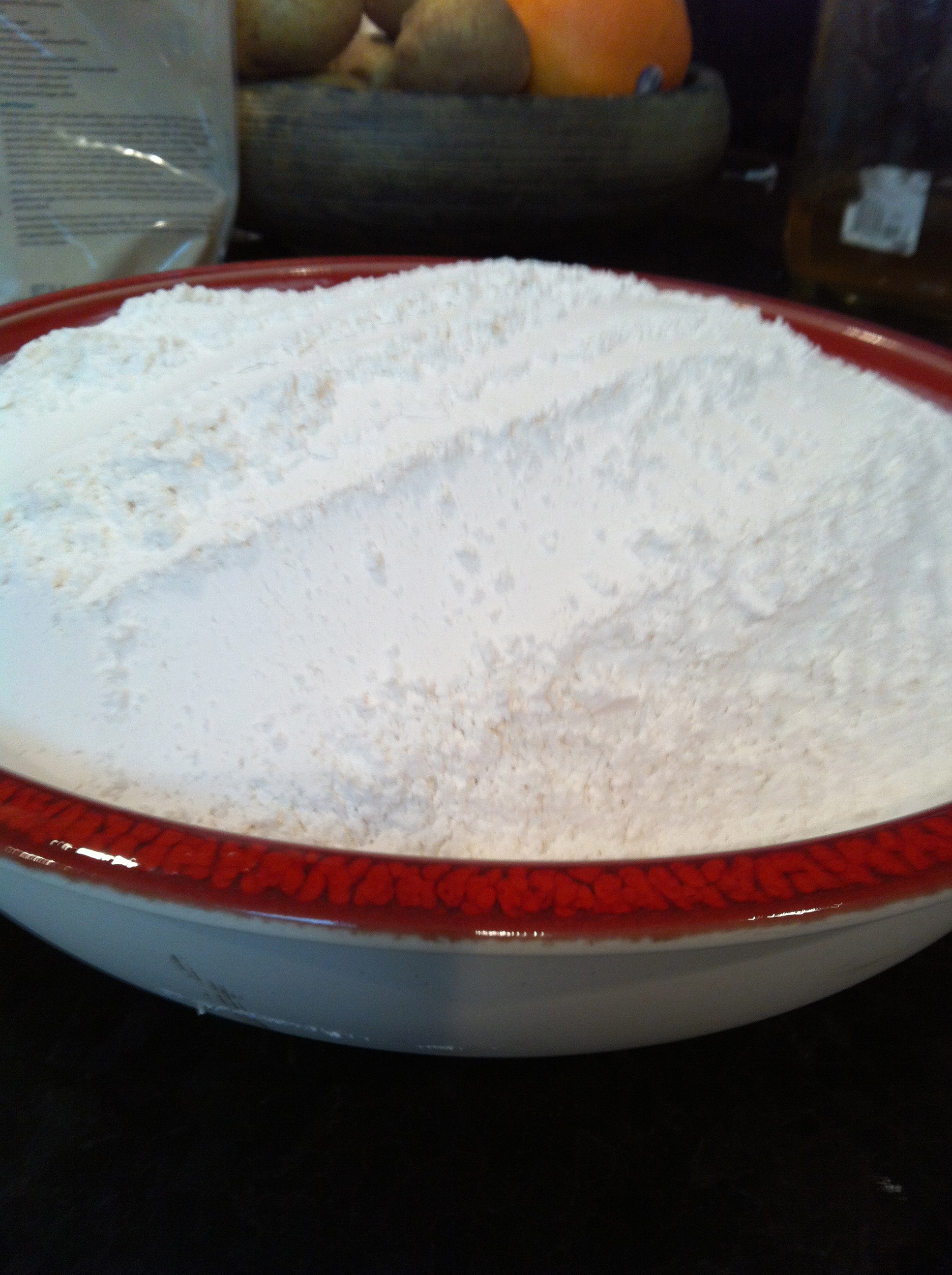
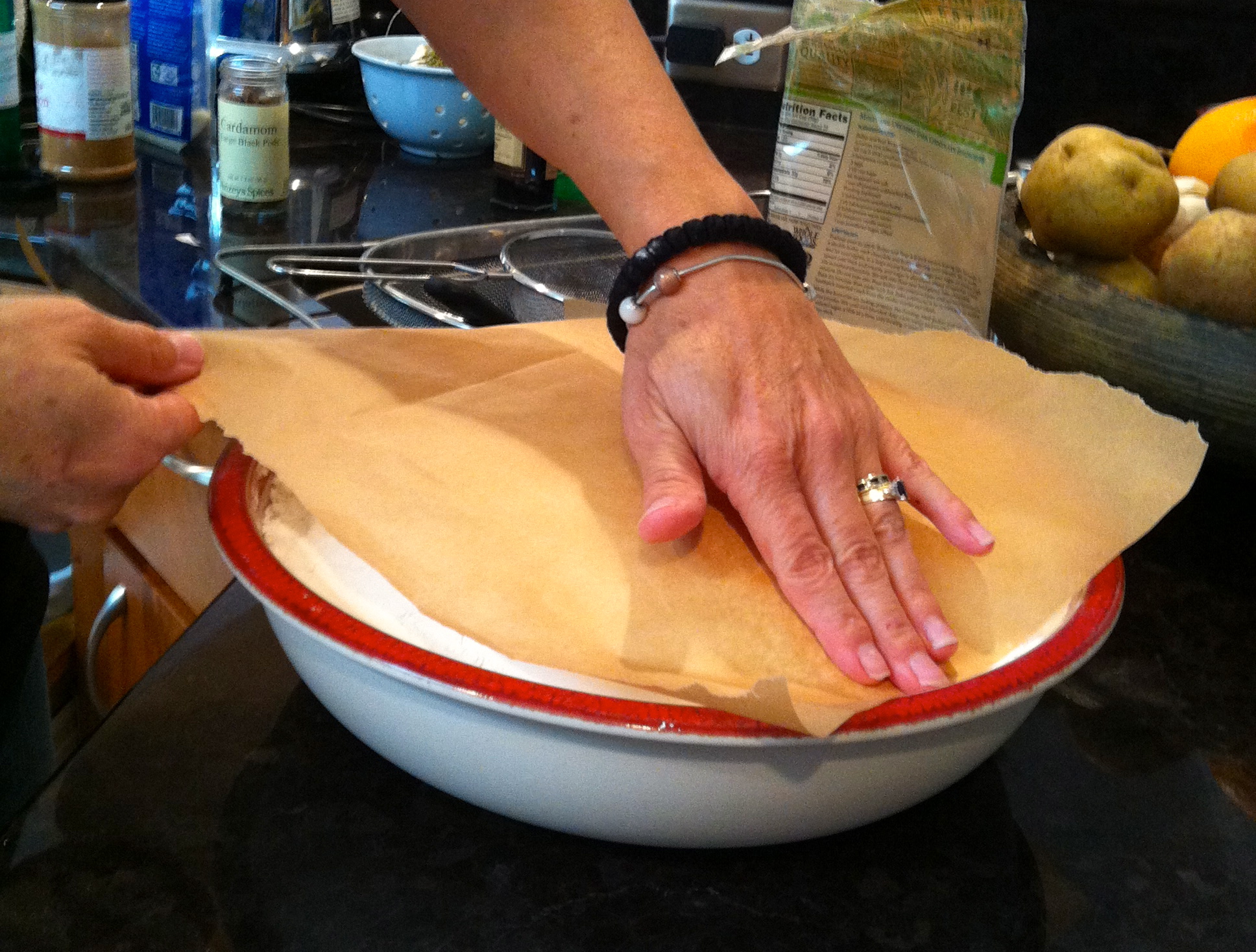
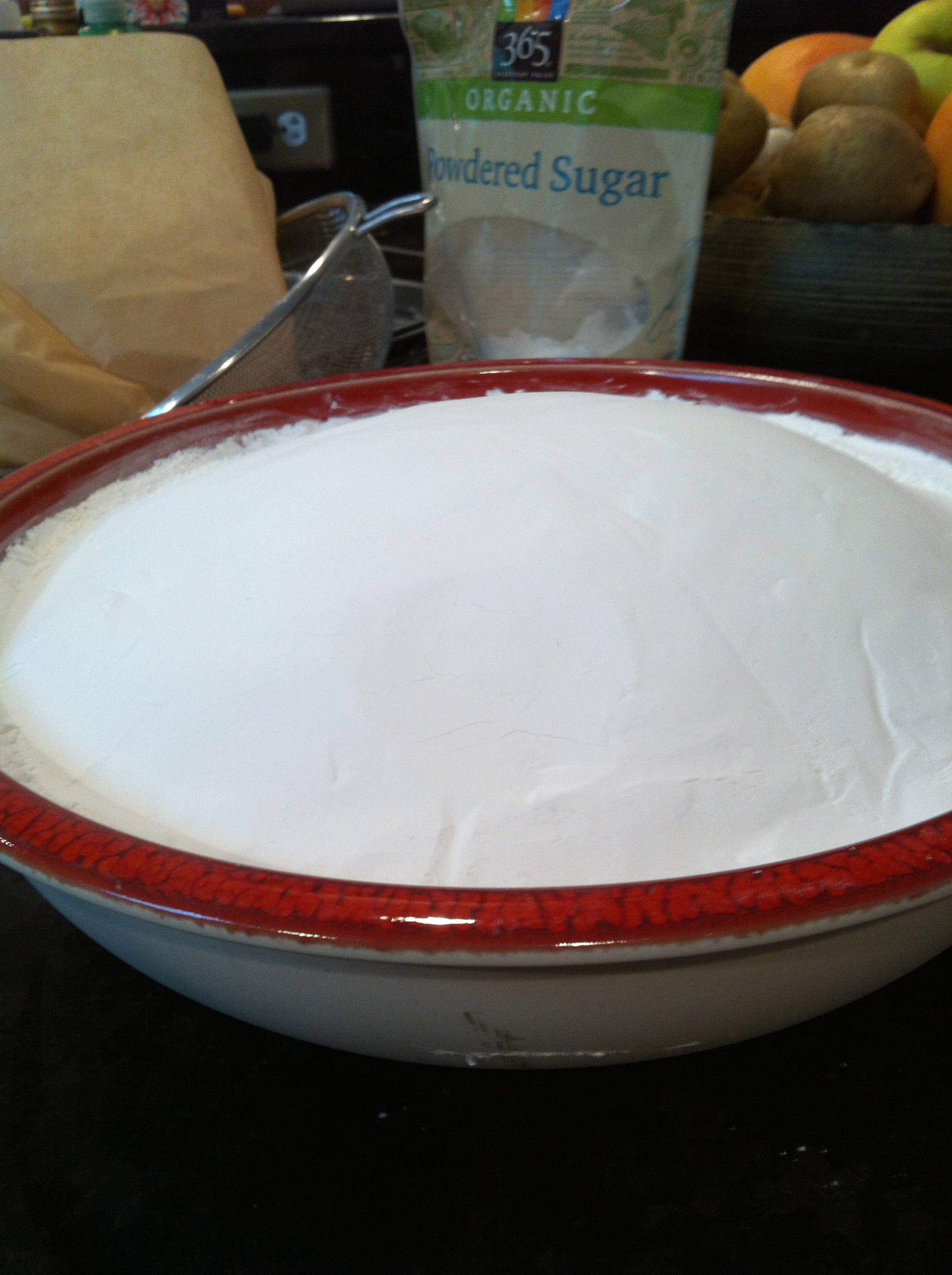
  5. Top the wheat with powdered sugar.   It should be about 1/4 inch thick all over.  Then take parchment to flatten and smooth the sugar.
  6. Now decorate with jordan almonds.

rise and brine

IMG_0400

“God loves fermentation just as dearly as he loves vegetation” -Ralph Waldo Emerson

IMG_0401

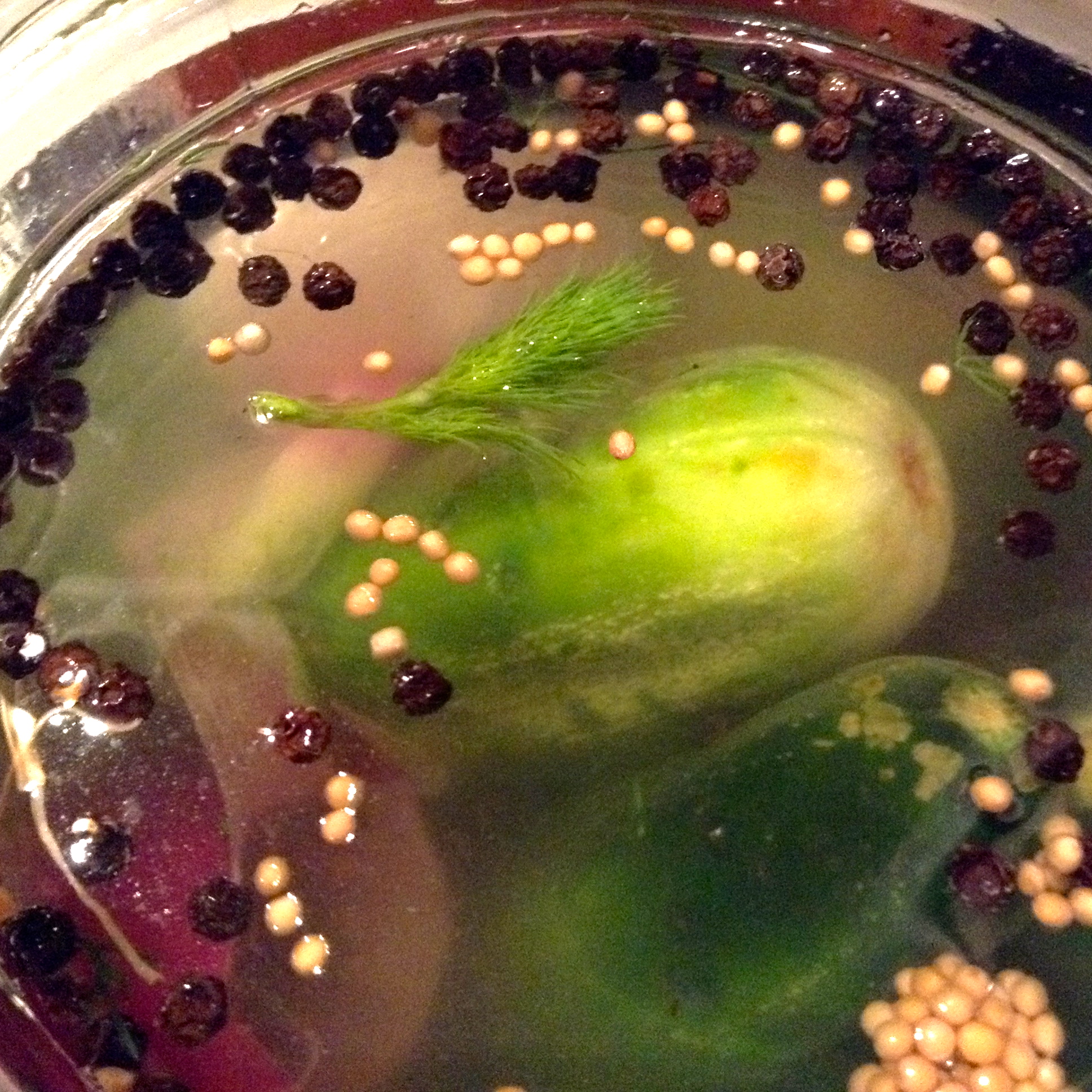
My family loves pickles and brined pickles is what draws most people into the wild world of fermentation.  They taste delicious, use only a few simple ingredients and are otherwise so low tech that your grandmother can make them!  😉  And really, for me, that’s kind of the point.
We usually don’t prepare our pickle ferments until July, but we went through our last jar, and so I grabbed a bunch of pickling cucumbers at this weeks market.

This recipe is for a more sour pickle and it’s not exactly a recipe.  The main ingredient is the brine… Other than that, we use whatever is on hand, but it almost always includes plenty of dill, peppercorns, mustard seeds and lots of garlic… but use whatever your heart desires.

You’ll need clean mason jars and washed hands!

For this recipe we used:

3-4 pounds of pickling cucumbers, unwaxed.

2 heads garlic, peeled

1 large bunch dill or more

black peppercorns

one bunch fresh spring onions

one bunch french radishes – just because we had them!

pinch black peppercorns

pinch yellow mustard seed

6 tablespoons sea salt

64 ounces filtered water

one grape leaf (this helps them keep their crunch!)


For the brine we use 64 ounces of filtered water combined with 6 tablespoons of salt.  That translates to a 5% brine.  Make that and set aside.

IMG_0397

Wash your hands and rinse your vegetables well.  The rest is really simple, pack your cucumbers, herbs and spices into the jar.  It’s a good idea to pack them tight – really push them in so that they do not begin to float when you add the brine.  Add the brine to above the level of the vegetables.

IMG_0401

Place lids on loosely so that they can breathe.  You’ll notice in a day or so that they start to bubble.  This is the fermentation.  Sometimes it will even over flow a little bit onto the counter so I place mine of a towel.

If it is warm weather and your kitchen temperatures are above 77F the fermentation will take just a few days, so you’ll want to check them daily and move to the fridge once they are to your liking.

IMG_0400

The more I ferment the more I am inspired at the subtle interconnectedness of everything around us.  Each fermentation is a unique manifestation of your hands and your kitchen and your vegetables and your environment.  Even if we ferment with the same recipe yours and mine will be unique in their own subtle way…. and yes, we are just talking about pickles, but still…whether microbial or human, it’s all about community and harmony and relationships.


bee-lieve

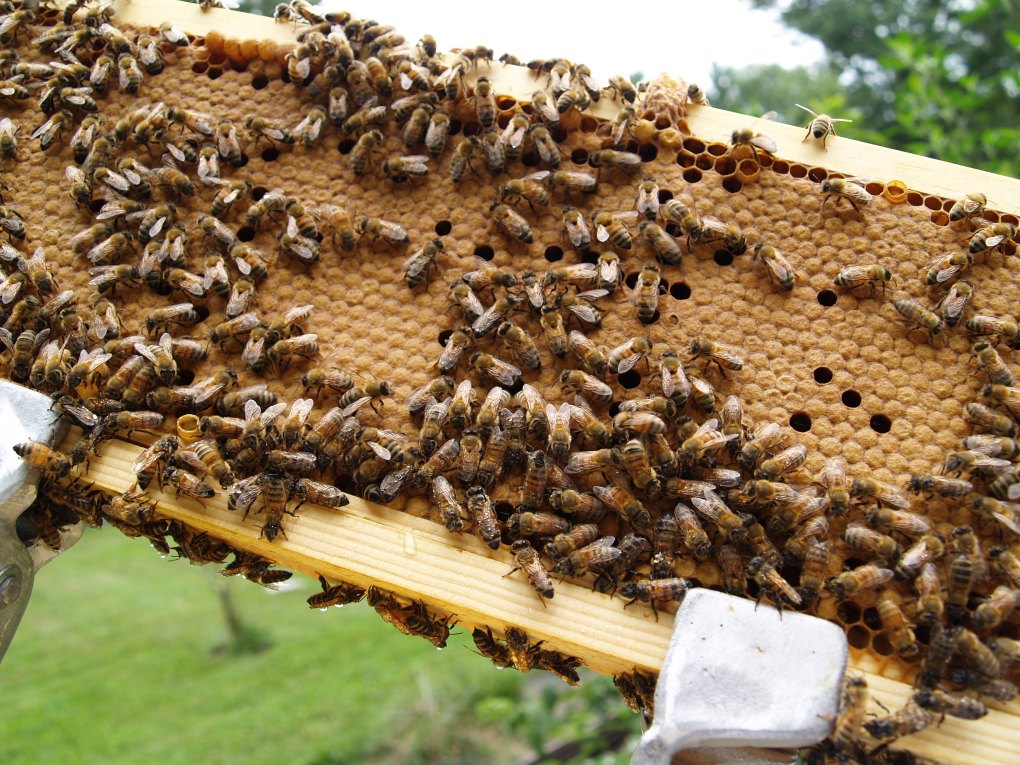
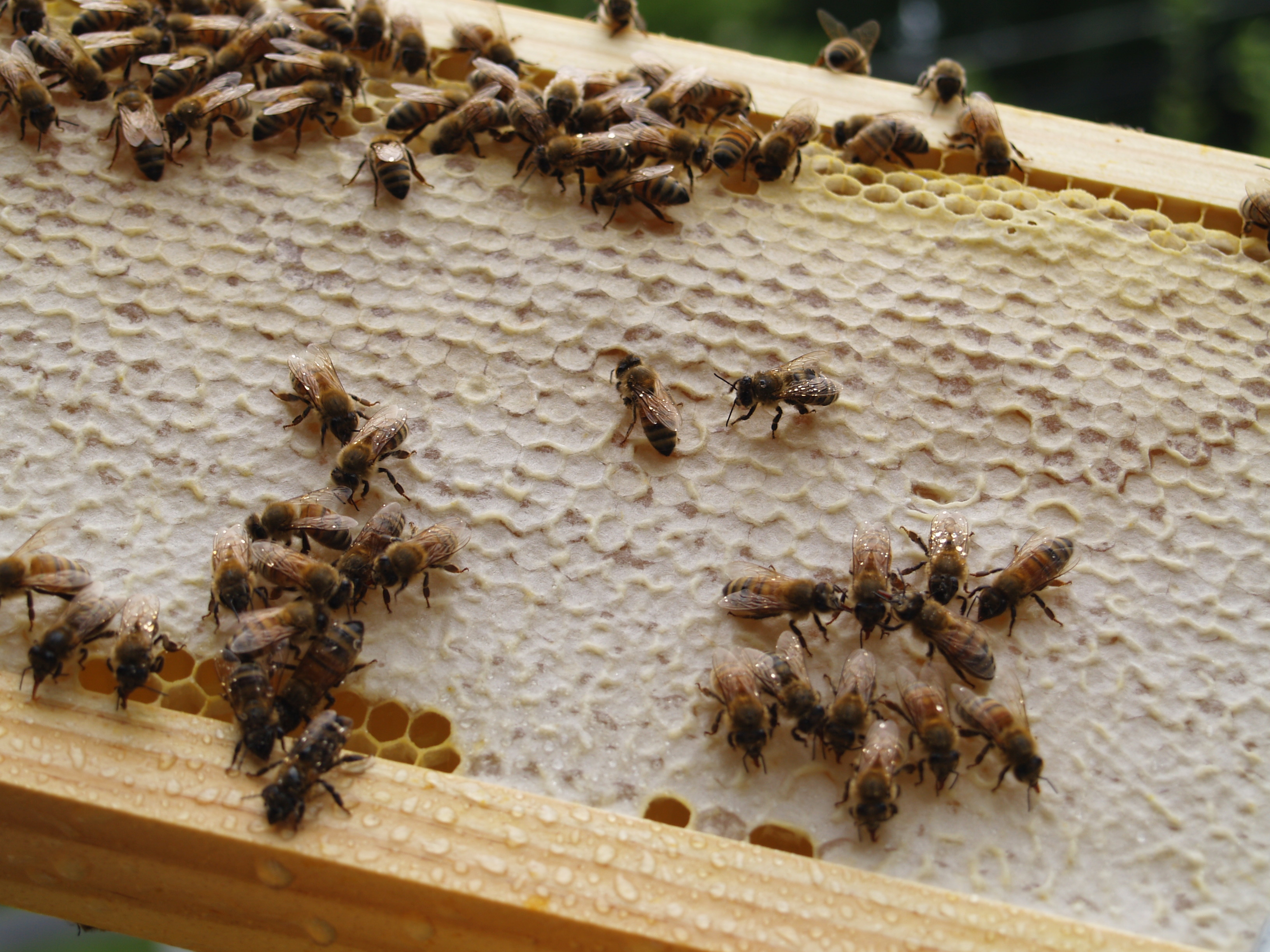
OLYMPUS DIGITAL CAMERALast year we lost all of our bees, and really through no fault of their own.  They needed some care and intervention and, being overcome with events, we did not come to their aide.  We realized there was a problem with the hives in late summer and tried to help them recuperate, but then we were taken away again and they had to fend for themselves.

One hive may have swarmed, but you can never be sure.

Last summer, within a three month period, our family was besought with two deaths.

This life is a time of preparation.   Death is inescapable, yet somehow we are always unprepared – even when it is looming.

One death was expected, our aging father.  A kind and gentle man, he left us in the early morning of July 4th.  Wise in his age, he was always reminding you that “your problem is that you have no problem.”   Words to carry with you forever.   His was a beautiful death and we were with him to the moment of his repose and into the day.  Our priest arrived just minutes after his passing and spent time with our family and in the most uncommon act of normalcy, even brought the grandchildren in to see their newly departed Papou.

Then on October 11th, a severe blow,  we lost our brother.   Taken from us in his prime, he was only  forty and  just coming into his own wisdom.  Our last days with him were seven sleepless days and nights in Trauma ICU, following a horrible car accident.

To hear the last breath of your loved ones… this is a sorrow filled and blessed gift… and one that is filled with immeasurable Grace.


like grasses of the field

The time of mourning the loss of two beloved in your family, departing so near in time to one another leaves an indelible mark on your life and places you undoubtedly in an unfamiliar new season.

The season of mourning and praying for the departed.

From the depths of the heart confronted with death, praying for the departed makes you feel alive again.  An action of Faith ~ grief and bereavement bleed with the hope of Life and Resurrection.

At the onset of mourning, the heart filled with the heaviness of sorrow is tempered only by the lightness of prayer.

Memory Eternal… we pray for them because we love them, and in praying for them, they pray for us and so our relationship continues.  After all, they are still our family and we don’t forget them but continue these prayers for the rest of our lives.  This is the Orthodox way.

Prayer for the departed is the joy filled sorrow of another season in our journey as our lives continue here.

In the coming weeks our garden will have the buzzing of bees once again.  The whole family is preparing for our wonderful little pollinators!


This slideshow requires JavaScript.


“Someone who thinks that death is the scariest thing in the world, doesn’t know a thing about life.”  Sue Monk Kidd – The Secret Life of Bees


“O Death, where is your sting? O Hell, where is your victory? … Christ is risen, and the angels rejoice. Christ is risen, and life reigns…. For Christ, being risen from the dead, is become the first fruits of those who have fallen asleep. To Him be glory and dominion unto ages of ages. Amen.”  Saint John Chrysostom


greek-orthodox-icon-of-christs-resurrection-thessalonica-macedonia-greece-europe


i heart organic strawberries

“For a long time now we have understood ourselves as traveling toward some sort of industrial paradise, some new Eden conceived and constructed entirely by human ingenuity. And we have thought ourselves free to use and abuse nature in any way that might further this enterprise.  Now we face overwhelming evidence that we are not smart enough to recover Eden by assault, and that nature does not tolerate or excuse our abuses.”

Wendell Berry ~ Bringing It to the Table: On Farming and Food


For about a year of college I lived in Germany, which was my first exposure to farmer’s markets, a way of life at least where my family there lives.  That was some twenty years ago – probably about the very time farmer’s markets were gaining new traction in the U.S.  At the time, I’d never seen eggs so fresh they were still adorned with feathers, or vegetables still smelling of the earth.
One thing about fresh food is that it’s always near death ~ counter-intuitively that makes it alive, and allows it to nourish us with all the vibrancy of it’s vitamins, minerals, enzymes and phyto-nutrients (a word apparently so new that my spell check keeps trying to change it).
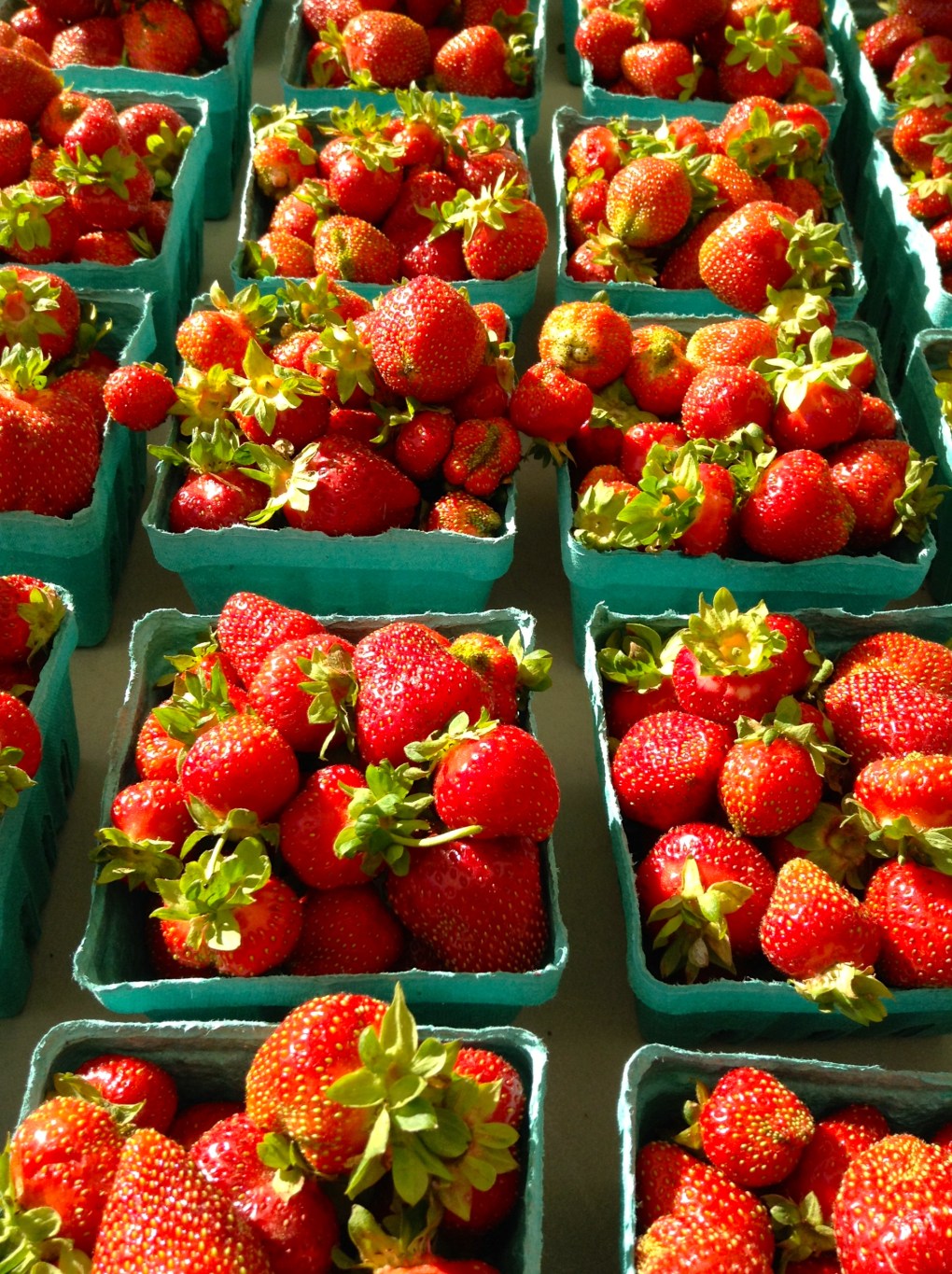
With that in mind, any one attempting to stay as local to their food sources as possible knows the importance of preserving the harvest.  Fresh food is not immortal!  At the moment we are at the waning edge of strawberry season here in Virginia.  In fact, we missed getting any at the past two markets due to our late arrival, so this morning we got there early!
Making that effort to find the best food for my family is really important.  These are not delicacies or haute cuisine at all, but no-frill foods that are raised in harmony with the land, in such a way as to be nourishing rather than depleting.
If we don’t eat the strawberries we bought this morning in about four days, they will rot.  So, extending the harvest has become a habit allowing us to enjoy the delights of spring even into the upcoming winter.  There are many ways to preserve what’s currently in season from canning, to lacto-fermentation and even simply freezing.
As a rule we try to stick with organic whenever possible, but particularly with strawberries which are a fruit known as one of the dirty dozen.  That’s because they are covered with some of the most toxic agricultural chemicals available.   Many of these chemicals are carcinogenic and known endocrine disruptors – that means they mess with your hormones.   Nice!   Even after washing, 67% of fruits and vegetables sprayed with these chemicals still contain them.  Hmmmm.
Over time, many of these toxins bioaccumulate in our fat cells.  Our bodies really do not know what to do with these, and that can have negative effect on our physical health.
The blessing of the farmer’s market is being part of a community.  People get to know one another and look forward to chatting, sharing and learning. You know your farmer’s name, and feel confident in his word.  None of our local strawberry growers sprays, which is a testament to their dedication and nurture of the land.  It’s all connected…in providing well nourished soil to the plants, the plants then become strong and less susceptible to disease and pests, which means these farmer’s don’t need all of the toxic pesticides and fungicides in the first place.
Buying organic can seem more expensive – perhaps in the short run it might slightly be – mostly because we buy en masse.  That said, at the farm stand I can pretty much guarantee you will get a discount  – most of the time without even asking – if you buy in bulk.

This slideshow requires JavaScript.

Whether you freeze them, make them into jams, pile them atop of shortcake or eat them right out of the flat, they are a seasonal delight that brings a smile to everyone’s face!

contain yourselves

“Odd as I am sure it will appear to some, I can think of no better form of personal involvement in the cure of the environment than that of gardening. A person who is growing a garden, if he is growing it organically, is improving a piece of the world.”  Wendell Barry – The Art of the Commonplace: The Agrarian Essays


Even if you have only a tiny patio or balcony, growing your own food is a possibility.  No matter how little space you have, with a packet of seeds, a few pots or other container of your choice, you can turn a blank space into an edible landscape.  Whether you grow an assortment of kitchen herbs or potted potatoes, carrots and beans it’s easy and can transform an urban space into a haven and retreat.

A few weekends ago, we picked up some cedar planters at our local plant store DePaul’s Urban Farm and then the kids got to work staining them and planting some carrots.

This slideshow requires JavaScript.

Soon we will have an awesome harvest of carrots.

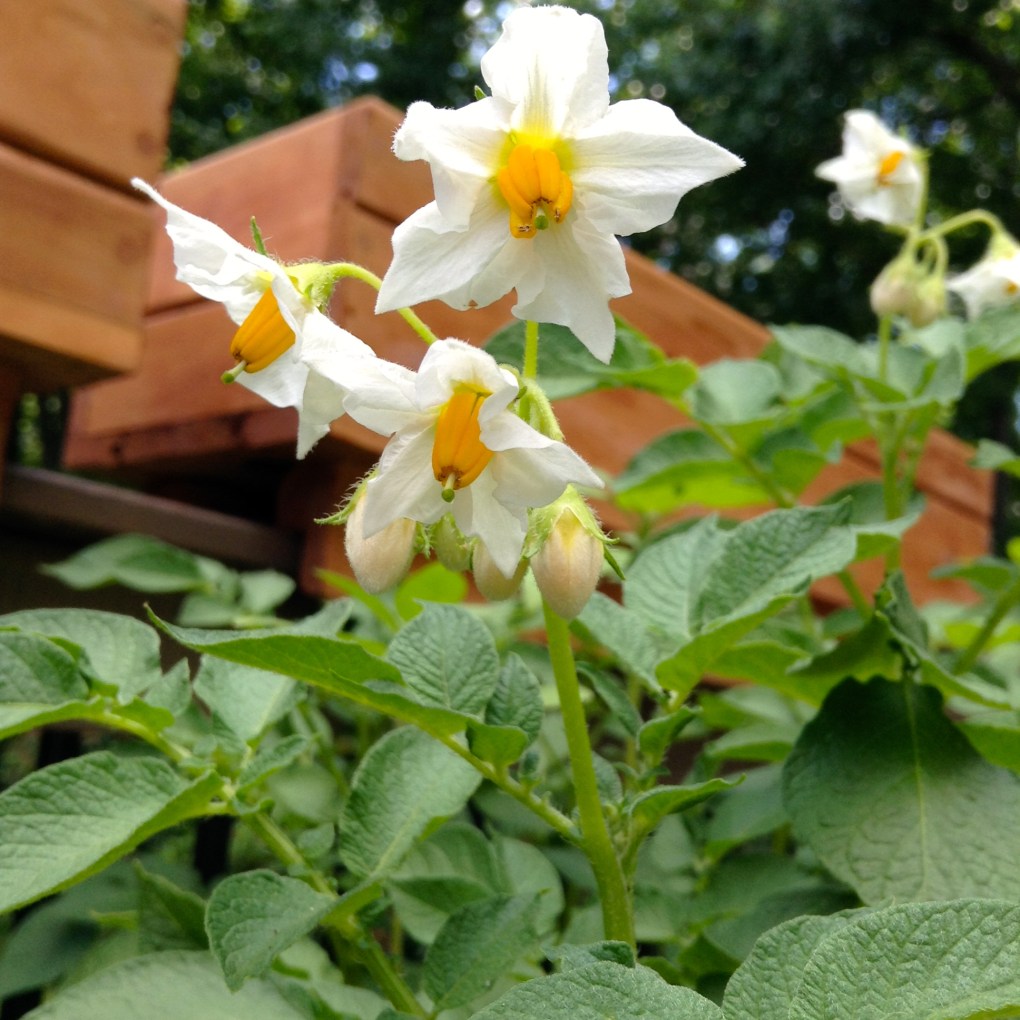
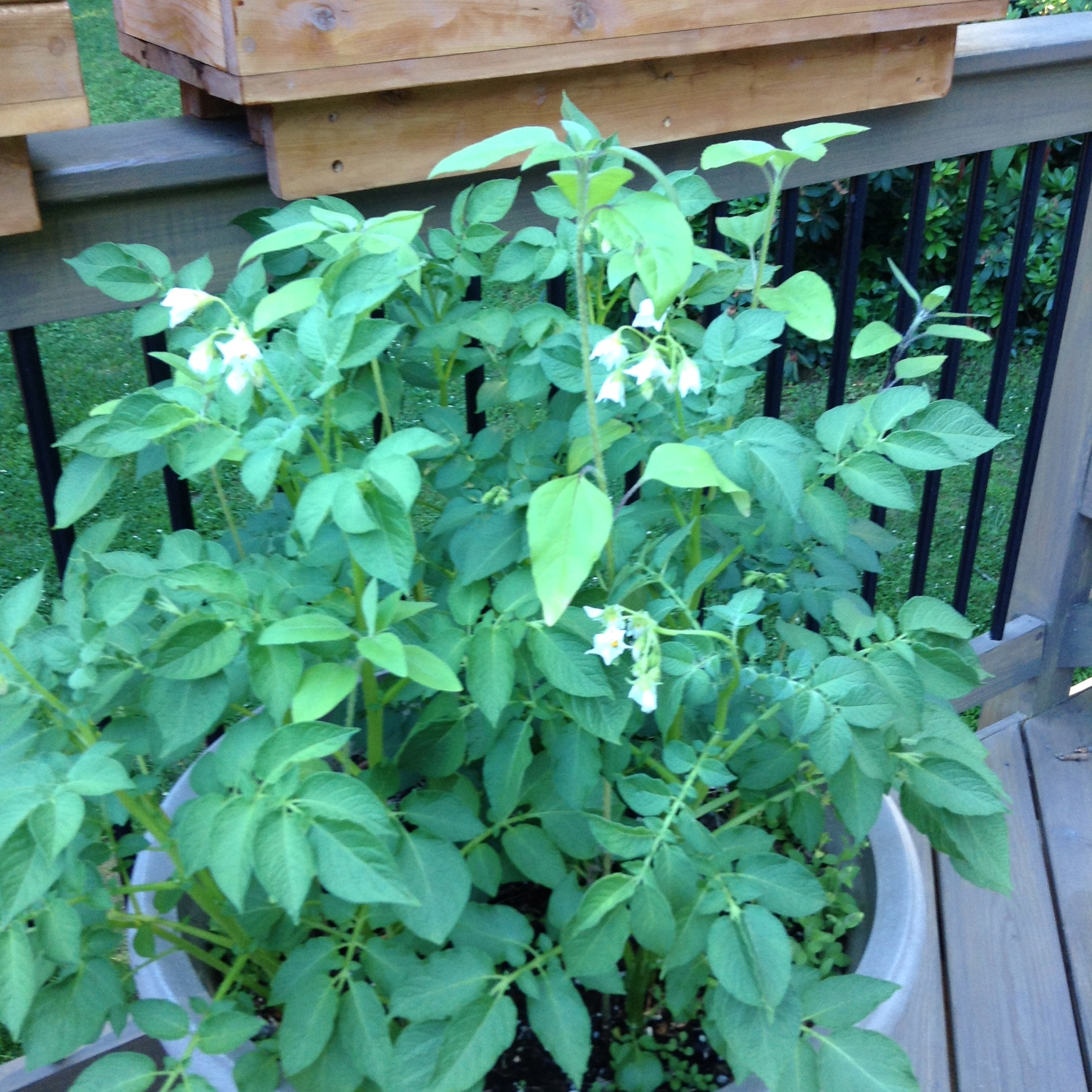
Also too we have potted potatoes – so much easier to harvest because they are confined to one space than planting in a larger garden.  For something a little different we added sunflowers into the mix – for a little flowery effect.  They will bloom soon!

Whatever you chose, the main thing is to have fun with your planting and make a space which is visually and edibly pleasing.

At the end of the day, nothing compares to your own fresh grown food.  Just as wonderful is that you really don’t need a lot of expertise or skill to grow them – especially beans, tomatoes, peas and any salad vegetable.

IMG_0286

The past ten years have seen a rapid increase and high demand for real local sustainable food.  Not a new idea, just one misplaced for about a century!… previously all food was local, mostly because there was not the ability to transport it, or the chemical fertilizers to mass-produce it.

Family gardeners restore and heal their little part of the world starting with their own space and being.  Working the dirt, it is inevitable that knowledge, experience and success from those lessons unearthed in the garden tills into other areas of our lives ~ gratitude and thanksgiving for the harvest, family and friends!

“In almost every garden, the land is made better and so is the gardener”. ~Robert Rodale


grow.harvest.enjoy

In farming, as in gardening, I happen to believe that if you treat the land with love and respect, then it will repay you in kind.  – Prince Charles

The life of a garden is in perpetual motion.  It’s a dynamic place, hustling and bustling with the growing harvest and buzzing with life.  It’s a place were nature thrives and in so doing nourishes hungry family and friends.

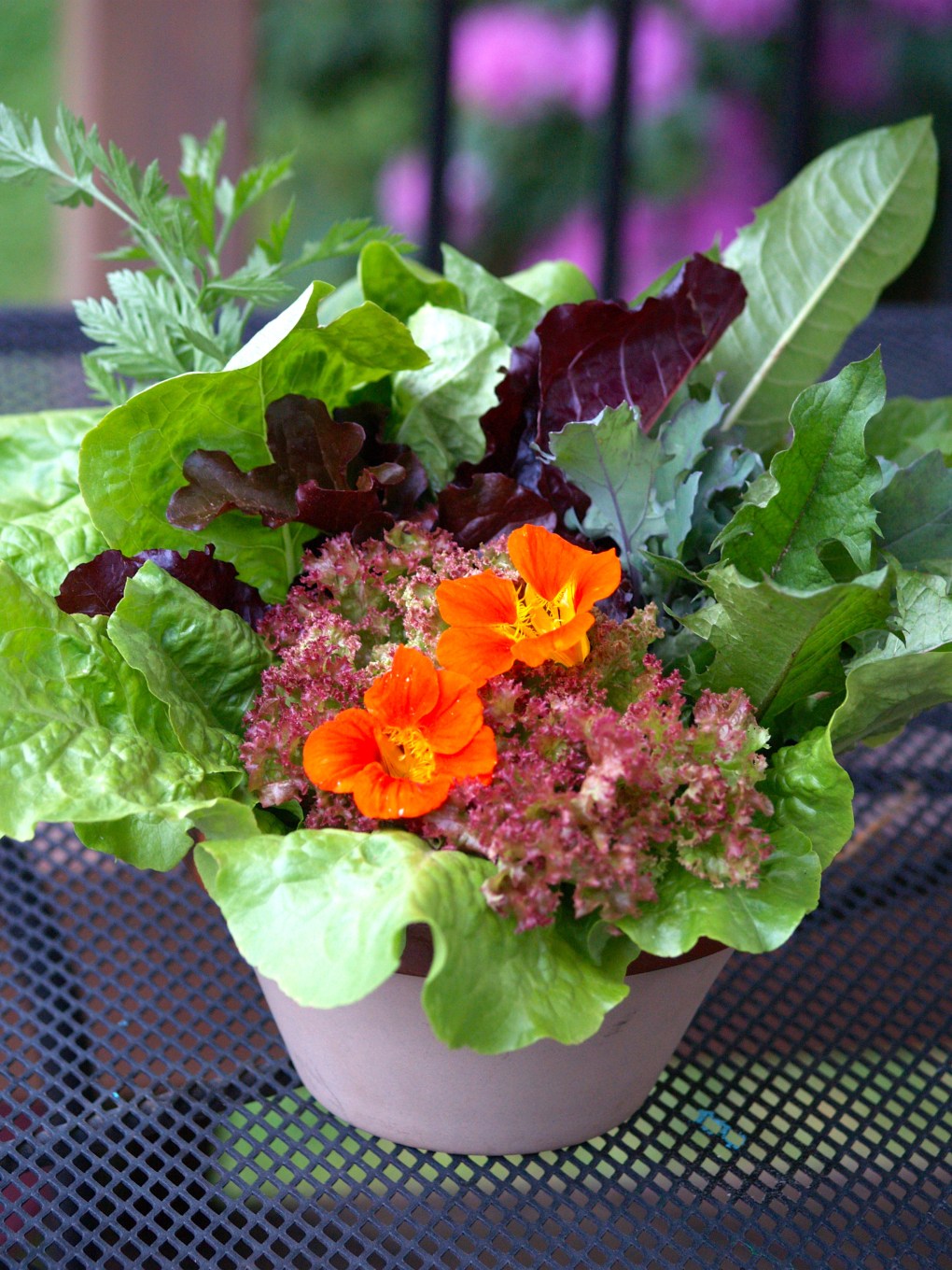
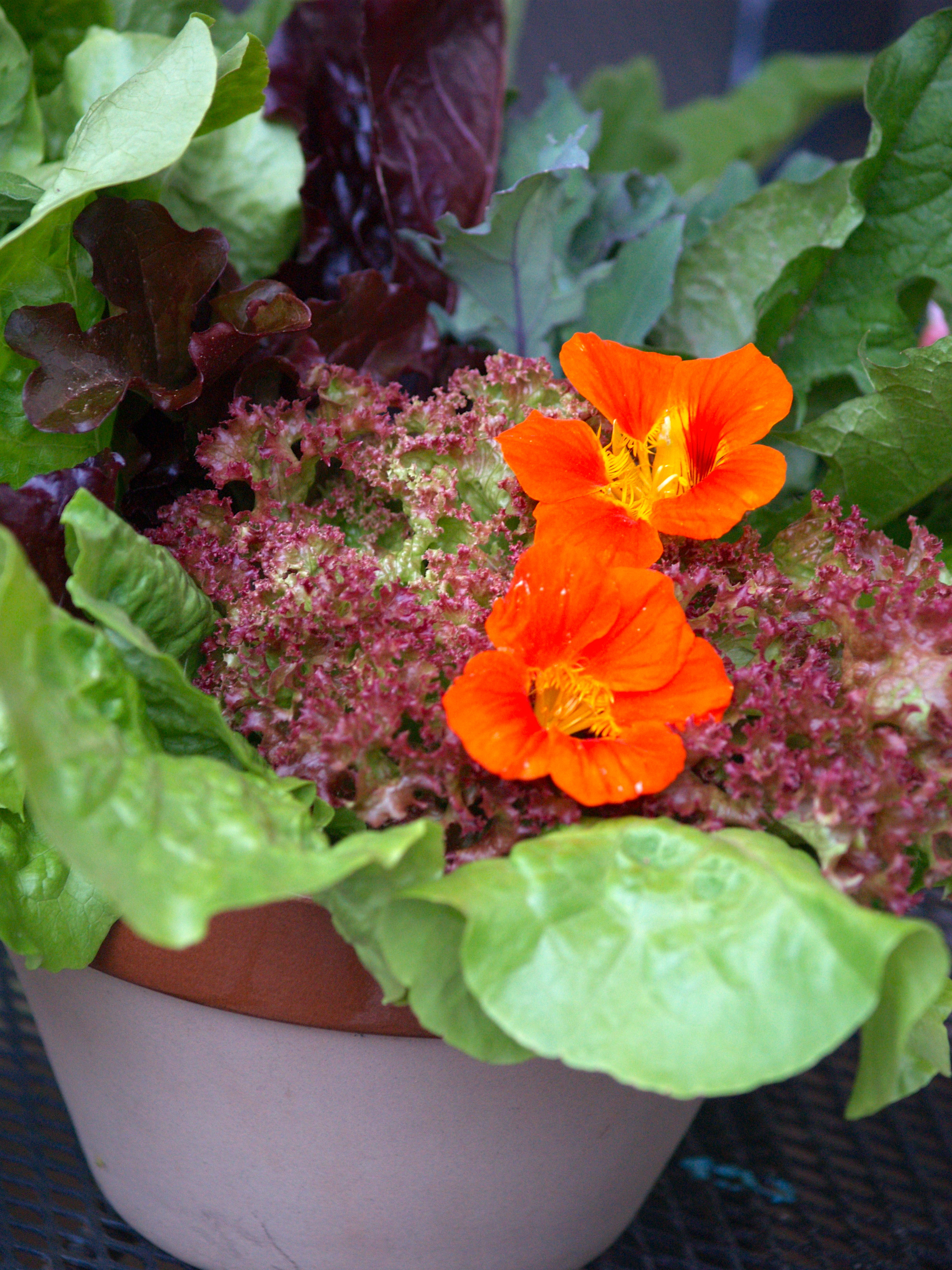
This beautiful bouquet is not a gift from my husband, but our dinner salad!  Full of an assortment of fresh salads from the garden as well as carrot tops, baby kale, dandelions, cilantro and peppery nasturtiums we snipped it just before dinner and it is a crispy delicious addition to our meal.

Growing your own organic vegetables is practical in many ways – from reducing use of fossil fuels and exposure to toxic chemicals to increasing the vitamin content of your meals  – although as modern consumers “organic” seems a relatively new concept, this is how our great grandparents gardened.  They didn’t “certify” it or have any special name for it.  Caring and nurturing the land was just a way of life – and in return the earth gave sustenance for their nourishment.  Our forefathers had a greater understanding of healthy soil and plants than do we.

In my own family, it was my German grandmother who gave me a love of gardening.  She tended her little plot of backyard garden with a vibrant happiness and care – even to the point of setting aside water in the morning and waiting a few hours to hydrate the plants so that it would warm to the air temperature.   I am not sure of whether that made any difference to the plants, but I can say that hers were some of the best beans and tomatoes I’ve ever had and she always had a very high yield.  But the point is that small farmers tend the planet better than big business.  Small farmer’s and family gardeners work in harmony with the seasons and Mother Nature rather than fight her and that makes all the difference.

If you are not sure about growing your own food, but are thinking to give it a try – remember that it’s not necessary to have a green thumb.  Seeds want to grow.  Even if you make mistakes, you’ll learn from them and that is a great blessing!   The best part is that your little victory garden will give you the chance to reacquaint yourself with all you thought you knew, from radishes to carrots to kale.  Cultivating the land gardeners cultivate patience – the joy of waiting to taste  a strawberry or sugar snap pea and also forgiveness for the imperfections those natural and organic sometimes yield – while not always perfectly shaped they are always delicious!  In so doing a gardener also learns a little something about life and community.


Dinner Bouquet


Farmer’s Market Parking Only

Good food should be grown on whole soil, be eaten whole, unprocessed, and garden fresh.   Helen and Scott Nearing


Today is a great day… the return after a very cold winter of our local Farmer’s Market.  It’s been a difficult winter in Virginia for those wishing to eat locally and seasonally.  With temperatures hovering in the 20s fora majority of days per week this winter, there was very little local produce, outside of what had been preserved at the end of the summer.

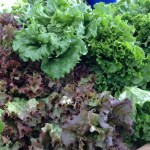
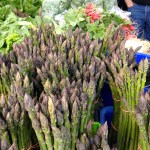
The asparagus at the farmer’s market is a sure sign that spring is here to stay, and by consuming these light spring vegetables our bodies can also spring clean.  The vegetables making their way to the local farmer’s markets now and in the coming weeks are deliciously sweet, naturally cleansing and help our bodies clear the internal stagnation of our heavy winter foods or from winter’s inactivity.

Salads are the liveliest vegetables we eat. The chlorophyll in green things gives the body the greatest vitality and relays the sun’s forces directly to the inner man. It is the green life-blood of the plant, the giver of strength and energy.   Helen Nearing


Twelve Months of Monastery Salads is a wonderful cookbook full salads and mindful eating.   There are plenty of delicious recipes for all these wonderful cleansing and spring vegetables on hand!   Within the book you will find thoughtful and wonderful quotes to accompany your meal !


SaladCookbook