“There are always flowers for those who want to see them.” Henri Matisse
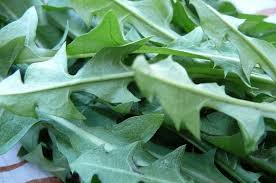
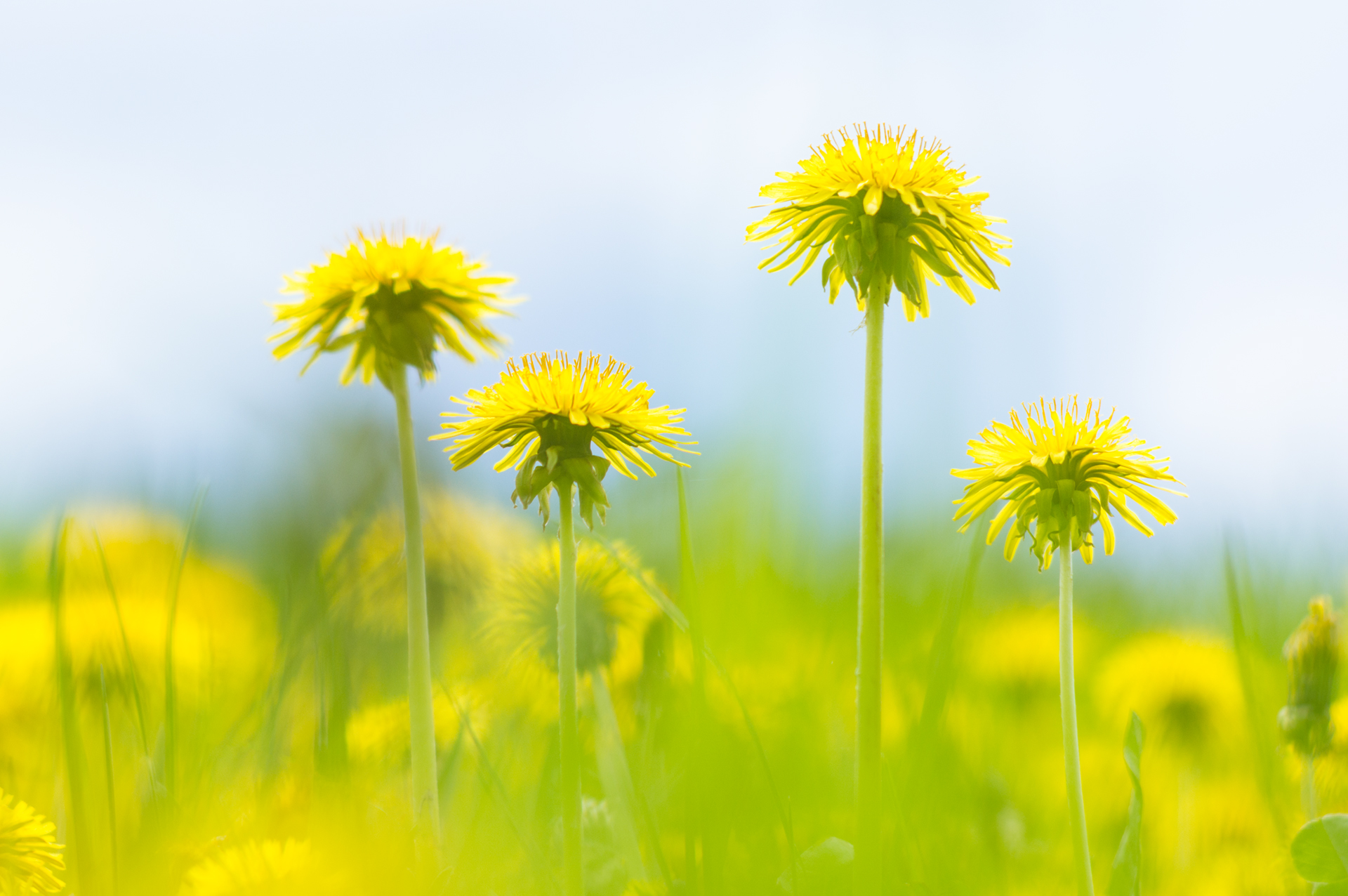
Dandelion – the word comes from the french dent de lion meaning tooth of a lion. Herbalists absolutely love the dandelion… unfortunately, homeowner’s do not! Most of us don’t want them in our yards and go to great lengths to see to their complete eradication. And it’s a strange irony that our supermarket sells dandelion leaves (much bigger than the paltry ones growing my lawn) for $7.00 a bunch! Turns out they are a nutritional powerhouse, brimming with minerals and vitamins! Truly, one man’s weed is another man’s salad!
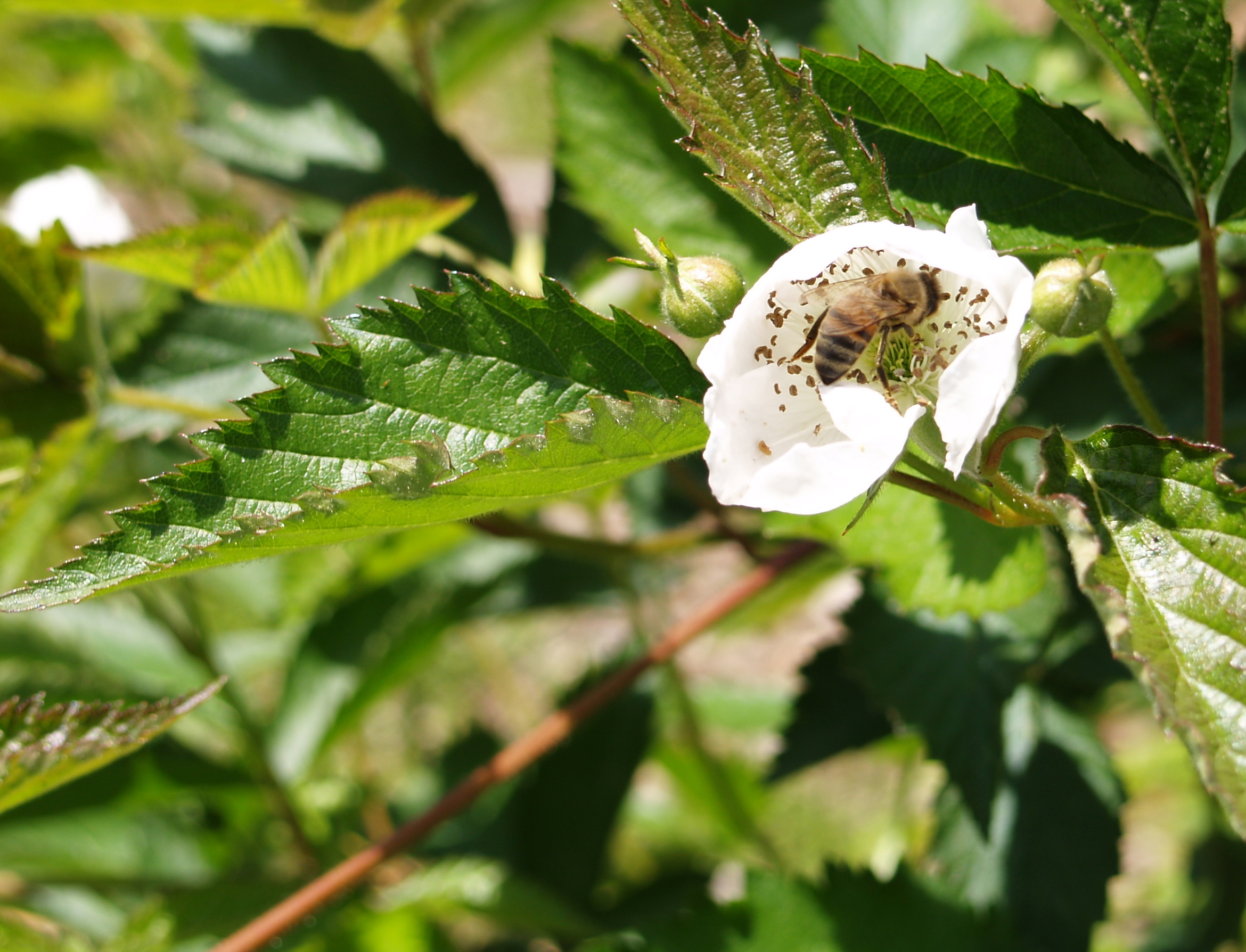
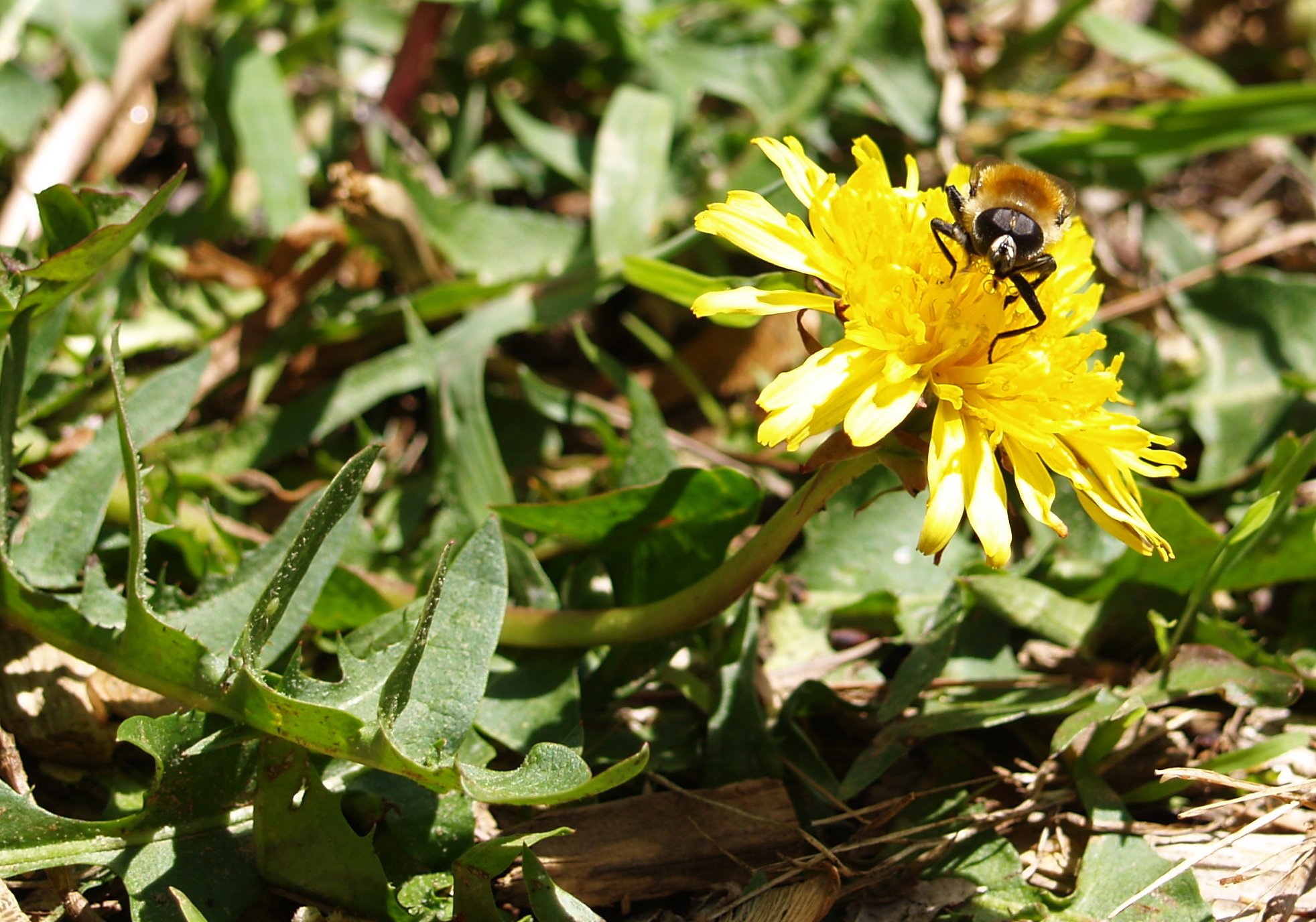
For most, the dandelion is an unwelcome invader, but as a beekeeper, I can appreciate that it was european settlers who introduced the dandelion to the midwest as food for the honey bee (as it turns out, the settlers brought the honeybees too!) That’s right… the dandelion was brought to this country, on purpose! Whether or not my family wants to eat it is one thing, but the bees love dandelions. They are one of the first and most reliable blossoms of spring and in our yard, offer an abundant food source.
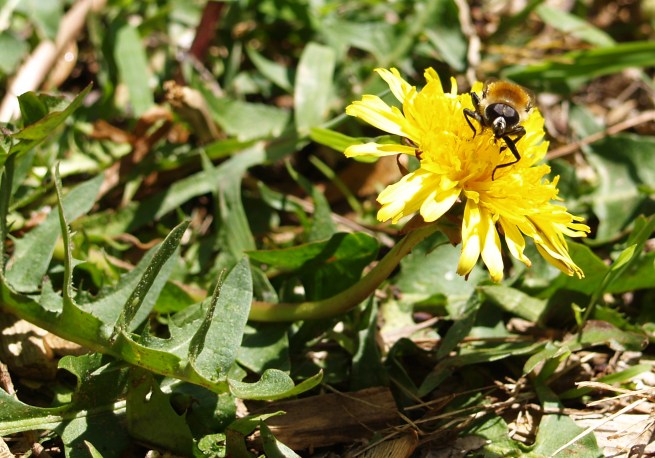
Dandelions are often used in salads, but my Greek father in law simply liked to just blanch and sauté them with butter or olive oil and salt. In Europe, you’ll even find the flowers made into dandelion wine.
If you have ever eaten dandelions, then you know that the roots and leaves are quite bitter. That flavor stems from the flavonoids that give the dandelion such effective purifying and cleansing properties. Bitter flavor aside, the dandelion may be one of the world’s most nutritious green vegetables. It ranks among the best natural kidney and urinary tract cleansers and it is a detox powerhouse. In fact, if you check the labels, you’ll see that most detox formulas on the market use the dandelions toxin eliminating properties in their products.
It’s time to rethink our relationship with the lowly dandelion… in an age where many are beginning to put forth the notion of lawns for food…. most of us already have an awesome ally and easy salad growing – whether we have a vegetable garden or not!
The following are some fascinating tidbits about dandelions.
[box]
-
The dandelion is an immense support to the liver. Our livers perform more than 500 physiological functions. Just one of the function of the liver is as a detoxifying organ, and one reason the dandelion is a smart choice for liver health. Our livers do more in our bodies than we probably think. The dandelion contains a diversity of constituents that support, cleanse and protect the liver, including caffeic acid, which has been widely researched. Caffeic acid has considerable amount of research backing it’s liver protective qualities.
-
The dandelion also has sizable amounts of choline that stimulate the liver to replace damaged cells.
-
Dandelions contain considerable amounts of potassium that restore the balance in the kidneys as toxins are flushed out of the body.
-
The fiber in the whole plant is characterized as gelatinous because of its astonishing ability to absorb and transport toxins from the bowels out of the body, balance intestinal flora and soothe and alleviates the digestive tract
-
The essential oils within this ordinary, familiar and irritating weed are documented as having both bacteriostatic and fungistatic properties. Therefore, when on antibiotics, don’t eat dandelions.
-
Dandelions are practical and advantageous for high blood pressure, high cholesterol and unstable blood sugar levels. Studies have shown that the phytosterols in dandelions can help cholesterol levels.
-
The bitterness of the dandelion not only stimulates and encourages the digestive system but is also anti-inflammatory. It is a common ingredient in digestive bitters which enhance and stimulate the upper digestive system, including the pancreas and the bile duct. Because dandelions increase the stomach’s hydrochloric acid production, those with ulcers should refrain from eating dandelions for this reason.
-
For nursing moms, dandelions are a helpful lactation stimulant.[/box]
Probably the easiest way to enjoy dandelion is in a salad. Gather or purchase dandelion leaves and add to a spring salad mix. We love it with arugula, baby kale and romaine. No extra veggies in this salad, but sometimes we will throw in some finely diced red onions or shallots. We keep the dressing pretty clean – just olive oil with lemon juice or balsamic vinegar. It’s delicious.
I hope I piqued your interest after talking about Papou’s love of wilted sauteed dandelion greens, because I am sharing the recipe.
[box]
Wilted Dandelion Greens
Ingredients
- 6 cups dandelion greens
- 4 tablespoons olive oil
- pinch salt and pepper to taste
- 1 clove garlic
- lemon juice, to taste
Preparation
Heat large high sided frying pan on medium heat. Add dandelion greens, olive oil and salt and pepper. Cover and let cook on low heat for 3-5 minutes until wilted. Drizzle with lemon juice and enjoy. [/box]
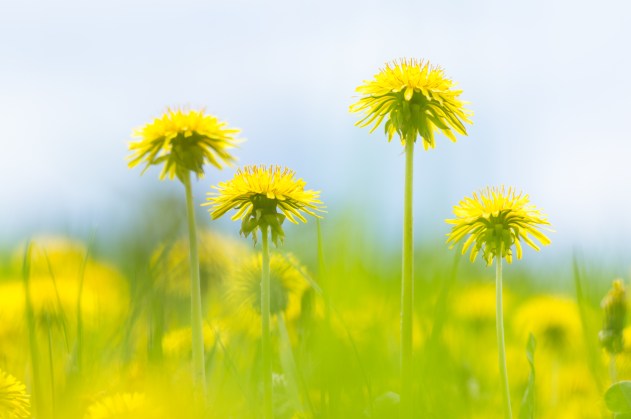
When life gives you dandelions… make dandelion lemonade tea! If you are not comfortable gathering your own dandelions (maybe you have to use herbicides on your lawn due to your HOA restrictions of weeds) then rest assured that you can find some great quality dandelion products here, here ,here and here. Have fun with your dandelions… they are uncommonly good for you!
[box]
Dandelion Lemon Tea
Ingredients
- 1 cup boiling water
- 1 teaspoon dried dandelion leaves
- lemon wedges for juice
- 1 teaspoon dried dandelion root
- raw honey to taste (optional)
Pour boiling water over herbs. Cover and let steep 3 minutes. Stir and let steep another minute.[/box]
If you are looking for more dandelion recipes… check out these.
10 Ways to Use Dandelions
Mariquita Farm
Eating Well
Incredible Smoothies
Wellness Mama
References
Chang, Louise MD. “5 Healthiest Food Choices to Live Longer and Better.” WebMD. June 14, 2014. http:// http://www.webmd.com/ diet/ features/ 5-foods-to-boost-your-health
Reyes, Maria T., Marisabel Mourelle, Enriquie Hong, and Pablo Muriel Ph.D.. “Caffeic acid prevents liver damange and amellorates liver fibrosis induced by CCI4 in the rat.” Wiley Online Library, June 14, 2014. http:// onlinelibrary.wiley.com/ doi/ 10.1002/ddr. 430360305/ abstract
Sanchez, Anita. “Ten Things You Might Not Know About Dandelions.” Maine Organic Farmers and Gardeners Association. June 9, 2014. http:// http://www.mofga.org/ Default.aspx?tabid = 756











 gladsomelife.com