the most divine element

IMG_9580

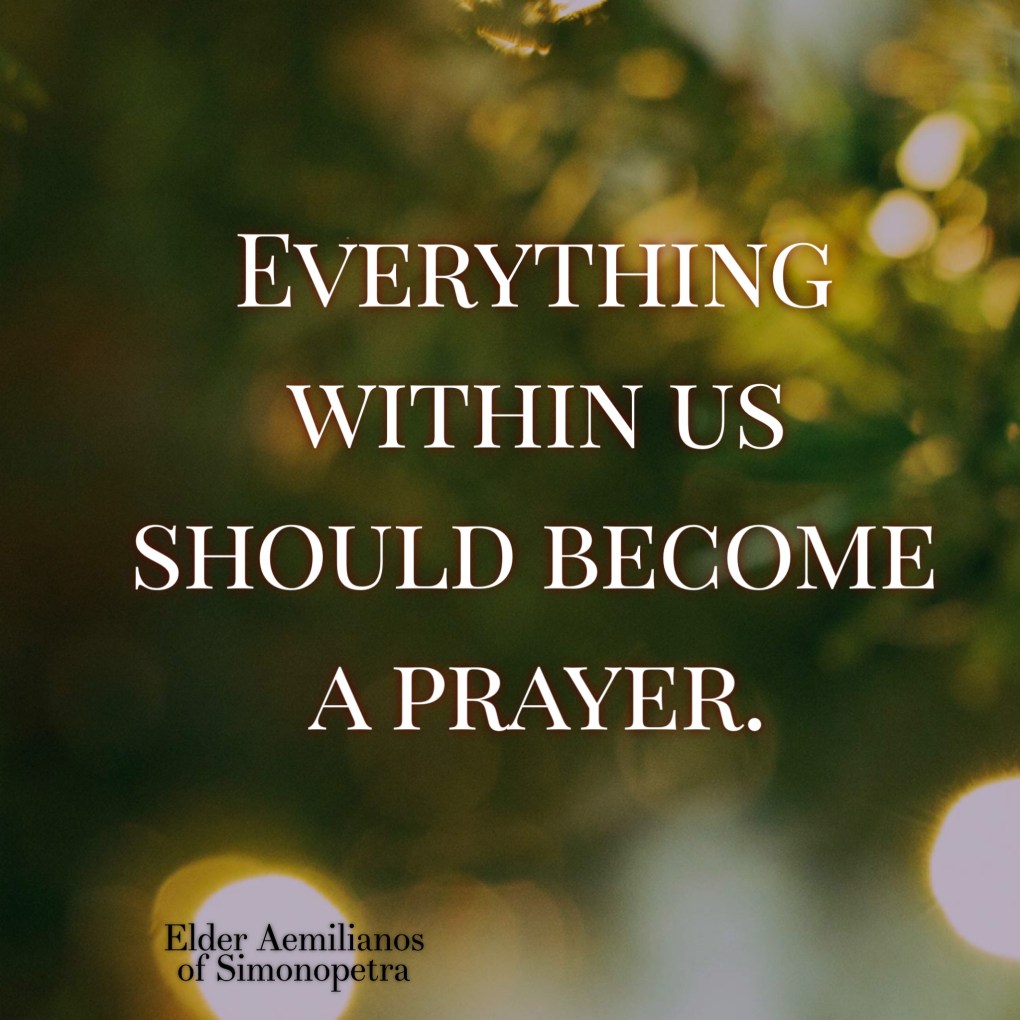
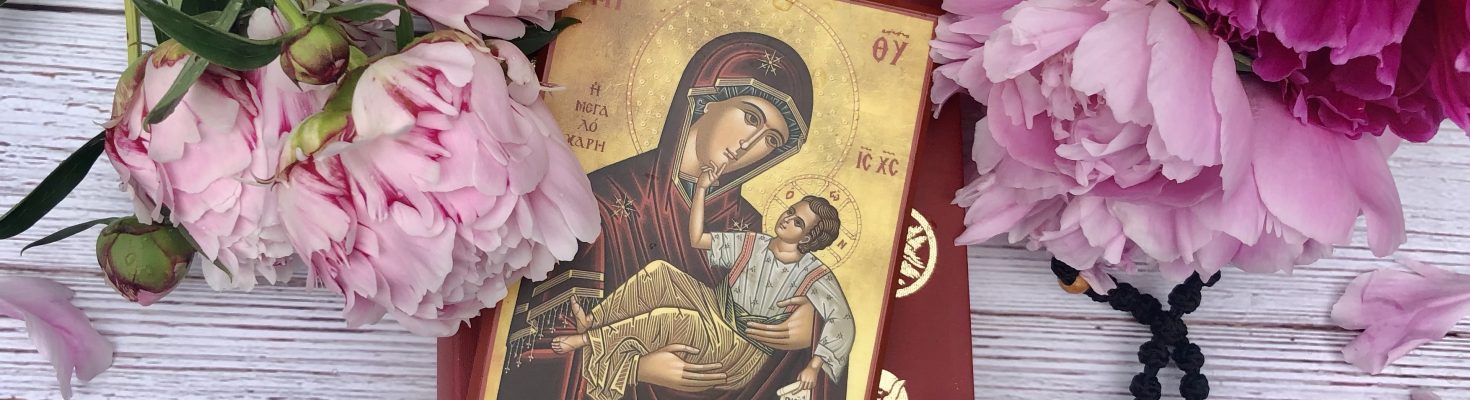
Prayer is the most divine element that exists within man   It transports us to God and is the means by which we are bound to Him   Through prayer the communion of the Persons of the Trinity is made available to us and becomes the form of our own communication with God

Thus it is not a question of reciting this or that prayer, but rather that everything within us should become a prayer, that we should be praying in everything through all prayer

+++

elder Aemilianos of simonopetra monastery

the way of the spirit (p 224)


still still night

IMG_9530

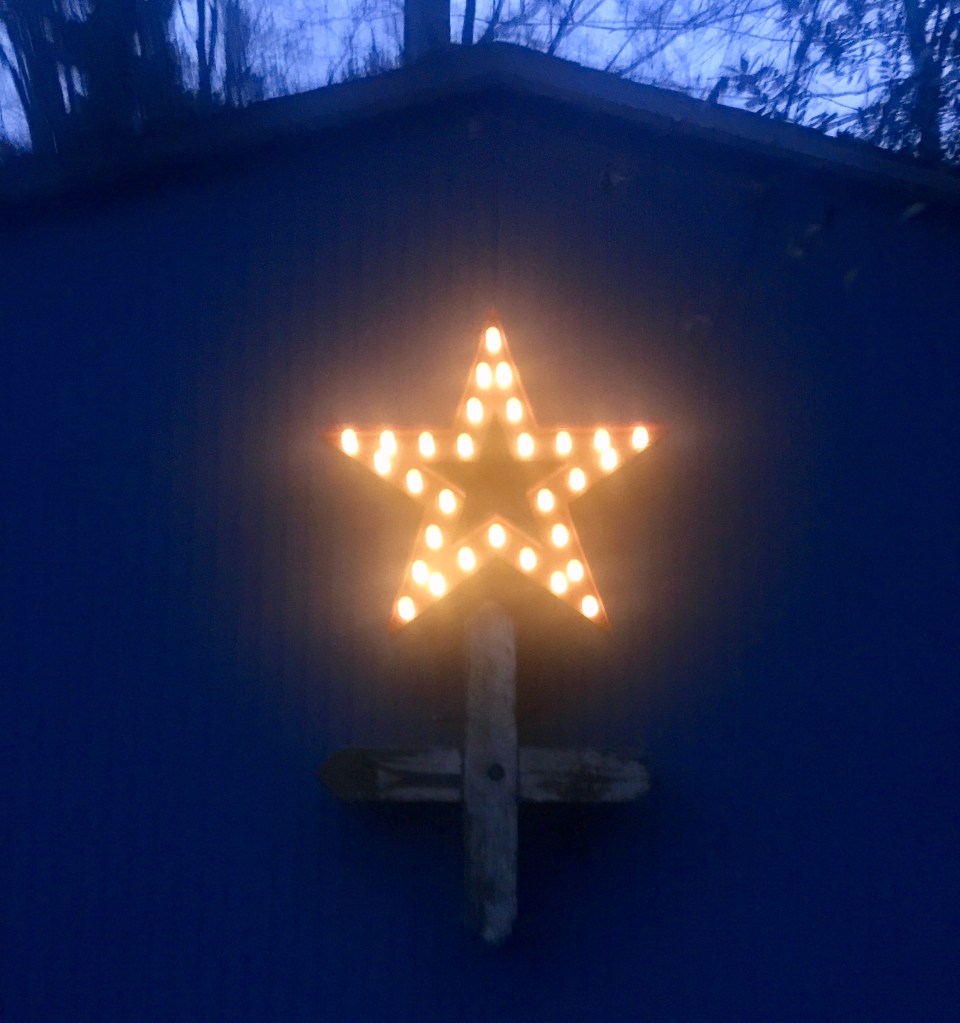
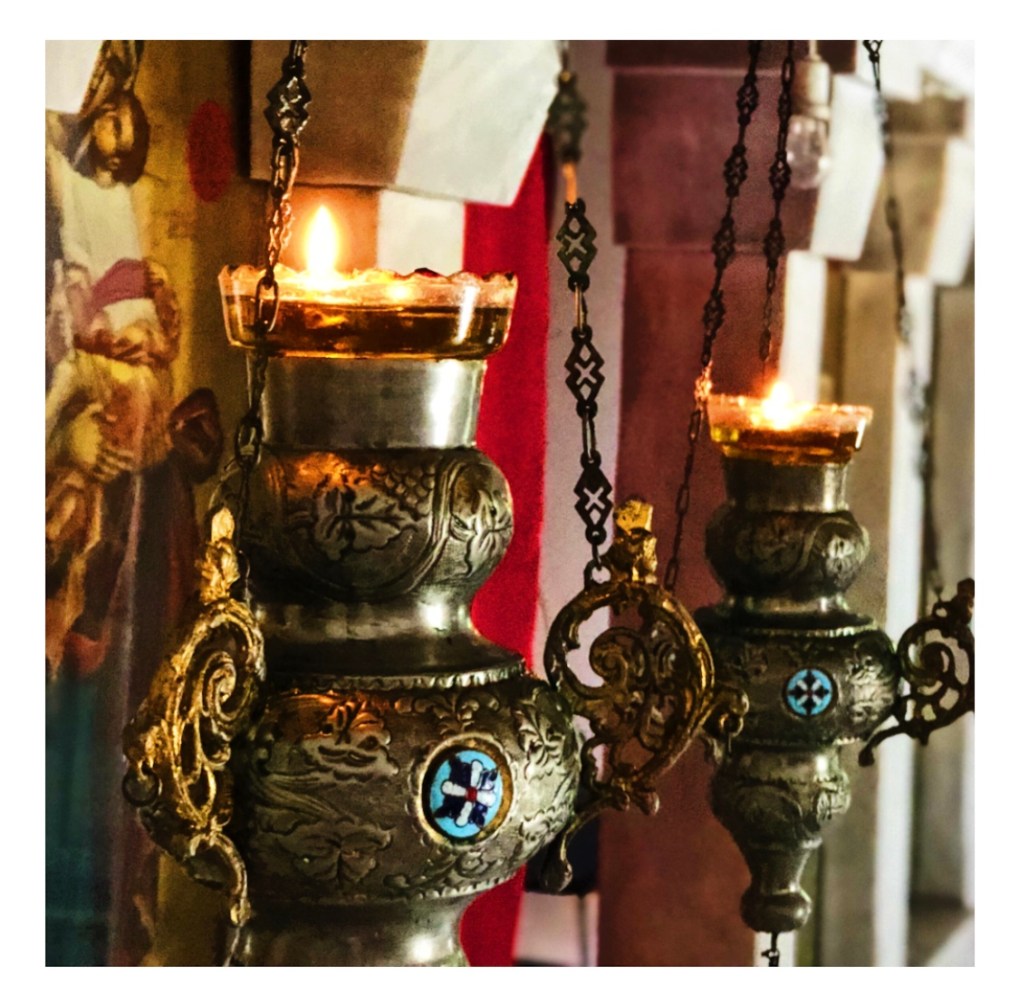
star light

star bright

star resting over the Cross this night

i wish i may

i wish i might

have only that which “is needful” in Thy sight

+++

the song below is  our family’s favorite version of silent night

the local youth choir where our kids sing recorded it with the Washington Symphobic Brass

at the concert, the composer told us he used a minor setting because he really wanted to capture the mystery of the Nativity

he nailed it


healing garden

OLYMPUS DIGITAL CAMERA

“Why do we garden?  We garden because we are created in the image of the Master Gardener, in whose likeness we grow in measure as we garden.  We are not only the field that God gardens but his fellow gardeners in the Paradise he is restoring (1 Cor 3:19)  When we garden in humility, with love of truth and beauty, love of the Beloved One himself, Paradise grows up around us.”

The Fragrance of God (p. 48)

(Vigen Guroian)

This Fall, while working at our Church bookstore, I discovered author and Orthodox Theologian Vigen Guroian.  Reading his mediations of gardening and his recollections of his Armenian heritage are absolutely beautiful – like listening to an old friend.

 In Inheriting Paradise he writes, “These mediations are quite personal.  Yet I did not find it uncomfortable to expose my own inner life through them.  It was like talking to a friend or visitor on a stroll through the “real things”

Working the earthy garden works the dirt of the soul and honors a seasonal rhythm which ebbs and flows with the liturgical nature of the rhythm of Church.  For me, the garden mirrors something of my soul – it can get weedy.

In a few years I will be fifty years old – and I am really glad and settled to almost have reached that milestone.

For about 40 of those years, I have been gardening in some fashion or other.  The wisdom, toil and harmony of the garden has carried me through many joys and hardships.  The rich earthy humus especially reminds me from whence I have come.

As I come into my mid-life it is a grateful reminder.  “και του χρόνου”

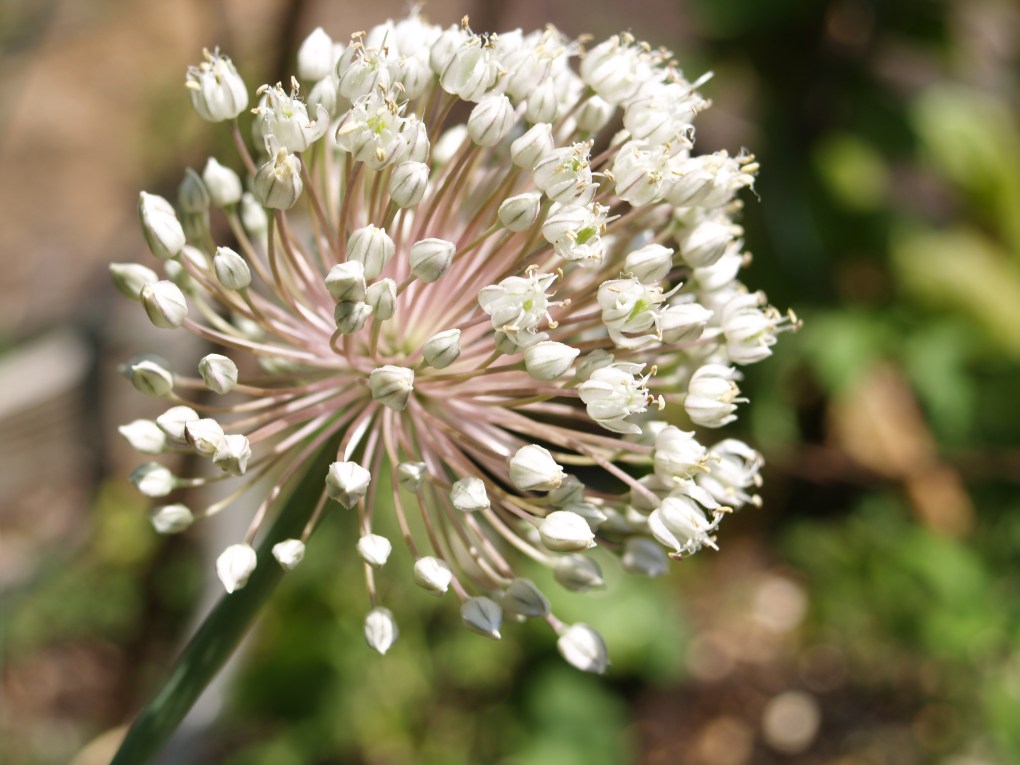
Gardening those early days of my childhood, I would always gather  the wild onions, because I never wanted to pluck the pretty flowers.

Over the years those onions bear an allegory all their own.

Gardens have nothing to prove but are known by their fruits.  The fragrance of a garden bears the story of it’s maturity.   And so every garden bears it’s own story, hidden beneath the harmony of their canopy, beauty of the flowers and nurture of the harvest.

Gardening sustained me through the abuse of a childhood that profoundly shaped my life and the lives of those I love.  The quiet of the garden heartened me toward goodness until I found true Goodness that also profoundly shaped my life and the lives of those I love.

The bees in our little garden beckon us toward sharing because of the symbiotic friendship between blooms offering their nectar and bees selflessly gathering the sweet floral essence for their gift of honey.  The sharing of pollen and pollination which increases the plentifulness of the yields in our neighbors gardens such that when they share their harvest it is more than we can use or store.

This is the goodness of the garden – why gardeners share their portion.

No matter where we have lived, there has been a garden.  In our first basement condominium home, the garden was just a windowsill .  It was where lavender grew from seeds and I learned that life can grow and thrive and flourish in the most difficult and even neglected situations – a leaky windowsill and a crumbly earthenware pot – there is the beauty to blooming where one is planted.

Nativity is upon us and amidst the cold weather our garden rests in the same expectation as hearts silently awaiting the birth of Christ.


train your senses

IMG_9523

Christians are the “real” realists.  The Son of God by his Incarnation has demonstrated that the world is filled with symbols of God.  These symbols that God has planted in the world testify not only to His existence, but also to the goodness of His Creation.  By the example of His own life, Christ teaches us that through our senses we may commence our spiritual journey, and that He will receive us into Paradise in the full integrity of our humanity, body and soul united in communion with Him.

Vigen Guroian

the Fragrance of God


little blessings

image

We need to find God, and he cannot be found in noise and restlessness. God is the friend of silence. See how nature – trees, flowers, grass- grows in silence; see the stars, the moon and the sun, how they move in silence… We need silence to be able to touch souls.

Mother Teresa

Do you find little blessings throughout your day?

They come in all manner of ways and need not even be spectacular.

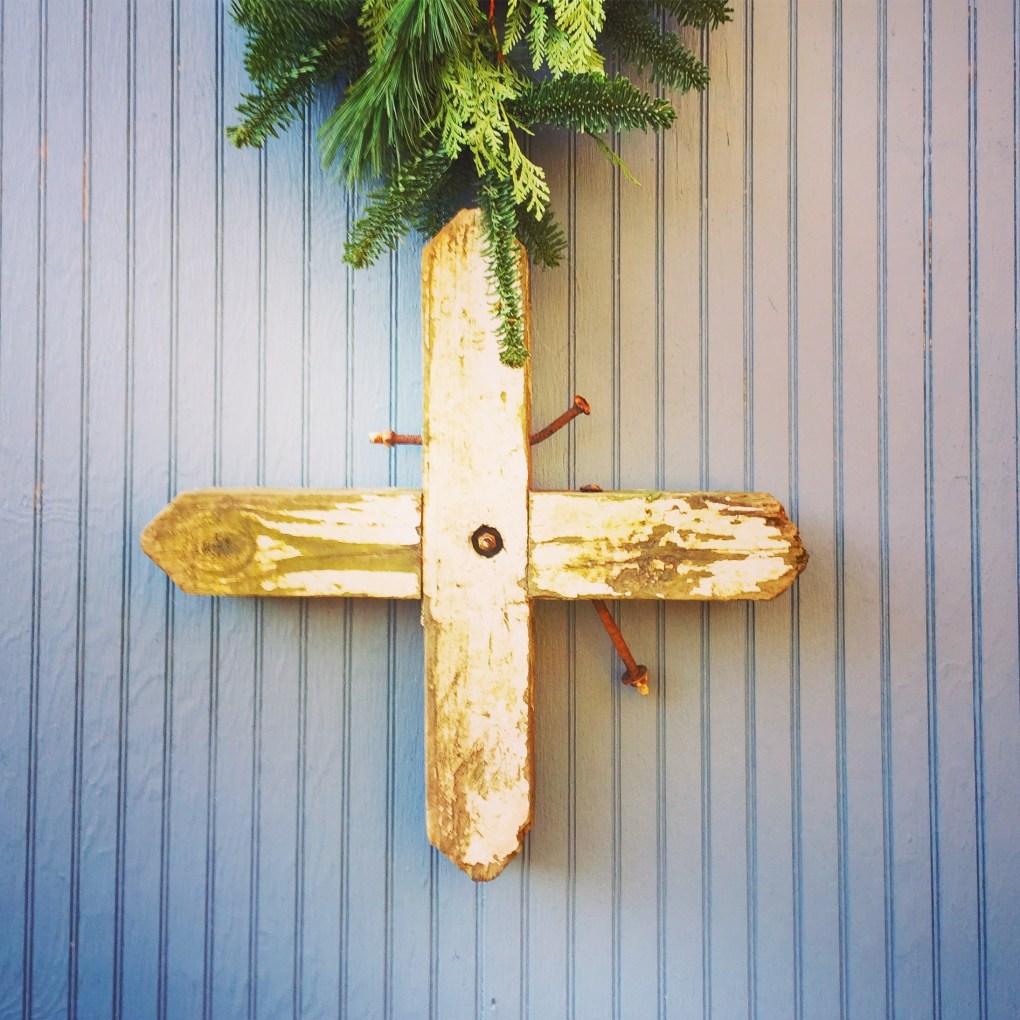
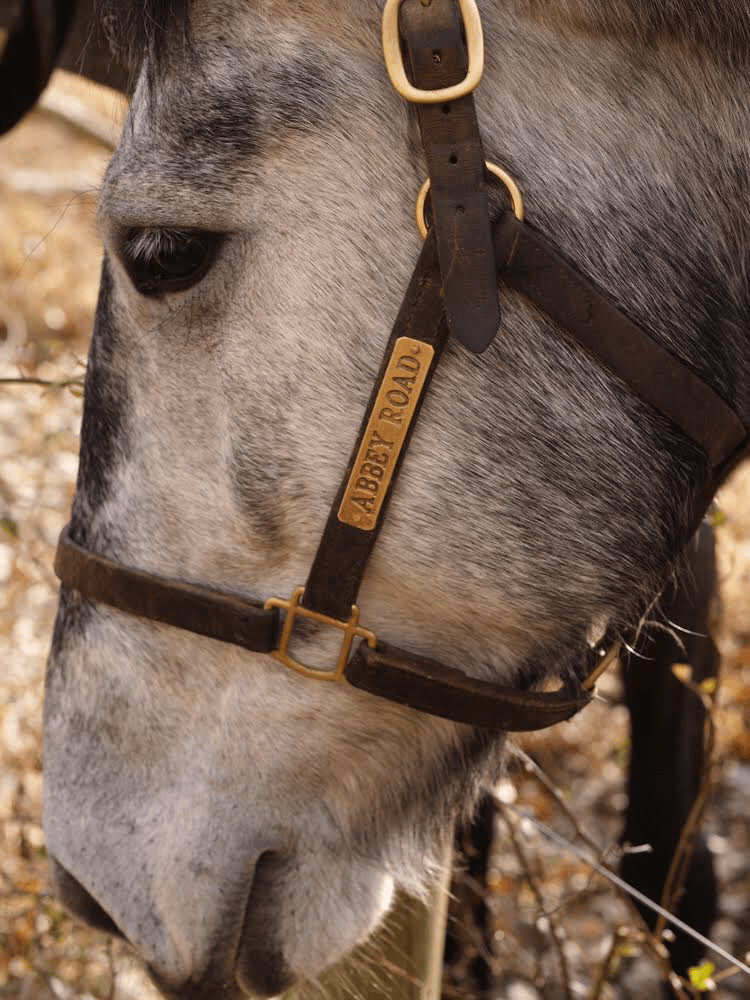
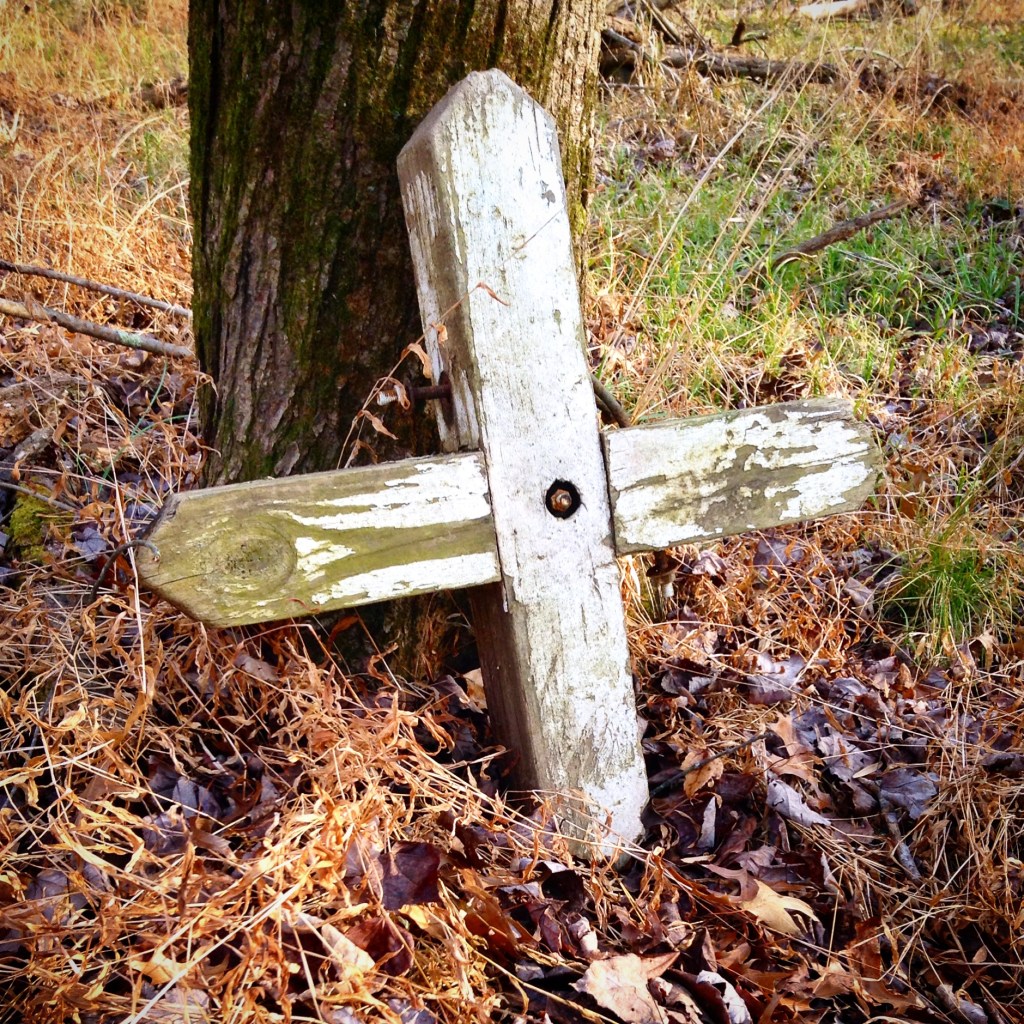
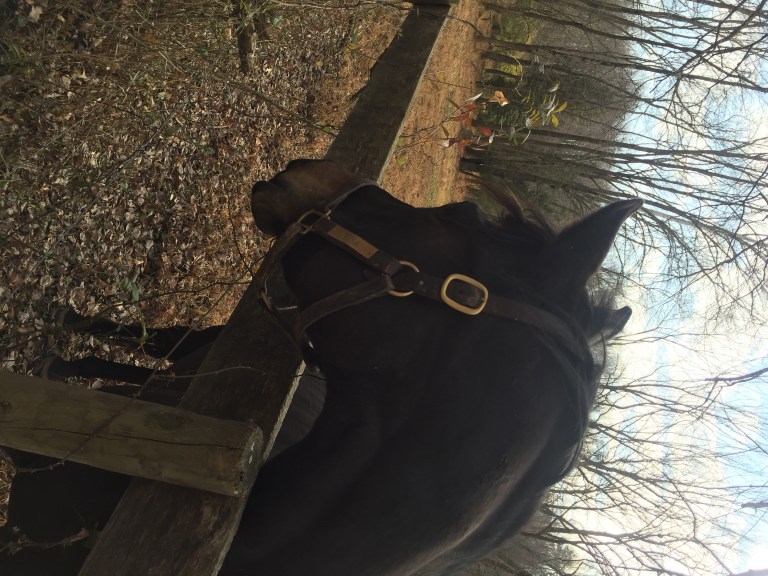
The Cross above was propped up on a tree in the middle of the woods on our morning walk to feed the local horses.

It’s been carried home to hang up on our backyard shed!

A blessing, indeed.

Through the Cross joy has come into all the world.


+++

IMG_9450


the mouths of babes

let the children come to me


What do children have that we adults are missing? First of all, they have a capacity for wonder and innocent joy, which in adults is tainted by cynicism and sinfulness. Secondly, they are capable of complete trust, which ends up being choked by the thorns of adulthood. And thirdly, they possess absolute humility. These childlike characteristics— wonder, joy, faith, humility— should be our response to the Nativity.

Vassilios Papavassiliou

Meditations for Advent; Preparing for Christ’s Birth


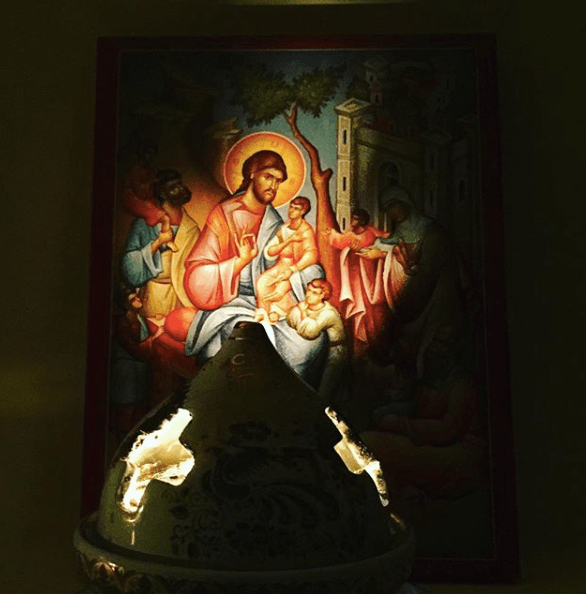
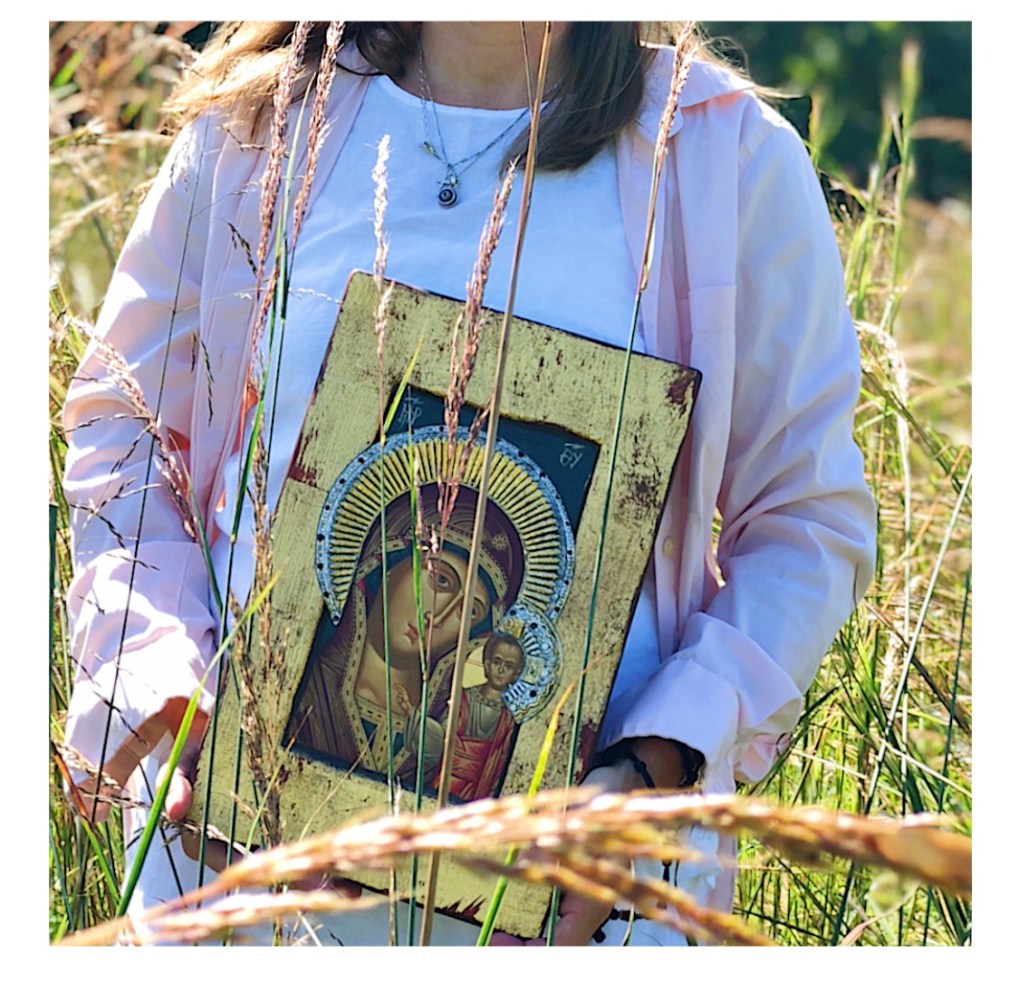
This icon of “Let the Children Come To Me” was given to me from my mom (in law) just the other day… .

Several years ago – maybe in 2014 – our homeschool group met the iconographer who was writing this very icon (this is a replica).   At the time it was a huge canvas work in progress hanging on the wall of a building at our local monastery.

The iconographer gave our kids a great talk about iconography and this particular icon.

I’ll never forget when my youngest daughter who was 8 or 9 years old at the time – raised her hand and said “I don’t have a question – it’s just that I noticed that the people in icons never smile with their mouths – but they always smile with their eyes.”

This icon brought with it a wonderful memory and a good word back to me and I am truly grateful for the God timing of it all.

A few years prior I had two encounters with homeless people, who touched me very deeply, not only with their merciful words of abundant blessing, but with also the depth of their eyes – overwhelming me with the presence of the Love of God.  At the time I had wanted to stay with them, Ernie and Mariam, for longer than I did.

That Love,  which is the thread of Christ binding all humanity can only save the world if we cultivate it in our hearts.

If not now, then when?  Why not tend it this season of preparation for the Nativity?


with time

IMG_9397


Baptizing language and redeeming the time.

It is customary at Festal Liturgies for Orthodox Christians to greet one another with the words “happy feast” or “blessed feast.”

Last Saturday after the Divine Liturgy commemorating Saint Katherine – who is the patron Saint of our parish, I said Chronia Polla (Happy Feast) to my friend Mary from Kalamata, Greece.  She replied to me “και του χρόνου” which directly translated means “and time” or “with time” but really says may we be here to celebrate it next year too.   Recently, I learned that on Mount Athos monks say this to one another with the Paschal greeting.

It struck me deeply that this is a gentle language of repentance and of remembering the Lord – it’s a way of saying that tomorrow is not guaranteed.  Monastics often encourage us to “remember our death” (to american ears that may not seem like such an encouragement because we spend much time and effort to avoid it, yet it is an encouragement – it is the absolute best encouragement we can receive!).

Remembrance of death is actually remembrance of God.  It is a reminder that we are not guaranteed tomorrow – a holy reality check – which actually serves to bring us to the present moment, for the present moment is a most blessed space and time in which to be.
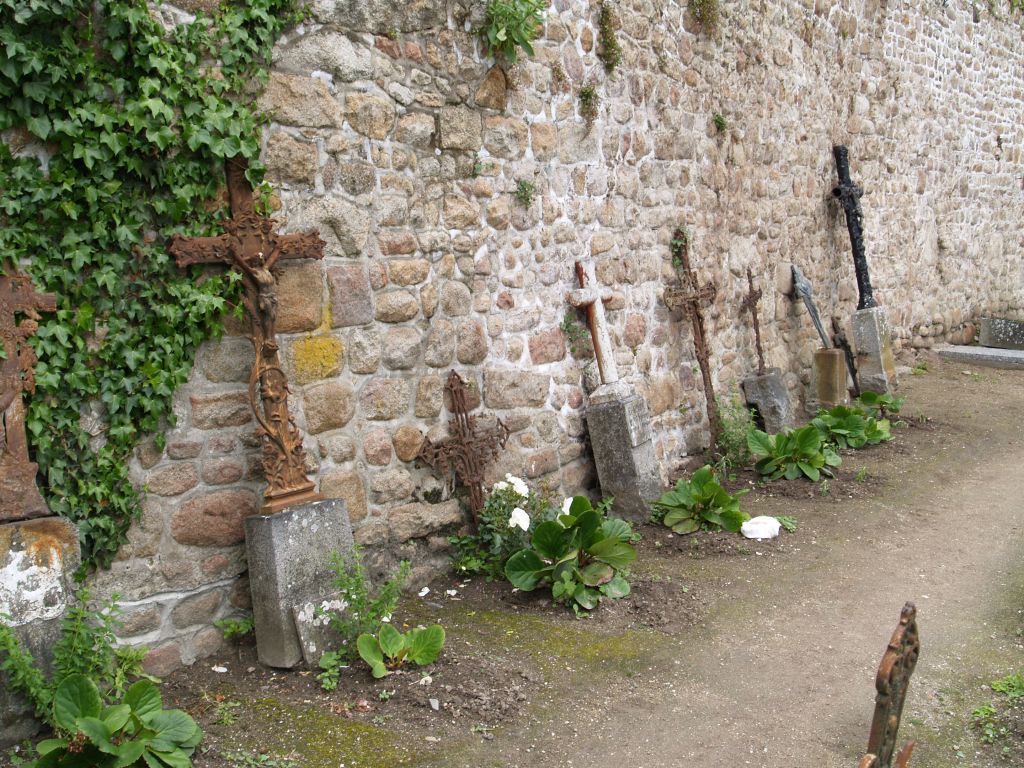
Graveyard in Mont Saint-Michel

                                                                                   Graveyard in Normandy, France – Mont Saint-Michel


The present moment with its joys, wounds, blessings, anguish, celebrations, remorse and sometimes even tears is where we live the Gospel commandments.  It is also where we fall short of them.  The present, most fully found in the Divine Liturgy and services of the Church, is where we also find and live our repentance and where we learn to redeem or sanctify the time while sharing in Eternity.
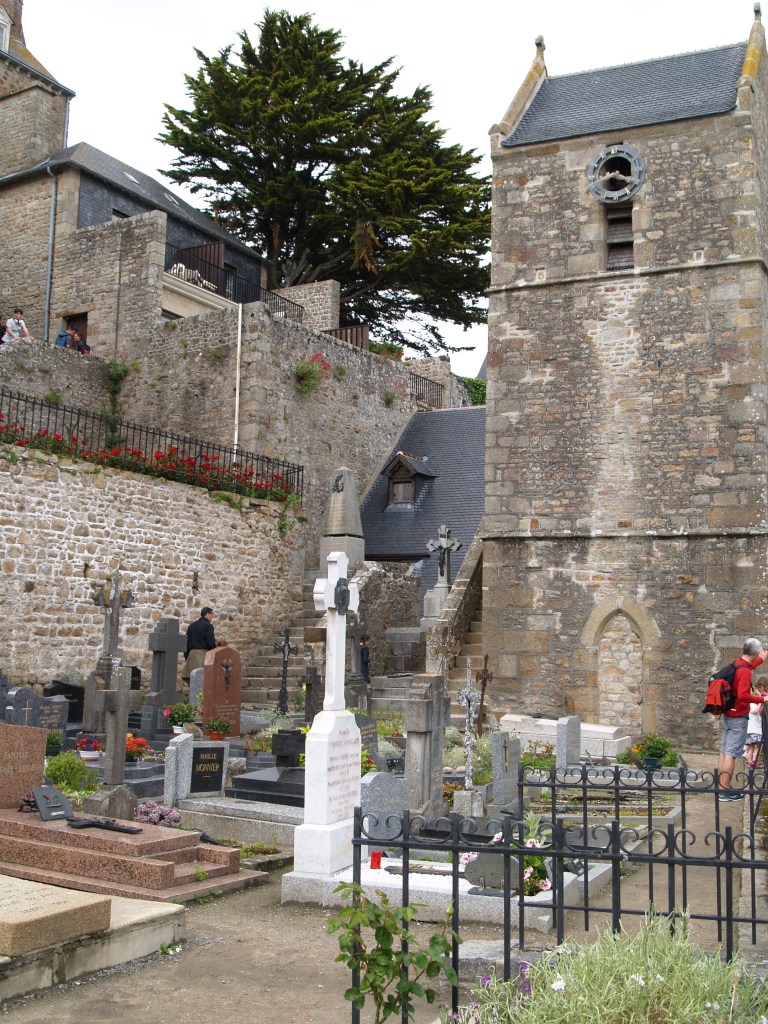
 

Graveyard in Normandy France - Mont Saint Michel - see how the windows of the town look right into the cemetery

     Graveyard in Normandy France – Mont Saint Michel – see how the windows of the town look right into the cemetery

We give alms, pray, Confess and receive the Mysteries of the Church in the present.  One could just easily leave every Confession with the words “και του χρόνου” because truly no one of us knows whether this Confession will be our last, whether this Eucharist will be our last, whether this Liturgy will be our last.
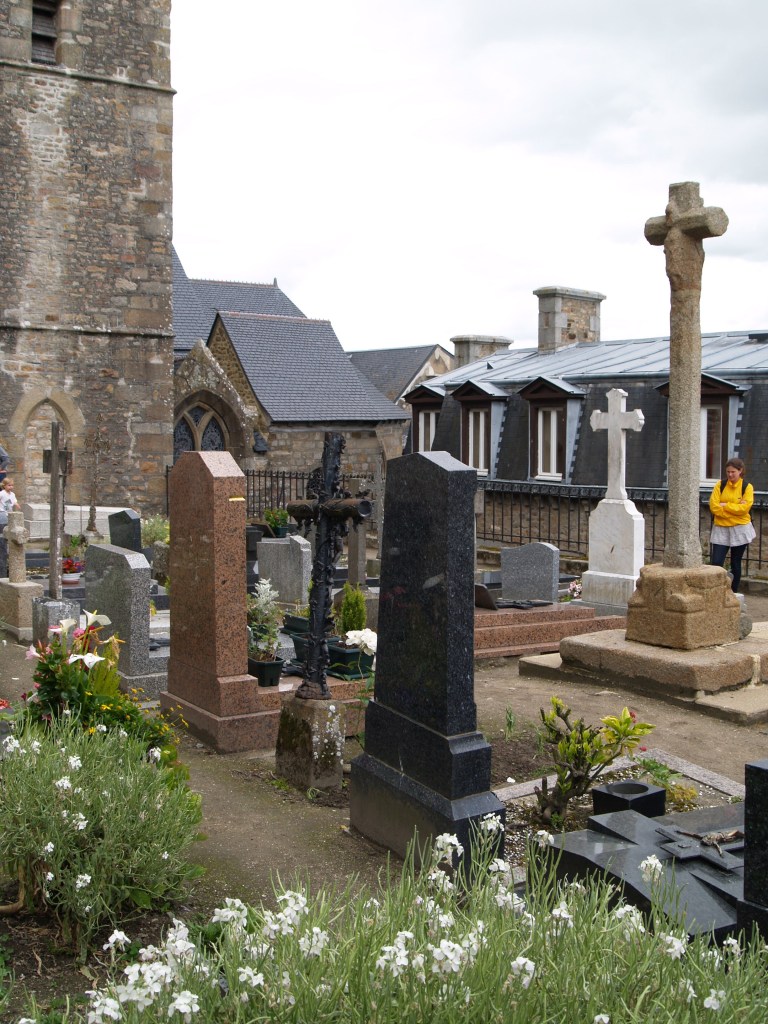
Cemetery of Mont Michel

                                                                                      Cemetery of Mont Michel

I am not a native speaker of Greek, in fact I really don’t speak Greek at all – save for the words in the Liturgy, but the more I listen in recent years the more I see how the Greek language in particular, has been baptized over 2,000 years and molded and shaped by the Faith.  These are not mere words, because the heart always follows.  Rather than a rote response it always grounds and orients our hearts to the Lord.

Although we are heading now toward the Nativity my friend’s response brought Pentecost to my heart.  And we should fervently pray, that one day – our land will have been Orthodox long enough that the English language will encompass the heart of the Faith too such that words of life flow effortlessly from our hearts to our lips too.

και του χρόνου and may God grant us all many years…
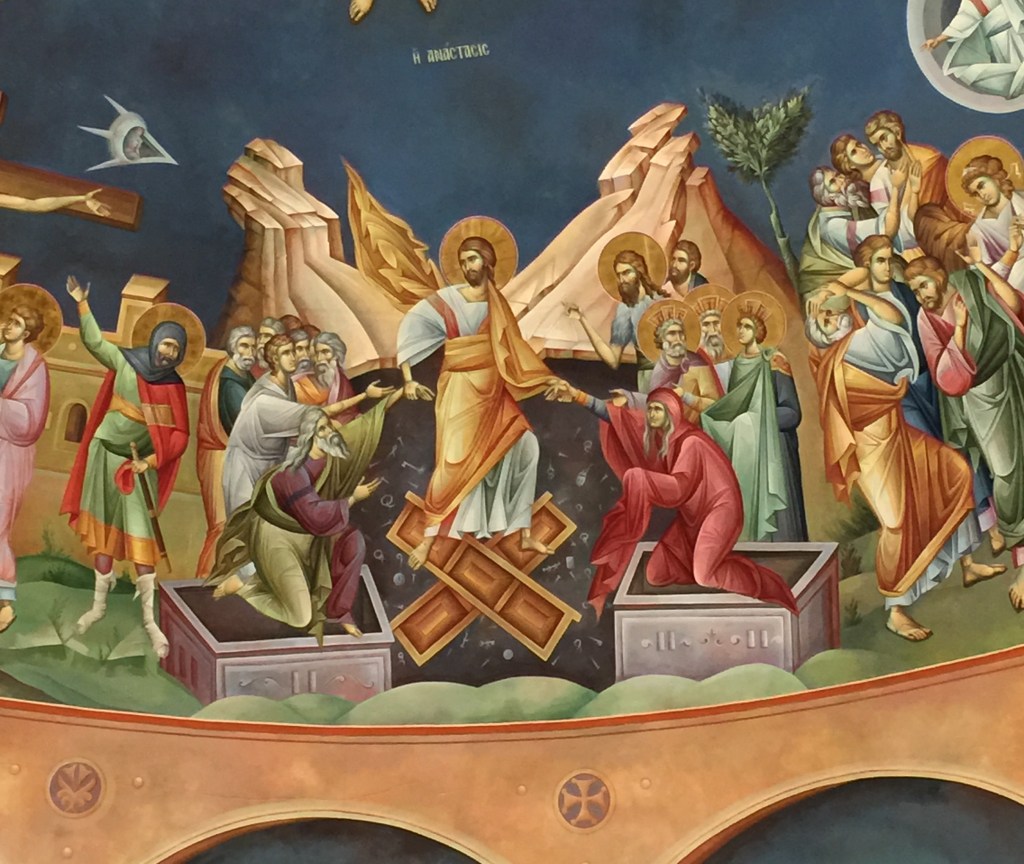
resurrection


Side note :

In 2012, my family made a trip to France and visited Normandy.  The pictures above are from  a village called Mont Saint Michel, which actually began as a small Church and grew into a monastic community that flourished in medieval times.  The abbey village appears to float on the water, because it is surrounded by water, in fact the tides rise and fall by as much as 15 meters each day transforming the beautiful surrounding landscape.  One of the most striking sights in the village for our family is this cemetery, because it is surrounded by windows of homes and that is what struck us so deeply about it.  

but those who seek the Lord

IMG_9375


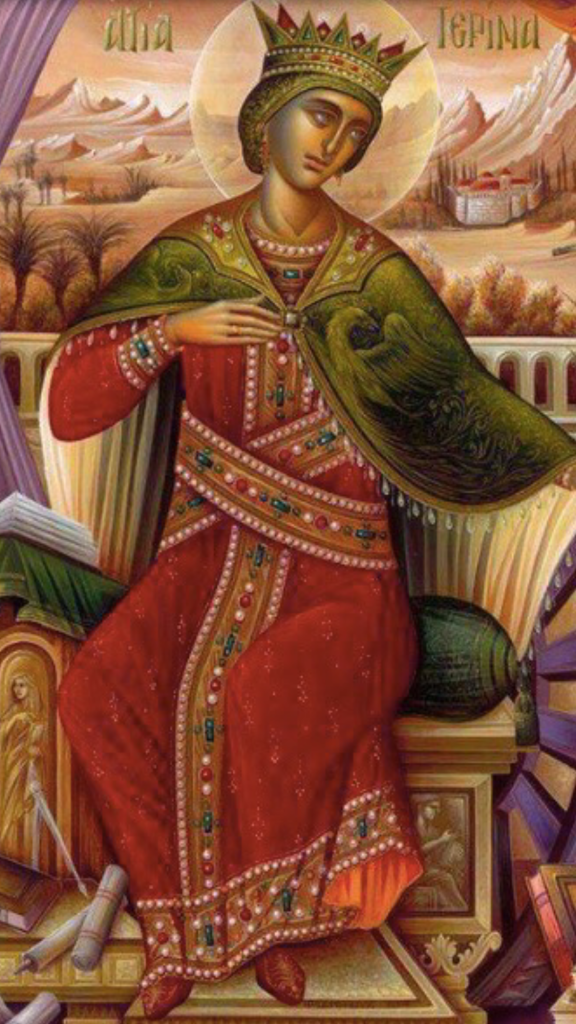
Saint – Katherine – bride of Christ and the Great Martyr of Alexandria is a most beloved Saint in the Orthodox Church.  She is a shining beautiful example of true beauty, wisdom and wealth – but not in the sense of the world’s standards.

For in her life she was a woman of extraordinary wealth, and granted the very finest education of her time – having studied philosophy, rhetoric, medicine, languages, astronomy and music.  Katherine was also known to be physically beautiful.

Many men wanted her to marry her but Katherine did not desire this – and her reply to her family was that she would only marry one IMG_9357more beautiful, greater in knowledge and wealth than she.  In this way she could decline every suitor because all lacked these attributes in some way.
+

Despite her earthly wealth, education, fine clothes and beauty Katherine had a great emptiness deep within her.  In her earthly life she had everything she could desire, yet she found herself starving within her heart and soul.

And that emptiness that Katherine experienced is a persuasive illustration of how the wealthy can go hungry but those who seek the Lord shall not lack any good thing. (Psalm 34:10)

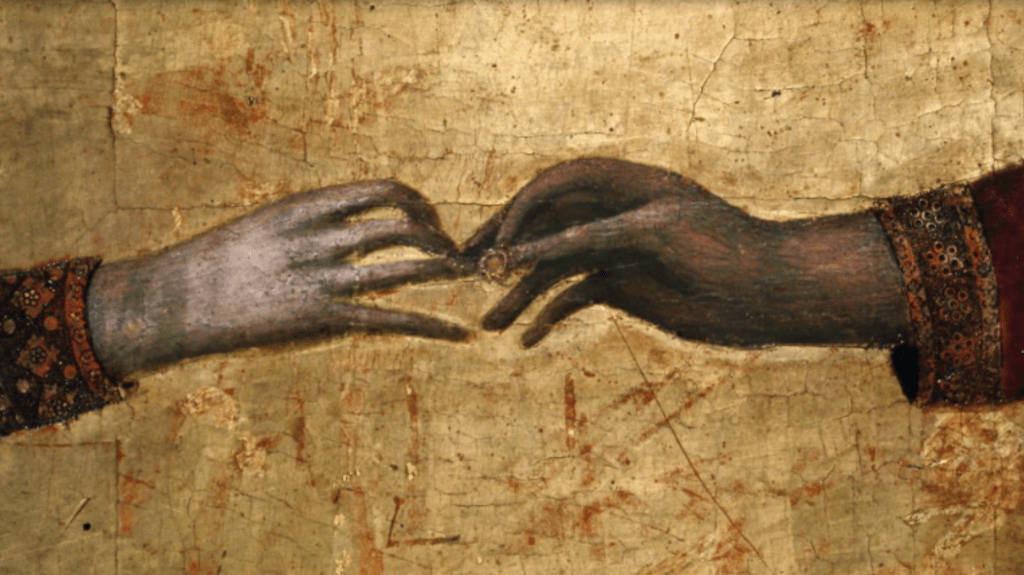
It was Katherine’s mother – through a Holy Elder – who introduced Katherine to the to the Lord and the Orthodox Christian Faith.  After spending time with the elder she returned home and spent the day in her apartment in prayer – that night she dreamt of Christ but He would not look upon her.  The dream grieved her and she returned to the Elder to share the dream with him.  This led to her Baptism.   Again, she spent the day in prayer. Again she had a dream of Christ and the Theotokos with Christ but this time He did gaze lovingly upon her, and told her that now she had true beauty, wealth and knowledge and He gave her a ring as a sign of His betrothal to her soul.

Upon waking she found that this ring was still upon her hand.

IMG_9360

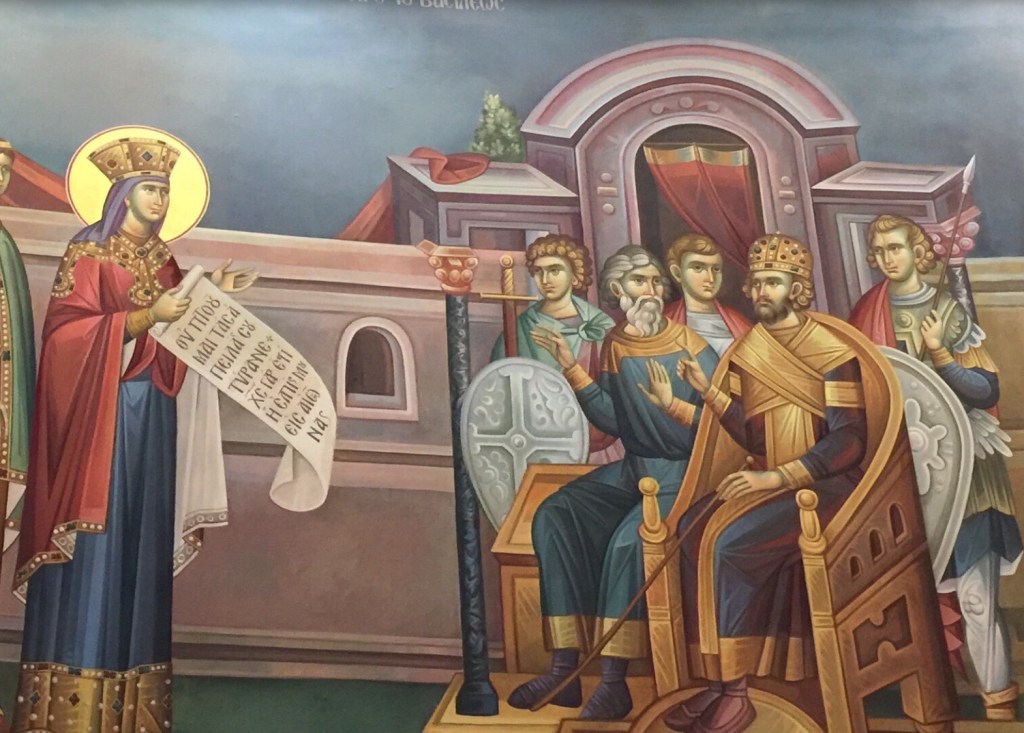
Saint Katherine converted many – in fact even the wisest most learned scholars of the time who were sent to convince her that Christianity was a false teaching were silenced and converted as she channeled all of their earthly knowledge and wisdom through the love, true enlightenment and true wisdom of Christ.

All 150 of those men were martyred that same day – so true and profound was their conversion.

IMG_9358
Saint Katherine was also martyred – but not on the wheel of torture shown in many her icons – traditionally icons do not depict the instrument of a martyrs death.

Katherine was beheaded and from her milk poured forth.  Angels bore her body to Mount Sinai where she resides at Saint Katherine’s monastery

We learn so much  from Saint Katherine but poignant is that the emptiness she felt within her is an emptiness that can only be filled with God – no person or amount of wealth can fit that space because it is a place reserved only for our First Love.

+

True treasure is found through a relationship with Christ in the Church and there your heart will be also (Matthew 6:21).

Saint Katherine is commemorated on November 25th.

For further reading on Saint Katherine, this is an excellent resource, for adults and children!

Saint Katherine by Potamis Publishing