moving within

AE05FBBE-4601-408D-B6F2-C4408AF9C2FC


“Just as a child within its mother’s womb kicks and makes its presence known, so too does God move about within me. Sometimes He makes my eyes sparkle with joy, and sometimes he fills them with tears. Sometimes I cry aloud and other times I say to myself  “Lord Jesus Christ have mercy on me”

Elder Aemilianos of Simonopetra : The Way of the Spirit


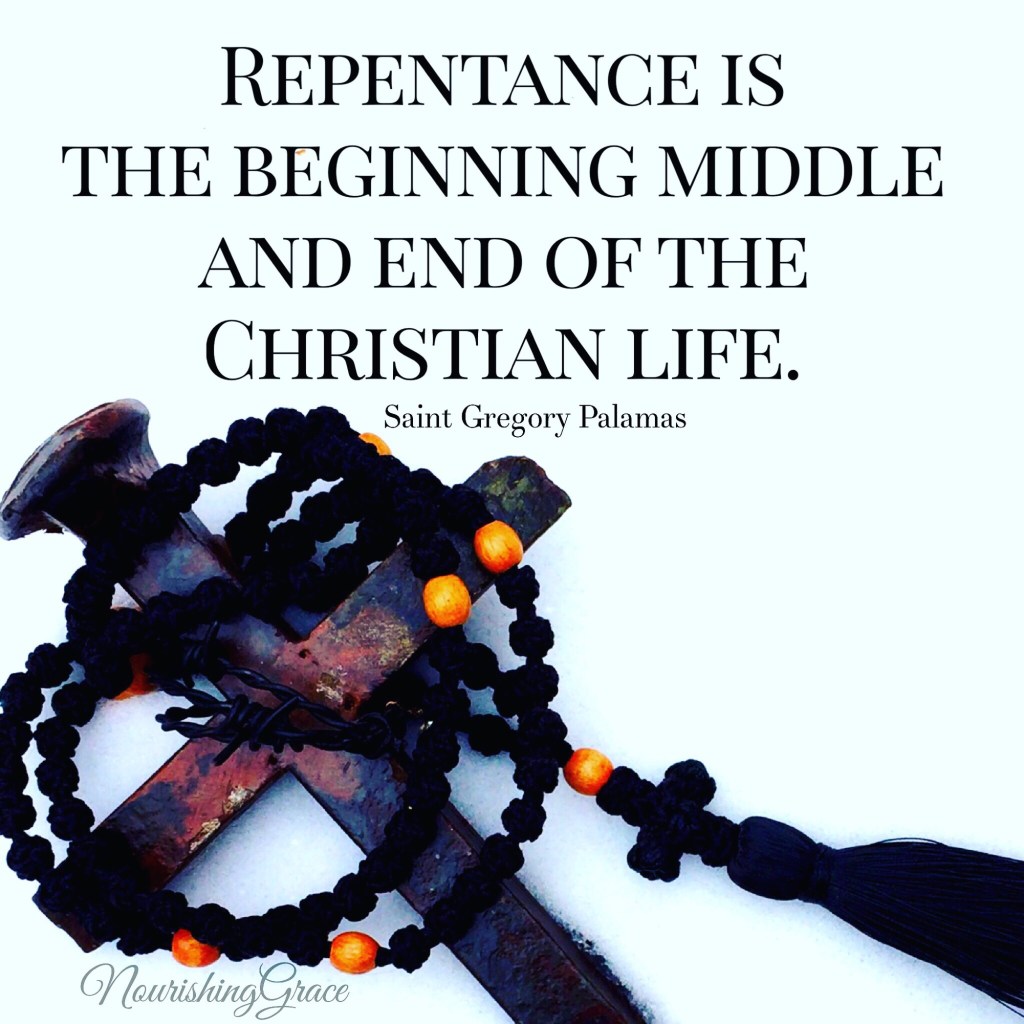
the beginning middle and end

E4D2A814-FEE4-494A-886D-AA2CDAA8620A

We are approaching a beautiful time of repentance set aside for us in the life of the Orthodox Church.

It is a time of reconciliation and spiritual growth

Already the Church has been priming us with the beautiful Sunday’s of preparation… the humility of the tax collector, the coming to his senses of the Prodigal Son.  Judgement Sunday is a great call bringing us to our senses that we are not saved alone, our lives are not our own and the least of our brethren is Christ – the beggar, the prisoner, the crippled man.   That to pass by their suffering is to pass by Christ   Rejection.

These are but a little leaven softening the lump of our hearts.

It’s my favorite season of the Church – but I know I say that about all of the seasons set aside in the Church – I guess they all are my favorite, really.

As a mom I have tried to explain this word repentance to my daughters. I want them so comfortable with it that they could cuddle up with it like a blanket.

I want them to nestle in the Truth of Faith and embrace the timeless wisdom and Grace of the Church and live their lives in it. Because what I have noted is that in today’s relative everything goes world many ears have hardened to this word making it sound more like a punishment than a healing holistic way.

Repentance as a word and a way looks like an angry wagging finger rather than an inviting outstretched Hand.

The reality for most of us us that life happens. We get mired in the muck of it and the muck of it gets all over us. And so the Church guides us gently into Repentance.

The fruit of it is a heart returning to innocence – something like that of a child.  Another helpful explanation I have heard is that it is a cure or return to wholeness.  A monk, older than me, once told me that after years of not seeing a childhood friend who had entered Orthodox monasticism he made the journey to visit her and saw in her all of the qualities of innocence he remembered from when they were children playing together and this innocence, for me is now the image of repentance.

I suppose that’s why monastics also say that repentance is gift and our task.

It’s a heart given entirely over to Christ. A struggle.

Faith like a child, love like a child, forgiveness and innocence like a child.

I want that – I need that. don’t you?


the gates of innocence

IMG_1233


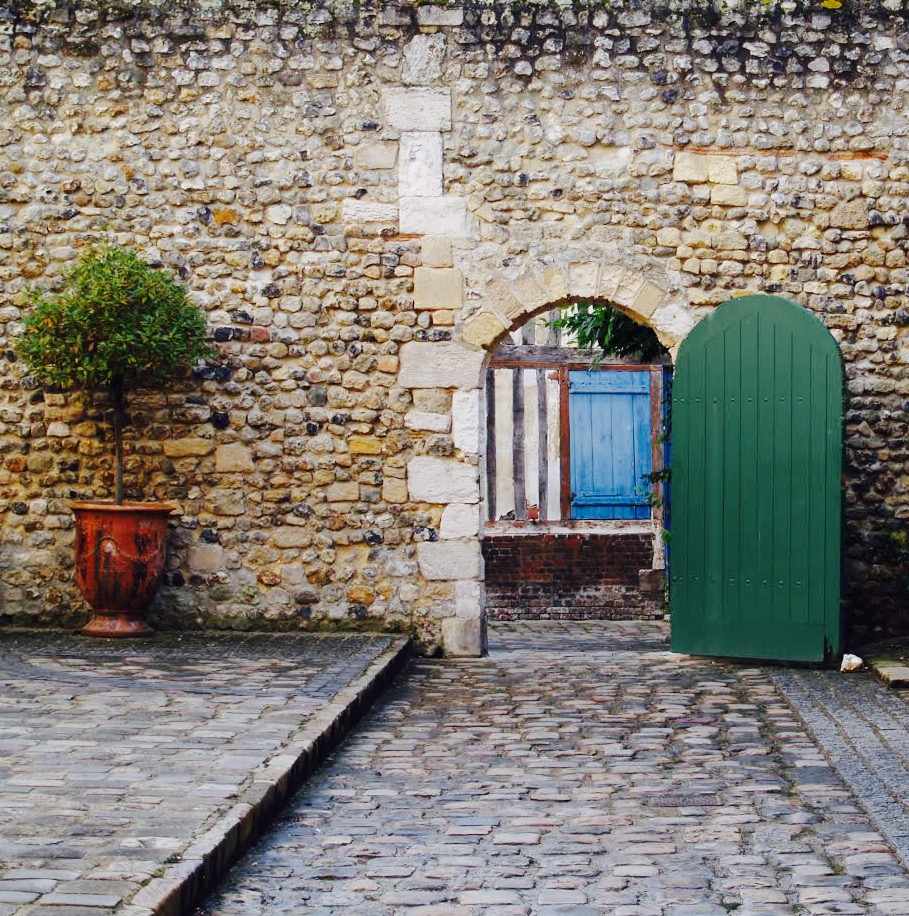
This is a gate of the road leading to the pasture of our small family farm…

As we approach the time of the Orthodox Christian beautiful fast, which is more to say the beautiful emphasis on repentance (rekindling the Greatest Commandment in our hearts) the Church blesses and fortifies us with the hymn 

Open to me, O Giver of Life, the gates of repentance:

for early in the morning my spirit seeks Your holy temple…

(Troparion of Matins, Sunday of the Publican and the Pharisee).  

Some time ago a monastic told me that “repentance is a gift” and that it is also our task.  Struggle.  A blogging priest wrote that repentance is turning to God in the acceptance who I am (warts and all).  Stark reality.  A friend monk recently explained repentance as a return to childhood innocence yet with all the knowledge and experience of a life lived.  Humility. Struggle.  Rekindling.

 My admiration for monastics is deep because their repentance is lived every second of every day which is why the faithful also seek out their counsel. 

Over the years and tears, a meditation of the gates of repentance, that might one day open for me, has formed. 

That meditation is of our migration, as the body of Christ, being led by our Mother the Church into the fields of Great Lent.  Each year I envision it as a pasture – like the one above – and that Lenten pasture nourishment being the hymns of the Church services; our public prayers corporate and deepest most intimate devotions private; the reading of Scriptures;  the Mysteries of the Church and the giving of alms.  These ways bear the language and embodiment of repentance.  They remind us that everything—the beating of our hearts, the breath of our lungs, each morsel of food, every failure – like the pig pen of the Prodigal, and every success—is pure gift.   Great Lent is about love, because it is Divine Love that brought us into being.

The pastures of Great Lent nourish us on the language of salvation, encouraging and nourishing the very depth of our being – that our life is not our own and  “that it is not the production of crops that feeds man, but Your word that maintains those who believe in You” (Wisdom of Solomon 16:26)

May God bless us to feel the Lent.

“Open to me the doors of repentance for early in the morning my spirit seeks Your holy temple…” 


friends of Christ

IMG_9410

A true friend is known in misfortune. he is our true friend and one who loves us who does not forsake us in misfortune.

Likewise, the true lover of Christ is he who abides with Christ in this world, and cleaves to Him in his heart, and uncomplainingly endures the Cross with Him, and desires to be with Him inseparably in the age to come.

Saint Tikhon of Zadonsk


sweet bread of basil

IMG_9906

Everyone as he is able, should try to heal (with kindness) anyone who has something against him.

Saint Basil the Great

The Fathers Speak (p. 55)

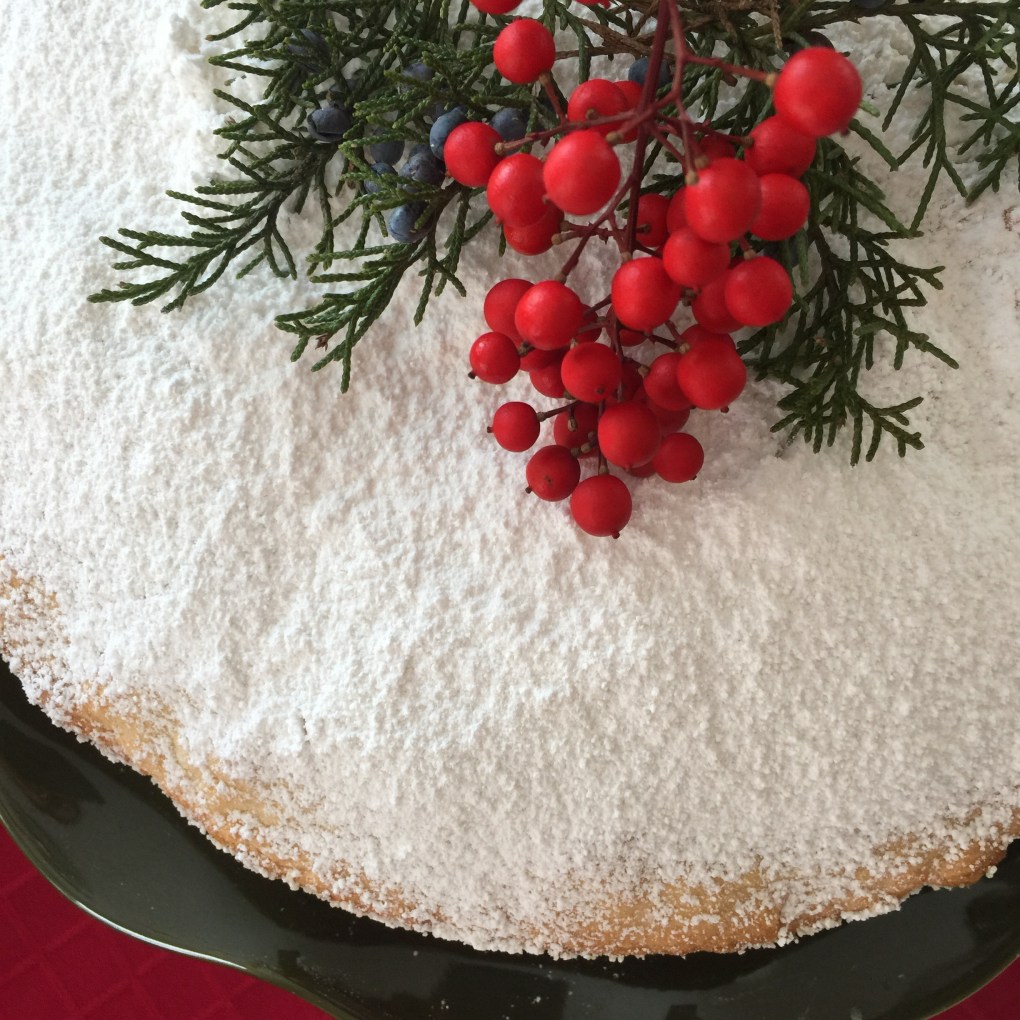
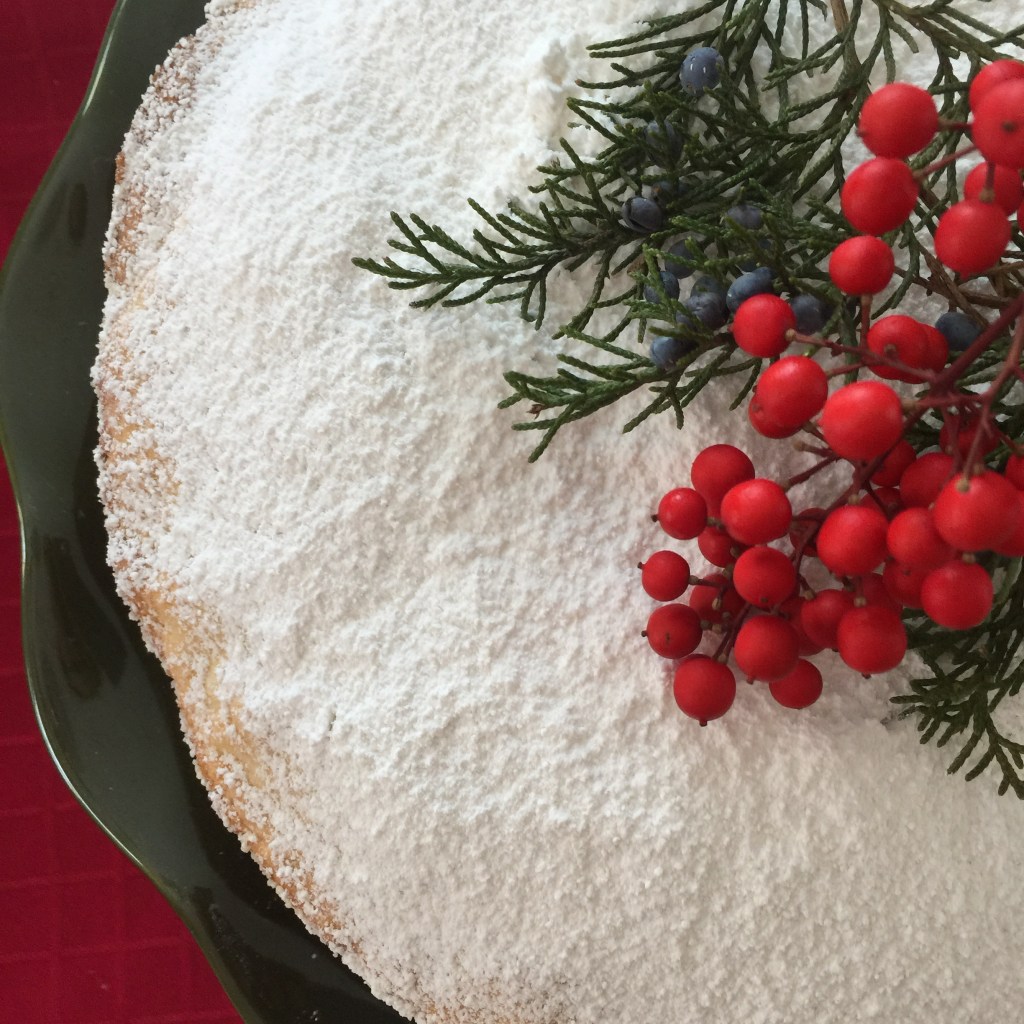
It is a cherished tradition bearing the leaven of hope toward the coming year and the further redemption of our time here, in Christ, that Orthodox Christians bake this sweet bread of orange and lemon to ring in the new year.

The bread is called vasilopita which means the sweet bread of basil.  It’s namesake is a humble holy bishop Saint Basil the Great whose heart compelled him during a time of famine  to help the poor.  It was a time of merciless and unfair taxation.   The Bishop confronted the emperor who had levied the tax, calling him to repentance for the harsh burden he placed upon the people.

Amazingly, the emperor did repent and he returned the gold and jewelry that had been taken from the townspeople.  Basil and the villagers offered thanksgiving prayers after which the Holy Bishop  commissioned women to bake and place the gold coins into a sweet bread which were then distributed.  Miraculously each family found in their bread, their own valuables which had been collected as part of the taxation.

Today, the vasilopita is baked in memory of that miracle forged by God and Saint Basil’s faith, love and shepherding of his people.  Each year on January 1st– the date on which St. Basil reposed in the Lord , Orthodox Christians observe the tradition of the Vasilopita.   The recipient of the coin is considered especially blessed.

This is the first year our family has ever made the vasilopita.  There are many regional variations to the bread, yet a taster will find that all of the recipes are sweet and authentic!

This particular recipe is adapted from my “go to” Greek Cookbook by Aglaia Kremezi The Foods of the Greek Islands.  She gives a rich history of her recipes and I appreciate her anecdote that butter and eggs were luxuries in Greece during times past.   What I love about the old way of Greek cooking is that by using the brandy the texture of the flour totally changes into a nice bread texture.  There is no yeast in this bread, instead the brandy adds to the leaven quality of the dough.

Vassilopita

Ingredients

  • 4 large eggs, separated
  • 1 cup sugar
  • 12 tablespoons melted butter (1-1/2 sticks)
  • 1-1/2 cups orange juice
  • 1/2 cup brandy
  • 4 cups all purpose flour
  • 4 teaspoons baking powder
  • 1/4 teaspoons baking soda
  • grated zest of two oranges and two lemons
  • whole blanched almonds and /or powdered sugar to decorate

Recipe

Preheat oven to 375F.

Grease a 10 – 12 inch springform pan

In a large bowl beat egg yolks, zest and  sugar (this releases the essential oils from the zest) for about three minutes.

Add butter and beat for an additional minute

Add orange juice and brandy, beat until it is incorporated.

Whisk the flour, baking powder and baking soda in a separate bowl.  This makes sure that you will not have any clumps of the baking powder and baking soda but that it will be totally distributed.

Add to the liquid  mixture and stir until incorporated.

In separate bowl (I actually use a mason jar with a hand held electric stick mixer so that it does not splatter everywhere) whip the egg whites until soft peaks form.

Fold the egg whites into the batter.  Pour batter into the greased springform pan.

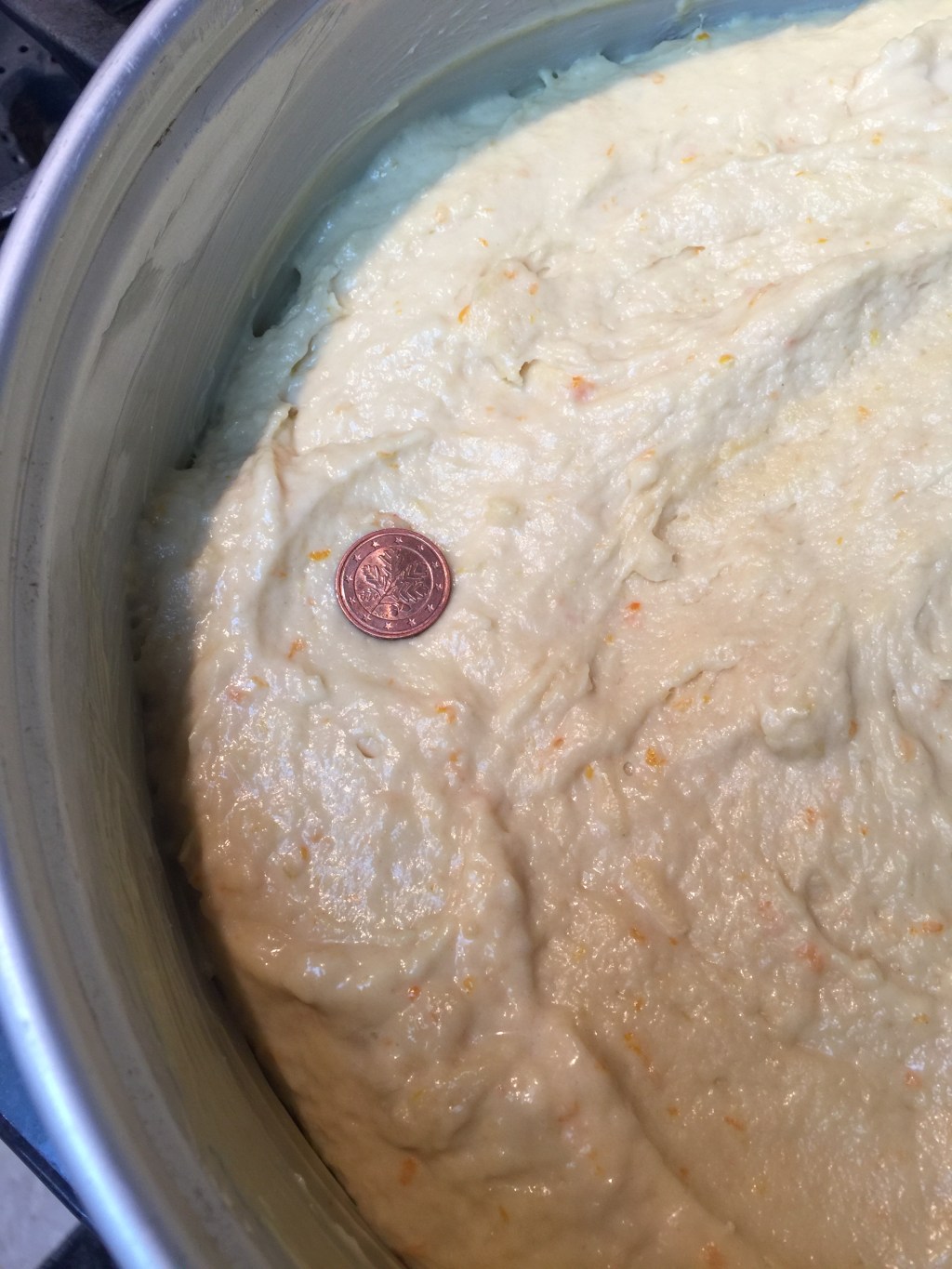
Place clean coin (my daughter found a euro coin for one and a dime for another)

Bake for 45 minutes to an hour until gold brown.

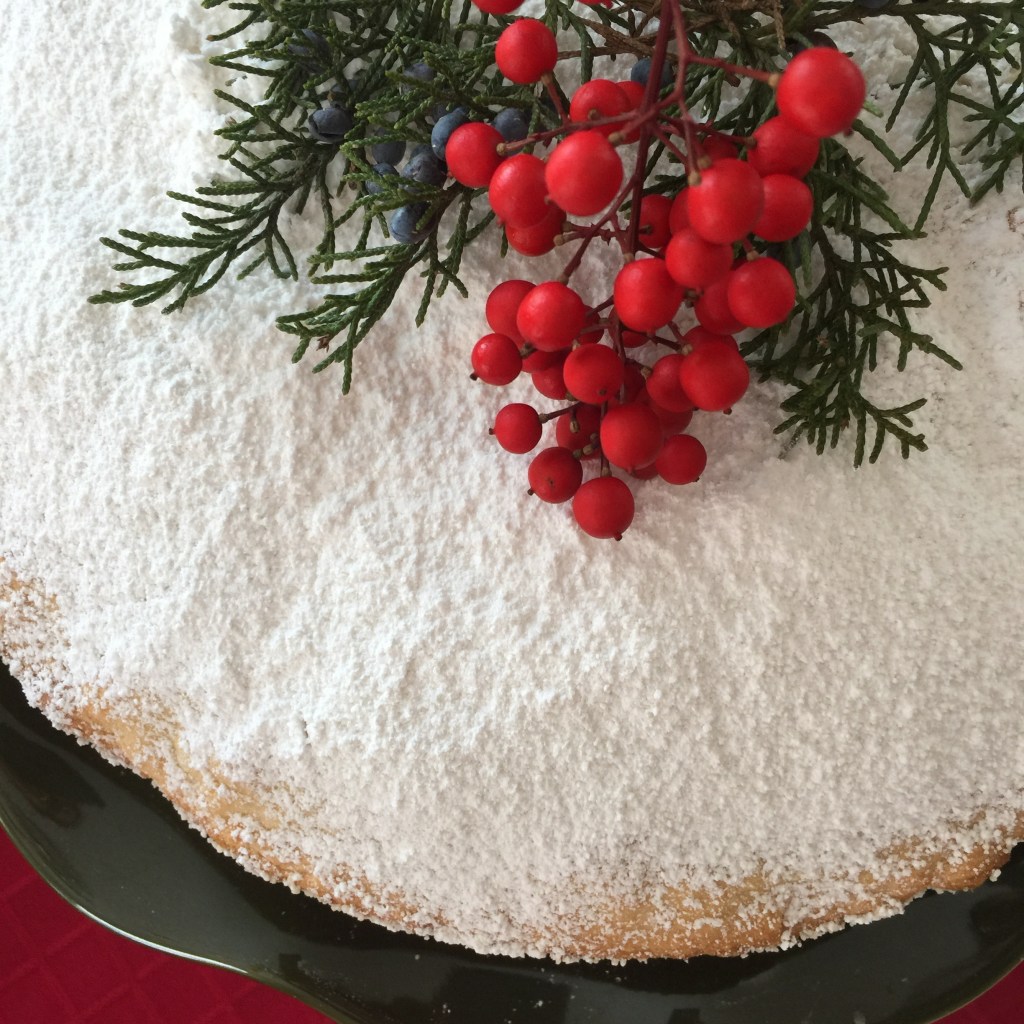
Decorate with almonds and/ or powdered sugar.

IMG_9904
IMG_9907

May we all be especially blessed in the coming New Year!

to create a wreath divine

blessing table flower


Remember your Creator until the silver cord is removed,

And the golden flower is pressed together

Ecclesiastes 12:6


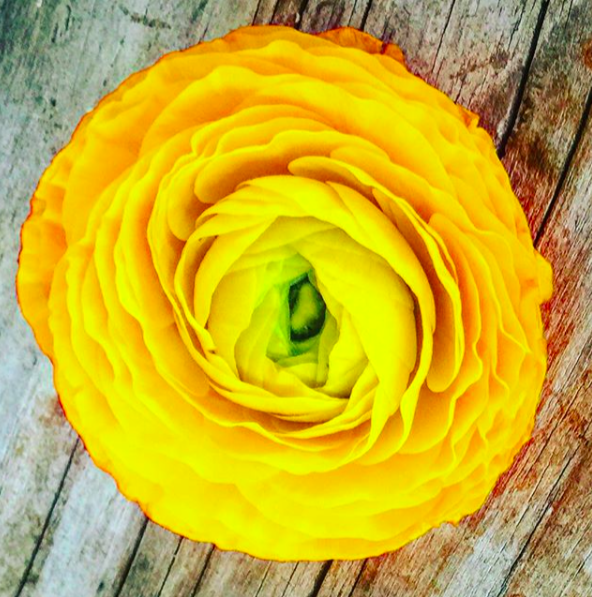
A discarded sunshiny flower bloom on that blessing bearing table outside the town coffee shop.  This lonely little flower on a cold wintry morning, immediately reminded me of a Christmas carol taught to me by an older woman, a Romanian Canadian choir director, who pulled so many of us into her choir – persistent despite even many many protests.  She had a vision, decades before it was popular, which is why it was a vision, of an english speaking Orthodox Church and she left her Romanian Church with others to found one, and make it a reality.

In her choir we sang english, but also learned hymns in every language of the Church, so that if a Greek, Russian or Serbian or Middle Eastern family came into our parish, we would sing a hymn of the Liturgy in their language, thus making them feel right at home.

She loved music, and taught us all to love and to sing the words of the Church.

This Christmas song is called Three Shepherds and it is even more beautiful with the melody.


Three Shepherds

Three shepherds were united
O heavens sunlight
Golden floral sunlight
Thus inspired they decided

+

Come now brothers all together

+

Come now Brothers all together

+

O heavens sunlight
Golden floral sunlight
Many flowers we must gather

To create a wreath divine
O heavens sunlight
Golden floral sunlight
With goodwill t’would be entwined

We’ll present it to our Lord
O heavens sunlight
Golden floral sunlight
In HIS LOVE forevermore


the least cry of your soul

IMG_9601

Let us have confidence in God, remembrance and love toward Him  The Holy Mountain has shown us that the Grace of God is active everywhere   Do you know what Saint John Damascene calls Divine Grace : a vault of God

There where you are sitting, where for years you have been expecting God and not found Him… He all of a sudden leaps and enters you, embraces you, kisses you and fills you with the breath of His nostrils, with His love, His being, His Trinity!!

It is as easy for God to leap and come into our lives as it is for anyone to jump.

just as He leaps on the peaks of Athos, as Ge gets into the boats, the caves, the crannies… everywhere comprehending the tears and the pains of Athonites, so He comprehends the least cry of your soul, of the souls of all of us.

Elder Aemilianos

of Simonopetra Monastery


lenten quinoa cakes

lenten zucchini quinoa cake

seek Him with your whole heart (Jer 29:13)

+

The Lord seeks a heart filled to overflowing with love for God and our neighbour; this is the throne on which He loves to sit and on which He appears in the fullness of His heavenly glory.  ‘Son, give Me thy heart,’ He says, ‘and all the rest I Myself will add to thee (Prov. 23:26; Matt. 6:33),’ for in the human heart the Kingdom of God can be contained.  The Lord commanded His disciples:  Seek first the Kingdom of God and His righteousness, and all these things shall be added to you; for your heavenly Father knows that you need all these things (Mat. 6:32,33).

Saint Seraphim of Sarov

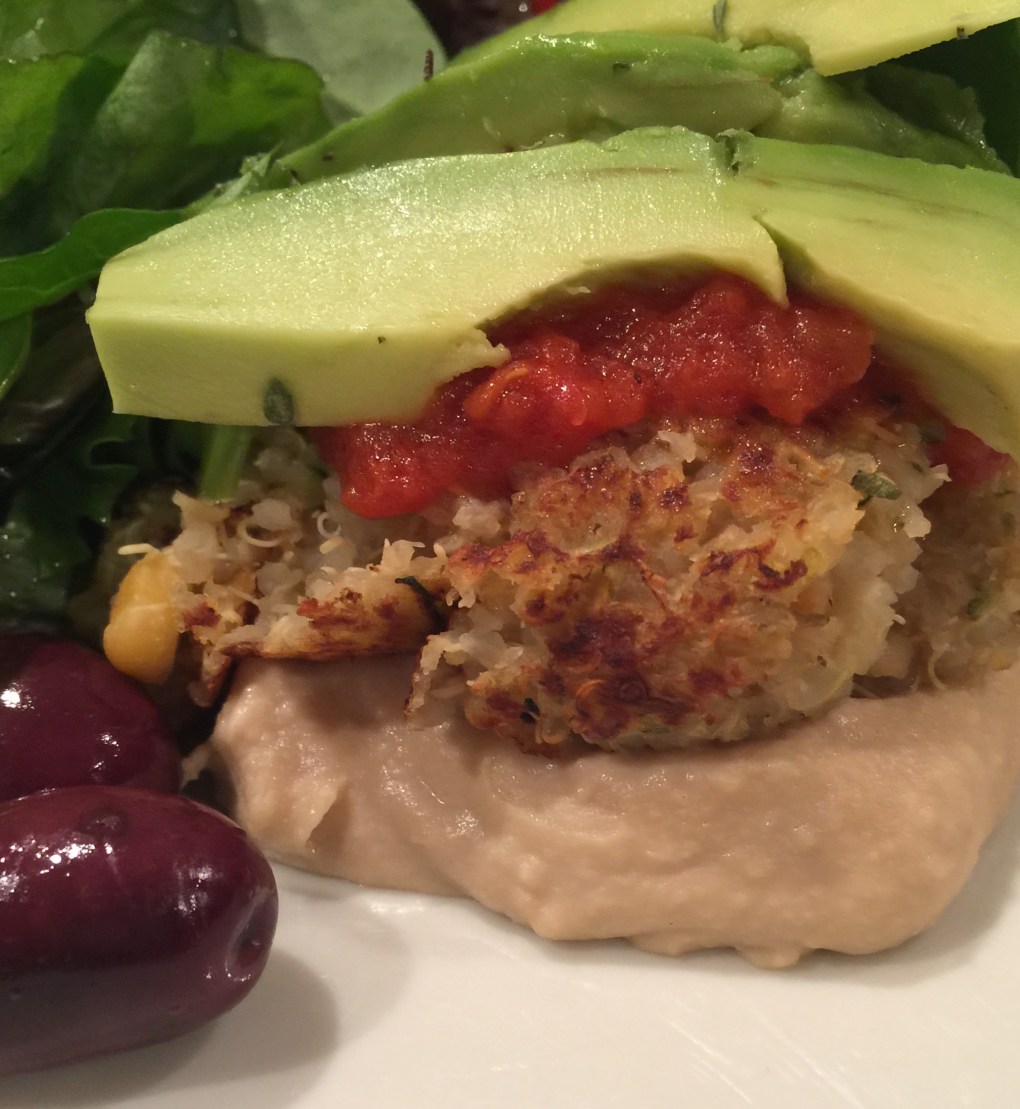
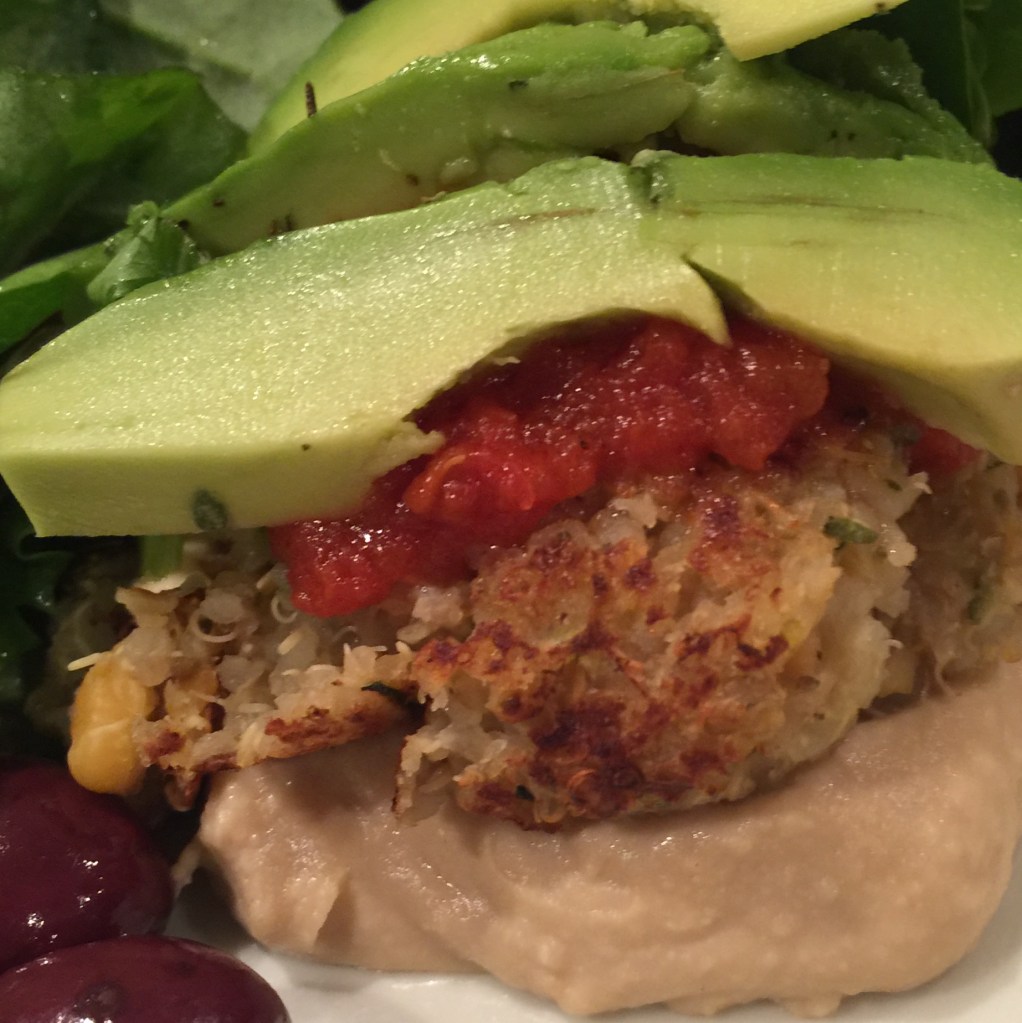
Lenten Quinoa Cakes with Zucchini and Hummus

This recipe is adapted from a family favorite at Le Pain Quotidien cafe.   The quinoa is a good source of protein during the fasting periods of the Liturgical year.   Combined with whole wheat bread and hummus and you have all the amino acids, which means it is also a complete protein, and that is important to your health.

These cakes are kind like a burger served over hummus and topped with fresh avocado

Ingredients

  • 2 tablespoons olive oil
  • 1 fresh raw zucchini grated (can be any color – we used green)
  • 1 small white onion, minced
  • 1 cup chickpeas, cooked and mashed coarsely (we use a potato masher)
  • 2 cups cooked quinoa (rinse your quinoa before cooking – quinoa can actually be bitter and rinsing it has the effect to remove that bitter quality)
  • 1 tablespoon each resh oregano and thyme
  • 1 tablespoon lemon juice
  • 3 tablespoons nutritional yeast
  • 1/2 cup marinara sauce for garnish (we use Victoria brand from Costco)
  • fresh avocado for garnish
  • fresh hummus

Preparation

Preheat oven to 350 F.  Mix all ingredients except hummus, marinara sauce, olive oil, and avocado in a bowl and mix to incorporate well.

Press the quinoa mixture into a loaf pan   Really press it together because you want it to adhere to itself, since we will slice it and sautee it in a pan to finish it off.

Place in oven and cook for 45 minutes.  It should be fragrant when it is done.

Once it is cooked you can either place in the refrigerator to use the next day or carefully slice pieces of the quinoa loaf and place on a heated seasoned cast iron skillet with olive oil.  Cook on both sides until brown.

Serve over hummus and top with a few spoons of marinara sauce and avocado.

Goes great with a fresh green salad!

Enjoy and may your fasting be blessed.


the finest gift

drums of Kenya

parrumpapumpum

heartbeat and offering

+++

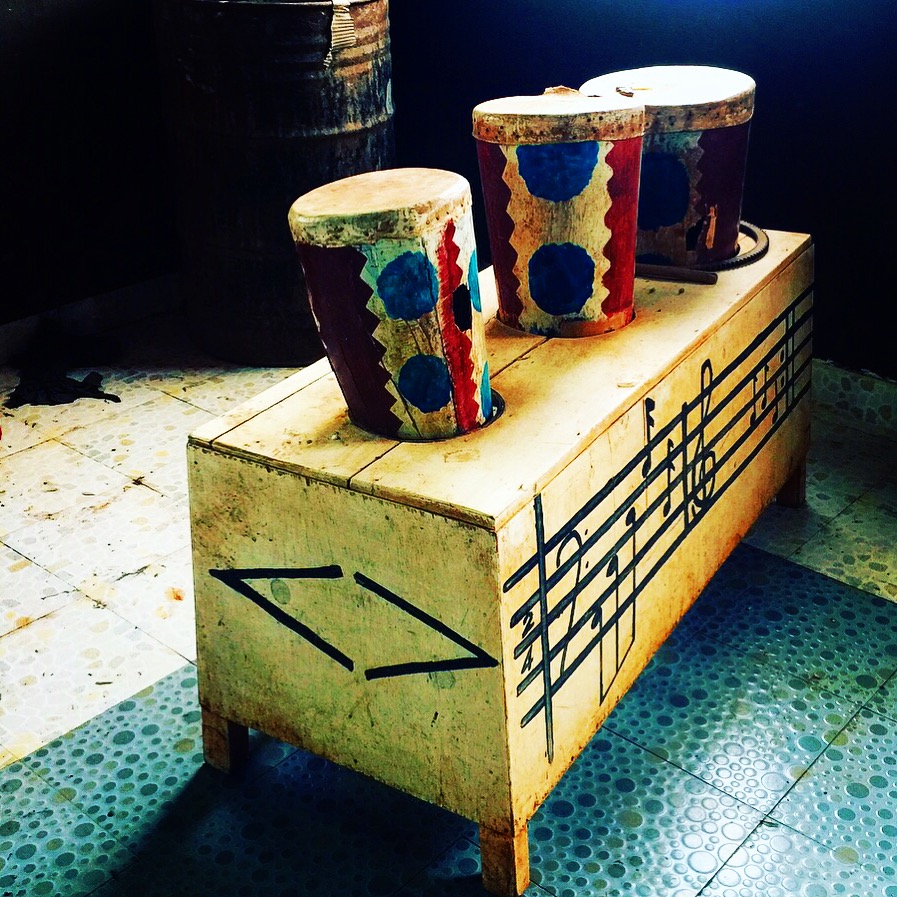
These drums sit in a Church in the Diocese of Meru and Mount Kenya.  I snapped this picture on our recent parish trip to Kenya.  As we approach the coming Nativity of our Lord and Savior Jesus Christ, these drums resonate deeply,

In the year prior to leaving for our trip, our parish priest told a story that during the passing of a collection tray in an African Church a woman placed the tray on the ground and stood in it.

Everyone her asked what are you doing? She replied “I have nothing to offer but myself”.   I can scarcely fathom the extraordinary depth of Grace and humility in that moment.

Truly that is anaphora -and offering –  and one to bear in mind that regardless of our wealth or deeds  – it is our whole heart and love God seeks and in return He offers the same.

These Kenyan drums recalled in my mind the song of The Little Drummer Boy – just a poor boy- he thought he had no gifts to bring that were fit to give a King – but he offered himself – his talent –  and so in that treasured Christmas song, it was only to that poor young boy that the Lord smiled.


this Nativity give thanks from your whole heart

eukharistia

and find that when His eyes rest upon your whole heart  that truly is the “finest gift we bring”