


“Every rest is followed by hardship, and every hardship endured for God is followed by rest.”

“Every rest is followed by hardship, and every hardship endured for God is followed by rest.”


The good man’s soul shines more brightly than the sun and is gladdened at every moment by the theory of divine mysteries. He who follows a lover of God will be enriched by God’s mysteries…

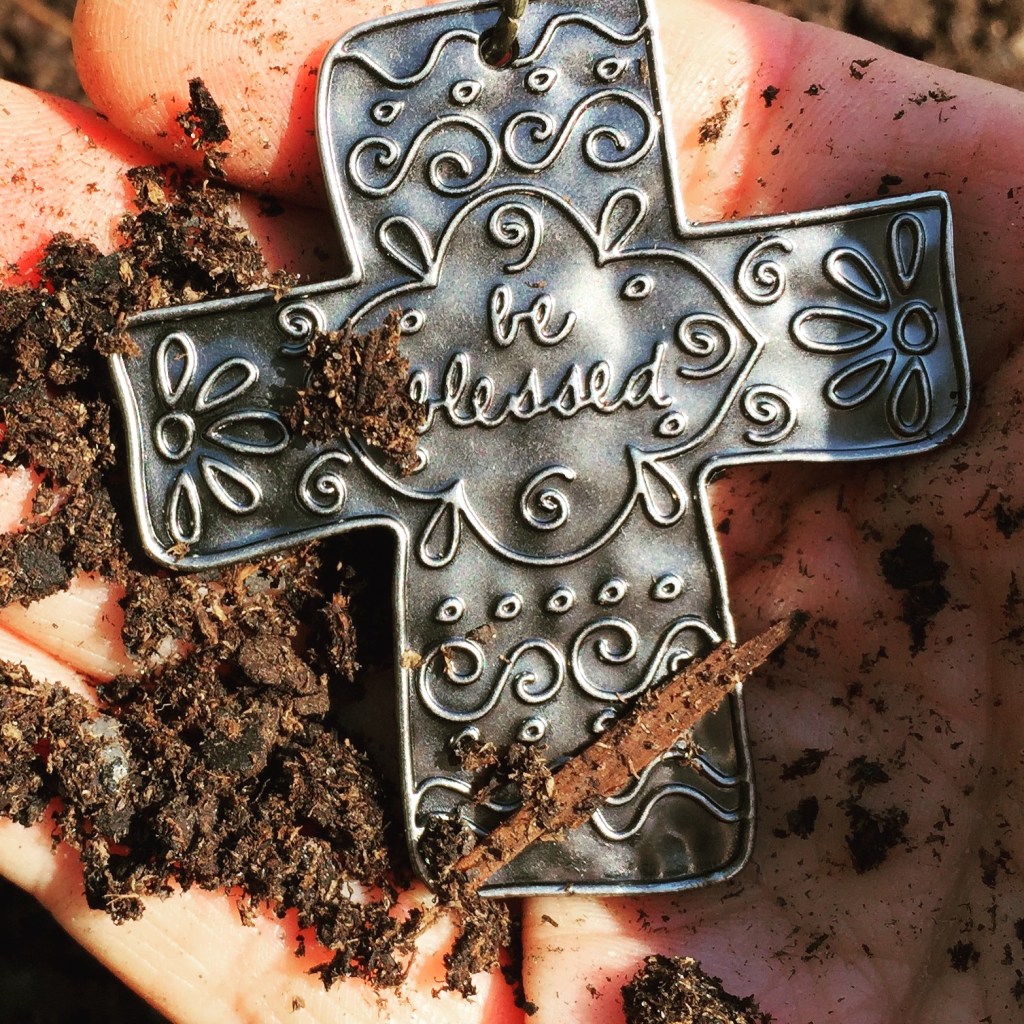
From long suffering in prayer, the fruit of life arises, and expectation is a firm helper during prayer to those who posses it. When you pray, bring to mind the ploughman who sows in hope. He Who causes to return twofold the seed that the plougjman sows with hope.

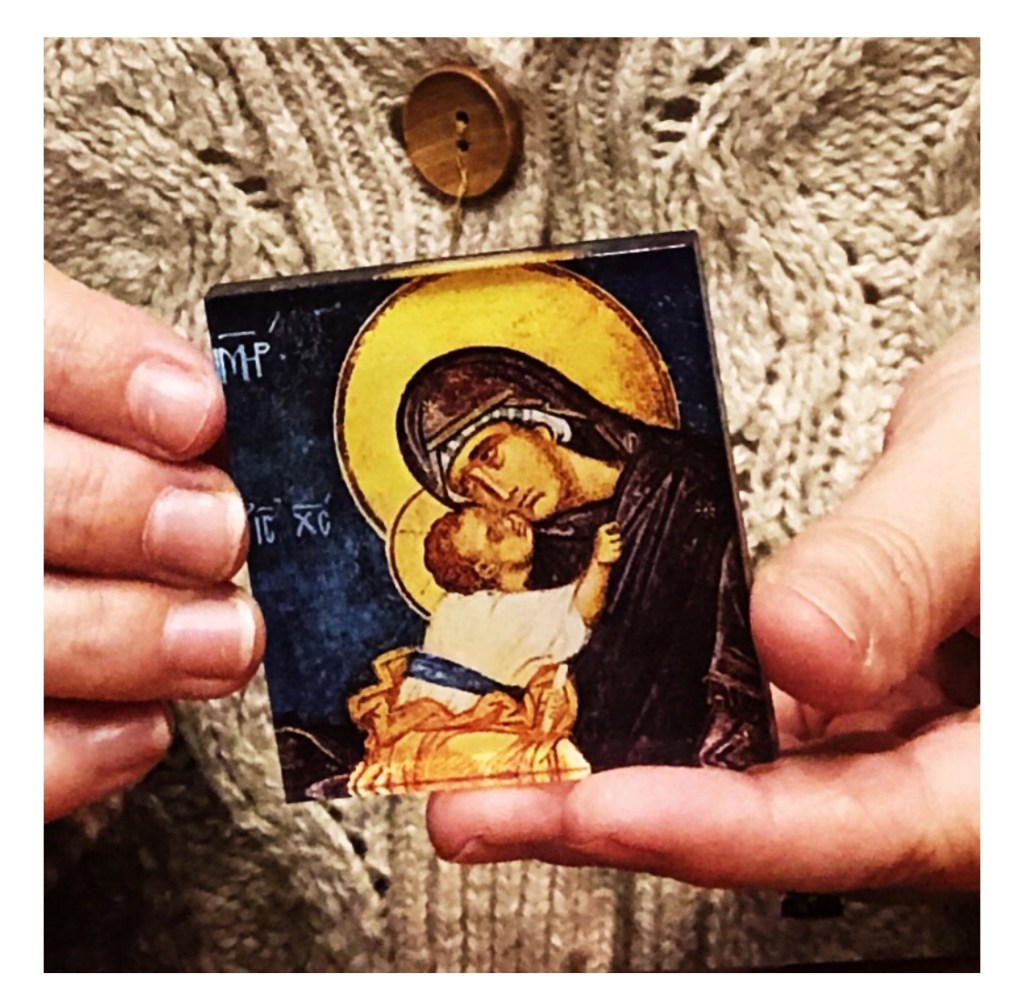
Beware of despair. You do not serve a tyrant, but your service is to a kind Lord, Who taking nothing from you, yet has given you all. And when you did not exist at all, He fashioned you so that you would be in that state in which you now are. Who is sufficient to render Him thanks for the fact that He has brought us into existence? O the immesurable Grace! Who can sufficiently honor Him with hymns? … God is very compassionate and ardently loves to give… He rejoices when a man offers Him prayer.

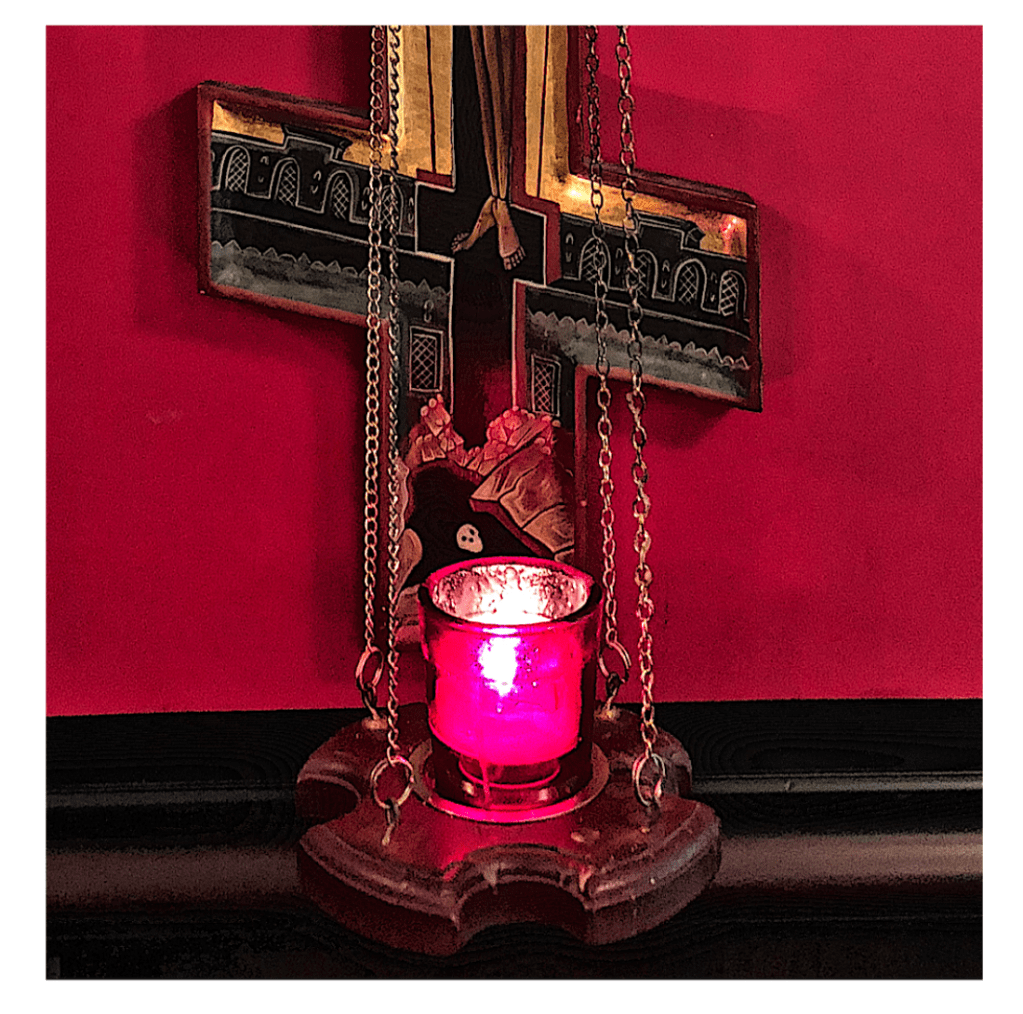
Do not chide anyone for any trespass, but think of yourself as accountable in all things and guilty of his fall. Do not refuse to do any lowly chore with humility and in no wise decline from doing it.
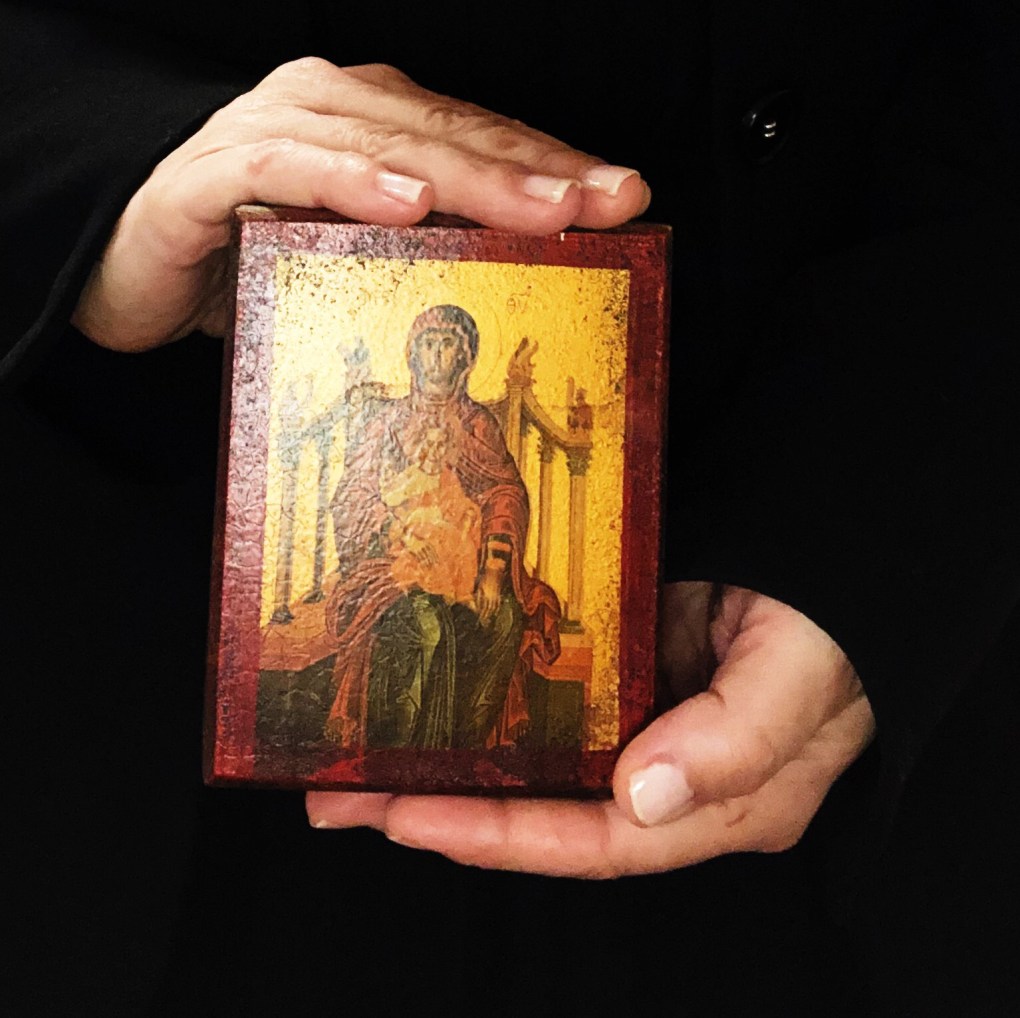

A clear rule handed down by the Fathers is this: stop eating while still hungry and do not continue until you are satisfied.
Saint John Cassian, Philokalia, Vol. 1 Faber & Faber, 1986, p.74
This fasting is in regard to food. Living in an age in which man much too easily lives for the sake of exterior effects, we can be fooled into thinking that fasting from food should be sufficient for spiritual growth. But in the holy Gospel, our Lord Jesus Christ says, “For from within, out of the heart of man, come….all these evil things,… and they defile a man.” (Mark 7:21-23) Here the Savior teaches us that most important is the purification from within of our heart and soul. Fasting of soul is the defeat of egotism, the renunciation sins and the abstention from passions. It is a a humble realization within ourselves emulating the example of Saint John the Baptist, the greatest man born frogwoman and the greatest faster. He says, He [Christ] must increase, but I must decrease” (John 3:30) In order to receive Christ in our hearts… we must work to destroy all that separates us from Him. We have the means close at hand to accomplish this”
When we join these efforts to bodily fasting, then our fast truly becomes a knitting together of ascetically effort in both body and soul. All these things we must accomplish with joy of heart as the Lord teaches us when He says: “but when you fast, anent your head and wash your face that your fasting may not be seen by men but by your Father who is in secret and your Father who sees in secret will reward you.” (Matthew 6:17-18)
“
“Life Transfigured”
A Journal of Orthodox Nuns, Volume 50 #3


The man who is justly praised is not harmed thereby; but if praise seems sweet to him, he labors without recompense. The treasure of the humble is within him, and this is the Lord.
One of the saints spoke of this saying, “The merciful man, if he be not just, is blind. That is to say, he must give to another man what he has gained by his own labors and hardship and not what he has through fraud, injustice and trickery.
And the same saint said in another place, “If you wish to sow your seed among the destiute, sow from your own seed, for if you wish to sow from other men’s seed, know that what you sow is the most bitter of tares.”
But I say that if the merciful man does not rise above what is just, he is not merciful. That is to say, he is merciful who not only shows mercy to others by giving from his own means, but who also suffers injustice from other men with joy (voluntarily, and who not merely keeps and requires justice in his dealings with his fellow men) but also shows them mercy.
The Ascetical Homilies of Saint Isaac the Syrian
Homily Four


When a man overcomes justice by mercy, he is crowned though not with crowns awarded under the Law to the righteous, but with the crowns of the perfect who are under the Gospel. For the ancient Law also dictates that a man must give to the poor from his own means, and clothe the naked, and love his neighbor as himself, and forbids injustice and lying. But the perfection of the Gospel’s dispensation commands the following, “Give to every man that asketh of thee, and of him that taketh away thy goods ask them not again.” And further, a man must not merely with joy suffer injustice as regards his possessions and the rest of the external things which come upon him, but he must also lay down his life for his brother.
Homily Four


 gladsomelife.com