busy as a bee

“The keeping of bees is like the direction of sunbeams.”  Henry David Thoreau

Bees may be the most fascinating of God’s creatures… at least in our garden anyhow!  With beekeeping as with life, we never stop learning or as a one beekeeper, Michael Bush, said, “If you are not confused, you are not learning anything.”

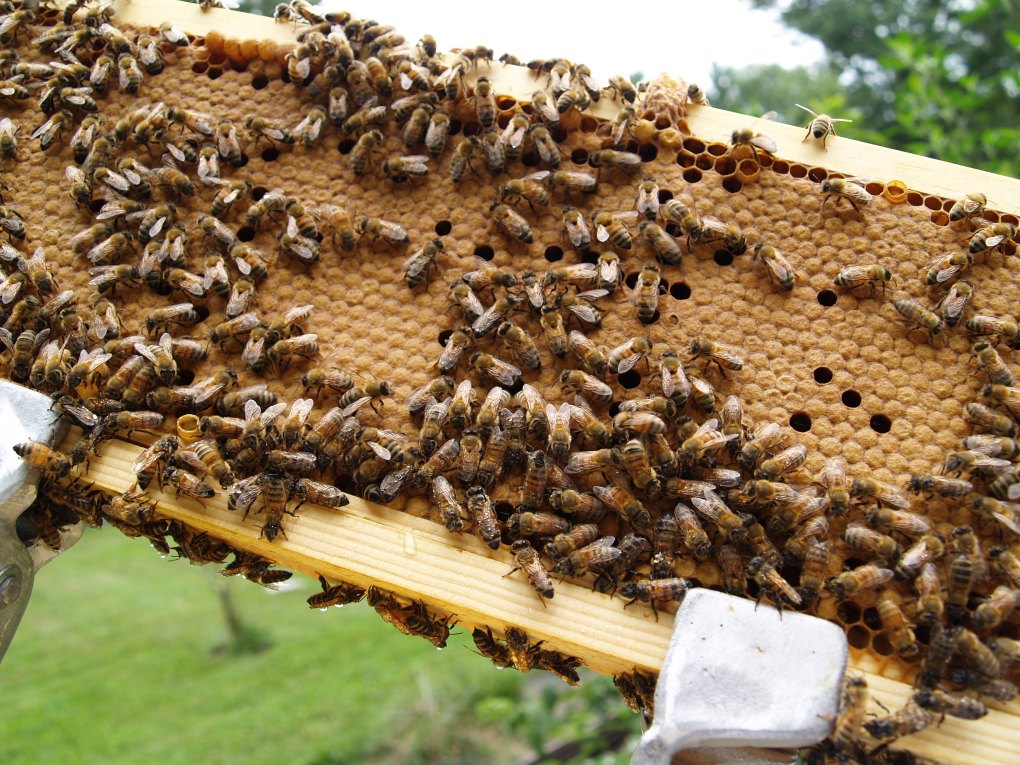
At the beginning of August our strongest hive – kept at our local farmers – had lots of brood, bees and honey – probably 2 gallons in the super, which is why we left it – so they might fill it more.  Turns out the weather in Virginia has been hard on the bees this year…and today we went out to check on the hive and it was empty of all honey… all of it… every single last drop.  Gratefully there was still some brood, but not a lot and a good amount of bees, but the poor girls are literally living hand to mouth and could not have gone on long like that.

By some amazing circumstance  we brought one quart of sugar water with us – not really thinking we would need it – and  it is certainly not enough for this colony.  They will go through it all in one night.  But thank goodness we had some!

You see, September and early October  is a very important time for the bees.   The eggs the queen lays now will sustain the hive during the winter.  Winter bees are special little bees that are physiologically different than her spring and summer sisters.  Worker bees live for about 6 weeks in the summer, but the eggs laid in the next few weeks will grow into the winter bees which live for four to nine months, warming the hive in the cold winter months and tending and caring for the hive through spring.

Needless to say, we are now busy as bees making lots and lots sugar syrup … which as a student of holistic nutrition is very against my grain, but then again

“The pedigree of honey
Does not concern the bee;
A clover, any time, to him
Is aristocracy.”
Emily Dickinson

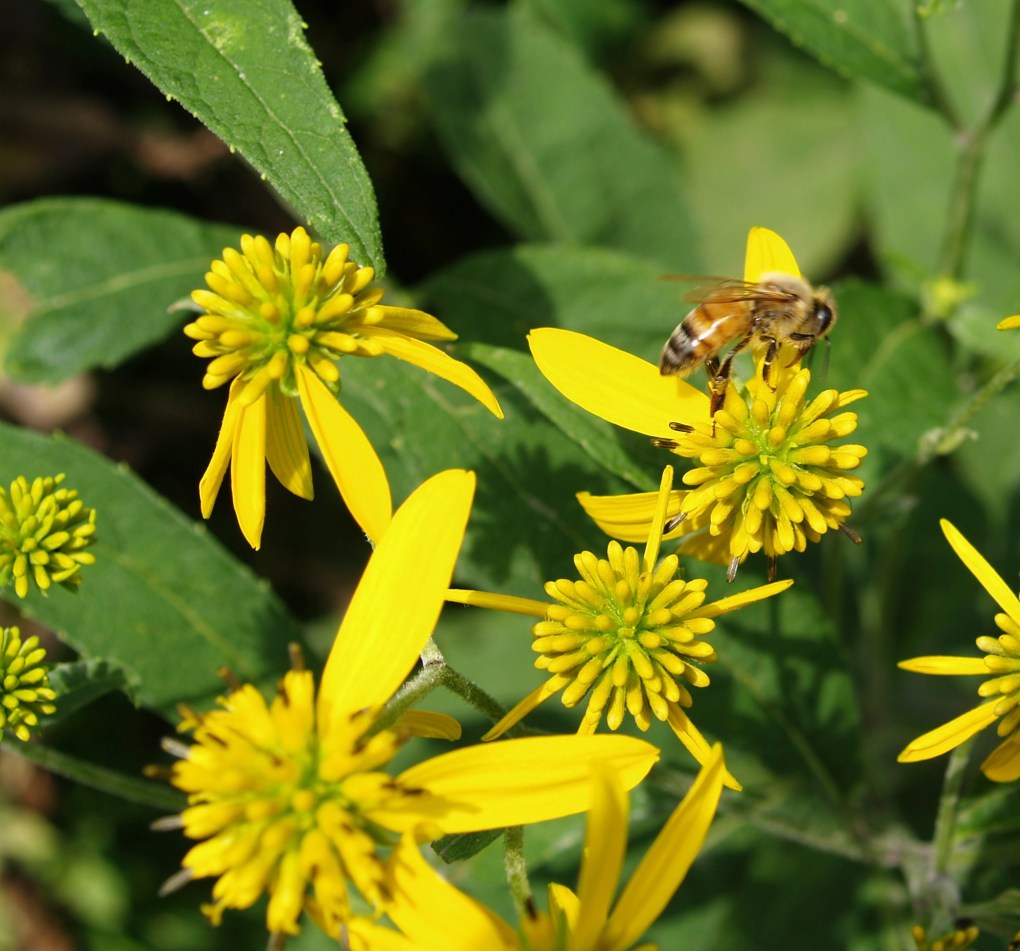
OLYMPUS DIGITAL CAMERA

Labor Day Weekend 2013
Shenandoah National Forest


seasonal eating

seasonal eating

It is a struggle in a prepackaged world with jets and ocean liners bringing everything we can possibly desire from the four corners of the globe right into our little community.  Whereas the local harvest is selected at the peak of ripeness, it’s conventional counterparts are picked well before maturity and prior to maximal development of nutrition and flavor.

Calorie per calorie seasonal local produce outmatches its conventional cousins in nutrient density – and that’s just for starters.  This nutrient density is essential for vibrant optimal health.

Seasonal eating is a subtle ~  and to be honest – difficult at times – asceticism yielding patience.  The satisfaction of what nourishes us presently, along with the patience of the anticipation of the delicious nourishing foods of the next season…It is the patience that a connectedness to our landscape fosters.  At the moment our table is laden with lots of squashes, broccoli, cabbages, cauliflower and beets.

Despite cool weather, winter gardens can yield a bounty!!   They are also a traditional way to add sustainability and some distance from the industrial food chain into ones diet!

Plotting a little Victory Garden in your back yard is easier than you might think!

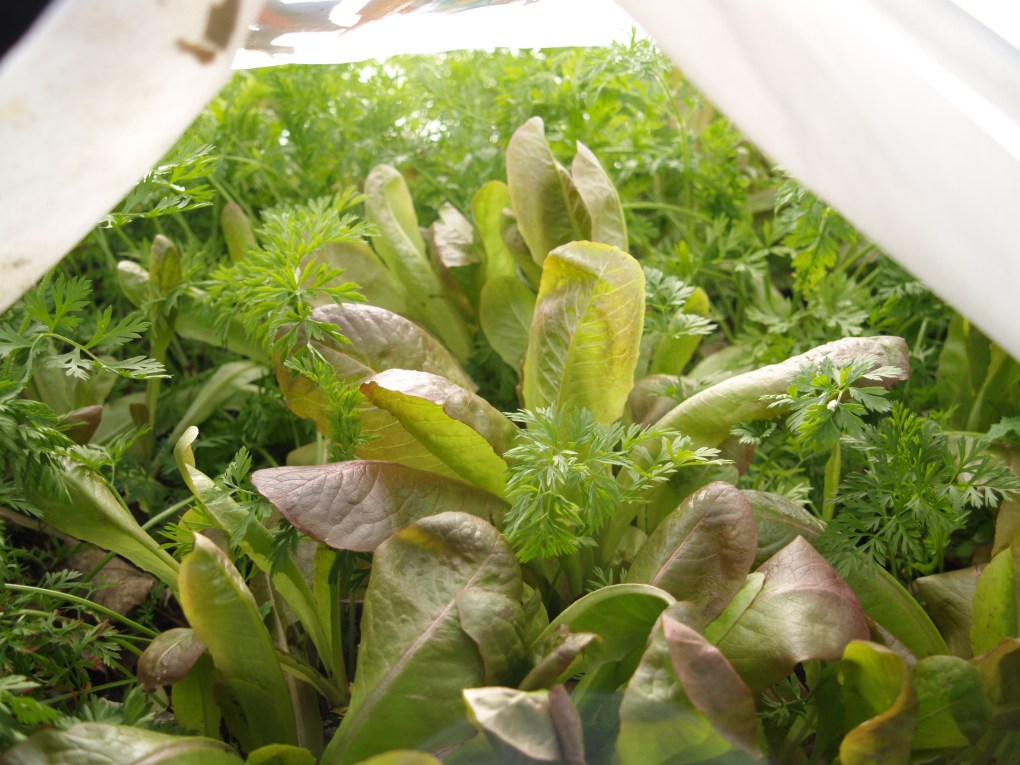
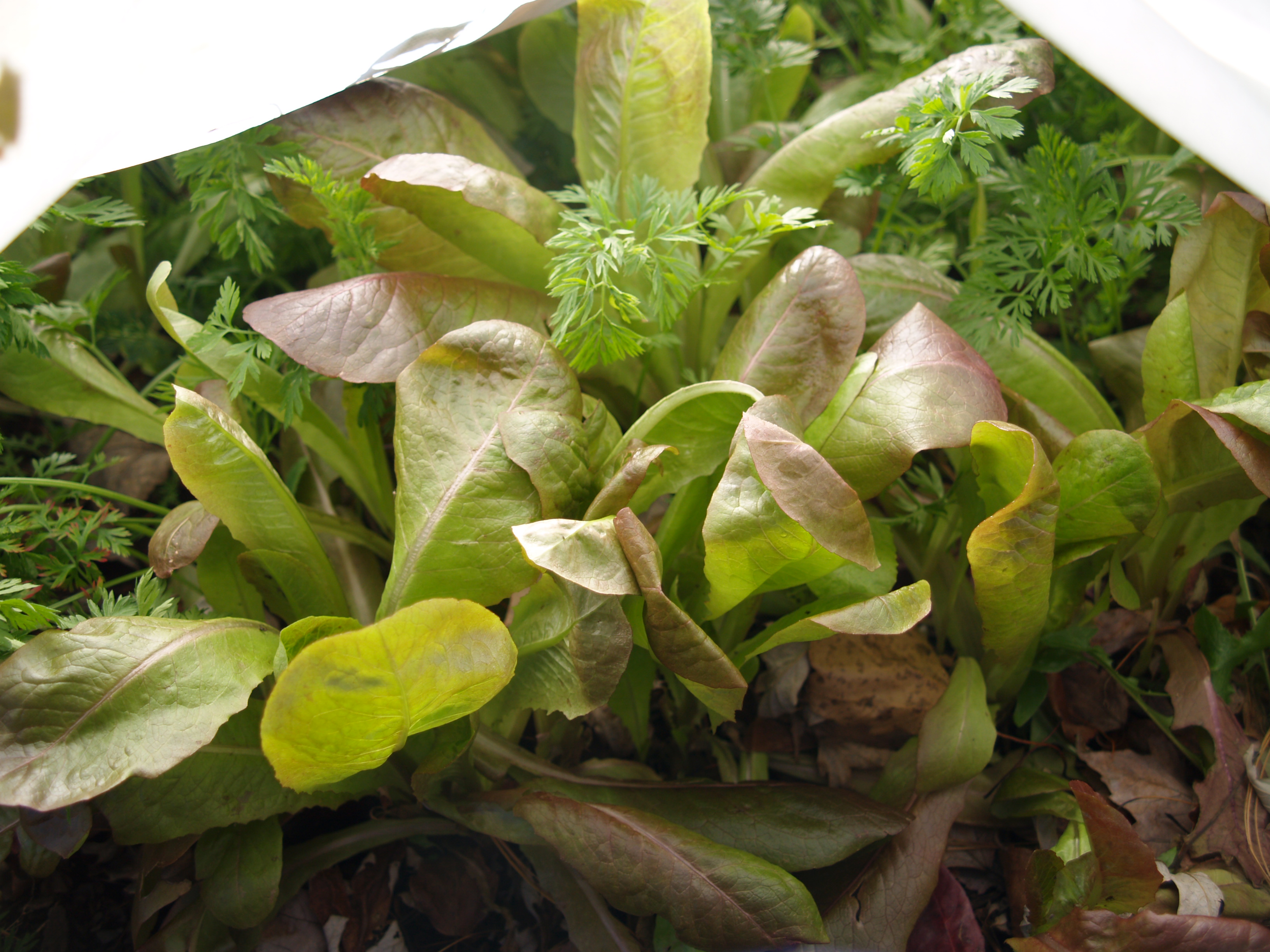
Although it is January in Virginia, there are kale, lettuces, carrots and fennel growing quite nicely in this Victory garden!  Not quite enough to feed the entire family, but a great supplement to our meals!

victory garden – under cover – winter carrots and lettuces

victory garden – under cover – winter carrots and lettuces

Our eggs, meat and dairy are local, all within 300 miles of home.  With the help of a little Victory Garden, local Winter CSA’s and our community market, enjoying the bounty of our local food shed despite winters chill, is a reality.

Depending where you live, winter is likely a time of scarcity.  When unable to find food from your own state, try to stay as close to your own geography as possible.  Our first choice is from our tri-state area, and we venture out from there, trying to stick with the eastern seaboard.  That said, if we want oranges, we chose those grown in Florida rather than California.

Once we tire of our winter vegetables which are remarkably sweet if you can rustle them up locally, the harvest will be over, and we will again begin to savor the first spring vegetables – which cleanse the body and coincide with the beginnings of Great Lent ~ which cleanses the body and the soul.

Whole foods and seasonal eating ~ good for the local farmers, our pastoral responsibilities to our land and the nourishment of our bodies…

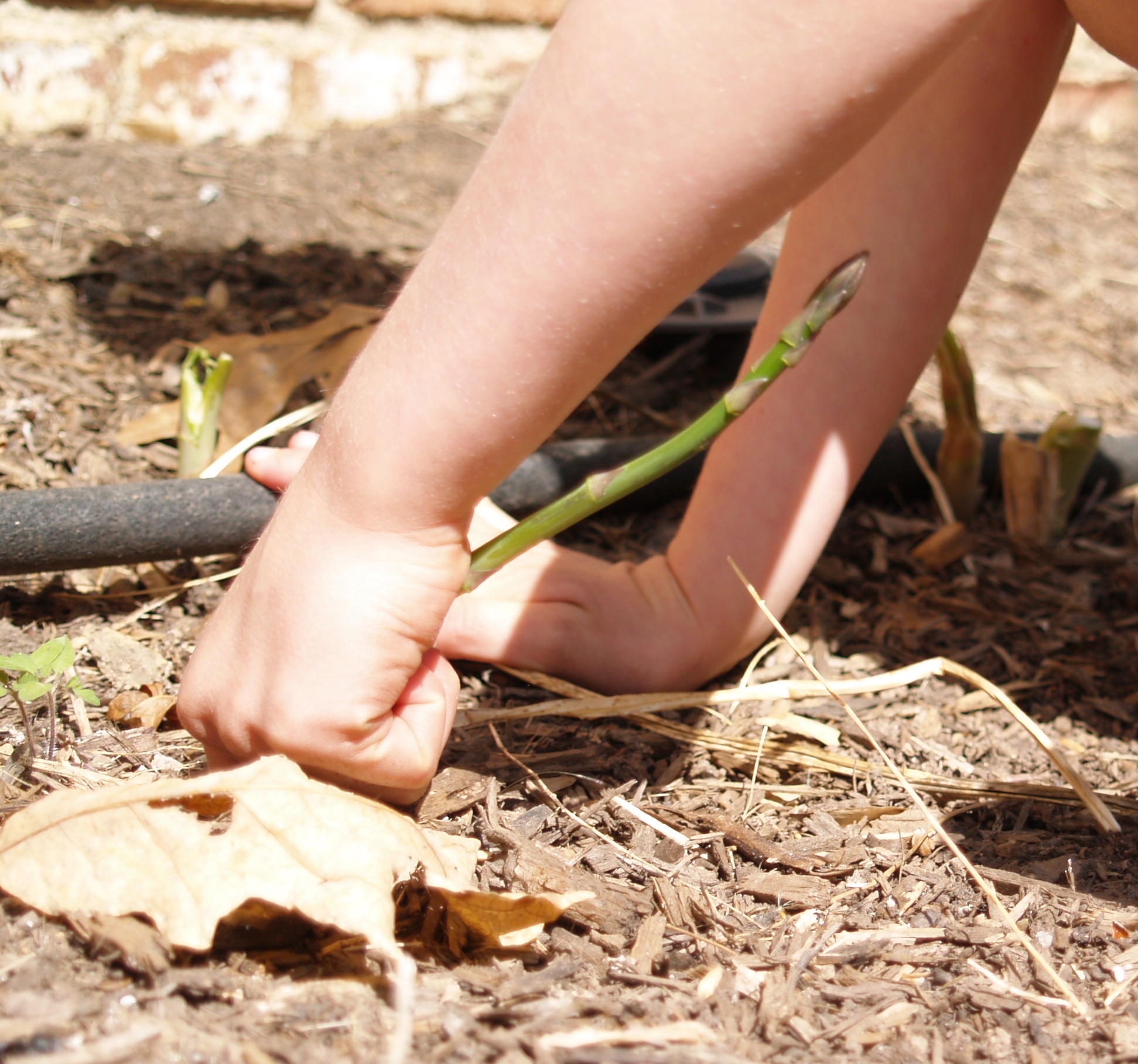
tiny hands with an asparagus snack

tiny hands with an asparagus snack


reprinted – originally posted January 2013


late summer bounty

This late summer time of year has left our Victory Garden looking a little more battered than victorious, but despite the waning summer growth we still managed to pick a great large bowl of summer cantaloupes, english and lemon cucumbers, beautiful tomatoes and some peppers.  And as it goes with the garden, the season of harvest blends with the season of planting.

At some point you make the decision rip out the plants that are not producing or that won’t have time to ripen (a great time to enjoy fried green tomatoes) and prepare the beds for fall planting.  We’ve added our freshly composted soil to the beds, turned them over and sowed several rows of beets and Russian Red Kale which are sure winter producers in Virginia – the kale is also an excellent edible winter cover crop that will become a valuable green manure in the spring.

Upcoming plantings are garlic and carrots.  The garlic is from Southern Exposure Seed Exchange, and their garlic always grows fabulous in our garden.

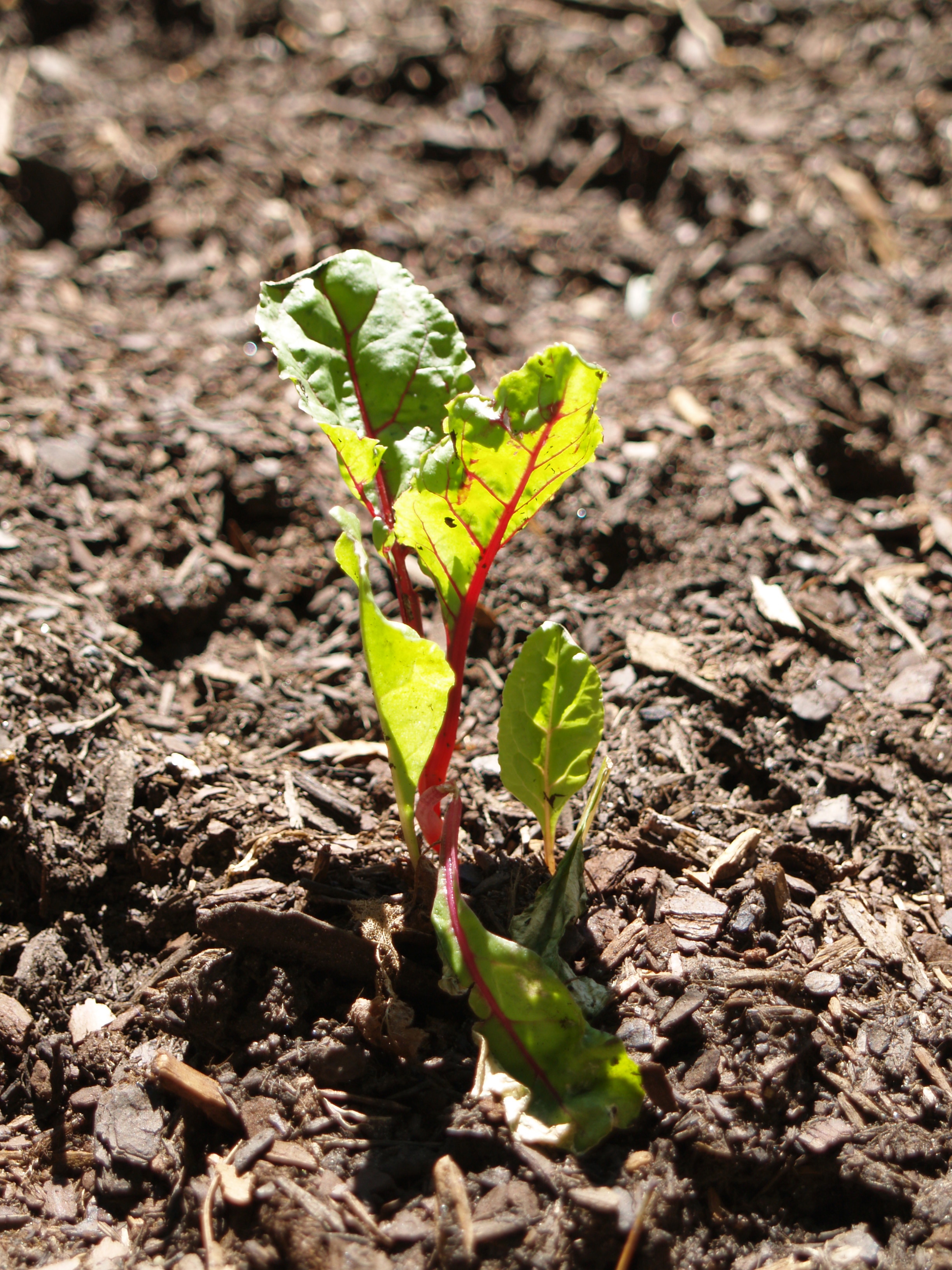
swiss chard

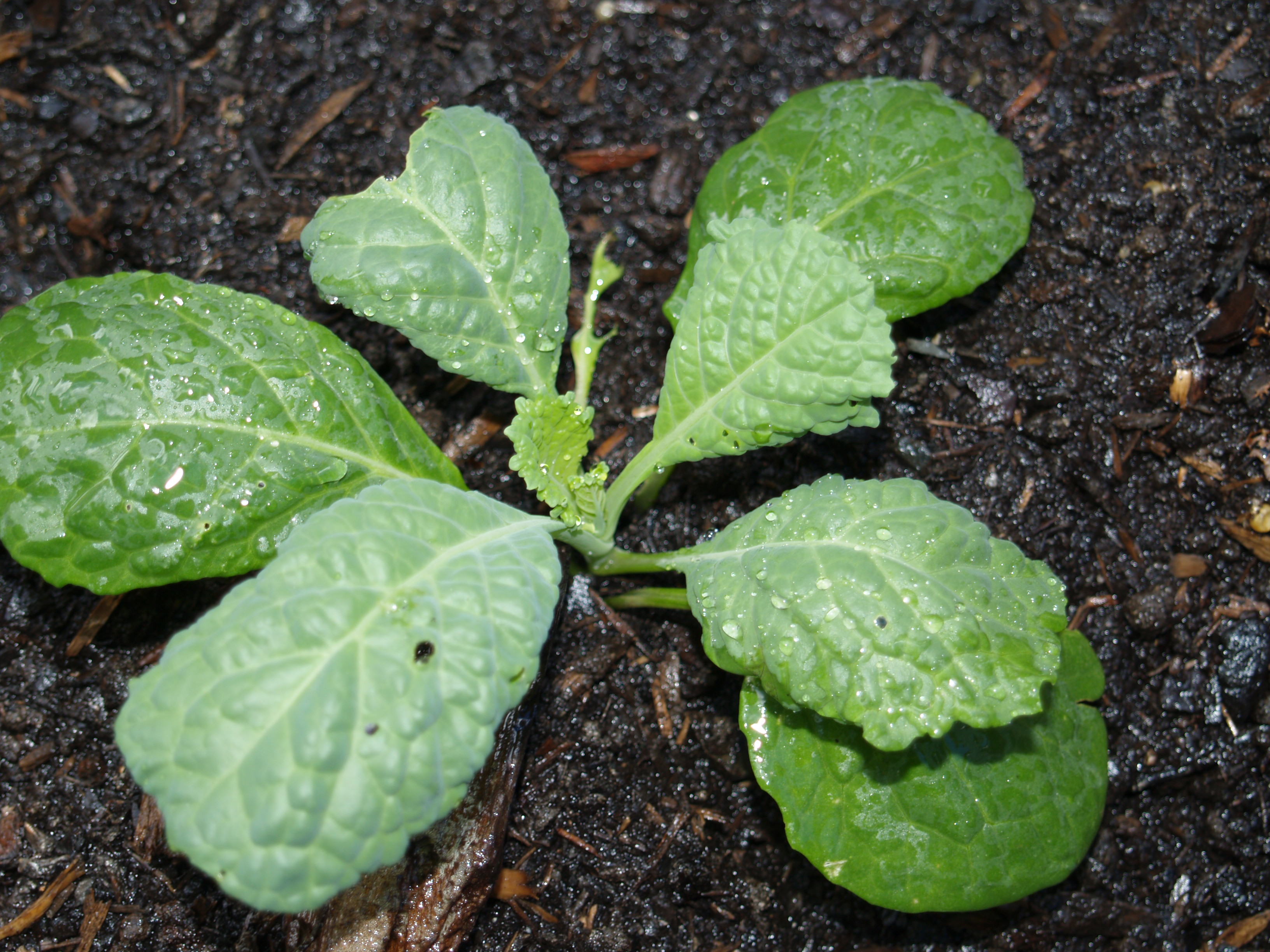
There are swiss chard and cabbages peaking their way through the dirt too..

cabbagees

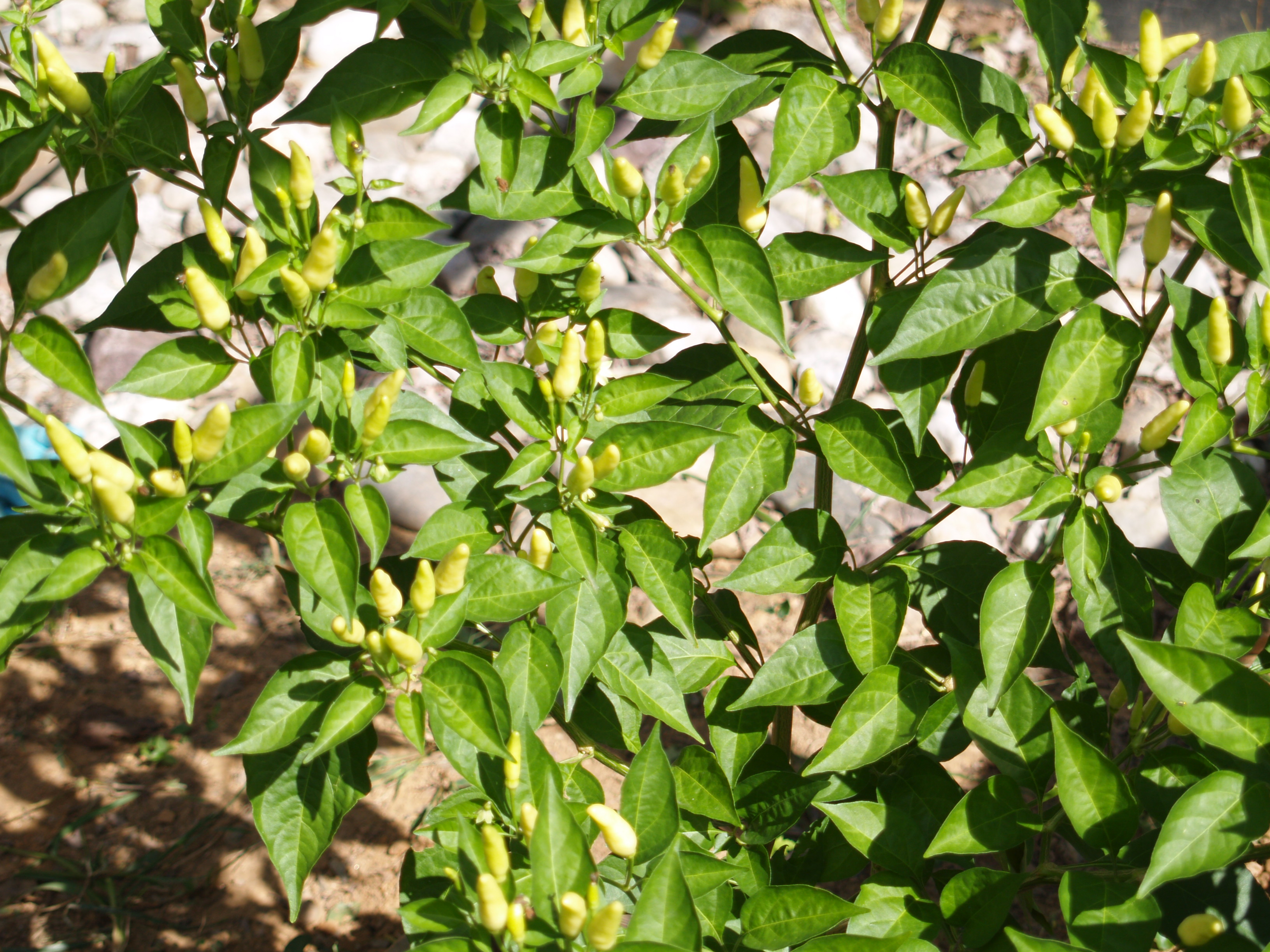
Thanks to the bees hard work, once these little guys below ripen, we will also have a plentiful tabasco pepper harvest and that means our first batch of Tabasco sauce!

ripening tabasco peppers


harmony of the hive

Last spring was an exciting time ~ our family began a new journey raising honeybees.  It’s a seed planted years ago while reading the The Secret Life of Bees.  The story is a wonderful wisdom about the coming of age of a young girl, Lily, who is motherless, abused and runs away from home.   It is set in the South, during the 1960 Civil Rights Movement – a time when America forgot that all are created in the image of God.  Underlying the journey is a mother lost and new ones found, the essence of maternal love, the beauty of forgiveness – and the transforming power of love.

Perhaps one of the greatest lessons in the book is the redemptive simplicity of “choosing what matters”.  Moments of being human…

“You know some things don’t matter that much…  Like the color of a house.  How big is that in the overall scheme of life?  But lifting a person’s heart – now that matters.” (Secret Life of Bees)

At the beginning of each chapter and sprinkled throughout the book are fascinating anecdotes about bees and little tidbits about the secret lives of these tiny buzzing insects. These were truly just as captivating to me as the story itself.

“Honeybees depend not only on physical contact with the colony, but also require it’s social companionship and support. Isolate a honeybee from her sisters and she will soon die.”  ~The Secret Life of Bees~

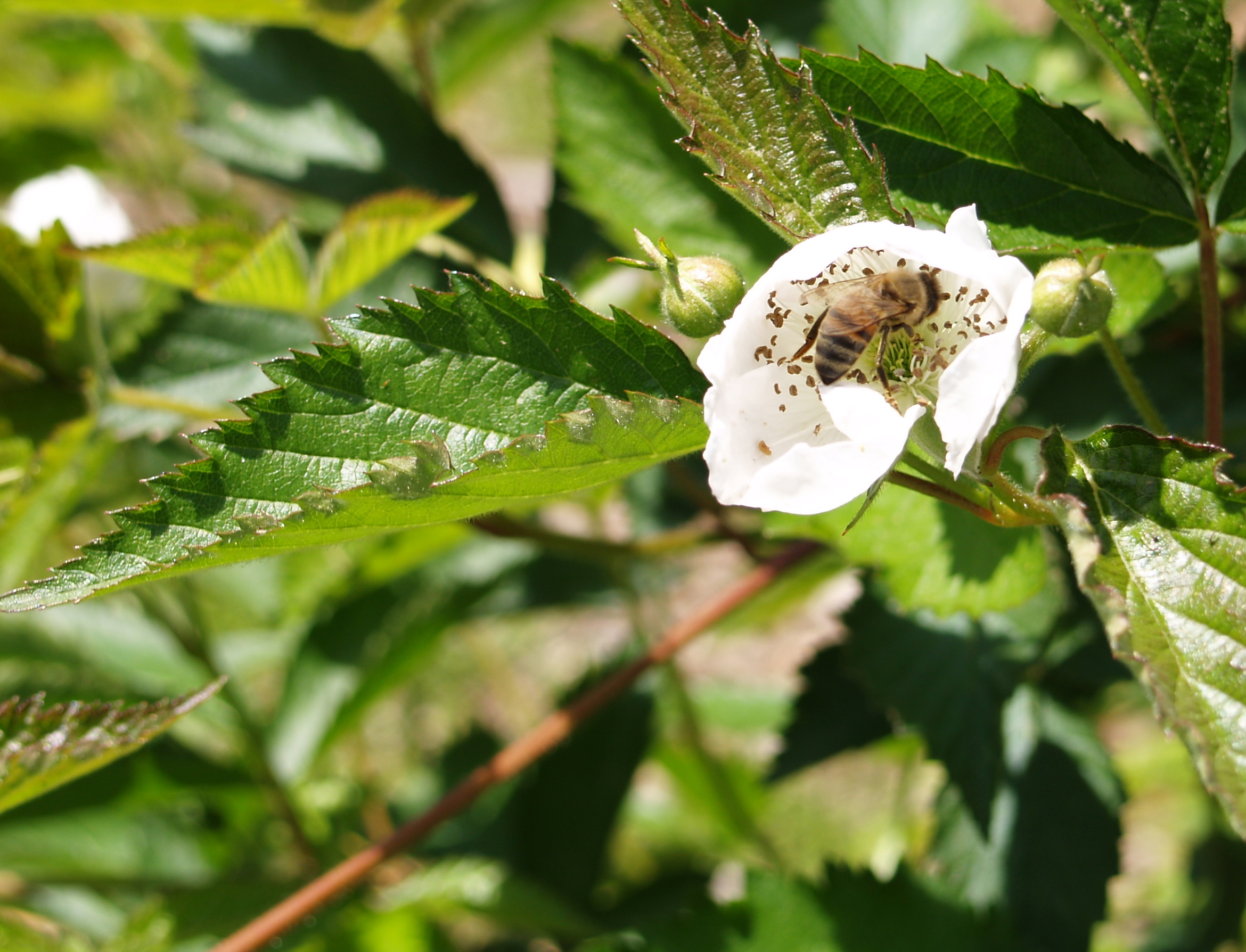
blackberry pollination

early summer blackberry pollination

Biologically, a hive is classified as a single organism – one body – whose sum is greater than it’s individual parts.  As such, bees lives are all interconnected, in unison and harmony – their sole purpose is to do what is worthy for the hive.  Within a hive are the queen, the female workers and the male drones.  Despite her prestigious title, the queen is not in charge.  Her true role rather is mother of every bee in the hive and they all depend on her to keep it going.  She emits a substance, called the queen substance – kind of like a little bee love,  the bees receive it through touch, and it unifies.

“The queen for her part is the unifying force of the community; if she is removed from the hive, the workers very quickly sense her absence.  After a few hours or less, they show unmistakable signs of queenlessness.”   ~The Secret Life of Bees~

Without intervention, a queenless hive will die, so the queen’s presence literally holds the life of the hive together, just as a mother her home.

After the queen come the worker bees, female sisters.  These girls are the heart and soul of the colony.  Thousands of little worker bees with tireless hearts nurse, clean house, forage pollen and nectar, attend to the queen and the security of the colony – each one living selflessly for the others.

The male drones, larger than the workers, interestingly have no stinger.  While they contribute a lot to the morale of the hive, they do not forage or provide protection.  My apiary mentor- a very very kind and salty old man said, if you want to give your daughters a bee to play with, give them a drone…!  My oldest daughter who is absolutely petrified of bees is willing to give it a shot!

Our bee populations are suffering and disappearing.  We depend upon bees for much ~ and they are an indicator species, which is a mirror of the health of the environment.  Within the hive of the world’s ecosystem, all creatures have a role, and while we might not fully understand it ~ even the smallest of insects make a contribution.
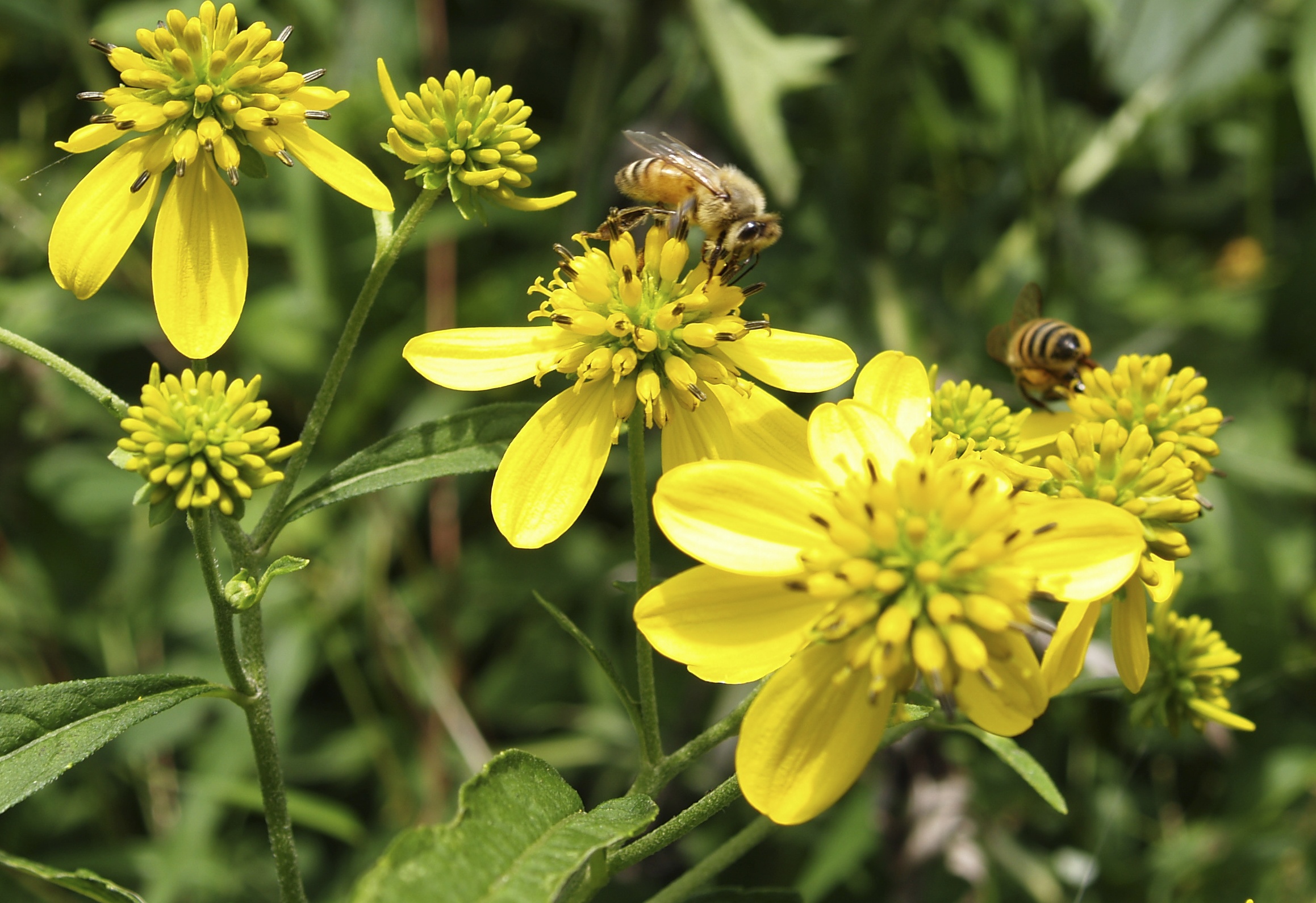
OLYMPUS DIGITAL CAMERA

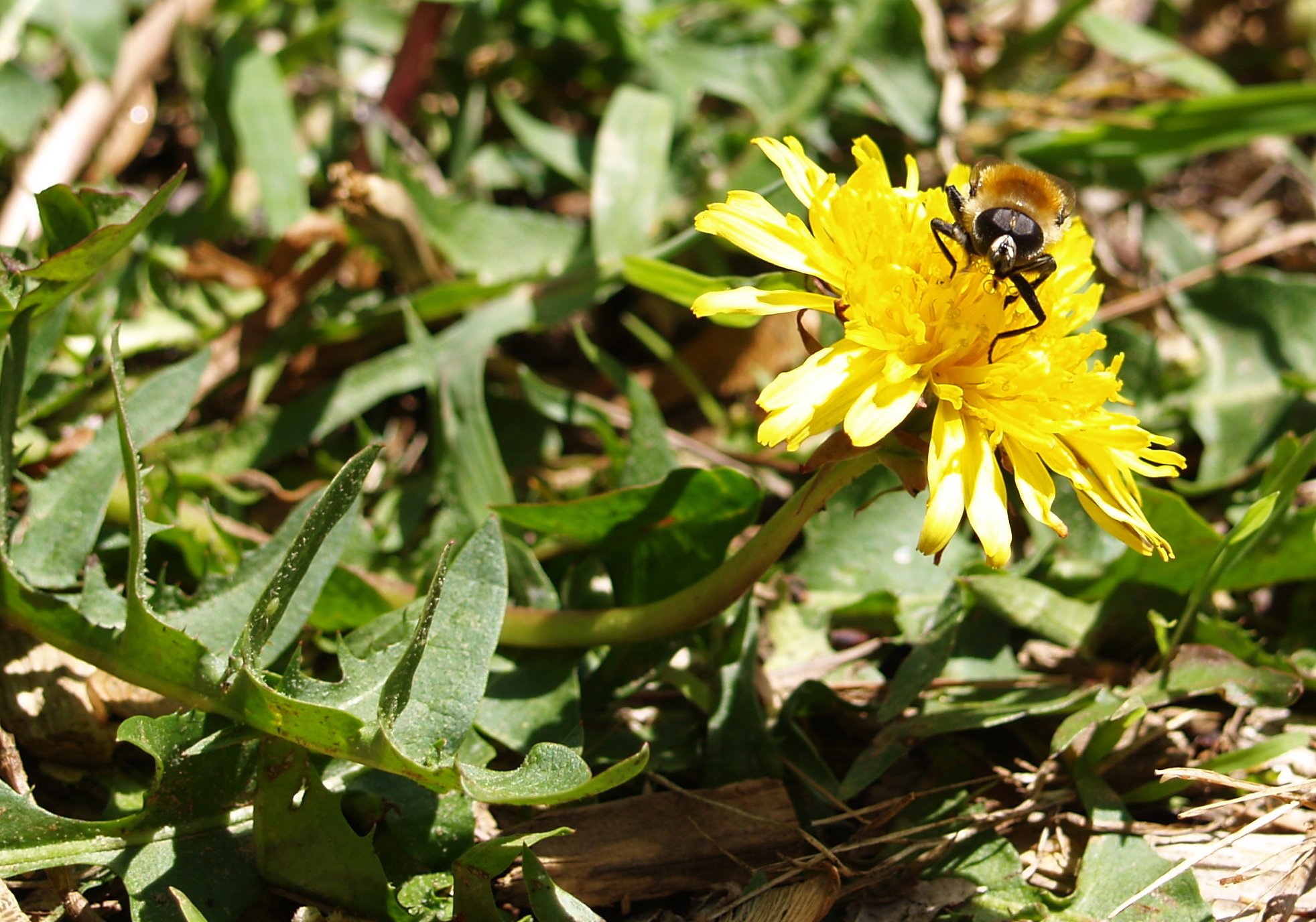
summer 2013 weed pollination

A bit of a reminder that all life on our planet is interconnected.  It reflects a balance and so, the gentle remembrance that our God given role is not that of swatter or exploiter but as tillers and keepers of the earth – healers and stewards of our planet.

“Love all of God’s creation, the whole of it and every grain of sand.  Love every leaf, every ray of God’s light.  Love the animals.  Love the plants.  Love everything.  If you love everything you will perceive the divine mystery in things.”  ~ Brothers Karamazov ~