
winter bees part III

“One can no more approach people without love than one can approach bees without care. Such is the quality of bees…”   Leo Tolstoy
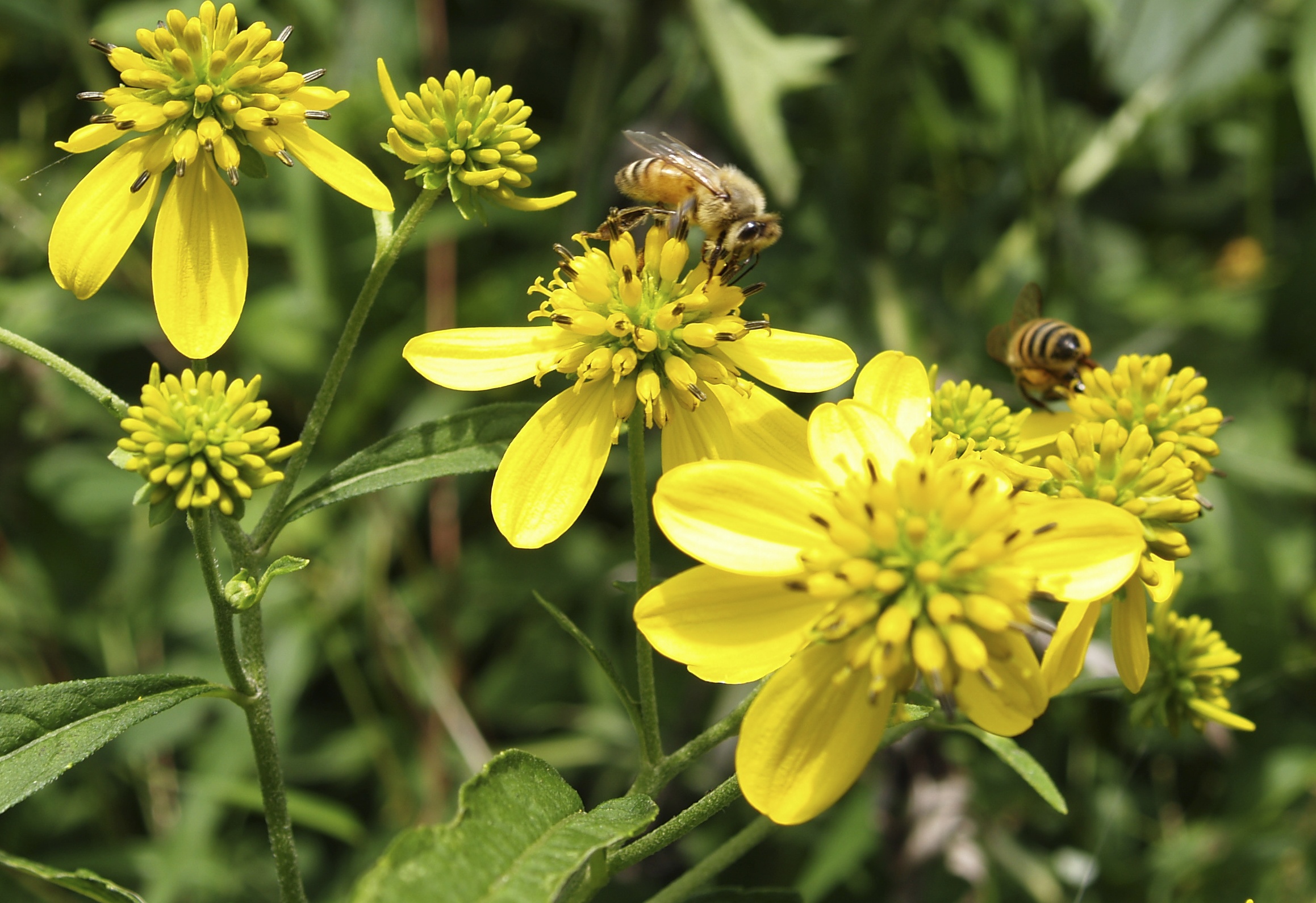
open pollination

happy bees

Bees are industrious, generous and fascinating.  You see this versatile little bee, who cools her hive in summer with coordinated flapping of wings between flanks of bees on either side of the hive now warms her hive in winter with those same wings.  Through a constant and simultaneous flapping of their wings, the bees will maintain the temperature of their hive to warmth mirroring the coming days of spring.  Now in the height of winter, they cluster together, on the central comb with the queen in the midst of them.  Row upon row of bees surround the sealed honeycomb flapping their wings.  When the weather gets extraordinarily cold, they can actually dislocate their wings allowing them to flap in a way that produces even more heat.  When the little bees on the outer edges feel the cold embracing them, they crawl over their sisters to take a turn in the middle.   The move gradually up the hive as each cell of honey is emptied of it’s store.  The bees nearest the warm cells of honey pass it onto their neighbors and thus their stores of fragrant floral sunshine is shared throughout the darkness of the hive.

Around January is when a beekeeper begins to wonder whether the bees have gone through their stores of honey.  It’s too cold open the hive, but it’s best to stay prepared.  We’d placed two liters of honey in some mason jars with punctured lids on the counter, waiting for any break in the weather.  If the bees are going to starve,  January is generally when it happens. The temperatures have been bitter here in Virginia, only in the 20’s and low 30’s, but just the other day we got into the forty’s and I placed the honey in for them.  It’s risky, because if the honey leaks everywhere you can kill a lot of bees – cold and being covered with honey don’t mix well when a bee needs to flap it’s wings for warmth.

The first hive went through about half of their honey overnight.  But, I found the second hive had devoured theirs, so we placed more in –  and just in time.  We are expecting some serious snow in the coming days.

Here we are approaching February.  Soon, the queen will begin laying more eggs, preparing for the longer days of spring and the abundance of nectar it promises.   The bees will begin to forage on the pollen and nectar of the budding trees.

celtic-patterns-1


“In the Orthodox Church we have recognized the importance of bees

for centuries and have prayers for both bees and beehives.”

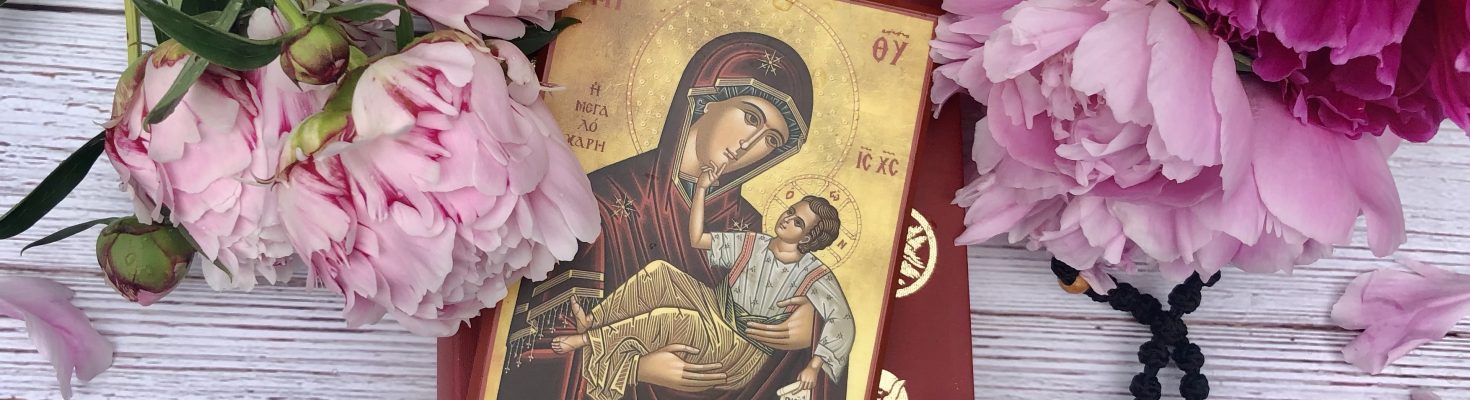
Prayer for Bees


O God, who knows how to work benefits through human labor and irrational living things, You instructed us in your loving-kindness to employ the fruits and works of the bees for our needs.  Now humbly we beseech Your majesty: Be pleased to bless the bees and increase them for the profit of the human race, preserving them and making them abundant.  Let everyone hoping in Your majesty and Your boundless compassions, and laboring in the care of these living things, be counted worthy to receive abundant fruits of their labors and to be filled with heavenly blessings in Christ Jesus our Lord, to whom is due glory, honor and worship unto ages of ages. Amen.

from  Orthodox Prayer for Bees, in the article The Blessing of the Bees : fried.wordpress.com


Maybe you are interested in keeping bees too?  There are many resources to help you begin your journey.  The first of which is really to take a class.

Our local bee club offers them, and you can find out more here.  If you are not from the Virginia area, you should be able to find a bee club in your neck of the woods.  But, I just came across this web-based beekeeping class from the Ohio State Beekeepers and there is another one from the University of Montana.

You can find equipment and other resources (like books and protective gear and hives) herehere and here.

You can learn more about the vanishing of the bees here and here and here!


winter beekeeping part II

bee brood

“Like a bee one should extract from each of the virtues what is most profitable.  In this way, by taking a small amount from all of them, one builds up from the practice of the virtues a great honeycomb overflowing with the soul-delighting honey of wisdom.” 

(St. Gregory of Sinai – 14th Century)


Did you know that it takes nectar from about 2.6 million flowers to make one pound of honey?   And that it takes one thousand bees to make one ounce of honey?

The bee, from her industry in the summer, eats honey all the winter.
-Belgian Proverb

It was mid-June when we brought the bees back to our yard.  This was well  after the peak nectar flow of April and May.  With that in mind,  we did a lot of feeding to get them prepared for winter.  It was so late in the summer, there was no way they would be able store enough honey to survive the winter without a hand.

Now in the midst of the short winter days, this beekeeper is once again schooled in patience and faith.  The days are too cold to check on the health of the colony and the cold temperatures of winter bring a hush over the hive.  The normally bustling entrance is silent of all activity.

When you can’t bear it any longer you might take a chance and knock on the side of the hive, they will occasionally have mercy on you and send out a little sentinel to let you know that they are still alive and well.  Save for a warm enough day when the bees can get out of the hive for a potty break, the hive appears dormant and lifeless.

But, life in the hive has not ceased – it’s merely less active to the visible  –   and hidden from the world.


to bee continued


winter beekeeping

 OLYMPUS DIGITAL CAMERA

The closer we examine the honeybee, the more we realize the workings of a beehive encompass territories beyond our comprehension. – Leo Tolstoy

A little over a year ago, we a lot of our hives after the passing of two beloved members of our family.  Disappointed and feeling stretched thin, I gave the equipment for one entire hive to my local farmer – where we had been keeping a colony to help pollinate their fields.  We liked being part of the local food shed, but it was just too much to homeschool, get a master’s degree, do chores, teach Sunday School and take care of the bees in the garden and the bees on the farm.  Time to pair down.

We considered getting out of the bee business altogether but one factor motivating replacing the hives is the situation with the disappearing bees.  Last March, one of the nation’s largest beekeepers lost half of their hives.  This is pretty significant.  There are many who say that it is the hobbyist beekeepers that will save the bees.  The reason?  They are more likely to use sustainable organic methods, raise bees that stay in one place with seasonal local foraging possibilities.  All that combined will breed heartier less stressed bees.

So, last summer, we jumped back in and set up two young hives of Russian bees in the garden.

These came from  local beekeeper in Maryland.  His name is Charles Walter and he is part of a certified bee breeding program for our region.  You see, our local beekeeping community is working diligently to breed bees that thrive in our area.  Every region has it’s own climate and nectar flow patterns and pests… these awesome men and women are rearing queens that are well suited to our region- many of them do it organically too!

That means for a queen breeding program, that apiary is not allow to intervene on any of those hives.  The colonies need to be strong, and produce queens with hearty DNA that aren’t as susceptible to mites.

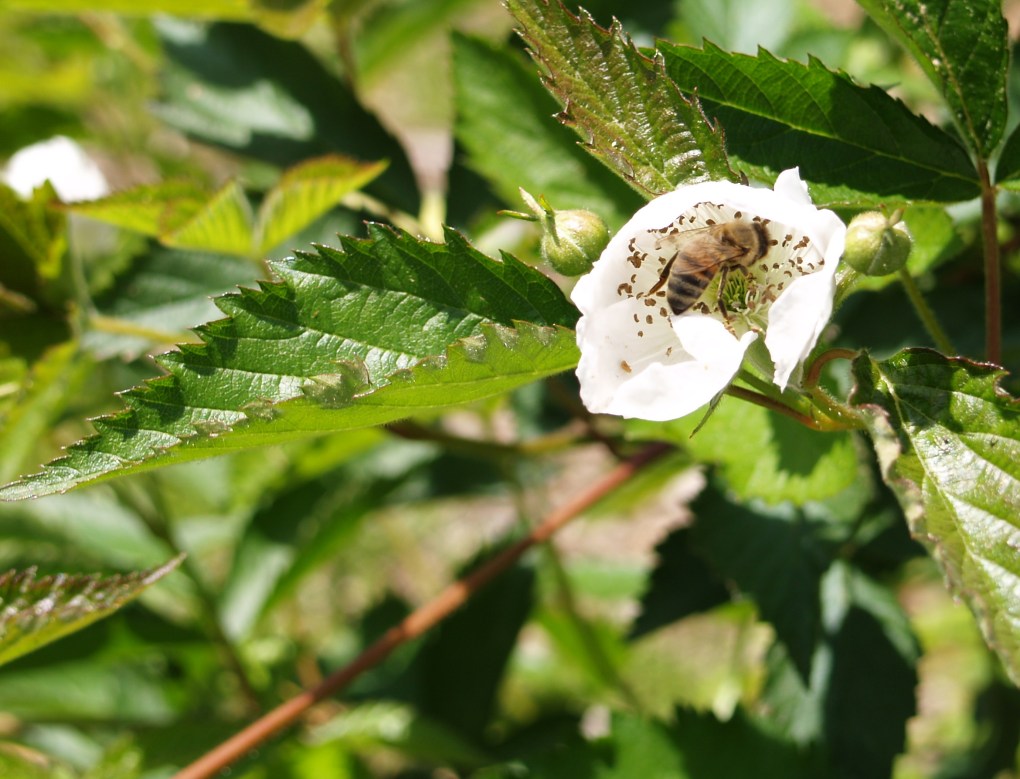
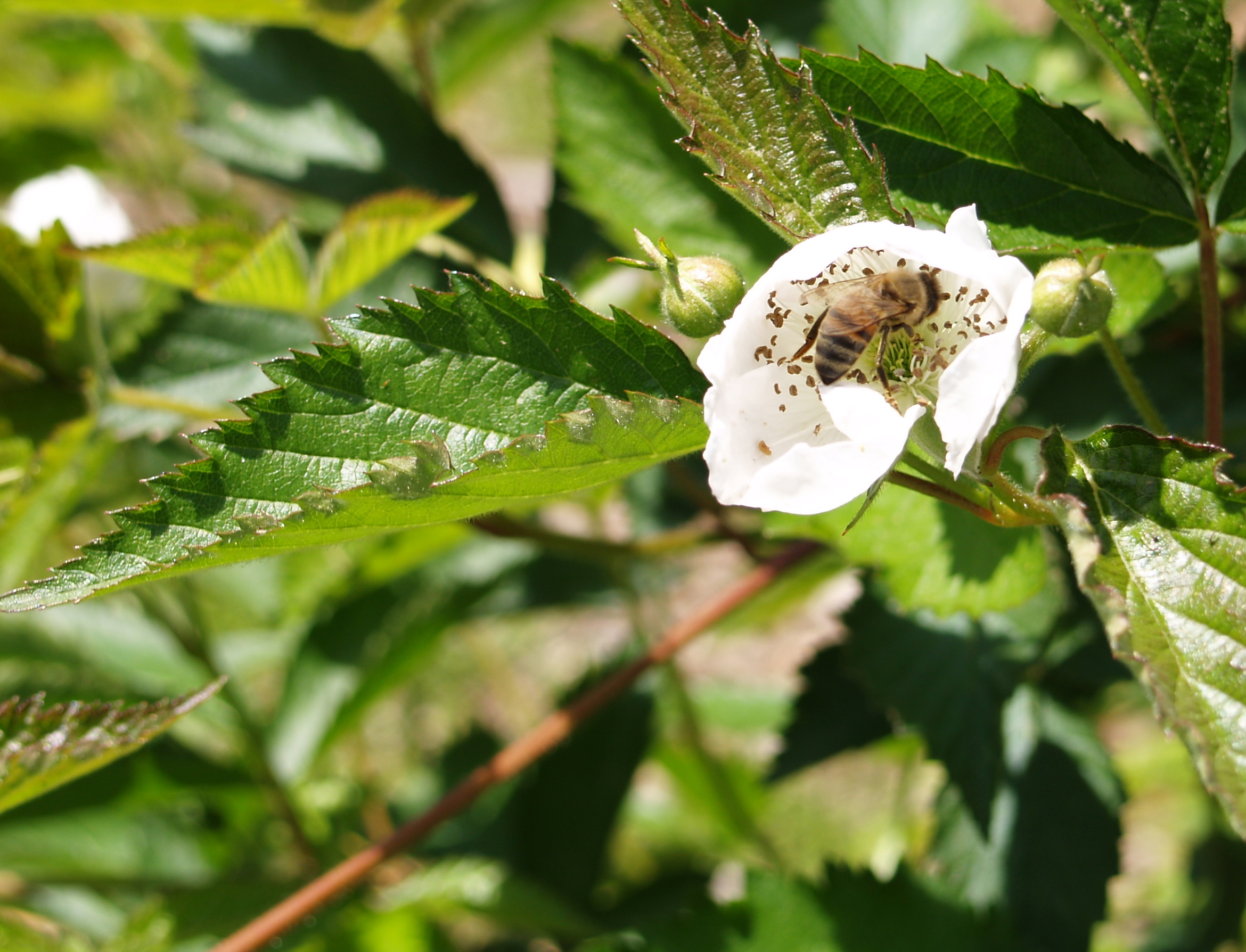
blackberry pollination

As it turned out, we picked up our bees from the apiary in person – which was awesome, because we got to see a master beekeeper open up his hives.  I learned more that day watching him then in all my beekeeping classes!  The result was a drive home with 30,000 bees in the car… give or take a few.  The kids joked and wondered whether we should put the “Bee Movie” on for the drive home.

to bee continued


the lowly dandelion

“There are always flowers for those who want to see them.”  Henri Matisse

dandelion greens

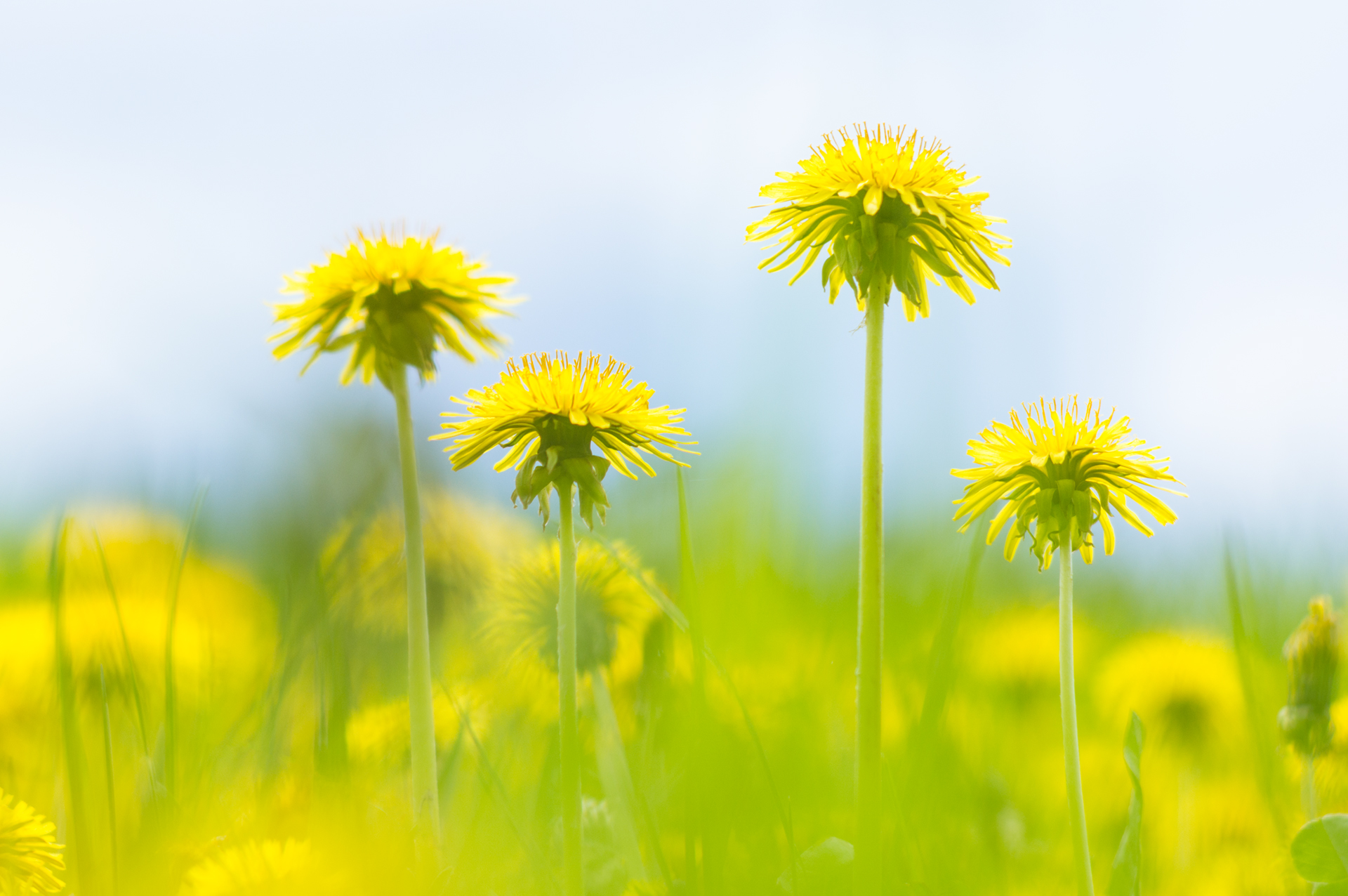
Dandelion – the word comes from the french dent de lion meaning tooth of a lion.  Herbalists absolutely love the dandelion… unfortunately, homeowner’s do not!  Most of us don’t want them in our yards and go to great lengths to see to their complete eradication.  And it’s a strange irony that our supermarket sells dandelion leaves (much  bigger than the paltry ones growing my lawn) for $7.00 a bunch!  Turns out they are a nutritional powerhouse, brimming with minerals and vitamins!  Truly, one man’s weed is another man’s salad!

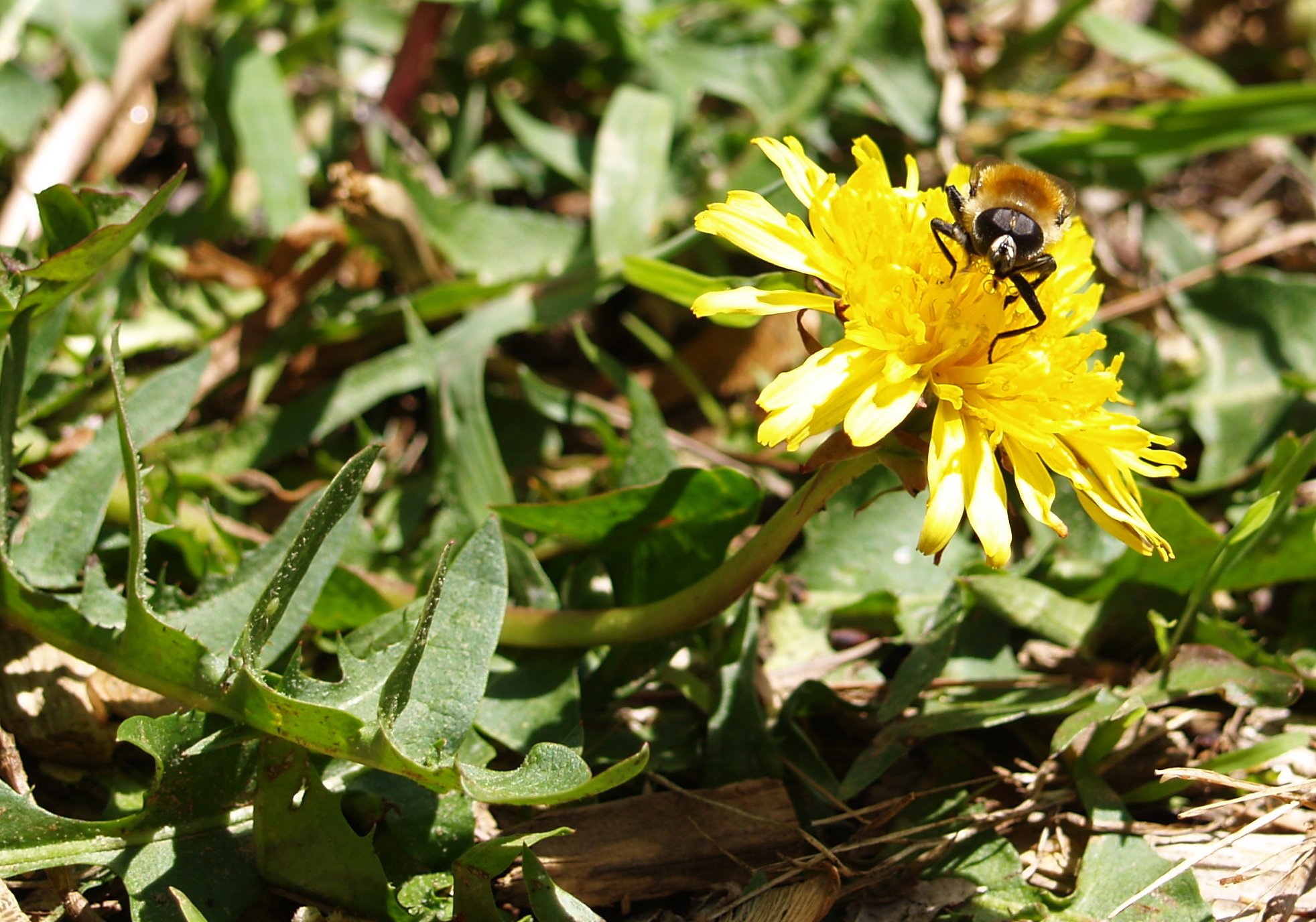
For most, the dandelion is an unwelcome invader, but as a beekeeper, I can appreciate that it was european settlers who introduced the dandelion to the midwest as food for the honey bee (as it turns out, the settlers brought the honeybees too!) That’s right… the dandelion was brought to this country, on purpose!  Whether or not my family wants to eat it is one thing, but the bees love dandelions.  They are one of the first and most reliable blossoms of spring and in our yard, offer an abundant food source.

dandelion pollination

Dandelions are often used in salads, but my Greek father in law simply liked to just blanch and sauté them with butter or olive oil and salt.  In Europe, you’ll even find the flowers made into dandelion wine.

If you have ever eaten dandelions, then you know that the roots and leaves are quite bitter.  That flavor stems from the flavonoids that give the dandelion such effective purifying and cleansing properties.   Bitter flavor aside, the dandelion may be one of the world’s most nutritious green vegetables.  It ranks among the best natural kidney and urinary tract cleansers and it is a detox powerhouse.  In fact, if you check the labels, you’ll see that most detox formulas on the market use the dandelions toxin eliminating properties in their products.

It’s time to rethink our relationship with the lowly dandelion… in an age where many are beginning to put forth the notion of lawns for food…. most of us already have an awesome ally and easy salad growing – whether we have a vegetable garden or not!

The following are some fascinating tidbits about dandelions.

[box]

  • The dandelion is an immense support to the liver.  Our livers perform more than 500 physiological functions.  Just one of the function of the liver is as a detoxifying organ, and one reason the dandelion is a smart choice for liver health.  Our livers do more in our bodies than we probably think.  The dandelion contains a diversity of constituents that support, cleanse and protect the liver, including caffeic acid, which has been widely researched.  Caffeic acid has considerable amount of research backing it’s liver protective qualities.

  • The dandelion also has sizable amounts of choline that stimulate the liver to replace damaged cells.

  • Dandelions contain  considerable amounts of potassium that restore the balance in the kidneys as toxins are flushed out of the body.

  • The fiber in the whole plant is characterized as gelatinous because of its astonishing ability to absorb and transport toxins from the bowels out of the body, balance intestinal flora and soothe and alleviates the digestive tract

  • The essential oils within this ordinary, familiar and irritating weed are documented as having both bacteriostatic and fungistatic properties.  Therefore, when on antibiotics, don’t eat dandelions.

  • Dandelions are practical and advantageous for high blood pressure, high cholesterol and unstable blood sugar levels.  Studies have shown that the phytosterols in dandelions can help cholesterol levels.

  • The bitterness of the dandelion not only stimulates and encourages the digestive system but is also anti-inflammatory.  It is a common ingredient in digestive bitters which enhance and stimulate the upper digestive system, including the pancreas and the bile duct.  Because dandelions increase the stomach’s hydrochloric acid production, those with ulcers should refrain from eating dandelions for this reason.

  • For nursing moms, dandelions are a helpful lactation stimulant.[/box]

Probably the easiest way to enjoy dandelion is in a salad.  Gather or purchase dandelion leaves and add to a spring salad mix.  We love it with arugula, baby kale and romaine.  No extra veggies in this salad, but sometimes we will throw in some finely diced red onions or shallots.  We keep the dressing pretty clean – just olive oil with lemon juice or balsamic vinegar.  It’s delicious.

I hope I piqued your interest after talking about Papou’s love of wilted sauteed dandelion greens, because I am sharing the recipe.

[box]

Wilted Dandelion Greens

Ingredients

  • 6 cups dandelion greens
  • 4 tablespoons olive oil
  • pinch salt and pepper to taste
  • 1 clove garlic
  • lemon juice, to taste

Preparation

Heat large high sided frying pan on medium heat.  Add dandelion greens, olive oil and salt and pepper.  Cover and let cook on low heat for 3-5 minutes until wilted.  Drizzle with lemon juice and enjoy. [/box]


dandelion dandelion


When life gives you dandelions… make dandelion lemonade tea!  If you are not comfortable gathering your own dandelions (maybe you have to use herbicides on your lawn due to your HOA restrictions of weeds) then rest assured that you can find some great quality dandelion products here,  here ,here and here.  Have fun with your dandelions… they are uncommonly good for you!

[box]

Dandelion Lemon Tea

Ingredients

  • 1 cup boiling water
  • 1 teaspoon dried dandelion leaves
  • lemon wedges for juice
  • 1 teaspoon dried dandelion root
  • raw honey to taste (optional)

Pour boiling water over herbs.  Cover and let steep 3 minutes. Stir and let steep another minute.[/box]


If you are looking for more dandelion recipes… check out these.

10 Ways to Use Dandelions

 Mariquita Farm

Eating Well

Incredible Smoothies

Wellness Mama


References

Chang, Louise MD. “5 Healthiest Food Choices to Live Longer and Better.” WebMD. June 14, 2014. http:// http://www.webmd.com/ diet/ features/ 5-foods-to-boost-your-health

Reyes, Maria T., Marisabel Mourelle, Enriquie Hong, and Pablo Muriel Ph.D.. “Caffeic acid prevents liver damange and amellorates liver fibrosis induced by CCI4 in the rat.” Wiley Online Library, June 14, 2014. http:// onlinelibrary.wiley.com/ doi/ 10.1002/ddr. 430360305/ abstract

Sanchez, Anita. “Ten Things You Might Not Know About Dandelions.” Maine Organic Farmers and Gardeners Association. June 9, 2014. http:// http://www.mofga.org/ Default.aspx?tabid = 756


calendula

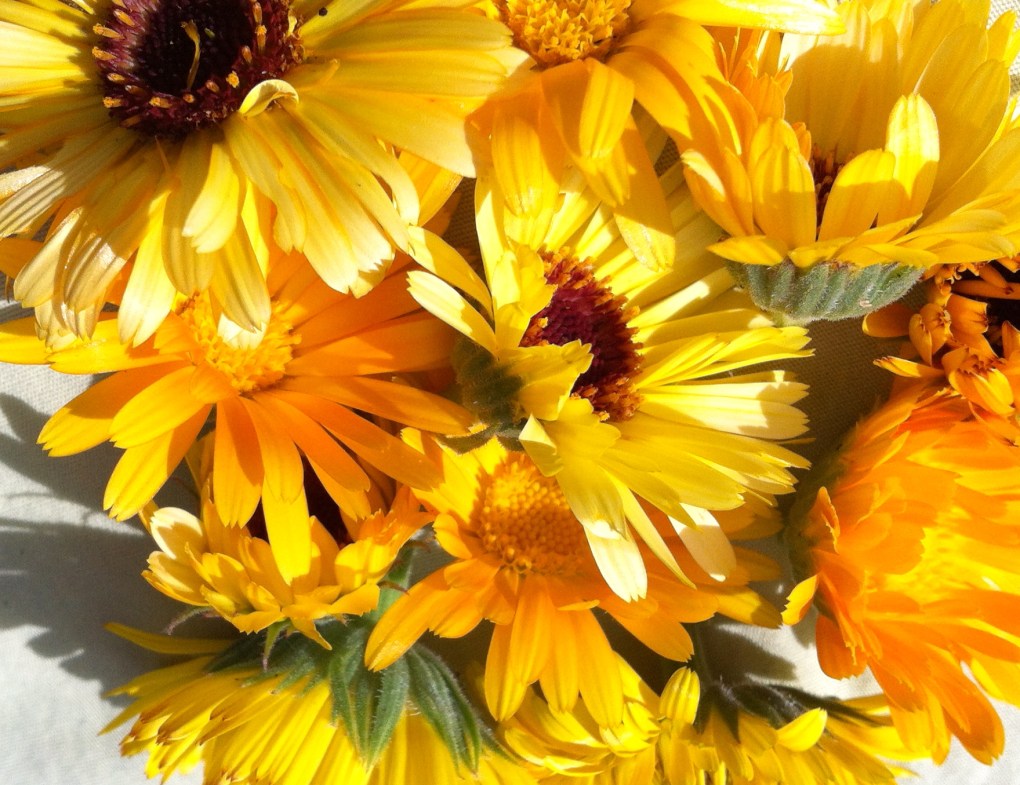
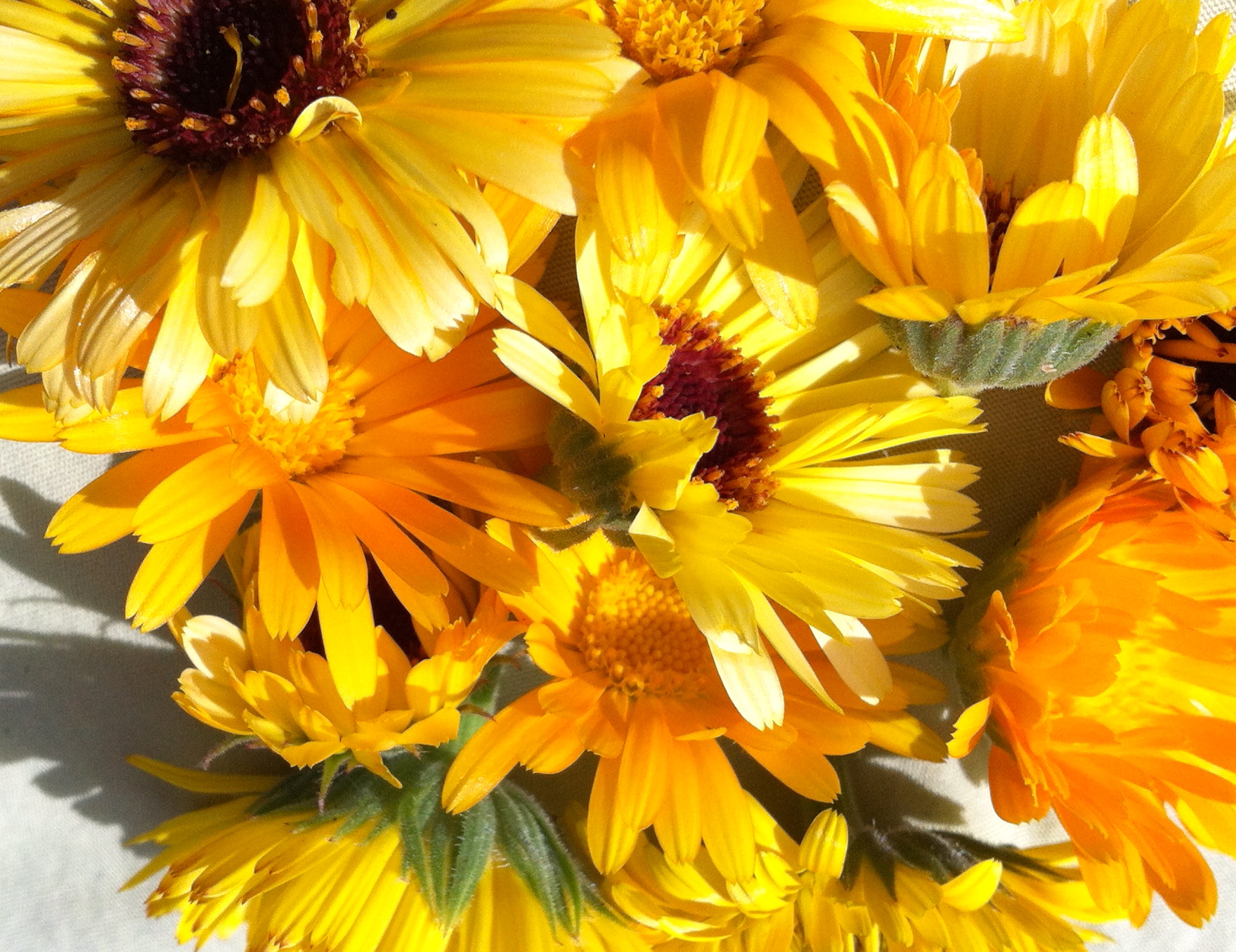
calendulaCalendula is a bright sunny yellow daisy like flower native to northern mediterranean countries.  It is also known as “pot marigold” and has been used for centuries to heal wounds and skin irritations.   Although it is one of the marigold family, only the medicinal variety known as calendula officinalis should ever be used in salves and teas.

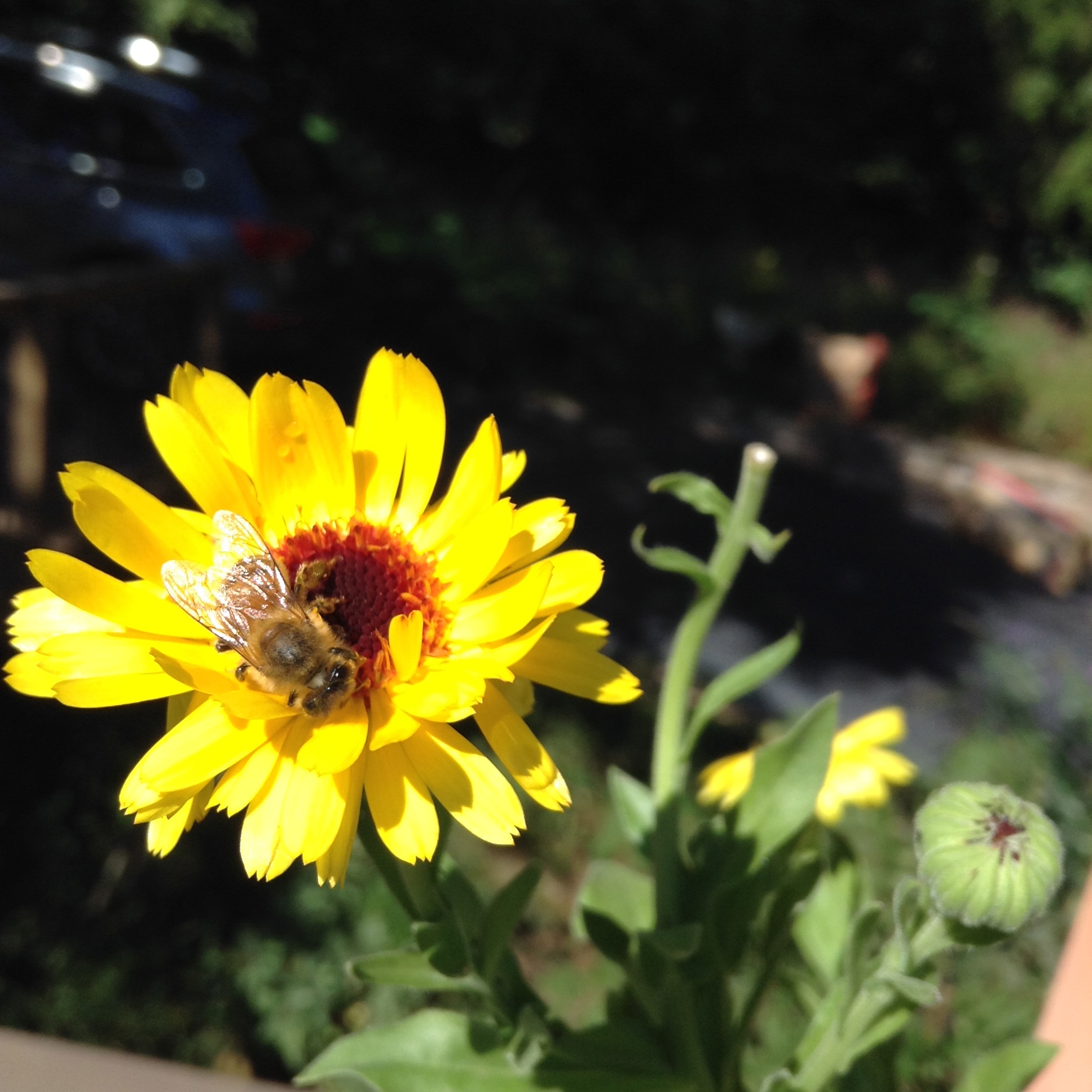
It’s vibrant colors brighten both the garden and the medicine chest.  It is a super easy to grow annual and often self seeds, returning every season to lighten up any garden.  This year we grew it from seeds that we sowed directly into the pots on our back porch (that’s a picture of them, up there) .  The bees loved all the flowers!

Best known for healing the skin, calendula is used for soothing minor irritation, burns, bruises and wounds.  “Calendula has anti-inflammatory, antimicrobial, astringent, antifungal, antiviral, and immunostimulant properties making it useful for disinfecting and treating minor wounds, conjunctivitis, cuts, scrapes, chapped or chafed  skin, bruises, burns, athlete’s foot, acne, yeast infections, bee stings, diaper rashes, and other minor irritations and infections of the skin.”

The beautiful yellow calendula flowerhead is commonly made into salves and used for healing cuts, scrapes, burns, sunburns, diaper rash, sores, ulcers and chapped lips.  It helps calm inflamed tissues and aids in the healing of cuts and abrasion.  Calendula is among the most soothing herbs and is used in many salves and creams.

Herbalists also recommend using calendula flowers in tea infusions  for the healing of digestive ulcers, soothing the gallbladder and easing sore lymph glands.  You can also brew a strong batch of calendula petals into a tea and use it as a compress on minor burns.

pollinating the calendula

pollinating the calendula

If you are growing your own, harvest on a sunny morning when the flowerheads are just beginning to open.  There are several methods for drying the flowers.  You can place them in a dehydrator if you have one; spread them out on a cookie sheet and leave in the sun (but check the forecast for rain!) ; or spread them on a cookie sheet and place in 125 F oven until they dry out.


[box] Calming Calendula Tea

  • 1 part dried chamomile
  • 2 parts mint or spearmint
  • 1 part dried calendula flowers

Place 1 teaspoon of herbs per cup in a tea ball or bag, and cover with boiling water. Steep for 15 minutes to let the flavors infuse the water. Remove tea ball or bag. It’s wonderful as is, but a little raw honey and lemon is a nice touch too![/box]


[box] Calendula Infused Oil

1-1/4 cups carrier oil such as Olive Oil, Sweet Almond Oil. or Jojoba Oil

1 cup dried calendula flowers

Place all contents into a large mason jar and store in a cool dry place for 2-3 weeks. Strain with a cheesecloth to remove all of the flower particles. Pour the oil into dark bottles. Label with date and contents.[/box]


Calendula Tea

Additional Resources:

http://umm.edu/health/medical/altmed/herb/calendula

Mother Earth News : A Guide to Healing Herbs, Winter 2014


nourishing herbs

In a word, the experience of ages, profiting from every chance, has not been able to discover anything useful, which the penetrating foresight of the Creator did not first perceive and call into existence.    ~ St. Basil the Great

 Drying Herbs

This is a short series on the healing properties of several commonly known edible flowers and herbs (some of which we even consider to be weeds!)  that grow in abundance around us.

For thousands of years, people have created herbal preparations to ease illness and discomfort.  From the earliest of times, through trial and error, people learned which plants were supportive of health.  Prior to modern medicine, herbal applications were part of healing protocols toward rejuvenation and health.

Although healing by plants is not mentioned in the Bible, herbal remedies throughout history were numerous and common – but then, as now, our faith is that the ultimate Healer is God.

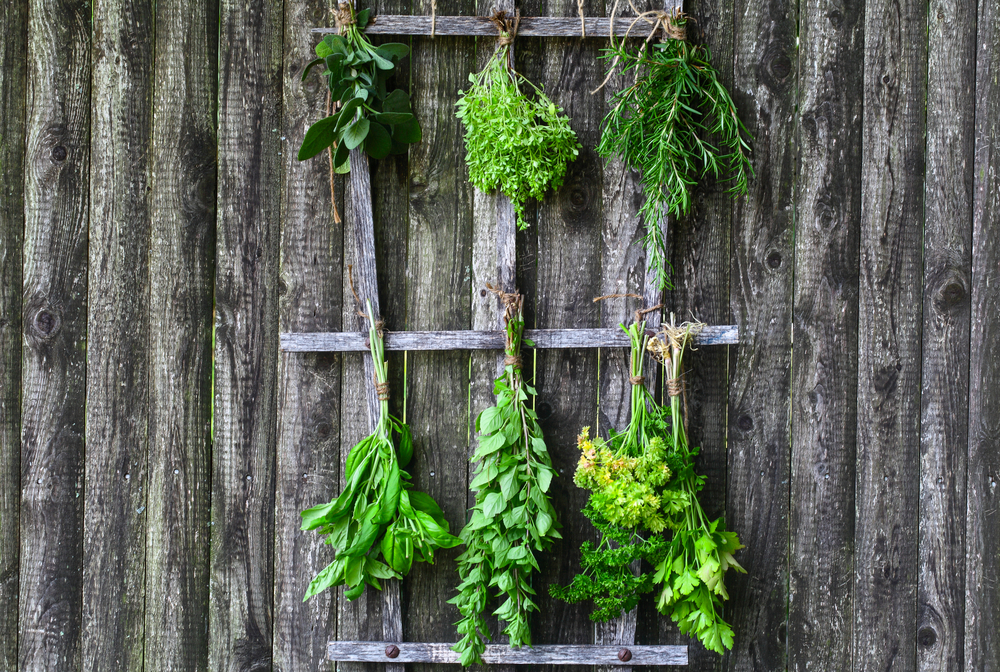
Many herbs and plants are quite easy to grow and can transform your flower beds into a healing garden.  Several varieties of medicinal herbs grow quite nicely in pots, window sills or otherwise empty spaces.  Many herbs with healing properties also double as kitchen staples, like oregano, rosemary, thyme and basil!

Everyday herbs can easily be added to or crafted into teas, infusions or decoctions.  Cultures around the world have made widespread use of the healing, soothing and medicinal properties of tea.  Depending on the ingredients, herbal teas can boost the immune system, support detoxification, enhance metabolism, calm digestion, support healing the digestive system and promote relaxation.

For example: it is widely known that chamomile soothes and calms.  Herbalists (and American Indians) have long used echinacea as an antiviral to support the immune system.  Ginger settles the stomach.  Aloe is not only great at reducing irritation from mild burns but is also calming and restorative to the stomach; and of course garlic is known to ward off viruses, lower blood pressure and cholesterol and also has antibacterial and anti fungal properties.

Herbal creams, lotions and salves are marvelous ways to apply healing to your skin.  The more natural the ingredients, the better.  A cornerstone of holistic health is to be mindful of what we place on our skin.  Despite being our outer layer, our skin is not a barrier, but is porous.  It absorbs all that we place upon it, and so when we use chemicals and synthetic ingredients, these all pass into our body.  With the skin as their entry point, they bypass the liver test.  The toxins are not filtered and so have free access to your bloodstream and organs.

It is estimated that on a daily basis, women are exposed to many more toxins then men – in part due to our cosmetics which contain many chemical and synthetic ingredients – many of which disrupt our hormones.   This all adds to the body’s total chemical load and burdens the liver.

From a purely holistic point of view, if you can’t eat it, then you really shouldn’t place it upon your skin.

Along with their nutritive qualities, fresh herbs brighten and and depth to our meals.  Whether you grow your own herb garden or buy them in bulk, it’s easy and simple to craft your own teas and herbal salves.  Even so, if you are not inclined to make your own, there are plenty of wonderful artisan tea crafters and cosmetic manufacturers that sell quality products.

Along the bank of the river, on this side and that, will grow all kinds of trees used for food. Their leaves will not wither, and their fruit will not fail. They will bear fruit every month, because their water flows from the sanctuary. Their fruit will be for food, and their leaves for healing.”   (Ezekiel 47:12)

Common Sense Disclaimer:  All information presented in this series is intended for informational purposes only.  If you have a medical condition,  treat it in consultation with your medical practitioner.

Resources:

Medicinal Herbs: A Beginner’s Guide by Rosemary Gladstar

The Green Pharmacy by James Duke

Desk Reference to Nature’s Medicine by Steven Foster

Hands on Healing Remedies by Stephanie Tousles

Screen Shot 2015-01-22 at 1.03.39 PM


contain yourselves

“Odd as I am sure it will appear to some, I can think of no better form of personal involvement in the cure of the environment than that of gardening. A person who is growing a garden, if he is growing it organically, is improving a piece of the world.”  Wendell Barry – The Art of the Commonplace: The Agrarian Essays


Even if you have only a tiny patio or balcony, growing your own food is a possibility.  No matter how little space you have, with a packet of seeds, a few pots or other container of your choice, you can turn a blank space into an edible landscape.  Whether you grow an assortment of kitchen herbs or potted potatoes, carrots and beans it’s easy and can transform an urban space into a haven and retreat.

A few weekends ago, we picked up some cedar planters at our local plant store DePaul’s Urban Farm and then the kids got to work staining them and planting some carrots.

This slideshow requires JavaScript.

Soon we will have an awesome harvest of carrots.

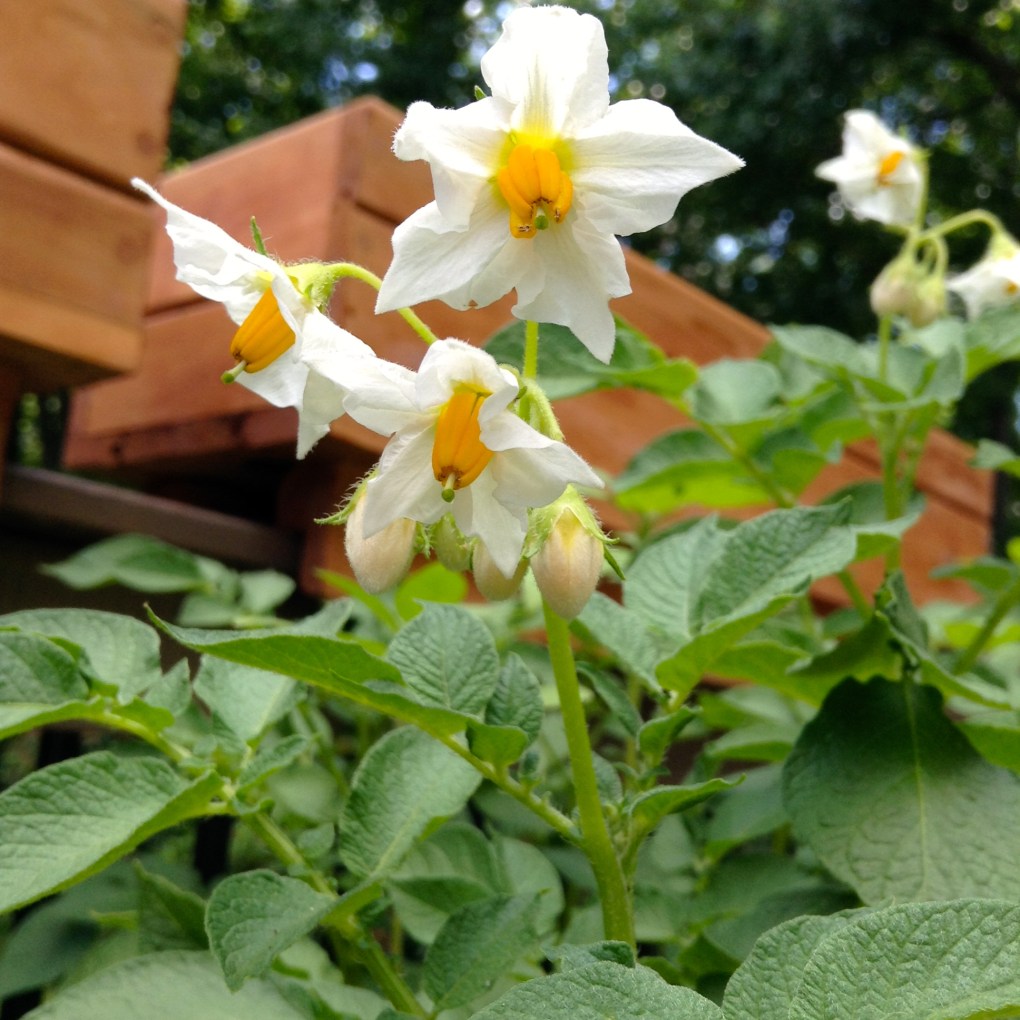
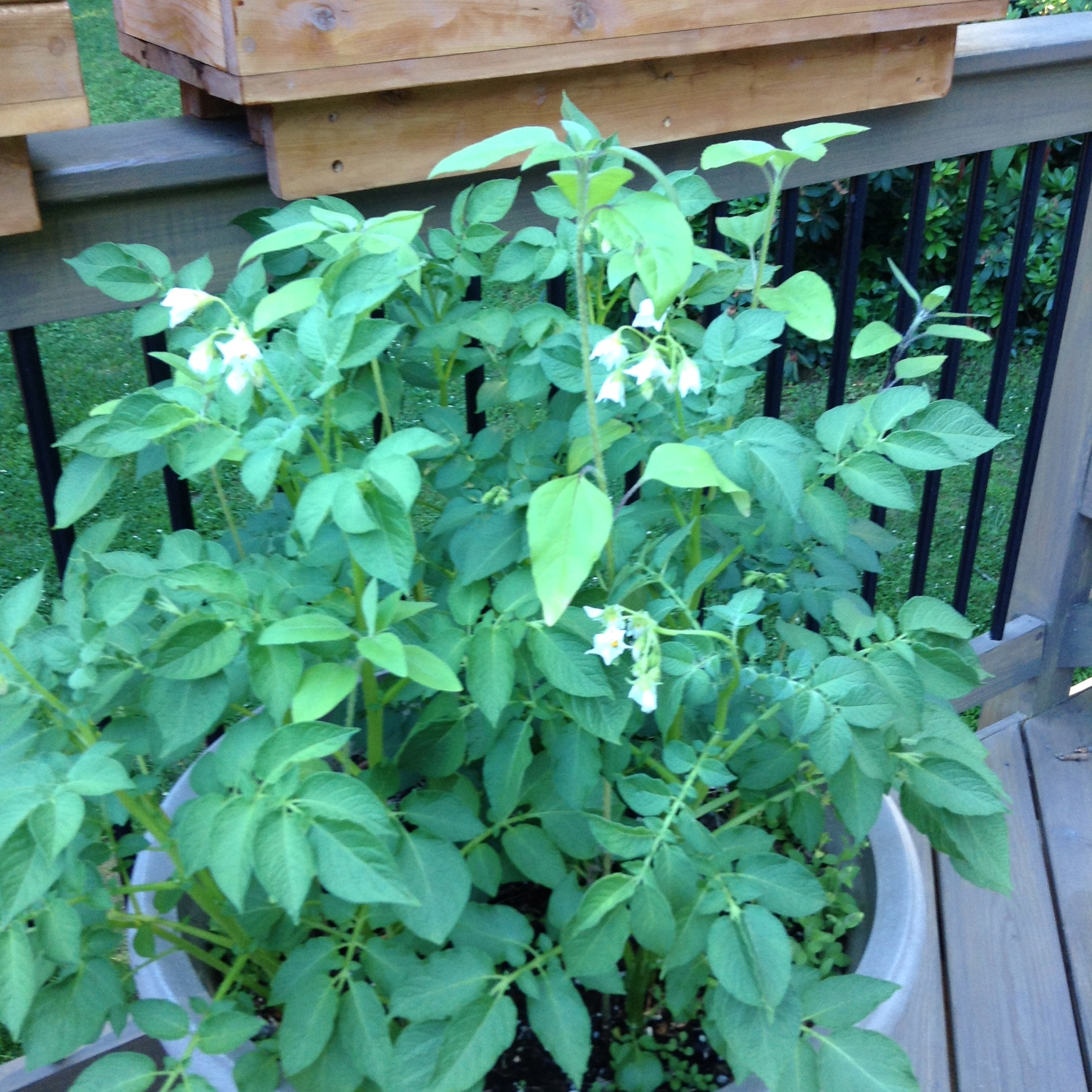
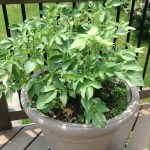
Also too we have potted potatoes – so much easier to harvest because they are confined to one space than planting in a larger garden.  For something a little different we added sunflowers into the mix – for a little flowery effect.  They will bloom soon!

Whatever you chose, the main thing is to have fun with your planting and make a space which is visually and edibly pleasing.

At the end of the day, nothing compares to your own fresh grown food.  Just as wonderful is that you really don’t need a lot of expertise or skill to grow them – especially beans, tomatoes, peas and any salad vegetable.

IMG_0286

The past ten years have seen a rapid increase and high demand for real local sustainable food.  Not a new idea, just one misplaced for about a century!… previously all food was local, mostly because there was not the ability to transport it, or the chemical fertilizers to mass-produce it.

Family gardeners restore and heal their little part of the world starting with their own space and being.  Working the dirt, it is inevitable that knowledge, experience and success from those lessons unearthed in the garden tills into other areas of our lives ~ gratitude and thanksgiving for the harvest, family and friends!

“In almost every garden, the land is made better and so is the gardener”. ~Robert Rodale


grow.harvest.enjoy

In farming, as in gardening, I happen to believe that if you treat the land with love and respect, then it will repay you in kind.  – Prince Charles

The life of a garden is in perpetual motion.  It’s a dynamic place, hustling and bustling with the growing harvest and buzzing with life.  It’s a place were nature thrives and in so doing nourishes hungry family and friends.

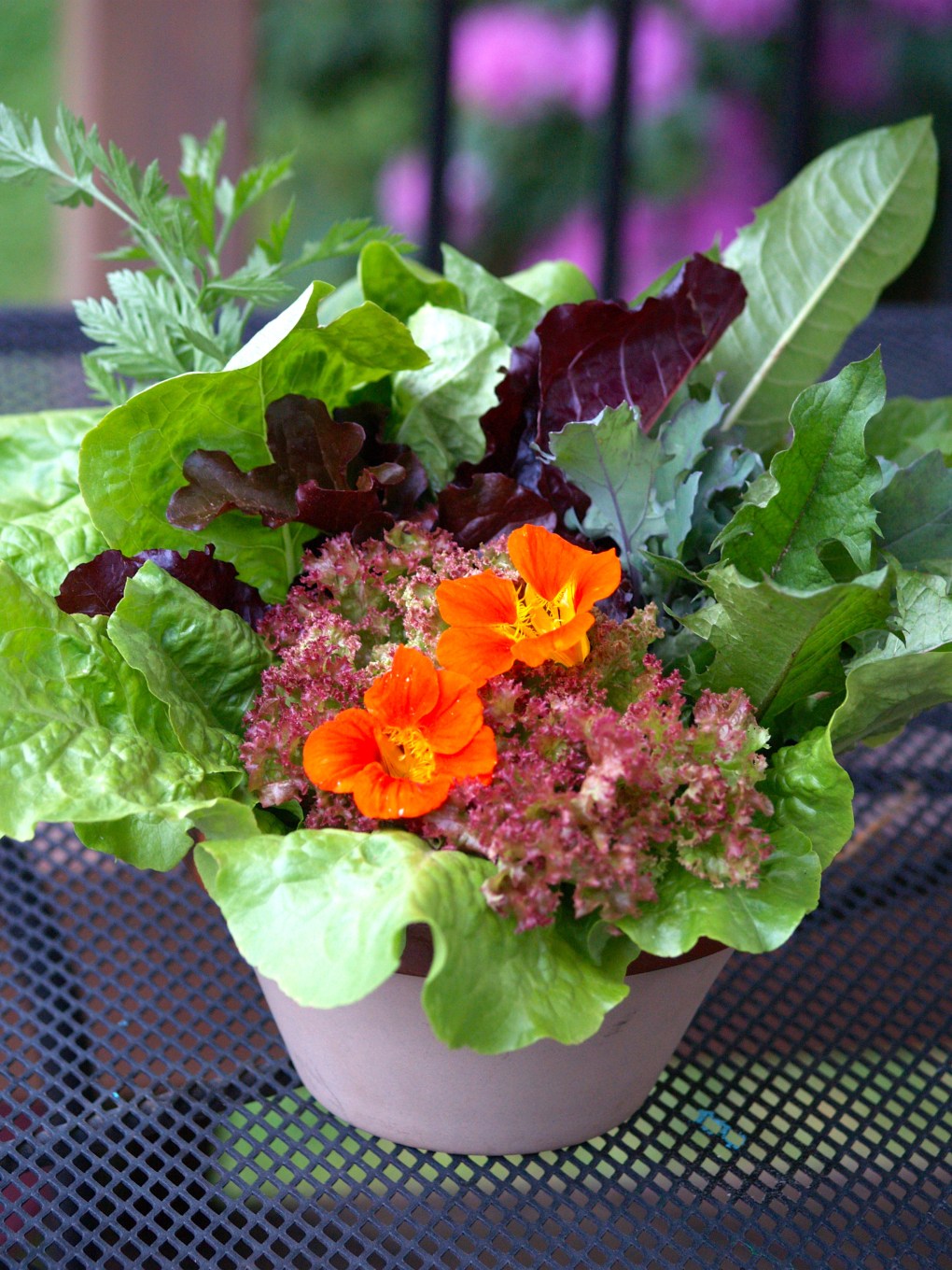
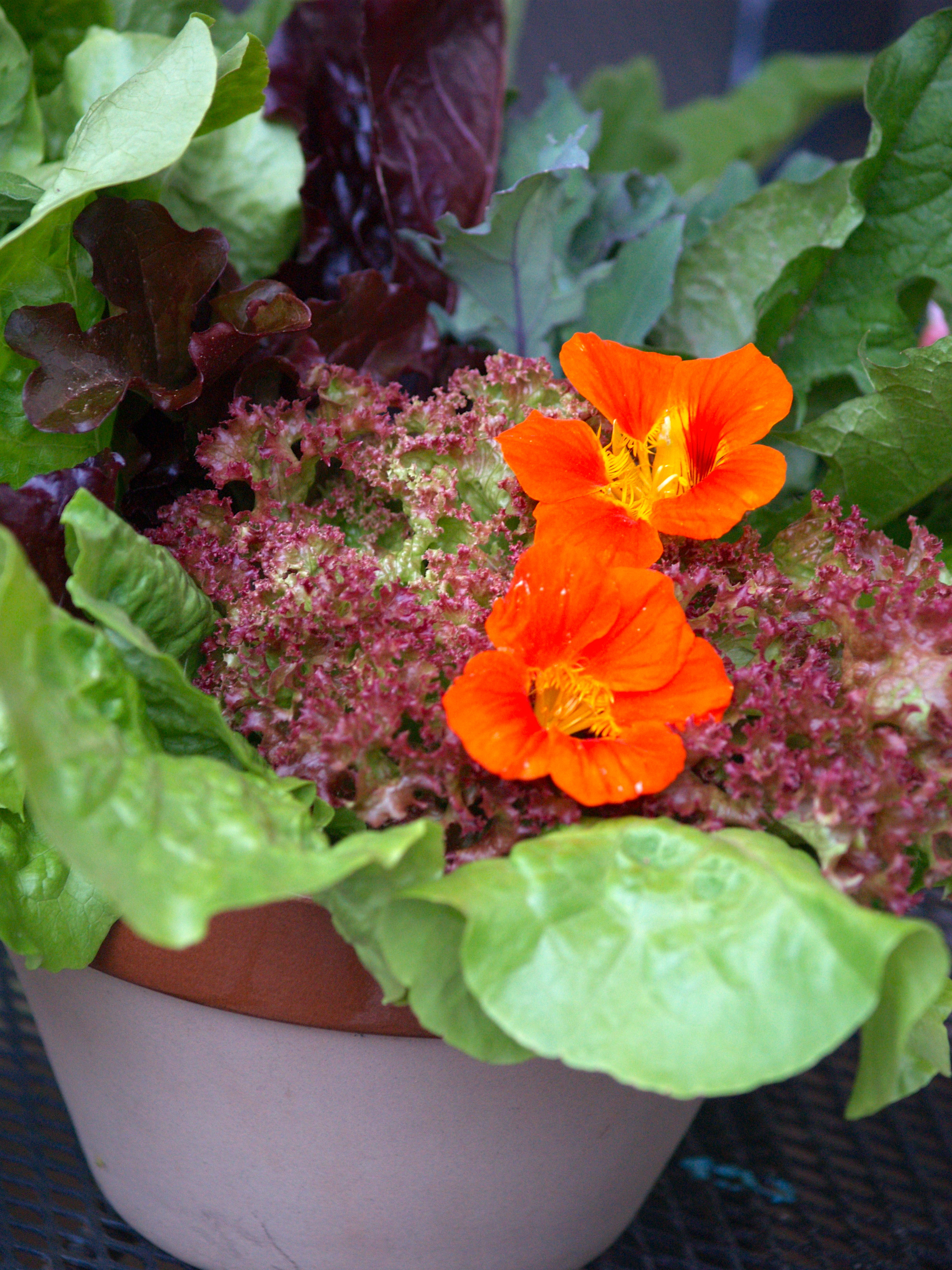
This beautiful bouquet is not a gift from my husband, but our dinner salad!  Full of an assortment of fresh salads from the garden as well as carrot tops, baby kale, dandelions, cilantro and peppery nasturtiums we snipped it just before dinner and it is a crispy delicious addition to our meal.

Growing your own organic vegetables is practical in many ways – from reducing use of fossil fuels and exposure to toxic chemicals to increasing the vitamin content of your meals  – although as modern consumers “organic” seems a relatively new concept, this is how our great grandparents gardened.  They didn’t “certify” it or have any special name for it.  Caring and nurturing the land was just a way of life – and in return the earth gave sustenance for their nourishment.  Our forefathers had a greater understanding of healthy soil and plants than do we.

In my own family, it was my German grandmother who gave me a love of gardening.  She tended her little plot of backyard garden with a vibrant happiness and care – even to the point of setting aside water in the morning and waiting a few hours to hydrate the plants so that it would warm to the air temperature.   I am not sure of whether that made any difference to the plants, but I can say that hers were some of the best beans and tomatoes I’ve ever had and she always had a very high yield.  But the point is that small farmers tend the planet better than big business.  Small farmer’s and family gardeners work in harmony with the seasons and Mother Nature rather than fight her and that makes all the difference.

If you are not sure about growing your own food, but are thinking to give it a try – remember that it’s not necessary to have a green thumb.  Seeds want to grow.  Even if you make mistakes, you’ll learn from them and that is a great blessing!   The best part is that your little victory garden will give you the chance to reacquaint yourself with all you thought you knew, from radishes to carrots to kale.  Cultivating the land gardeners cultivate patience – the joy of waiting to taste  a strawberry or sugar snap pea and also forgiveness for the imperfections those natural and organic sometimes yield – while not always perfectly shaped they are always delicious!  In so doing a gardener also learns a little something about life and community.


Dinner Bouquet


culitvate love

“Prayer is to approach everything made by God with love.”

Saint Porphyrios

OLYMPUS DIGITAL CAMERA

“I enjoyed the garden.   I bought a hand held cultivator to prepare the ground as well as possible.  The garden had everything: tomatoes, aubergines, pumpkins, onions, garlic and so on.  My great love was for the trees.  I was filled with joy to look at them.  I planted four hundred trees: walnut trees, plum trees, pear trees, apple trees, peach trees, almond trees, hazelnut trees, medlar trees and pomegranate trees.  I loved the work.  I always said and still say: “Work as if you were immortal, and live as if you were on the point of death.  That is, plant walnut trees, fig trees and olive trees, even if you are ninety years old!”

Saint Porphyrios

OLYMPUS DIGITAL CAMERA

“Love Christ and put nothing before His Love. He is joy, He is life, He is light.  Christ is Everything.  He is the ultimate desire, He is everything. Everything beautiful is in Christ.”  

Saint Porphyrios


Urban Victory Gardening – Downtown Vienna Virginia

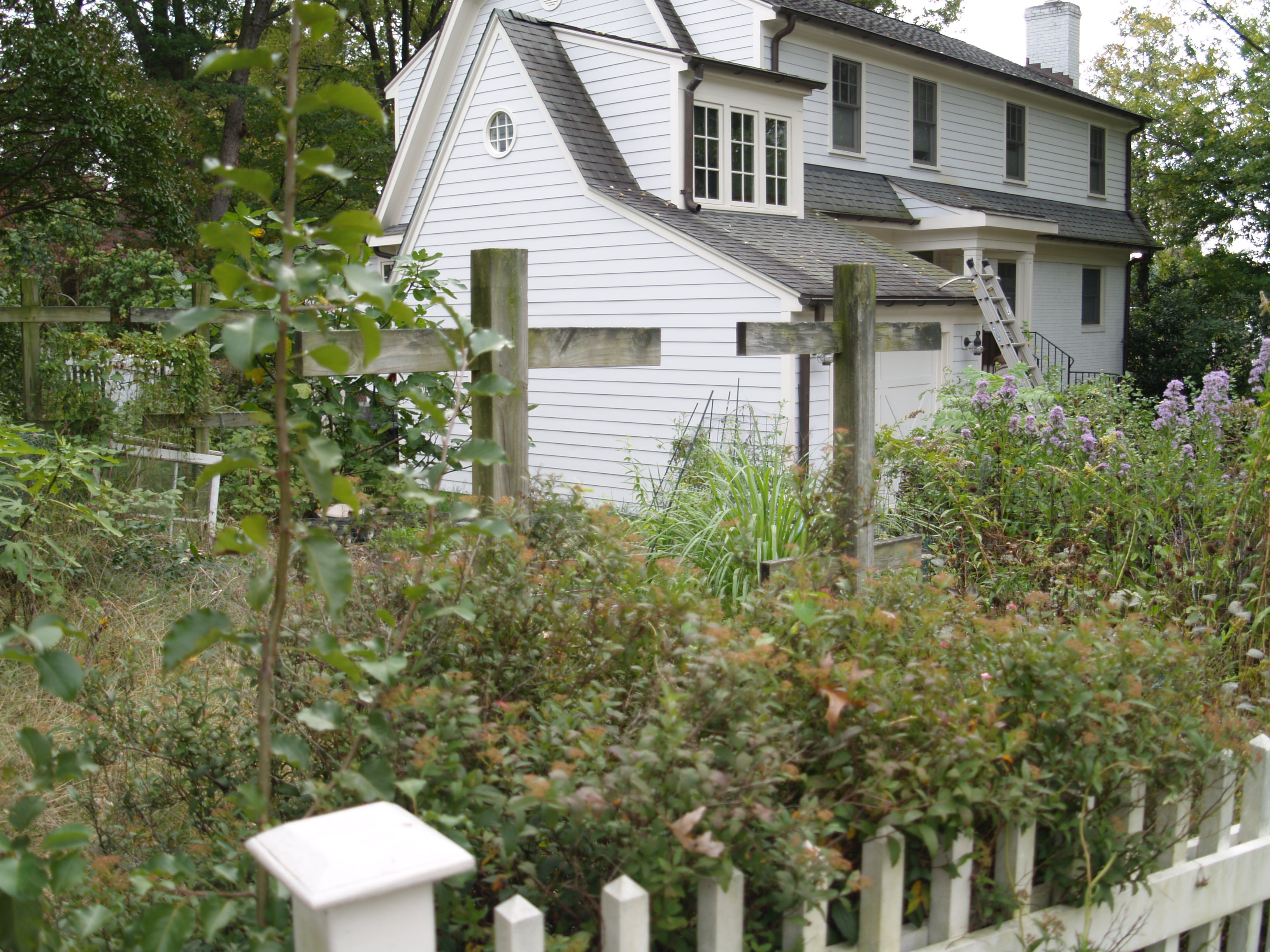
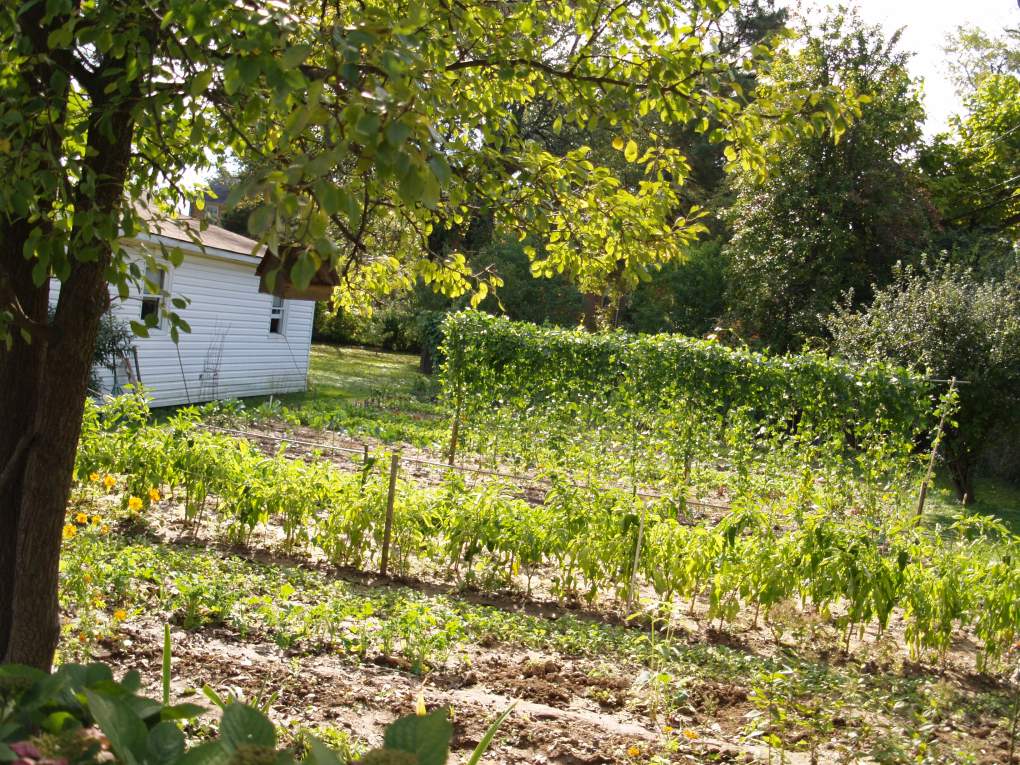
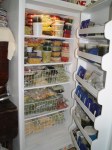
This wonderful couple whose garden we drive by every day was kind enough to let us photograph their vegetable garden and show us their harvest stores for the winter!  They have lived in Vienna for 50 years, raised five children and tend this really productive Victory Garden.  They live just off the town main street.  Looking at their assortment of frozen vegetables is an inspiration!