
calendula

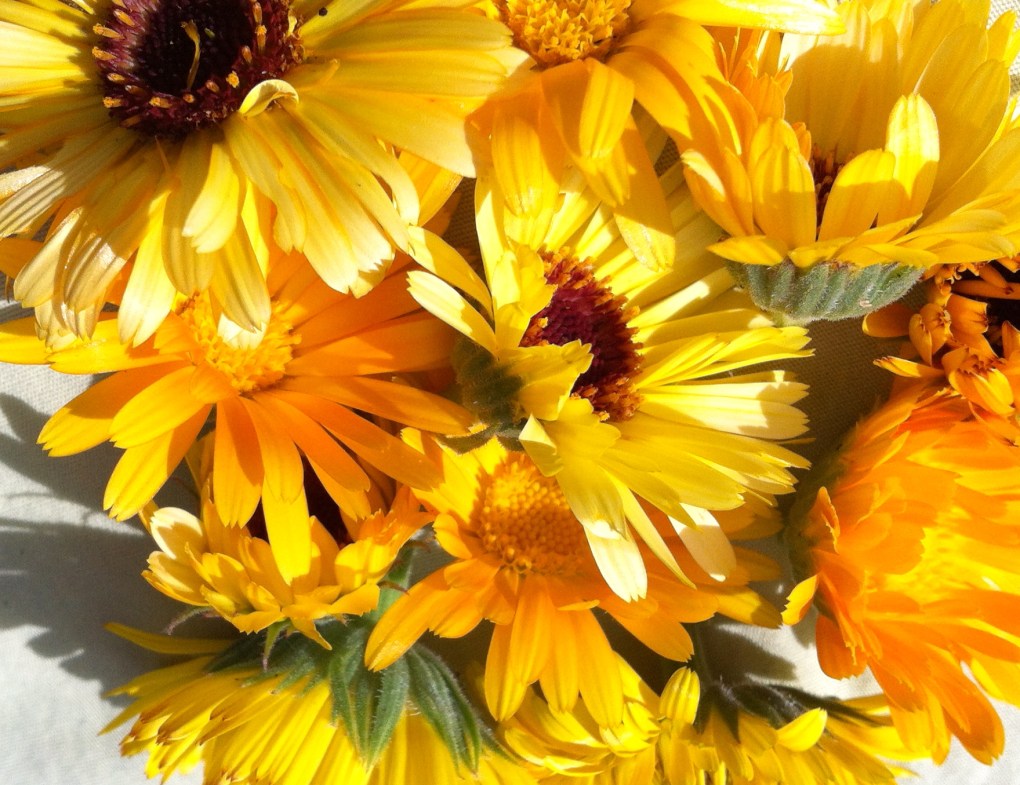
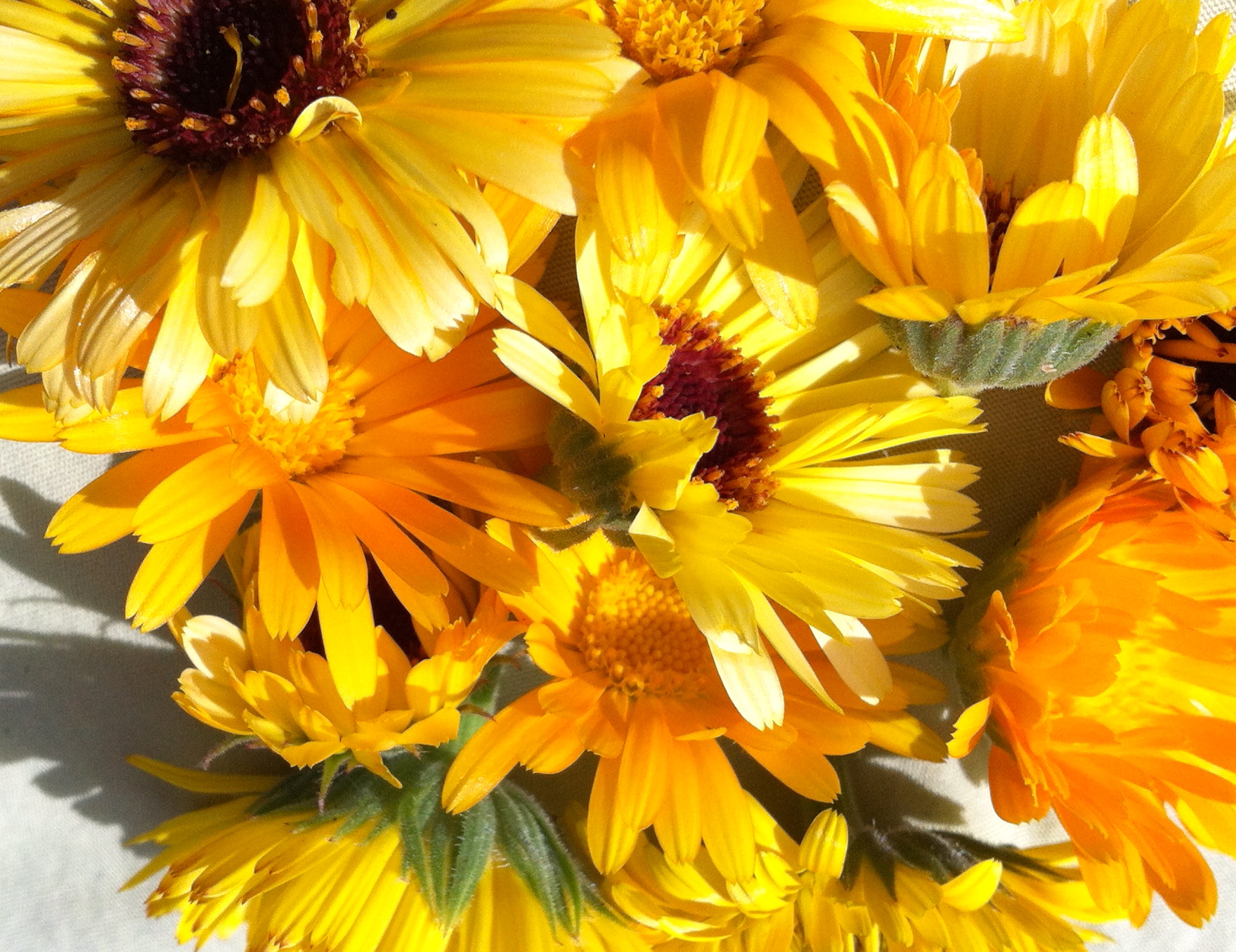
calendulaCalendula is a bright sunny yellow daisy like flower native to northern mediterranean countries.  It is also known as “pot marigold” and has been used for centuries to heal wounds and skin irritations.   Although it is one of the marigold family, only the medicinal variety known as calendula officinalis should ever be used in salves and teas.

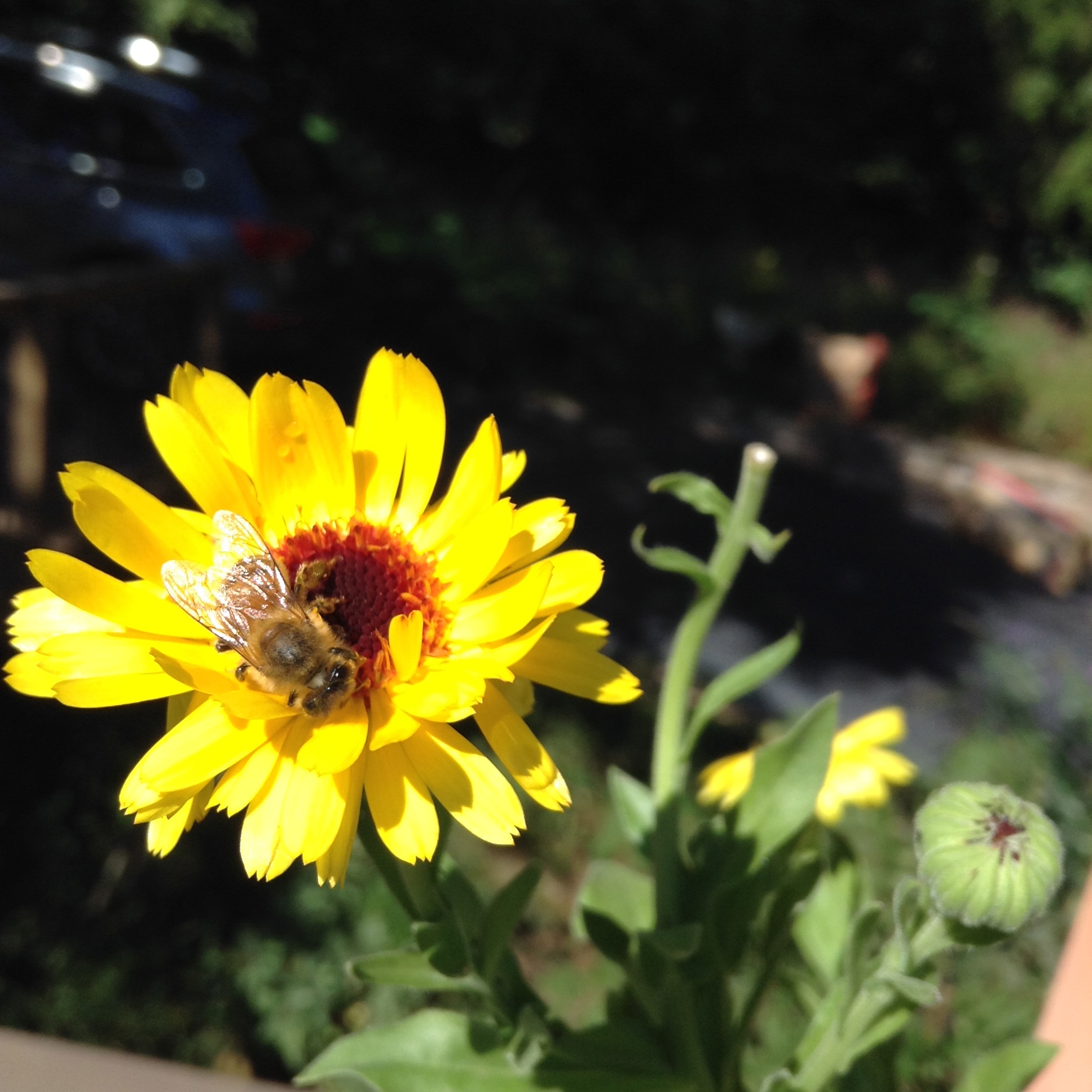
It’s vibrant colors brighten both the garden and the medicine chest.  It is a super easy to grow annual and often self seeds, returning every season to lighten up any garden.  This year we grew it from seeds that we sowed directly into the pots on our back porch (that’s a picture of them, up there) .  The bees loved all the flowers!

Best known for healing the skin, calendula is used for soothing minor irritation, burns, bruises and wounds.  “Calendula has anti-inflammatory, antimicrobial, astringent, antifungal, antiviral, and immunostimulant properties making it useful for disinfecting and treating minor wounds, conjunctivitis, cuts, scrapes, chapped or chafed  skin, bruises, burns, athlete’s foot, acne, yeast infections, bee stings, diaper rashes, and other minor irritations and infections of the skin.”

The beautiful yellow calendula flowerhead is commonly made into salves and used for healing cuts, scrapes, burns, sunburns, diaper rash, sores, ulcers and chapped lips.  It helps calm inflamed tissues and aids in the healing of cuts and abrasion.  Calendula is among the most soothing herbs and is used in many salves and creams.

Herbalists also recommend using calendula flowers in tea infusions  for the healing of digestive ulcers, soothing the gallbladder and easing sore lymph glands.  You can also brew a strong batch of calendula petals into a tea and use it as a compress on minor burns.
pollinating the calendula

pollinating the calendula

If you are growing your own, harvest on a sunny morning when the flowerheads are just beginning to open.  There are several methods for drying the flowers.  You can place them in a dehydrator if you have one; spread them out on a cookie sheet and leave in the sun (but check the forecast for rain!) ; or spread them on a cookie sheet and place in 125 F oven until they dry out.


[box] Calming Calendula Tea

  • 1 part dried chamomile
  • 2 parts mint or spearmint
  • 1 part dried calendula flowers

Place 1 teaspoon of herbs per cup in a tea ball or bag, and cover with boiling water. Steep for 15 minutes to let the flavors infuse the water. Remove tea ball or bag. It’s wonderful as is, but a little raw honey and lemon is a nice touch too![/box]


[box] Calendula Infused Oil

1-1/4 cups carrier oil such as Olive Oil, Sweet Almond Oil. or Jojoba Oil

1 cup dried calendula flowers

Place all contents into a large mason jar and store in a cool dry place for 2-3 weeks. Strain with a cheesecloth to remove all of the flower particles. Pour the oil into dark bottles. Label with date and contents.[/box]


Calendula Tea

Additional Resources:

http://umm.edu/health/medical/altmed/herb/calendula

Mother Earth News : A Guide to Healing Herbs, Winter 2014

nourishing herbs

In a word, the experience of ages, profiting from every chance, has not been able to discover anything useful, which the penetrating foresight of the Creator did not first perceive and call into existence.    ~ St. Basil the Great

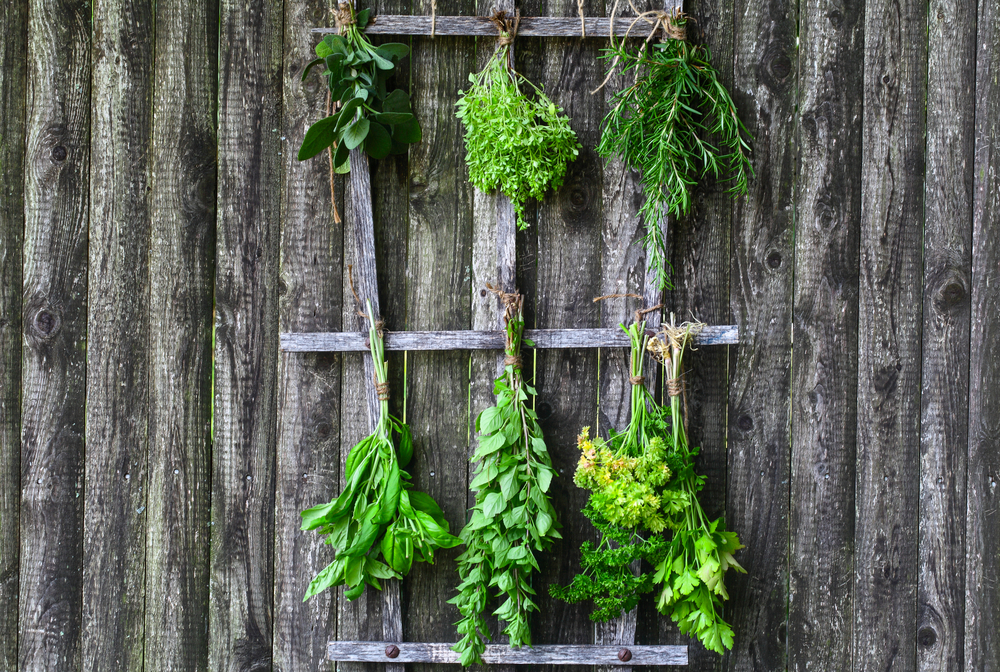
 Drying Herbs

This is a short series on the healing properties of several commonly known edible flowers and herbs (some of which we even consider to be weeds!)  that grow in abundance around us.

For thousands of years, people have created herbal preparations to ease illness and discomfort.  From the earliest of times, through trial and error, people learned which plants were supportive of health.  Prior to modern medicine, herbal applications were part of healing protocols toward rejuvenation and health.

Although healing by plants is not mentioned in the Bible, herbal remedies throughout history were numerous and common – but then, as now, our faith is that the ultimate Healer is God.

Many herbs and plants are quite easy to grow and can transform your flower beds into a healing garden.  Several varieties of medicinal herbs grow quite nicely in pots, window sills or otherwise empty spaces.  Many herbs with healing properties also double as kitchen staples, like oregano, rosemary, thyme and basil!

Everyday herbs can easily be added to or crafted into teas, infusions or decoctions.  Cultures around the world have made widespread use of the healing, soothing and medicinal properties of tea.  Depending on the ingredients, herbal teas can boost the immune system, support detoxification, enhance metabolism, calm digestion, support healing the digestive system and promote relaxation.

For example: it is widely known that chamomile soothes and calms.  Herbalists (and American Indians) have long used echinacea as an antiviral to support the immune system.  Ginger settles the stomach.  Aloe is not only great at reducing irritation from mild burns but is also calming and restorative to the stomach; and of course garlic is known to ward off viruses, lower blood pressure and cholesterol and also has antibacterial and anti fungal properties.

Herbal creams, lotions and salves are marvelous ways to apply healing to your skin.  The more natural the ingredients, the better.  A cornerstone of holistic health is to be mindful of what we place on our skin.  Despite being our outer layer, our skin is not a barrier, but is porous.  It absorbs all that we place upon it, and so when we use chemicals and synthetic ingredients, these all pass into our body.  With the skin as their entry point, they bypass the liver test.  The toxins are not filtered and so have free access to your bloodstream and organs.

It is estimated that on a daily basis, women are exposed to many more toxins then men – in part due to our cosmetics which contain many chemical and synthetic ingredients – many of which disrupt our hormones.   This all adds to the body’s total chemical load and burdens the liver.

From a purely holistic point of view, if you can’t eat it, then you really shouldn’t place it upon your skin.

Along with their nutritive qualities, fresh herbs brighten and and depth to our meals.  Whether you grow your own herb garden or buy them in bulk, it’s easy and simple to craft your own teas and herbal salves.  Even so, if you are not inclined to make your own, there are plenty of wonderful artisan tea crafters and cosmetic manufacturers that sell quality products.

Along the bank of the river, on this side and that, will grow all kinds of trees used for food. Their leaves will not wither, and their fruit will not fail. They will bear fruit every month, because their water flows from the sanctuary. Their fruit will be for food, and their leaves for healing.”   (Ezekiel 47:12)

Common Sense Disclaimer:  All information presented in this series is intended for informational purposes only.  If you have a medical condition,  treat it in consultation with your medical practitioner.

Resources:

Medicinal Herbs: A Beginner’s Guide by Rosemary Gladstar

The Green Pharmacy by James Duke

Desk Reference to Nature’s Medicine by Steven Foster

Hands on Healing Remedies by Stephanie Tousles

Screen Shot 2015-01-22 at 1.03.39 PM