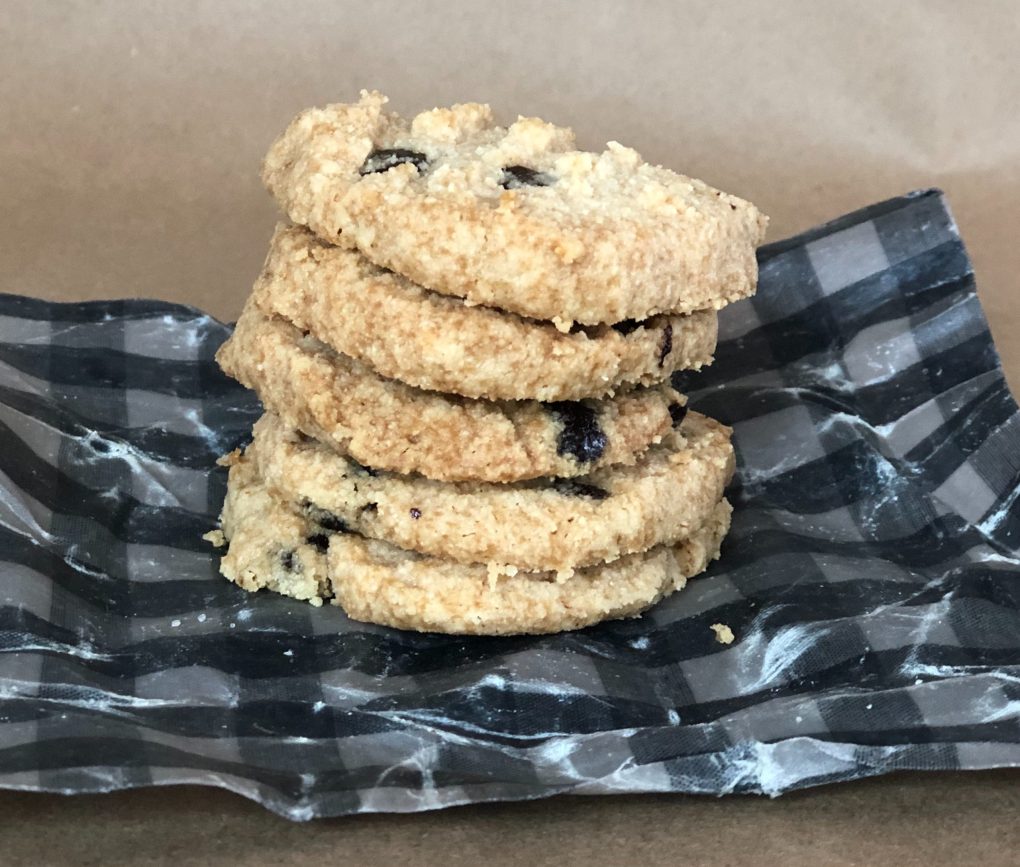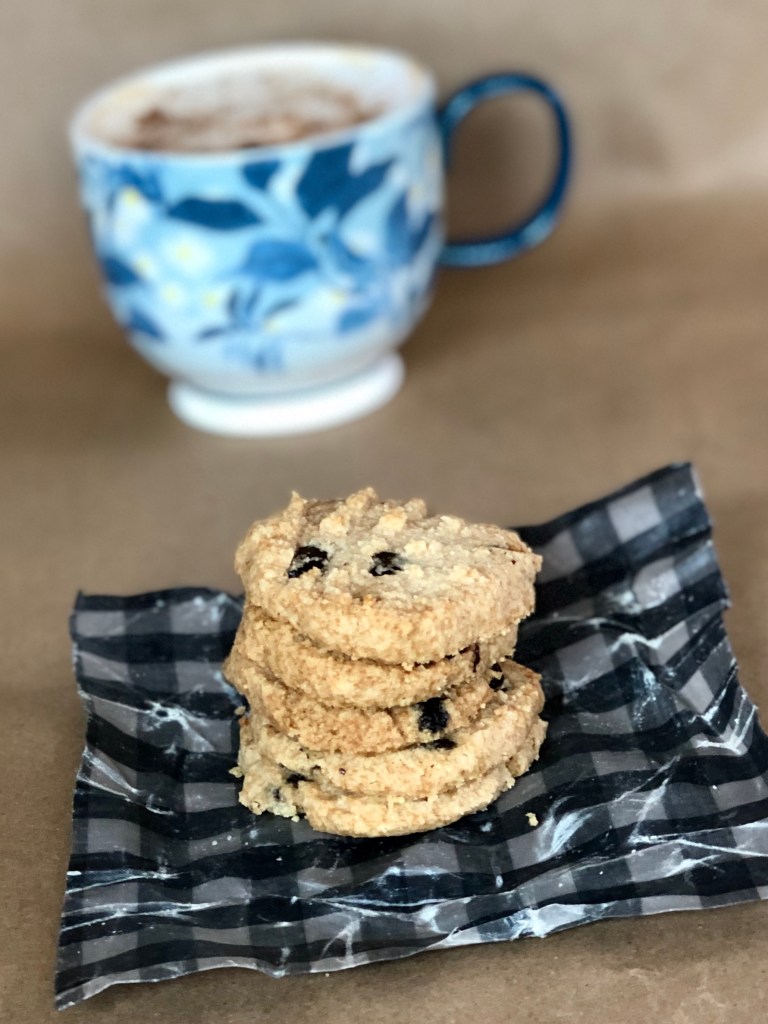
almond shortbread {fast friendly}

“Today is the day of salvation and we must never put off prayer for another time. Every moment is the moment to turn to the Lord, to thank the Lord for all His innumerable benefits, to beseech aid from on high, to repent and ask forgiveness, and to ask His blessings. The most essential part of prayer is the inner turning of the heart to the Lord.”

Acquiring the Mind of Christ : Embracing the Vision of the Orthodox Church

These vegan almond shortbread cookies are so easy to make and taste delicious. Because there are no eggs the kiddos can eat all the dough they’d like!! These cookies are

“Orthodox Fast friendly”

“Paleo”

“Low carb“

“grain-free“

These are so easy to make – basically fool proof. The recipe doubles or triples very nicely. I let them cook till they are just a slight golden brown and not super soft to the touch. They will crumble a little easier than other cookies so that really ensures that they are set up nicely. Before you start gathering your ingredients go ahead and preheat your oven to 350F.

Vegan Almond Chocolate Chip Shortbread Cookies

Ingredients

  • 2 cups Blanched almond flour
  • 2-1/2 tablespoons monkfruit sweetener (preferable), coconut sugar or regular sugar
  • 6 tablespoons melted coconut oil
  • 3 tablespoons arrowroot powder
  • 1/2 cup chocolate chips :: I used Lilly sugar free semi-sweet chocolate chips. They are sweetened with Stevia

Preparation

Combine all ingredients in a bowl. Using a large melon baller scoop cookie dough and form into a ball. Lay each cookie dough ball on parchment lined cookies sheet and flatten with a fork. Bake cookies in preheated oven about 15-17 minutes checking to make sure they do not over brown. Even if they are a little soft when you take them out they will firm up once they cool. Enjoy with a good book and a cup of coffee!


fast friendly paleo chocolate delight

IMG_5935

To no longer live exclusively for myself, but for God, also means that I now live for my neighbor, loving him as myself. + Elder Aemilianos of Simonopetra


My kids often want a sweet during Great Lent.  But I also try to keep sugar to a minimum.

Did you know that sugar is actually a toxin to the body,and  robs you of minerals (1 molecule of sugar takes over 50 molecules of magnesium to digest!).  But most relevant to us about sugar, with two in the house recovering from Chronic Lyme, is that sugar is an immune suppressant.  Not only does sugar  compete with vitamin C for valuable space within your white blood cells.  It has been shown that 1 tablespoon of sugar reduces immunity for hours after consumption.

We have modified our fasting for Great Lent – due to the Lyme and some threats from the doctor.   My doctor said that I am so aenimic due to one of the coinfections of the Lyme that she threatened me with IV iron.  (I have resorted to my least favorite food – liver – but just a few bites a day.  It’s all I can bear.  The iron pills were not raising my numbers sufficiently and despite the taste, I feel better after eating the liver.  Just more proof – and in no way strange – that God made always nourishes better than man made.)

Other than that we are mostly adhering to a very vegetarian Paleo diet.

IMG_5932

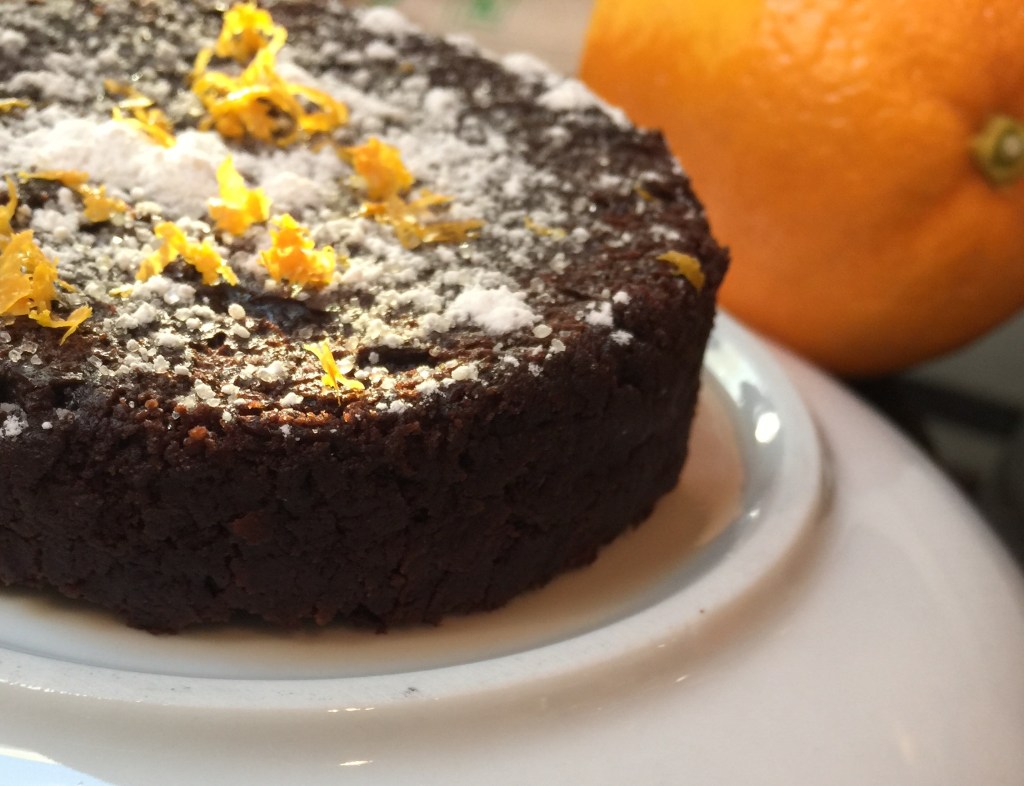
We tried this Super moist orange laden chocolate cake yesterday, which you can find at Strictly Delicious.  It is definitely “strictly delicious” and beyond yummy.   I have to share on their behalf.

Normally I cut back the sugar in every recipe but found it wasn’t necessary to reduce it one bit in this cake.

This dessert is fasting and family friendly.  We will be making it again!

IMG_5934


chocolate almond banana pudding

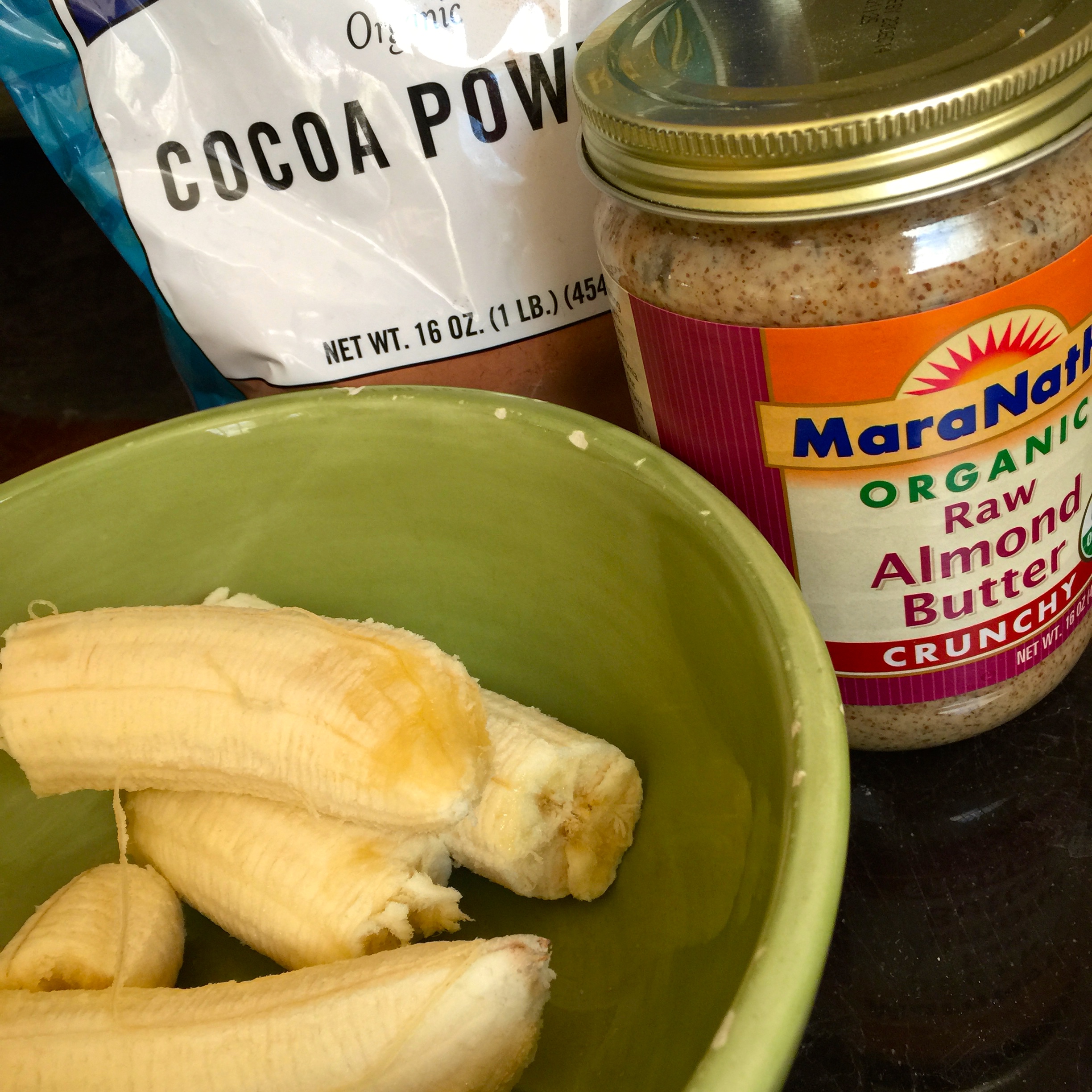
ingredients choc banana almond pudding

In case you haven’t noticed, we like pudding!

Only three ingredients, it is a raw, vegan and lenten pudding plus a good protein pick me up.  This is a go to lenten snack in our house and the girls love it.  Amazing as it sounds, there is no added sugar, but you will not miss it.  I promise!  The riper the banana the sweeter the flavor – so let your bananas sit on the counter till the peel is really yellow. No mushy bananas for this recipe though, save those for banana bread!

You don’t need to use almond butter.  It will taste just as good with peanut butter, but with so many peanut allergies these days, I have adapted most of our recipes to use other nuts.  You might even want to try to substitute tahini (sesame) butter.  Different, but yummy!

[box]

Chocolate Banana Almond Pudding

Ingredients

2 ripe bananas

2 tablespoons cocoa powder

4 tablespoons almond butter (raw or toasted)

Place all ingredients in bowl and mash together.  If you have a large crowd of kids, this doubles triples and quadruples nicely!

[/box]

IMG_0681


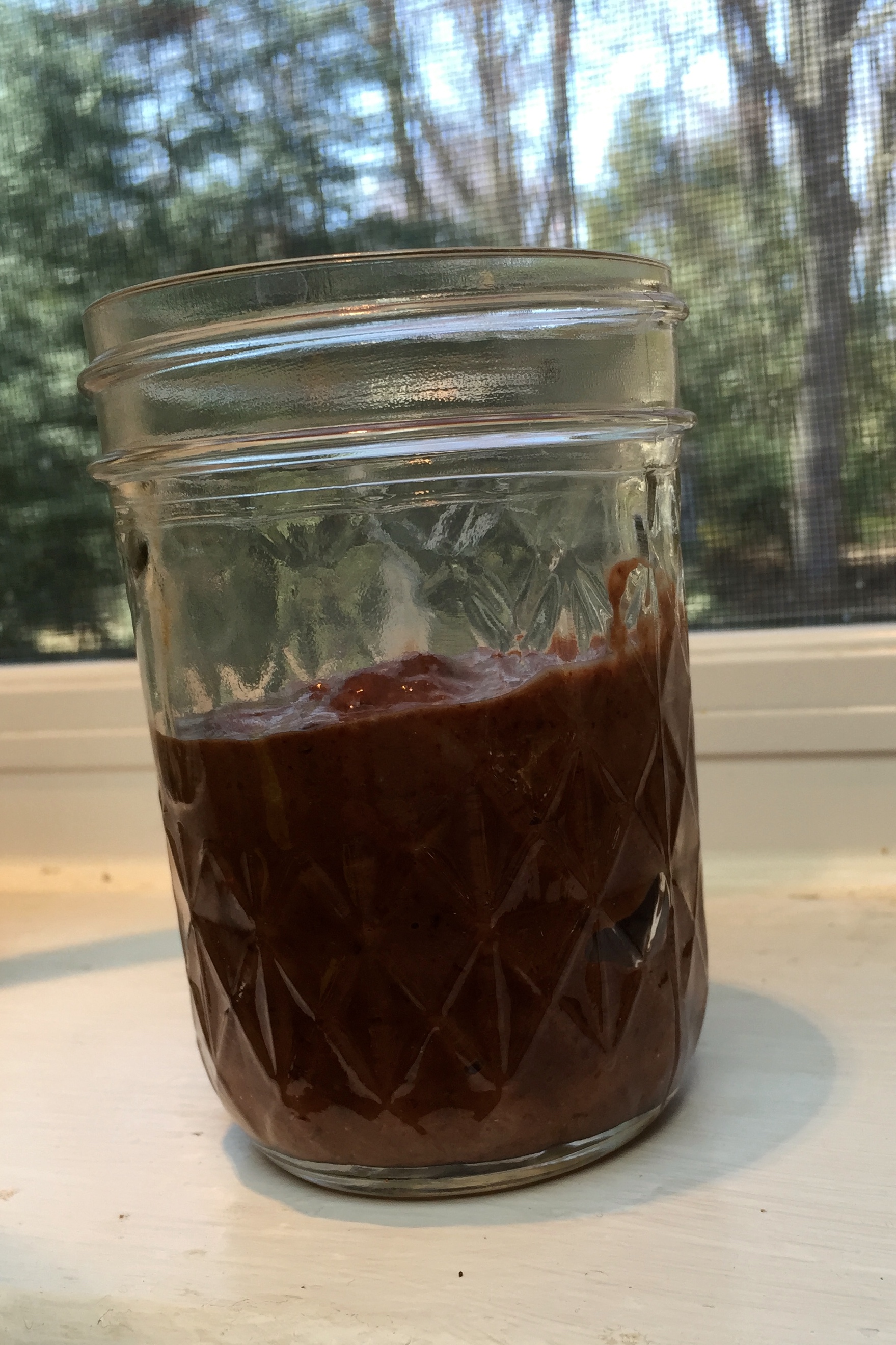
lenten chocolate pudding

choclate pudding

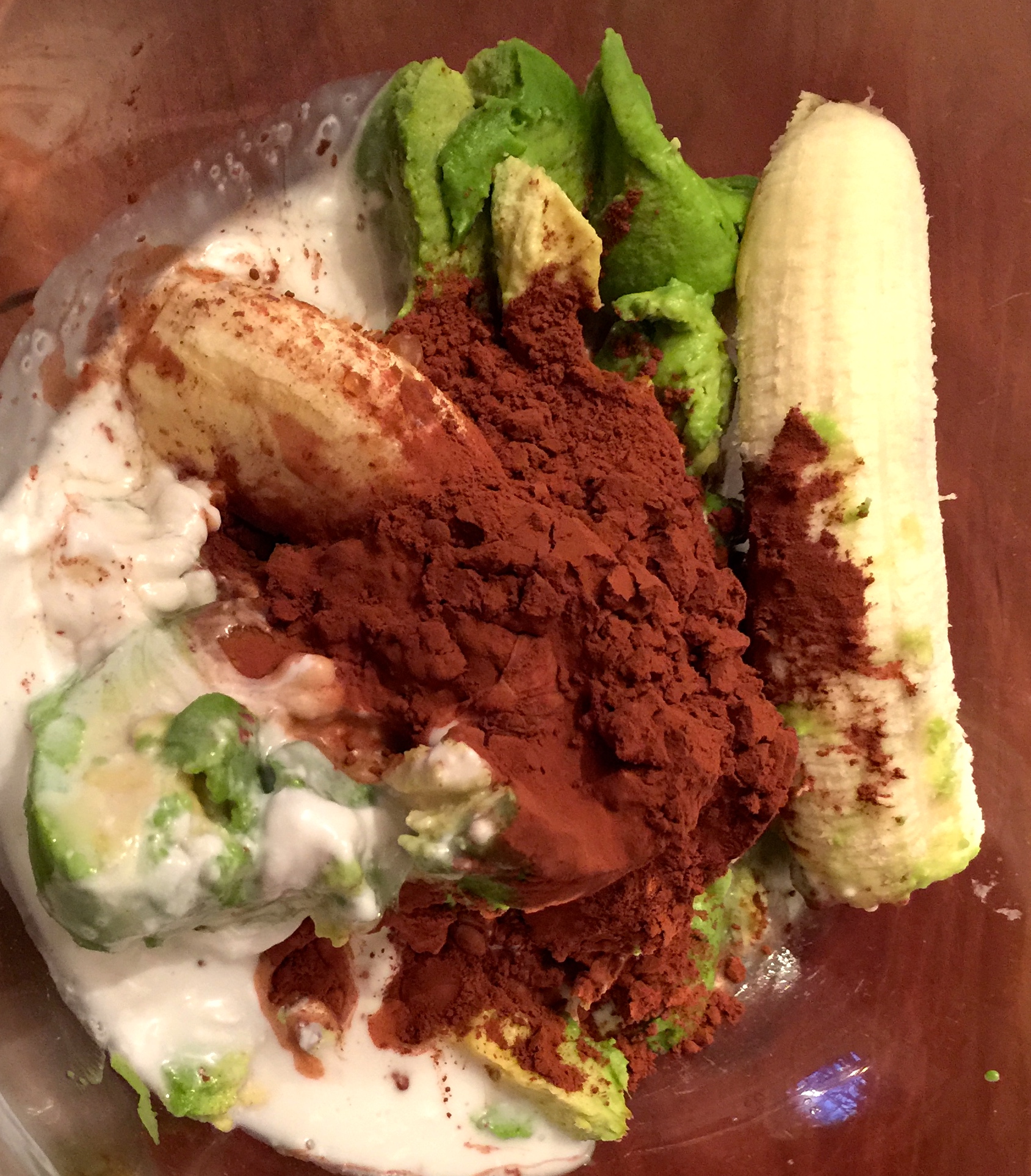
I know, the picture looks like it could be the beginning of a salad of sorts, but nope.  It’s dessert.

You just have to try this to believe how good it is.  By now almost everyone has made the chocolate tofu mousse, but if you are like our family and cutting down on such a high soy intake during the Fast, then that dessert is out.

This is a a paleo lenten chocolate pudding recipe and the base is bananas and avocado.  Years ago I read that they make an ice cream out of avocado in South America, so making a pudding isn’t too far of a stretch.

[box]

Lenten Chocolate Pudding

Ingredients:

  • 2 ripe avocados
  • 2 ripe bananas
  • 1/4 cup full fat coconut milk
  • 1-4 tablespoons maple syrup (optional – ripe bananas are very sweet, give it a taste before you add)
  • 1/4 – 1/3 cup cocoa powder (Penzey’s,
  • 1/2 teaspoon pure vanilla extract
  • pinch of sea salt
  • optional : pinch of cinnamon

Peel bananas and scoop avocado out of shell.  Place remaining ingredients in a food processor or blender.  Process until creamy.  Place in individual dishes and serve right away or refrigerate.

You can top with toasted coconut, toasted almonds or hazelnuts.

[/box]


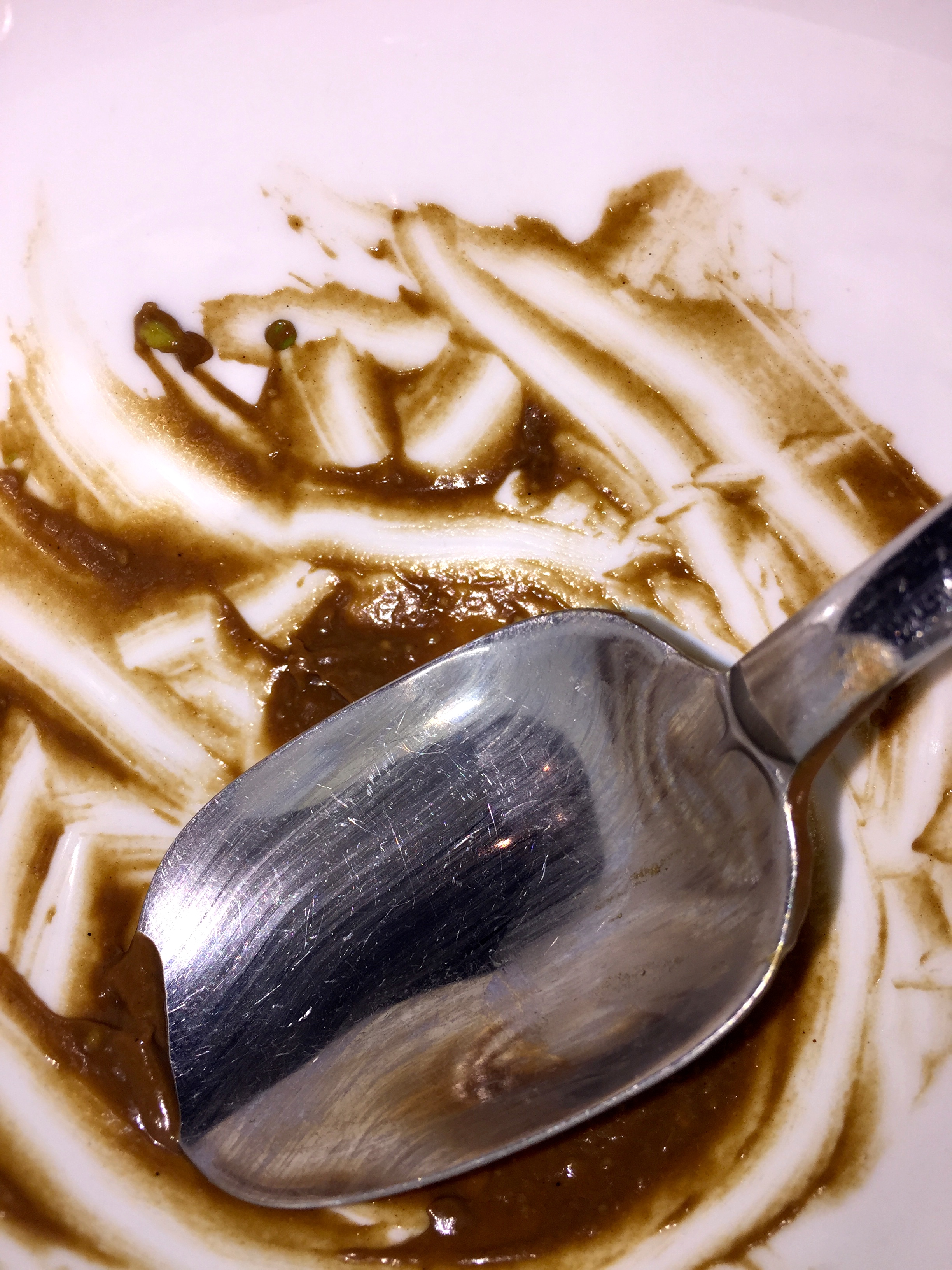
Simple.  Easy. Delicious.  Everyone wants more lenten chocolate pudding.


all done


simplest snack – ever

avocado snack

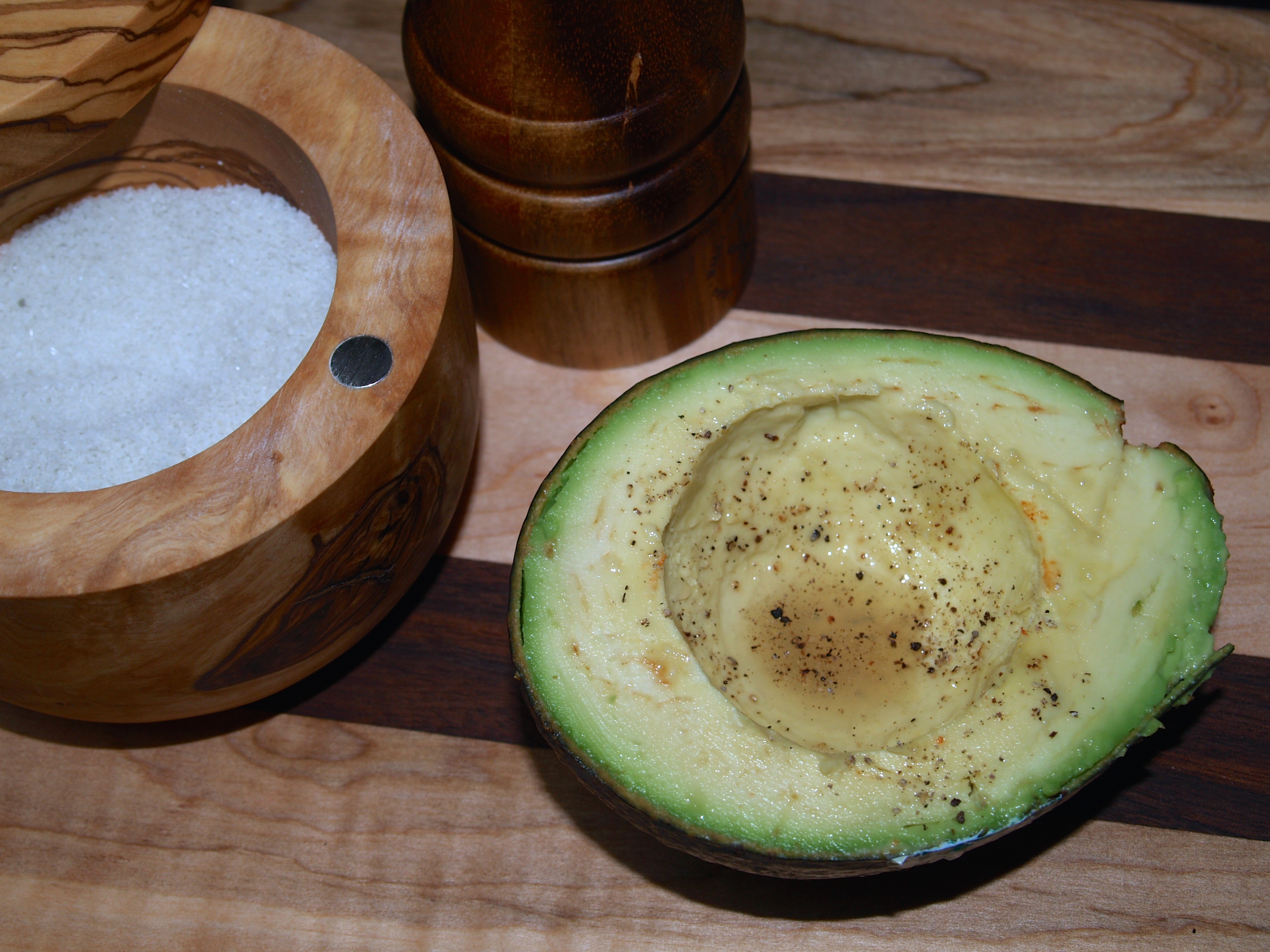
Looking for a healthy easy snack for the Fast, or just any time?  If you have an avocado, a little salt and pepper and just a squeeze of lemon, you have the world’s easiest snack, complete with it’s own bowl.

Halve and put the avocado, squeeze half a lemon atop of it, and sprinkle with salt and pepper.  Spoon it right out of the peel.  It is delicious, a good source of fiber, vitamin B, C and E.  They are also a source of good fat (monounsaturated)  and contain plenty of potassium.  Besides that, they are just delicious!


Lenten sesame truffles

IMG_0132

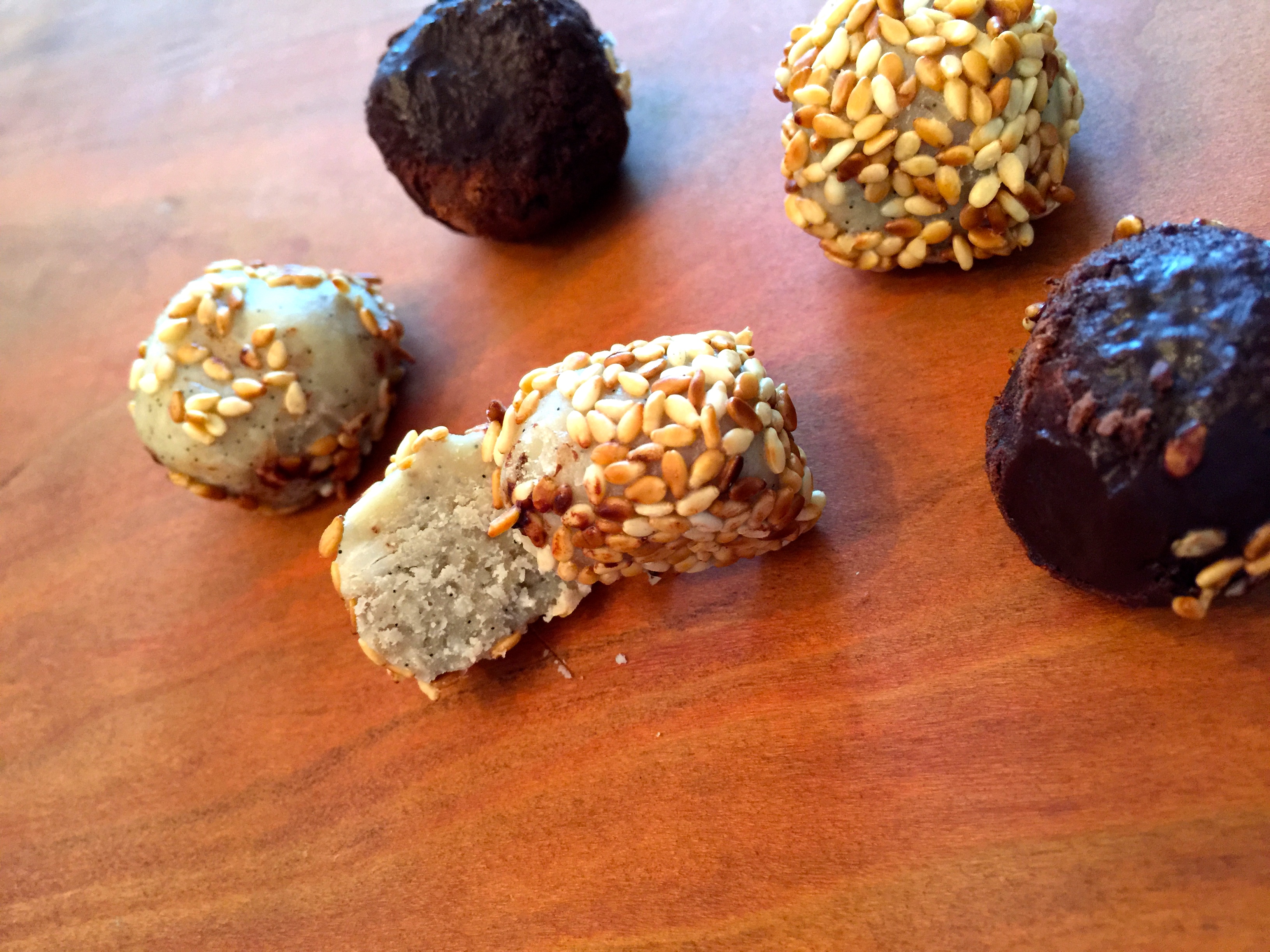
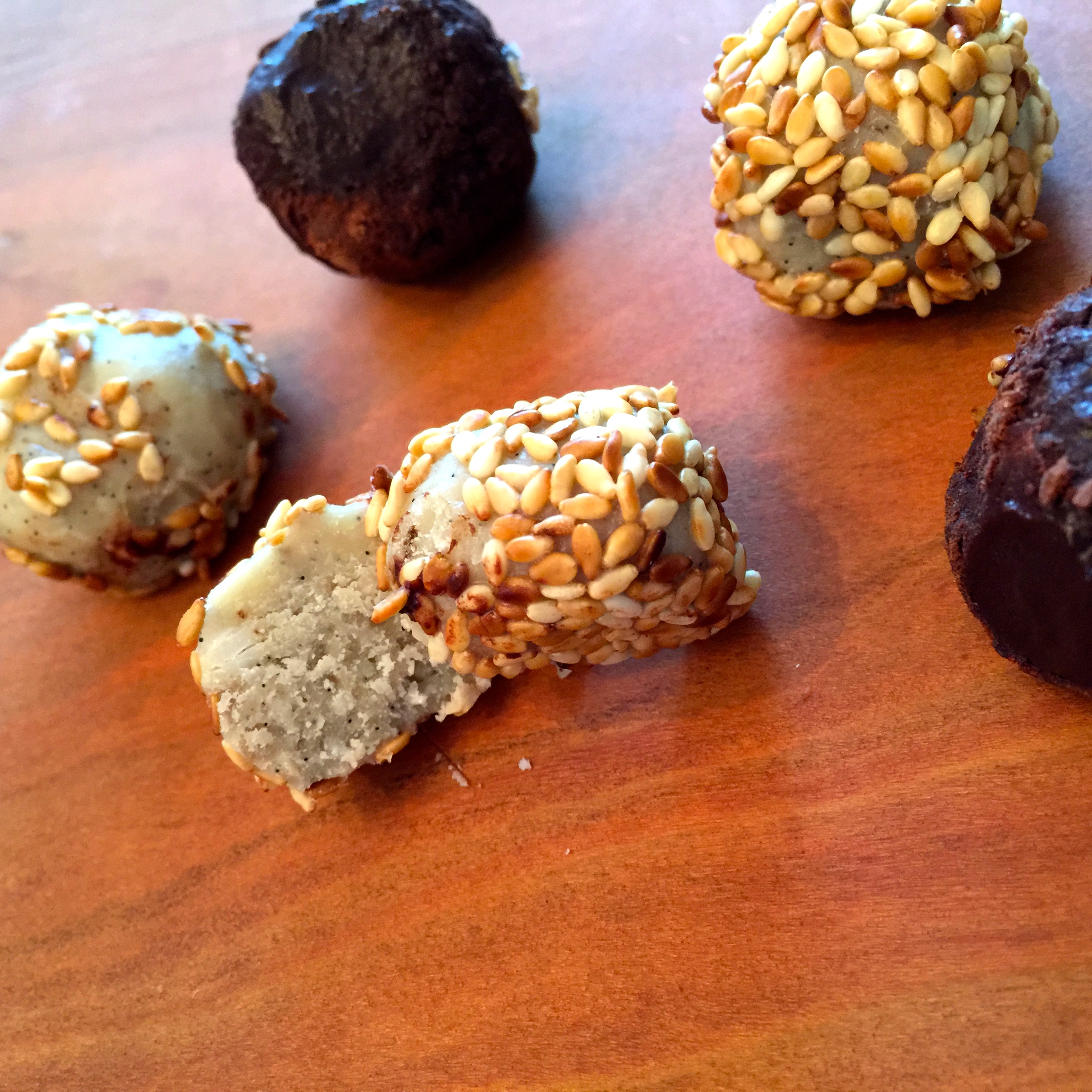
Everyone likes a snack, and these nutty truffles are a delicious treat to keep on hand during Lent and really any time of the year.  These sesame butter truffles are low in sugar, taste great and also a nice project for the kids.

Over the years we have really tried to cut down our sugar.  When I began studying holistic nutrition and learning about just how depleting sugar is to our bodies I felt compelled as a mom to put that into action in my home.  So, I have steadily been working at drastically reducing the sugar in our recipes, as well as changing the types of sugar we eat.

To give you an idea, we have a coconut cream pie recipe that called for 2 cups of sugar.  Through trial and error, we have settled on just 1/2 cup of sugar  – that is the point the family says, “hey, it’s doesn’t taste right.”

Why reduce the sugar content?  There are a lot of reasons and of course blood sugar swings is just one of them.  In the past hundred years, the average person has gone from from eating just about 2 pounds of sugar  per year, to close to 150 pounds of sugar per year.  That is a massive increase, and it’s questionable whether our pancreas and bodies were designed to handle such an onslaught.  Excess sugar intake can contribute to a weakened immune system, vitamin and mineral deficiencies and increased risk of diabetes and acidity in the digestive tract.  That acidity creates an atmosphere conducive to pathogenic bacteria and yeasts.

Did you know that for every molecule of sugar you consume, your body needs 55 – 65 molecules of magnesium just to metabolize it.  And that’s just magnesium. The digestive demands of sugar leech other vital nutrients from our bodies, such as chromium and copper and also interferes with the absorption of calcium.

Our kids today get sugar in most everything and as a nation we are generally depleted of magnesium, which is necessary to process carbohydrates.  Among other things, deficiencies of magnesium can lead to decreased energy.  Magnesium works together with calcium so that your muscles contract and relax.  So muscle spasms (think charlie horse) can arise from magnesium imbalances.

Paleo recipes recognize that impact of sugar in our health and that’s why you won’t find much sugar in them.  None the less, they are delicious and provide a guilt free tasty treat!

[box]

Lenten & Paleo Sesame Truffles

Ingredients:

  • 4 tablespoons raw tahini paste.  You can get roasted, but it will change the flavor.  See which you like best.
  • 8 tablespoons coconut butter (also called coconut manna)
  • 2 tablespoon unsweetened shredded coconut
  • 4 tablespoons  + 1 teaspoon maple syrup
  • pinch sea salt
  • seeds from two vanilla pods or 1 teaspoon pure vanilla extract
  • 2 tablespoons toasted sesame seeds for coating
  • 2 tablespoons coco powder for coating.

Melt coconut manna over the stove.  Add softened coconut butter, sesame paste (tahini), maple syrup, sea salt and vanilla bean (vanilla extract) and mix until smooth.

Form into bite sized balls and roll in coco powder or sesame seeds.  Place on a parchment lined cookie sheet or plate and refrigerate for about an hour to set.

[/box]

IMG_0131

Additional Resources:

 http://articles.mercola.com/sites/articles/archive/2010/04/20/sugar-dangers.aspx
McBride, N. (2010). Gut and psychology syndrome: Natural treatment for autism, dyspraxia, A.D.D., dyslexia,

A.D.H.D., depression, schizophrenia. Cambridge, U.K.: Medinform Pub.]. (111-112)

Nancy Appleton; G. N. Jacobs. Suicide by Sugar: A Startling Look at Our #1 National Addiction.  Kindle Edition.


rise and brine

IMG_0400

“God loves fermentation just as dearly as he loves vegetation” -Ralph Waldo Emerson

IMG_0401

My family loves pickles and brined pickles is what draws most people into the wild world of fermentation.  They taste delicious, use only a few simple ingredients and are otherwise so low tech that your grandmother can make them!  😉  And really, for me, that’s kind of the point.

We usually don’t prepare our pickle ferments until July, but we went through our last jar, and so I grabbed a bunch of pickling cucumbers at this weeks market.

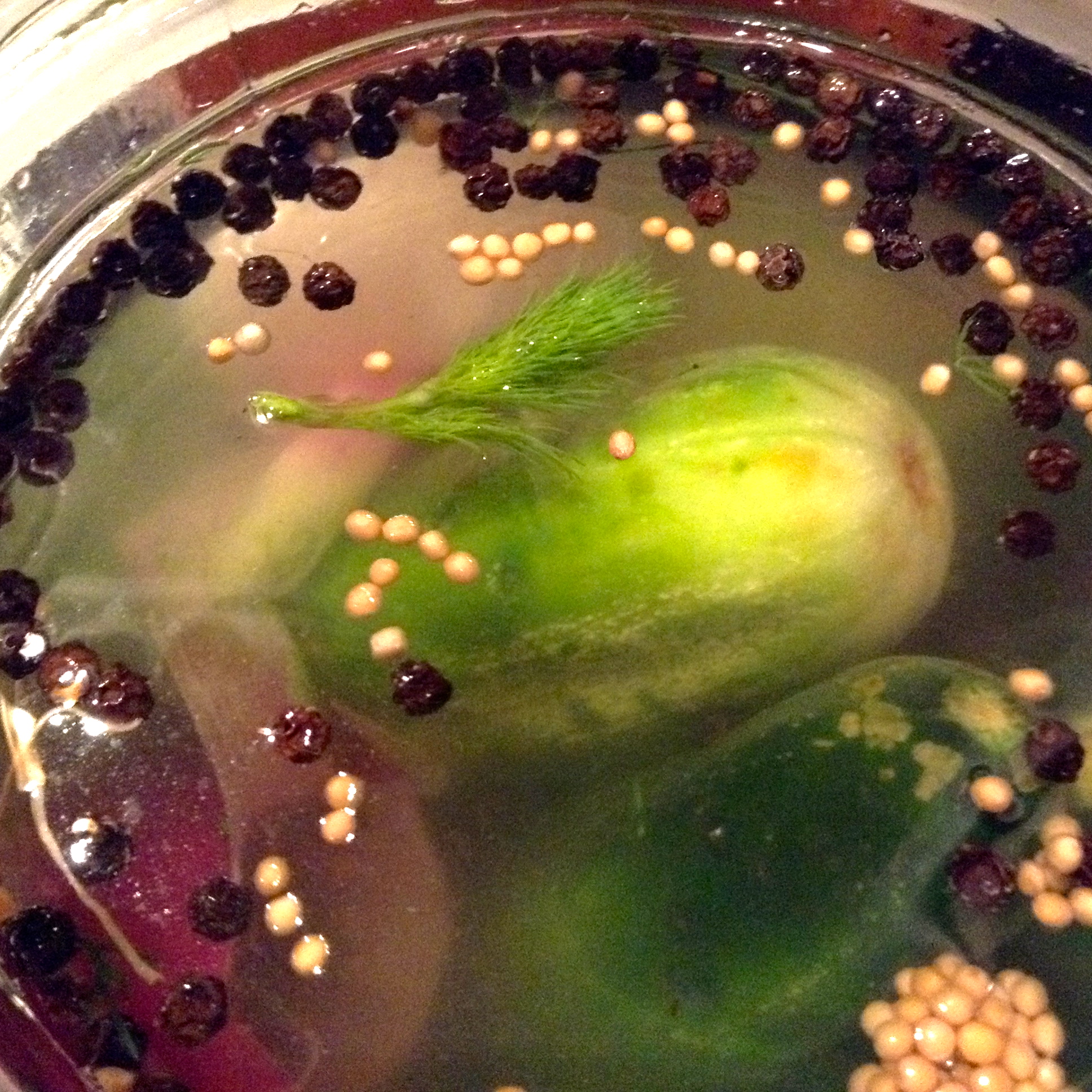
This recipe is for a more sour pickle and it’s not exactly a recipe.  The main ingredient is the brine… Other than that, we use whatever is on hand, but it almost always includes plenty of dill, peppercorns, mustard seeds and lots of garlic… but use whatever your heart desires.

You’ll need clean mason jars and washed hands!

For this recipe we used:

3-4 pounds of pickling cucumbers, unwaxed.

2 heads garlic, peeled

1 large bunch dill or more

black peppercorns

one bunch fresh spring onions

one bunch french radishes – just because we had them!

pinch black peppercorns

pinch yellow mustard seed

6 tablespoons sea salt

64 ounces filtered water

one grape leaf (this helps them keep their crunch!)


For the brine we use 64 ounces of filtered water combined with 6 tablespoons of salt.  That translates to a 5% brine.  Make that and set aside.

IMG_0397

Wash your hands and rinse your vegetables well.  The rest is really simple, pack your cucumbers, herbs and spices into the jar.  It’s a good idea to pack them tight – really push them in so that they do not begin to float when you add the brine.  Add the brine to above the level of the vegetables.

IMG_0401

Place lids on loosely so that they can breathe.  You’ll notice in a day or so that they start to bubble.  This is the fermentation.  Sometimes it will even over flow a little bit onto the counter so I place mine of a towel.

If it is warm weather and your kitchen temperatures are above 77F the fermentation will take just a few days, so you’ll want to check them daily and move to the fridge once they are to your liking.

IMG_0400

The more I ferment the more I am inspired at the subtle interconnectedness of everything around us.  Each fermentation is a unique manifestation of your hands and your kitchen and your vegetables and your environment.  Even if we ferment with the same recipe yours and mine will be unique in their own subtle way…. and yes, we are just talking about pickles, but still…whether microbial or human, it’s all about community and harmony and relationships.


sauerkraut

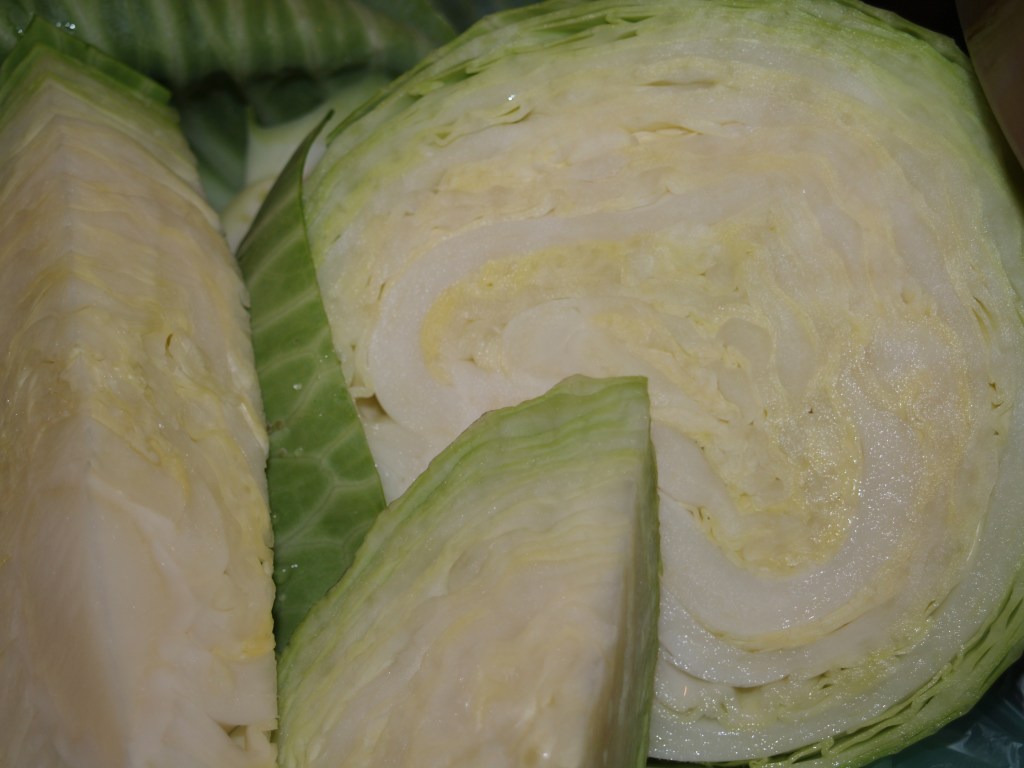
Farm Fresh Cabbages

“I have come to the conclusion that the most important element in human life is faith.  If God were to take away all the blessings, health, physical fitness,  wealth, intelligence, and leave me with but one gift, I would ask for faith— for with faith in God, in God’s goodness, mercy, love for me, and belief in everlasting life, I believe I could still be happy, trustful, leaving all to God’s inscrutable providence.” —Rose Kennedy


Most people would agree that we live in a germ-ophobic country.  YET, all around us and within us there is a microscopic world, things invisible – an interconnected multitude of fungus and bacteria.  (uh-oh…)  From the beginnings we coexisted with these little organisms; we even harnessed their help to age and preserve our food without refrigeration.  However, when Louis Pasteur uncovered the role of bacteria in disease, (which is a great thing!) we began to fear them as dangerous enemies and in fearing them we forgot about their role in health.

Not all bacteria and fungi are bad.

In our modern antiseptic world, it can take a leap of faith – and maybe even a little science – to calm our fears, reacquaint ourselves and get comfortable with the microcosmos around and within us.  A little reminder that the world God created is good  (it was also raw and unpasteurized, by the way!) and that I can rely on that whole food creation -more than food scientists and industry- for the plentiful nourishment of my family!   You know what?  So can YOU!

The word sauerkraut is German for “sour cabbage” – but the French call it choucroute.  Whatever you call it, sauerkraut is probably to most widely known fermented food behind, pickles, olives and yogurt.

Probably the most widely known sauerkraut is Bavarian style, which is shredded cabbage, salt and seasoned with caraway seeds.  Some other German styles use juniper berries to season the kraut.


A word on the nutritional virtues of sauerkraut.


Fermented sauerkraut is not only pre-gested thereby making it’s nutritional profile more bioavailable, it is also low in calories, high in fiber, and is a good source of vitamins K, C and folate and also the minerals potassium, calcium, magnesium, copper, manganese and iron.  It has a great profile of antioxidants and is anti-inflammatory.  Cabbage is exceedingly nutritious on it’s own merits, but let it ferment and it’s full potential is silently revealed.

Studies that “analyzed cabbage before and after fermentation to see how the elements had changed  found that the glucosinolates in cabbage dissolved into a class of enzymes that have been shown in prior studies to prevent cancer.” (Preventdisease.com)

But that’s not all!  Sauerkraut also helps to maintain the acid/base balance of the body, helps to regulate blood sugar levels making it useful for hypoglycemics and diabetics and has been associated with preserving ocular health.

Like all ferments, sauerkraut  is high in naturally occurring lactic acid which helps maintain a healthy acidity in the large intestine, thus creating an environment that is hostile to parasites  and yeast but comfortable for good bacteria.


Ready to give it a try?


Fermentation takes neither much time, or effort.  It’s a great way to add great nutrition to the table, and making it yourself is a real money saver when you’re on a budget and feeding a large family.

It’s super nourishing, unassuming and delicious.  We eat it because it tastes great.  On it’s own, adorning a brat or hot dog, or even as a great garnish on a wintery day’s BLT.  You can buy sauerkraut in the store, but if you want all the benefits of the ferment, then it’s best to look for small batch, artisinal, organic, lacto-fermented varieties that are also non-pastuerized.

 

IMG_0306


Michael Pollan says about fermenting, “Koreans, who know a thing or two about fermentation, distinguish between the “tongue taste” of various foods and the “hand taste“.  Tongue taste is a simple matter of molecules making contact with taste buds – the kind of cheap and easy flavors any food scientist or food corporation can produce.  Hand taste is the far more complex experience of a food that bears the indelible mark – the care and sometimes even the love – of the person who made it.  The sauerkraut (and most anything else) you make yourself will have hand taste.

That makes a lot of sense here at Nourishing Grace, because the word nourish is quite beautiful and comes from the latin nutrire, which means to feed or cherish, to preserve, look after or suckle. That implies a “hands on” relationship!


“Better is a dish of herbs where love is than a fattened ox and hatred with it.” —Proverbs 15: 17


Of all our nourishment let it be rooted in goodness and love as we prepare and enjoy our meals with loved ones at the table!


how to make your own sauerkraut

Equipment

1 – 1 gallon Ceramic crock or  wide mouth mason jar

plate or plastic that will fit inside


ingredients for sauerkraut

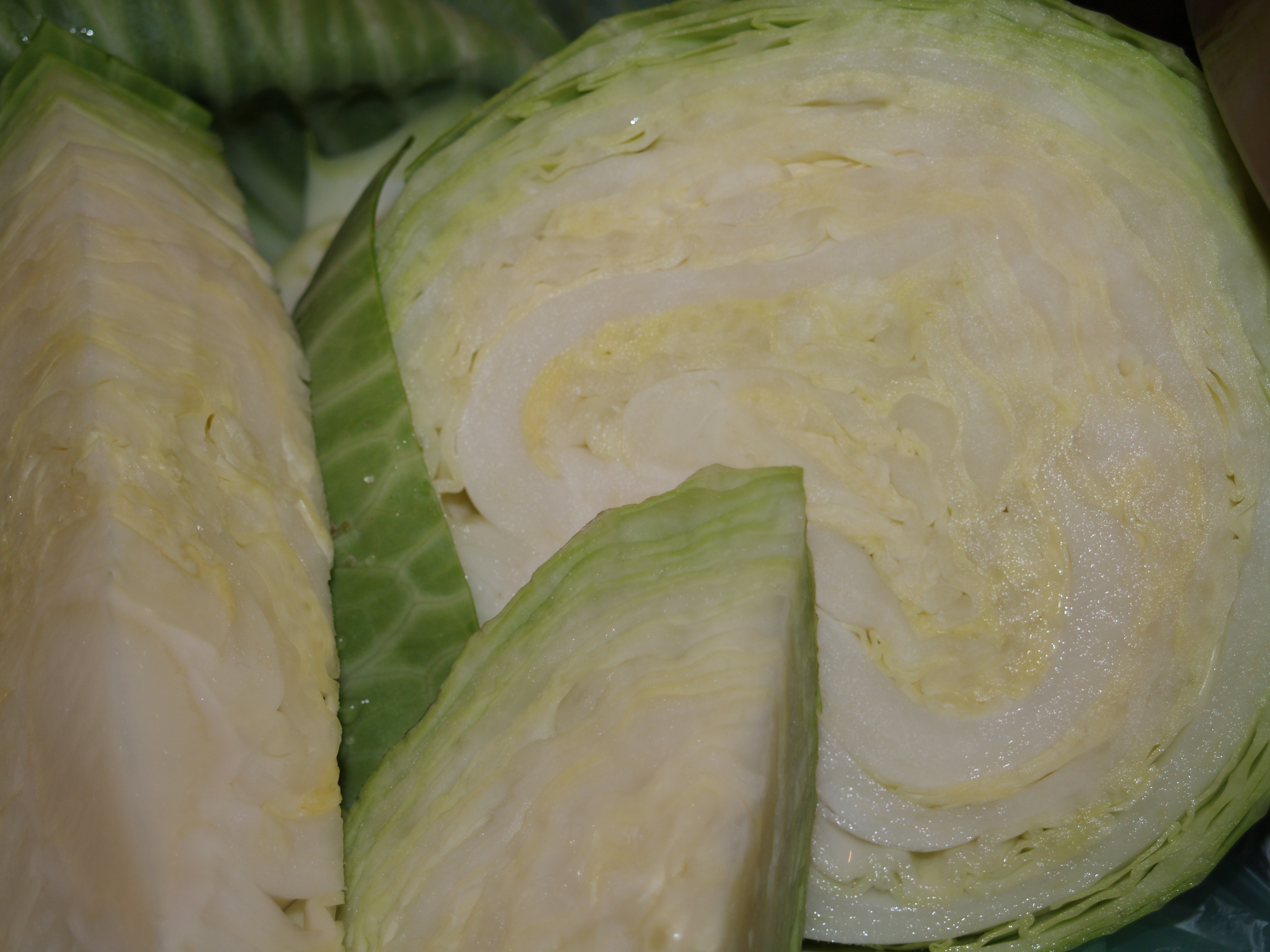
2 medium heads fresh cabbage (fresh local cabbage is the best because of it’s higher moisture content the salt will draw out more water for the brine.

3 tablespoons sea salt


process

chop or shred the cabbage.  We use a food processor

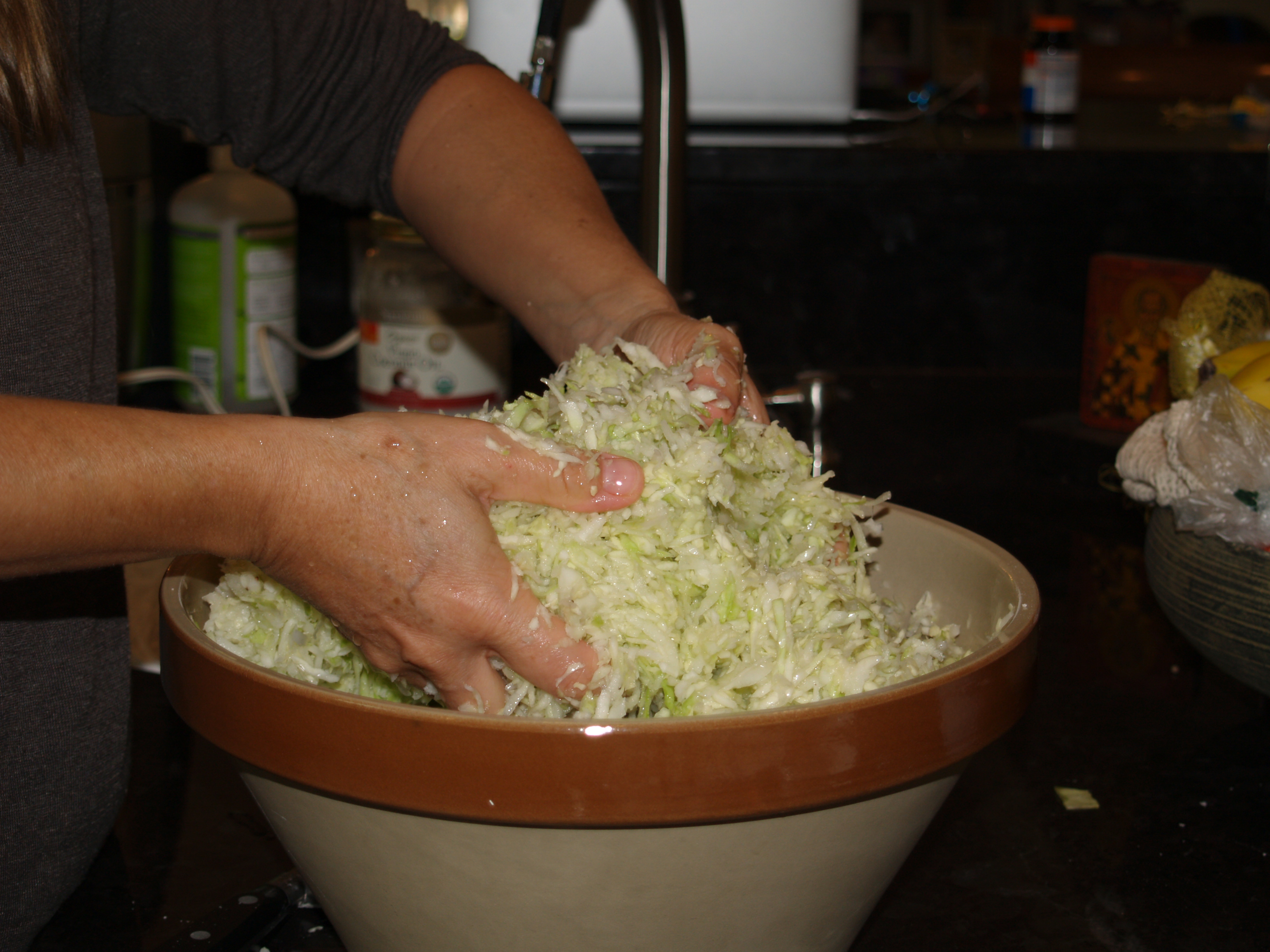
As you process the cabbage, place in bowl and sprinkle salt on each layer.  The salt osmotically draws the water out of the cabbage.  This becomes the brine in which the cabbage ferments without rotting.
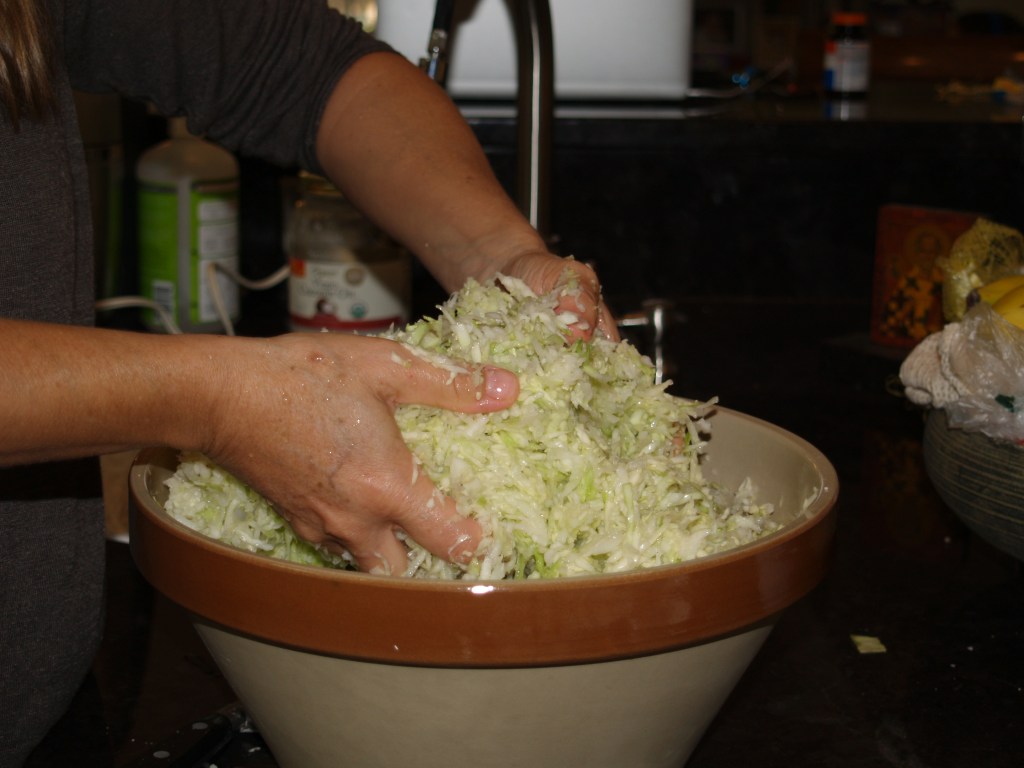
mixing the sauerkraut

mixing the sauerkraut


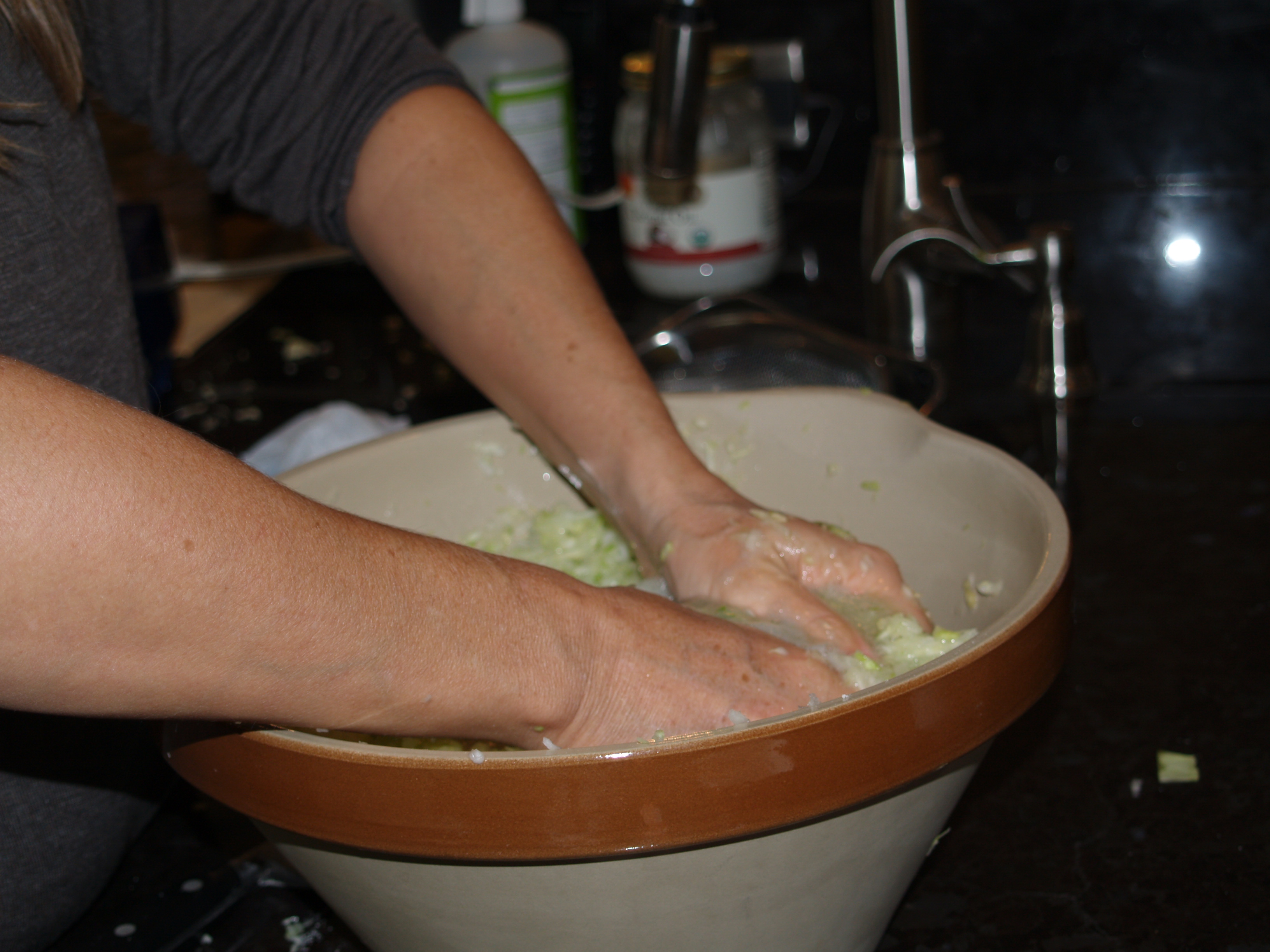
Mix the ingredients together and you can either pound the cabbage, or massage with good firm squeezing.  That will all serve to draw out the brine.  You can also mix it and leave it for a half an hour and then start the pounding or massaging.
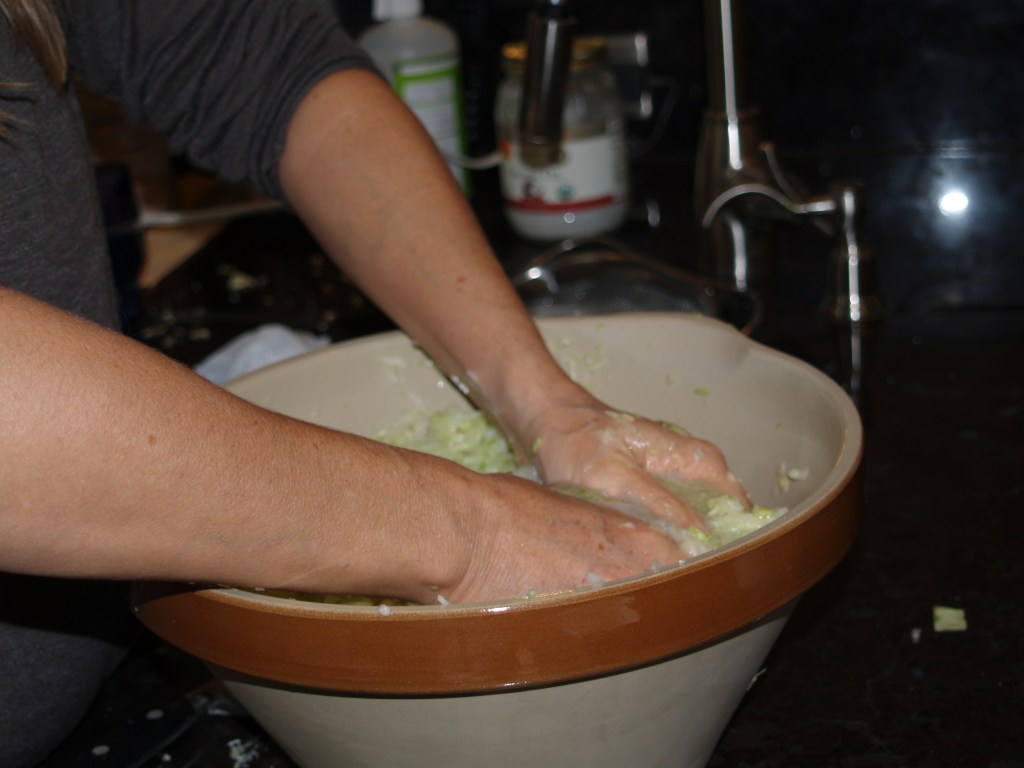
 

massaging the cabbage

massaging the cabbage


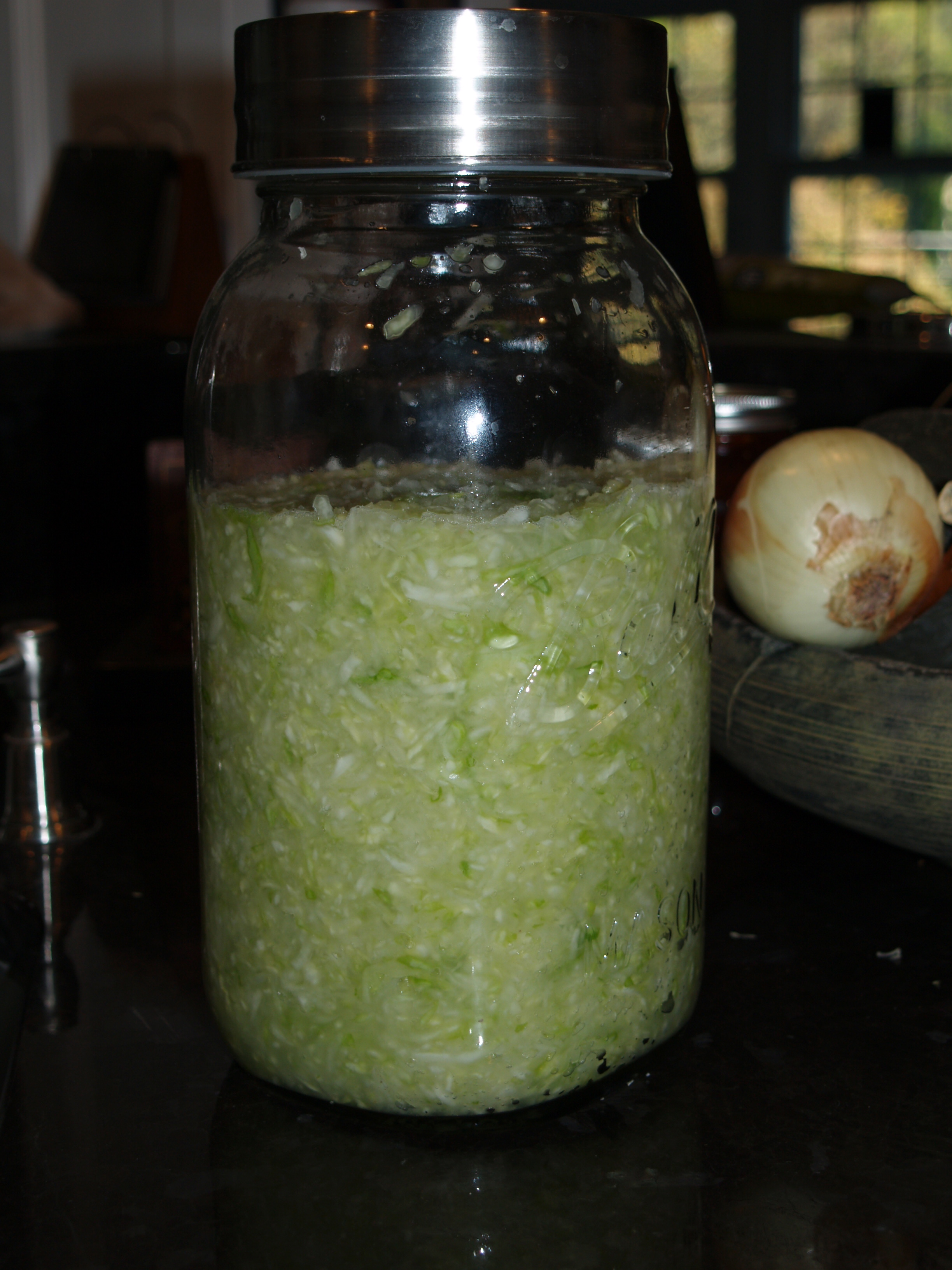
Transfer the mixture to the crock or mason jar.  Tamp it down firmly.  You can use a tamper or your fist.  I use my hands.  Push the cabbage below the brine level.  Fermentation works because the vegetables stay below the brine.  So in this oxygen deprived environment, anaerobic, only the good bacteria are able to survive and thrive.  Place a clean weight over in the crock over the cabbage to keep it down.  This can be a smaller jar with water in it.

To be honest, I do not always use a weight.  My ferments are always on the kitchen counter, so I wash my hands and push it beneath the brine several times a day.  But if you are not able to do that, it’s best to use a weight.
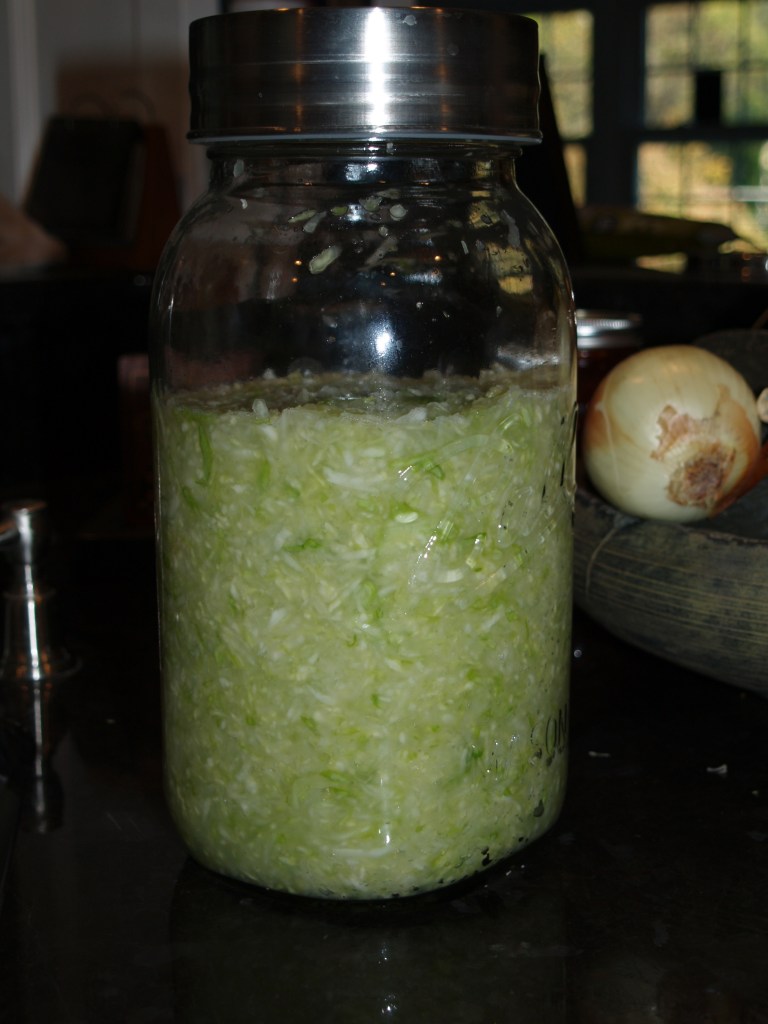
 

Sauerkraut on the Ferment


The sauerkraut will develop at a rate directly correlated with temperature.  At 45 Fahrenheit, fermentation is very slow, at 90 Fahrenheit it is notably faster.  Lower temperatures, in the 70 Fahrenheit range make a superior kraut.

After 3-5 days, give the sauerkraut a taste.

See if it suits you.  Some people love the flavor of an immature green kraut.  If it’s not the flavor profile you want, let it sit longer for the flavors to develop.  Once it is to your liking, place in smaller jars and move to the refrigerator or other cool spot (like a root cellar).  The slows down the fermentation process.

Taste-testing the developing sauerkraut has become my daughters job and her taste buds are definitely evolving.  We currently have a jar of sauerkraut that has been on the counter for three weeks.  We are using it, but she has not asked to have it moved the fridge.  Surprisingly it has not gotten very very sour, just more delicious.

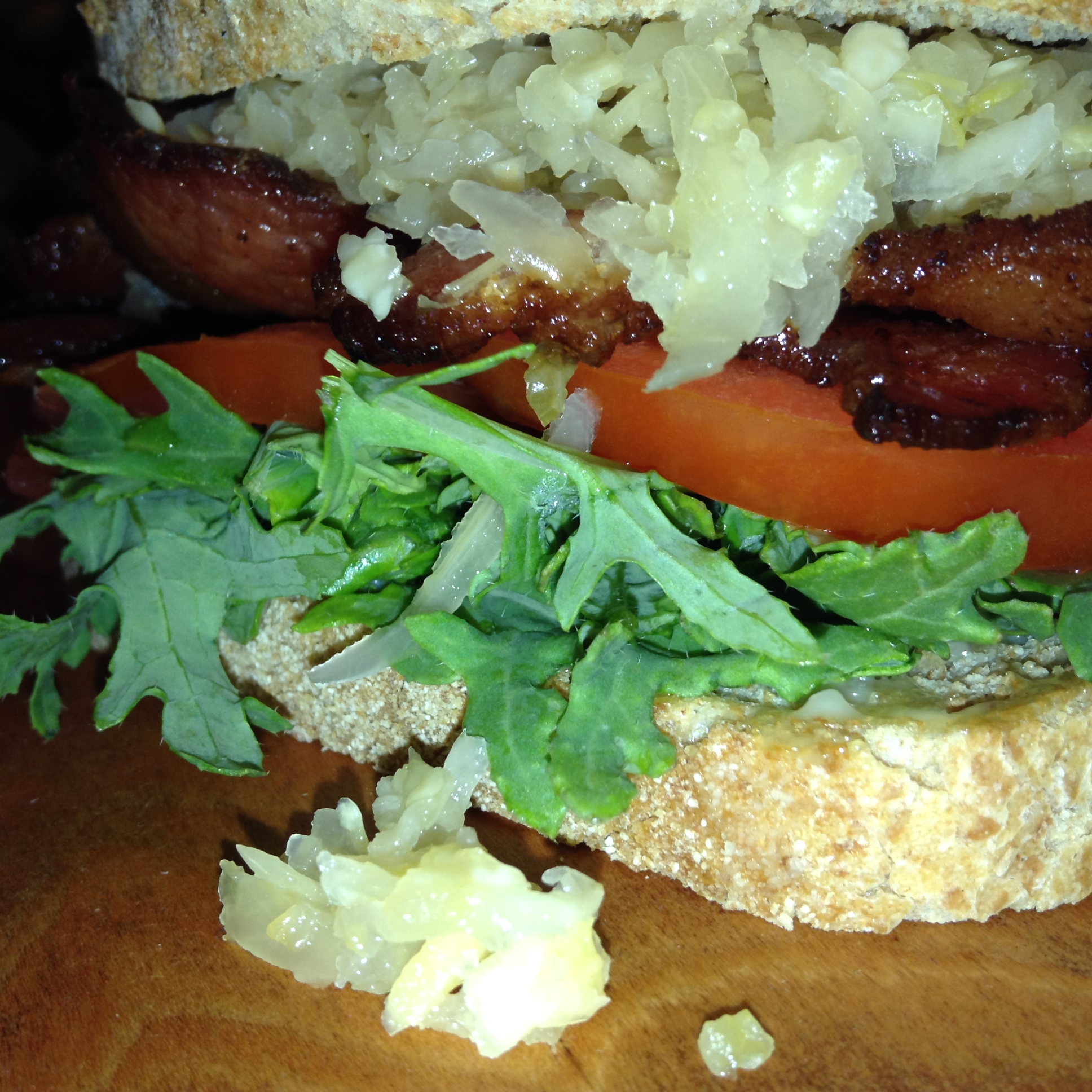
There are many ways to enjoy your kraut, most recently we had ours atop BLT’s served on a great sourdough made during the big snow storm.
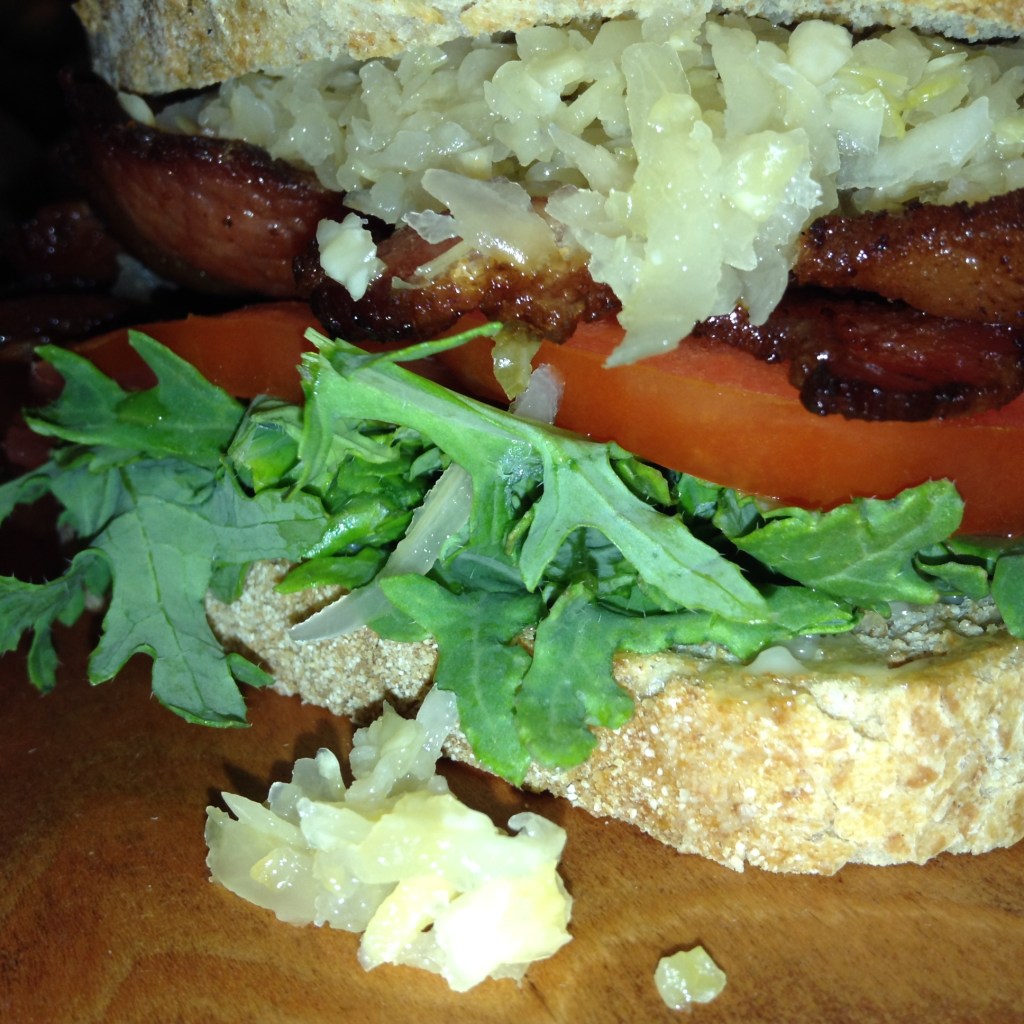
sourdough BLT with sauerkraut

sourdough BLT with sauerkraut


Sources:

Katz, Sandor Ellix. The Art of Fermentation: An In-Depth Exploration of Essential Concepts and Processes From Around the World.  White River Junction, VT: Chelsea Green Pub., 2012. Print.

“What Are The Benefits Of Sauerkraut Juice?”. Livestrong.Com

Ten Reasons to Eat Fresh Unpasteurized Sauerkraut | Vitality Magazine | Toronto Canada alternative health, natural medicine and green living