

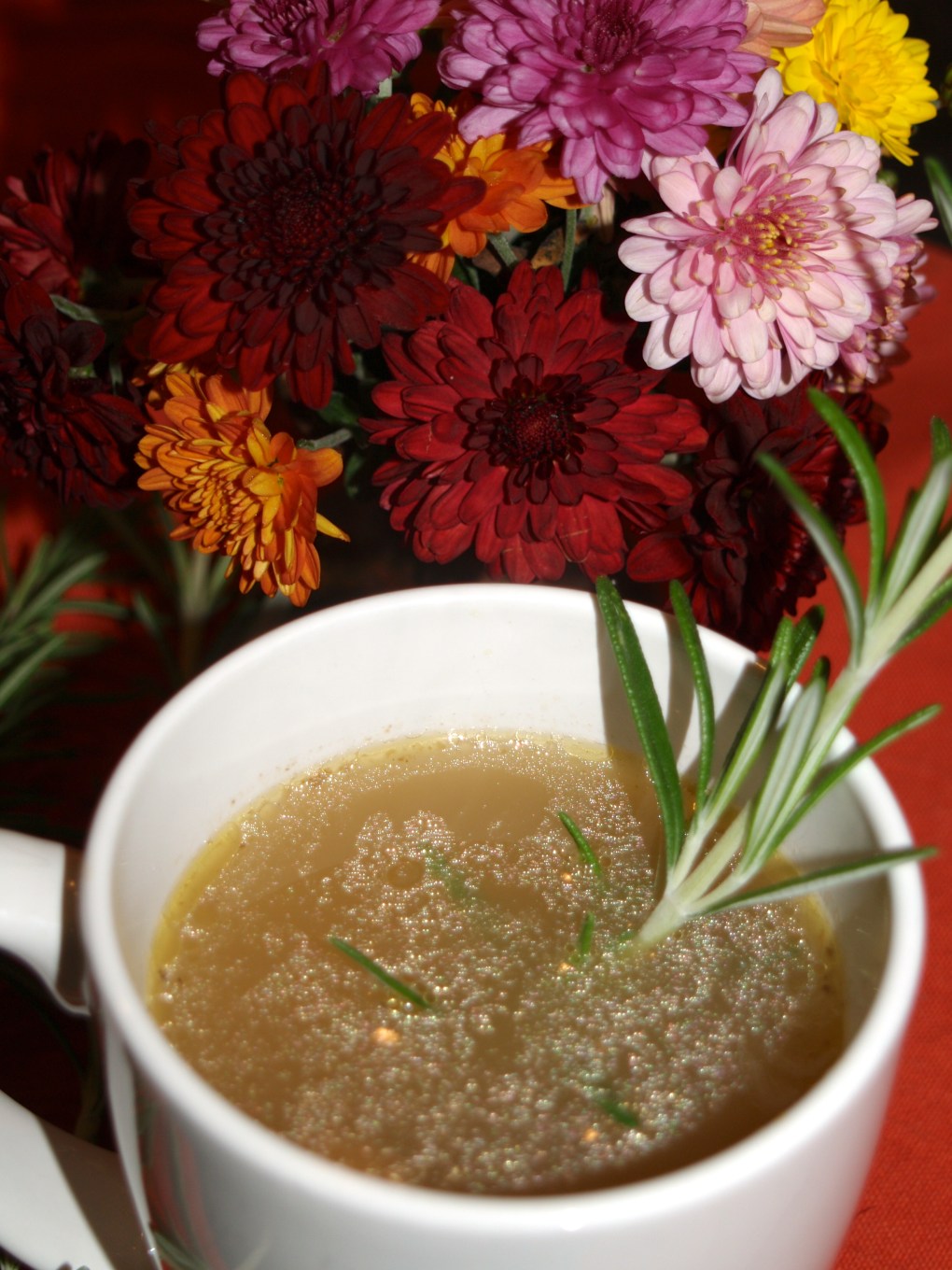
Fall and the approaching winter have ushered in a wave of cooler weather. With the change in seasons and temperatures, we naturally migrate our cooking toward more warming & nourishing foods like soups and stews. That brings us to one of the least glamorous of all foods – the humble broth – a nutritionally wonderful canvas to enjoy the hearty fall harvest!
Broth provides a modest yet universal meal.
A remedy for sore throats and the flu, it nurses the sick and puts vigor in our steps. The nutritional savior of the soup kitchen, the humble broth is a warming comfort in times of need. It is also incredibly healthy and a powerhouse of vitality!
Broths are a nutritional superfood in that they offer a very simple, affordable and rich concentration of nutrients that are easily acquired by our bodies. That ease of nutrient absorption is paramount, because there is a big difference between consuming nutrients (from whole foods or supplements) and actually assimilating them into our cells.
Unlike it’s commercial cousins, homemade stocks and broths come with an unabridged complement of the exact nutrition we need to rebuild and maintain bones and joints. One reason is that homemade broths and stocks are teaming with gelatin and minerals. If you are unfamiliar with gelatin, it is a jelly like substance that is extracted from simmering bones or the soft tissues – like cartilage and skin from chicken.
Gelatin is essentially collagen in liquid form and collagen is part of the connective matrix that holds you together! Among other things, it provides for youthful supple skin and healthy joints. It also supports the immune system, digestive tract, heart and muscles and contributes to the building of strong cartilage and bones.
Want to know more about the benefits of gelatin and broth?
- Gelatin is an easy way to support your digestive system. It is not only nutritious but very soothing and healing to the digestive tract. Its ability to attract and hold liquids makes foods cooked in broths easier to digest.
- American researcher, Dr. Gotthoffer found that cooked foods eaten with gelatin were easily digested and that babies fed milk fortified with gelatin had better digestion than those given plain milk. Also, the babies who were fed milk without gelatin had a higher rate of allergies and intestinal issues.
- Additionally, Gotthoffer found studies showing that convalesing adults who have lost weight because of operations, dysentery, cancer and other illnesses fare better if gelatin is added to their diet.
- Gelatin has long been recognized in the treatment of digestive diseases. “[Gelatin] is said to be retained by the most sensitive stomach and will nourish when almost nothing else will be tolerated,” wrote L. E. Hogan in 1909. Today, homemade broths are the essential component of the GAPS diet protocol, in that it heals and seals the digestive tract.
- One reason gelatin was recommended so highly for malnourished individuals is that it reduces the amount of complete protein needed by the body. So, while gelatin is not a complete protein, it is high in the amino acids arginine and glycine which enables the body to more efficiently utilize the complete proteins that are consumed. For that reason broths are known as “protein sparing” because with broth your body can make better use of the protein you do eat, therefore not require as much.
- Gelatin strengthens hair and nails, minimizes wrinkles and prevents and heals cellulite.
- Gelatin may be useful in the treatment of a long list of diseases including peptic ulcers, tuberculosis, diabetes, muscle diseases, infectious diseases, jaundice and cancer.
- Gelatin is unusually high in the amino acids glycine and proline. A vital function of glycine is detoxification. Proline aids the body in breaking down proteins for use in healthy cells and is used in making collagen, tendons, ligaments and heart muscle. Adequate proline is beneficial for the tratments of conditions such as osteoarthritis, soft tissue sprains and chronic back pain.
- Gelatin assists in neutralizing intestinal poisons causing problems during an intestinal bug or flu.
- Research has shown that broth aides in normalizing stomach acid levels for those with too high or too low stomach acid – which can have a profound impact on digestion.
Despite the abundance of our modern food supply, traditional diets contained far more gelatin than ours do today. Broth was a mainstay in French, Italian, Russian, Japanese, South America, Middle Eastern, African and other cuisines. In the honored traditions of food, none of the animal went to waste (ironically, probably due to the scarcity of their food supply!)
People would eat soups made from bones all the time and doing so supplied their bodies with the whole family of glycosaminoglycans, which used to protect people’s joints. Now that few people make bone stock anymore, many of us are limping into doctors’ offices for prescriptions, surgeries and, lately, recommendations to buy over-the-counter joint supplements containing glucosamine. (Shanahan, 2011).
Broth is economical and therapeutic food.
One can spend exhorbitant amounts on supplements containing glucosamine and chondroitins, but these capsules do not hold a candle to the efficacy of the the whole spectrum of glycosaminoglycans in a well made broth. Whereas a supplement will contain only a few targeted ingredients, a well made broth provides the entire nutrient complex of joint building substances – some of which have likely yet to be discovered.
In that sense, bone broth represents a wonderfully inexpensive therapeutic food. What a bargain! A twenty five cent cup of broth offers an unparalleled small fortune in supplements: excellent levels of bioavailable minerals such as calcium, magnesium, potassium and phosphorus are supported by gelatin, chondroiton sulphate, bovine cartilage, glycine and hyaluronic acid.
Best of all, broth tastes great.
You can enjoy it warm in a mug at the end of a long day, or create delicious nourishing soups, stews and sauces. It’s a pantry item to keep on hand in fall and winter. Making homemade broth is not only very nourishing, but the utilization of the rest of the animal also qualities broth as a nutritional virtue and a wonderful manifestation of stewardship eating.
Of all we consume, may we always eat thankfully, wisely and well.
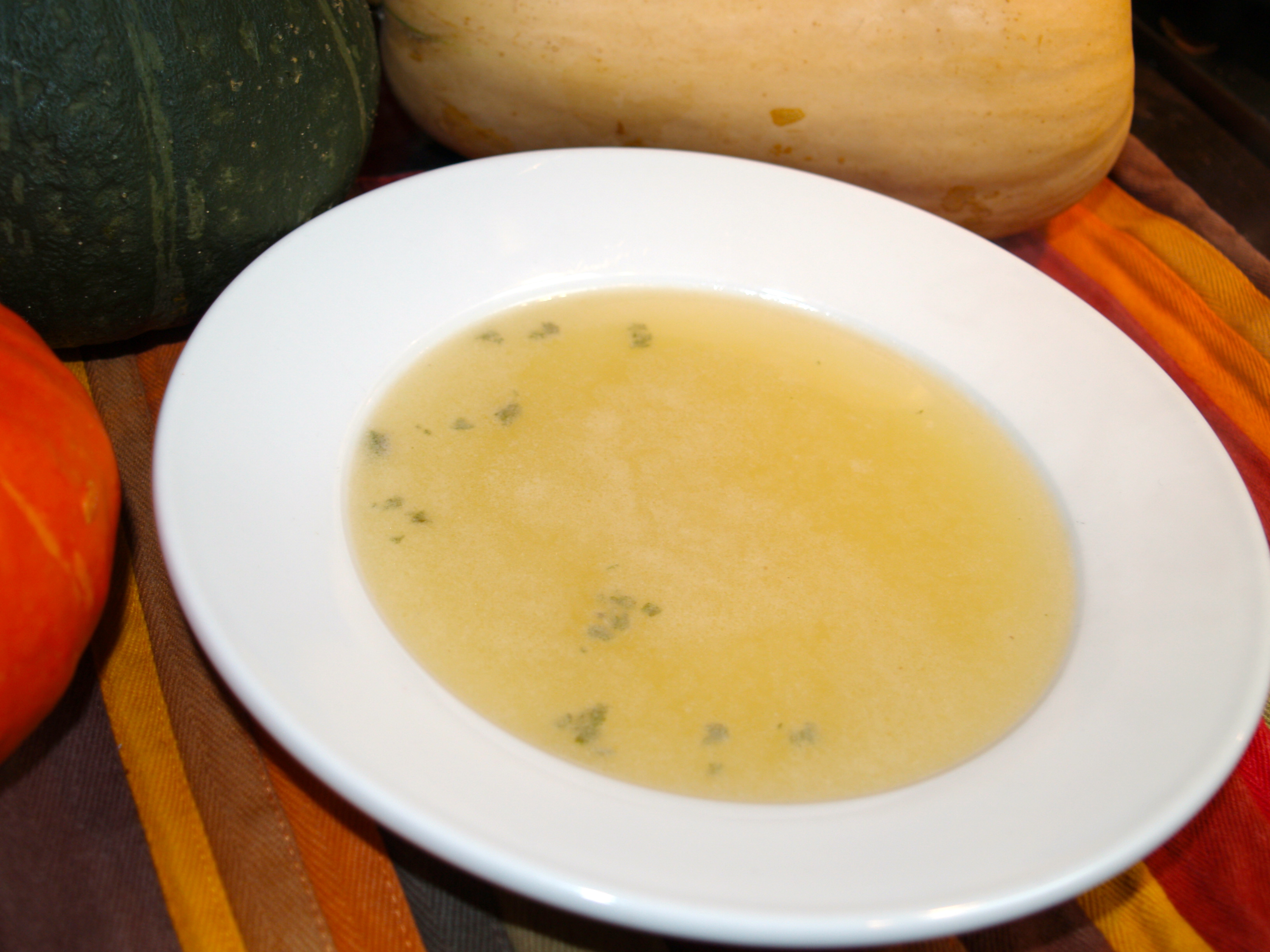
Nourishing Broth Recipes:
additional resources:
Broth is Beautiful by Sally Fallon
Why Broth is Beautiful: Essential Roles for Proline, Glycine and Gelatin by Kaayla T. Daniel, PhD, CCN
Gelatin in Nutrition and Medicine by N.R. Gotthoffer
Proline Amino Acid Benefits LiveStrong




 gladsomelife.com