the task of the Church

The first and greatest task of the Church in our modern culture is just to be the Church.

Really be the Church in the fullness of all that this means.

We do not exist to prop up the claims of the state or the claims of the culture. We don’t exist in order to make the world a better place…

The modern challenge is the ancient challenge and that is to be an ancient Christian in the midst of a modern world : to live in union with God in small little and humble ways, moment by moment : loving : forgiving : lending : sharing and keeping Jesus’ commandments and it’s gonna work out. It’s gonna be fine.

That is what Pascha means. We can live like this because God has raised Jesus from the dead. I freely give you all things.

Christ is Risen.

Father Stephen Freeman excerpt taken from the video below. Watch it. It is worth your time.
Father Stephen Freeman : The Modern Challenge


the mystery of Orthodox Christianity

It is paramount that the utmost care be taken to preserve these precious and beautiful flowers that have budded forth from the Gospel of our Lord Jesus Christ and find their fullest manifestation within the cycle of services in the Church. It is imperative to understand that he who cares for the Liturgy and ministers unto the Lord takes care of the Lord Himself. It must be stated and emphasized that Orthodox Christian life is, by definition, a liturgical life. To fail to recognize this is to fail to find the key to the mystery of Orthodox Christianity.

Archimandrite Sergius (Bowyer)

Acquiring the Mind of Christ


a constant offering

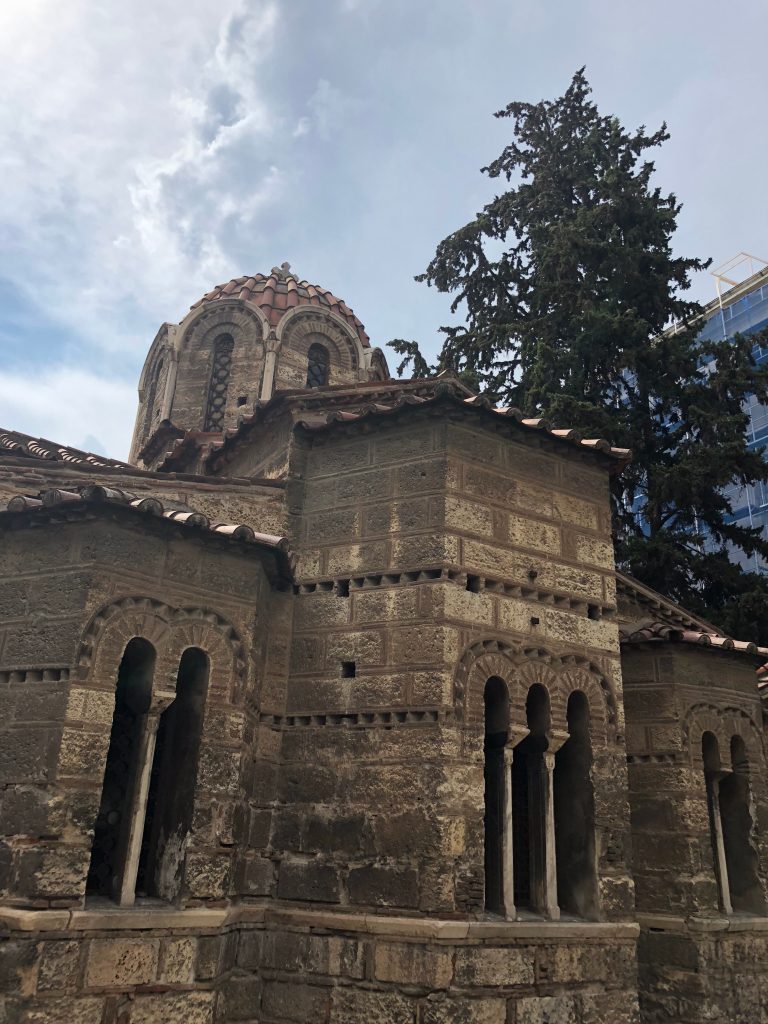
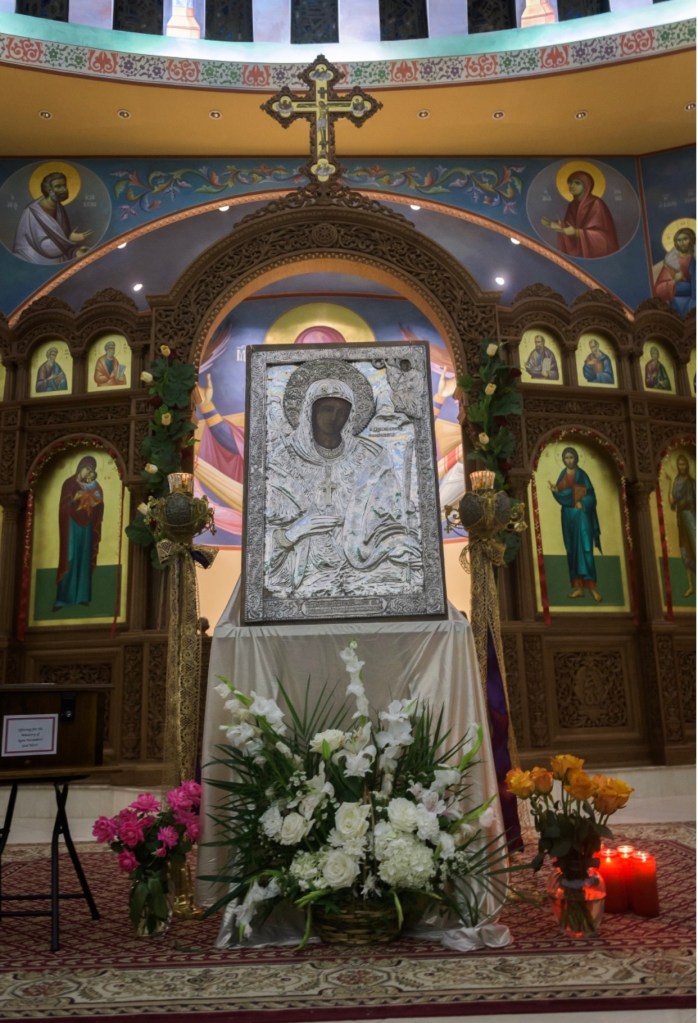
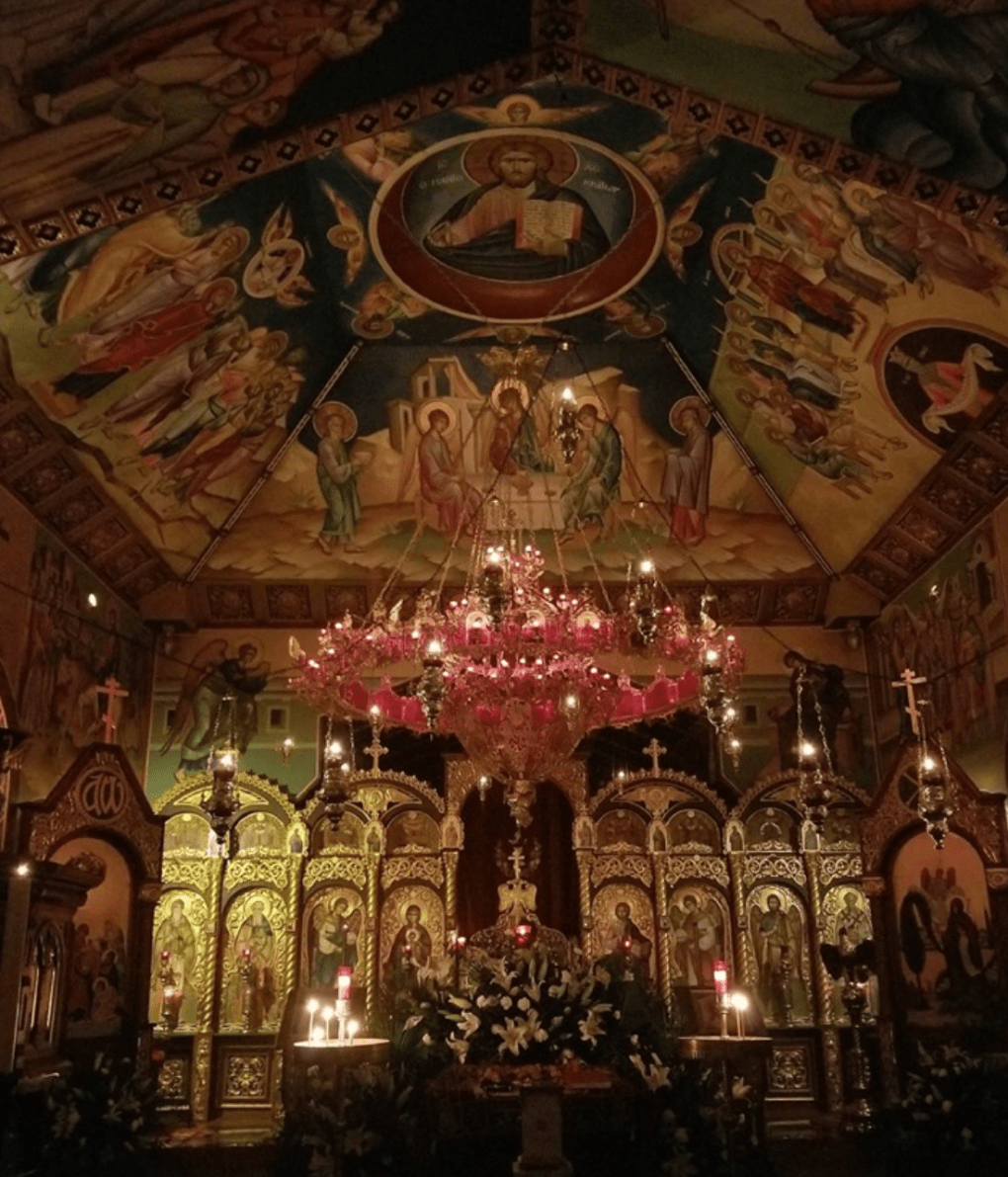
Church in Athens Greece

“We must always know and remember what it means to be Orthodox:  our whole life is to become a Liturgy, and Anaphora; a constant offering up of our talents, our time, our hearts and our world to Christ.  Our life can become a prayer, when we continually turn our hearts to Christ and His saints for help   For what is prayer, if not the turning of the heart to dialogue with God…”   

Archimandrite Sergius : Abbott of Saint Tikhon’s Monastery

Acquiring the Mind of Christ

Church of Saint Nicholas in Skopelos Greece

the power of words

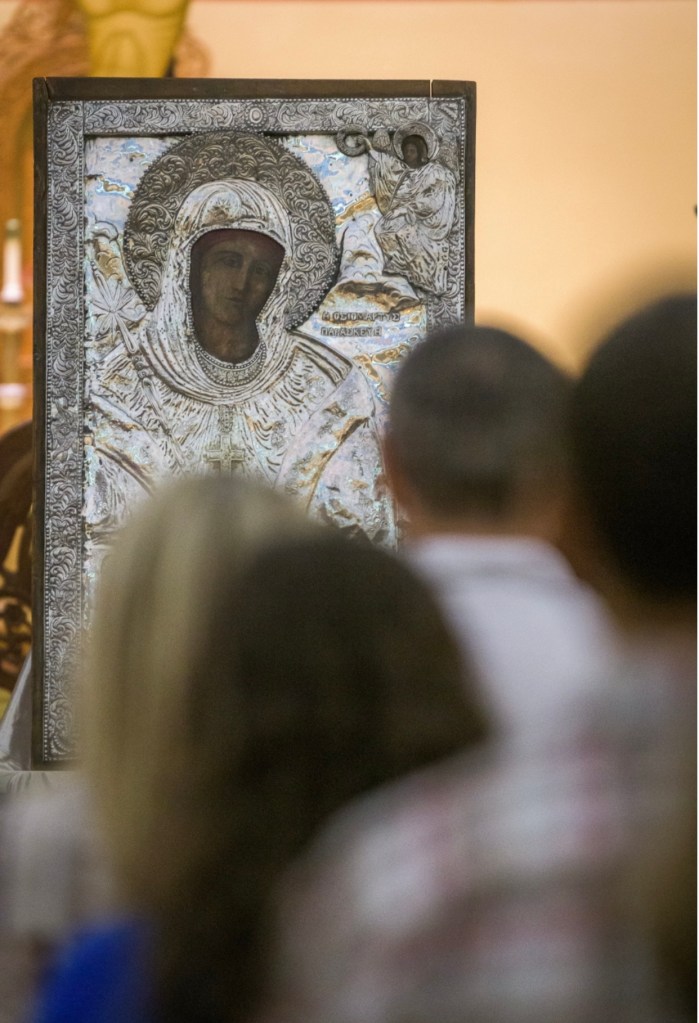
Saint Paraskeve icon of Kattavasia Rhodes
photo Credit Victor Lutes

How language first developed is a great mystery. What gave rise to the first words signifying the reality of God? Breath launched a meaning from the heart that passed across the vocal chords, like a violin bow. A friend of mine who is a psychiatrist and writer in Greece, Fr. Vasileios Thermos, translated a line from one of his poems. “Every word we speak is a translation from an ancient manuscript that has been lost.”

Words are magic, revelations. They do not belong to us, but pass through us and we pass through them, translating the experiences of our flesh into meaning and returning to us, changing us according to their power. It is said among the Hasidic Jews, “The Spirit seeks a body through speech.” As one of the oldest original languages in existence, there is speculation that the word for God’s name might originally have arisen out of recognition of the sacredness and mystery of the very act of breathing itself, like a whisper, a sigh, a recognition of bearing life with each breath. All living beings breathe. So it may have originally been derived from something like the in breath, (whispered) “Yaaaahhhhh… outbreath, Waaaaayyyyyy” (whispered).

Stephen Muse : Treasure in Earthen Vessels


as you treat the soul

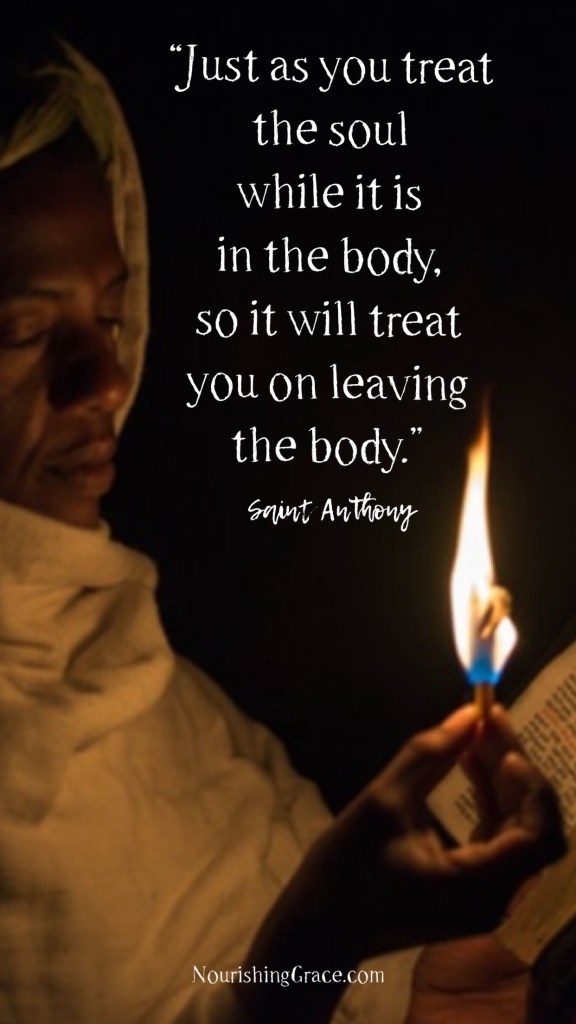
The relationship between soul and mind is formed over a lifetime by the nature of their interaction while in the body. St. Anthony makes an important and instructive observation. “Just as you treat the soul while it is in the body, so it will treat you on leaving the body.”

Stephen Muse : Treasure in Earthen Vessels

Through the lens of eternity :: this is needfully important


keeping watch

For us in the world living ordinary lives….. we too must discover stillness and watchfulness in the cave of the heart and learn to attend to what is heard in silence while living ordinary lives in the world as she did. Deep interior prayer is not something only for the monastics or for a hermit far off in the desert.

Stephen Muse

Treasure in Earthen Vessels


the altar of the heart {anaphora}

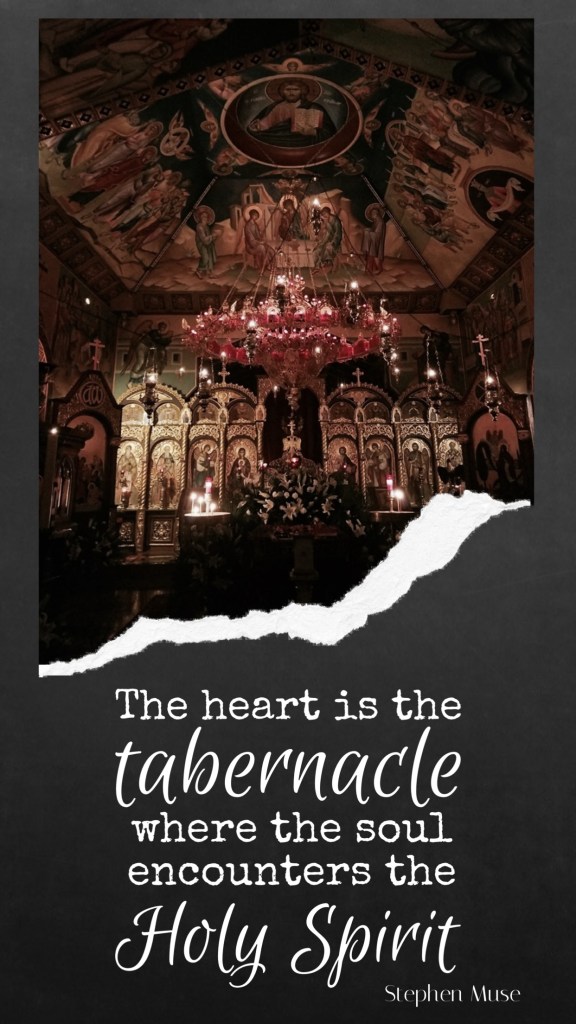
The heart is the tabernacle where the soul encounters the Holy Spirit. Jesus said, Where your treasure is, there will your heart be also.” The greatest potential of every human being is to fulfill our calling to be the royal priesthood, who become the meeting place of the created and uncreated worlds, lifting up the gifts of creation each moment from the later of the heart as the priest does in the anaphora of the Divine Liturgy.

Stephen Muse : Treasure in Earthen Vessels

“Thine own of Thine own, we offer unto Thee, on behalf of all and for all.”


all can be saved

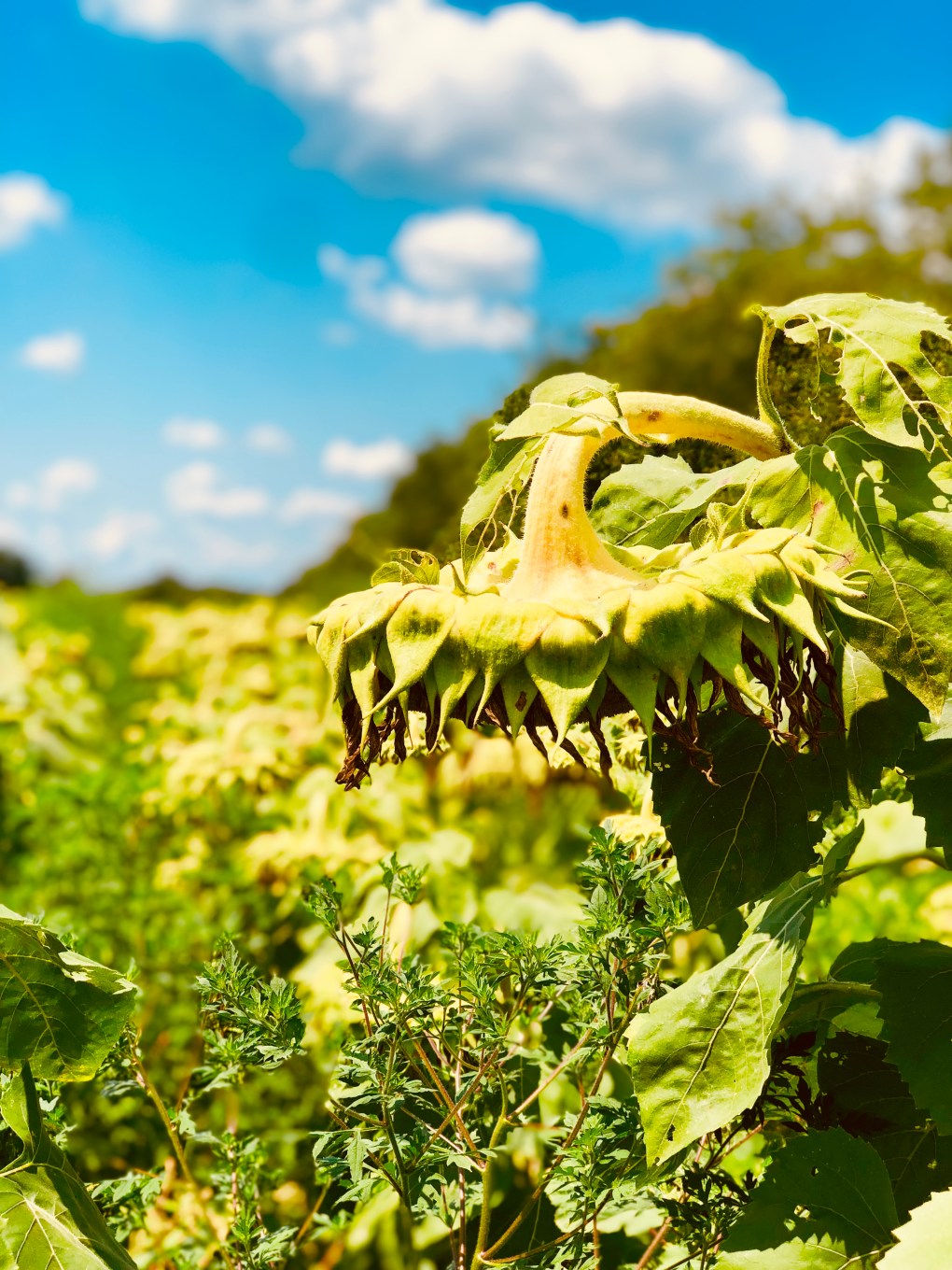
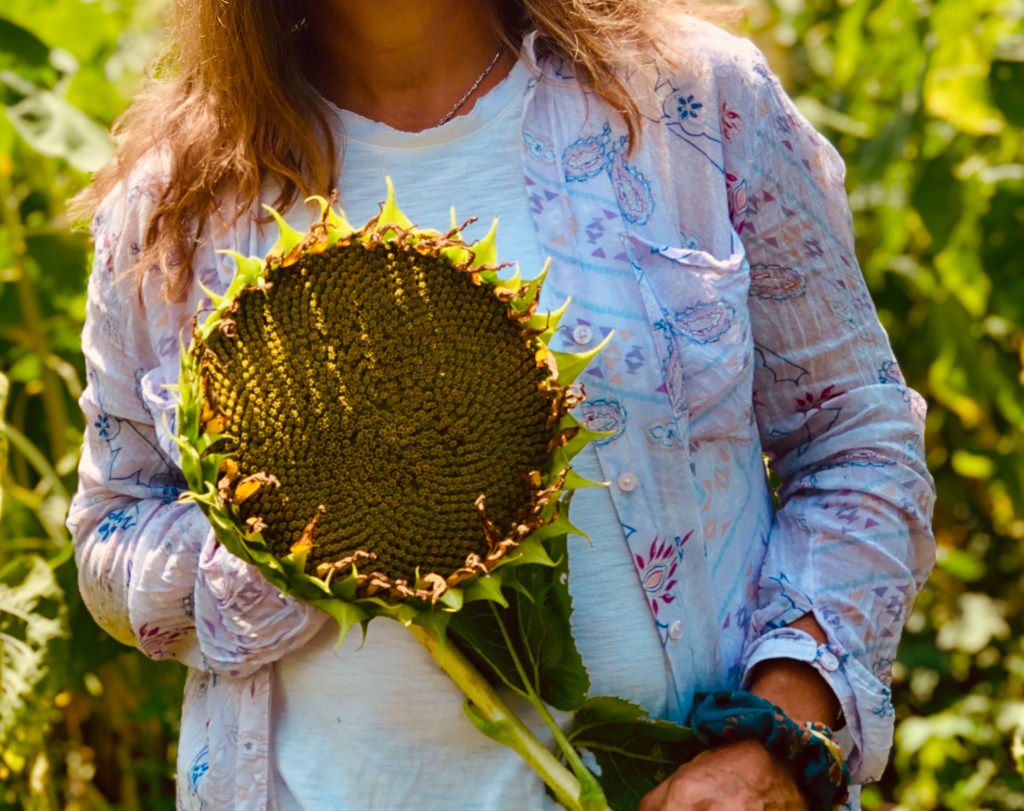
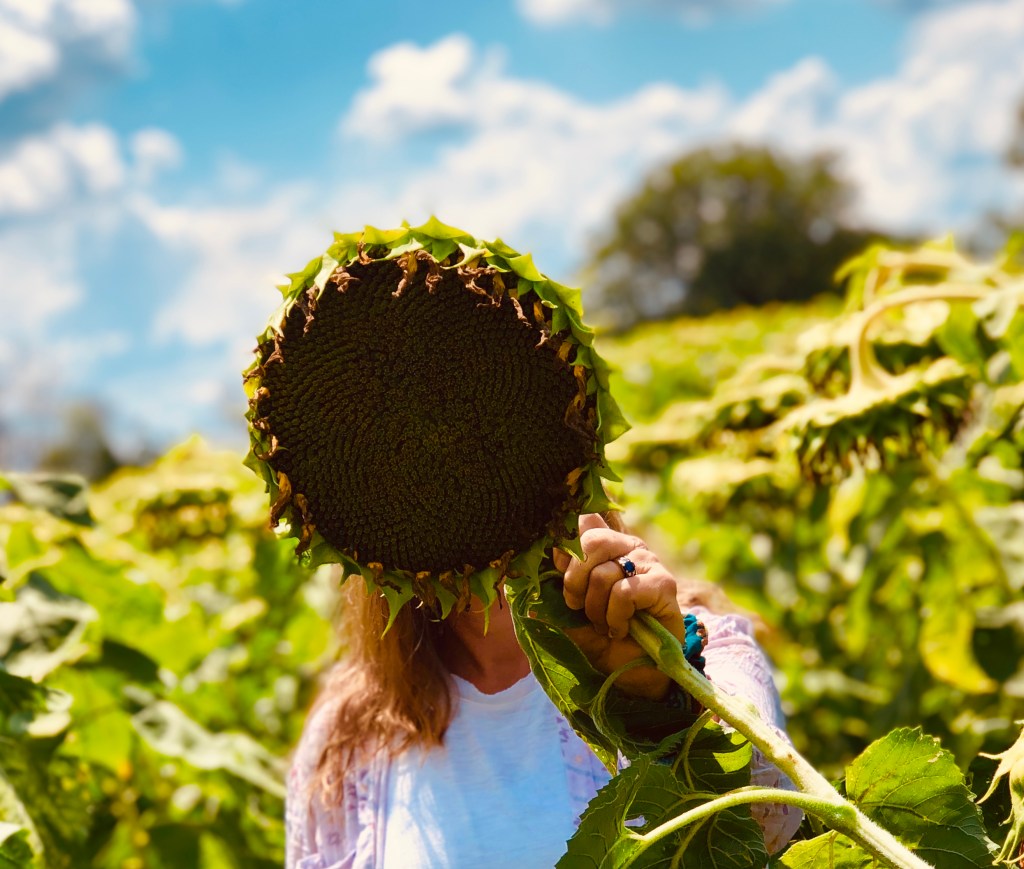
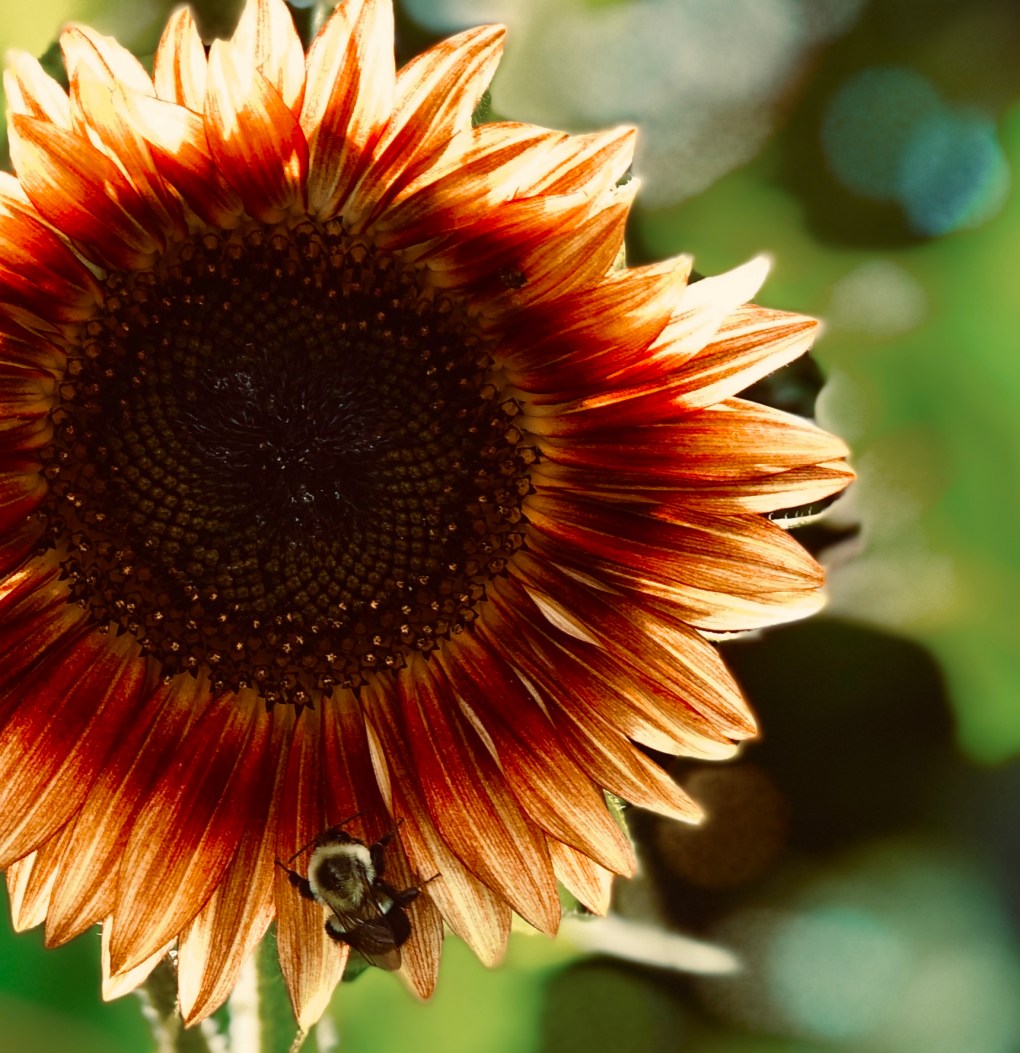
An afternoon in the sunflower field
my husband planted for me

Bending low to the ground in love, You have breathed into the dust and raised us up as living flesh, imprinted with Your Divine Image and the potential to become persons in Your likeness. It is a potential, not a guarantee… Achieving the likeness of God is a gift given in response to a long and arduous struggle in faith to obey in body, mind, and soul, the noetic illumination that Christ invisibly communicates to our hearts. Lest we despair of the difficulties faced along this way, St. John Climacus offers a consoling word. “Not everyone can achieve dispassion. But all can be saved and can be reconciled to God.”

Stephen Muse : Treasure in Earthen Vessels


eternal Eucharistic joy

The first Eucharist & the Last Supper

When the film of pride and the sleep of self-contentedness is wiped from the eye of my heart, I know I am but dust called by the Divine breath into life. Made in the Image of God, there is in me, the possibility of being born “from above” from beyond this world and entering into real life. Eternal life is a gift and a potential; never a certainty or a guarantee. God is ever offering Himself to us in hopes that we are willing to undergo the process of responding to the potentials that are opened up through Communion with Him. We cannot be saved without our consent. In Christ God has proposed marriage with humanity purely from love and waits for our response. We are unique creatures invited to taste the eternal Eucharistic joy of never being complete in and of ourselves alone, but only in response to breathing in the divine Grace and breathing out life and gratefulness beyond words. We are made for love and communion with God.

Treasure in Earthen Vessels

Stephen Muse


it is a liberation

It would be a mistake to think of the sacrifices of Lent in purely negative terms—in terms of struggle and deprivation. We are to think of Lent as liberation. Lent calls us to sacrifice many of those things which, while they tend to occupy such a central position in our lives, while they seem to us to be so important, are in reality things we can do without. Lent is thus the rediscovery of that which is most essential in our lives. In this rediscovery, we return to God and to the very meaning of life. Thus, having stripped ourselves of all that is petty and futile, having cast off the burdensome baggage of our worldly and often complex lifestyles, we can truly experience Lent as liberation and purification, as the necessary, fruitful, and wonderful journey to the joy of Pascha.

Father Alexander Schmemman