basic kombucha recipe

fresh glass of kombucha

fresh glass of kombucha

Kombucha has been brewed for thousands of years.  The first record of the mushroom tea dates back to 200 BC in China.  Over time and through the trade routes, kombucha eventually made it’s way to Russia and even to Europe.

The fermentation of the tea comes about by the interaction of the Mother or SCOBY (that’s a symbiotic colony of bacteria and yeasts) which feeds on the sugars, producing many beneficial by-products.  During the fermentation process, the SCOBY floats on top of the sweet tea.  When the brewing is complete, you will have a delicious drink that is full of enzymes, antioxidants,  vitamin B, probiotics,  acetic acid and lactic acid.  The combination of these components help strengthen the body by helping keep intestinal flora balances,  strengthening the immune system and protecting cells.

In the 1960’s studies in Switzerland confirmed that kombucha contains many antimicrobial immunity boosting and anti-bacterial properties.

[box]

Benefits of Kombucha

Alkalization of the body

Detoxification of the liver

Introduction of probiotics

Improved digestion

Antioxidant properites

[/box]

Scientists noticed kombucha again in the 1980’s after the Chernobyl nuclear plant meltdown in Russia.  While many people suffered the debilitating effects of radiation poisoning, doctors observed that a specific group of people were not suffering “as bad” as the others had been.  These were mostly elderly women and it was concluded that they had been drinking kombucha daily for many many years.  This finding only added to the opinion that kombucha was a healthy drink, which added strength to the body and more resilient to toxins and pollutants.


One thing is certain – kombucha is not your average soft-drink.

For my family, I am simply a fan of anything that is simple, easy and has stood the test of time.  The fact of the matter is, the scientific method was not employed in 200BC to determine which strains of yeast and bacteria were present the the SCOBY or the kombucha – but people knew it was beneficial for them.

We brew our own for economic reasons… it’s a lot more affordable to brew your own if you drink it daily.

With that, here is a great recipe to begin your own kombucha brewing.  We use large mason jars for ours but there are even some extraordinarily beautiful kombucha crocks that bring a little art and beauty to the whole process.

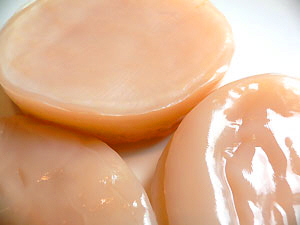
Symbiotic Colony of Bacteria and Yeast - SCOBY

Symbiotic Colony of Bacteria and Yeast – SCOBY

[box]

Basic Kombucha Recipe

6 teabags OR 4 to 6 teaspoons organic loose black tea (such as caffeinated oolong, green, or a combination)

3-1/2 quarts filtered water

1 cup raw honey, sucanat, muscavado or raw cane sugar

8 ounces finished plain kombucha from a previous batch to jump-start this batch (optional)

1 SCOBY

1. Place the loose tea in a muslin tea bag or place tea bags in sauce pan.  Add water  bring to a boil over medium heat. Take off the heat and steep for 30 minutes. Add the honey or raw sugar.  Remove the tea bag and squeeze out any tea. Cool to 98 ° F. Add the finished plain kombucha, if using.

2. Place contents in clean brewing container with SCOBY.  Cover container with cheesecloth and secure with a rubber band.  Store in a warm dark location.

3.  After 5 days, give the kombucha a taste.  If you desire a more sour flavor keep tasting every day until it reaches the desired flavor.

4. At this point you will want to brew more sweet tea.

5. Remove all than about 8-10 ounces of kombucha.

6. Begin the process again.

7.  You can now add flavorings to your kombucha for an additional fizzy ferment, or enjoy it as is!

[/box]

The best way to get started brewing your own kombucha is either to get a SCOBY from a friend (they get thicker and thicker with each ferment, so it is very easy to peel some off and share with a friend!)  Alternatively, if you are the pioneer among your friends, then fear not – there are kits available to get you started on your way!


Kombucha brewing supplies

Lion Heart Kombucha

Kombucha Kamp

Beautiful Kombucha and Fermenting Crocks

Additional Reading:

Edwards, Allison Kombucha: Drink this Wonderful Probiotic Tea for Immune Support, Digestive Health, and Detox Cleansing

http://www.kombuchakamp.com/2011/03/kombucha-tea-radiation-prevention-and-cancer-treatments.html


On the Ferment – the amazing health benefits of fermented foods

“Monastic cookery, as it has been practiced through the centuries, is cherished for its emphasis on simplicity, wholesome frugality, basic good taste, and the seasonal rhythms of the ingredients used.

Monastic kitchens always strive for a healthy and balanced diet, fully aware from past experience that the monk and the nun must be properly nourished to serve God well.

The human body is the temple of God, and its dietary needs must be respected.”  Victor-Antoine d’Avila-Latourrette

Ferments, in all their glory and wonder, are an amazingly simple way to boost the nourishment of vegetables, boost immune function and honor our body’s dietary needs.  They are a staple in the pantry stocked for ease of meals and vibrant health.  It seems strange to us that people from earlier generations knew how to extend the edible life of their vegetables without the use of freezers or pasteurization.  But, throughout the ages, people around the world, without any awareness of the scientific principles involved, utilized and prized fermented foods.

One of the benefits of fermentation are the formation of probiotics.  These are friendly tiny little micro-organisms that promote digestive wellness.  These healthy communities of beneficial microflora and bacteria in our gut have an intensely positive impact on our overall health.

Most people these days are aware that 80% of our immune system resides in the gut BUT did you know that the vast majority of the DNA in you does not even belong to you!  It’s a pretty amazing fact that

You have ten times more bacteria in your gut than you have cells in your body.  And those bacteria comprise 99 percent of the DNA in your body.  If only 1 percent of our DNA is human, and 99 percent is alien, you have to ask the question, who hosts whom??  These bacteria are called your microbiota…  The microbiota function much like an organ, and they act as a major part of the immune system.  They protect us from microbial and parasitic diseases… and contribute to our rate of aging.  (Lipski, 2012)

In that light, it’s clear that we were designed to live in symbiotic harmony with these bacteria.  Yet, modern advances – while wonderful in many respects – have led to an age where antibiotics, stress, over consumption of refined processed foods, alcohol, and over the counter prescriptions easily disrupt the delicate balance of of our digestive biome.  As a result, we are the first generation needing to consider how to refortify our diets with these helpful organisms!

There is still so much to be known about this remarkable ecosystem within us – but, thus far, we have learned a lot!  Did you know that:

  • Probiotics maintain the integrity of the intestinal tract. Each different probiotic has specific effects on the human digestive system and is able to compete with disease causing bacteria. Thriving microflora in your gut actually fights for your very health and survival!! Think about that for a minute!

  • Certain probiotics secrete large amounts of acetic, formic and lactic acid, which makes the intestinal environment inhospitable to invading microbes and helps prevent or lessen the severity of food poisoning.

  • Probiotics manufacture vitamins B1, B2, B3, B5, B6, B12 and K

  • Probiotics aid in the digestion of lactose and dairy products and digest proteins.

  • Probiotics increase the absorption of minerals.

  • Probiotics reduce intestinal inflammation.

  • Probiotics balance intestinal pH.

  • Probiotics improve or prevent irritable bowel syndrome.

  • Probiotics prevent and treat diarrhea from antibiotics and traveling.

  • Probiotics manufacture essential fatty acids and short chain fatty acids. These fatty acids actually feed the cells of the colon and optimize the colon’s pH for improved or optimal colon health!

  • Probiotics prevent and control vaginal yeast infection, thrush and bladder infection.

The list above is just a partial highlight of the amazing things that go on inside you when you eat simply and well!  It’s clear that intestinal microbes play a vital and front line role in our immune defenses.  Because they only reproduce in our digestive system for a few weeks before being eliminated – probiotic rich foods are a staple of a well balanced diet.


Properly prepared ferments add probiotics in the trillions per spoonful, with an efficacy far superior (and cost effective) to probiotics in tablet form.


When selecting your foods, keep in mind, variety is the spice of life.  If the only fermented food you eat is yogurt, you are missing out on all of the anti-inflammatory benefits of foods like sauerkraut, kimchee, kefir, brined pickles & olives, and various slaws.

Each different ferment provides a variety of bacteria and the different vegetables all bring their unique health properties to the table.


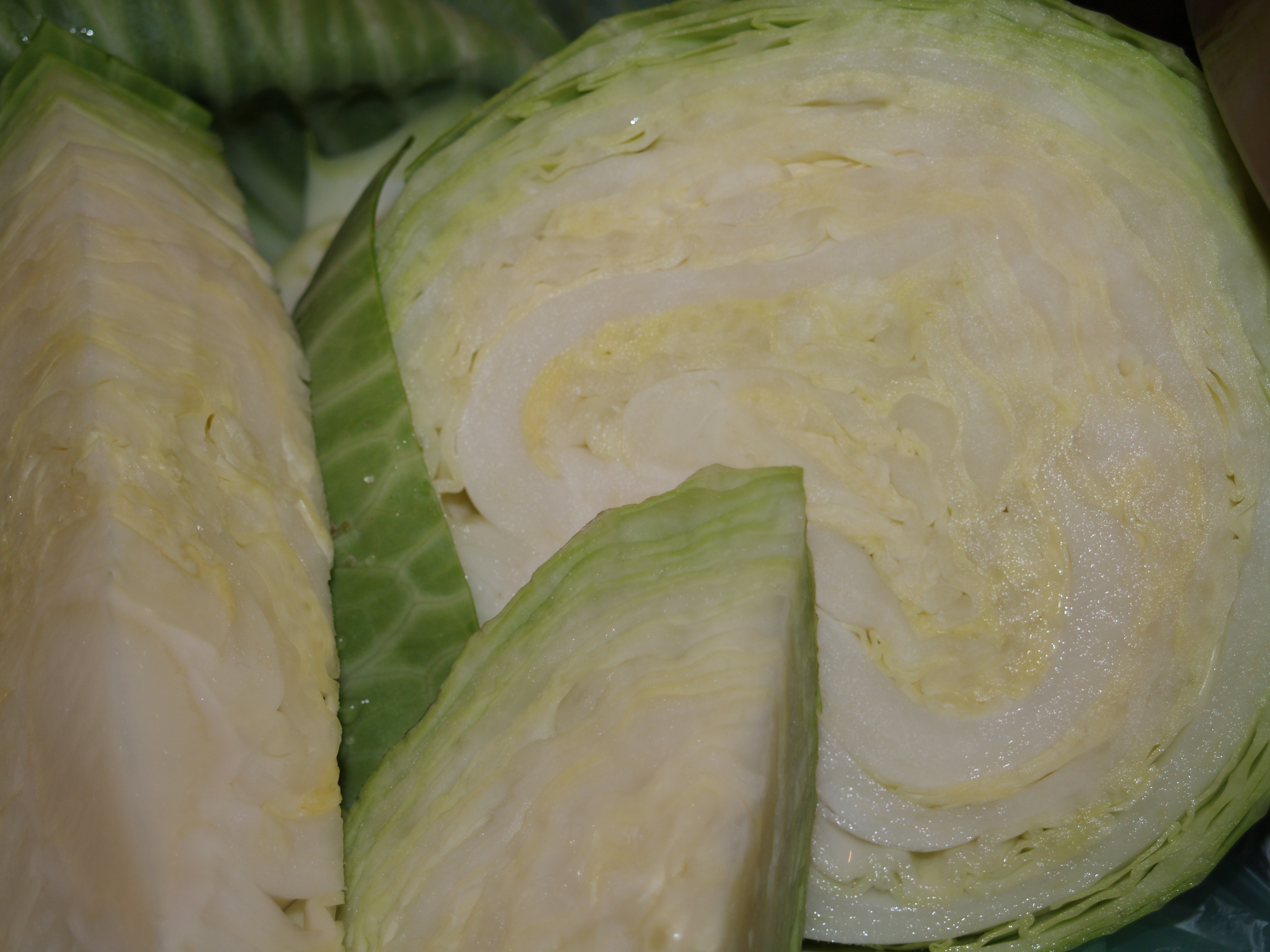
Local Seasonal Cabbage

ready for duty!


New to ferments?  Wondering how to introduce them to your family?


Okay, I totally understand that!  If you have infants and toddlers, you are in the best situation.  Little ones tend to accept new flavors readily.  We started later on the journey, with some pretty opinionated tastebuds and peer pressures.  So what was helpful was to keep in mind that a little goes a long way.  It’s really not necessary to eat a lot.  Just a tablespoon as part of each meal yields wonderful health benefits!  Build up from there if you wish.

Taste buds vary among our kids and some enjoy ferments more than others.  Our oldest loves the sauerkraut and salsa.  She usually takes more than a spoonful at each meal.  The youngest isn’t the biggest fan and she gravitates toward gingered carrots, beets and pickles.  Any vegetable can be fermented – even green beens and asparagus.

A great friend of mine from Bulgaria, actually remembers her parents and grandparents fermenting all their summer vegetables because, during communism, there was not a year round supply to be found in stores during the winter.

I was in awe!


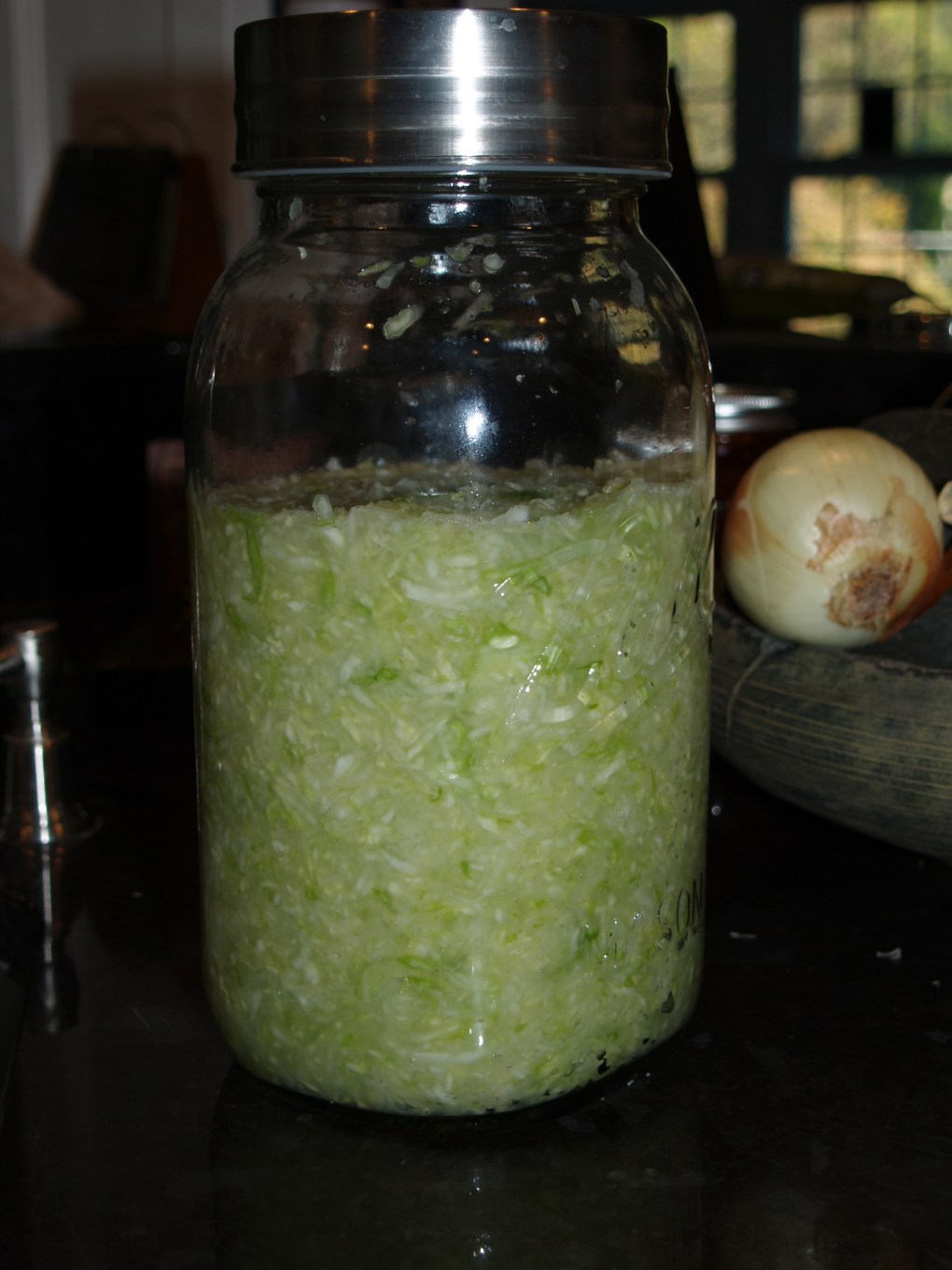
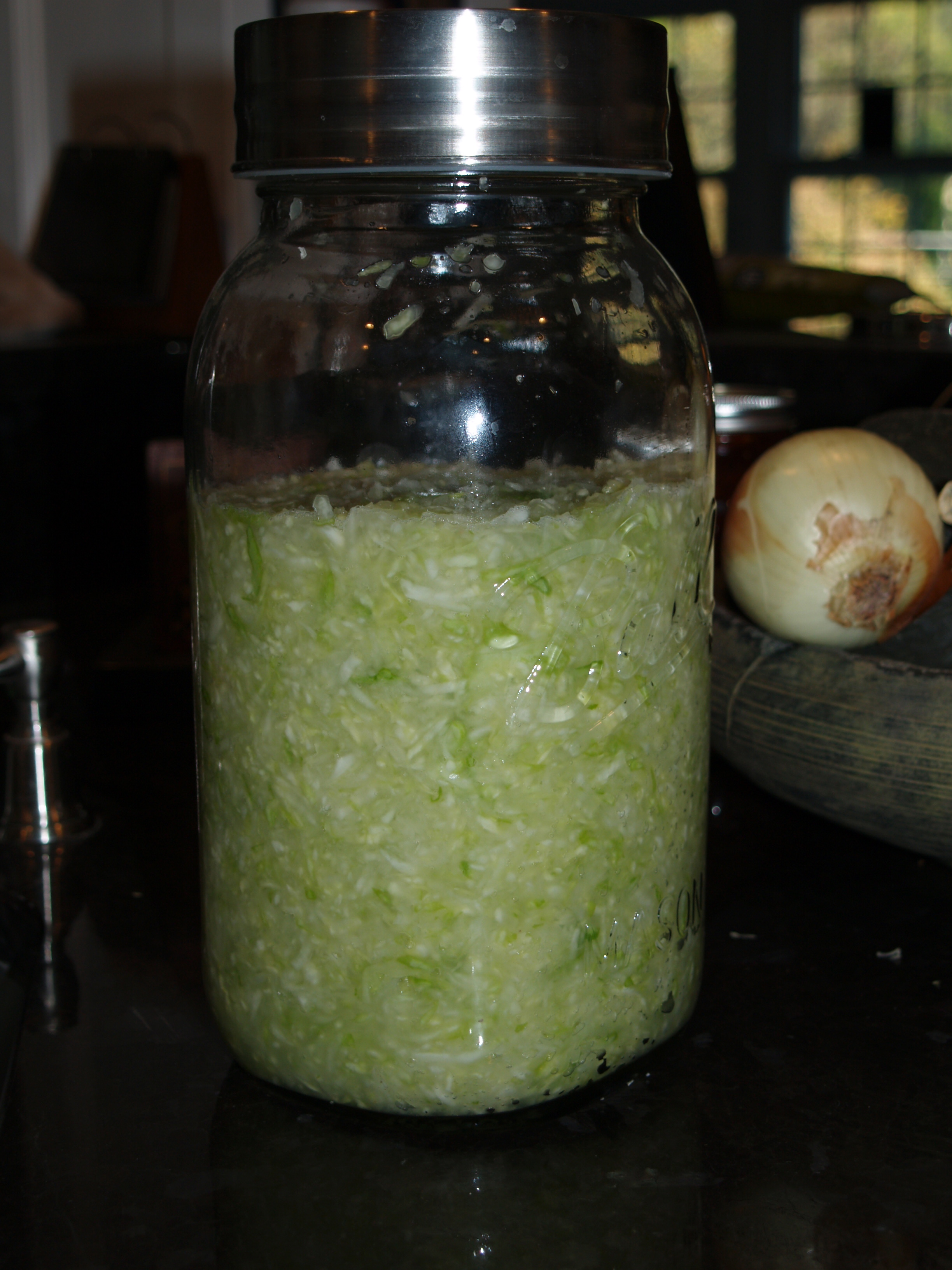
Sauerkraut on the Ferment

Sauerkraut on the Ferment!


Ferments have a self sufficient versatility – but at the same time, pair well with a variety of dishes.  Fermenting your own vegetables is an artisanal delight that is flavorful, healthy and when made with your local harvest good for the planet too!


Why Food Matters

Improving Wellness with Holistic Nutrition

“Give the body discipline and you will see that the body is for Him who made it.”  

Amma Theodora – Sayings of the Desert Fathers

A holistic approach to nutrition focuses not only on a healthy diet, but considers that each person is unique, addressing them as a whole.  This includes emotional, and physical health.  In fact, the very word diet comes from the Greek word diata, which literally means “our manner of living”.

You can have the healthiest diet in the world but if you are not digesting and absorbing nutrients, it’s simply not nourishing you.  Holistic nutrition considers the stomach and digestive system the core of whole body health, because every system in the body relies upon it.

As Orthodox Christians we also believe that each person is unique, created in the image and likeness of God.  And…. we also believe that our spiritual life and health begins with our stomachs.  So, as we consider steps we can take to improve our health, let us first and foremost consider our Faith.  The Church gives us guidance, applicable throughout the ages, about the right role of food in our lives.  From an Orthodox perspective, “eating right, or eating well is also about eating for the right reasons”.

Our initial struggle must be to gain control of our stomachs… 

Food is to be taken in so far as it supports our life

(Father John Cassian – On Control of the Stomach – 4th century)


In other words, we should eat to live rather than live to eat!

So why is this generation so worried about diet and nutrition?  Some background is required.  While we might say “we are what we eat”,  there is a great irony that we, as a nation, eat quite poorly and deficiently.
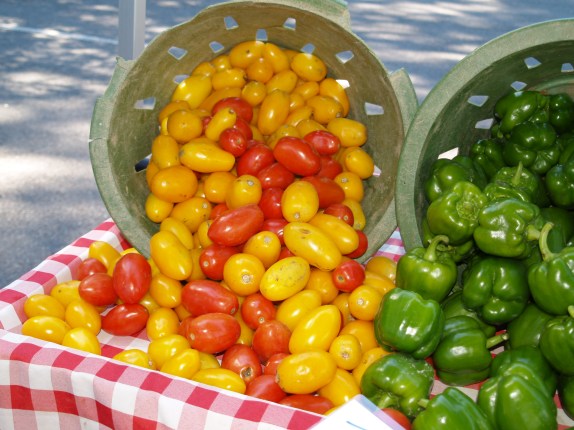
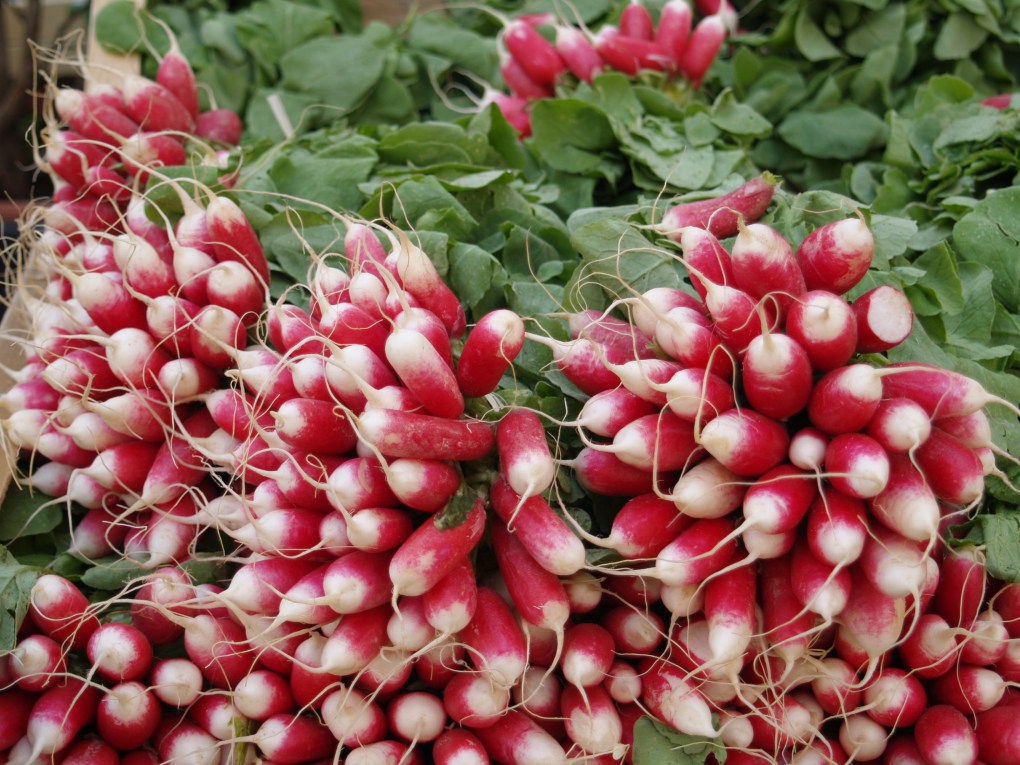
Oakton Farmers Market

How did we get in this situation?  For one thing, at no other time on the earth, have we been so disconnected from the sources of our food.  And from that perspective, it’s easy to be unaware of the the ill health of livestock within modern “industrial” animal husbandry, the unlabeled genetic modification of our seeds, and the pesticide and herbicide laden nature of our produce.

These issues, however, are worth our attention, because “we are what we eat”.  There is a complex and symbiotic relationship between the quality of our air, the health of our soil, the health of plants and animals, and our own health.

Nutritionally, we have traded in wisdom for knowledge and traditional foods for overly processed convenience foods.  Our ancestor’s cultural eating habits were determined by tradition and despite their varied ethnicities, their diets had one thing in common – they ate a whole foods diet, one that was local, seasonal and organic.

The last century has shown serious trends away from nourishing foods.  Now, there is much uncertainty about what even embodies a wholesome diet.  People are concerned, and justifiably so.
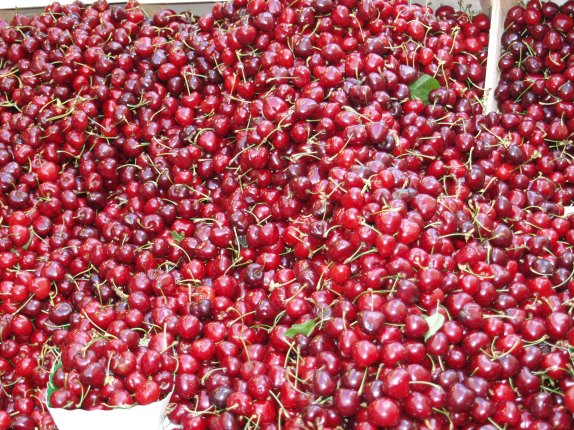
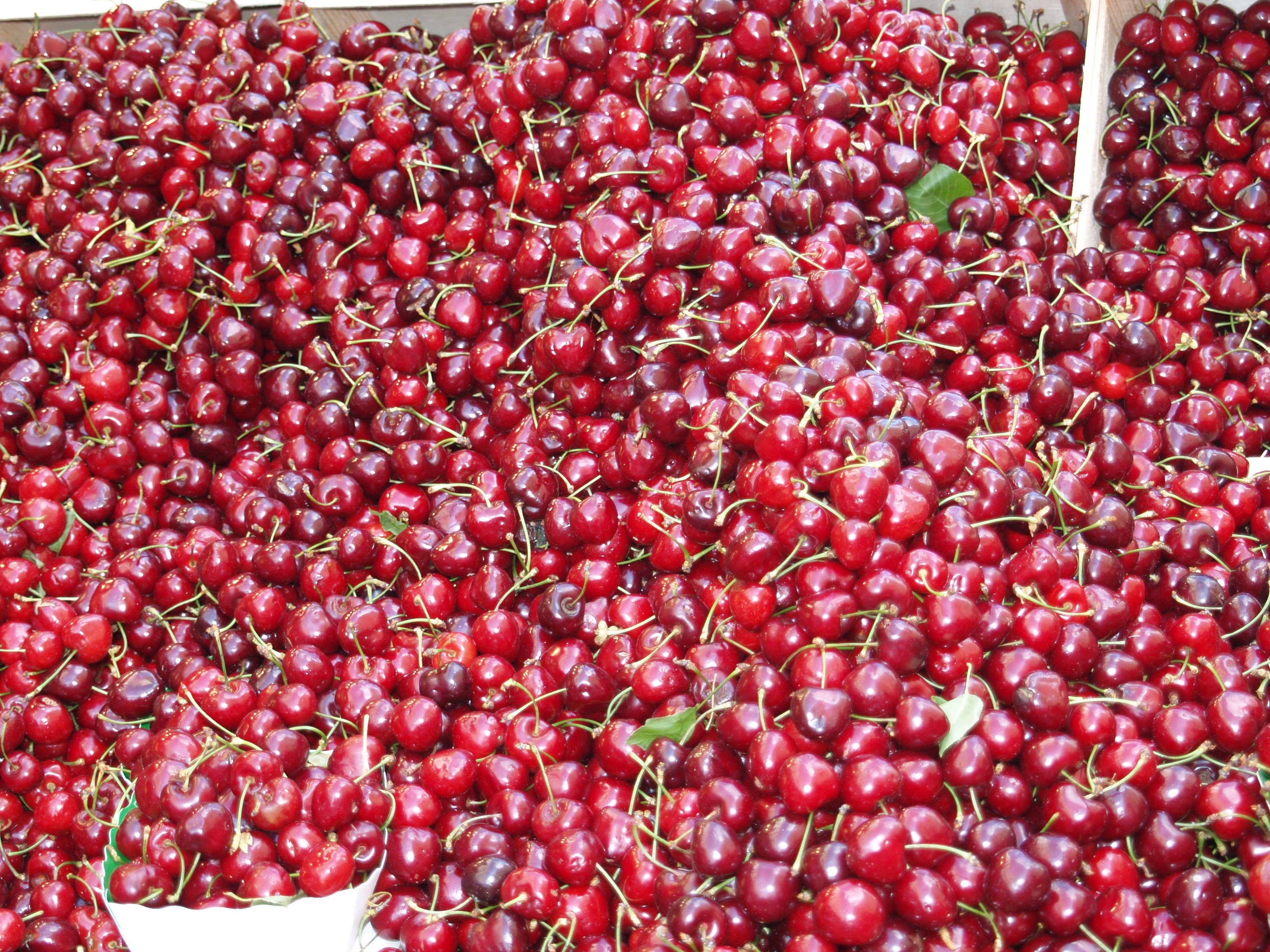
French Market Cherries

Humanity has an intimate relationship with food, for our food becomes our very bodies – flesh of our flesh and bone of our bone.   “Our genes make their day to day decisions based on the information they receive from the food we eat… in that sense, food is less like a fuel and more like a language conveying information… that information programs your genes, for better or worse.” (Shanahan MD,Catherine, 2011: p 7)

A calorie isn’t just a calorie and nutrient density and quality really do matter.  How you nourish yourself over the long run has either a negative or positive affect on your health.

We routinely eat ingredients in our foods which have been created in laboratories and are not even pronounceable, but how often do we question them?  The petroleum based preservative BHA, found in beer, butter and cereals, has been classified by the Department of Health and Human Services as  “reasonably anticipated to be a human carcinogen”.  Another is titanium dioxide found in your salad dressing, coffee creamers and icing… guess what – it’s also used in paints and sunscreens!

There are many processed things called “food”, but few that are worthy of keeping us vibrant and well!
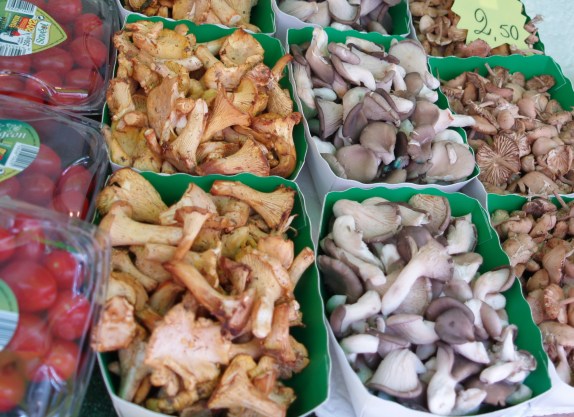
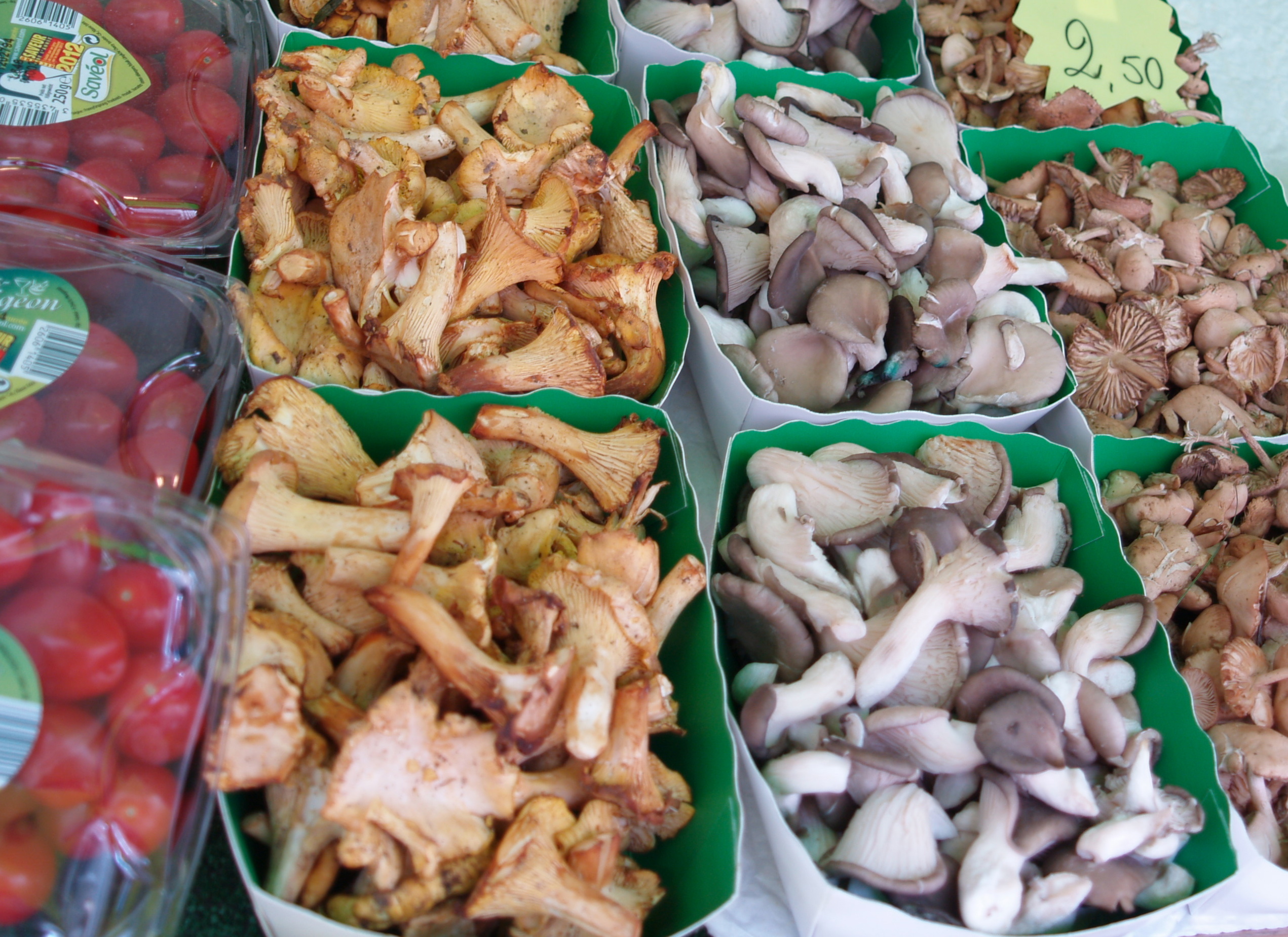
French Market Mushrooms

These are big issues, but the great news is that through education – organic foods, Slow Food and Buy Fresh Buy Local movements are popping up across the country and are very available.  People are learning about the wisdom and health benefits of traditional and ancestral food.  They are returning to Farmers Markets, buying shares in their local Community Supported Agriculture – CSA’sat heart,  connecting and investing, not only in their health, but also in their communities.

Even if you have really bad eating habits, it’s never too late to begin fresh again.  God created us with tremendous abilities to detoxify, heal, grow and regenerate!

Below are some easy steps you can incorporate over time to improve your overall wellness.   Remember –  healthy eating doesn’t mean eliminating the foods we love.  A healthy diet is about balance.  If 85% of our diet is healthy, then that baklava proves a guilt free pleasure!

And one last thing… as you begin steps toward wellness, embrace and enjoy the journey!  Don’t just eat healthy, eat well.  Take pleasure in your meals and dine with family and friends whenever possible… it’s just more delightful together!

Let’s eat to live and make every bite count ~ one morsel at a time!

[box] Make a Diversity of Whole and Plant Based Foods the foundation of your diet. That doesn’t mean you need to give up meat, but strive to make produce the foundation of your eating. Whole foods are those as close to their whole natural state as possible. They look like what they are like an apple or a carrot. Whole grains, and brown rice are also whole foods. They come perfectly packaged with the fiber and nutrients essential for their optimal absorption by our bodies. There is a synergy in the combination of nutrients found in each whole food, in other words, they are more effective in their whole food form.

Avoid refined and processed foods.  Reduce sugary snacks, sweets and sodas. Simply stated, refined and sugary foods are very depleting for the body. At the turn of the century, the average american consumed about 2 pounds of sugar per year; we now routinely consume upwards of 100 pounds per year. Last year 60 Minutes did a great expo titled “Is Sugar Toxic”.

Stay adequately hydrated! Good clean water is vital for life and involved in almost every function our bodies perform. Get at least 8 – 8 ounce servings/ day.

Exercise regularly. It reduces stress, increases circulation, releases those good feeling endorphins and promotes weight loss. Moderate your exercise to your ability.

Reduce and Manage Stress. Prayer, a positive outlook and exercise are most helpful in mitigating stress. Stress is a great challenge to our immune system, taxing nearly every organ in our body. It takes a high toll on health.

Add Probiotic rich foods to your diet: These foods are alive, and quite symbiotically, their life gives us life!  Probiotics work with our immune system to keep us healthy, but they need to be continually replenished. “Studies have shown that live-cultured foods containing probiotics help to prevent a whole range of allergic, autoimmune, and inflammatory diseases.” (Shanahan MD,Catherine, 2011:pp. 147-148) Click here for a list of probiotic rich foods.

Know thy fats! Essential fatty acids are an important part of a healthy diet and should be included. More about them can be found here and here. Also, learn more about the traditional fats which have nourished civilizations well.

Watch your portion sizes. Saint John of the Ladder sums it up well, “Master your stomach before it masters you.”[/box]


The ultimate goal is to Go organic, local and seasonal!  You can do it!  Buy free range -pastured meats, pastured eggs and dairy and produce as close to their source as possible.  Their nutrition is superior.  Looking for a farmers market near you?  Local Harvest has a nationwide list!

It’s taken our family over two years to dramatically change our diet and we have enjoyed the adventure and the journey ~  slowly making changes, one morsel at a time.

Above all, whatever your diata, keep the Feasting and Fasting cycles of the Church.  In her wisdom, she provides this rhythm for the nourishment of body and soul.  And in this life, our journey in Christ, through “prayer, daily Christian living, and worship, which ultimately lead to union with the divine uncreated Light” is the ultimate source of our wellness.


about the author

Victoria Cherpes is a wife, and homeschooling mother of three beautiful daughters and Sunday School teacher.  On their small urban family homestead, they enjoy tending their Victory Garden full of lettuces, berries and vegetables, weeds and bugs; raising figs for the local market and amateur beekeeping.  

She is currently pursuing her Master’s Degree in Holistic Nutrition at Hawthorn University and is a student member of the National Association of Nutrition Professionals (NANP).

If you have any questions, you can reach her at nourishinggrace@yahoo.com


[box] Sources:

Shanahan MD, Catherine (2011-04-22). Deep Nutrition: Why Your Genes Need Traditional Food. Big Box Books. Kindle Edition.

Ballentine M.D., Rudolph (2007-01-25). Diet and Nutrition: A Holistic Approach. National Book Network – A. Kindle Edition

Lipski PhD, Elizabeth (2012). Digestive Wellness: Strengthen the Immune System and Prevent Disease Through Healthy Digestion (4th Edition)

Mandell, Catherine (2005) When You Fast: Recipes for Lenten Seasons

Ward, Benedicta (1975). Sayings of the Desert Fathers. (http://www.scribd.com/doc/75385925/Apoftegma Fallon, Sally (2001).

Nourishing Traditions: The Cookbook That Challenges Politically Correct Nutrition and the Diet Dictocrats. (2nd ed)

http://www.nj.goarch.org/resources/spirituality.htm%5B/box%5D


This article was original posted at Orthodoxmom.com and has been slightly revised.