tsoureki & nutella {the many uses of tsoureki}

Praise the Lord, Who preserved the children in the flame of fire of the burning furnace and came down to them in the form of an Angel, and supremely exalt him to the ages

Ode Eight : Heirmos Sunday of Thomas Matins

Christ is Risen!! Truly He is Risen!!

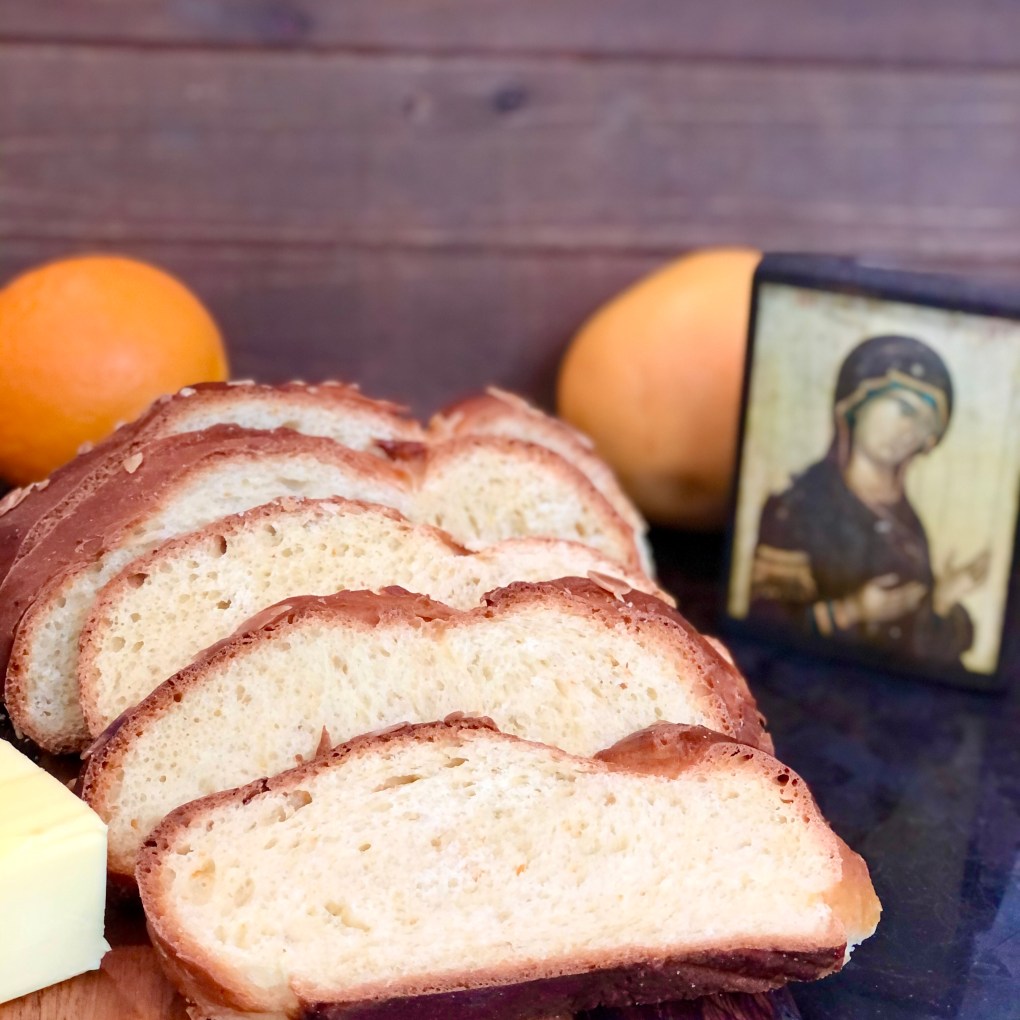
We are still working our way through our last loaf of Tsoureki (recipe here) . We stashed our last loaf in the freezer and will enjoy it at the end of the summer. It’s a tradition we began a few years ago when we found a loaf in the freezer at the end of the summer. We were so happy to find it that we do it every year now 😊

Read More

Tsoureki French Toast {the many uses of tsoureki}

If one can live in the world and yet not mix with it – just as the oil and water do not mix in the oil-lamp – then he can live in God. He is in this world but not of this world.

Mother Gavrilia

Christ is Risen!! Truly He is Risen!!

Each year we bake enough Tsoureki (Greek Easter Bread) for our feast and friends. We also always try to have enough leftover to enjoy in the coming weeks. In my next few posts I will share some of the ways we love to enjoy it! If you have never made Greek Easter Bread you can find the recipe here and a video tutorial here.

Over the years I have found many fun ways to eat our leftover loaves. This week and next I will share them with you! Today we had Tsoureki French Toast for breakfast! It’s super versatile and that citrus flavor stands up to cooking, nicely. I hope you Enjoy!!

Read More

Lenten panang curry sweet potato soup

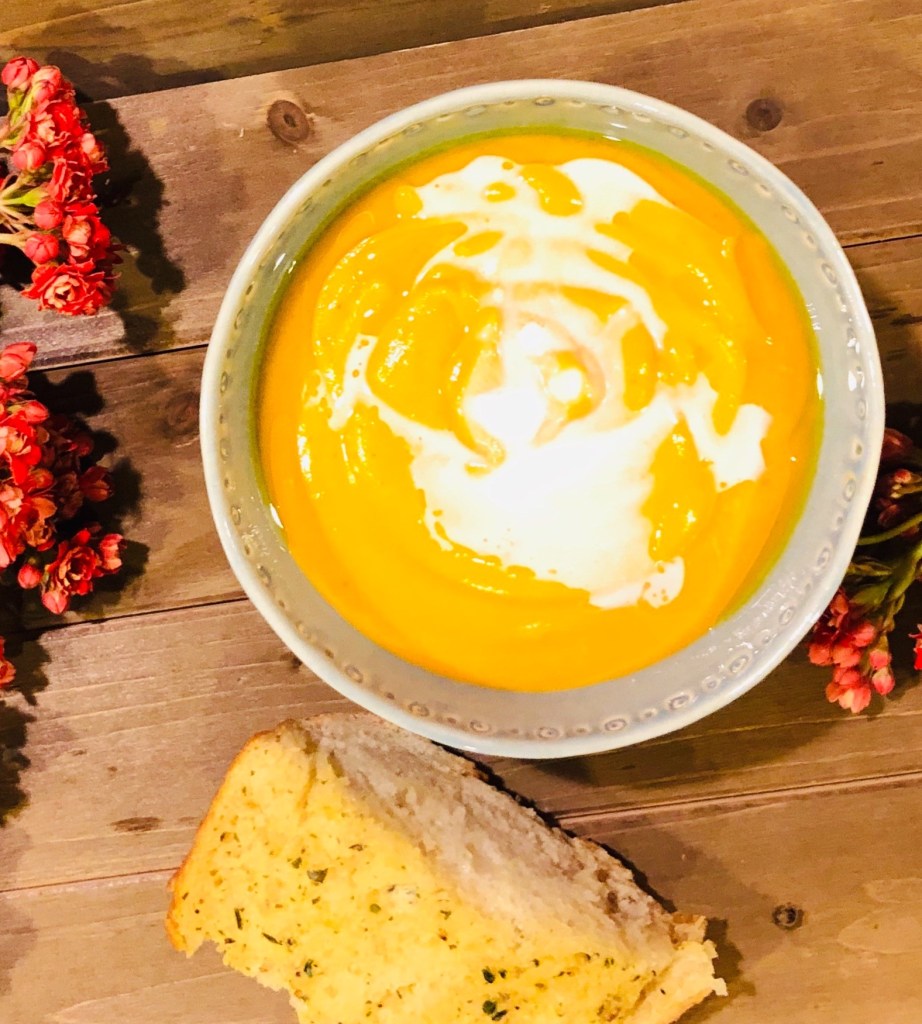
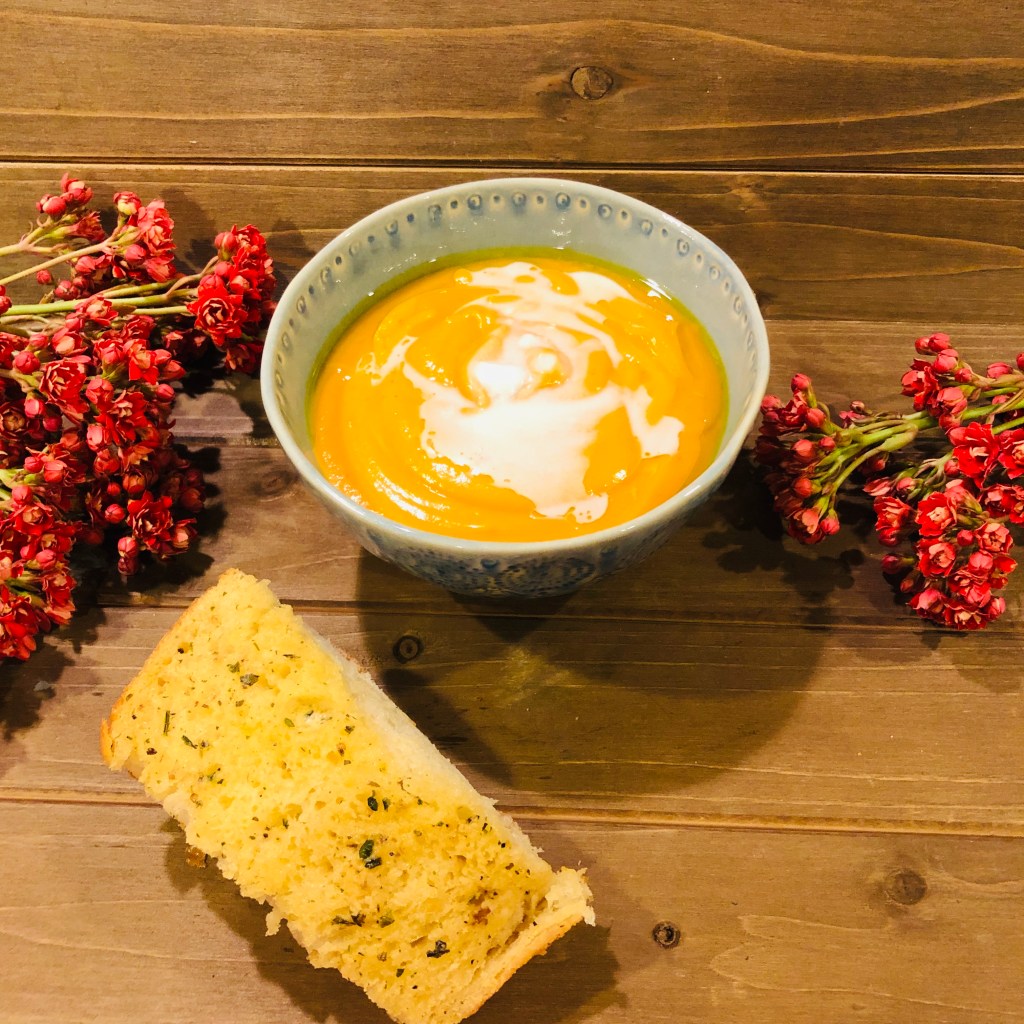
Lenten sweet potato curry soup

If we want Jesus to dwell in our heart, let us love and humble ourselves like Christ.

Elder Ephraim : Counsels from the Holy Mountain

This Panang Curry soup was borne out of no idea of what to make for dinner, and of a well stocked pantry. It’s very simple and just a handful of ingredients. Most people think because of my background in nutrition that I have always got a meal plan for the coming week. That’s not always the case (would that it were!). Often I am overcome by events – especially with homeschooling and just life in general with teenagers. What can I say.

But one thing I do well is clean out the temptations of a non- Lenten pantry and fill in its place lots of Lenten staples. This allows us to throw a Lenten dinner together in a pinch and that’s usually where I have found myself these last few years – in a pinch to throw dinner together.

Last nights soup was so delicious – I had to share. And all with just five ingredients.

Lenten Panang Curry Coconut Sweet Potato Soup

Ingredients

  • 3 sweet potatoes
  • 2 cans coconut milk
  • Panang curry paste – like maessri panang curry paste (it’s worth ordering online if you do not have a Thai market near you
  • salt
  • water to achieve desired consistency

Preparation

  • Wrap sweet potatoes in foil and place in a preheated 350F oven. Bake until tender. About 1 hour
  • remove sweet potatoes from foil, cut in half and scoop out sweet potato meat
  • place in a sauce pan and add all but two tablespoons of coconut milk
  • using an electric beater or electric blending wand blend sweet potato and coconut milk.
  • Add 1-2 tablespoons of curry paste. Blend again. You are looking for a silky smooth consistency.
  • add 1 /2 cup water or enough to achieve desired thickness
  • Simmerer until hot. Add salt to taste. Drizzle with remaining coconut milk and serve.

Wishing you every blessing this Lent!

A few notes about curry paste: the supermarket has many brands like A Taste of Thai and others. These fine curry pastes but they lack the intensity and depth of flavor of curry pastes that you will find in an Asian market. I find when I use supermarket brands I need to add A LOT more paste to get the flavor.

A few thoughts about preparing fasting foods: Especially with Lenten food, my kids always tell me they want to eat foods that are meant to be Lenten, rather than fake hamburgers and fake hot dogs… not that we don’t eat those occasionally, its just that they leave us craving real hamburgers and real hot dogs… so I try to make our food taste flavorful and good. Quality spices make a big difference. What I have found in visiting monasteries is their Lenten cuisine is very delicious and so it’s alright to make our foods at home delicious too. Its our offering to our families, nourishing them and blessing them with a good meal.


onions

β€œThe onion and its satin wrappings is among the most beautiful of vegetables and is the only one that represents the essence of things.   It can be said to have a soul.”

Charles Dudley Warner – β€˜My Summer in a Garden’ (1871)

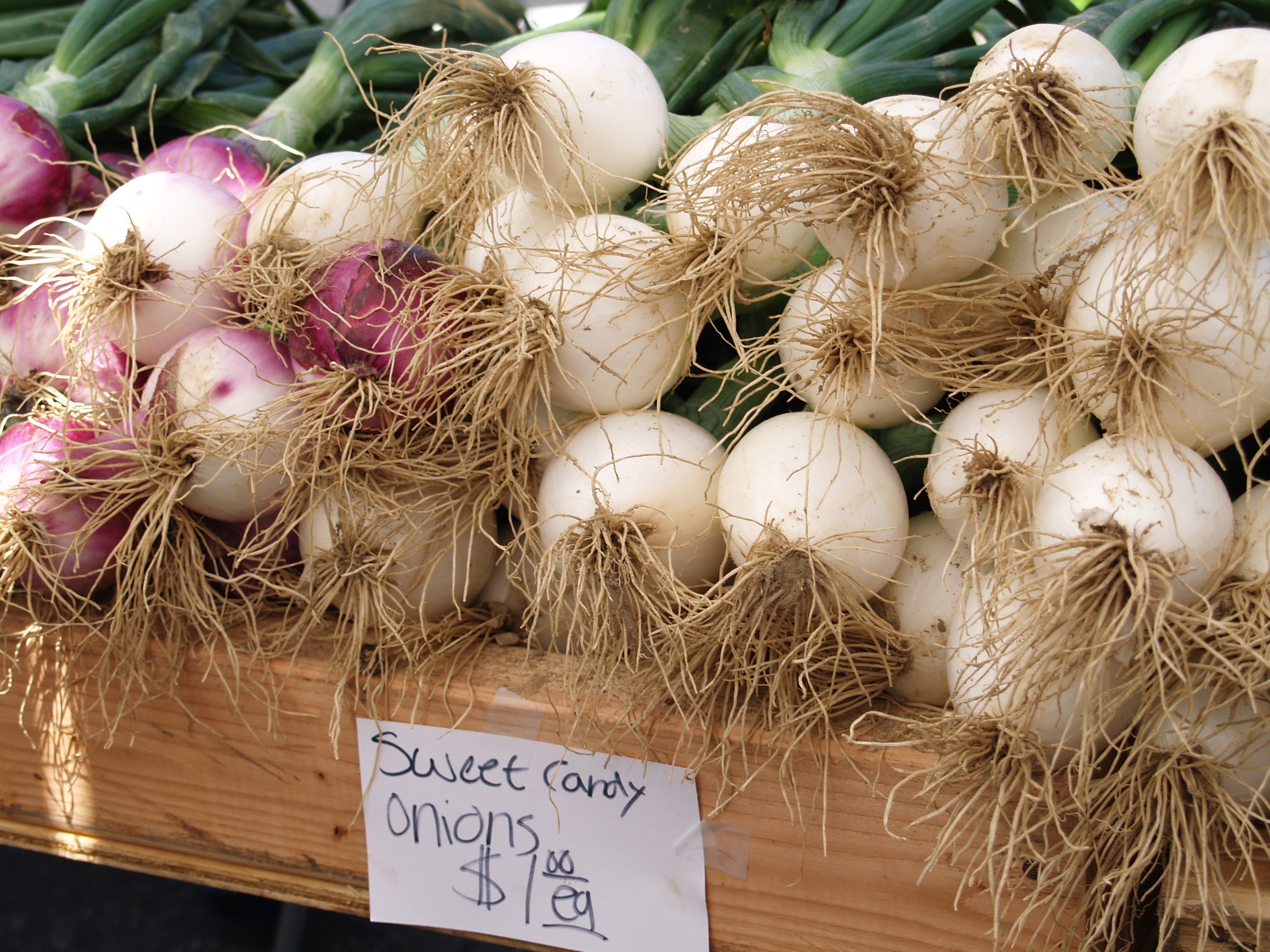
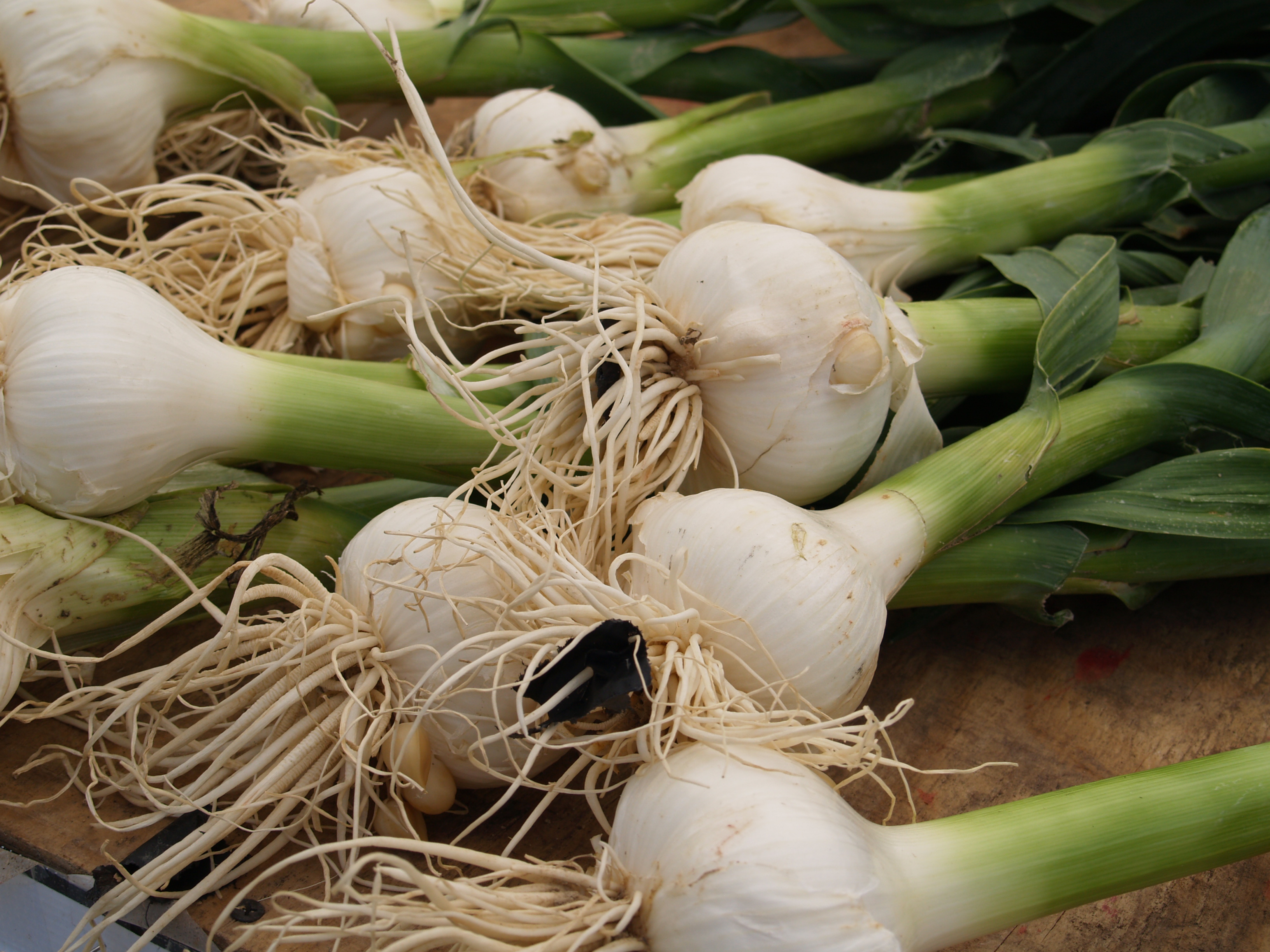
farmer's market onions

β€œLife is like an onion: You peel it off one layer at a time, and sometimes you weep.”

Carl Sandburg


I am not sure if an onion can be said to have a soul, however, there are times when I’ve definitely felt my heart was something of an onion and that I wept peeling back the layers!!  A trick to help with all of those tears is to keep a lit candle nearby.  It will interact with the fumes from the onion and diminish it’s teary effects!

blooming onion

blooming onion

Onions bloom!   Did you know that the onion is actually a member of the lilly family?  Onions tend go to harvest prior to the bloom, because it makes the bulb tough and less tasty.  But if you’ve ever seen an onion flower, it’s something like snowflake.  Onions are also a member of the allium species and share many of the same medicinal qualities as garlic, scallions, leek, chives and shallots.  Allium vegetables are a staple in the base for any broth and also spice up anything from vegetables, stews and of course salsa!  Onions are delicious baked, fried, pickled or raw, but also are part of a healthy diet.

Onions originated in central Asia in the regions of Iran to Pakistan and northward into Russia and have been used widely throughout time for their culinary applications as well as therapeutic properties.

There are more than 500 species of onion, but the most familiar are red, yellow, sweet vidalias and of course those cute little cipollini & pearl onions and chives.


[box]

Health Boosting Qualities of Onions

  • Diminishes Growth of Cancer Cells Onions are one of the richest sources of the flavonoid – quercitin.  Quercetin, is an antioxidant that may be linked to preventing cancer –  inhibiting the growth of cancer cells in breast, colon, and ovarian cancers.  It also inhibits the growth of leukemia cancer cells.  Studies have shown the quercitin halts the growth of tumors in animals and protects colon cells from the damaging effects of certain cancer causing substances.
    • One human study evaluated onion consumption and stomach caner in more than 120,000 men and women who were between the ages of 55 and 69 years of age.  After a 3 year follow up, researchers found a strong inverse association between onion consumption and stomach cancer incidence, but no association with the use of leeks or garlic. (Textbook of Natural Medicine)
  • Promotes Heart Health Frequent or regular consumption of onions has been shown to lower high cholesterol levels as well as high blood pressure.  High

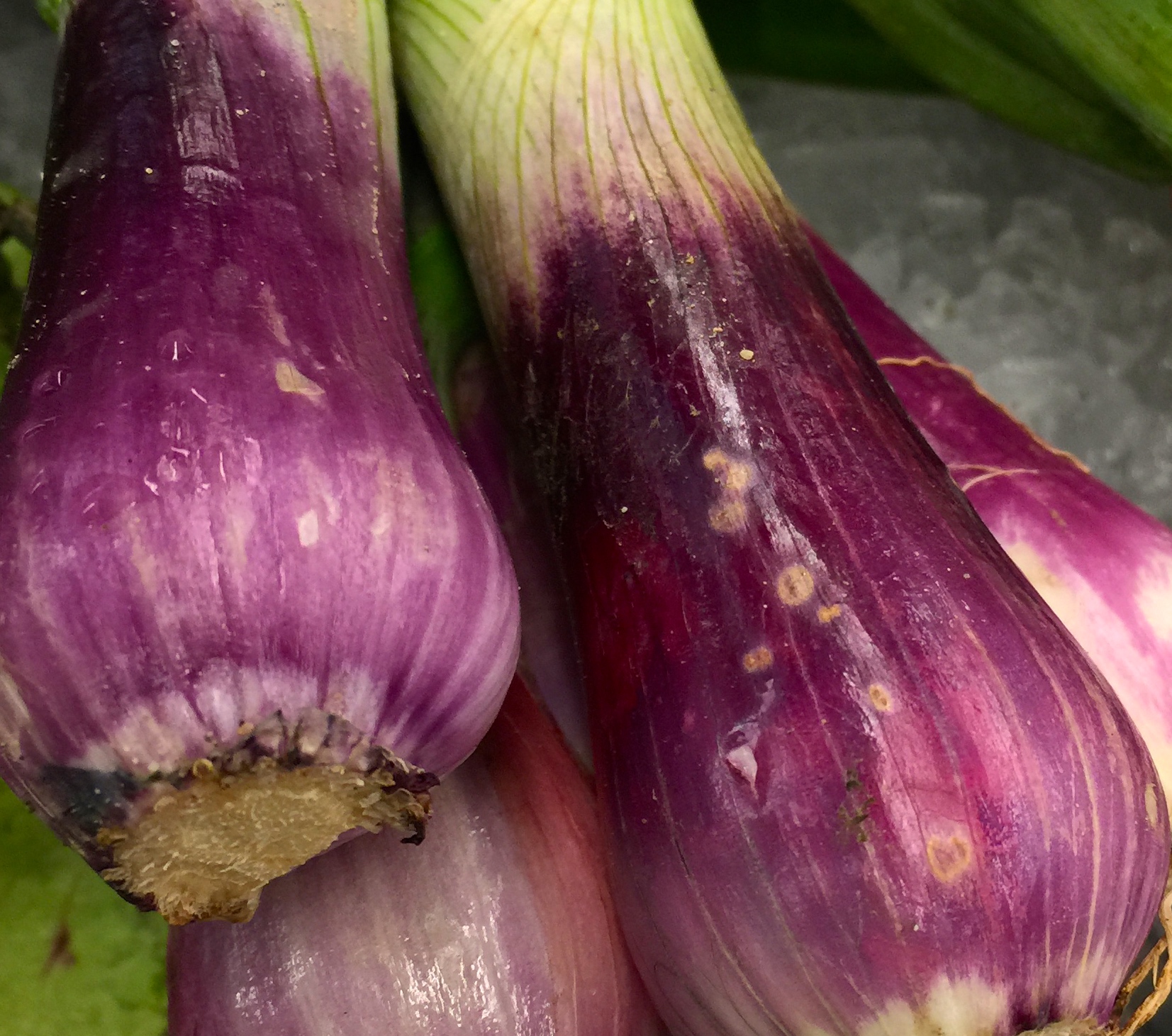
    after a long and super cold winter - 2015 spring onions at the market!

    after a long and super cold winter – 2015 spring onions at the market!

    blood pressure and high cholesterol are implicated in heart disease and atheriosclerosis.  Quercitin thins the blood and raises HDL cholesterol.

  • Boost Blood Sugar Stability Both experimental and clinical evidence reveals that there is a direct correlation between onion consumption and blood glucose levels.  In other words, the higher the consumption of onions, the lower the levels of blood glucose found during glucose tolerance tests.  This is due to the phytonutrient found in onions called allyl propyl disulfide.   Allyl propyl disulfide competes with insulin (also a  disulphide) to “occupy the sites in the liver where insulin is inactivated.  This results in an increase in the amount of insulin available to usher glucose into the cells, causing a lowering of blood sugar.”  (The World’s Healthiest Foods)
  • Chromium Aids in Blood Sugar Regulation Onions are a good source of chromium ( 1 cup – 21% of your daily value) and chromium is helps normalize blood sugar levels
  • Aids in Detoxification Onions contain a good variety of sulfur compounds and those provide health benefits, particularly for detoxification, as it facilitates the sulfation pathway of phase II detoxification.
    • The amino acids methionine and cystine promote detoxification of heavy metals.
    • The Vitamin C in onions promotes detoxification and also the phytochemicals in onions improve the working of Vitamin C in the body.  The aides detoxification and promotes enhanced immune function.
  • Onions are a good source of dietary fiber, vitamin B6, Vitamin C,  Chromium, Manganese, Molybdenum, Tryptophan, and folate.
  • Excellent Source of Polyphenols These are compounds that are disease preventing antioxidants.  Onions contain more polyphenols than garlic, tomatoes, leeks, carrots and red bell peppers.
  • Hair Tonic In patients with alopecia areata (a patchy, non scarring hair loss condition) topical application of crude onion juice compared with tap water was shown to generate regrowth of hair after 2 weeks of treatment.

[/box]

The modern pharmaceutical industry is shaped around dissecting and isolating the  beneficial components of nature and then packaging them in pill, liquid or powder form – and the properties of the “active ingredient” marketed for our health.  While there certainly are useful and therapeutic applications for this, it is important to note that within the healthful properties of any particular food there exists a synergy.   A synergy is the harmonious and even efficacy boosting interaction of all that comes prepackaged from Nature’s Pharmacy.

.

white farmer's market onions


There are so many uses of onions, and they are widely used as garnishes and the base for soups and stocks , where they add great flavor, but are not quite the highlight of the meal.  This potato onion galette highlights the onion as much as the potato and it is a delicious side dish!

baby red onions

[box]

Potato Onion Galette

Ingredients

  • 2 vidalia onions, sliced thin and – lightly saute’d
  • 2 large yukon gold potatoes  (about 3/4 pound)  Parboil it for about 10 minutes.  Cool and then slice thin.  Do not peel the potato… that is where all the potassium and other valuable nutrients are found.
  • 1 teaspoon fresh chopped thyme or rosemary
  • 1 tablespoon fresh chopped sage
  • 3 tablespoons olive oil
  • salt and pepper to taste
  • 1/2 cup chicken broth
  • 2 eggs beaten, with 1/4 cup heavy cream
  • optional : 3 slices naturally cured bacon or pancetta sautΓ©ed and crumbled or cut into bite sized pieces

[/box]

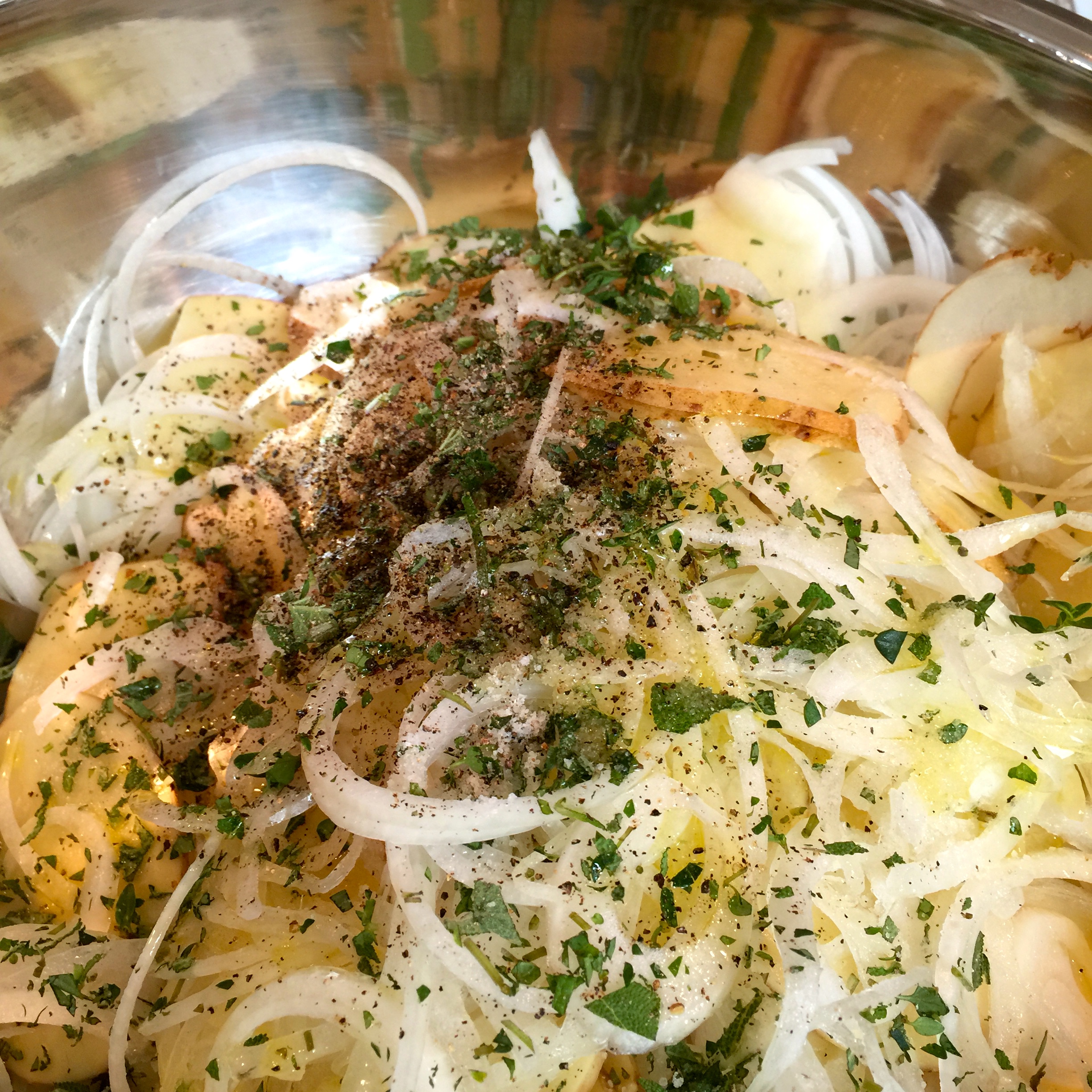
IMG_0928

[box]

Place all ingredients except chicken broth in bowl.  Toss to incorporate spices evenly.

Add contents of bowl to baking dish.  Pour chicken broth over.

Cook in a 350 oven for approximately 1 hour.  The chicken broth will absorb into the potatoes and onions, which will give this a heartier quality.

[/box]

Enjoy!

Looking for more ways to incorporate this allium veggie into your meal plan?  Saute a large onion until golden brown and add to hummus, garnish your Lemon Pasta with Tuna and Capers with a teaspoon or two of finely chopped red onions, chives or shallots!  Check out this Baked Whole Onion, or Rustic Onion Tart, Lebanese Roasted Stuffed Onions, Onion Tomato Pizza, and who can forget, French Onion Soup.

Onions are nothing to cry about  – include them in your diet!  For more on the benefits of onions, visit the National Onion Association where you can download their guide on the Phytochemical and Health Properties of this allium powerhouse.

_______________________________________________________________________________________________________________

Resources:

http://www.foods-healing-power.com/health-benefits-of-onions.html

Onion Health Research

http://articles.mercola.com/sites/articles/archive/2014/04/12/onion-health-benefits.aspx

Pizzorno, J., & Murray, M. (2006). The Textbook of Natural Medicine (3rd ed., Vol. 1). Saint Louis, Missouri: Churchill Livingstone.

Mateljan, G. (2006). The world’s healthiest foods: Essential guide for the healthiest way of eating. Seattle, Wash.: George Mateljan Foundation.


basic kombucha recipe

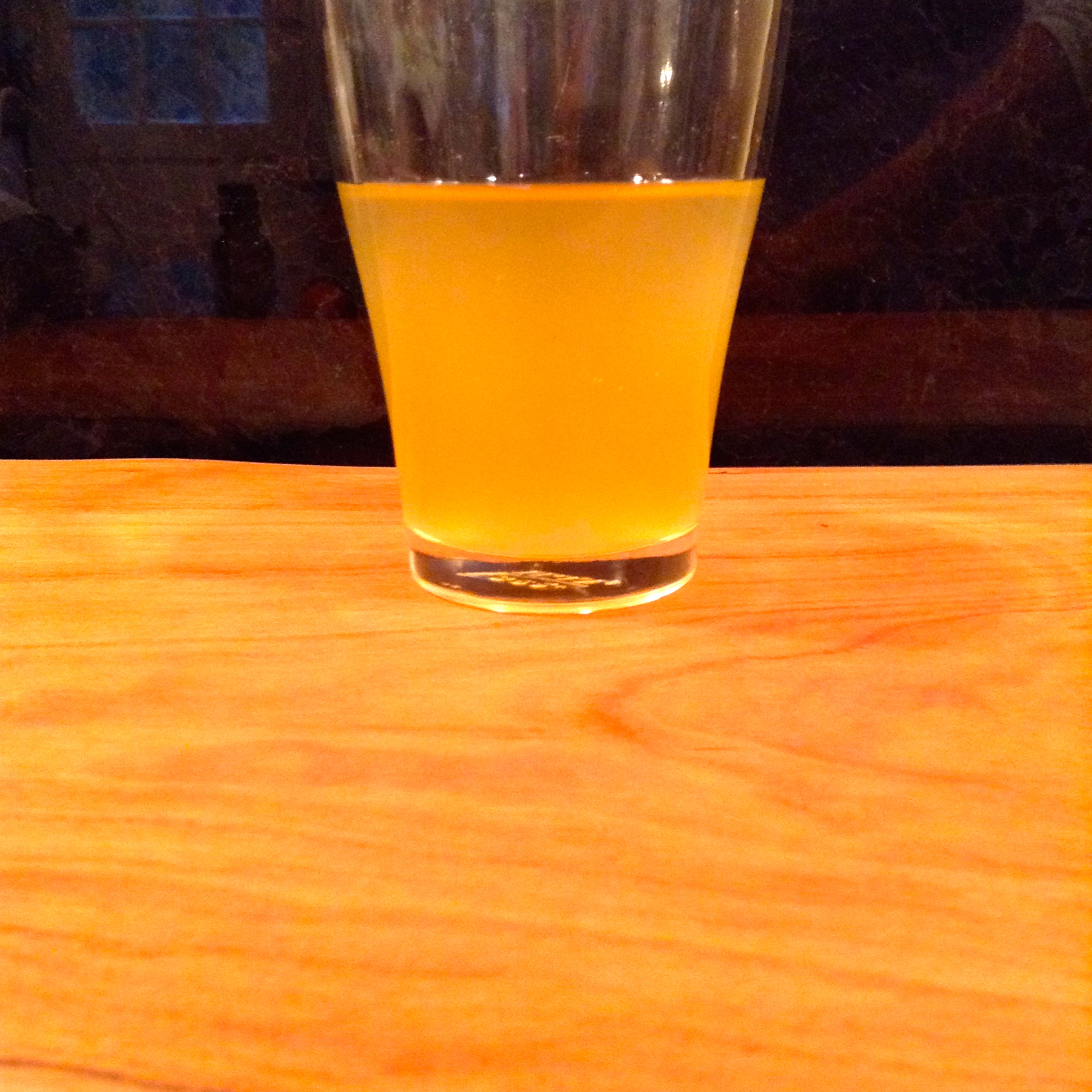
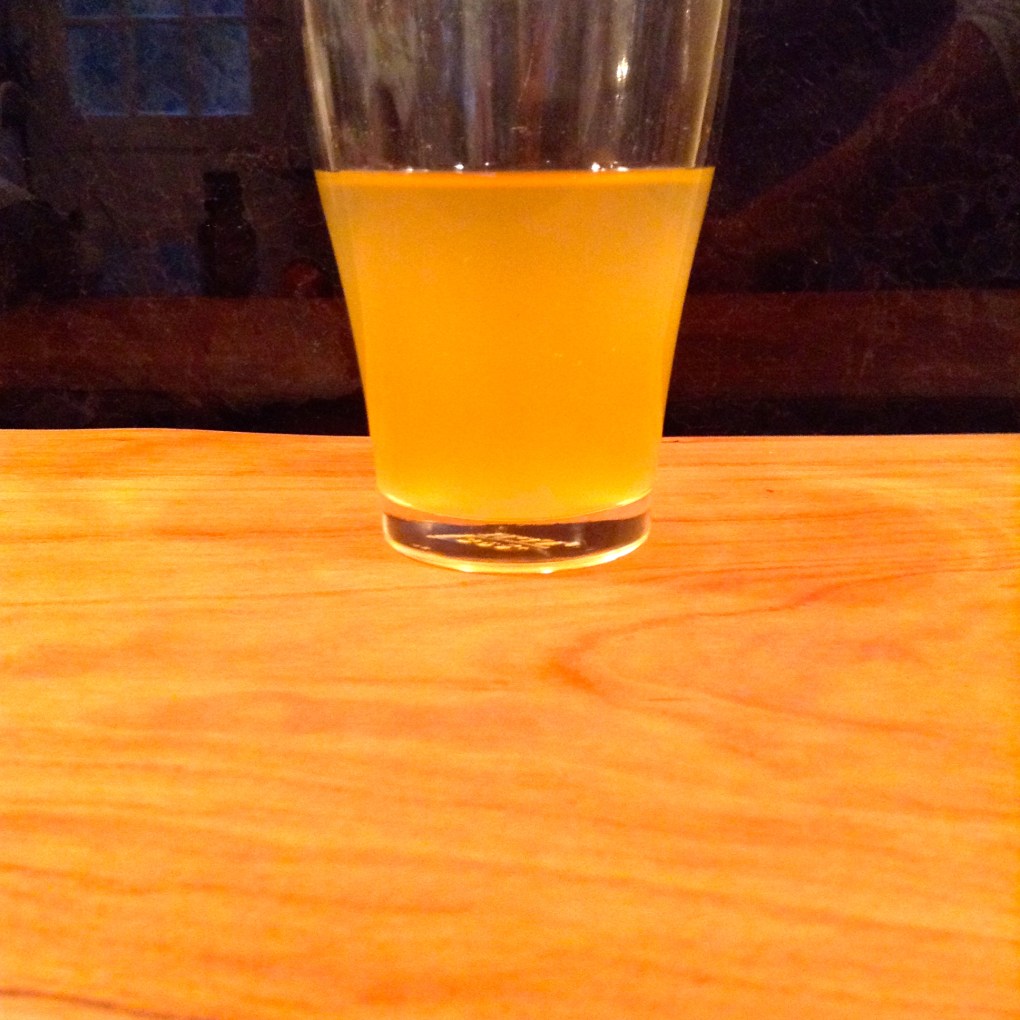
fresh glass of kombucha

fresh glass of kombucha

Kombucha has been brewed for thousands of years. Β The first record of the mushroom tea dates back to 200 BC in China. Β Over time and through the trade routes, kombucha eventually made it’s way to Russia and even to Europe.

The fermentation of the tea comes about by the interaction of the Mother or SCOBY (that’s aΒ symbiotic colony of bacteria and yeasts) which feeds on the sugars, producing many beneficial by-products. Β During the fermentation process, the SCOBY floats on top of the sweet tea. Β When the brewing is complete, you will have a delicious drink that is full of enzymes, antioxidants, Β vitamin B, probiotics, Β acetic acid and lactic acid. Β The combination of these components help strengthen the body by helping keep intestinal flora balances, Β strengthening the immune system and protecting cells.

In the 1960’s studies in Switzerland confirmed that kombucha contains many antimicrobial immunity boosting and anti-bacterial properties.

[box]

Benefits of Kombucha

Alkalization of the body

Detoxification of the liver

Introduction of probiotics

Improved digestion

Antioxidant properites

[/box]

Scientists noticed kombucha again in the 1980’s after the Chernobyl nuclear plant meltdown in Russia. Β While many people suffered the debilitating effects of radiation poisoning, doctors observed that a specific group of people were not suffering “as bad” as the others had been. Β These were mostly elderly women and it was concluded that they had been drinking kombucha daily for many many years. Β This finding only added to the opinion that kombucha was a healthy drink, which added strength to the body and more resilient to toxins and pollutants.


One thing is certain – kombucha is not your average soft-drink.

For my family, I am simply a fan of anything that is simple, easy and has stood the test of time. Β The fact of the matter is, the scientific method was not employed in 200BC to determine which strains of yeast and bacteria were present the the SCOBY or the kombucha – but people knew it was beneficial for them.

We brew our own for economic reasons… it’s a lot more affordable to brew your own if you drink it daily.

With that, here is a great recipe to begin your own kombucha brewing. Β We use large mason jars for ours but there are even some extraordinarily beautiful kombucha crocks that bring a little art and beauty to the whole process.

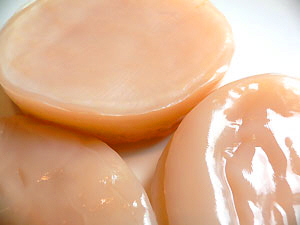
Symbiotic Colony of Bacteria and Yeast - SCOBY

Symbiotic Colony of Bacteria and Yeast – SCOBY

[box]

Basic Kombucha Recipe

6 teabags OR 4 to 6 teaspoons organic loose black tea (such as caffeinated oolong, green, or a combination)

3-1/2 quarts filtered water

1 cup raw honey, sucanat, muscavado or raw cane sugar

8 ounces finished plain kombucha from aΒ previous batch to jump-start this batch (optional)

1 SCOBY

1. Place the loose tea in a muslin tea bag or place tea bags in sauce pan. Β Add water Β bring to a boil over medium heat. Take off the heat and steep for 30 minutes. Add the honey or raw sugar. Β Remove the tea bag and squeeze out any tea. Cool to 98 Β° F. Add the finished plain kombucha, if using.

2. Place contents in clean brewing container with SCOBY. Β Cover container with cheesecloth and secure with a rubber band. Β Store in a warm dark location.

3. Β After 5 days, give the kombucha a taste. Β If you desire a more sour flavor keep tasting every day until it reaches the desired flavor.

4. At this point you will want to brew more sweet tea.

5. Remove all than about 8-10 ounces of kombucha.

6. Begin the process again.

7. Β You can now add flavorings to your kombucha for an additional fizzy ferment, or enjoy it as is!

[/box]

The best way to get started brewing your own kombucha is either to get a SCOBY from a friend (they get thicker and thicker with each ferment, so it is very easy to peel some off and share with a friend!) Β Alternatively, if you are the pioneer among your friends, then fear not – there are kits available to get you started on your way!


Kombucha brewing supplies

Lion Heart Kombucha

Kombucha Kamp

Beautiful Kombucha and Fermenting Crocks

Additional Reading:

Edwards, Allison Kombucha: Drink this Wonderful Probiotic Tea for Immune Support, Digestive Health, and Detox Cleansing

http://www.kombuchakamp.com/2011/03/kombucha-tea-radiation-prevention-and-cancer-treatments.html


rise and brine

IMG_0400

“God loves fermentation just as dearly as he loves vegetation” -Ralph Waldo Emerson

IMG_0401

My family loves pickles and brined pickles is what draws most people into the wild world of fermentation.Β  They taste delicious, use only a few simple ingredients and are otherwise so low tech that your grandmother can make them!Β  πŸ˜‰Β  And really, for me, that’s kind of the point.

We usually don’t prepare our pickle ferments until July, but we went through our last jar, and so I grabbed a bunch of pickling cucumbers at this weeks market.

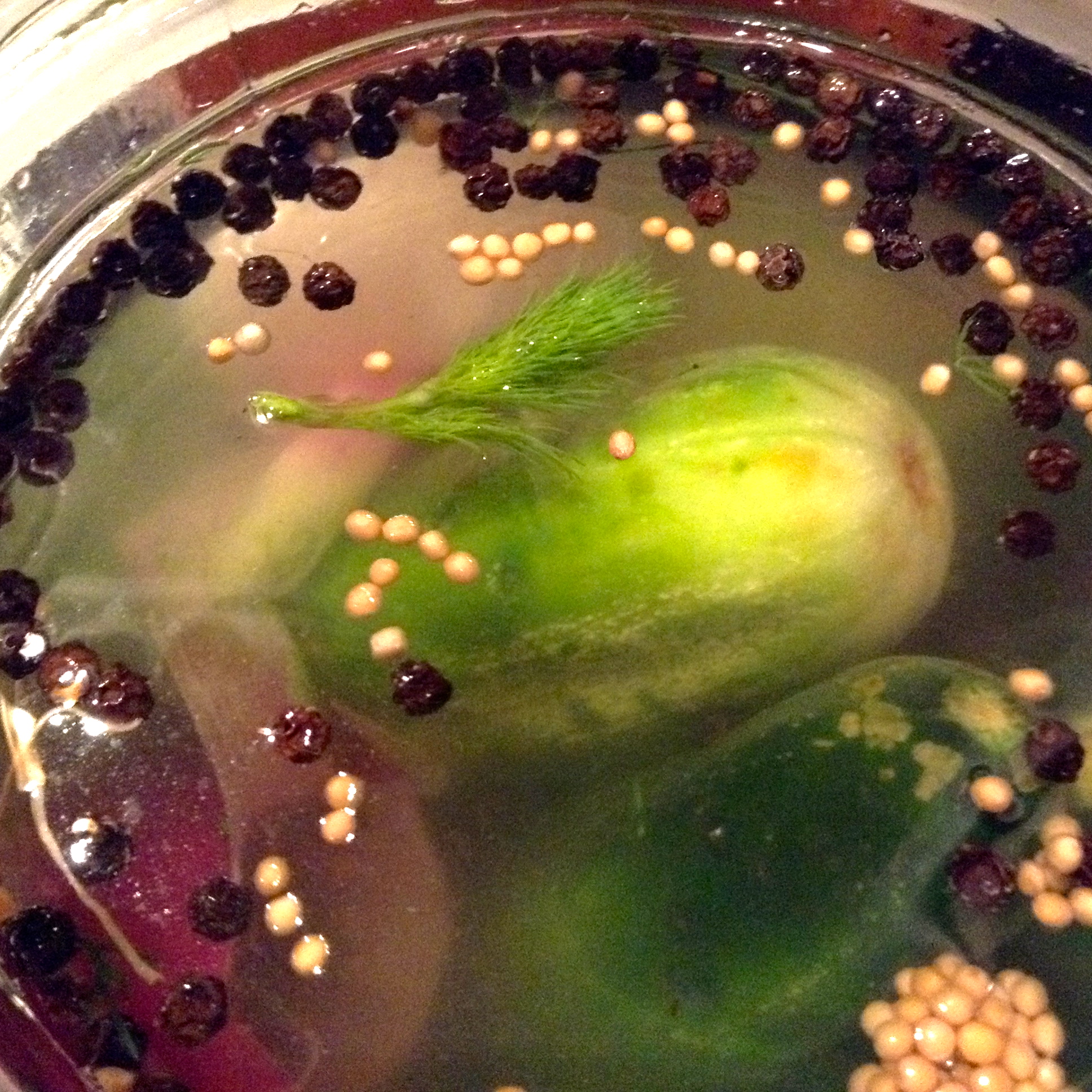
This recipe is for a more sour pickle and it’s not exactly a recipe.Β  The main ingredient is the brine… Other than that, we use whatever is on hand, but it almost always includes plenty of dill, peppercorns, mustard seeds and lots of garlic… but use whatever your heart desires.

You’ll need clean mason jars and washed hands!

For this recipe we used:

3-4 pounds of pickling cucumbers, unwaxed.

2 heads garlic, peeled

1 large bunch dill or more

black peppercorns

one bunch fresh spring onions

one bunch french radishes – just because we had them!

pinch black peppercorns

pinch yellow mustard seed

6 tablespoons sea salt

64 ounces filtered water

one grape leaf (this helps them keep their crunch!)


For the brine we use 64 ounces of filtered water combined with 6 tablespoons of salt.Β  That translates to a 5% brine.Β  Make that and set aside.

IMG_0397

Wash your hands and rinse your vegetables well.Β  The rest is really simple, pack your cucumbers, herbs and spices into the jar.Β  It’s a good idea to pack them tight – really push them in so that they do not begin to float when you add the brine.Β  Add the brine to above the level of the vegetables.

IMG_0401

Place lids on loosely so that they can breathe.Β  You’ll notice in a day or so that they start to bubble.Β  This is the fermentation.Β  Sometimes it will even over flow a little bit onto the counter so I place mine of a towel.

If it is warm weather and your kitchen temperatures are above 77F the fermentation will take just a few days, so you’ll want to check them daily and move to the fridge once they are to your liking.

IMG_0400

The more I ferment the more I am inspired at the subtle interconnectedness of everything around us.Β  Each fermentation is a unique manifestation of your hands and your kitchen and your vegetables and your environment.Β  Even if we ferment with the same recipe yours and mine will be unique in their own subtle way…. and yes, we are just talking about pickles, but still…whether microbial or human, it’s all about community and harmony and relationships.


kombucha

Blessing “the β€œhands that feed me”…

To bless doesn’t just mean β€œthink good thoughts” or β€œbe nice.” Β  To bless is far more radical. It is to actually give life, to have one’s cup run over into the lives of others. To have one’s parents’ blessings is to have each of them send you off into life saying Β β€œI see you. I know you are good. I believe in you. I trust you. I am proud of you. May you be fruitful and multiply…” Β  To bless is to speak from and for and to the divine, as a priest blesses a marriage or christens a baby. To bless is to respect the integrity and mystery of the life of another.” Β (Vicki Robin – Blessing the Hands That Feed Us)

In case it’s new to you,Β kombucha is sugar sweetened tea that is fermented and cultured into a sour tonic drink Β that can be double fermented to get a fizzy carbonation in the final beverage.

The fermentation occurs through the work of a community of microorganisms. Β Kombucha is cultured into fermented tea through the SCOBY – a rubbery disk that floats atop of the tea and takes the shape of the fermentation vessel. Β This is similar to the making ofΒ apple cider vinegar – which forms a similar by product known asΒ mother ofΒ vinegar. Β It’s pretty interesting stuff… and takes some getting used to, but it works!

kombucha_pilze


Β Some Russians call kombuchaΒ tea kvass.

In recent yearsΒ kombucha has gone from relative obscurity to top selling health tonic and is now available in most health food chains, including MOMS Organic Market and Whole Foods.

One point of note is that kombucha is not for everyone, and so if it doesn’t agree with you, don’t drink it. Β It’s not meant to be guzzled like a tall glass of water.

We’ve started making ours, but in small batches. Β Last summer we babysat a friends kombucha brew, which made more than a gallon per brew. Β It was too much.

You can find lots of information on brewing kombucha as well as supplies and recipes here: Kombucha Kamp.

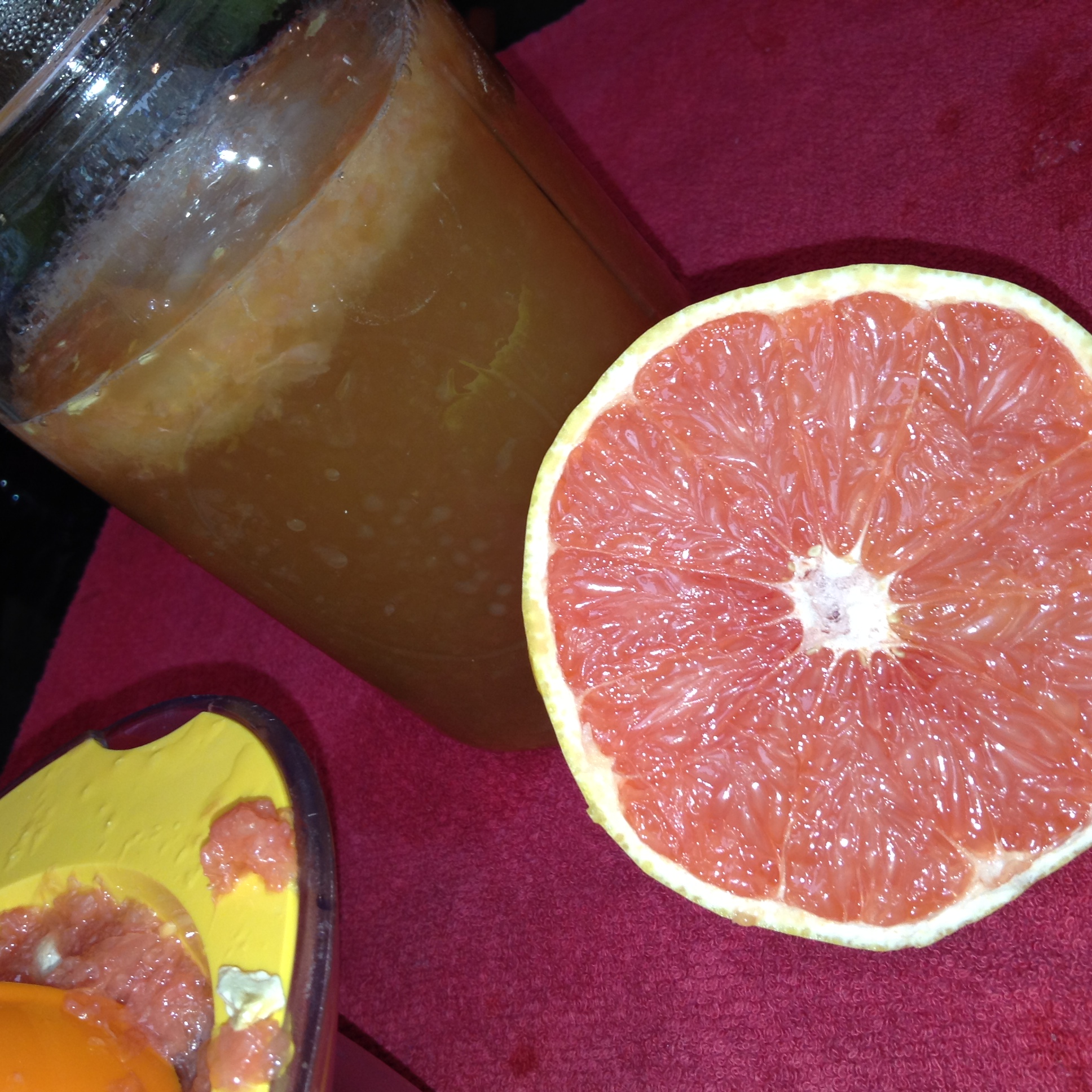
We’ve been having fun experimenting with kombucha infused with grapefruit and with ginger.

Grapefruit Infused Kombucha


sauerkraut

Farm Fresh Cabbages

β€œI have come to the conclusion that the most important element in human life is faith. Β If God were to take away all the blessings, health, physical fitness, Β wealth, intelligence, and leave me with but one gift, I would ask for faithβ€” for with faith in God, in God’s goodness, mercy, love for me, and belief in everlasting life, I believe I could still be happy, trustful, leaving all to God’s inscrutable providence.” β€”Rose Kennedy


Most people would agree that we live in a germ-ophobic country. Β YET, all around us and within us there is a microscopic world, things invisible – an interconnected multitude of fungus and bacteria. Β (uh-oh…) Β From the beginnings we coexisted with these little organisms; we even harnessed their help to age and preserve our food without refrigeration. Β However, when Louis Pasteur uncovered the role of bacteria in disease, (which is a great thing!) we began to fear them as dangerous enemies and in fearing them we forgot about their role in health.

Not all bacteria and fungi are bad.

In our modern antiseptic world, it can take a leap of faith – and maybe even a little science – to calm our fears, reacquaint ourselves and get comfortable with the microcosmos around and within us. Β A little reminder that the world God created is goodΒ  (it was also raw and unpasteurized, by the way!) and that I can rely on that whole food creation -more than food scientists and industry- for the plentiful nourishment of my family! Β  You know what? Β So can YOU!

The wordΒ sauerkraut is German for “sour cabbage” – but the French call itΒ choucroute.Β  Whatever you call it, sauerkraut is probably to most widely known fermented food behind, pickles, olives and yogurt.

Probably the most widely known sauerkraut is Bavarian style, which is shredded cabbage, salt and seasoned with caraway seeds. Β Some other German styles use juniper berries to season the kraut.


A word on the nutritional virtues of sauerkraut.


Fermented sauerkraut is not only pre-gested thereby making it’s nutritional profile more bioavailable, it is also low in calories, high in fiber, and is a good source of vitamins K, C and folate and also the minerals potassium, calcium, magnesium, copper, manganese and iron. Β It has a great profile of antioxidants and is anti-inflammatory. Β Cabbage is exceedingly nutritious on it’s own merits, but let it ferment and it’s full potential is silently revealed.

Studies that “analyzed cabbage before and after fermentation to see how the elements had changed Β found that the glucosinolates in cabbage dissolved into a class of enzymes that have been shown in prior studies to prevent cancer.” (Preventdisease.com)

But that’s not all! Β Sauerkraut also helps to maintain the acid/base balance of the body, helps to regulate blood sugar levels making it useful for hypoglycemics and diabetics and has beenΒ associated with preserving ocular health.

Like all ferments, sauerkraut Β is high in naturally occurring lactic acid which helps maintain a healthy acidity in the large intestine, thus creating an environment that is hostile to parasitesΒ  and yeast but comfortable for good bacteria.


Ready to give it a try?


Fermentation takes neither much time, or effort. Β It’s a great way to add great nutrition to the table, and making it yourself is a real money saver when you’re on a budget and feeding a large family.

It’s super nourishing, unassuming and delicious. Β We eat it because it tastes great. Β On it’s own, adorning a brat or hot dog, or even as a great garnish on a wintery day’s BLT. Β You can buy sauerkraut in the store, but if you want all the benefits of the ferment, then it’s best to look for small batch, artisinal, organic, lacto-fermented varieties that are also non-pastuerized.

 

IMG_0306


Michael Pollan says about fermenting, “Koreans, who know a thing or two about fermentation, distinguish between the “tongue taste” of various foods and the “hand taste“. Β Tongue taste is a simple matter of molecules making contact with taste buds – the kind of cheap and easy flavors any food scientist or food corporation can produce. Β Hand taste is the far more complex experience of a food that bears the indelible mark – the care and sometimes even the love – of the person who made it. Β The sauerkraut (and most anything else) you make yourself will have hand taste.

That makes a lot of sense here at Nourishing Grace, because the word nourish is quite beautiful and comes from the latin nutrire, which means to feed or cherish, to preserve, look after or suckle. That implies a “hands on” relationship!


β€œBetter is a dish of herbs where love is than a fattened ox and hatred with it.” β€”Proverbs 15: 17


Of all our nourishment let it be rooted in goodness and love as we prepare and enjoy our meals with loved ones at the table!


how to make your own sauerkraut

Equipment

1 – 1 gallonΒ Ceramic crock or Β wide mouth mason jar

plate or plastic that will fit inside


ingredients for sauerkraut

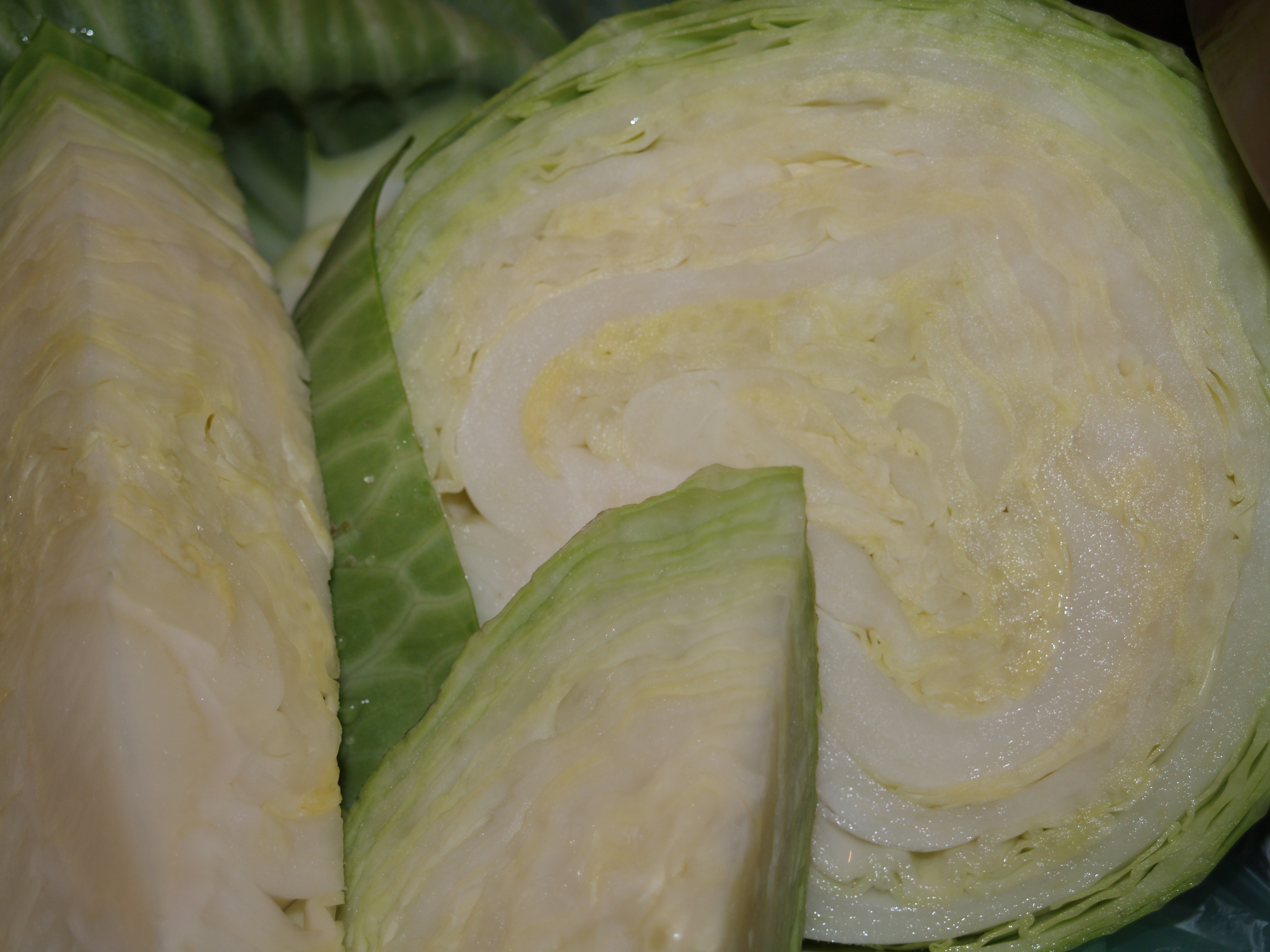
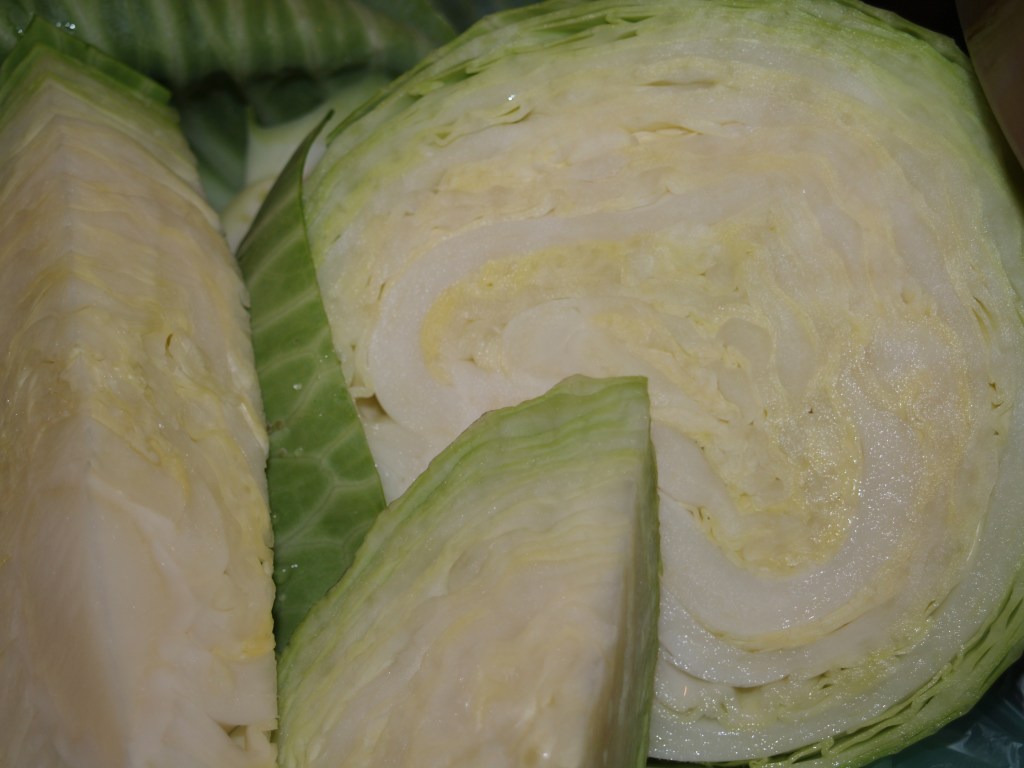
2 medium heads fresh cabbage (fresh local cabbage is the best because of it’s higher moisture content the salt will draw out more water for the brine.

3 tablespoons sea salt


process

chop or shred the cabbage. Β We use a food processor

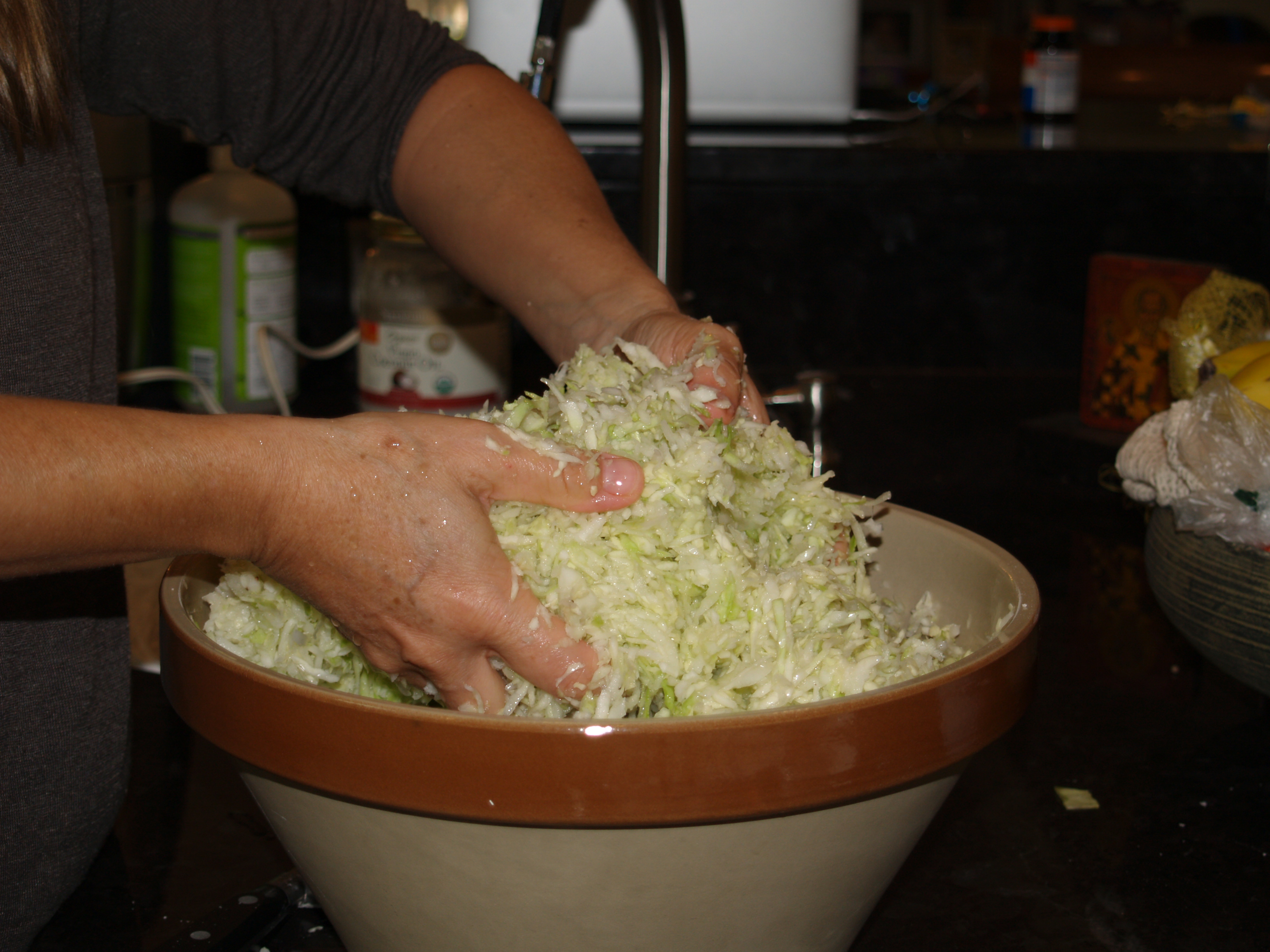
As you process the cabbage, place in bowl and sprinkle salt on each layer. Β The salt osmotically draws the water out of the cabbage. Β This becomes the brine in which the cabbage ferments without rotting.
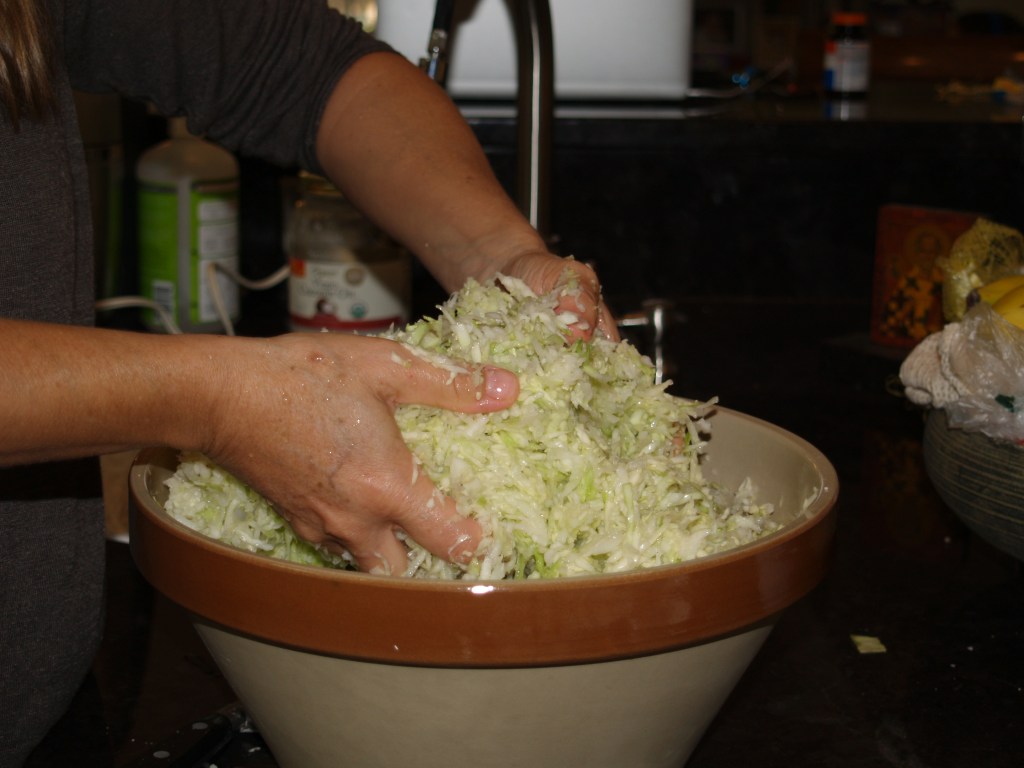
mixing the sauerkraut

mixing the sauerkraut


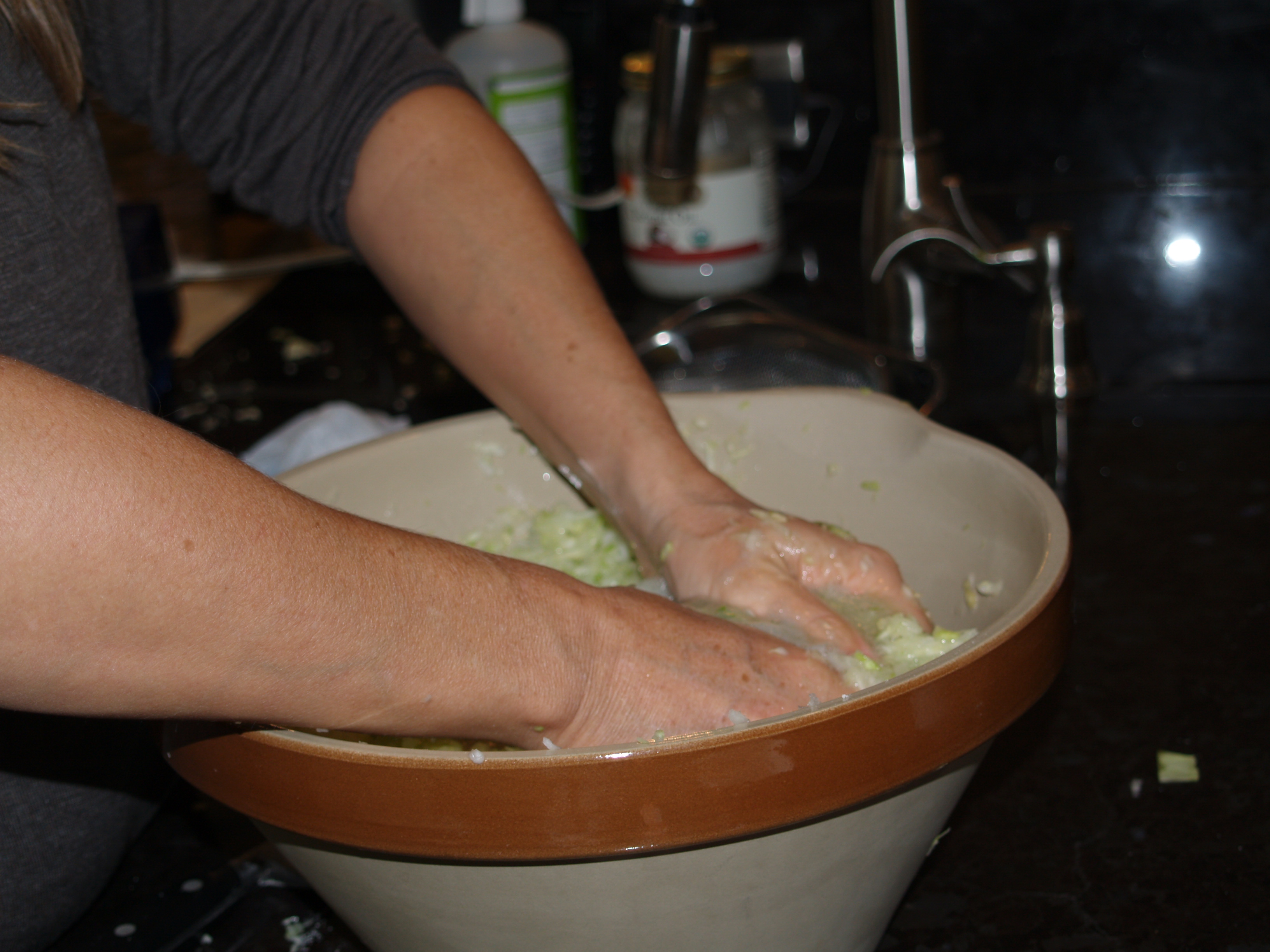
Mix the ingredients together and you can either pound the cabbage, or massage with good firm squeezing. Β That will all serve to draw out the brine. Β You can also mix it and leave it for a half an hour and then start the pounding or massaging.
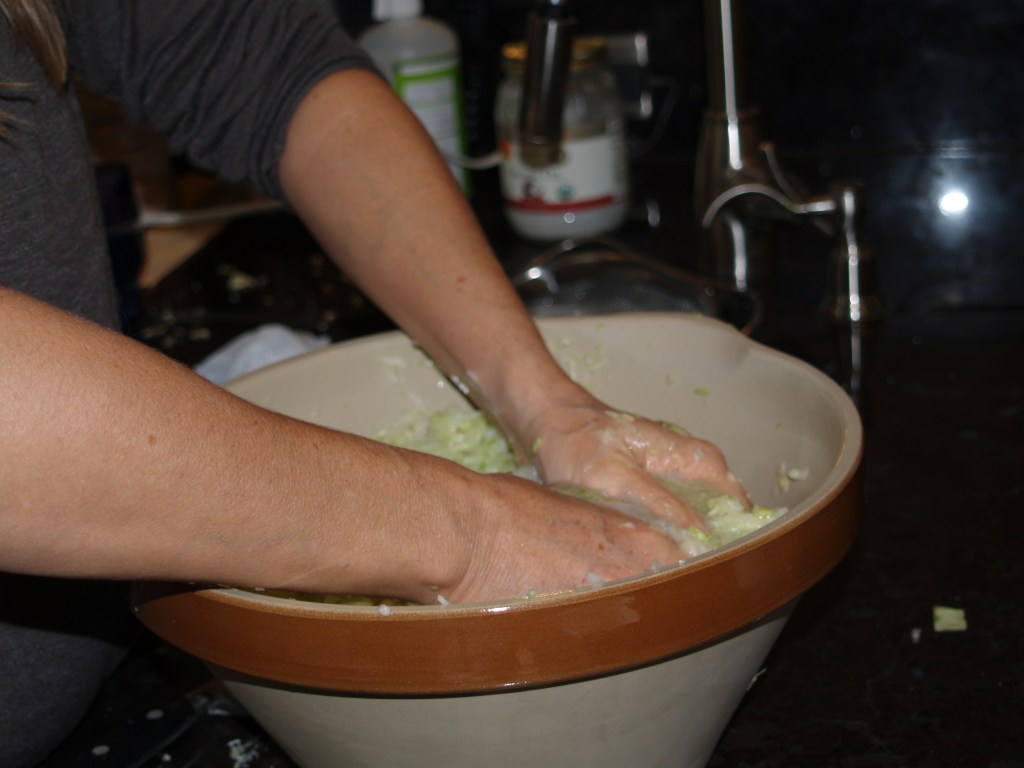
 

massaging the cabbage

massaging the cabbage


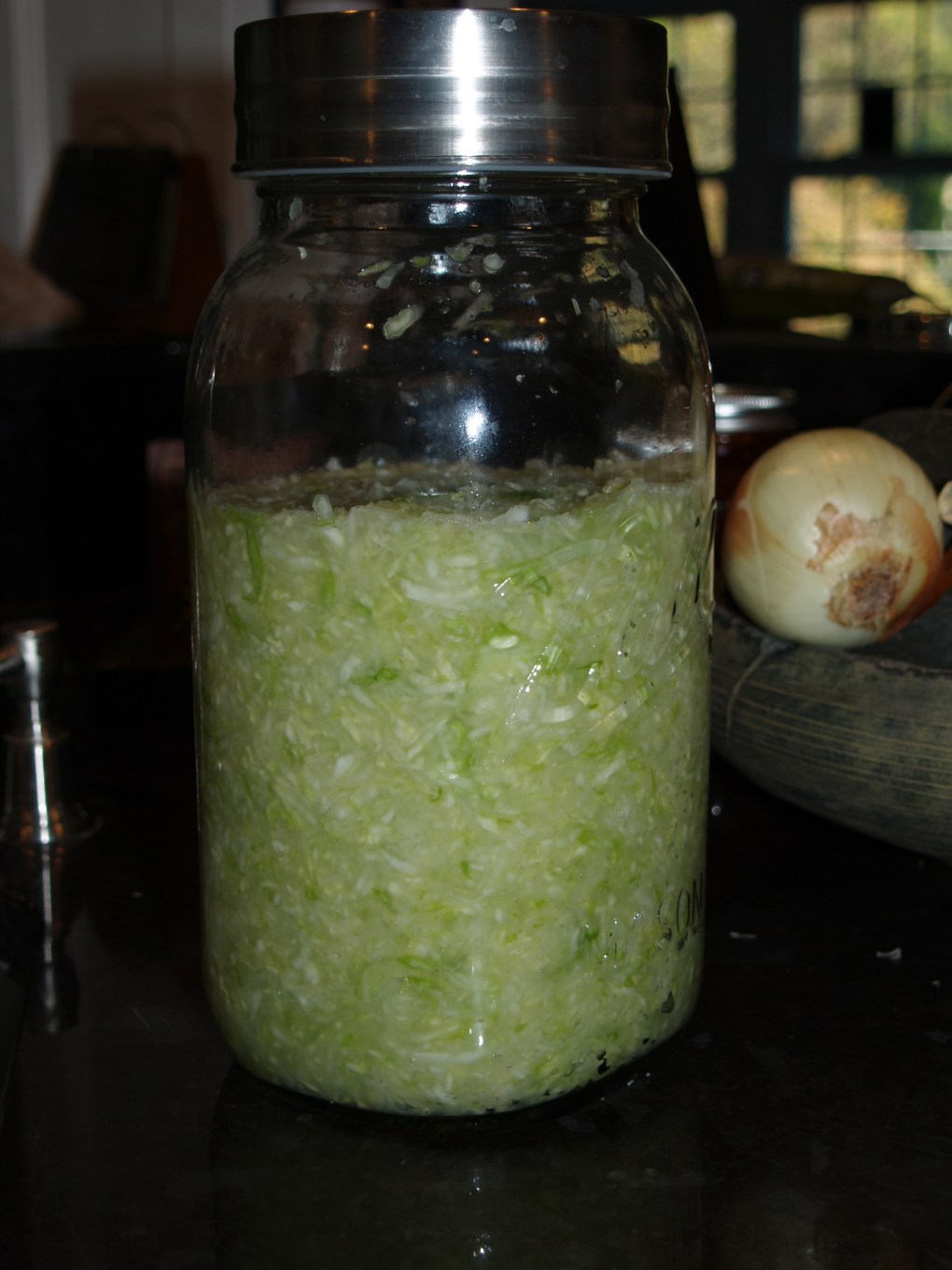
Transfer the mixture to the crock or mason jar. Β Tamp it down firmly. Β You can use a tamper or your fist. Β I use my hands. Β Push the cabbage below the brine level. Β Fermentation works because the vegetables stay below the brine. Β So in this oxygen deprived environment, anaerobic, only the good bacteria are able to survive and thrive. Β Place a clean weight over in the crock over the cabbage to keep it down. Β This can be a smaller jar with water in it.

To be honest, I do not always use a weight. Β My ferments are always on the kitchen counter, so I wash my hands and push it beneath the brine several times a day. Β But if you are not able to do that, it’s best to use a weight.
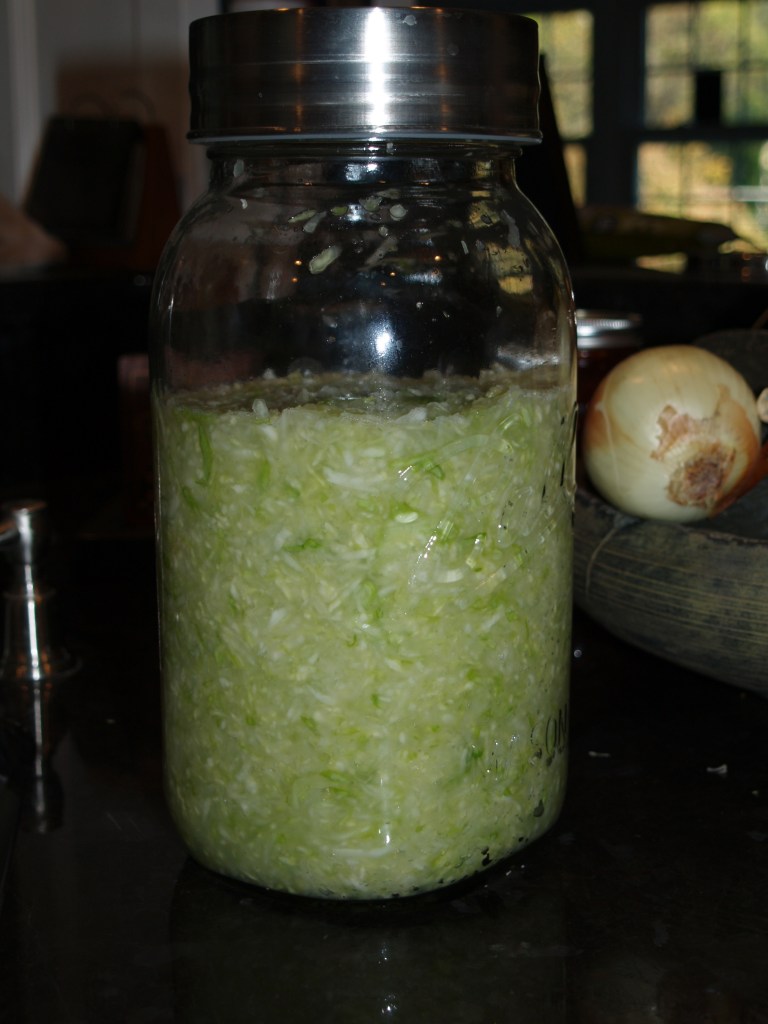
 

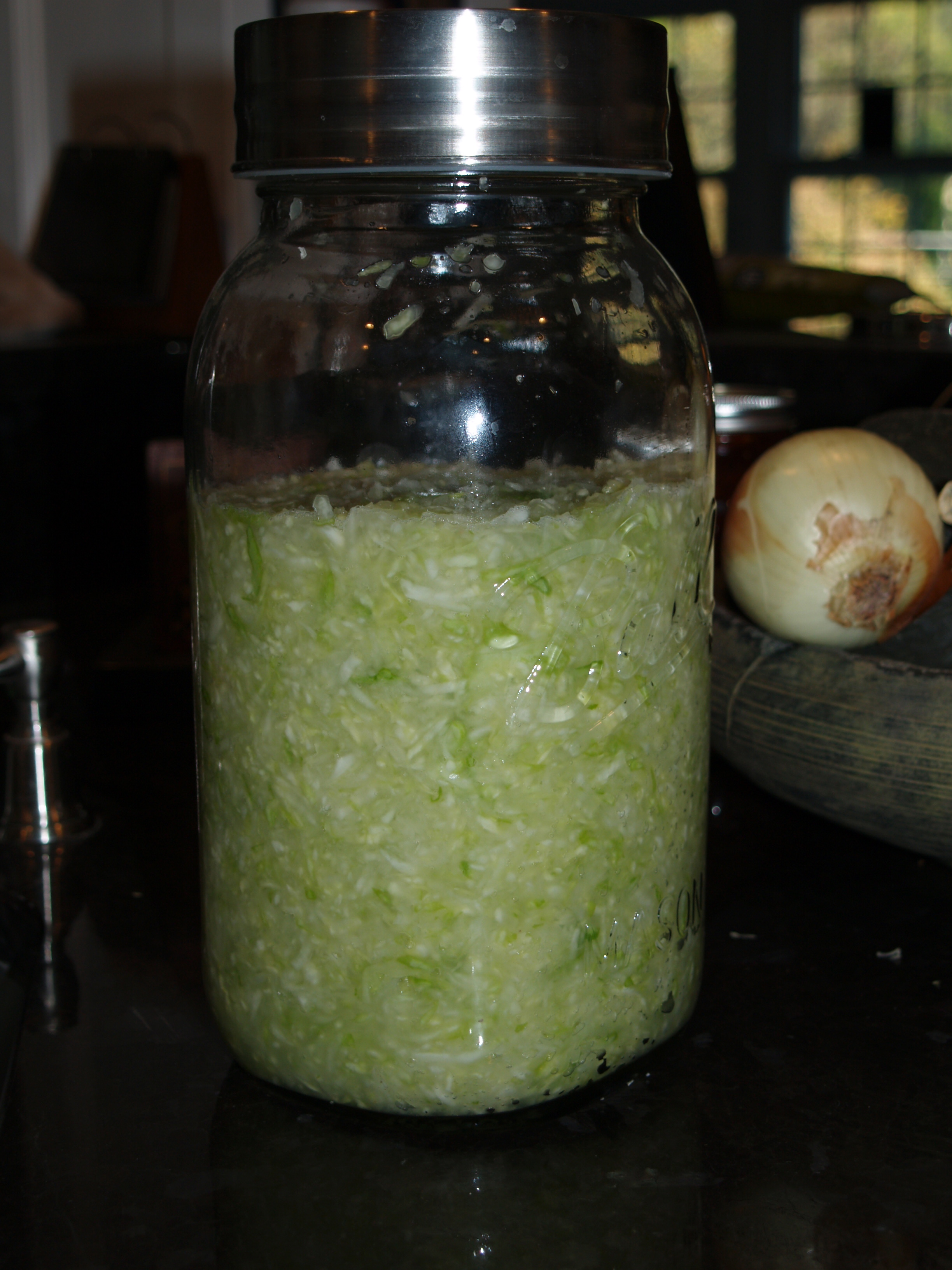
Sauerkraut on the Ferment


The sauerkraut will develop at a rate directly correlated with temperature. Β At 45 Fahrenheit, fermentation is very slow, at 90 Fahrenheit it is notably faster. Β Lower temperatures, in the 70 Fahrenheit range make a superior kraut.

After 3-5 days, give the sauerkraut a taste.

See if it suits you. Β Some people love the flavor of an immature green kraut. Β If it’s not the flavor profile you want, let it sit longer for the flavors to develop. Β Once it is to your liking, place in smaller jars and move to the refrigerator or other cool spot (like a root cellar). Β The slows down the fermentation process.

Taste-testing the developing sauerkraut has become my daughters job and her taste buds are definitely evolving. Β We currently have a jar of sauerkraut that has been on the counter for three weeks. Β We are using it, but she has not asked to have it moved the fridge. Β Surprisingly it has not gotten very very sour, just more delicious.

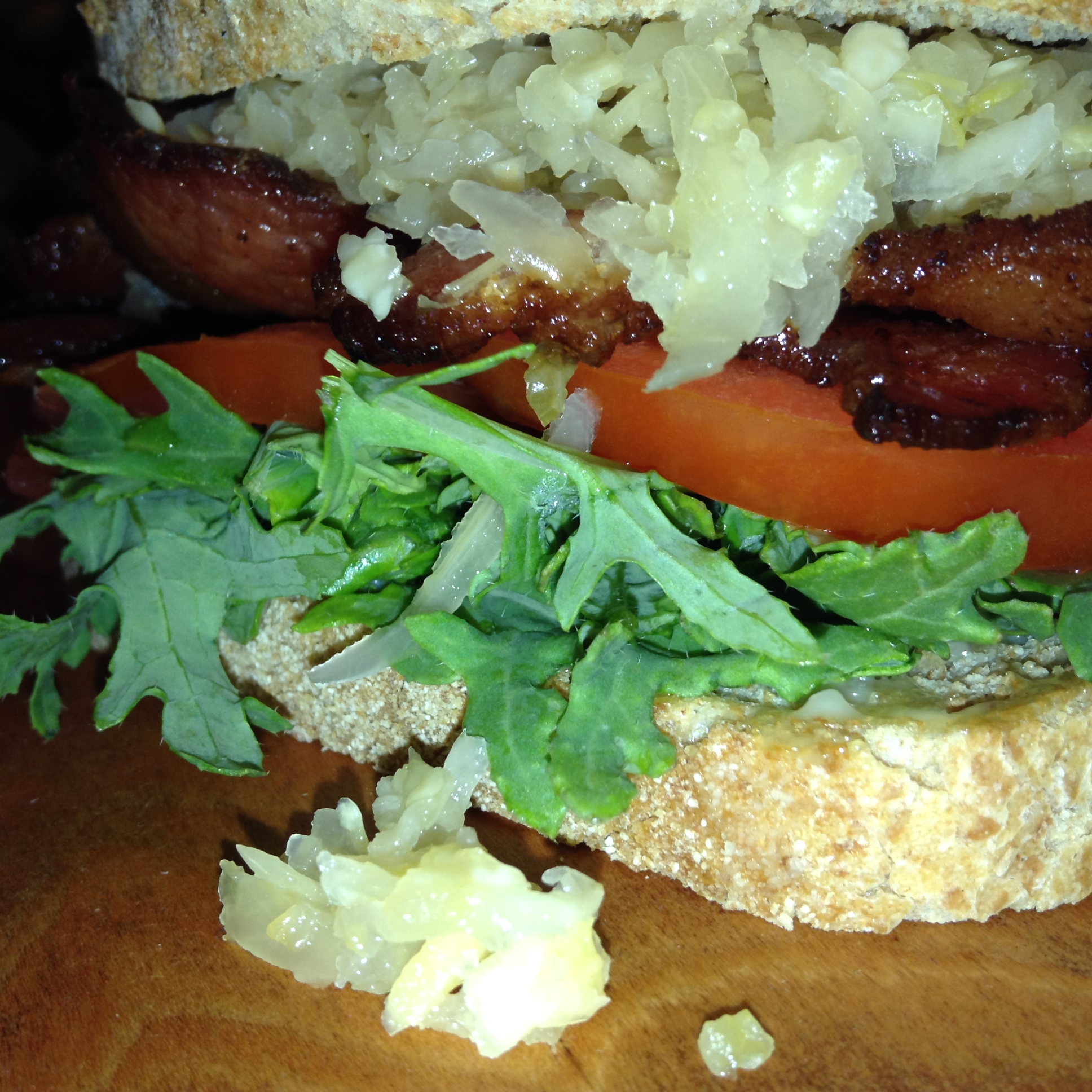
There are many ways to enjoy your kraut, most recently we had ours atop BLT’s served on a great sourdough made during the big snow storm.
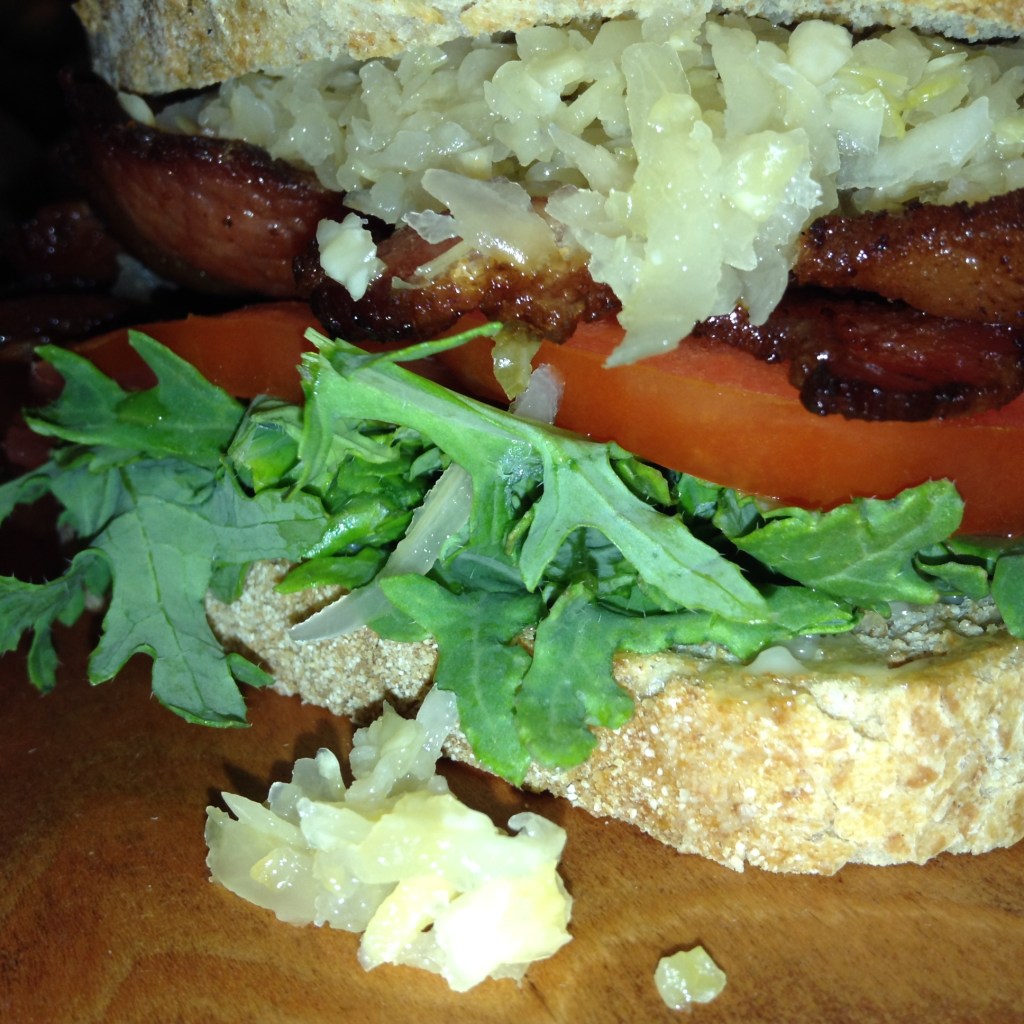
sourdough BLT with sauerkraut

sourdough BLT with sauerkraut


Sources:

Katz, Sandor Ellix.Β The Art of Fermentation: An In-Depth Exploration of Essential Concepts and Processes From Around the World. Β White River Junction, VT: Chelsea Green Pub., 2012. Print.

“What Are The Benefits Of Sauerkraut Juice?”. Livestrong.Com

Ten Reasons to Eat Fresh Unpasteurized Sauerkraut | Vitality Magazine | Toronto Canada alternative health, natural medicine and green living


winter ferments – gingered beet and carrot slaw

The dinner table in a monastery is always set with care for both daily fare and feast days. Food is arranged to show the full beauty of God’s harvest in vegetables, grains, dairy products, and fruit.

Victor-AntoineΒ d’Avila-Latourrette

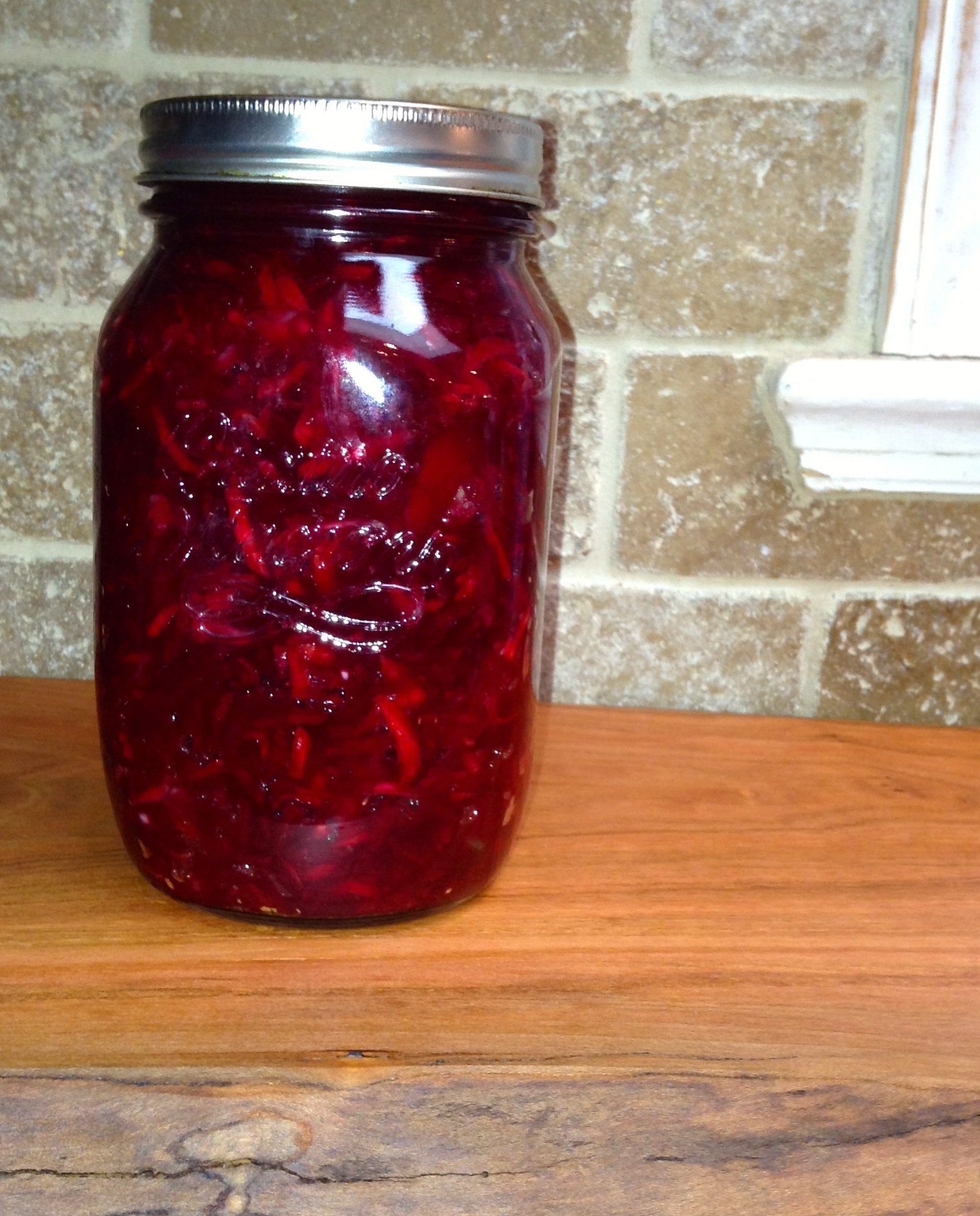
Oh…! Β The rich earthy flavor of this slaw just get better over time. Β If you are a fan of beets, this does not disappoint – not one bit! Β Fermenting is a low-cost, efficient and easy process that preserves foods – some indefinitely! Β We still have the remnants of a corn jalapeΓ±o salsa ~ from two years ago ~ that is still viable, delicious and enjoyed!

Ferments have a self sufficient versatility – but at the same time, pair well with a variety of dishes. Β Fermenting your own vegetables is an artisanal delight that is flavorful, healthy and when made with your local harvest good for the planet too!


Gingered Beet and Carrot Slaw

When fermenting – Β use the best quality ingredients available to you. Β Remember, local, simple and seasonal freshness make all the differenceΒ in and to the world!

ingredients:

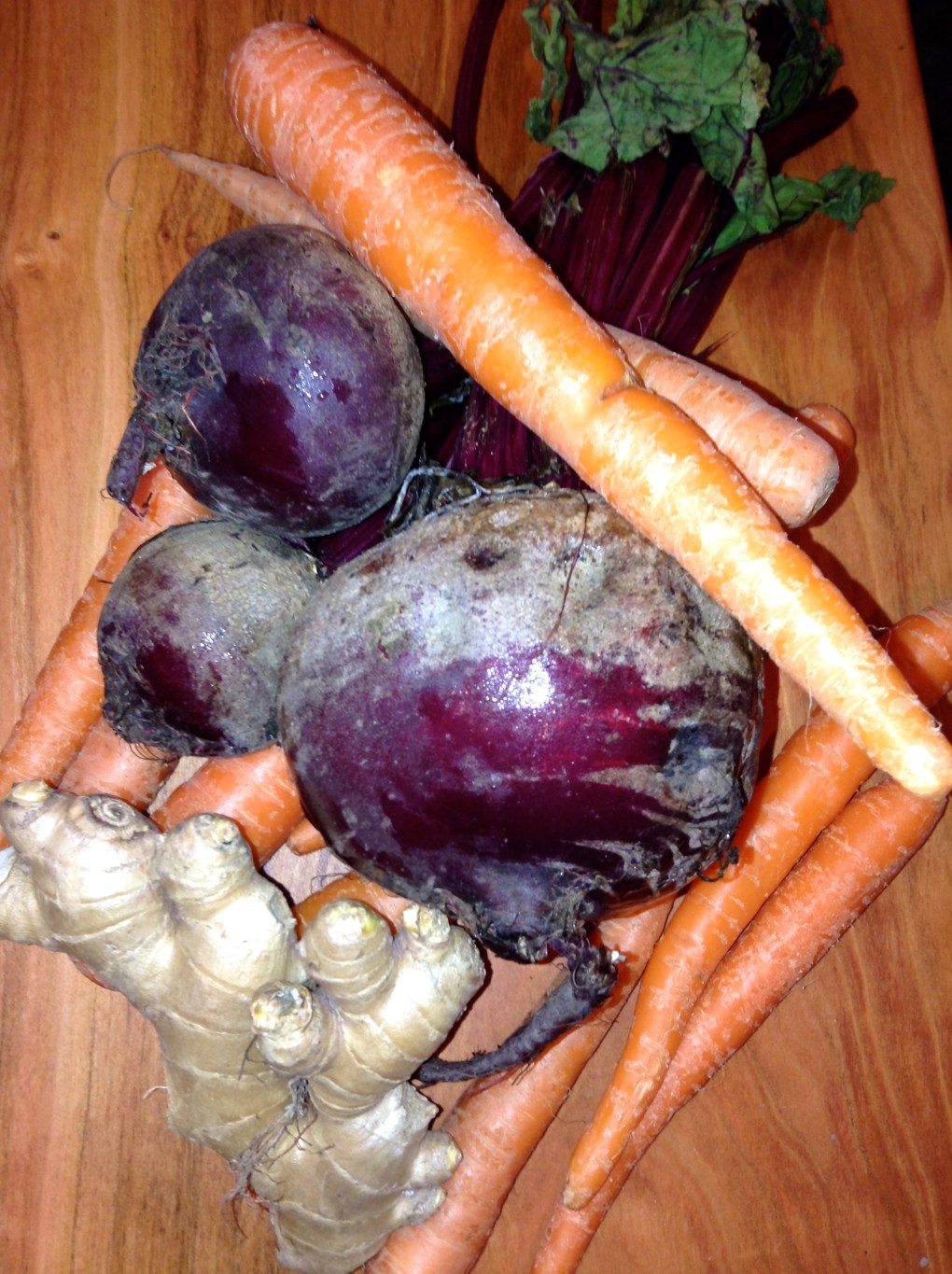
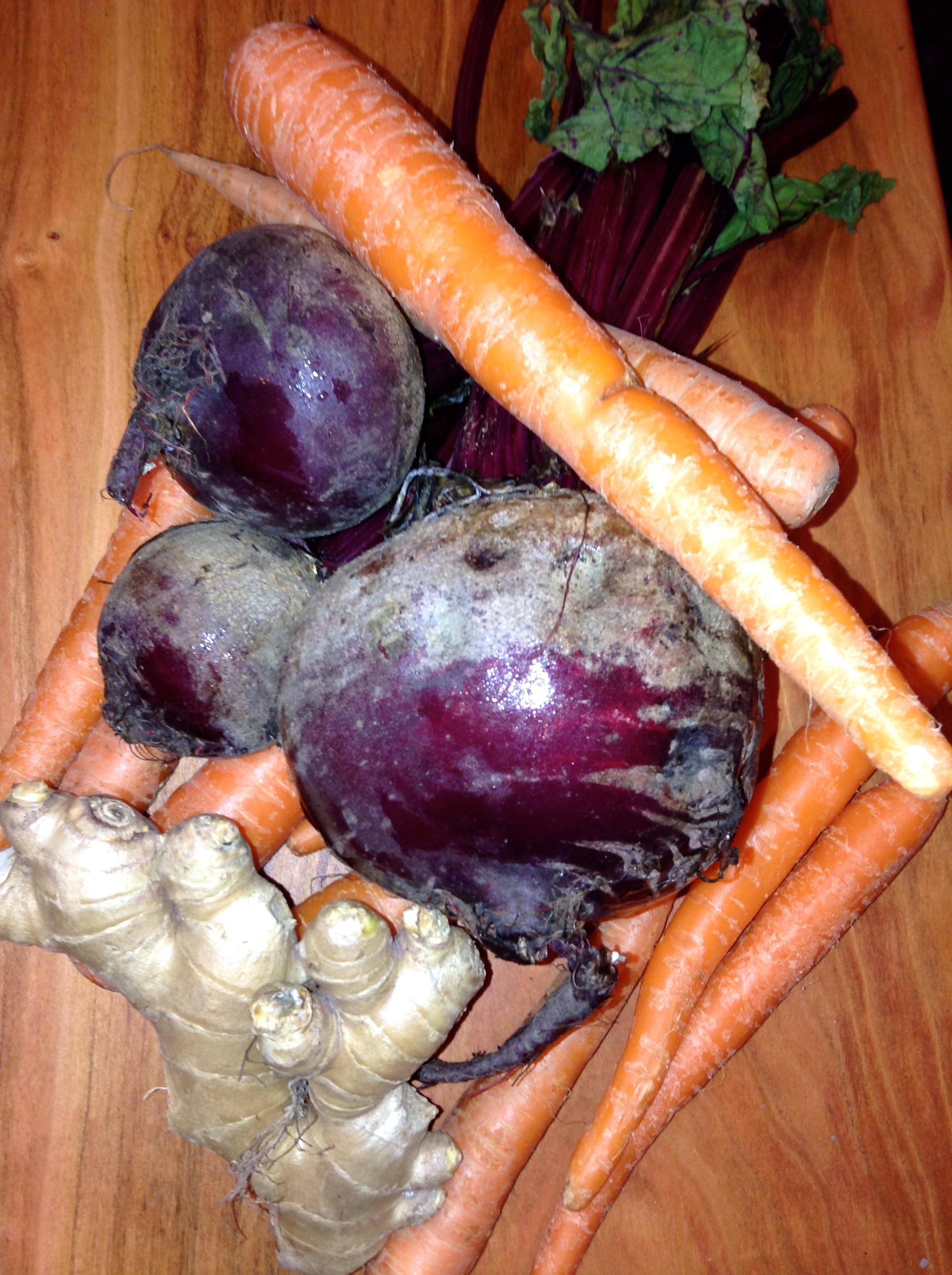
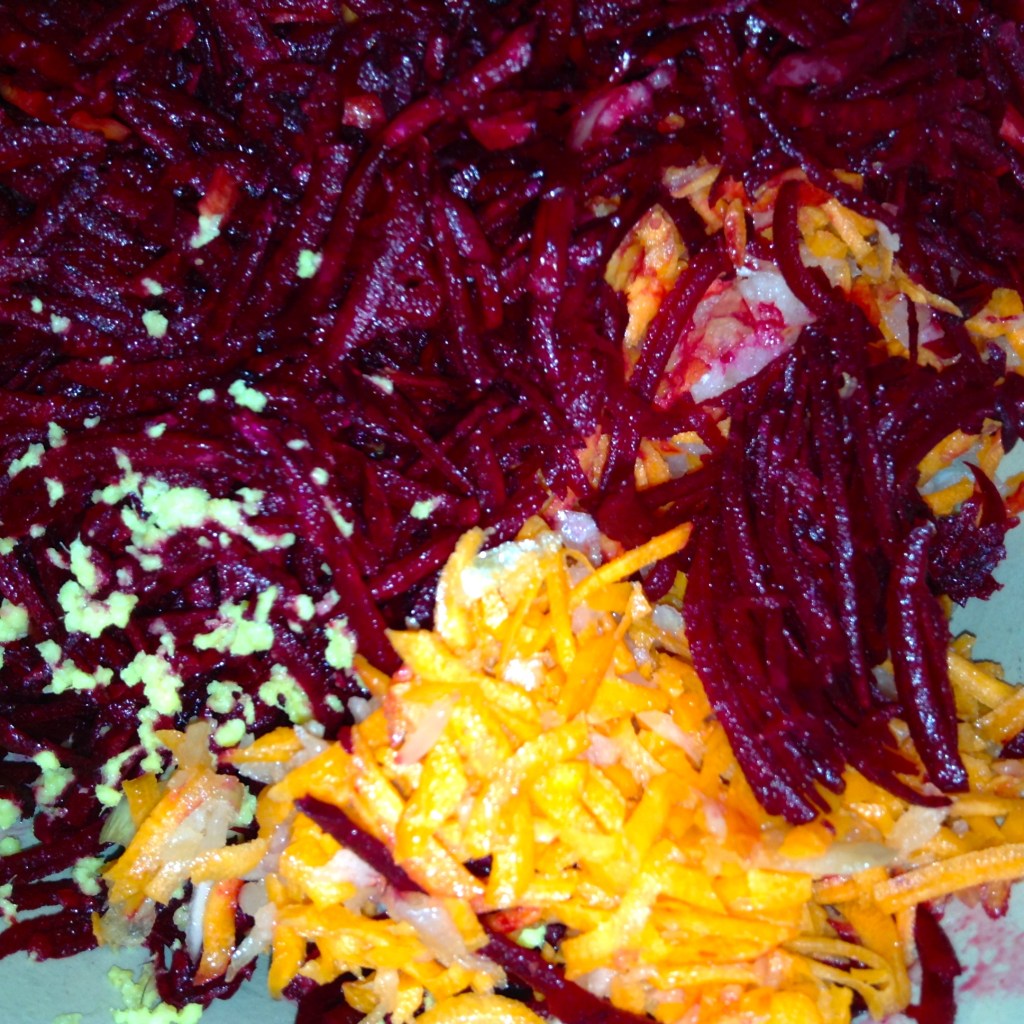
300 grams fresh shredded carrots

500-600 grams fresh shredded beets

100 -200 Β grams onions (optional)

1/2 – 1 teaspoon shredded fresh ginger

2 teaspoons salt

fermenting ingredients

preparation:

Wash hands. Β Place all ingredients in large clean bowl. Β Mix and massage the mixture with hands, squeezing to extract the natural juices. Β Some recipes call for a brine to be added to the slaw, but my experience (and preference) is that my local fresh ingredients produce enough liquid when the salt is added to cover the vegetables. Β This is the same principle used for sauerkraut.

IMG_0238

Mix for about 10 minutes (this is a great work out!). Β Place in a clean mason jar and leave out of direct sunlight.

After about 5 days taste and continue to do this every day until the taste you desire is achieved.


Β Fermented Beet Carrot and Ginger Slaw


On the Ferment – the amazing health benefits of fermented foods

“Monastic cookery, as it has been practiced through the centuries, is cherished for its emphasis on simplicity, wholesome frugality, basic good taste, and the seasonal rhythms of the ingredients used.

Monastic kitchens always strive for a healthy and balanced diet, fully aware from past experience that the monk and the nun must be properly nourished to serve God well.

The human body is the temple of God, and its dietary needs must be respected.” Β Victor-AntoineΒ d’Avila-Latourrette

Ferments, in all their glory and wonder, are an amazinglyΒ simpleΒ way to boost the nourishment of vegetables, boost immune functionΒ andΒ honor our body’s dietary needs. Β They are a staple in the pantry stocked for ease of meals and vibrant health. Β It seems strange to us that people from earlier generations knew how to extend the edible life of their vegetables without the use of freezers or pasteurization. Β But, throughout the ages, people around the world, without any awareness of the scientific principles involved, utilized and prized fermented foods.

One of the benefits of fermentation are the formation of probiotics. Β These are friendly tiny little micro-organisms that promote digestive wellness. Β These healthy communities of beneficial microflora and bacteria in our gut have an intensely positive impact on our overall health.

Most people these days are aware that 80% of our immune system resides in the gut BUT did you know that the vast majority of the DNA in you does not even belong to you! Β It’s a pretty amazing fact that

You have ten times more bacteria in your gut than you have cells in your body. Β And those bacteria comprise 99 percent of the DNA in your body. Β If only 1 percent of our DNA is human, and 99 percent is alien, you have to ask the question, who hosts whom?? Β These bacteria are called your microbiota… Β The microbiota function much like an organ, and they act as a major part of the immune system. Β They protect us from microbial and parasitic diseases… and contribute to our rate of aging. Β (Lipski, 2012)

In that light, it’s clear that we wereΒ designedΒ to live in symbiotic harmony with these bacteria. Β Yet, modern advances –Β while wonderful in many respectsΒ – have led to an age where antibiotics, stress, over consumption of refined processed foods, alcohol, and over the counter prescriptionsΒ easilyΒ disrupt the delicate balance of of our digestive biome. Β As a result, we are the first generation needing to consider how to refortify our diets with these helpful organisms!

There is still so much to be known about this remarkable ecosystem within us – but, thus far, we have learned a lot! Β Did you know that:

  • Probiotics maintain the integrity of the intestinal tract. Each different probiotic has specific effects on the human digestive system and is able to compete with disease causing bacteria. Thriving microflora in your gut actually fights for your very health and survival!! Think about that for a minute!

  • Certain probiotics secrete large amounts of acetic, formic and lactic acid, which makes the intestinal environment inhospitable to invading microbes and helps prevent or lessen the severity of food poisoning.

  • Probiotics manufacture vitamins B1, B2, B3, B5, B6, B12 and K

  • Probiotics aid in the digestion of lactose and dairy products and digest proteins.

  • Probiotics increase the absorption of minerals.

  • Probiotics reduce intestinal inflammation.

  • Probiotics balance intestinal pH.

  • Probiotics improve or prevent irritable bowel syndrome.

  • Probiotics prevent and treat diarrhea from antibiotics and traveling.

  • Probiotics manufacture essential fatty acids and short chain fatty acids. These fatty acids actually feed the cells of the colon and optimize the colon’s pH for improved or optimal colon health!

  • Probiotics prevent and control vaginal yeast infection, thrush and bladder infection.

The list above is just a partial highlight of the amazing things that go on inside you when you eat simply and well! Β It’s clear that intestinal microbes play a vital and front line role in our immune defenses. Β Because they only reproduce in our digestive system for a few weeks before being eliminated – probiotic rich foods are a staple of a well balanced diet.


Properly prepared ferments add probiotics in the trillions per spoonful, with an efficacy far superior (and cost effective) to probiotics in tablet form.


When selecting your foods, keep in mind,Β variety is the spice of life. Β If the only fermented food you eat is yogurt, you are missing out on all of the anti-inflammatory benefits of foods like sauerkraut, kimchee, kefir, brined pickles & olives, and various slaws.

Each different ferment provides a variety of bacteria and the different vegetables all bring their unique health properties to the table.


Local Seasonal Cabbage

ready for duty!


New to ferments? Β Wondering how to introduce them to your family?


Okay, I totally understand that! Β If you have infants and toddlers, you are in the best situation. Β Little ones tend to accept new flavors readily. Β We started later on the journey, with some pretty opinionated tastebuds and peer pressures. Β So what was helpful was to keep in mind that a little goes a long way. Β It’s really not necessary to eat a lot. Β Just a tablespoon as part of each meal yields wonderful health benefits! Β Build up from there if you wish.

Taste buds vary among our kids and some enjoy ferments more than others. Β Our oldest loves the sauerkraut andΒ salsa. Β She usually takes more than a spoonful at each meal. Β The youngest isn’t the biggest fan and she gravitates toward gingered carrots, beets and pickles. Β Any vegetable can be fermented – even green beens and asparagus.

A great friend of mine from Bulgaria, actually remembers her parents and grandparents fermenting all their summer vegetables because, during communism, there was not a year round supply to be found in stores during the winter.

I was in awe!


Sauerkraut on the Ferment

Sauerkraut on the Ferment!


Ferments have a self sufficient versatility – but at the same time, pair well with a variety of dishes. Β Fermenting your own vegetables is an artisanal delight that is flavorful, healthy and when made with your local harvest good for the planet too!