
kollyva – a sweet offering

In our lives as Orthodox Christians we journey through many seasons, both within the year of the liturgical cycle in the Church, and also through out our lives, and the lives of our families and friendships.  There are seasons of preparation, fasting and feasting.  There are seasons of joy and of lament; seasons of birth and death, of growing and of learning.


And you know what?  Sometimes, there are even seasons of unlearning, but as liturgical beings, we experience the changes of our lives within the steadfast constancy of the Church.


These bonds of love we forge in our lives are strong; and so even after the loss of  family or friend, that love always remains.  Their absence from our daily lives can leave a great pain.


 Unlike the ways of this world,  Faith tends to be counter-intuitive.   The modern world, in all of it’s conventional wisdom markets us to pursue happiness ~ mostly economic  ~ and mostly through gain and acquisition – but not of what is needful.  There isn’t really a plan for loss.   The modern formula to deal with tragedy usually involves pharmaceuticals and generally those are offered within weeks after it occurs.    This can leave a person fractured and tangled in the wrong net.  But there is another way…

“Whoever does not have the Church as his mother cannot have God as his father.” 

Saint Cyprian of Carthage
Memorial Service


Herein lies a great blessing!    For a mother provides wisdom, nourishment and guidance for her children.   And so it is that one finds through loss, the possibility to become whole.   When we embrace the prayers offered by our Mother the Church,  Christ grafts healing and mends within our hearts the fullness of a fiercely gentle but unyielding hope.

A sacrifice of thanksgiving…  Again and again, praying for our departed loved ones, we fix our gaze toward Eternity, rather than focus on our loss and there  ~  in that space  ~ it is despite our burden  ~  or precisely because of it, that we find rest in the yoke of His Resurrection.


Death is a threshold, not an end.   We do not grieve as those who have no hope, but rest in the assurance that God will bring with Him those who sleep in Jesus.  ( 1 Thessalonians 4:14)

 +

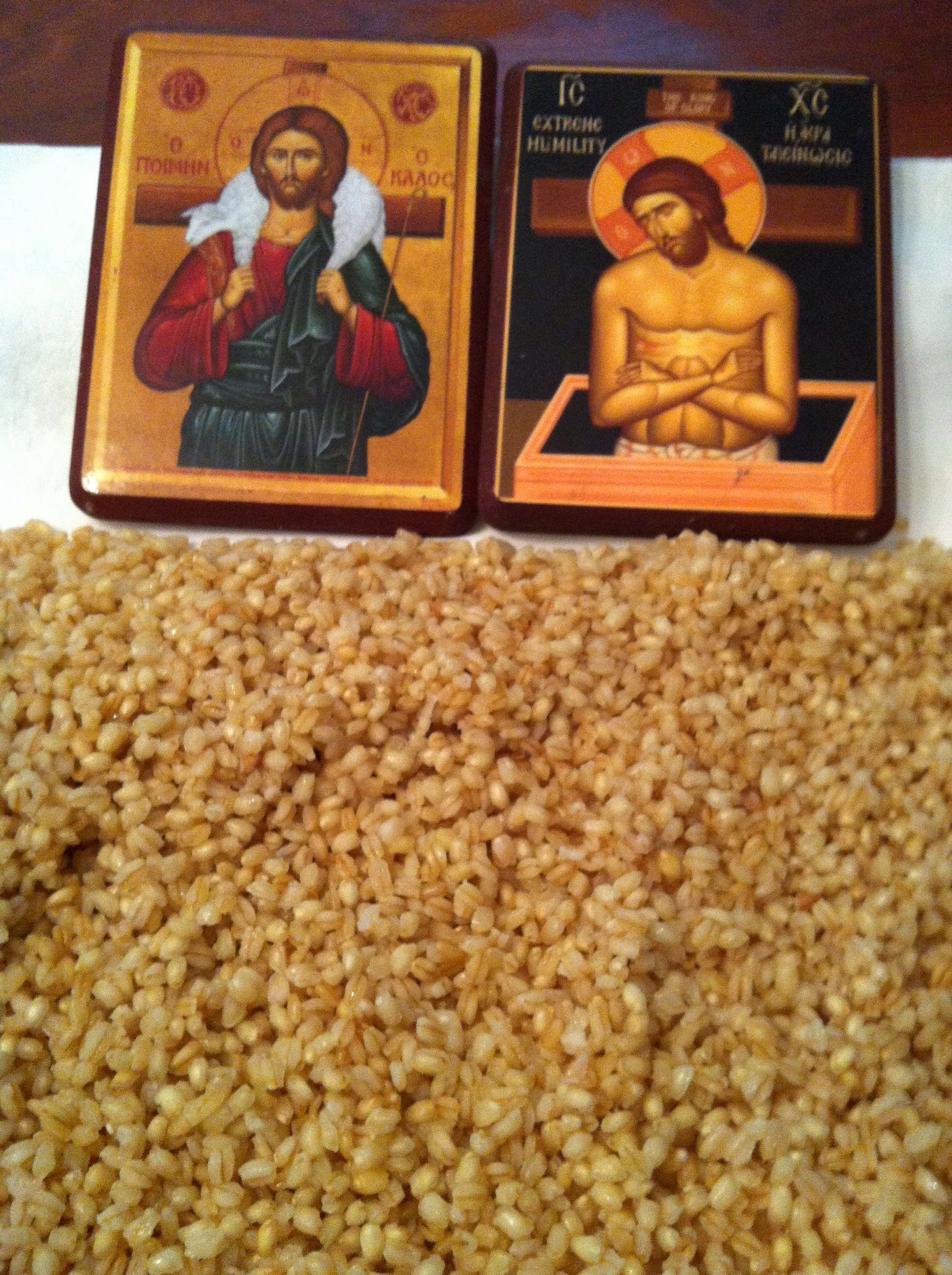
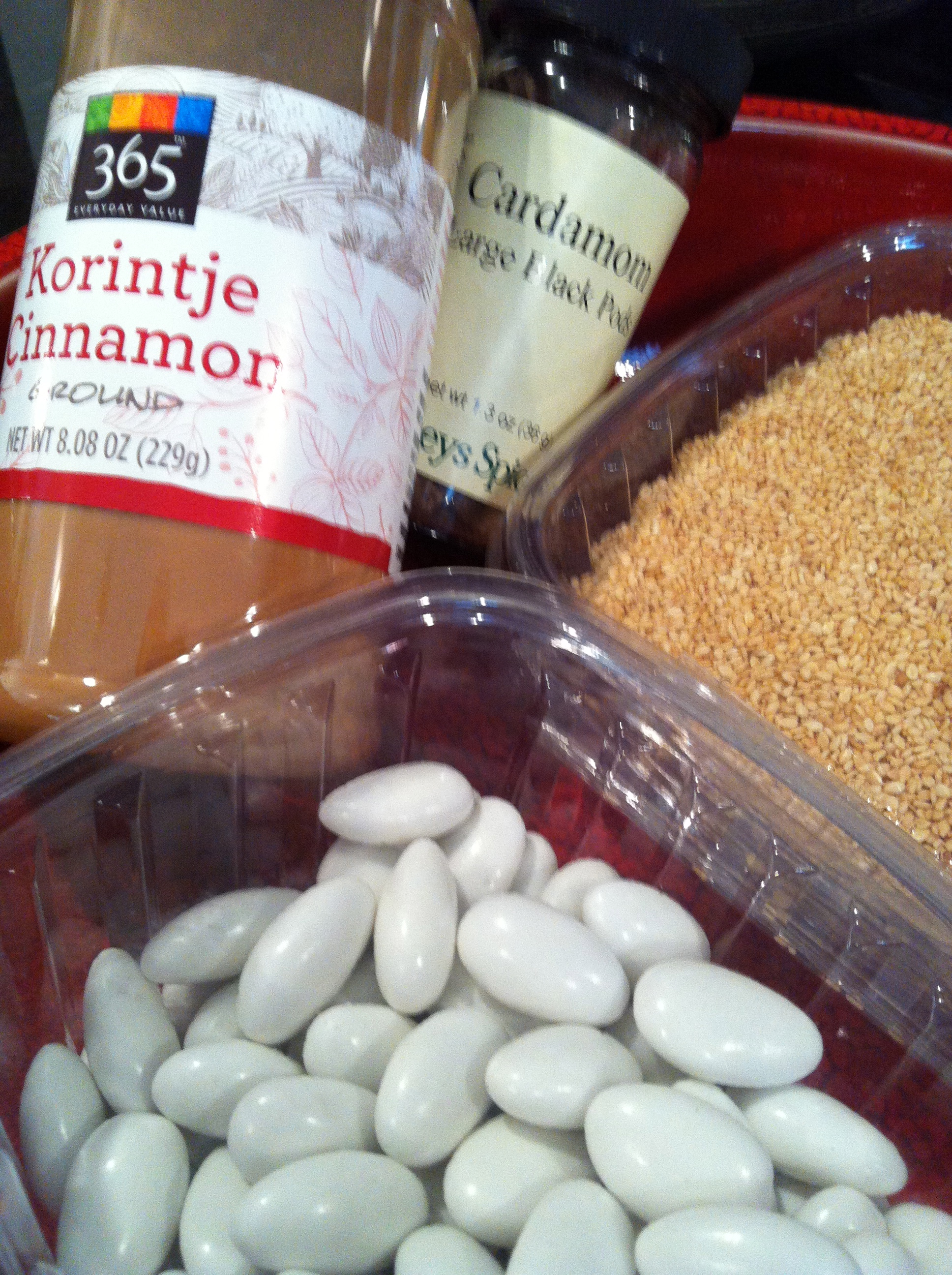
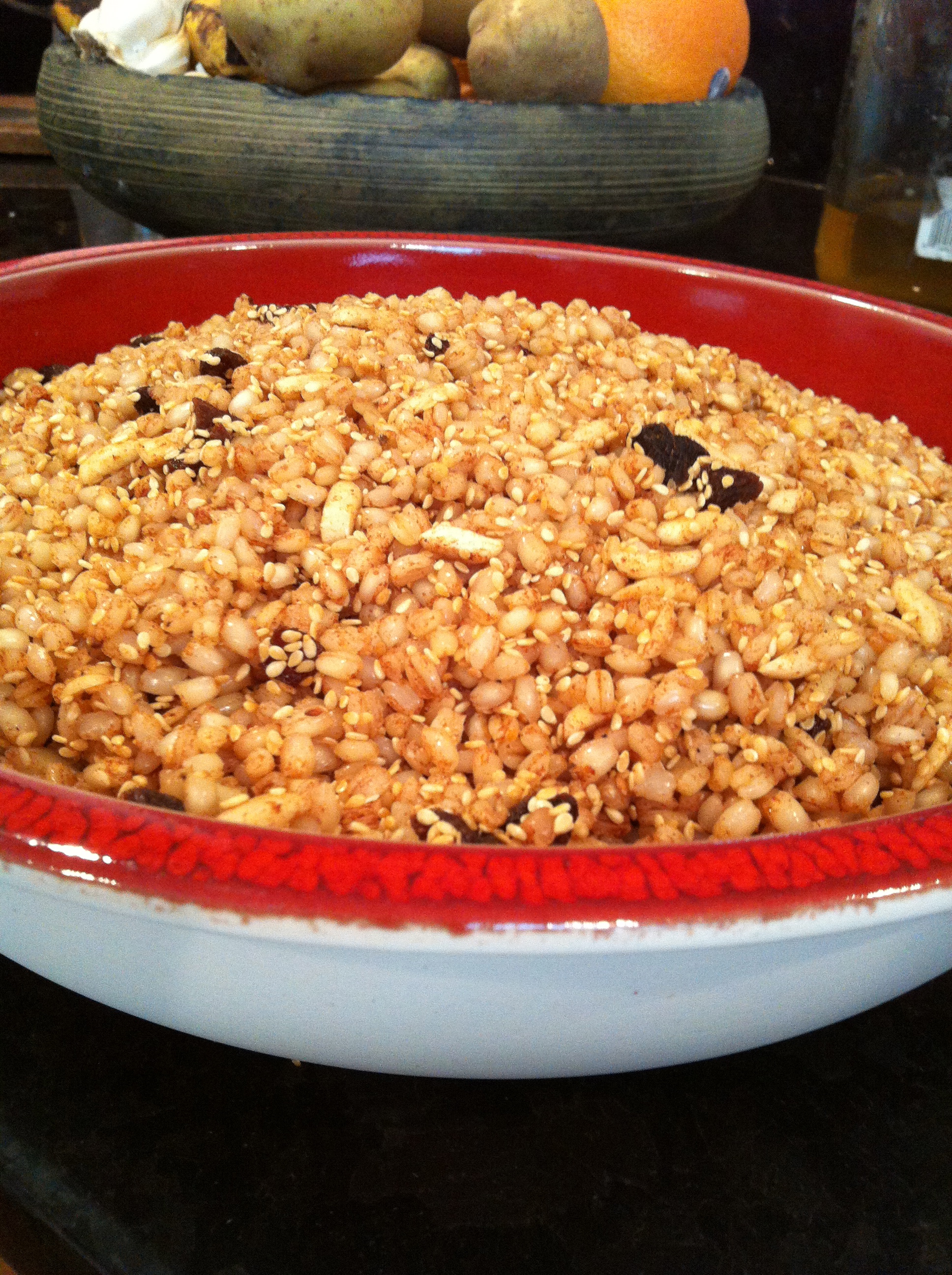
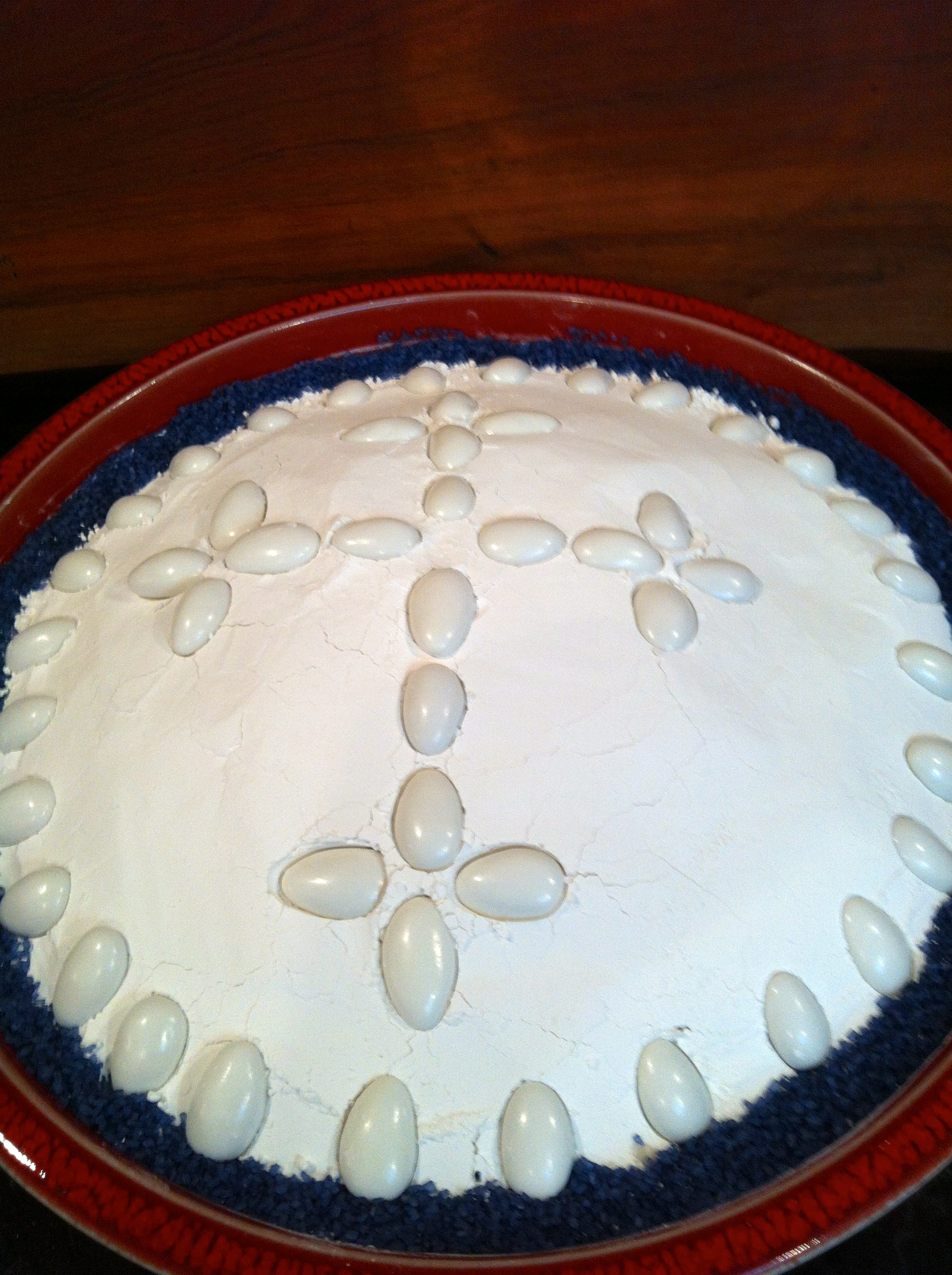
It is traditional for Orthodox families to offer a memorial service in Church on the third, ninth and fourtieth day after the passing of a loved one; and then each year commemorating the anniversary of their death.    During our memorial service, the family of the departed offers a sweet wheat known as kollyva.     Kollyva is boiled wheat with sugar and raisins, spices and nuts.   It is usually decorated with powdered sugar and jordan almonds.


This offering of boiled wheat is a remembrance of the resurrection  ~  for as a grain of wheat must be buried before it can bring forth fruit, so a man must be buried in order to be resurrected for eternity.

During an Orthodox Memorial Service a candle will be placed in the wheat and then the memorial service is chanted for the soul of the departed.

 With the saints give rest, O Christ to the soul of your servants, Where sickness and sorrow are no more, but life everlasting.


May the memory of all of our departed loved ones be eternal!!


There are several different recipes for kollyva but the main ingredient is soft white wheat and sugar.  This is the recipe our family uses, but many other ones may be found here.

Kollyva Ingredients:

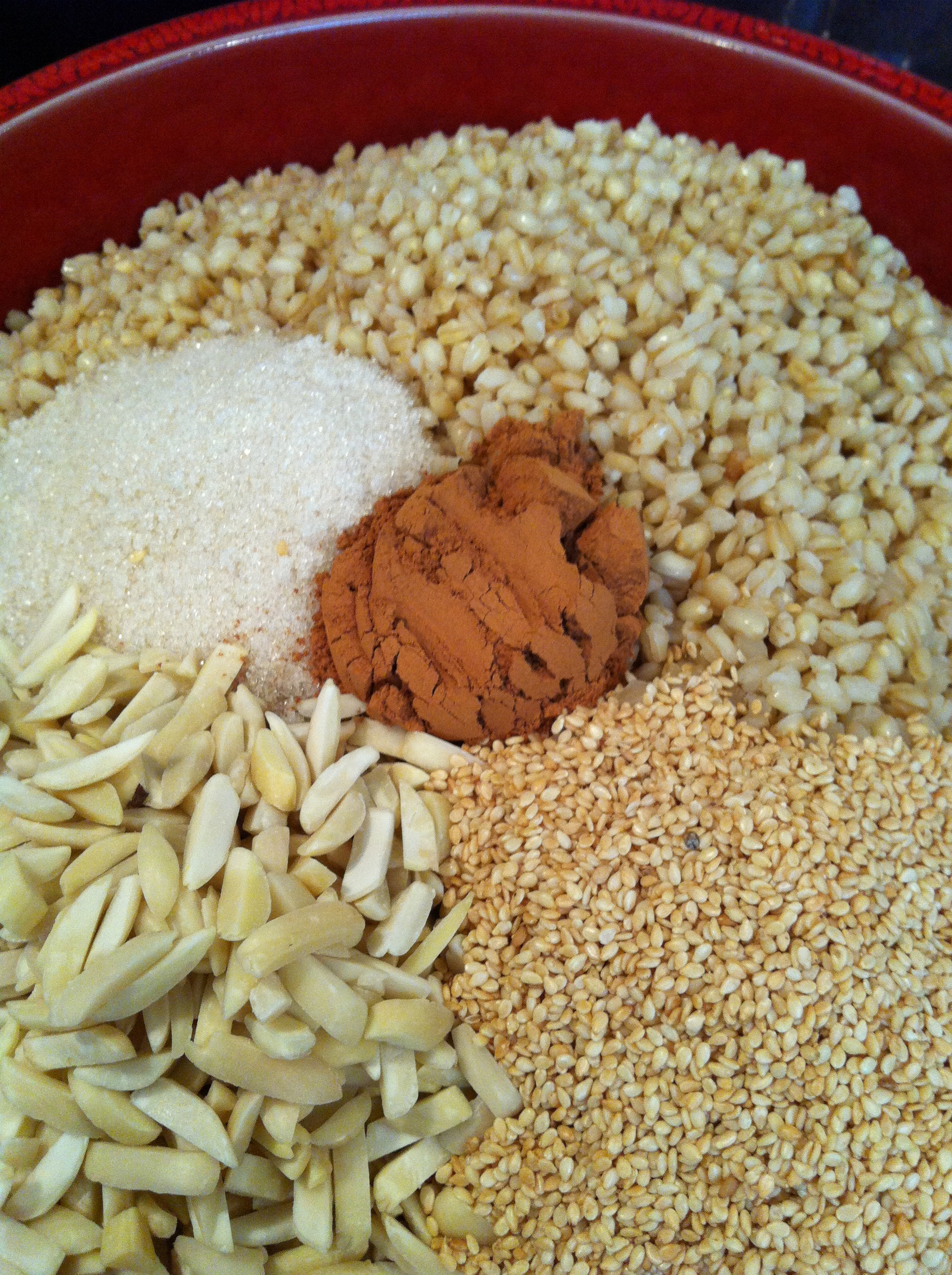
  1. 1 pound soft white wheat
  2. 1 tablespoon cinnamon
  3. 1 teaspoon cardamom
  4. 1-1/2 cups golden raisins
  5. 1 to 1-1/2 cup slivered almonds
  6. 1 to 1-1/2 cup toasted sesame seeds
  7. powdered sugar
  8. jordan almonds
  9. parchment or wax paper for smoothing sugar

Kollyva Preparation

  1. Add the wheat to boiling water and let simmer for a half and hour.  You want the wheat to be soft but not mushy so be careful not to overcook it.
  2. Once it is cooked, strain and rinse the wheat with cold water to stop the cooking.  Place it on a dry white tablecloth and spread it out.  Cover with another white cloth.  Let it sit for two hours or overnight.  This drains the water from the wheat.
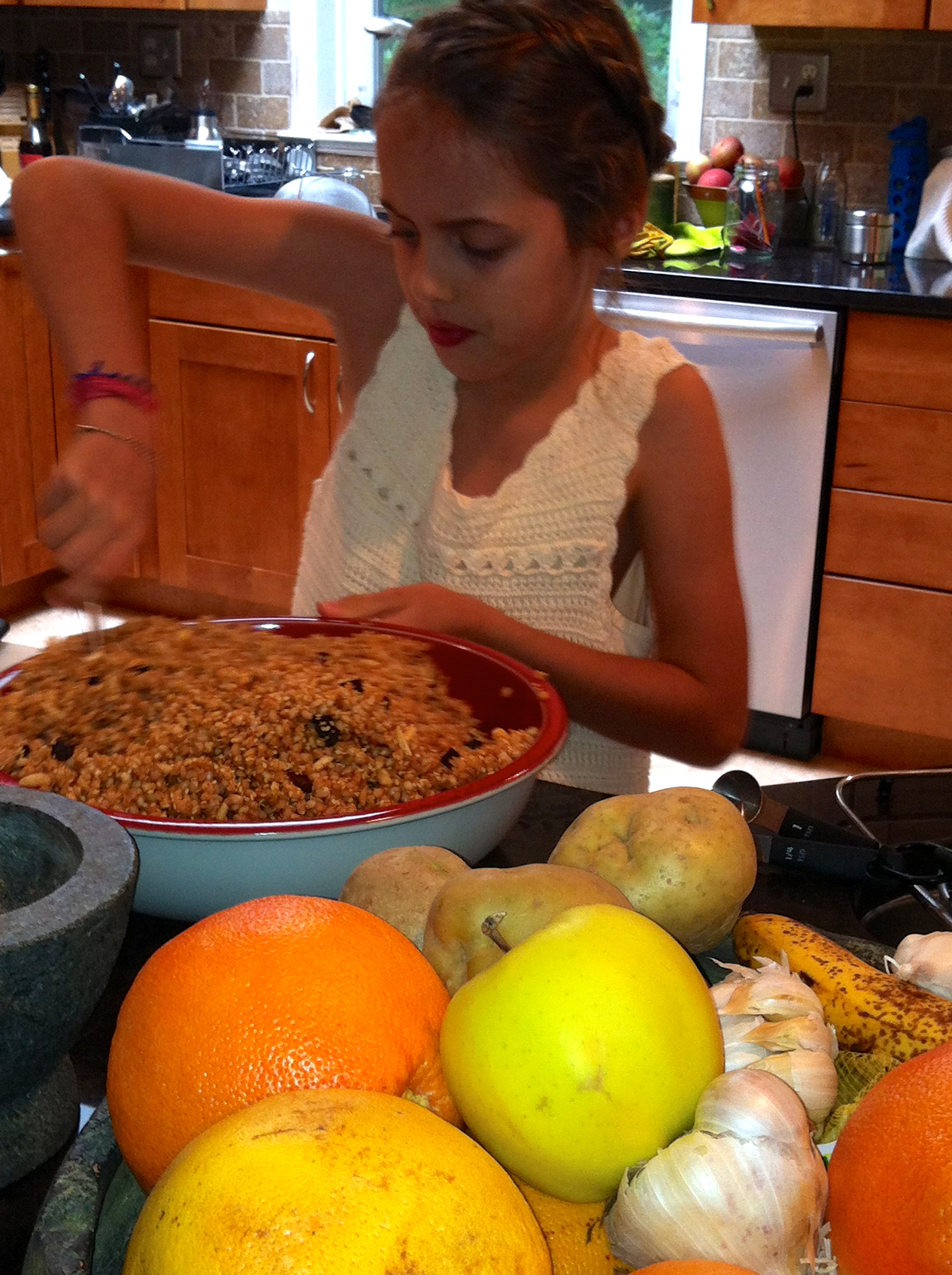
  3. After the wheat has rested, place in a large bowl with remaining ingredients and stir well.
  4. Shape the top of the wheat so that it is smooth.  You may smooth it so it is flat within the vessel you are using or rounded like ours.
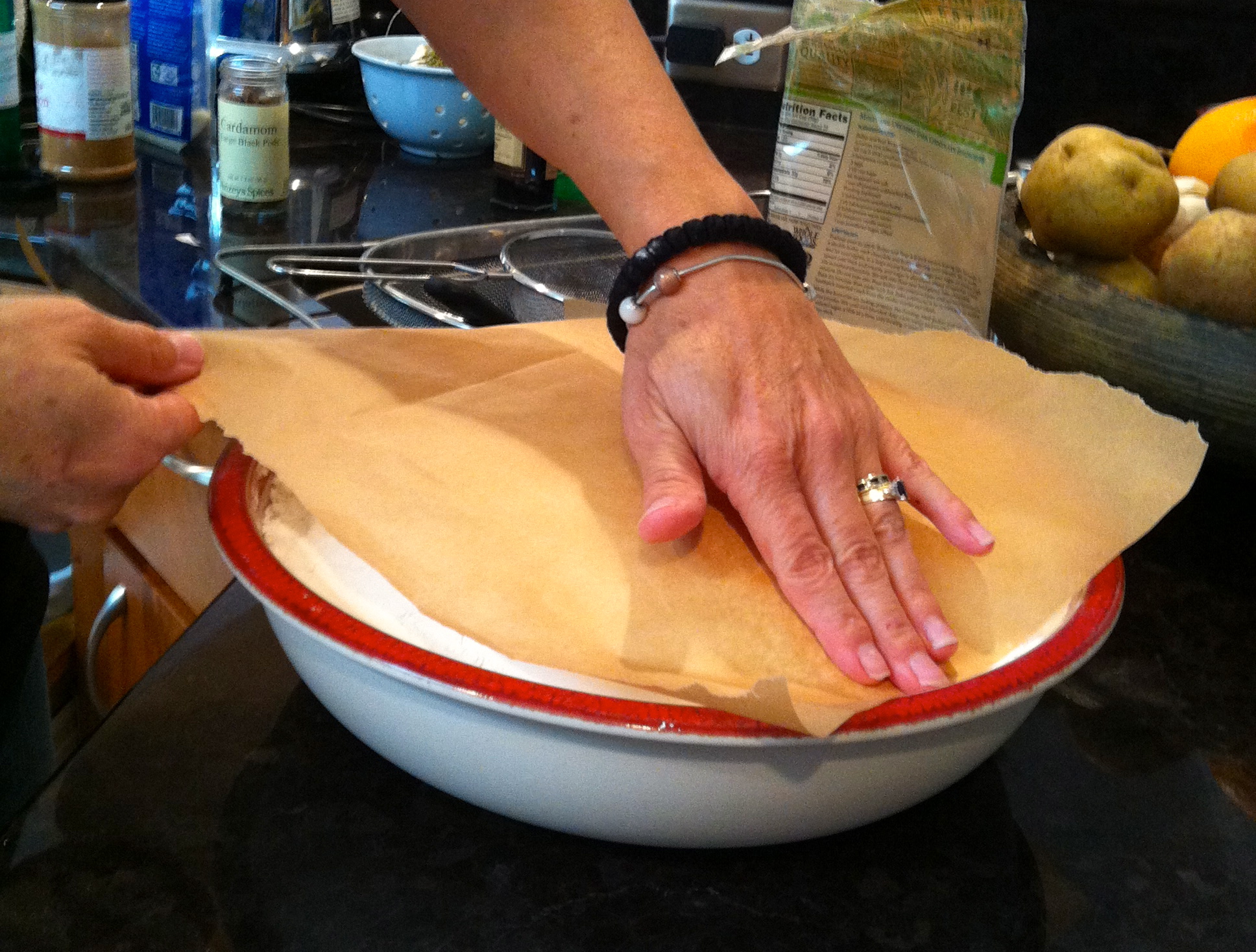
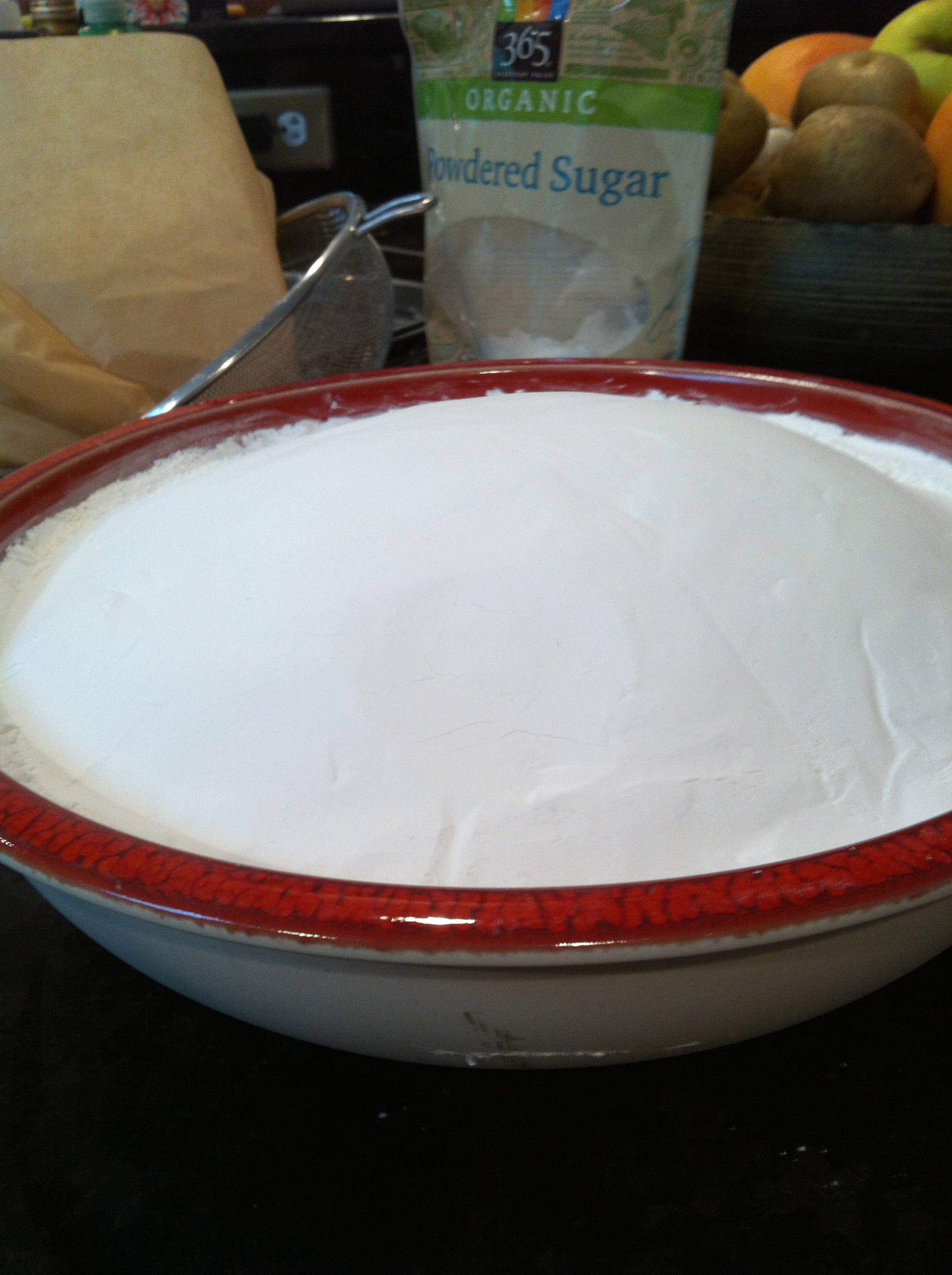
  5. Top the wheat with powdered sugar.   It should be about 1/4 inch thick all over.  Then take parchment to flatten and smooth the sugar.
  6. Now decorate with jordan almonds.
leaven and life

leaven and life

The inspiration of this post is the intersection 

of two books currently actively used in our kitchen : 

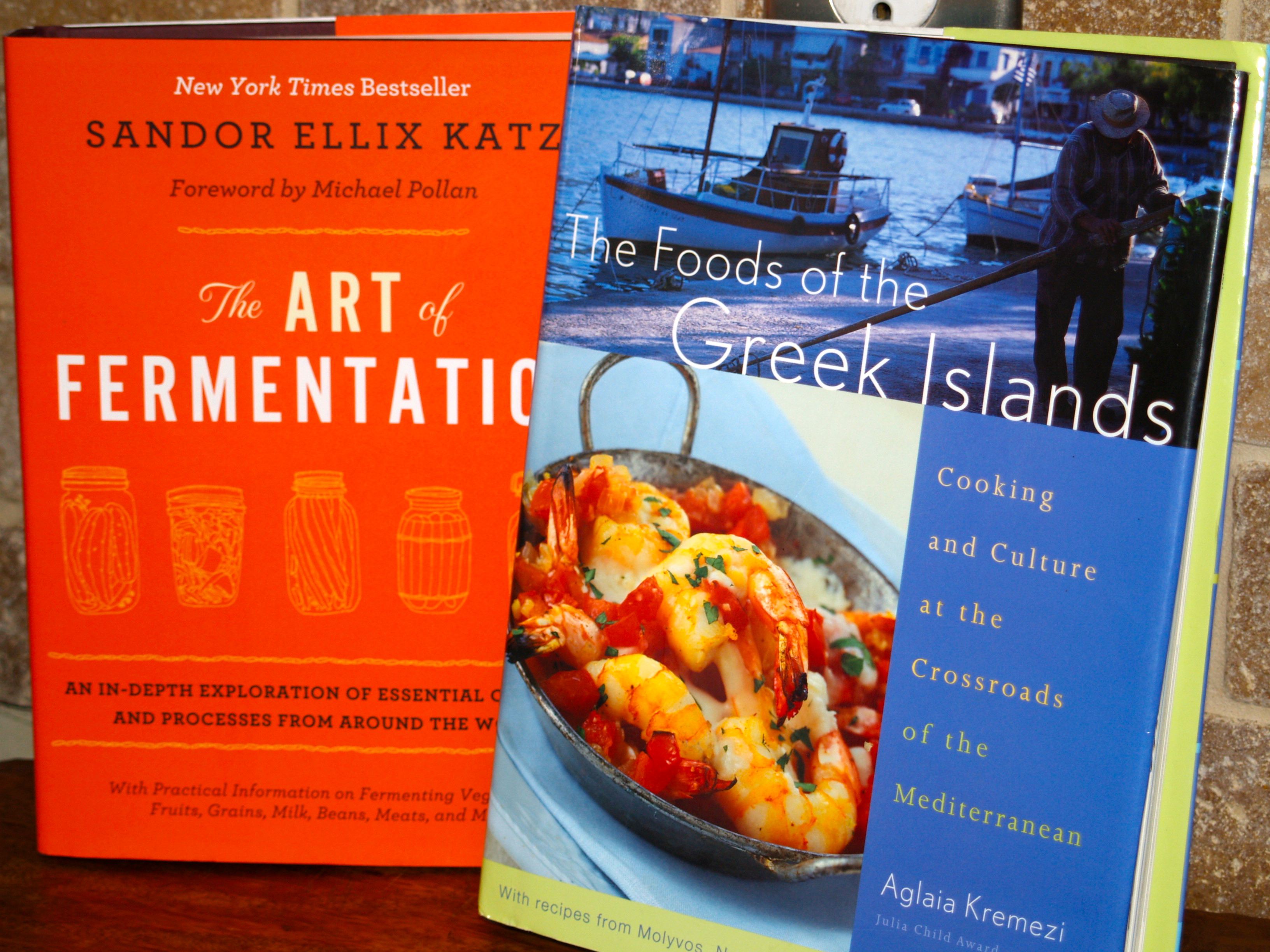
The Foods of the Greek Islands – Algaia Kremezi 

and The Art of Fermentation – Sandor Ellix Katz

sour·dough – (noun) leaven for making bread, consisting of sour fermented dough, typically that left over from a previous batch

“The hunger for love is much more difficult to remove than the hunger for bread.” – Mother Teresa

In the beginning, all risen breads were sourdough.  Bread was a great mystery but the women knew that if they blended warm water, flour and time, then nurtured the mixture through regular feeding, that eventually the dough would become alive, bubbles would form mysteriously in the mixture and when it was baked the texture would be lighter with an intriguing taste.  Commercial “fast acting” strains of yeast were unavailable and so the only leaven was the natural product of the fermentation of wild yeast and bacteria, which transformed into a sourdough.  The Latin fermentāre means to rise.

As often happens, the first fermentation of sourdough likely occurred by chance.  How many of you would think to bake (or brew into beer) the accidental fermentation of grain, left unattended, souring on your kitchen counter?  In this day and age, probably not many of us, including me – especially considering how germophobic we are… we’d rather not deal with the naturally present bacteria on any surface!

But fermentation is an age old method of preservation, that involves cooperation with a community of microbes we can not even see.  And that cooperation enhances the nutritional quality of the foods fermented.  It was a surprise for us to learn that a natural sourdough will not mold, instead, due to the lactic acid (this wonderful preservative produced in the sourdough)  it keeps longer than commercial bread.  Sourdough breads are also what is known as predigested, and therefore easier on our digestive systems, reducing gluten content and allowing absorption of more nutrients.

The organisms necessary for fermentation are usually always present on the surfaces of grain and flour.  Unlike commerical strains of yeast, which are similar or the same,  sourdoughs cultivated by people in different places can be very distinctive, such as San Francisco sourdoughs.

Our planet was created with great diversity and that’s the beauty of a sourdough – that you can’t pick and choose your naturally present wild yeast.  Although all healthy sourdoughs contain lactobacilli and the lactic acid produced by it,  each sourdough starter is essentially very unique.  Natural sourdoughs are not static microbial communities  Instead they are very dynamic.  More than that….they become their environment and so, if you begin a sourdough starter it it will develop unique flavor characteristic to whatever yeasts are present in your air and your flour.

Patience is a virtue.  A sourdough starter takes days if not a week to mature to the point that it may be used in baking… and there is no such thing as fast acting or fast rising prozymi or starter  A sourdough bread rises anywhere from 8 to 24 hours, depending on your recipe and the conditions.

prozymi - sourdough starter

Traditionally, Greek Orthodox women make their sourdough starter around the Feast of the Elevation of the Cross, celebrated on September 14.   The starter is called prozymi.  In many  Orthodox Churches, fresh basil is used to sprinkle Holy Water, a sprig of which is taken home and placed in the prozymi.  If the prozymi is started around Pascha (Easter) then the mixture contains a handful of the flowers used to decorate the Epitaphios.  This sourdough starter is then used for baking Prosphora – an offering – the bread we make for Communion.

Concepts create idols, only wonder grasps anything.”  Saint Gregory of Nyssa

It’s been said that the elderly Orthodox women in Greece, if asked, will tell you that the transformation of the flour, water and basil or flowers into the prozymi occurs by Gods Grace alone, and well, that is entirely true… for that is our belief  ~  that all life is a gift and sustained from a loving God.

These women are grounded in Christ – living within the seasonal rhythm of the Church, anchored but always anticipating the upcoming feasts and living and incorporating the faith into daily life.

Give us this day our daily bread.  Laboring a sourdough, this wild yeast fermentation of the prozymi becomes an endeavor of trust and of creation – fashioned through a relationship with God.  This becomes our offering- the prosphora –  A simple, humbling endeavor, to place God above all, offering up our whole  lives to Him.

And all that inspired us to incorporate prozymi into our family traditions too and so we’ve coincided our sour dough starter with the Elevation of the Cross.

Happy Feast!

Below is is a Basic Sourdough / Prozymi Starter

There are slight variations in every sourdough recipe, some call for rye flour, some call for adding a piece of fruit, like a plum or grape which has a little hint of white film -which is yeast and called the bloom, and others – like the Orthodox tradition call for adding our blessings from Church.

Timeframe about 1 week Ingredients

 [box] Flour (any kind) water – non chlorinated

fresh basil, fresh organic plum or grapes (optional)

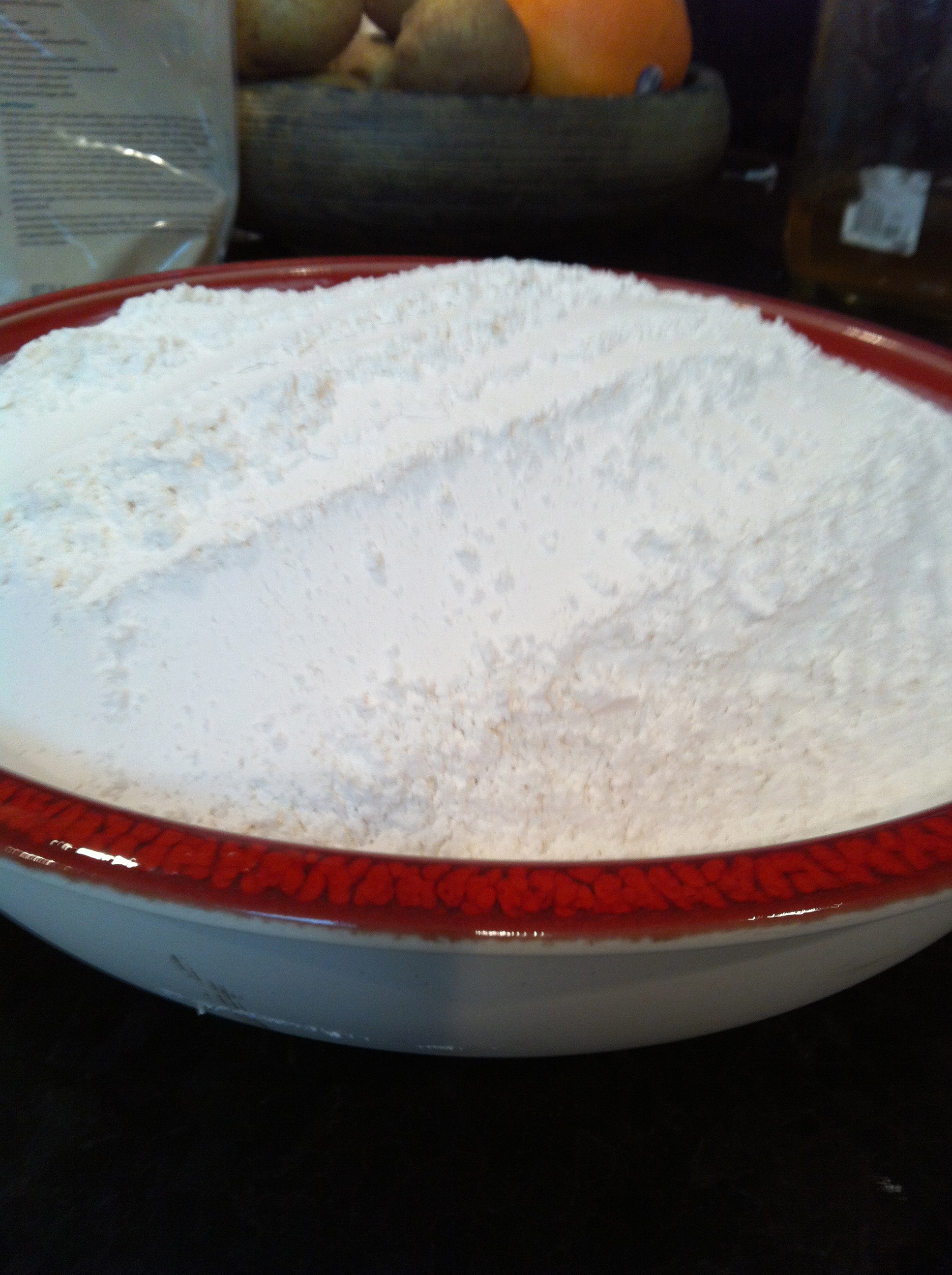
In a jar or bowl mix 2 cups of water and flour. Stir mixture vigorously. Add basil or fruit if using. Cover the mixture with a cheesecloth or any other porous material that lets the air circulate.

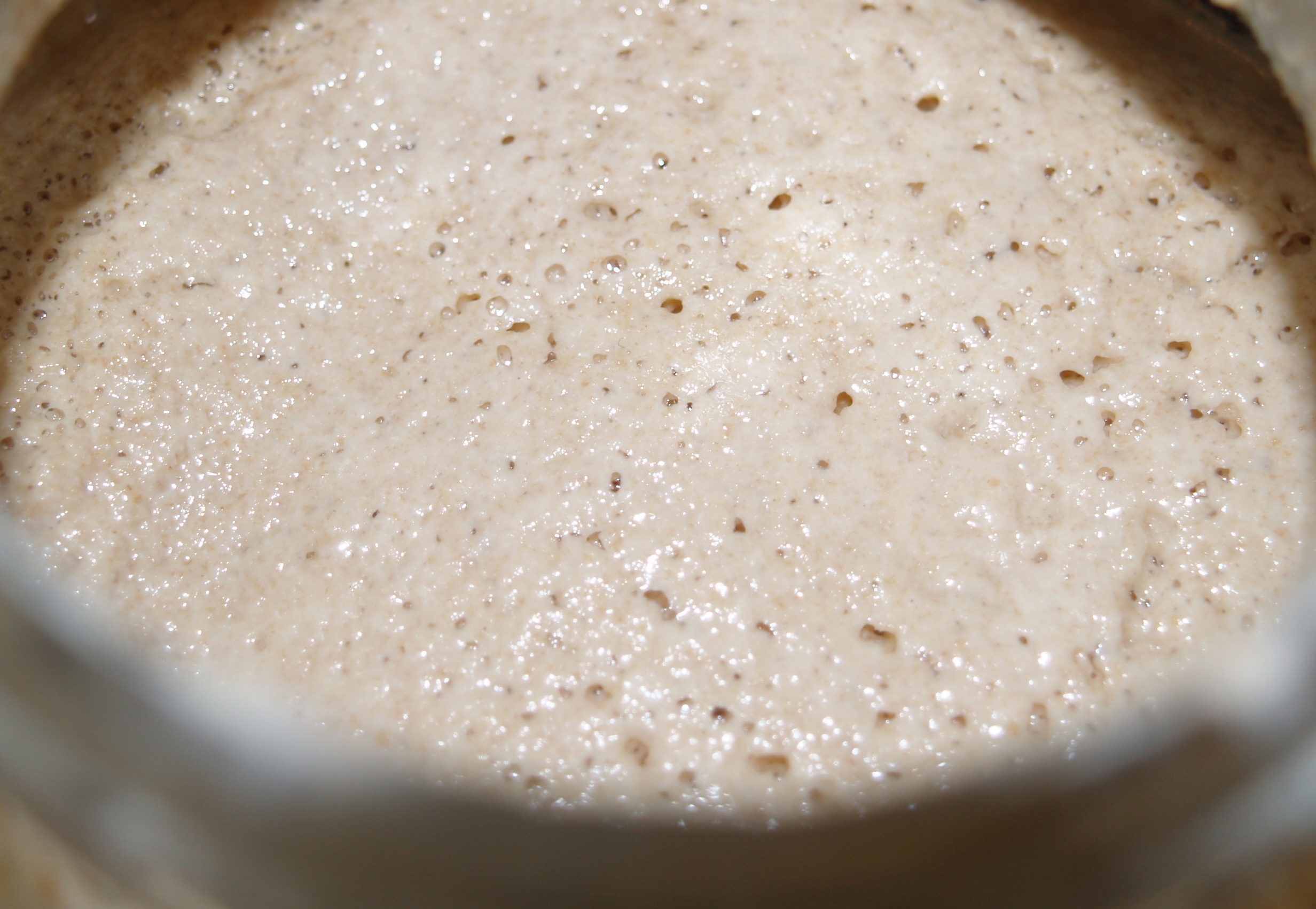
Store batter in a warm place in the 70-80 degree range. Visit the batter daily and stir it to distribute the yeast. After a few days you will notice some bubbles on the surface of the batter. The yeast is letting you know it is active.

Remember, your home is it’s own ecosystem. Every ecosystem has its own unique micro-organism communities – the ecosystem in your home plays a role in how slowly or quickly your batter will germinate. Once yeast activity is evident, strain out the fruit.

Add 1 or 2 tablespoons of flour to the mixture each day for three days. The batter will begin to thicken and rise. Add more water when necessary. By about day five your starter should be bubbly. With a clean spoon, remove about half the sourdough starter, if you compost you can throw it in your bin.

Stir in 1/2 cup flour and about 1/4 cup water. You now should have an active starter – cover it and leave it at room temperature until it has almost doubled. You can now expand the starter for baking bread or refrigerate it overnight and start expanding the next day. [/box]

If your are looking for some recipes to use with your starter, this is a great resource.  And, if you are thinking to bake phosphoro for Church a very well detailed recipe can be found here, on OrthodoxMom.com .  What a beautiful post!