no other basis

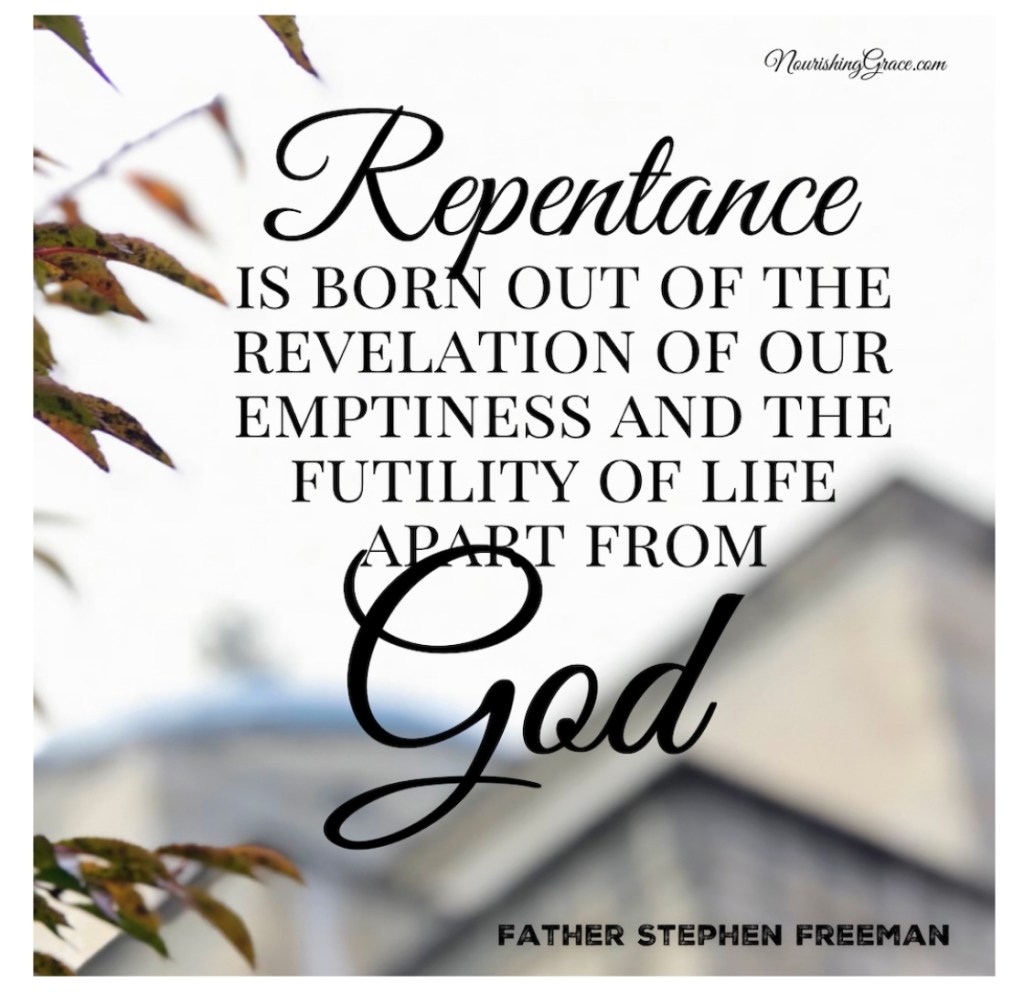
The life of repentance is a constant embracing of Christ’s Pascha. It is a giving of ourselves to what has been given to us. It is the rejection of every pretense that would erect a life on some other basis (as though there were another basis).

Father Stephen Freeman

Glory to God for All Things Blog

from the article “Faith, Doubt, Theology and Suspicion”


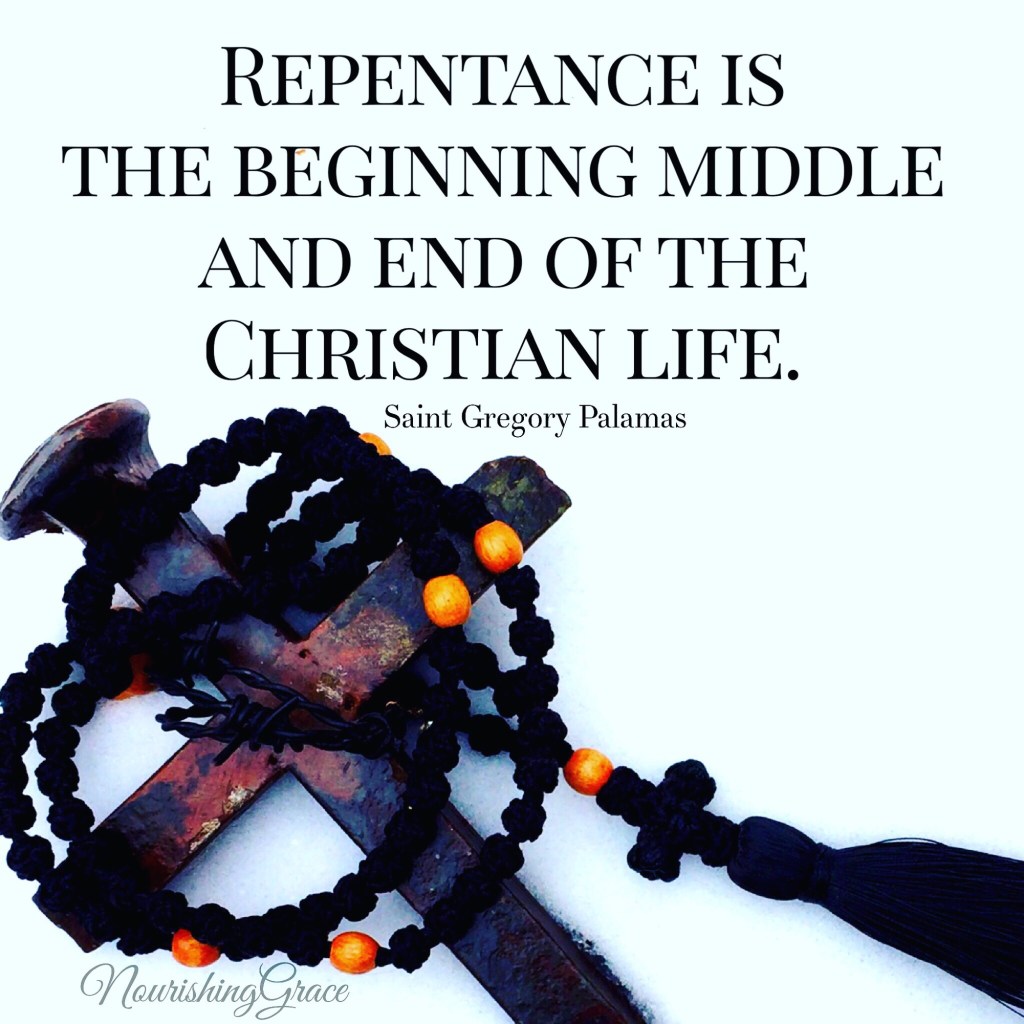
the beginning middle and end

E4D2A814-FEE4-494A-886D-AA2CDAA8620A

We are approaching a beautiful time of repentance set aside for us in the life of the Orthodox Church.

It is a time of reconciliation and spiritual growth

Already the Church has been priming us with the beautiful Sunday’s of preparation… the humility of the tax collector, the coming to his senses of the Prodigal Son.  Judgement Sunday is a great call bringing us to our senses that we are not saved alone, our lives are not our own and the least of our brethren is Christ – the beggar, the prisoner, the crippled man.   That to pass by their suffering is to pass by Christ   Rejection.

These are but a little leaven softening the lump of our hearts.

It’s my favorite season of the Church – but I know I say that about all of the seasons set aside in the Church – I guess they all are my favorite, really.

As a mom I have tried to explain this word repentance to my daughters. I want them so comfortable with it that they could cuddle up with it like a blanket.

I want them to nestle in the Truth of Faith and embrace the timeless wisdom and Grace of the Church and live their lives in it. Because what I have noted is that in today’s relative everything goes world many ears have hardened to this word making it sound more like a punishment than a healing holistic way.

Repentance as a word and a way looks like an angry wagging finger rather than an inviting outstretched Hand.

The reality for most of us us that life happens. We get mired in the muck of it and the muck of it gets all over us. And so the Church guides us gently into Repentance.

The fruit of it is a heart returning to innocence – something like that of a child.  Another helpful explanation I have heard is that it is a cure or return to wholeness.  A monk, older than me, once told me that after years of not seeing a childhood friend who had entered Orthodox monasticism he made the journey to visit her and saw in her all of the qualities of innocence he remembered from when they were children playing together and this innocence, for me is now the image of repentance.

I suppose that’s why monastics also say that repentance is gift and our task.

It’s a heart given entirely over to Christ. A struggle.

Faith like a child, love like a child, forgiveness and innocence like a child.

I want that – I need that. don’t you?


the gates of innocence

IMG_1233


This is a gate of the road leading to the pasture of our small family farm…

As we approach the time of the Orthodox Christian beautiful fast, which is more to say the beautiful emphasis on repentance (rekindling the Greatest Commandment in our hearts) the Church blesses and fortifies us with the hymn 

Open to me, O Giver of Life, the gates of repentance:

for early in the morning my spirit seeks Your holy temple…

(Troparion of Matins, Sunday of the Publican and the Pharisee).  

Some time ago a monastic told me that “repentance is a gift” and that it is also our task.  Struggle.  A blogging priest wrote that repentance is turning to God in the acceptance who I am (warts and all).  Stark reality.  A friend monk recently explained repentance as a return to childhood innocence yet with all the knowledge and experience of a life lived.  Humility. Struggle.  Rekindling.

 My admiration for monastics is deep because their repentance is lived every second of every day which is why the faithful also seek out their counsel. 

Over the years and tears, a meditation of the gates of repentance, that might one day open for me, has formed. 

That meditation is of our migration, as the body of Christ, being led by our Mother the Church into the fields of Great Lent.  Each year I envision it as a pasture – like the one above – and that Lenten pasture nourishment being the hymns of the Church services; our public prayers corporate and deepest most intimate devotions private; the reading of Scriptures;  the Mysteries of the Church and the giving of alms.  These ways bear the language and embodiment of repentance.  They remind us that everything—the beating of our hearts, the breath of our lungs, each morsel of food, every failure – like the pig pen of the Prodigal, and every success—is pure gift.   Great Lent is about love, because it is Divine Love that brought us into being.

The pastures of Great Lent nourish us on the language of salvation, encouraging and nourishing the very depth of our being – that our life is not our own and  “that it is not the production of crops that feeds man, but Your word that maintains those who believe in You” (Wisdom of Solomon 16:26)

May God bless us to feel the Lent.

“Open to me the doors of repentance for early in the morning my spirit seeks Your holy temple…” 


with time

IMG_9397


Baptizing language and redeeming the time.

It is customary at Festal Liturgies for Orthodox Christians to greet one another with the words “happy feast” or “blessed feast.”

Last Saturday after the Divine Liturgy commemorating Saint Katherine – who is the patron Saint of our parish, I said Chronia Polla (Happy Feast) to my friend Mary from Kalamata, Greece.  She replied to me “και του χρόνου” which directly translated means “and time” or “with time” but really says may we be here to celebrate it next year too.   Recently, I learned that on Mount Athos monks say this to one another with the Paschal greeting.

It struck me deeply that this is a gentle language of repentance and of remembering the Lord – it’s a way of saying that tomorrow is not guaranteed.  Monastics often encourage us to “remember our death” (to american ears that may not seem like such an encouragement because we spend much time and effort to avoid it, yet it is an encouragement – it is the absolute best encouragement we can receive!).

Remembrance of death is actually remembrance of God.  It is a reminder that we are not guaranteed tomorrow – a holy reality check – which actually serves to bring us to the present moment, for the present moment is a most blessed space and time in which to be.
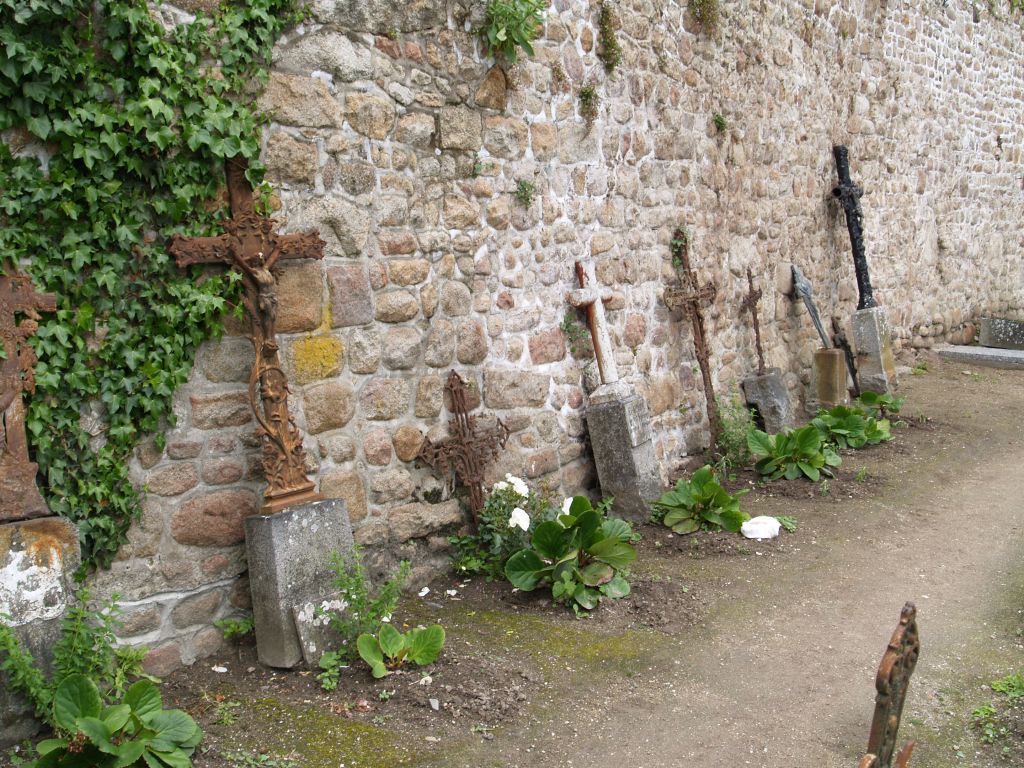
Graveyard in Mont Saint-Michel

                                                                                   Graveyard in Normandy, France – Mont Saint-Michel


The present moment with its joys, wounds, blessings, anguish, celebrations, remorse and sometimes even tears is where we live the Gospel commandments.  It is also where we fall short of them.  The present, most fully found in the Divine Liturgy and services of the Church, is where we also find and live our repentance and where we learn to redeem or sanctify the time while sharing in Eternity.
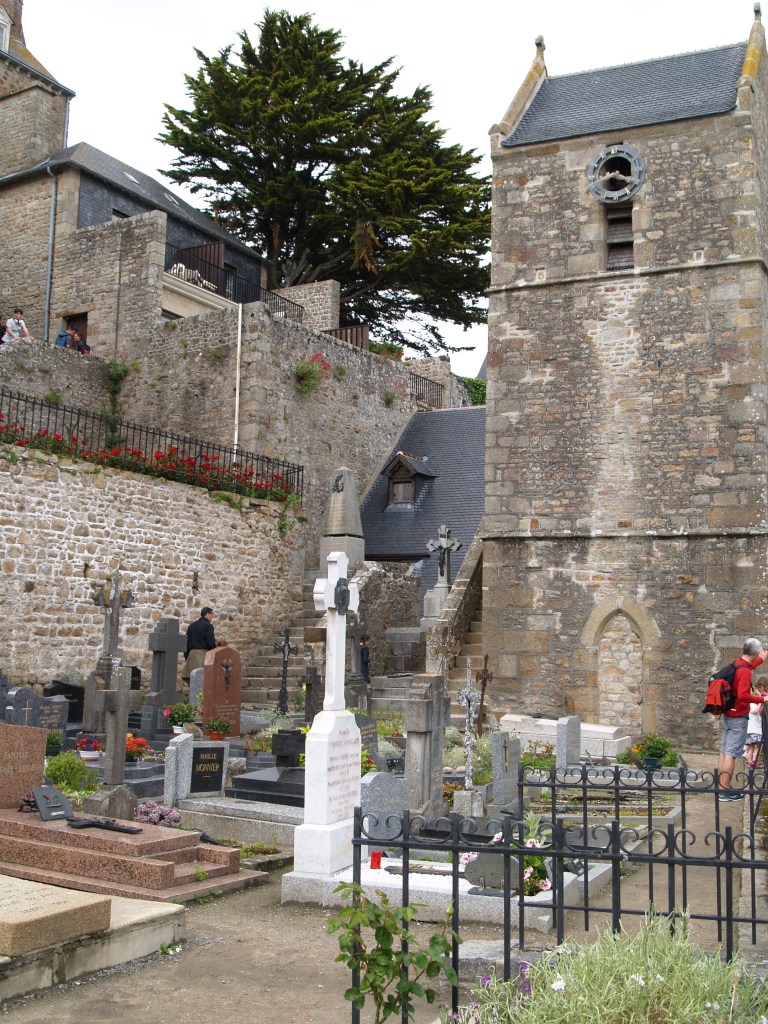
 

Graveyard in Normandy France - Mont Saint Michel - see how the windows of the town look right into the cemetery

     Graveyard in Normandy France – Mont Saint Michel – see how the windows of the town look right into the cemetery

We give alms, pray, Confess and receive the Mysteries of the Church in the present.  One could just easily leave every Confession with the words “και του χρόνου” because truly no one of us knows whether this Confession will be our last, whether this Eucharist will be our last, whether this Liturgy will be our last.
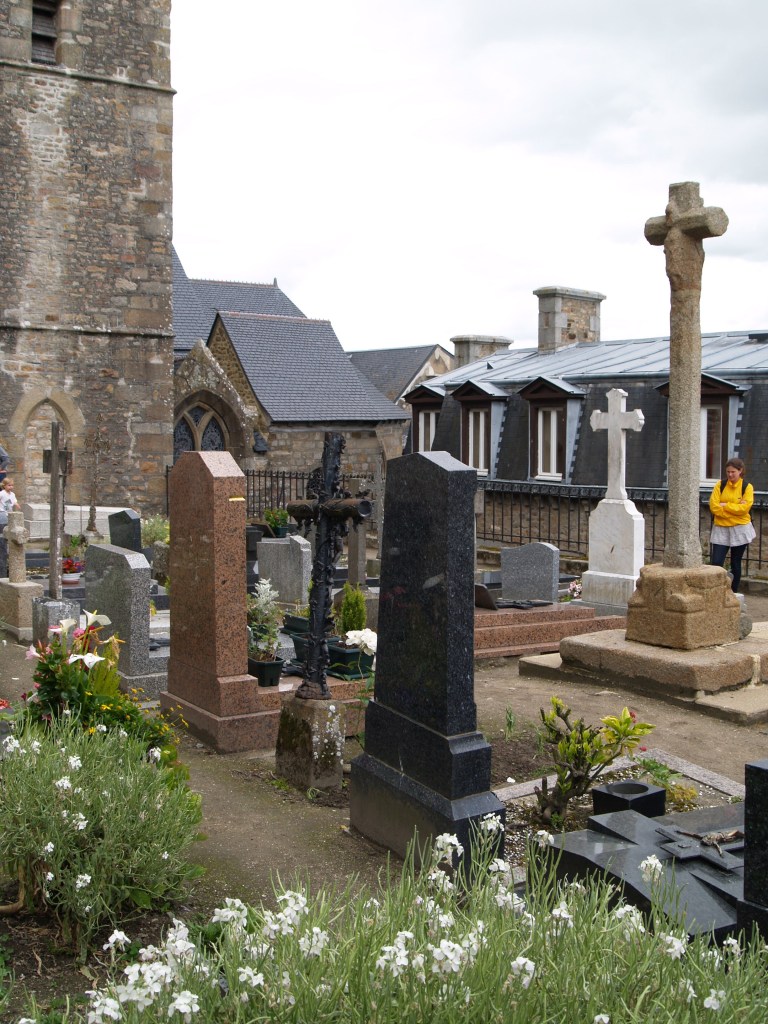
Cemetery of Mont Michel

                                                                                      Cemetery of Mont Michel

I am not a native speaker of Greek, in fact I really don’t speak Greek at all – save for the words in the Liturgy, but the more I listen in recent years the more I see how the Greek language in particular, has been baptized over 2,000 years and molded and shaped by the Faith.  These are not mere words, because the heart always follows.  Rather than a rote response it always grounds and orients our hearts to the Lord.

Although we are heading now toward the Nativity my friend’s response brought Pentecost to my heart.  And we should fervently pray, that one day – our land will have been Orthodox long enough that the English language will encompass the heart of the Faith too such that words of life flow effortlessly from our hearts to our lips too.

και του χρόνου and may God grant us all many years…
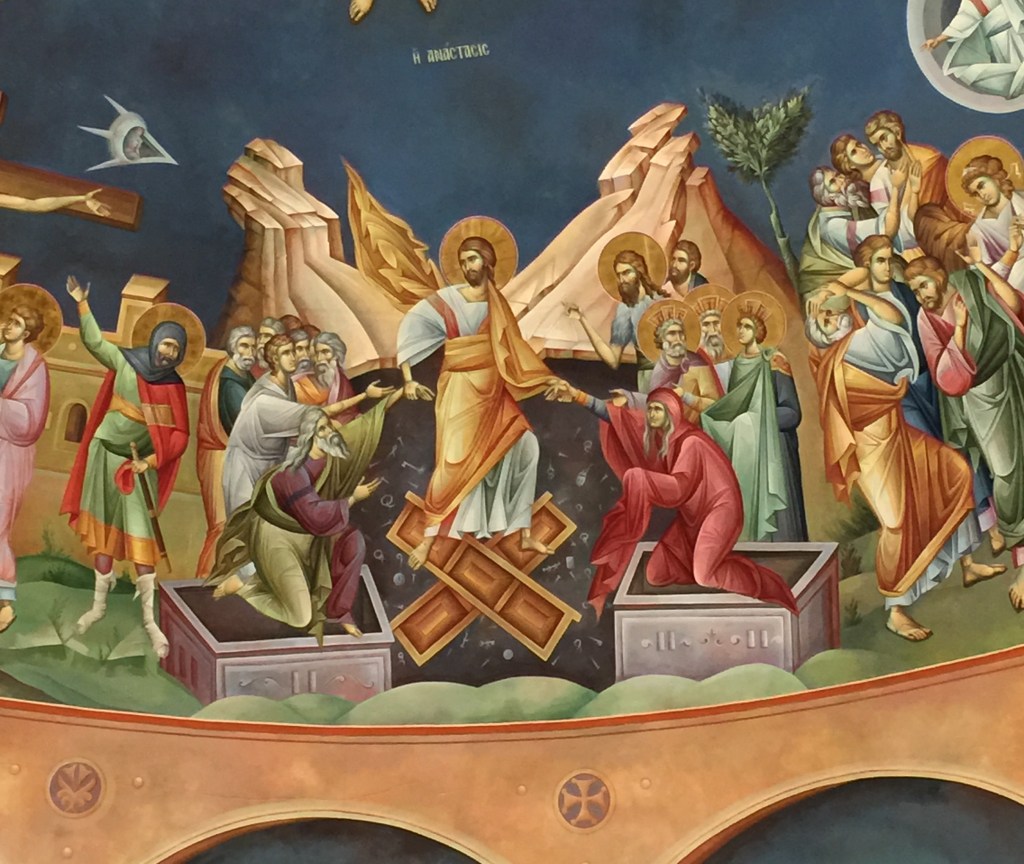
resurrection


Side note :

In 2012, my family made a trip to France and visited Normandy.  The pictures above are from  a village called Mont Saint Michel, which actually began as a small Church and grew into a monastic community that flourished in medieval times.  The abbey village appears to float on the water, because it is surrounded by water, in fact the tides rise and fall by as much as 15 meters each day transforming the beautiful surrounding landscape.  One of the most striking sights in the village for our family is this cemetery, because it is surrounded by windows of homes and that is what struck us so deeply about it.  

the beauty of change

Screen Shot 2017-08-21 at 11.12.22 PM


It happens without fail every year.  I think I only notice it for having lived in this area my whole life.  This past week, the faintest scent of the coming Fall has hung in the early morning dewy air.   You only smell it in the morning.   I don’t know why.

A few weeks ago, a little golden angel leaf is the first fallen leaf on the deck.  None of the other leaves have changed color… yet.

When I was a young girl, that faint aroma of moldering leaves always reminded me of the beginning of school, but now it brings the recollection of the approaching end and beginning of the Liturgical Calendar just beyond the Dormition of the Theotokos.

Another years journey through complete cycle of Christ’s birth to His glorification.. the mystery of Christ and the salvation of mankind.   A new school year approaches… in the school of repentance.


pure repentance

great canon Saint Andrew

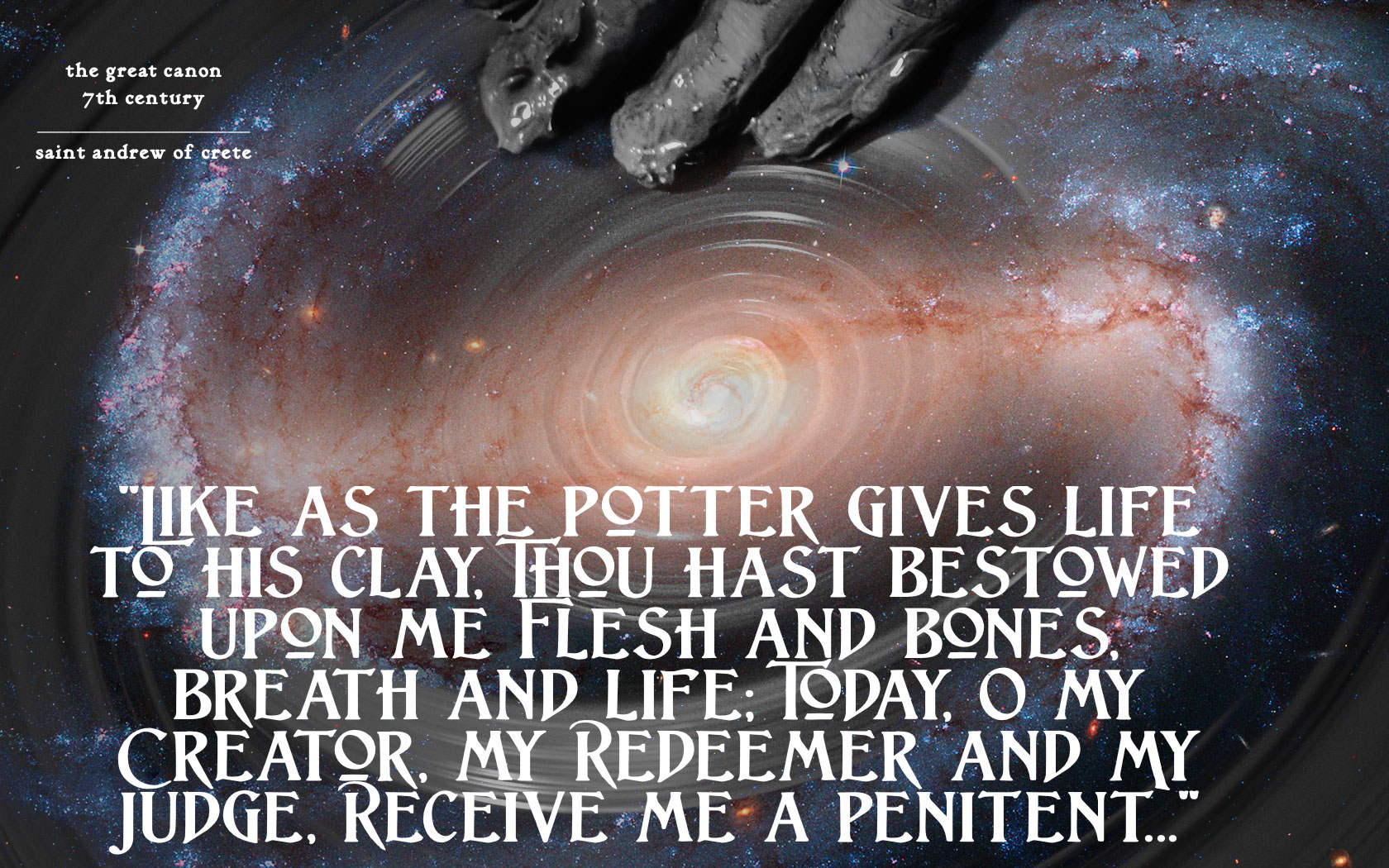
“Like as the potter gives life to his clay, Thou hast bestowed upon me Flesh and bones, breath and life; Today, O my Creator, my Redeemer and My Judge, Receive me a penitent…”

Great Canon of Saint Andrew of Crete

Great Lent

The Canon of Saint Andrew of Crete is chanted the first week of Great Lent and

“is a real introduction to Lent, it sets its tone and spirit, it gives  us—

from the very beginning—the true dimension of repentance.”

Fr Alexander Schmemman : Great Lent: A School of Repentance
Its Meaning for Orthodox Christians