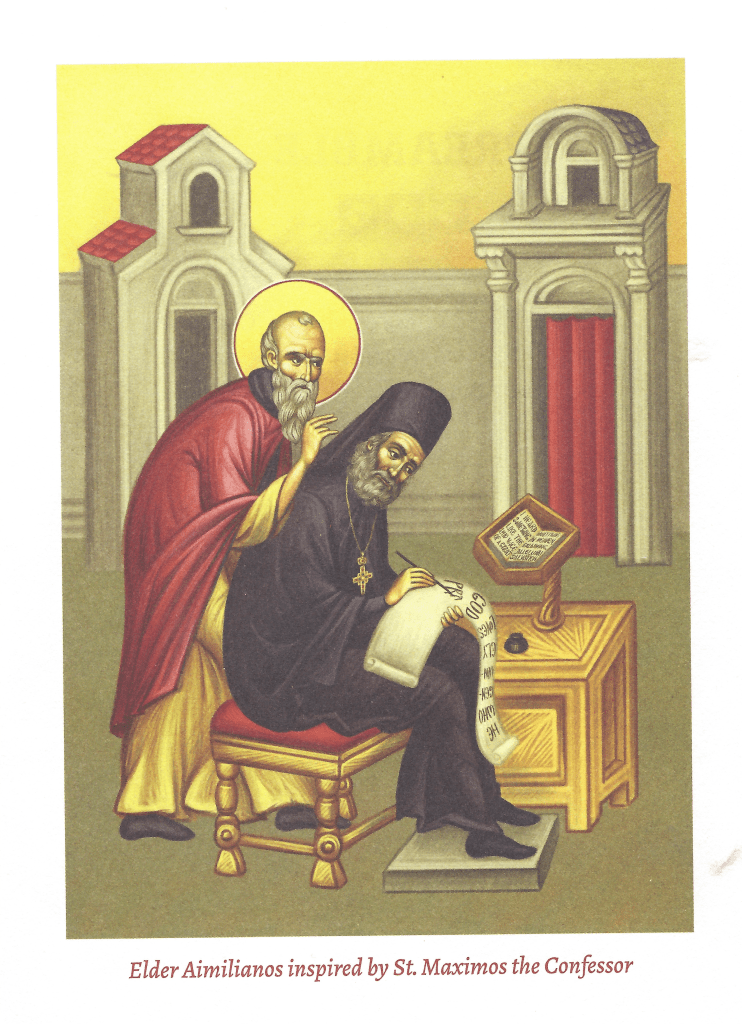
The commanments are assimilation’s of God. They are things that have been uttered by God, and thus they are an extension of God Hinself; they come directly from Him, and to them my will must be united…
…the purpose of the commandments then, is rendering to God what belongs to to God. It is, we could say my self identification with God, my being found together with God, with what He thinks, and with what the Holy Trinity thinks together as one. The moral or ethical life which is the concrete application of God’s commandments, does not consist in, “I must do this, and not do that; this is forbidden, that is permitted.” To the contrary, morality is essentially a fullness of life in God, having as its basic element the assimilation of God’s will, and the rendering to God of all that belongs to Him, so that my work and activities are in accord with God who is still working.
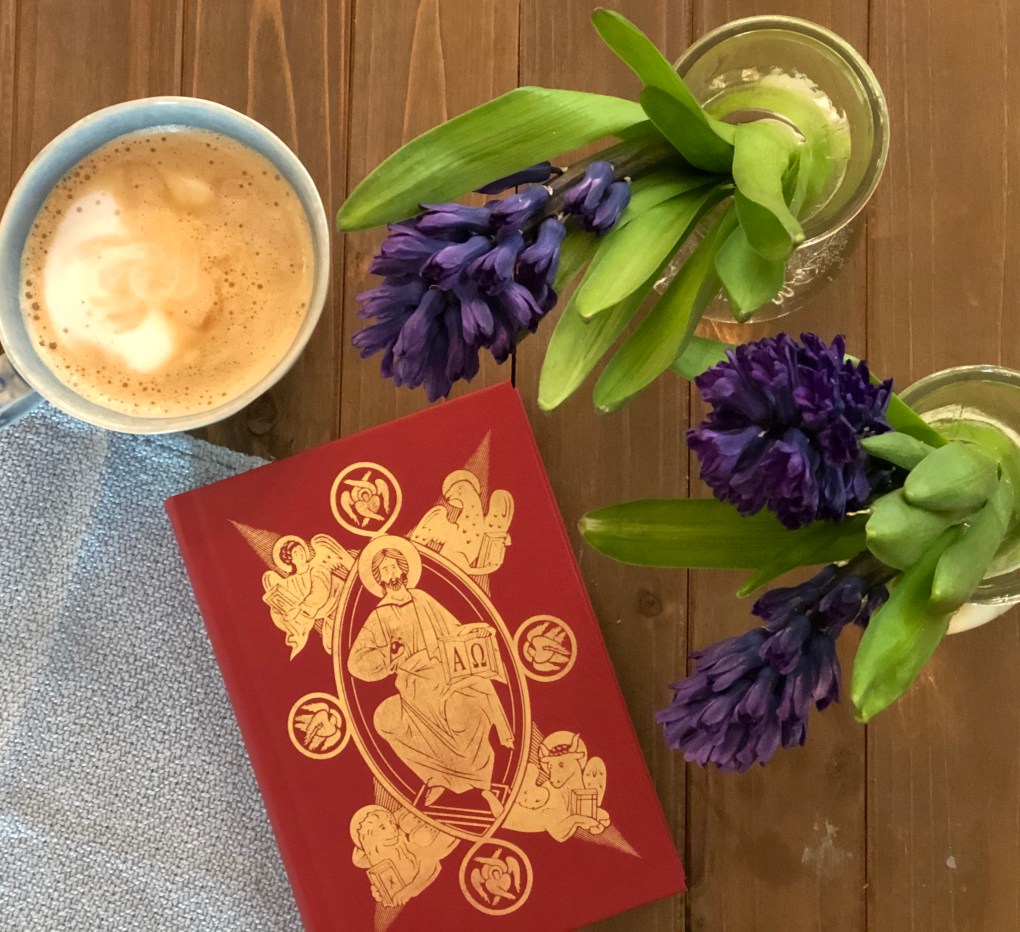
The Mystical Marriage : Spiritual Life According to Saint Maximos the Confessor
Quite naturally then, a person is led to a state of mind, that is purely eschatological; to a mind that looks beyond this life and thinks only of the next. When someone possesses divine love, he or she no longer wishes to live in this present state of existence, but is concerned only about the future. This is because they realize that whenever the mind is drawn away and becomes preoccupied with something — with its problems, its life, or with some material thing, good or bad — but does not love God and runs the risk of forgetting Him altogether.
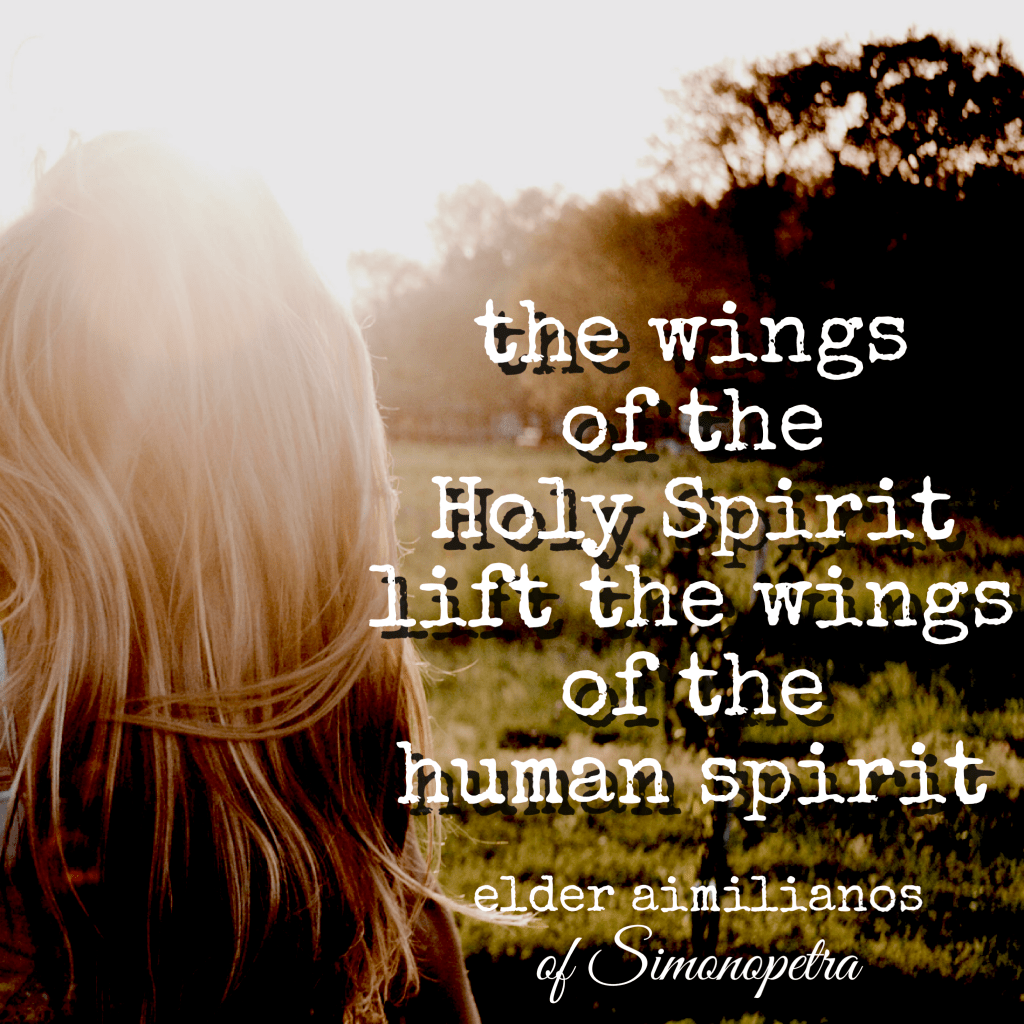
Saint Maximos seeks to life up the human spirit, and give it wings, so that it might soar to the heavens. This is why he uncovers for us the true meaning of life, namely that life is spiritual, it is upborne by the Holy Spirit. The wings of the Holy Spirit lift up the wings of the human spirit, freeing it from every weight and heaviness and enable it to rise upward.
Elder Aimilianos
The Mystical Marriage spiritual life according to Saint Maximos the Confessor
The life of the faithful should be filled with joy and gladness, which are among the fruits of the Holy Spirit. The Holy Spirit Himself gives these fruits to our souls and to our communities. At the same time our life must be something that transcends the world, informed by theological thought and feeling, manifesting the experience of eternity in the place and time in which we live. We are obliged truly to be people of eternity. If we are not thinking theologically, and if our relationships are not relationships of essential contact with God, then our life will be prosaic and vain…
Elder Aemilianos of Simonopetra
The Mystical Marriage : The Spiritual Life According to Saint Maximos the Confessor
Prayer is the transcendence of time and thus an enty into the timelessness, eternity, perfection and splendor of God. Prayer is our inclusion in the life of God, our perichoresis in God, and – if I may put it this way, our obliteration in God, so that we might become one with Him. This is what happens in prayer; this is what prayer is. And this is why love and prayer are so closely aligned that each can signify the other.
Elder Aimilianos of Simonopetra
of blessed memory
The Mystical Marriage : The Spiritual Life According to Saint Maximos the Confessor
May we together have enough oil in the vessels of our souls, so that, not wasting the time of rewards in buying more, we may sing, “Bless the Lord, O works of the Lord.”
Holy Monday Bridegroom Service
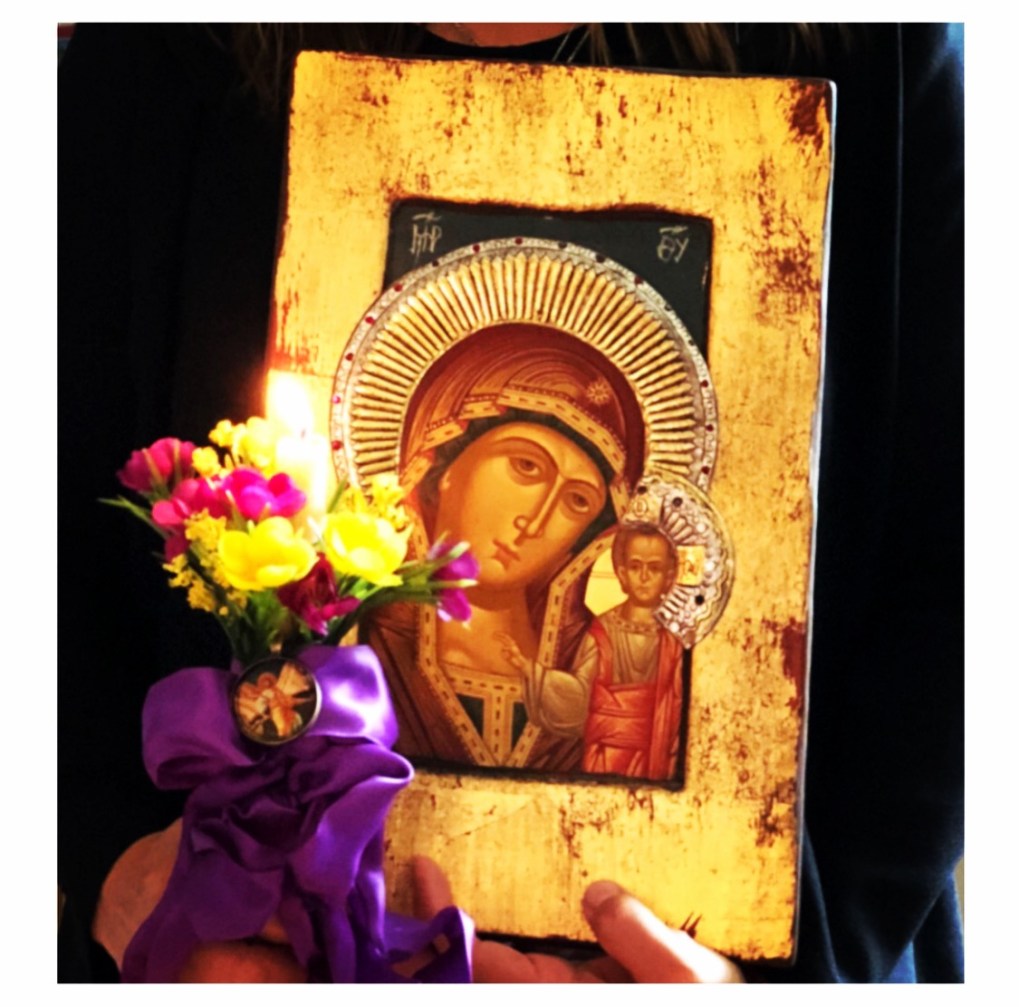
Next week is Holy Week for Orthodox Christians. During the first three days of Holy Week – beginning with Monday (Sunday_, we hear one of the most solemn sober mystical moving and beautiful hymns of the Church year…. “Behold the Bridegroom comes at midnight and blessed is the servant whom He shall find watching“. It is a hymn based on the parable of the wise virgins in Matthew 25:1-13. Our Mother the Church always draws our hearts and minds to the timeless steadfast wisdom truth of what is needful. Monastics always remind us that to live in the present moment and to live in remembrance of our death is a great gift… not a sorrowful morose outlook, but rather a sober yet joy filled Heavenly Kingdom centered focus.
According to the Orthodox Study Bible, the parable of the wise virgins is about the virtue of preparedness and charity and almsgiving. It is also about the Second Coming, and “the impossibility of changing one’s state of virtue after death” (Orthodox Study Bible Footnotes). Being watchful and ready. Behold the Bridegroom comes in the middle of the night, and blessed is the servant whom He shall find watching.
The wise virgins are those who practice charity and mercy in this life, while the foolish are those who squander God’s gifts on themselves…
Footnotes: Orthodox Study BIble
The oil of our lamps is the oil of Faith and the vessel of the lamp is our very soul. It is the oil of faith, of virtue, of gladness, of mercy, of forgiveness, of love, of repentance of prayer and thanksgiving – devotion to God the Father through Christ and the Holy Spirit. Holy fuel… ever lighting the wicks of the hearts of Orthodox Christians – the Paschal flame dispelling darkness. “Come receive the Light that is never overtaken by night... ” like the Paschal candle, Christians are called to walk in the world not of the world, with the Paschal flame not hidden under a lamp but visible and touchable – like the Paschal candles we soon light and spread illumining and spreading through our Churches – we are not saved alone, because we are the members of the Body of Christ.
Come glorify Christ Who is risen from the dead!” As we walk the arduous coming journey with Christ through Holy Week,waving palm crosses and singing Hosanna in the Highest at His humble Entry into Jerusalem; pouring fragrant mhyrr upon him and kissing His soon to be bruised feet, sitting with Him at His “take eat this is my body and blood which is shed for you and for many for the remission of sins” Last Supper; the betrayal of one who did not repent, His passion, beating and bent crown of thorns placed upon His head scourging; His voluntary death on the Cross, to His glorious “death trampling down death” Resurrection. May our walk be Lenten and blessed. May we be lentenly blessed and rejoice in His glorious resurrection. Kalo Pascha. Καλό Πάσχα! Blessed Pascha.
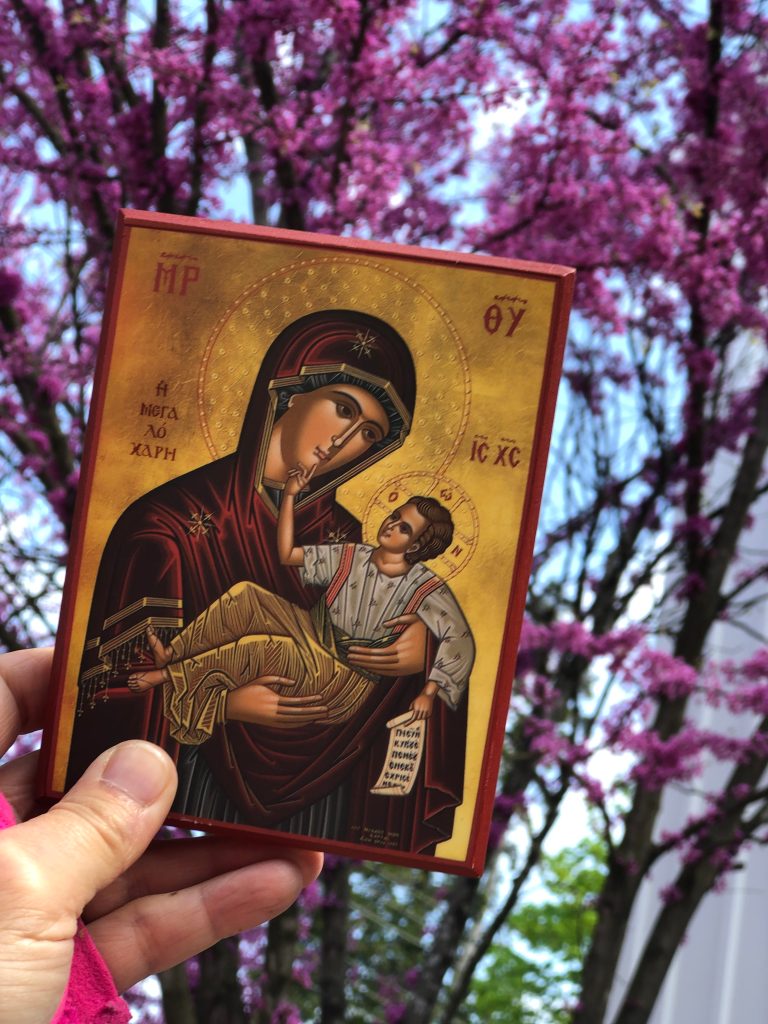
Think about the toil that God undertakes on your behalf. Think of His concern and anxiety for you, along with His patience, and long-suffering. Consider His wisdom, and His great strength. He has become everything entwined with all things, interwoven with all things, in the clouds, in the pillars of fire, on the mountain tops, in the low places, in our sins, in our cries, in everything. He is everywhere. And since I know that I can’t live without Him, I will never forget Him, or live apart from Him.
One example of God stooping down to our level is given to us in the Psalms. Do you remember the wonderful image of Christ stooping down in order to drink from a running stream? He shall drink of the brook in the way, it says, therefore shall He lift up His head. (Psalm 109.7). What does this mean? That “although you forget me, I, the heavenly God, stoop down just as you do. I share in your life, so that you can share in Mine. I move and act like you do to show you that I’ve become like you, so that you can become like Me.
Do you grow weary on your journey? So do I. (John 4.6) Do you thirst? (John 4.7, 19, 28) So do I. Do you stoop down to drink water? I do the same. I humble Myself. I empty Myself. (Phil 2.7). I drink and refresh Myself. What more can I do? What do you do that I don’t?
And since I am so close to you stooping down alongside of you, can’t you catch hold of Me?
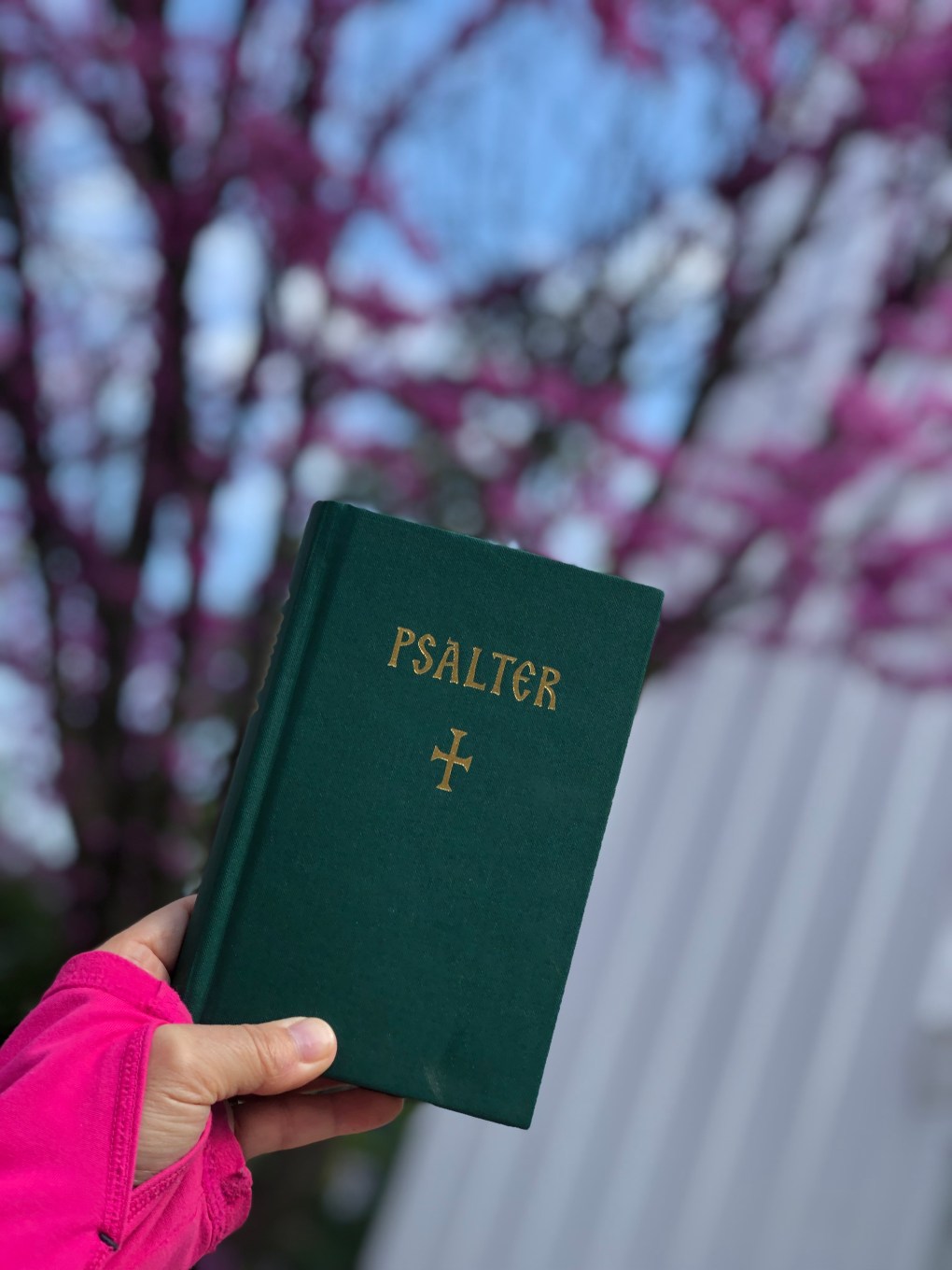
We cannot be in church daily, but it is still possible for us to follow the Church’s progress in Lent by reading those lessons and books which the Church reads in her worship. A chapter of the Book of Genesis, some passages from Proverbs and Isaiah do not take much time, and yet they help us in understanding the spirit of Lent and its various dimensions. It is also good to read a few Psalms—in connection with prayer or separately. Nowhere else can we find such concentration of true repentance, of thirst for communion with God, of desire to permeate the whole of life with religion. Finally, a religious book: Lives of the Saints, History of the Church, Orthodox Spirituality, etc. is a “must” while we are in Lent. It takes us from our daily life to a higher level of interests, it feeds us with ideas and facts which are usually absent from our “practical” and “efficient” world.
The Psalms are the most beautiful songs of poetry that this world possesses. They are the link between the Old and the New Testament, they unify the promise and fulfillment…. when chanted or sung, the Psalms tie the words of wisdom and feelings directly to our hearts.
The Psalms reflect timelessly the universal hopes and fears, love and hate, joys and sorrows of the human heart, and varying moods of human spirit: awestruck and wonder at Gods mighty acts, marvels of creation,groping complexity, the apparent prosperity of selfish scoundrels – from calm trust and deep certainty to cries of hope and desperation.
In speaking of joyfulness of heart, we should say a word about the nature of the heart in question. What sort of heart is it that feels this joyfullness? A broken heart, a heart that breaks itself oopen because of the majesty that it feels. When a person lives as a true member of the Church, against which the gates of hell cannot prevail (Matt 16:18) when he lives in the state of majesty that is proper to him, then he attains his fulfillment, his authetic self-expression, the revelation of his own true self. True self discovery occurs only within the consciousness of the Church. Becoming one with the body of the Church and living within its assurances and certitude, enables one to be free from changes, anxiety and sadness.







 gladsomelife.com