the toil that God undertakes

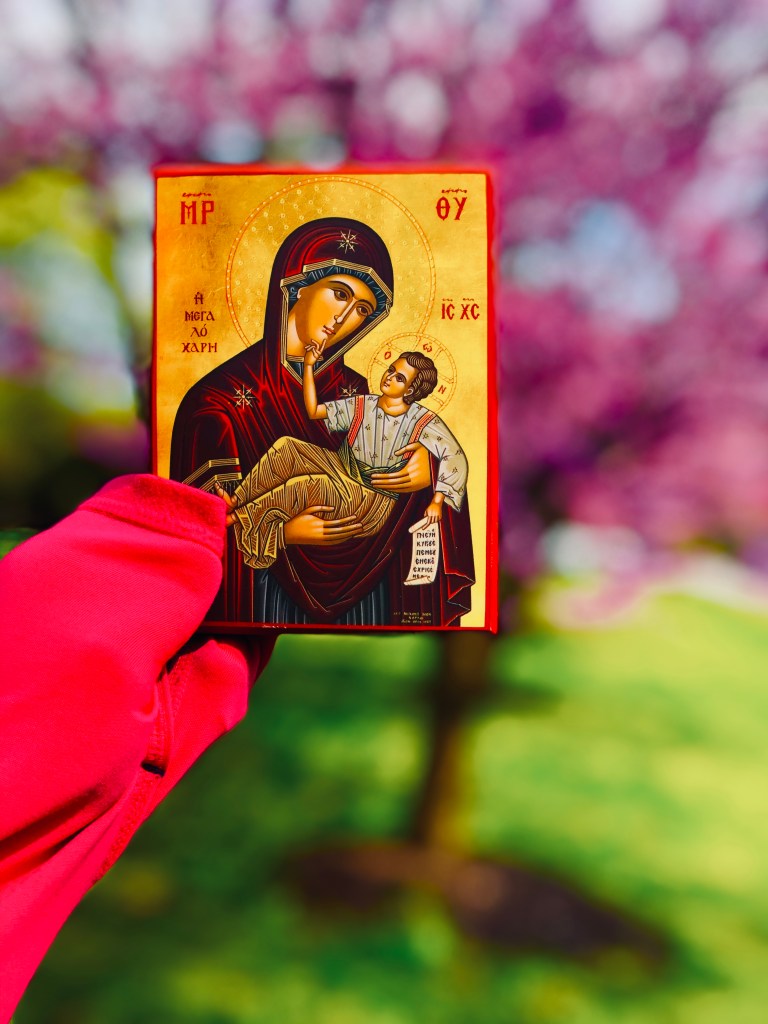
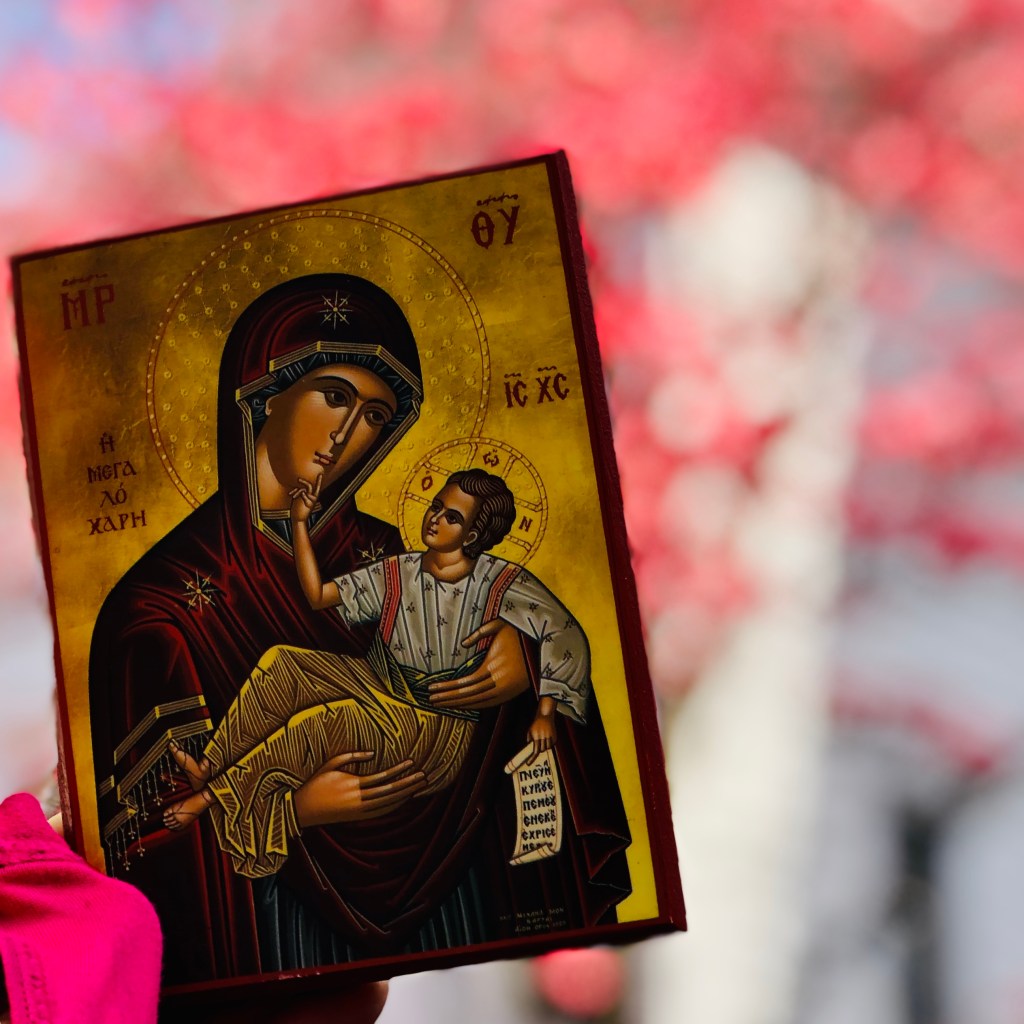
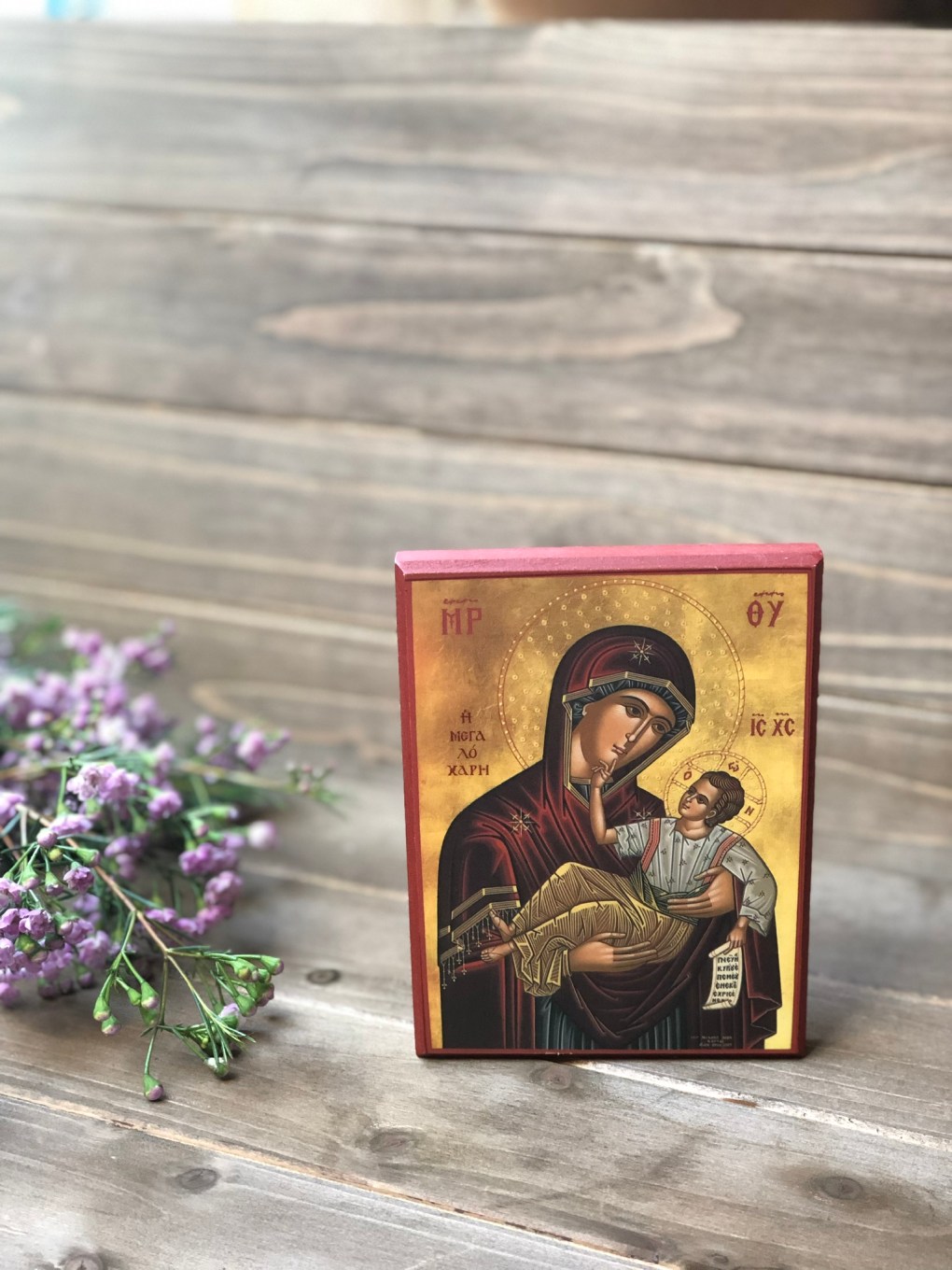
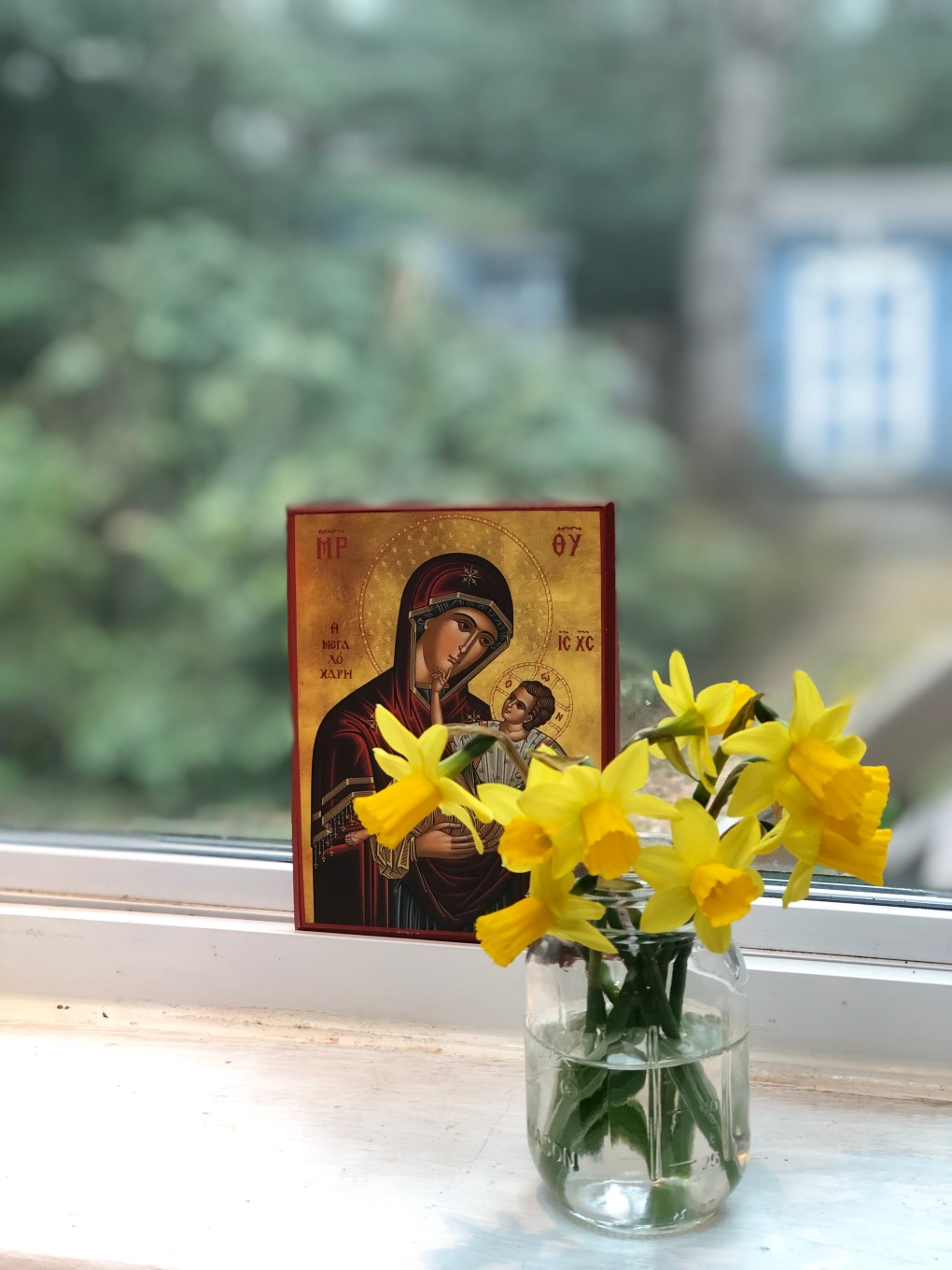
Theotokos surrounded by blossoming trees

Think about the toil that God undertakes on your behalf. Think of His concern and anxiety for you, along with His patience, and long-suffering. Consider His wisdom, and His great strength. He has become everything entwined with all things, interwoven with all things, in the clouds, in the pillars of fire, on the mountain tops, in the low places, in our sins, in our cries, in everything. He is everywhere. And since I know that I can’t live without Him, I will never forget Him, or live apart from Him.

The Way of the Spirit, page 177-178

Elder Aemilianos of Simonopetra


catch hold of Him

One example of God stooping down to our level is given to us in the Psalms. Do you remember the wonderful image of Christ stooping down in order to drink from a running stream? He shall drink of the brook in the way, it says, therefore shall He lift up His head. (Psalm 109.7). What does this mean? That “although you forget me, I, the heavenly God, stoop down just as you do. I share in your life, so that you can share in Mine. I move and act like you do to show you that I’ve become like you, so that you can become like Me.

Do you grow weary on your journey? So do I. (John 4.6) Do you thirst? (John 4.7, 19, 28) So do I. Do you stoop down to drink water? I do the same. I humble Myself. I empty Myself. (Phil 2.7). I drink and refresh Myself. What more can I do? What do you do that I don’t?

And since I am so close to you stooping down alongside of you, can’t you catch hold of Me?

Elder Aemilianos of Simonopetra


joy{full}ness of heart

In speaking of joyfulness of heart, we should say a word about the nature of the heart in question. What sort of heart is it that feels this joyfullness? A broken heart, a heart that breaks itself oopen because of the majesty that it feels. When a person lives as a true member of the Church, against which the gates of hell cannot prevail (Matt 16:18) when he lives in the state of majesty that is proper to him, then he attains his fulfillment, his authetic self-expression, the revelation of his own true self. True self discovery occurs only within the consciousness of the Church. Becoming one with the body of the Church and living within its assurances and certitude, enables one to be free from changes, anxiety and sadness.

Elder Aemilianos of Simonopetra


people of eternity

The life of the faithful should be filled with joy and gladness, which are among the fruits of the Holy Spirit. The Holy Spirit Himself gives these fruits both to our souls and to our community. At the same time, our life must be something that transcends the world, informed by theological thought and feeling, manifesting the experience of eternity the place and time in which we live. We are obliged truly to be people of eternity….

We are obliged to learn, to think, and to live, to rejoice and to weep, to experience God, and to be raised to the heavens, exactly as did the Saints of the Church. This follows from the unity of the Church, which is something that God grants to us when we gather together.

Elder Aemilianos of Simonopetra


gladdening

Prayer then, since it is communion with God, is gladdening. Certainly we shall have our struggle against our sins, and our passions. But not even this should depress us, once we have put our life into Jesus Christ’s hands. The struggle is necessary, however, for our life to be blessed.

Elder Aemilianos of Simonopetra


a vessel of myrrh

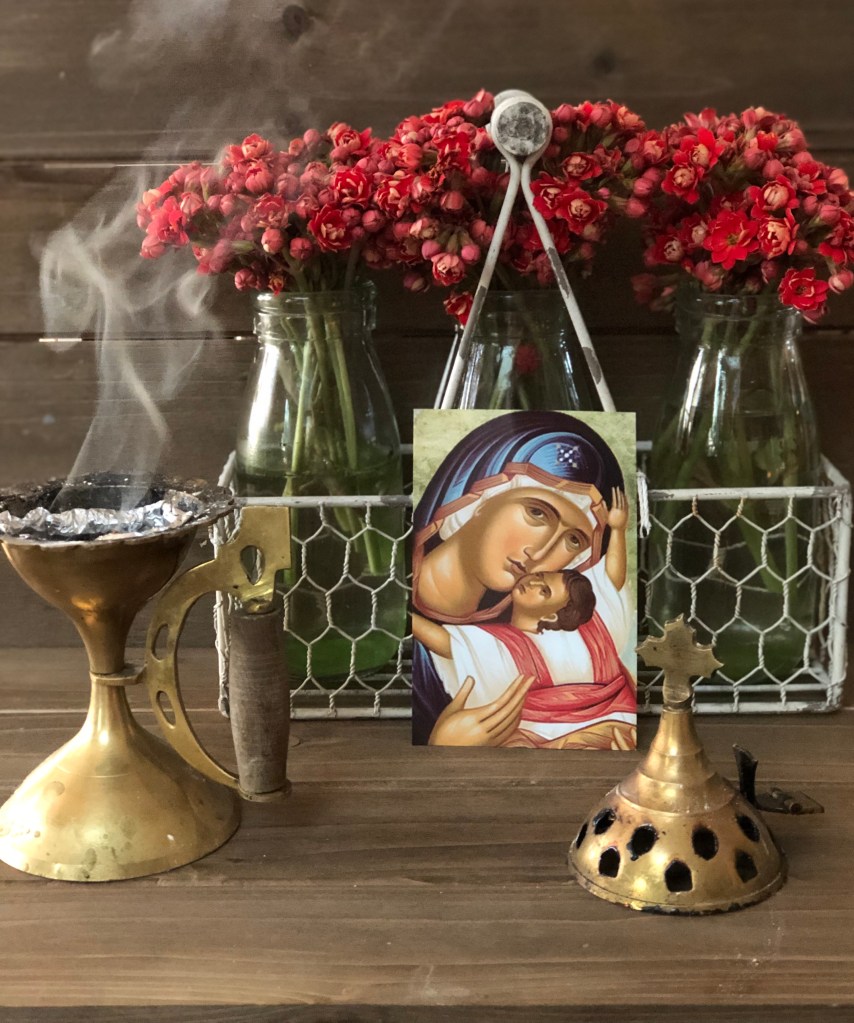
The name of Jesus, prayer of the heart, is called a vessel of myrrh by the Holy Fathers. ⠀⠀

You open it, you turn it upside down and the myrrh flows out, the place is filled with fragrance. … for each one of us is a temple of God, and when we pray we become celebrants of a great mystery.⠀⠀

This is why one of the Fathers of the Church says, very beautifully “ take a censer and cense, because Christ is in your heart from which rises the cry, “Lord Jesus Christ” and elsewhere he says, ⠀

“when we hear the swing of the censer, let us remember that we are a temple and let us feel in our minds that we are censing Christ., Who is in each of us, and thus let us venerate this tabernacle of the Holy Spirit”⠀

elder Aemilianos of Simonopetra


what we can do in our everyday life


“What we can do in our everyday life is something very simple. First, we should be careful not to disturb or upset our relations with others, even a little. We should not allow ourselves to be swayed by how much we like or dislike a person, which indicates the degree to which our stance is dependent on that person. For example someone might might speak to me rudely and I ignore him. Or someone else might speak to me kindly and I embrace him. In both cases my responses are determined by the other person, which means that at any moment I can be troubled, become angry, lose my inner peace, or otherwise be thrown off balance, because I have no control over what people say or do to me.

+ Elder Aemilianos of Simonopetra


naturally open

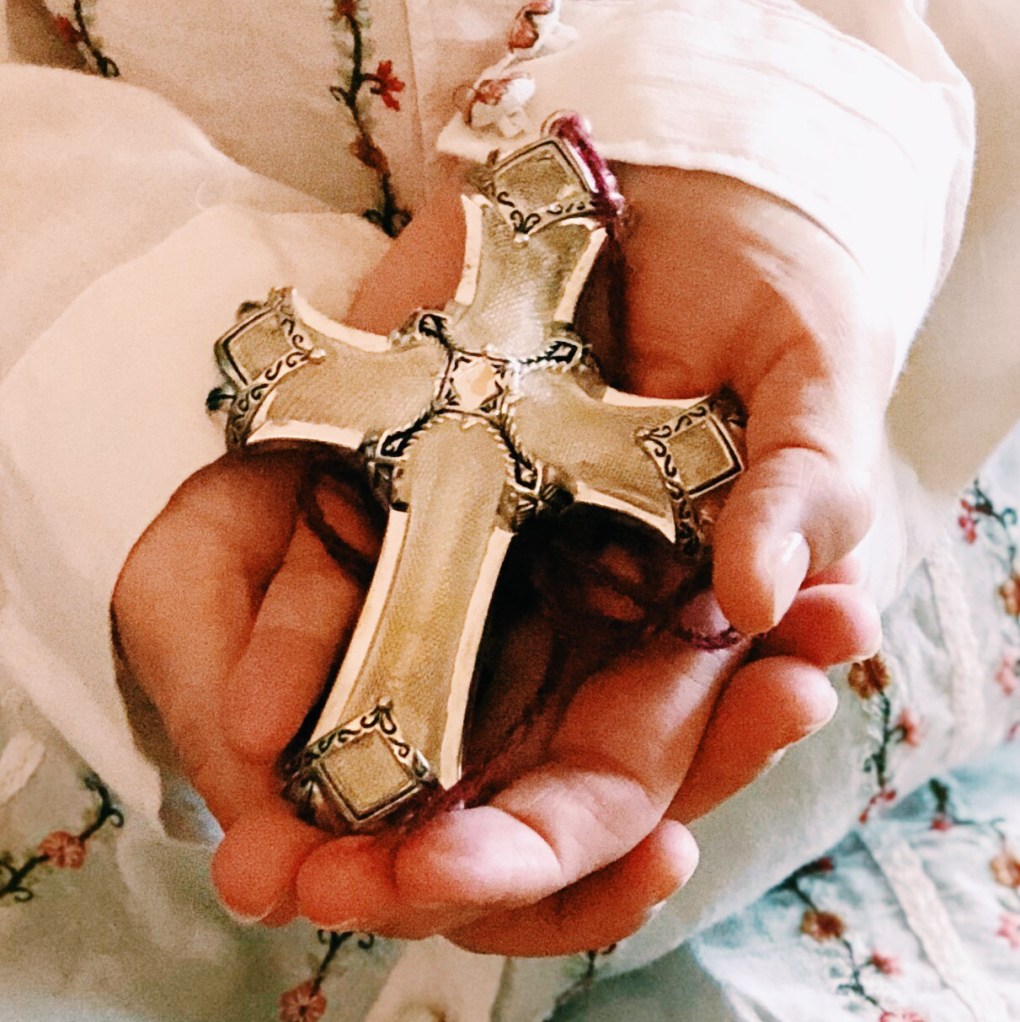
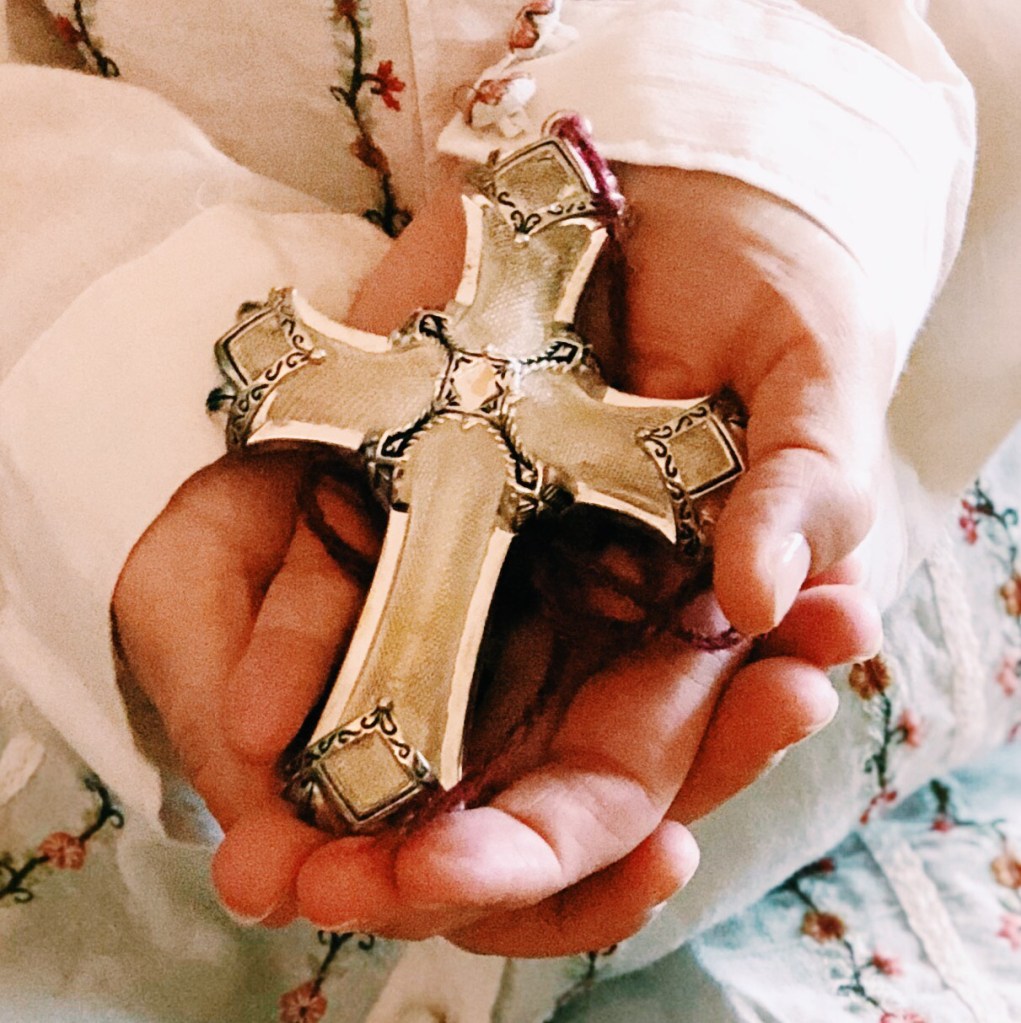
Hand holding Cross


“What is natural, simple, and easy, and makes us happy, is the love of God, which is as natural as the eyes seeing and the mouth speaking.  The mouth is not able to walk, but has been made to speak. The hand is for holding, embracing, giving alms and to make the sign of the cross.  These are their natural functions and they are all very easy.  If you try to walk on your hands it will be difficult and uncomfortable, since this is not what they are made for.  In the same way, it is natural for the mind to be turned to and focused on the love of God, because it is toward God that the human mind naturally tends.  Just as our eyes naturally open to the light, so to does our mind open naturally to God, who is the Creator of light.”

+

Elder Aemilianos of Simonopetra Monastery

The Mystical Marriage  + Spiritual Life According to Saint Maximos the Confessor


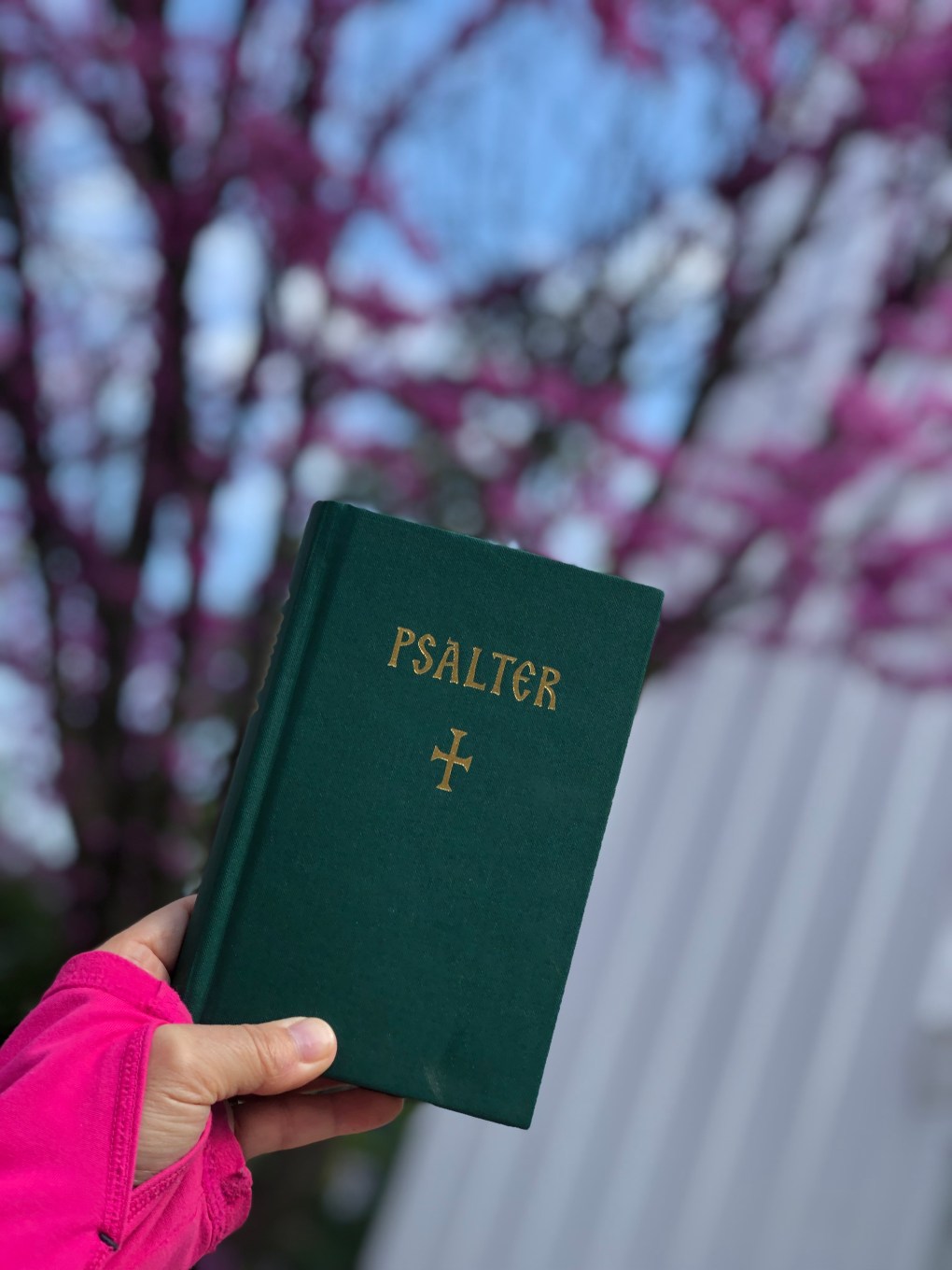
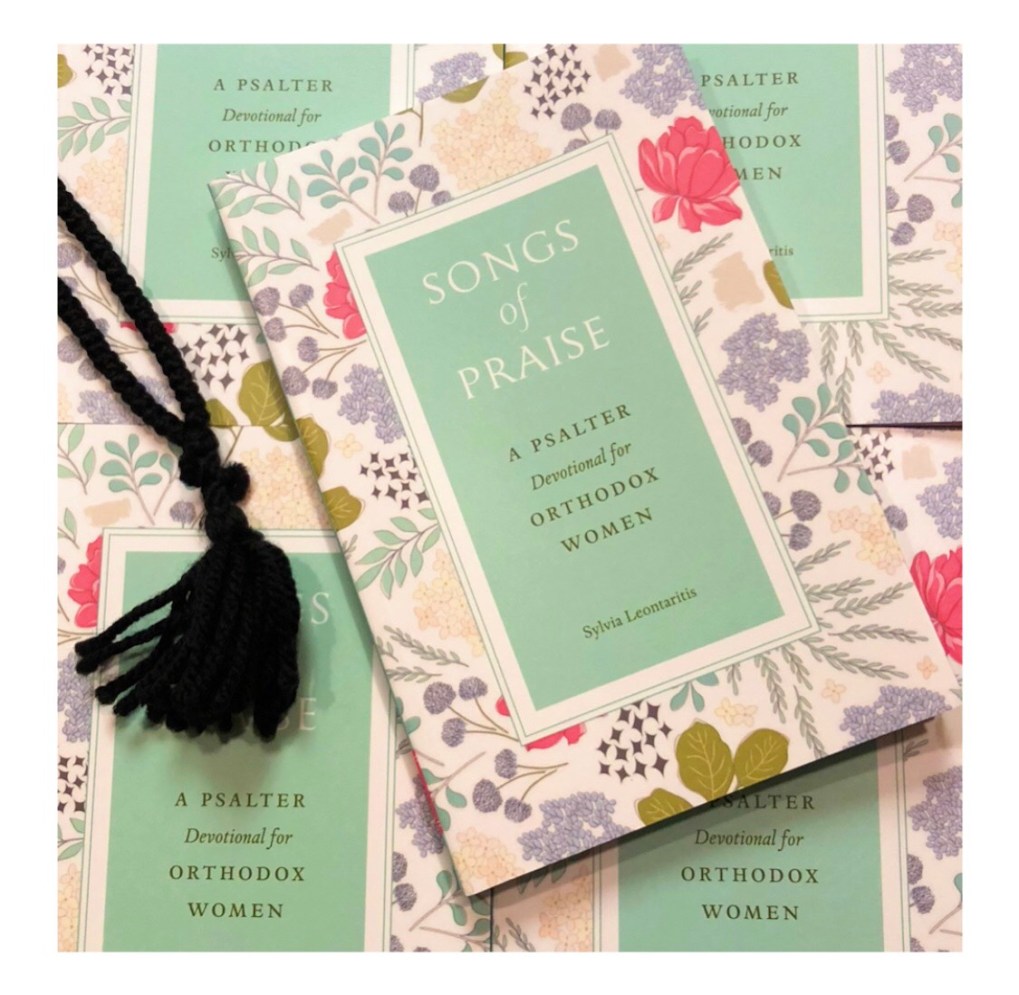
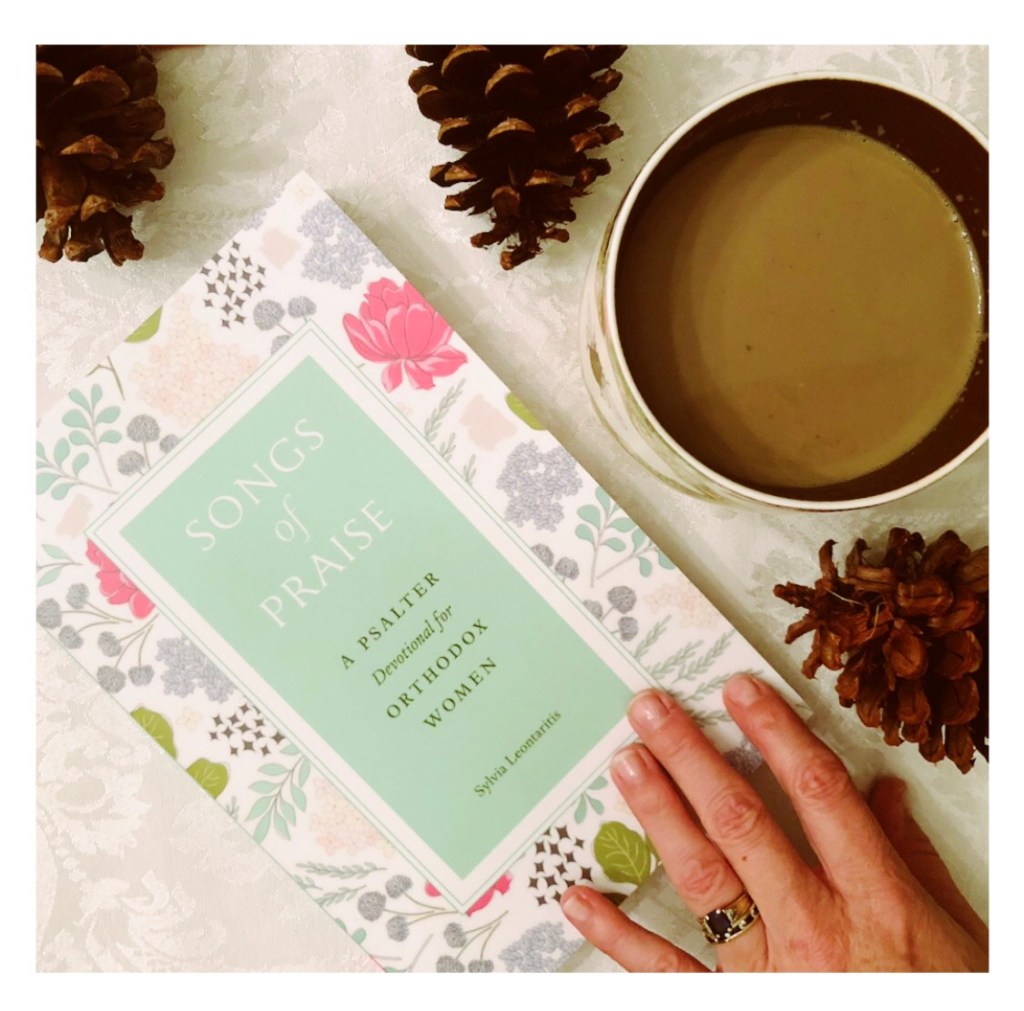
book review : Songs of Praise – A Psalter Devotional for Orthodox Women

IMG_0532

Just got back from visiting my dad in Florida for Thanksgiving and I am SO GLAD that my copy of Songs of Praise was waiting for me in my mailbox when we returned!!!  Songs of Praise is a devotional, perhaps one of the first  devotionals written with Orthodox Christians in mind.  Its author is Sylvia Leonaritis, who also writes the popular blog Orthodox Mom.  For many years now she has organized an online Psalter Prayer group made up of Orthodox women the world round.

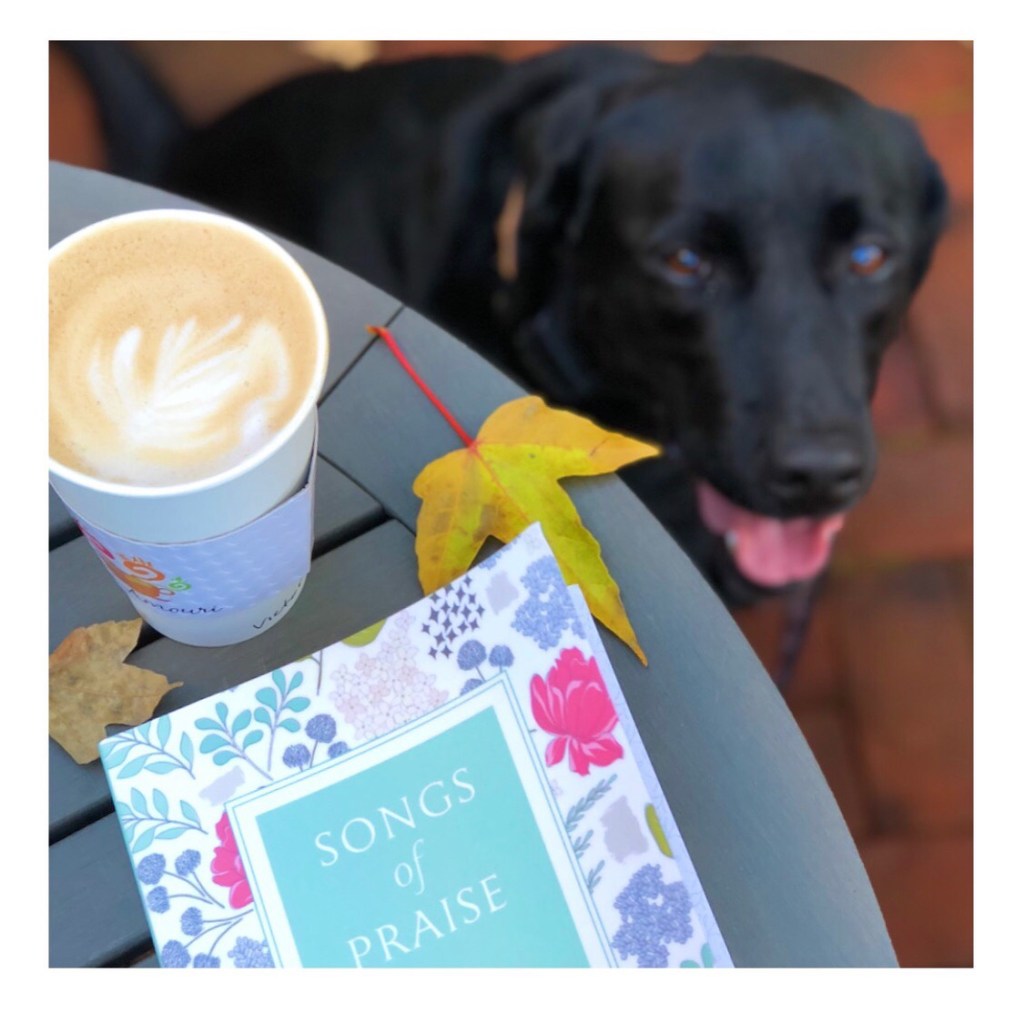
Over the years, praying the psalms has been a great source of joy and comfort to me, so I was really really glad to hear about this book.  For Orthodox Christians the psalter is our ancient song of Praise and hymn of prayer.  The Psalter is the ancient hymnal of Israel and of the Church.   It is a deeply integral part of our faith and worship.   So as soon as we opened the mail, the dog and my youngest daughter and I took a walk into town to the local coffee shop and I sat outside to pour over the pages of Songs of Praise.

I really love that – between each Kathisma – Sylvia offers words of encouragement rooted in faith and stemming from her own personal journey and walk with Christ.   Her own struggles, her own joys, her love of God and her Faith walk.   Such reflections are a reminder that the psalms are not just lofty words but rather speak to the heart of every Christian and also that the psalms encompass every human emotion from thanksgiving, brokenness, repentance, tears, Praise, sorrow, joy, grief, fear, anger, seeking refuge, love, blessing, seeking God and ultimately offering ourselves to Him and cultivating that needful relationship in prayer.

In other words – real life, real struggle, real joy.

Sylvia’s reflections remind the reader that Christ Himself is present in the psalms and that He meets us wherever we are in our walk of Faith and that our journeys of Faith are not about being perfect people but about being a people who through Christ – in our Orthodox Faith – are being perfected.

There is ample space in the book for journaling and devotion.   This is a lovely practice that we see so often from our Protestant friends  – but in fact – I would put forth that journalling is really an Orthodox practice.   Monastics keep spiritual journals and I am a firm believer that Orthodox monastic practices are a benchmark and guidepost for us all.   Not only that, the Psalter itself is an outpouring of the heart of Saint David – the man who is called “a man after God’s own heart”    The Psalms are actually his devotions.

The journalling pages are a great place to write your intentions, to cast your cares, give thanks, draw a picture, list those whom you hold up in prayer, copy a psalm verse you want to commit to memory, or to journal a word or phrase that has special meaning during this season of your individual journey in Faith.

Sylvia has been journalling for many years, and mentions that it is a great source of joy for her to go through the previous years pages of her journals and see how God has woven goodness in her life, how prayers have been answered or even unanswered and how that has all been needful and worked together for good in her life.

One of my favorite reflections in the book is Letters to the Theotokos because it is so sweet – a lovely reflection on our devotion to Panagia and her role in our salvation and example as a mother, the veil of her protection and intercession for us all.

If you’ve never prayed the psalms know this – the reading of the psalms is a beautiful encouragement to everyone – to pray the psalms and have them pray in you.  It will uplift your life.  This devotional is a great resource – encouraging women (and men) to bring the psalter into the rhythm of everyday life and the Liturgical cycle.

I can not encourage you enough to get this book.  It is available at the Ancient Faith Store

IMG_0522

enchanting meadow

IMG_1233

+ + +

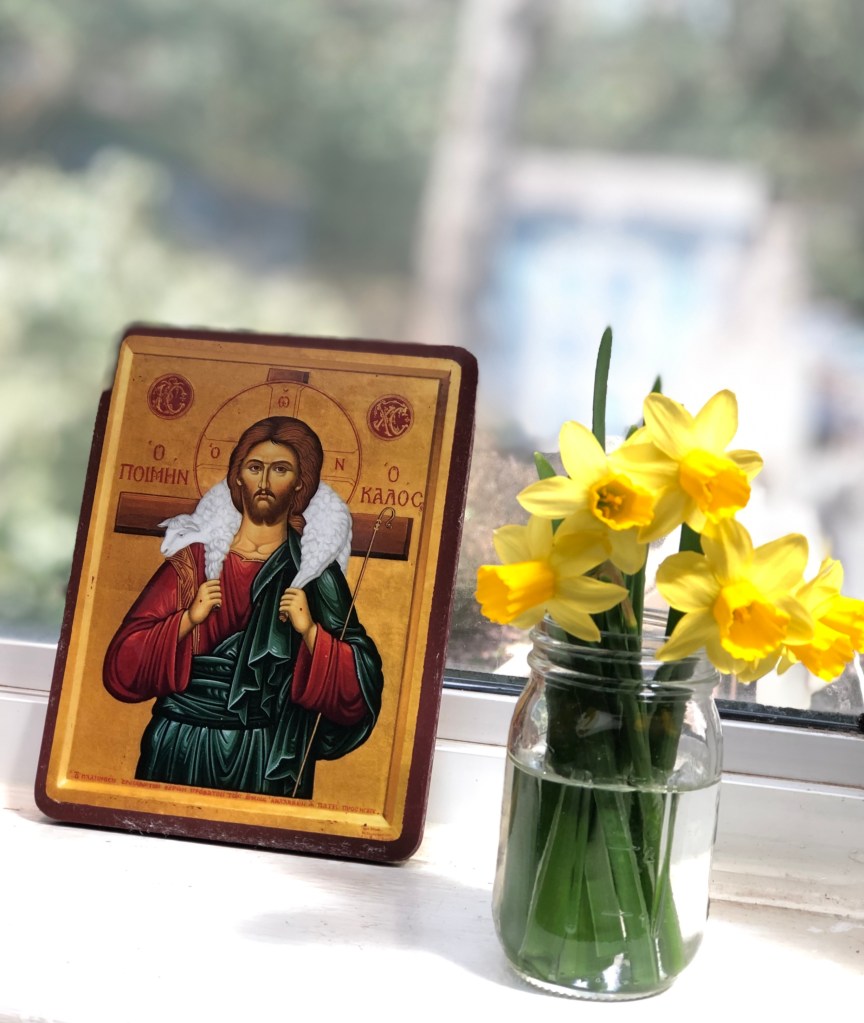
“… we cross a threshold… a shift occurs, the atmosphere changes and all the essential elements are transformed.  And all of this happens in order to prepare us for the greatest and most wonderful period of the year: Great Lent.  The Triodion opens up a door which leads directly to heaven.  The Triodion is an enchanting meadow, where Christ is the shepherd and God feeds His spiritual flock.”

Elder Aemilianos

+ + +